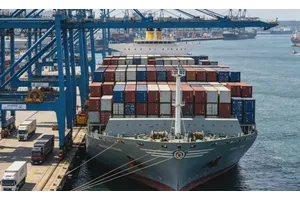
Are you wondering how much sea shipping cost from China to Bahrain and what factors influence these expenses? Navigating international logistics can be challenging, especially when dealing with complex freight rates, customs regulations, and container types.
With over 10 years of hands-on experience managing Middle Eastern trade lanes at DTFU International Logistics, our team handles hundreds of containers on this exact route every year. In this comprehensive guide, we’ll leverage our first-hand operational data to break down major shipping routes, exact cost structures, and insider tips for securing the best deals on your China to Bahrain sea freight. Discover how to optimize your shipping budget, navigate customs smoothly, and avoid the costly mistakes we see first-time importers make!
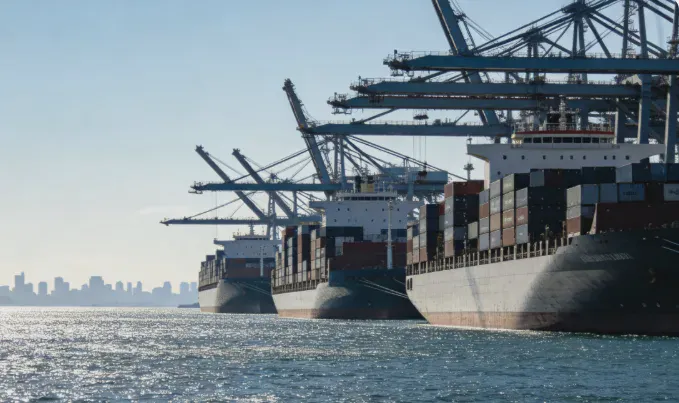
Main Shipping Routes and Major Ports between China and Bahrain
When considering sea shipping cost from China to Bahrain, understanding the main routes and major seaports is essential for planning efficient and cost-effective logistics.
Main Shipping Routes
The majority of ocean freight from China to Bahrain is shipped through the following route:
- Departure Ports in China: Key export ports include Shanghai, Ningbo, Shenzhen, Guangzhou, and Qingdao. These ports are equipped with modern facilities and a high frequency of sailings to the Middle East.
- Transit Route: Vessels typically pass through the South China Sea, enter the Malacca Strait, move across the Indian Ocean, and then proceed via the Arabian Sea and Gulf of Oman before entering the Persian Gulf. Expert Note: In our recent shipments, we've noticed that selecting direct sailings via the Arabian Sea minimizes transshipment delays, shaving 3-5 days off the total transit time compared to routes with multiple layovers.
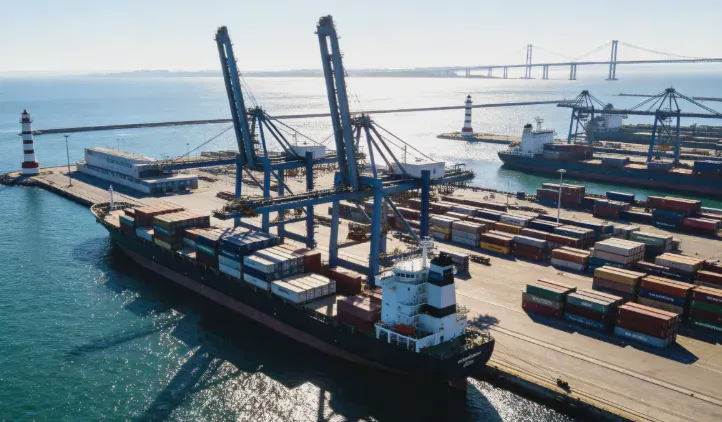
- Destination Port in Bahrain: The primary arrival port is Khalifa Bin Salman Port (KBSP), located in the Hidd Industrial Area. This port handles the vast majority of international containerized cargo for Bahrain.
Table: Major Shipping Ports and Their Key Features
| Country | Major Port | Port Code | Features & Importance |
|---|---|---|---|
| China | Shanghai Port | CNSHA | World's busiest container port; direct sailings to Middle East. |
| China | Shenzhen Port | CNSZX | Major export hub; efficient handling of electronics, e-commerce goods. |
| China | Ningbo Port | CNNGB | High capacity for FCL & LCL; frequent Middle East vessel connections. |
| Bahrain | Khalifa Bin Salman Port | BHKBQ | Bahrain’s largest commercial seaport; advanced customs, direct access to domestic markets. |
Shipping lines such as Maersk, CMA CGM, and MSC operate regular container services between these ports, offering weekly sailings and a variety of container options (20ft, 40ft, LCL).
If you're interested in sea shipping services to nearby Middle Eastern destinations, you may find this resource valuable: Sea Shipping Cost from China to Suadi Arabia.
Key Factors Affecting Sea Shipping Costs from China to Bahrain
Understanding the various factors that impact sea shipping cost from China to Bahrain helps importers and exporters budget accurately and optimize their supply chain.
Cargo Volume: FCL (Full Container Load) vs. LCL (Less than Container Load)
One of the primary determinants of shipping cost is the cargo volume and the type of service selected:
-
FCL (Full Container Load): You book the entire container (20ft, 40ft, 40HQ, or 45HQ). Ideal for large shipments, as the cost per unit is typically lower. FCL shipments are more secure and experience less handling, reducing damage risk.
- 20ft container: Capacity ≈ 28 CBM
- 40ft container: Capacity ≈ 56 CBM
- 40HQ container: Capacity ≈ 68 CBM
- 45HQ container: Capacity ≈ 78 CBM
-
LCL (Less than Container Load): Your goods share container space with other consignments. Best for small volumes (1-15 CBM). While the base price is lower, LCL can have higher per CBM rates due to handling, consolidation, and deconsolidation costs.
| Container Type | Capacity (CBM) | Typical Suitability | Cost Implication |
|---|---|---|---|
| 20ft FCL | 28 | Small/medium shipments | Lower per CBM for full loads |
| 40ft FCL | 56 | Large shipments | More cost-efficient for high volume |
| 40HQ FCL | 68 | Bulky/light cargo | Maximizes volume, best for high-cube goods |
| LCL | <15 | Small shipments | Higher per CBM, added handling |
Operational Insight: We frequently advise clients shipping between 12 and 15 CBM to carefully compare LCL vs. a 20ft FCL. Even though the cargo doesn't fill a 20ft container, the lower destination handling charges for FCL in Bahrain often make it the cheaper and safer choice overall. DTFU International Logistics Co.,Ltd offers expert evaluation to help you choose the best option based on your cargo type and volume, ensuring optimal cost-efficiency.
Freight Rates: How Market Trends Impact Shipping Prices
Freight rates for sea shipping are dynamic and influenced by global and regional market trends. Several key drivers include:
- Global Demand & Supply: Peak demand (e.g., pre-holiday seasons) can drive rates higher. Economic slowdowns or overcapacity result in lower rates.
- Fuel Prices (BAF - Bunker Adjustment Factor): Increases in bunker fuel costs are passed on to shippers, affecting the total freight rate.
- Shipping Line Alliances & Capacity Management: Major carriers may adjust vessel deployment, influencing space availability and thereby pricing.
- Geopolitical Events & Routes: Disruptions (e.g., Red Sea crisis, Suez Canal blockages, sanctions) can cause rerouting and unexpected surcharges.
Recent Market Example (2026): In Q1 2026, average FCL rates from major China ports to Bahrain ranged from USD 2,200–2,800 per 20ft container and USD 3,800–4,400 per 40ft container, depending on market conditions (source: Freightos Index, DTFU Market Data).
For comparison on sea shipping costs to neighboring countries, see Sea Shipping cost from China to Kuwait and Sea Shipping cost from China to Libya.
Seasonality and Peak Time Surcharges in Sea Freight
Seasonality plays a significant role in sea shipping cost from China to Bahrain:
-
Peak Seasons:
- Pre-Chinese New Year (Jan–Feb): Export surge from China, space tight, rates high.
- Back-to-school and Ramadan: Regional demand spikes in Bahrain and the Middle East.
- Holiday Season (Sep–Dec): Increased consumer imports.
-
Peak Season Surcharges (PSS): Shipping lines may apply PSS during periods of high demand, increasing base freight rates by 10–30%.
-
General Rate Increases (GRI): Announced periodically by carriers to cover operational cost hikes.
| Season/Event | Expected Rate Impact | Notes |
|---|---|---|
| Chinese New Year | ↑ 15–25% | Plan bookings 3-4 weeks early to secure space |
| Ramadan | ↑ 10–20% | Highly impacts FMCG and consumer electronics |
| Off-peak (Apr–Jun, Aug) | Stable or ↓ | Lower rates, better space availability |
Pro Tip: During the pre-Ramadan rush, we consistently see space constraints out of Shenzhen and Ningbo. Advanced planning, booking at least 3-4 weeks prior to sailing, and working with a proactive forwarder like DTFU International Logistics Co.,Ltd can help mitigate extra PSS charges and prevent your cargo from being rolled.
Additional Charges: Port Fees, Documentation, and Customs Clearance
In addition to the base freight rates, there are several additional charges that affect the final shipping cost:
- Port Charges: Fees for container handling, loading/unloading, and terminal use at both origin and destination (Shanghai, Shenzhen, Khalifa Bin Salman Port).
- Documentation Fees: Costs for processing Bill of Lading, export/import declarations, and other required paperwork.
- Customs Clearance Fees: Charges for customs brokerage, inspections, and potential duty/tax assessments at Bahrain customs.
- Security and Surcharges: Including ISPS (International Ship and Port Facility Security) charges, war risk surcharges (if applicable), and congestion fees.
Typical Example of Extra Charges (for a 20ft FCL shipment):
| Fee Type | Fee (USD) Range | Charged At | Remarks |
|---|---|---|---|
| Port Handling | 150–300 | Origin & Destination | Varies by port |
| Documentation Fee | 50–100 | Both | For B/L, export, and import docs |
| Customs Clearance | 80–150 | Destination | Excludes duties/taxes |
| ISPS Charge | 10–30 | Both | Per container |
| Delivery Order Fee | 50–100 | Destination | For cargo release |
NOTE: These charges can vary depending on the freight forwarder and specific shipment requirements. DTFU International Logistics Co.,Ltd provides transparent quotes, with detailed breakdowns of all potential surcharges and value-added services like door-to-door, cargo insurance, and customs brokerage to minimize surprises.
For those considering sea shipping to North Africa, you may also want to review Sea Shipping cost from China to Libya.
The sea shipping cost from China to Bahrain is influenced by the chosen shipping route, port infrastructure, cargo volume (FCL vs. LCL), market-driven freight rates, seasonality, and a host of additional port and documentation fees. Working with a reputable partner such as DTFU International Logistics Co.,Ltd—with deep expertise in the China–Bahrain trade lane—ensures you receive competitive rates, reliable service, and comprehensive support from booking through final delivery.
For the latest quotes or consultation, feel free to contact the DTFU team—your trusted logistics partner for global trade.
Sea Freight Cost Structure Explained
Typical Price Ranges for Different Container Types (20ft, 40ft, LCL)
When evaluating the sea shipping cost from China to Bahrain, understanding the container types and their respective capacity is critical. The freight rates fluctuate due to market dynamics, fuel prices, and supply-demand balance. Below is a reference table based on Q2 2026 data for standard routes (e.g., Shanghai/Shenzhen to Khalifa Bin Salman Port in Bahrain). Please note that rates can change weekly; always consult your freight forwarder for real-time quotes.
| Container Type | Capacity (CBM) | Typical Rate Range (USD)* | Typical Transit Time (Days) |
|---|---|---|---|
| 20ft Standard | 28 | $1,200 – $1,500 | 20 – 28 |
| 40ft Standard | 56 | $2,100 – $2,700 | 20 – 28 |
| 40ft High Cube (HQ) | 68 | $2,350 – $2,900 | 20 – 28 |
| LCL (per CBM/Min 1CBM) | N/A | $70 – $110 / CBM | 22 – 32 |
*Rates are indicative as of May 2026, based on port to port service. Actual costs vary by origin, surcharge, seasonality, and market trends.
If you're interested in comparing these costs with other markets, take a look at the Sea Shipping cost from China to Israel.
Breakdown of Cost Components: Freight, Insurance, and Other Fees
The total sea shipping cost from China to Bahrain consists of multiple components:
- Ocean Freight The basic transportation charge for moving cargo between Chinese ports and Bahrain (usually Khalifa Bin Salman Port). Fluctuates based on market conditions and carrier choice.
- Port Charges Includes THC (Terminal Handling Charges) at origin and destination, wharfage, and other port levies.
- Documentation Fees Covers Bill of Lading issuance, manifest filing, and export clearance paperwork.
- Customs Clearance Fees Services for import/export declaration, classification, and compliance checks at both ends.
- Cargo Insurance Optional but strongly recommended, typically 0.1%–0.3% of cargo value for basic coverage.
- Bunker Adjustment Factor (BAF) & Fuel Surcharge Adjusted periodically based on global fuel prices.
- Security Fees Additional charges for enhanced safety measures, particularly for high-value or sensitive goods.
- Other Surcharges May include Peak Season Surcharge (PSS), Currency Adjustment Factor (CAF), or Emergency Risk Surcharge (ERS), depending on the geopolitical and market situation.
Example of a Typical Cost Breakdown for a 20ft Container (Shanghai to Bahrain):
| Cost Component | Typical Amount (USD) |
|---|---|
| Ocean Freight | $1,300 |
| Origin THC | $120 |
| Destination THC | $180 |
| Documentation Fee | $60 |
| Customs Clearance | $90 |
| Cargo Insurance (CIF) | $50 |
| BAF & Surcharges | $70 |
| Total Estimate | $1,870 |
Note: The above is for reference only. Actual costs may vary depending on cargo type, route, and service provider.
How to Get the Best Sea Shipping Rates from China to Bahrain
Tips for Negotiating with Freight Forwarders
- Request Multiple Quotes: Always get offers from at least 2–3 reliable freight forwarders to understand market rates and inclusions.
- Share Accurate Cargo Details: Provide exact dimensions, weight, cargo type, and incoterms. This ensures precise pricing with no hidden costs later.
- Negotiate on Value, Not Just Price: Consider the full scope of service—transit time, customer support, customs expertise, and after-sales service.
- Book in Advance: During peak season (pre-Ramadan, Christmas, Chinese New Year), book early to lock in lower rates and secure space.
- Leverage Volume: If shipping regularly, ask for contract rates or volume discounts.
- Clarify Surcharges: Ask for a full breakdown of all surcharges, including PSS, BAF, documentation, and destination charges.
Comparing Quotes and Selecting Reliable Shipping Partners
When comparing sea shipping quotes, look beyond the base rate:
| Criteria | What to Consider |
|---|---|
| Company Credentials | Licenses, memberships (FIATA, WCA, CIFA, etc.) |
| Service Scope | Door-to-door, customs clearance, insurance, etc. |
| Transparency | Clear cost breakdown, no hidden fees |
| Track Record | Reviews, case studies, references |
| Communication & Support | Responsiveness, multi-lingual support |
| Risk Management | Insurance options, claims handling |
DTFU International Logistics Co.,Ltd stands out as a highly professional, cost-effective, and reliable logistics partner. We offer a full suite of services: Sea Freight, Air Freight, Road Freight, Amazon FBA, Warehousing, Cargo Insurance, One-Stop Customs Clearance, OOG Freight, Consolidated Freight, and Breakbulk Freight.
If you're also considering door to door shipping in other Gulf countries, explore our Door to Door Shipping from China to Kuwait service.
Impact of Shipping Incoterms (FOB, CIF, EXW) on Total Cost
Incoterms define who pays for what along the shipping process:
| Incoterm | Seller’s Responsibility | Buyer’s Responsibility | Implication for Shipping Cost |
|---|---|---|---|
| EXW | Goods ready at seller’s warehouse | All costs from pick-up onwards | Buyer pays all freight and charges |
| FOB | Delivery to origin port, export cleared | Costs from loading at origin port onward | Buyer pays ocean freight and beyond |
| CIF | Delivery to destination port incl. insurance | Costs from arrival at destination port | Seller pays up to destination port |
- FOB (Free On Board): You select and pay the freight forwarder after cargo is loaded at the Chinese port. This offers more control and transparency over your sea shipping cost.
- CIF (Cost, Insurance, and Freight): Seller arranges shipping and insurance up to Bahrain. Best for buyers who prefer less involvement but may result in less competitive rates.
- EXW (Ex Works): Buyer handles the entire logistics chain, including pick-up from the seller’s facility. Suitable for experienced importers.
Choose the Incoterm that aligns with your business needs and logistics expertise. For SMEs or first-time importers, FOB is often the most balanced approach.
Understanding the detailed cost structure and factors affecting the sea shipping cost from China to Bahrain is essential to optimize your logistics spend. As industry veterans in the Middle East trade lane, we know that the cheapest base rate isn't always the best deal if it leads to delays or hidden fees. By working closely with a reputable freight forwarder like DTFU International Logistics Co.,Ltd, you secure transparent pricing, reliable space allocation, and peace of mind for your global trade operations.
If you have any questions or need a tailored shipping quote, feel free to contact us for a free consultation.
Customs, Duties, and Import Regulations in Bahrain
Required Shipping Documents for Importing to Bahrain
Importing goods from China to Bahrain requires careful attention to documentation to ensure smooth customs clearance and avoid costly delays. The following documents are typically mandatory for sea freight shipments:
| Document Name | Description | Issued By |
|---|---|---|
| Bill of Lading (B/L) | A legal document detailing the type, quantity, and destination of the goods. | Shipping Line/Freight Forwarder |
| Commercial Invoice | Specifies the transaction value, goods description, and seller/buyer details. | Exporter/Seller |
| Packing List | Itemizes how the cargo is packed, including weights and measurements. | Exporter/Seller |
| Certificate of Origin | Certifies the country where the goods were produced, often required for duty calculation. | Chamber of Commerce |
| Import License (if applicable) | Certain products require prior approval from Bahraini authorities (e.g., food, chemicals). | Bahraini Authorities |
| Insurance Certificate | Demonstrates coverage against risks during transit. | Insurance Company |
| Other Permits/Certificates | For restricted or regulated items (e.g., health certificates for perishables). | Relevant Authorities |
Tip: Ensure all documents are prepared accurately and submitted in advance. Inaccuracies or missing paperwork are among the most common causes of clearance delays at Bahrain's ports.
Customs Duties, Taxes, and How They Affect Overall Shipping Cost
When shipping from China to Bahrain, understanding local customs duties and taxes is crucial as these can significantly impact the total landed cost of your goods. Below are the main components:
- Customs Duties: As of 2026, the standard customs duty rate in Bahrain is generally 5% of the CIF (Cost, Insurance, and Freight) value. However, rates may vary for certain goods, with some products (like tobacco or luxury items) subject to higher tariffs.
- Value Added Tax (VAT): Bahrain introduced VAT at a rate of 10% (raised from 5% in 2022), applied to the total value of the goods plus duty.
- Other Fees: Depending on the product, additional fees may include excise taxes, inspection fees, or administrative charges.
Example Cost Calculation
Suppose you are shipping a 40ft container of electronics valued at USD 40,000 from Shanghai, China to Khalifa Bin Salman Port, Bahrain. Here is a simplified calculation of customs-related costs:
| Component | Calculation | Amount (USD) |
|---|---|---|
| CIF Value (Goods + Sea Freight + Insurance) | 40,000 + 2,200 + 80 | 42,280 |
| Customs Duty (5% of CIF) | 42,280 x 0.05 | 2,114 |
| Subtotal (CIF + Duty) | 42,280 + 2,114 | 44,394 |
| VAT (10% of Subtotal) | 44,394 x 0.10 | 4,439 |
| Total Landed Cost | CIF + Duty + VAT | 48,833 |
Note: Rates and regulations may change due to policy updates. Consult your freight partner or Bahraini Customs for the latest information.
Common Compliance Mistakes and How to Avoid Them
Many importers encounter delays or unexpected costs due to compliance errors. Here are some typical pitfalls and how to prevent them:
| Mistake | How to Avoid |
|---|---|
| Incomplete or Incorrect Documentation | Double-check all shipping documents for accuracy and completeness. |
| Misdeclaring Goods Value or Description | Always declare the true commercial value and correct HS codes. |
| Overlooking Special Permits/Restrictions | Verify if your product needs additional licenses or approvals before shipping. |
| Ignoring Packaging and Labeling Requirements | Follow Bahrain’s labeling and packaging standards, especially for regulated goods. |
| Late Submission of Documents | Submit all documents ahead of shipment arrival to avoid demurrage or storage charges. |
| Not Staying Updated on Regulatory Changes | Keep in touch with your freight forwarder or customs agent for the latest rules. |
Professional Advice from the Field: In our experience clearing customs at Khalifa Bin Salman Port, the #1 cause of delays (and resulting demurrage fees) is discrepancies between the Commercial Invoice and the physical Packing List. Working with an experienced logistics partner like DTFU International Logistics Co.,Ltd ensures your shipments stay compliant and costs are controlled. We offer one-stop customs clearance, performing rigorous pre-shipment document audits to guarantee smooth entry.
Transit Times and Shipping Schedules from China to Bahrain
Average Transit Time by Sea Freight
Transit times can vary depending on the departure port in China, shipping line, and route. Below is a comparison of average sea freight transit times to Khalifa Bin Salman Port (Bahrain’s main seaport):
| Departure Port in China | Typical Transit Time (Days) |
|---|---|
| Shanghai | 20 – 26 |
| Shenzhen | 19 – 25 |
| Ningbo | 20 – 27 |
| Qingdao | 23 – 29 |
| Guangzhou | 19 – 25 |
Expert Note: While these are standard port-to-port estimates, LCL (Less than Container Load) shipments typically require an additional 4–7 days for consolidation at the origin warehouse and deconsolidation in Bahrain. We always advise factoring this into your inventory planning.
If you are exploring transit times to or from other Gulf countries, consider checking our Shipping time from China to UAE resource.
Factors Influencing Shipping Lead Times
Several factors can impact the overall transit and lead time for sea shipping:
- Port Congestion: Busy periods (e.g., around Chinese New Year or Ramadan) can cause delays at origin or destination ports.
- Vessel Schedules: Frequency of direct sailings vs. transshipment routes.
- Customs Procedures: Lengthy inspections or paperwork issues can extend clearance times in Bahrain.
- Weather Conditions: Typhoons or severe weather in the South China Sea or Persian Gulf may affect schedules.
- Shipping Mode: FCL shipments are often faster than LCL, which involves cargo consolidation.
- Carrier Reliability: Choosing reputable ocean carriers with strong track records reduces risk of schedule changes.
Expert Tip: Book well in advance during peak seasons and work with a logistics provider that offers real-time updates.
Tracking Your Shipment and Managing Delays
Real-time tracking is essential for supply chain visibility and proactive management. Most major freight forwarders, including DTFU International Logistics Co.,Ltd, provide digital tools to monitor shipments. Here’s how you can manage and mitigate delays:
- Use Online Tracking Tools: Utilize your carrier or forwarder's tracking platform to monitor vessel movement, port status, and estimated arrival.
- Communicate Regularly: Stay in touch with your logistics partner for early warnings about potential disruptions.
- Prepare for Contingencies: Have a plan for rerouting, expedited customs clearance, or local warehousing if delays occur.
- Document Management: Ensure all paperwork is ready for customs to avoid clearance hold-ups.
- Insurance: Consider cargo insurance services to cover losses or damages caused by unforeseen delays.
By leveraging the expertise and end-to-end service offerings of DTFU International Logistics Co.,Ltd—covering sea freight, customs clearance, warehousing, and real-time shipment monitoring—you gain peace of mind and operational efficiency for your China–Bahrain shipments.
Understanding and managing customs regulations, documentation, duties, and transit times are key to successful and cost-effective sea shipping from China to Bahrain. For tailored solutions and reliable execution, reach out to DTFU International Logistics Co.,Ltd, your one-stop international logistics partner.
How to Choose the Right Freight Forwarder for China-Bahrain Sea Shipping
Selecting the best freight forwarder for shipping goods from China to Bahrain is a critical decision that directly impacts your shipping costs, transit time, supply chain efficiency, and compliance with customs regulations. Here’s a comprehensive guide to help you make an informed choice, based on practical experience and the latest industry standards.
1. Assess Professional Experience and Market Presence
Choose a freight forwarder with a proven track record in China-Bahrain sea shipping. Companies with established networks in both countries can better manage documentation, customs, and local transportation. Always verify:
- Years of operation in the international freight forwarding industry.
- Their expertise in shipping to Bahrain’s main ports, especially Khalifa Bin Salman Port.
- Membership in reputable industry associations (like FIATA, WCA, or local logistics chambers).
2. Service Portfolio & Specialization
Your shipping requirements may be unique—ensure your forwarder offers a full spectrum of services. For example, DTFU International Logistics Co.,Ltd provides:
- Sea Freight (FCL/LCL)
- Road Freight
- Air Freight
- Amazon FBA logistics
- Warehousing
- Cargo insurance
- Door to Door delivery
- Customs brokerage
- OOG (Out of Gauge) Freight
- Consolidated & Breakbulk shipments
Having all these services under one roof streamlines your logistics and reduces the need for multiple vendors.
If you need to ship cargo to Africa or North Africa, you may also benefit from reading about Door to Door Shipping from China to Nigeria.
3. Transparency in Pricing & Cost Breakdown
Request detailed quotations that clearly list all cost components—freight rates, port fees, documentation charges, insurance, and any potential surcharges. Reliable forwarders explain cost variables, avoiding hidden charges.
Sample Comparison Table: Service Aspects
| Key Criteria | DTFU International Logistics | Average Forwarder |
|---|---|---|
| Years in Industry | 10+ | 3-5 |
| Service Scope | Full (Sea, Air, Road, etc.) | Often limited |
| Offices in China and Bahrain | Yes | Not always |
| Customs Brokerage | In-house | Outsourced |
| Online Tracking | 24/7 | Partial |
| Dedicated Customer Support | Yes | Varies |
4. Network Strength and Local Presence
A strong local presence in both the departure port in China (e.g., Shanghai, Shenzhen, Ningbo) and the arrival port in Bahrain ensures efficient handling of cargo and quick resolution of any issues. DTFU International Logistics has established agent teams in both regions, supporting smooth customs clearance and last-mile delivery.
5. Technology & Visibility
Modern freight forwarders offer digital solutions such as real-time tracking, online booking, and proactive notifications. These features enhance transparency and help you manage your shipments effectively.
6. Customer Reviews and Case Studies
Check for testimonials, third-party reviews, and case studies, especially those relevant to China-Bahrain shipping scenarios. Look for evidence of successful handling of similar cargo types, customized solutions, and responsive communication.
7. Regulatory Compliance and Insurance
Make sure your forwarder strictly follows international customs and shipping regulations, provides guidance on import/export documentation, and offers comprehensive cargo insurance options.
FAQs
Q1: What is the typical sea shipping cost from China to Bahrain?
A1: Shipping costs vary depending on container type (20ft, 40ft, LCL), cargo volume, seasonality, and service level. On average, FCL rates can range from USD 2,500 to USD 4,000 per 40ft container (as per Q2 2026 market data). For LCL, costs are generally calculated per CBM (Cubic Meter).
Q2: How long does sea shipping from China to Bahrain take?
A2: The average transit time by sea is about 20–28 days, depending on the port of origin in China and the schedule availability. Factors such as weather, port congestion, and customs clearance can influence the total lead time.
Q3: What documents are required for customs clearance in Bahrain?
A3: Commonly required documents include the Bill of Lading, Commercial Invoice, Packing List, and relevant import permits. Accurate paperwork ensures smooth clearance and avoids unnecessary delays or penalties.
Q4: How can I reduce my sea freight shipping costs?
A4: To minimize costs, consolidate shipments, book early (to avoid peak season surcharges), negotiate rates, and select the most suitable Incoterms (FOB, CIF, EXW). Working with an experienced freight forwarder like DTFU International Logistics can help identify the most economical options for your shipping needs.
Q5: What is the difference between FCL and LCL shipping?
A5: FCL (Full Container Load) means renting an entire container for your cargo. It’s best for larger shipments and provides better security. LCL (Less than Container Load) is for smaller shipments that share container space with goods from other shippers—cost-effective for lower volumes.
Q6: Are there restrictions on what can be shipped from China to Bahrain?
A6: Yes. Certain goods require special permits or are restricted/prohibited by Bahrain customs (e.g., firearms, hazardous chemicals, pirated products). Always confirm with your freight forwarder before shipping.
For tailored advice and a competitive quote for your Sea Shipping cost from China to Bahrain, contact Ivan Chan and the team at DTFU International Logistics Co.,Ltd.