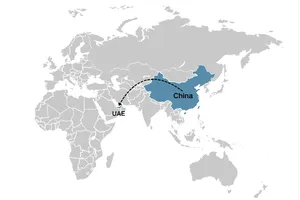
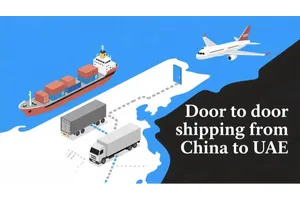
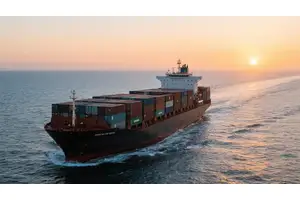
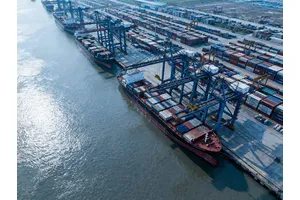
Are you wondering how long it takes for your goods to arrive when shipping from China to the UAE? Understanding the shipping time from China to UAE is crucial for efficient supply chain management and cost control. In this comprehensive guide, we’ll explore the key factors that influence transit times, compare sea freight and air freight options, and provide expert tips to help you ensure timely deliveries for your business.
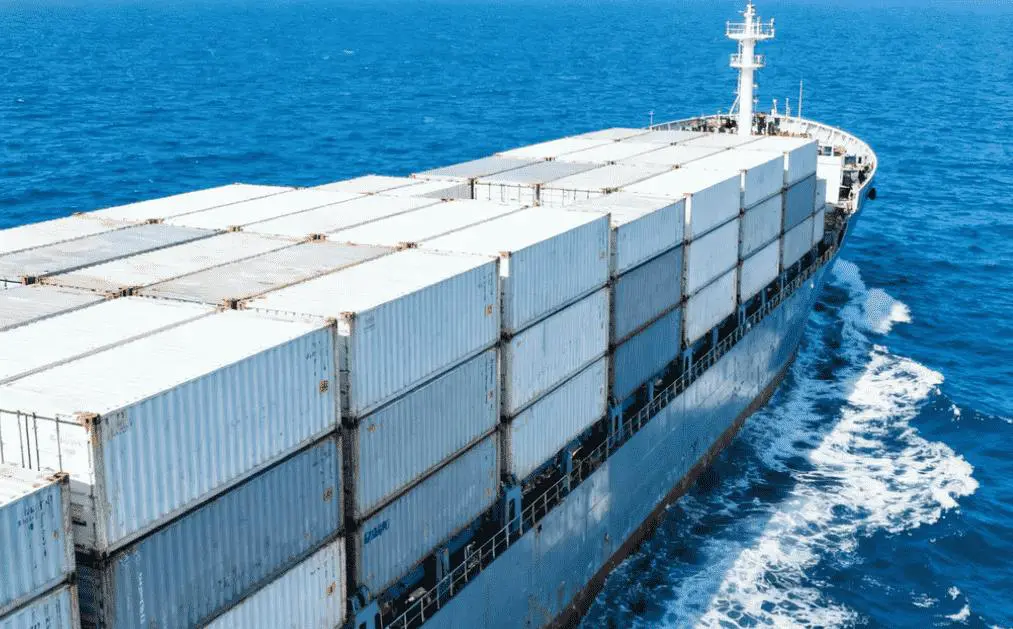
Key Factors Influencing Transit Times
When shipping goods from China to the UAE, several critical factors directly impact transit times. Understanding these variables is essential for importers, exporters, and logistics managers seeking to optimize their supply chains:
- Shipping Mode: The choice between Sea Freight (FCL/LCL) and Air Freight (Express/Standard) dramatically affects delivery speed. Sea freight is generally slower but more cost-effective for large shipments, while air freight offers speed at a premium cost.
- Port Selection: Proximity to major Chinese and UAE ports can reduce inland transportation time and cost. The efficiency of customs clearance at these ports also plays a significant role.
- Customs Clearance Efficiency: Delays in documentation, inspection, or compliance can extend transit times, especially if unfamiliar with local regulations.
- Peak Seasons: Global holidays, such as Chinese New Year or Ramadan, often cause port congestion and increased shipping demand, leading to delays.
- Carrier Schedules: Shipping line and airline schedules, frequency, and available direct routes impact overall lead times.
- Weather and Geopolitical Events: Typhoons, adverse weather conditions, or geopolitical incidents can disrupt standard shipping schedules.
By considering these factors and working with a reliable freight forwarder like DTFU International Logistics Co.,Ltd, shippers can better anticipate and mitigate potential delays. For businesses interested in cost breakdowns, see this in-depth guide on the Shipping Cost from China to UAE.
Sea Freight from China to UAE
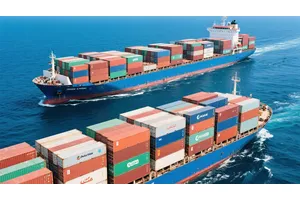
Sea Freight remains the most popular mode for transporting goods between China and the UAE due to its cost-effectiveness and large capacity. There are two main containerized shipping options to consider:
Full Container Load (FCL) Shipping Times
FCL shipping involves renting an entire container (such as 20FT, 40FT, or 40HQ) for exclusive use. This mode is ideal for larger shipments, offering greater security and reduced risk of cargo mixing.
Estimated FCL Transit Times (Port to Port):
| Origin Port (China) | Destination Port (UAE) | Estimated Transit Time (Days) |
|---|---|---|
| Shanghai | Jebel Ali (Dubai) | 18-23 |
| Shenzhen | Jebel Ali (Dubai) | 17-22 |
| Ningbo | Jebel Ali (Dubai) | 18-24 |
| Qingdao | Jebel Ali (Dubai) | 21-26 |
| Guangzhou | Jebel Ali (Dubai) | 17-22 |
| Xiamen | Jebel Ali (Dubai) | 20-25 |
Notes:
- Times above reflect port-to-port transit under normal conditions and do not include customs clearance or inland haulage.
- FCL is recommended for shipments nearing full container capacity (e.g., 28CBM for 20FT, 56CBM for 40FT, 68CBM for 40HQ).
- For shippers with regular or high-volume cargo, FCL typically offers more reliable schedules and faster handling at origin and destination ports.
If you are interested in containerized shipping costs for the UAE and similar markets, read our guide on Container shipping cost from china to UAE.
Less than Container Load (LCL) Shipping Times
LCL (Less than Container Load) shipping consolidates cargo from multiple shippers in one container. This option is suitable for smaller shipments that do not require a full container.
Estimated LCL Transit Times (Port to Port):
| Origin Port (China) | Destination Port (UAE) | Estimated Transit Time (Days) | Additional Handling Time |
|---|---|---|---|
| Shanghai | Jebel Ali (Dubai) | 22-28 | 2-4 days |
| Shenzhen | Jebel Ali (Dubai) | 21-26 | 2-4 days |
| Ningbo | Jebel Ali (Dubai) | 22-29 | 2-4 days |
| Qingdao | Jebel Ali (Dubai) | 25-32 | 2-4 days |
Considerations:
- LCL shipments often take longer than FCL due to the extra steps required for cargo consolidation and de-consolidation at warehouses.
- Suitable for SMEs or individuals with limited cargo volume.
- Delays are possible if the container is not filled quickly or if there are multiple stops for cargo unloading.
Major Chinese Ports for UAE Shipments
Several Chinese ports serve as major gateways for UAE-bound shipments:
- Shanghai Port: The world’s busiest container port, offering frequent sailings and excellent connectivity to the Middle East.
- Shenzhen (Yantian, Shekou) Port: Highly efficient, especially suitable for electronics, machinery, and e-commerce goods.
- Ningbo-Zhoushan Port: Known for a strong export infrastructure and frequent Middle East services.
- Guangzhou (Nansha) Port: Ideal for southern China manufacturers; offers direct links to Jebel Ali and other UAE ports.
- Qingdao Port: Preferred for shipments originating from northern China.
- Xiamen Port: Growing importance for both FCL & LCL cargo toward the UAE.
Key Points:
- Each port specializes in certain commodities, so selection depends on cargo origin and type.
- Choosing a port closer to your supplier or factory can reduce domestic transportation time and cost.
For further comparison with regional shipping timelines, check Shipping time from China to Saudi Arabia.
Major UAE Ports for Chinese Imports
The United Arab Emirates boasts modern, high-capacity ports essential for Chinese imports:
- Jebel Ali Port (Dubai): The largest port in the Middle East and primary entry point for Chinese goods. Equipped with advanced container handling, customs clearance, and distribution facilities.
- Khalifa Port (Abu Dhabi): Rapidly expanding and ideal for manufacturers targeting the Abu Dhabi region or western UAE.
- Sharjah Port (Port Khalid, Khor Fakkan): Often used for LCL shipments and secondary distribution.
UAE Port Highlights:
| Port Name | Location | Specialization | Relevance for China-UAE Trade |
|---|---|---|---|
| Jebel Ali | Dubai | Containers, General Cargo | Main hub; direct sailings from China |
| Khalifa | Abu Dhabi | Containers, Bulk | Ideal for western UAE destinations |
| Sharjah (Khalid) | Sharjah | Containers, LCL | Suits regional and smaller shipments |
Latest Developments:
- UAE ports are investing heavily in digitalization and automation, enabling faster customs clearance and reducing human error.
- The implementation of AEO (Authorized Economic Operator) programs in both China and the UAE further streamlines the clearance process for qualified traders.
Shipping time from China to the UAE hinges on several practical and strategic decisions—from the choice of port and shipping mode to the handling of documentation and customs. For businesses seeking reliable, cost-effective, and timely solutions, working with an experienced freight forwarder such as DTFU International Logistics Co.,Ltd is essential. Our end-to-end services, including Sea Freight, Air Freight, Amazon FBA, Warehousing, Cargo Insurance, Door-to-Door Delivery, and Customs Clearance, ensure your cargo reaches its destination efficiently and securely.
For the most accurate and tailored shipping schedules, always consult with your logistics partner and stay updated on the latest industry trends and regulatory changes. You may also find our article on How long does shipping take from china to UAE useful for more schedule details.
Air Freight from China to UAE
Express Air Freight Transit Times
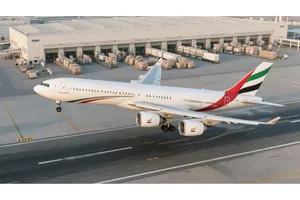
Express air freight is the fastest mode of shipping from China to the United Arab Emirates (UAE), widely used by businesses and e-commerce sellers for urgent or high-value shipments. Express air services, typically operated by global couriers like DHL, FedEx, and UPS, provide a complete door-to-door solution with customs clearance included.
Typical transit times:
- Shanghai/Guangzhou/Beijing to Dubai or Abu Dhabi: 1-3 days
- Other major Chinese cities to UAE: 2-4 days
| Origin City | Destination (UAE) | Express Transit Time (Days) |
|---|---|---|
| Shanghai | Dubai/Abu Dhabi | 1-2 |
| Shenzhen/Guangzhou | Dubai/Abu Dhabi | 1-3 |
| Beijing | Dubai/Abu Dhabi | 2-3 |
| Chengdu/Xiamen | Dubai/Abu Dhabi | 2-4 |
Key Notes:
- These timelines exclude potential delays due to customs inspection or documentation issues.
- Service is available 365 days a year, with reliable tracking.
- Express services are ideal for samples, electronics, high-value, or time-sensitive goods.
Standard Air Cargo Transit Times
Standard air cargo (general cargo) is handled by major airlines and requires consignment delivery and collection at airport cargo terminals. This option is typically more economical than express air, with slightly longer transit times but greater flexibility in shipment size.
Typical transit times:
- China (major airports) to UAE (Dubai/Abu Dhabi): 3-7 days
| Origin Airport (China) | Major UAE Airport | Standard Air Cargo Transit Time (Days) |
|---|---|---|
| PVG (Shanghai) | DXB (Dubai) | 3-5 |
| CAN (Guangzhou) | DXB (Dubai) | 3-5 |
| PEK (Beijing) | DXB (Dubai) | 4-6 |
| SZX (Shenzhen) | DXB (Dubai) | 4-7 |
Key Considerations:
- Standard air cargo is suitable for general goods, electronics, apparel, machinery, and other commercial shipments.
- Integration with DTFU International Logistics Co.,Ltd enables seamless booking, tracking, and customs clearance, maximizing speed and reliability.
- During peak seasons (e.g., Chinese New Year, Ramadan), book early to secure space and avoid delays.
Cost Implications of Shipping Time
Balancing Speed and Cost
When shipping from China to UAE, speed and cost are closely linked. Express air freight ensures the fastest transit—but at a premium price. Standard air cargo offers a balance between swift delivery and cost savings. Slower options like sea freight are much more economical but require significantly longer lead times.
Comparison Table: Shipping Mode vs. Speed & Cost
| Shipping Mode | Typical Transit Time (China-UAE) | Cost Level | Best For |
|---|---|---|---|
| Express Air Freight | 1-3 days | Highest | Urgent, high-value, small cargo |
| Standard Air Cargo | 3-7 days | Medium-High | General commercial goods |
| Sea Freight (FCL/LCL) | 20-35 days | Lowest | Large, non-urgent shipments |
Tips for Decision-Making:
- For high-value goods or urgent orders, consider express air despite higher costs.
- For routine shipments, standard air offers good balance.
- For cost-driven, large volume goods, sea freight is best.
For more details on pricing specific to the UAE, please refer to our detailed article Shipping Cost from China to UAE.
Factors Affecting Shipping Costs
The cost of shipping from China to UAE is influenced by several factors:
- Shipping Mode: Air (express vs. standard) is costlier than sea.
- Cargo Volume and Weight: Air freight is calculated by chargeable weight (actual or volumetric, whichever is higher). Sea freight (FCL/LCL) is based on container size or cubic meters.
- Origin and Destination: Rates vary by Chinese city and UAE entry port/airport. Proximity and frequency of flights/ships affect costs.
- Seasonality: Peak periods (e.g., Q4, Ramadan, Chinese New Year) see rate surges due to demand.
- Fuel Surcharges: Both air and sea carriers include variable fuel costs.
- Customs and Duties: Clearance fees, documentation, taxes, and duties impact total landed cost.
- Additional Services: Door-to-door, insurance, warehousing, and special handling (e.g., for dangerous goods, perishable cargo) incur extra charges.
Example Cost Structure (Indicative, subject to change):
| Shipping Mode | 100kg Electronics | 500kg Apparel | 1x20FT Container (28CBM) |
|---|---|---|---|
| Express Air Freight | $950-$1,150 | $4,500-$5,000 | N/A |
| Standard Air Cargo | $700-$900 | $3,200-$3,800 | N/A |
| Sea Freight (LCL) | $150-$300 | $350-$600 | $2,100-$2,400 |
Rates are indicative as of Q4 2025. Please contact DTFU International Logistics Co.,Ltd for accurate, real-time quotations tailored to your shipment.
Navigating Customs and Documentation for Timely Delivery
Efficient customs clearance and accurate documentation are critical for minimizing shipping time from China to UAE. Understanding the requirements in both countries helps avoid delays, unexpected costs, and ensures smooth delivery.
Chinese Customs Clearance Process
Exporting goods from China involves several key steps and compliance measures:
- Export Declaration: Shippers or their appointed freight forwarder must file an export declaration with China Customs. This includes providing a commercial invoice, packing list, shipping bill, and contract.
- Container Inspection: Goods may be subject to random inspection or scanning. High-risk or sensitive items (e.g., electronics, chemicals) are more likely to be inspected, potentially adding 1-3 days to clearance.
- Tax Refund Application: For certain goods, exporters can apply for export tax rebates, which requires additional documentation and can affect overall timelines if not submitted correctly.
- Declaration Time: Customs clearance at major ports like Shanghai, Shenzhen, or Ningbo typically takes 1-2 working days for compliant cargo with accurate paperwork.
Pro Tip: Working with a reliable freight forwarder like DTFU International Logistics Co., Ltd helps ensure all export procedures are handled efficiently, reducing the risk of delays.
UAE Customs Clearance Requirements
Importing goods into the United Arab Emirates involves adherence to local regulations and documentation standards:
- Import Declaration: Importers or their agents must submit a bill of entry, commercial invoice, packing list, and relevant import permits (if applicable) to UAE Customs.
- HS Code Classification: Accurate Harmonized System (HS) code classification is essential; misclassification can lead to penalties or delays.
- Inspection and Duty Payment: Goods may be inspected upon arrival at key UAE ports like Jebel Ali Port (Dubai) or Khalifa Port (Abu Dhabi). Import duties (generally 5%) and VAT (5%) are assessed and must be settled before goods are released.
- Timeframe: Customs clearance in the UAE is typically efficient, ranging from a few hours to 1-2 days, provided all documents are in order.
Recent Update: As of 2025, the UAE continues to streamline its customs processes, integrating digital systems for faster clearance and enhanced tracking.
Essential Shipping Documents
Ensuring all required documents are accurate and complete is the foundation for timely delivery. Common documents include:
| Document Name | Purpose | Issued By |
|---|---|---|
| Commercial Invoice | Details value & description of goods | Exporter |
| Packing List | Itemizes contents, weights, and packaging | Exporter |
| Bill of Lading (B/L) | Evidence of contract of carriage; needed for cargo release | Carrier/Freight Forwarder |
| Certificate of Origin | Certifies manufacturing country, may affect duty rates | Chamber of Commerce |
| Import/Export Licenses | Required for restricted items | Relevant Authorities |
| Insurance Certificate | Proof of cargo insurance coverage | Insurance Provider |
DTFU International Logistics Co., Ltd offers comprehensive documentation services, including one-stop customs clearance and insurance, to ensure seamless cross-border shipments.
Choosing the Right Shipping Method for Your Needs
Selecting the appropriate shipping method from China to the UAE is crucial for balancing transit time, costs, and your supply chain priorities.
When to Choose Sea Freight
Sea freight is the preferred option for large or heavy shipments where cost efficiency is paramount.
Ideal Scenarios:
- Bulk cargo (full containers: 20FT, 40FT, 40HQ, 45HQ)
- Non-urgent deliveries
- Cost-sensitive projects
Advantages:
- Lower cost per unit for large volumes
- Flexible container options (FCL & LCL)
- Suitable for a wide range of goods
Transit Times Example:
| Route | Estimated Transit Time (Port to Port) |
|---|---|
| Shanghai to Jebel Ali Port (Dubai) | 18–22 days |
| Ningbo to Khalifa Port (Abu Dhabi) | 22–26 days |
Pro Tip: Planning ahead and consolidating shipments can further reduce costs.
When to Opt for Air Freight
Air freight is best for high-value, lightweight, or time-sensitive shipments.
Ideal Scenarios:
- Urgent or perishable goods
- Small to medium shipments
- High-tech or fashion items with short lead times
Advantages:
- Fastest transit times (2–5 days from China to UAE airports)
- High reliability and tight schedules
- Secure handling for valuable cargo
Transit Times Example:
| Route | Express Air Freight | Standard Air Cargo |
|---|---|---|
| Shanghai to Dubai International Airport | 1–3 days | 3–5 days |
| Guangzhou to Abu Dhabi Airport | 1–2 days | 3–4 days |
Pro Tip: Air freight costs are calculated by chargeable weight; optimize packaging to save costs.
Considerations for Urgent Shipments
For time-critical shipments, consider the following:
- Direct Air Freight: Use non-stop flights to reduce transit time.
- Express Courier Services: Ideal for documents and parcels needing 24–72 hour delivery.
- Premium Sea Freight Services: Some carriers offer expedited sea shipping with priority unloading.
- Customs Pre-Clearance: Arrange for advance documentation review to minimize hold-ups.
DTFU International Logistics Co., Ltd can advise on the fastest multimodal options and handle urgent cargo with tailored solutions.
Tips for Expediting Your Shipments
Minimizing shipping time from China to UAE requires strategic planning and professional support.
Working with Reliable Freight Forwarders
Partnering with a trusted freight forwarder ensures every step of the shipping process is optimized:
- DTFU International Logistics Co., Ltd is recognized for professionalism, cost-effectiveness, and high-quality end-to-end logistics services, including Sea Freight, Air Freight, Amazon FBA, Warehousing, Door-to-Door, and more.
- Leverage their expertise for route selection, customs compliance, and contingency planning.
Accurate Documentation and Packaging
- Double-check all shipping documents for errors or omissions to prevent customs delays.
- Use clear labeling and proper packaging to reduce inspection times and protect goods.
- For LCL shipments, ensure cargo is palletized and marked as per international standards.
Planning Around Peak Seasons
- Avoid shipping during known congestion periods (e.g., Chinese New Year, Golden Week, Eid holidays in the UAE) when ports and customs offices experience high volume.
- Book shipments in advance and consult with your freight forwarder to anticipate potential delays and secure space.
Summary Table: Best Practices for Expedited Shipping
| Strategy | Benefit |
|---|---|
| Work with experienced forwarder | Fewer errors, faster problem-solving |
| Accurate paperwork | Reduced customs processing time |
| Advance booking during peak seasons | Access to capacity, avoid delays |
| Optimize packaging | Faster handling, lower damage risk |
In summary, understanding and managing customs procedures, choosing the right transport mode, and working with a reputable partner like DTFU International Logistics Co., Ltd are key to optimizing shipping time from China to UAE. For tailored advice and professional freight services, contact us today.