Are you wondering how to manage sea shipping cost from China to Tunisia effectively? Navigating the world of ocean freight, understanding key factors, and making cost-effective choices can be challenging. As a Senior Freight Forwarder at DTFU International Logistics with over a decade of experience managing North African trade lanes, I've seen firsthand how port congestion at Rades or hidden demurrage fees can derail a shipping budget.
In this comprehensive guide, we’ll draw from our recent 2026 shipping data to break down the major ports, explain the elements that affect your expenses, and walk you through the step-by-step process of calculating your sea freight charges for shipments between China and Tunisia. Let’s unlock smarter shipping solutions for your business!
Major Ports in China and Tunisia for Ocean Freight
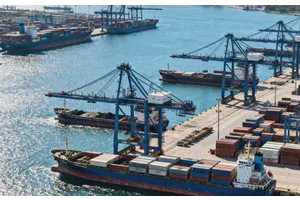
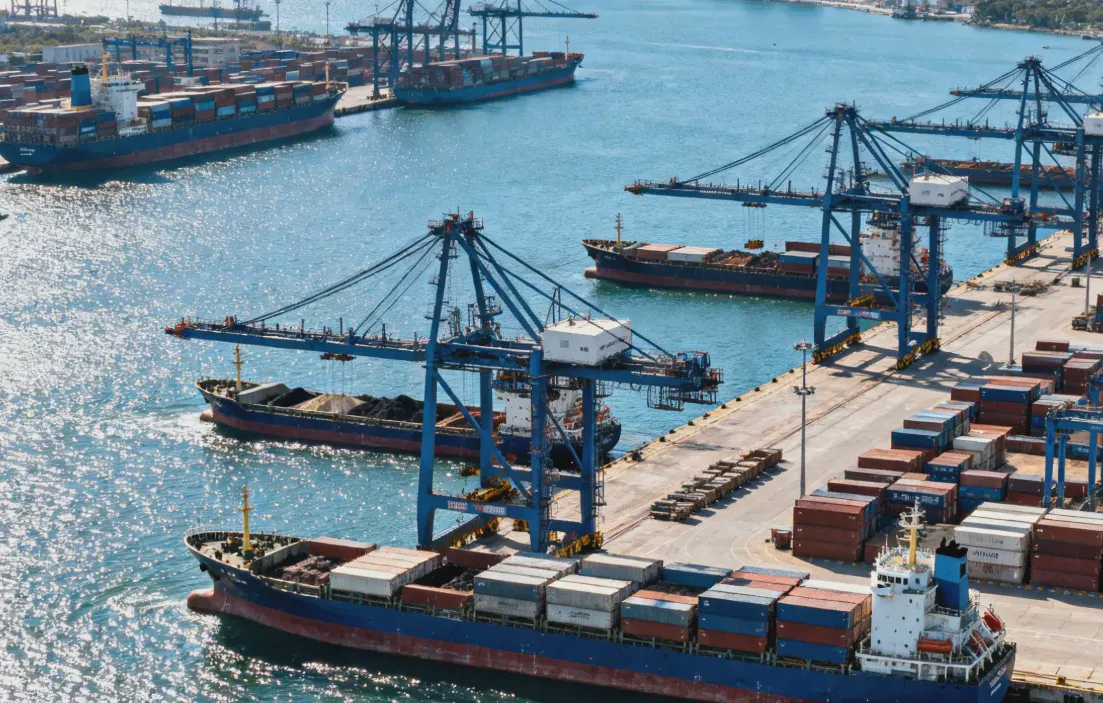
When planning sea freight between China and Tunisia, it is crucial to understand the main ports involved, as they significantly affect shipping efficiency, transit times, and costs.
Major Ports in China
China is home to some of the world's largest and most efficient ports, offering direct and transshipment routes to Tunisia. The following table summarizes the key ports relevant for shipments to North Africa:
| Port Name | Location | Annual Throughput (TEU) | Key Features | Suitability for Tunisia Shipments |
|---|---|---|---|---|
| Shanghai Port | East China | ~47 million | World’s largest container port, extensive global connections | Excellent, multiple sailings to Mediterranean |
| Shenzhen Port | South China | ~28 million | Strong connections with Europe & Africa | Good, frequent services to Mediterranean |
| Ningbo-Zhoushan | East China | ~31 million | Modern facilities, deepwater berths | Excellent, cost-effective for large consignments |
| Qingdao Port | North China | ~23 million | Key for manufacturing exports | Good, competitive rates for heavy industries |
| Guangzhou Port | South China | ~24 million | Fast-growing, good connectivity | Suitable for South China exporters |
| Xiamen Port | Southeast China | ~12 million | Flexible for LCL and SME shipments | Good for consolidated, smaller shipments |
Major Ports in Tunisia
Tunisia’s ports serve as gateways not only for the local market but also for transshipments to neighboring North African countries.
| Port Name | Location | Annual Throughput (TEU) | Key Features | Role in China-Tunisia Trade |
|---|---|---|---|---|
| Port of Rades | Near Tunis City | ~500,000 | Largest container port in Tunisia, advanced cranes | Main entry for containerized cargo |
| Port of Tunis | Tunis Capital Area | N/A (bulk & general cargo) | Handles general, RO-RO, and bulk cargo | Secondary, gateway for non-container cargo |
| Port of Sfax | Central Tunisia | ~100,000 | Significant for agricultural and chemical exports | Useful for commodities, less for containers |
| Port of Bizerte | Northern Tunisia | ~80,000 | Industrial, handles various bulk cargo | Specialized or project cargo |
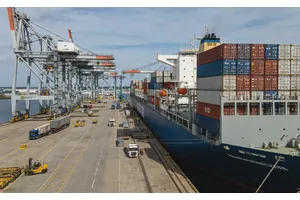
Port of Rades is the primary destination for most container shipments from China to Tunisia. Expert Insight: While Rades handles the vast majority of container traffic, our local agents frequently report congestion-related delays, especially prior to major holidays like Ramadan. Budgeting for an extra 3-5 days of transit time here is a prudent planning strategy for 2026.
Factors Influencing Sea Shipping Cost from China to Tunisia
The sea shipping cost from China to Tunisia depends on several critical variables. Understanding these factors helps businesses and supply chain managers make informed budgeting decisions and optimize their logistics.
Cargo Volume and Weight Impact on Ocean Freight Rates
Ocean freight rates are primarily calculated based on either the cargo's volume (cubic meters, CBM) or weight (metric tons), whichever is greater. The industry standard for container capacity is:
| Container Type | Internal Volume (CBM) | Typical Maximum Gross Weight (kg) |
|---|---|---|
| 20FT Container | 28 CBM | 24,000 |
| 40FT Container | 56 CBM | 30,480 |
| 40HQ Container | 68 CBM | 30,480 |
| 45HQ Container | 78 CBM | 32,500 |
- For FCL (Full Container Load): You pay a flat rate for the whole container, which becomes cost-effective when your shipment approaches the maximum capacity.
- For LCL (Less than Container Load): Charged per CBM or per ton, ideal for smaller volumes.
Pro tip: For cargoes close to 15 CBM, compare LCL and FCL costs; sometimes booking a full 20FT is more economical.
Related reading: For nearby routes, see the in-depth guide on Sea Shipping cost from China to Libya.
Type of Container: FCL (Full Container Load) vs. LCL (Less than Container Load)
The choice between FCL and LCL impacts total shipping cost, transit time, and security:
-
FCL (Full Container Load):
- Your goods occupy an entire container.
- Lower risk of damage or pilferage.
- Faster transit (fewer handling steps).
- Better for volumes above 15-20 CBM.
-
LCL (Less than Container Load):
- Your goods share container space with other shippers.
- Priced by CBM or ton.
- More handling, possible delays at consolidation/deconsolidation warehouses.
- Suitable for small or irregular shipments.
Current market snapshot (May 2026):
- FCL 40HQ Shanghai – Rades: ~$2,800 – $3,400 USD (all-in)
- LCL Shanghai – Rades: ~$80 – $110 USD/CBM
(Note: Rates fluctuate based on fuel prices, global demand, and shipping line policies. Always confirm with your freight forwarder.)
Seasonal Demand and Market Fluctuations
Shipping costs between China and Tunisia are highly sensitive to global trade cycles and market conditions:
- Peak seasons (e.g., before Ramadan, Christmas, Chinese New Year) see higher rates due to vessel overbooking.
- Off-peak periods may offer discounts, but with fewer sailings.
- Disruptions (e.g., Suez Canal blockages, Red Sea tensions, global pandemic impacts) can spike rates or cause rerouting.
- Freight Indexes (e.g., Shanghai Containerized Freight Index – SCFI) provide up-to-date market benchmarks.
Example: As of 2026, the prolonged rerouting around the Cape of Good Hope—initially triggered by Red Sea instability—has become a standard operating procedure for many carriers, keeping transit times and costs 15-25% higher than pre-crisis levels.
Port Charges, Handling Fees, and Surcharges
Besides the base ocean freight, several local charges add to your total shipping cost:
| Fee Type | China (Export) | Tunisia (Import) |
|---|---|---|
| Terminal Handling Charges (THC) | $120 – $180/Container | $110 – $160/Container |
| Documentation Fee | $40 – $60 / BL | $35 – $60 / BL |
| Port Security Surcharge | $5 – $15/Container | $5 – $20/Container |
| ISPS Surcharge | $8 – $15/Container | $8 – $15/Container |
| Delivery Order Fee | N/A | $30 – $50/Container |
Other possible surcharges:
- Bunker Adjustment Factor (BAF): Varies with oil prices.
- Peak Season Surcharge (PSS): Imposed during high demand.
- War Risk Surcharge: Applicable if routes pass conflict zones.
Recommendation: Always request a full cost breakdown from your freight forwarder to avoid unexpected charges.
Customs Clearance and Documentation Fees
Complying with customs regulations in both China and Tunisia is essential for smooth cargo movement and cost control.
-
China Export Customs:
- Export declaration: $30 – $60
- Inspection, if required: $40 – $90
-
Tunisia Import Customs (Douane Tunisienne):
- Import declaration: $40 – $70
- Duties and VAT: Vary significantly depending on the HS code (e.g., up to 30% for luxury goods, plus a standard 19% VAT).
- Additional fees: Certain products like electronics or textiles may require specific local inspections (e.g., INNORPI certification) before release.
Required documents typically include:
- Bill of Lading (BL)
- Commercial Invoice (Crucial: Must be detailed and highly accurate to avoid valuation disputes at Rades)
- Packing List
- Certificate of Origin
- Import Permits (For restricted goods, must be secured prior to cargo arrival)
Expert tip: Engage a trusted freight forwarder such as DTFU International Logistics Co.,Ltd to handle end-to-end documentation, ensuring compliance and minimizing clearance delays.
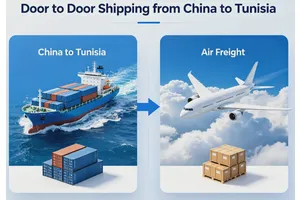
Explore more on related logistics: If you require all-in-one solutions, consider Door to Door Shipping from China to Tunisia.
By understanding the factors above, businesses can better estimate and optimize the sea shipping cost from China to Tunisia. At DTFU International Logistics Co.,Ltd, we provide transparent pricing, comprehensive logistics solutions (including sea, air, and road freight, customs clearance, warehousing, and cargo insurance), and expert support for every stage of your international shipment. For tailored advice and the latest rate updates, contact our team today.
How to Calculate Sea Shipping Cost from China to Tunisia
Understanding your sea shipping cost from China to Tunisia is crucial for effective budgeting and supply chain planning. As a Senior Logistics Analyst with over a decade in international freight forwarding, I’ll guide you through a professional, transparent approach to cost calculation.
Step-by-Step Cost Calculation Example
Calculating your ocean freight cost involves several key components. Here’s a practical, step-by-step example based on standard industry parameters, using the target keyword Sea Shipping cost from China to Tunisia for context.
1. Define Shipment Details
Suppose you plan to ship a 40HQ container (capacity: 68 CBM) from Shanghai Port, China to Rades Port, Tunisia. The cargo weighs 25,000 kg and occupies 60 CBM.
2. Components of Sea Shipping Cost
| Cost Item | Typical Range (USD) | Notes |
|---|---|---|
| Ocean Freight (Base Rate) | $2,200 – $2,800 | Varies by carrier, container type, and season |
| Origin Port Charges | $300 – $500 | Terminal handling, documentation, export customs clearance |
| Destination Port Charges | $350 – $600 | Terminal handling, import customs clearance, delivery order fee |
| Bunker Adjustment Factor (BAF) | $100 – $200 | Adjusts for fuel price fluctuations |
| Peak Season Surcharge (PSS) | $0 – $400 | Applied during high demand (e.g., pre-holiday periods) |
| Security Fee & Other Surcharges | $50 – $150 | E.g., ISPS, documentation, EBS |
| Inland Transportation (Optional) | $500 – $900 | If door-to-door delivery is needed |
| Insurance (Recommended) | 0.3% – 0.5% of cargo value | Protects your goods in case of loss or damage |
Example Calculation (for 40HQ container):
| Component | Example Cost (USD) |
|---|---|
| Ocean Freight | $2,500 |
| Origin Port Charges | $400 |
| Destination Charges | $500 |
| BAF | $150 |
| PSS | $200 |
| Security & Docs | $100 |
| Total | $3,850 |
Note: These rates are indicative and may vary based on the latest market conditions. For the most accurate and up-to-date sea shipping cost from China to Tunisia, request a quote from a reputable freight forwarder like DTFU International Logistics Co.,Ltd.
3. Factors That Influence Your Final Cost
- Cargo Volume & Weight: For LCL (Less than Container Load), you’ll pay per CBM or per ton, whichever is greater.
- Container Type: FCL (Full Container Load) rates are usually fixed per container, while LCL is variable.
- Current Market Rates: Rates fluctuate due to fuel costs, vessel space, and global events.
- Inland Delivery Needs: Door-to-door costs add to your total.
- Customs Clearance Fees: Both at origin and destination.
For more insights on the North African shipping market, check our comparison of Sea Shipping cost from China to Nigeria.
Common Hidden Fees to Watch Out For
Understanding hidden charges is key to avoiding unpleasant surprises. Here are some common, often-overlooked fees in sea shipping from China to Tunisia:
| Fee | Description | Typical Amount (USD) |
|---|---|---|
| Demurrage | Charged if container stays at port longer than free period. Note: Rades is notorious for this if customs clearance is delayed. | $50 – $150/day |
| Detention | Fee for holding carrier’s container outside the port beyond the free period | $60 – $120/day |
| Customs Inspection Fee | If your cargo is selected for inspection | $100 – $300 |
| Documentation Amendment Fee | Changes to shipping documents after issuance | $50 – $100 |
| Port Congestion Surcharge (PCS) | Applied during periods of congestion at major ports | $50 – $200 |
| Additional Handling (OOG/Heavy) | Extra fees for out-of-gauge (OOG) or overweight cargo | Varies |
| Palletization/Repacking | If required for customs or safety | $30 – $70/pallet |
Tip: Discuss all potential charges upfront with your freight forwarder to avoid surprises. DTFU International Logistics Co.,Ltd provides a transparent, all-inclusive quote to help you budget accurately.
Sea Freight Transit Times: How Long Does Shipping Take?
Transit time is a key consideration when planning your supply chain from China to Tunisia. Knowing the average duration and potential delays allows for better inventory management and customer satisfaction.
Average Shipping Timeframes between China and Tunisia
Transit times depend on the route, carrier, and transshipment points. Here’s a table of typical sailing schedules for FCL shipments:
| Departure Port (China) | Arrival Port (Tunisia) | Typical Route | Estimated Transit Time (Days) |
|---|---|---|---|
| Shanghai | Rades | via Singapore, Mediterranean | 28 – 33 |
| Shenzhen (Yantian) | Rades | via Singapore, Mediterranean | 27 – 32 |
| Ningbo | Rades | via Singapore, Mediterranean | 28 – 34 |
| Qingdao | Rades | via Busan/Colombo, Mediterranean | 32 – 38 |
| Guangzhou | Rades | via Singapore, Mediterranean | 28 – 35 |
LCL shipments typically add 3–7 days for cargo consolidation at the Chinese origin port and deconsolidation upon arrival at the Tunisian bonded warehouse.
For the latest schedules and fastest routes, consult with DTFU International Logistics Co.,Ltd — we monitor global shipping lanes to ensure the best transit times and real-time updates.
Factors That May Cause Delays
Several factors can impact or delay the sea shipping transit time from China to Tunisia:
- Port Congestion: Overcrowding at major ports like Shanghai or Rades can slow unloading and customs clearance.
- Customs Inspections: Random inspections or incomplete documentation can prolong clearance at both origin and destination.
- Weather Conditions: Typhoons in East Asia or storms in the Mediterranean may cause vessel delays.
- Transshipment Delays: Most routes involve transshipment at hubs such as Singapore or Port Said (Egypt), where delays can cascade.
- Peak Season: During Golden Week (China), Ramadan, or Black Friday, vessel space is tight and shipments may take longer.
- Regulatory Changes: Sudden regulatory shifts, such as new customs rules or security protocols, can impact processing times.
- Global Events: Disruptions like the Red Sea crisis or strikes at ports can have ripple effects on shipping schedules.
Pro Tip: Proactive planning and working with an experienced freight forwarder like DTFU International Logistics Co.,Ltd can help mitigate most delay risks through real-time tracking, expert customs support, and agile route management.
Accurate calculation of sea shipping cost from China to Tunisia, including awareness of hidden fees and realistic transit times, builds a strong foundation for your global logistics operations. For tailored logistics solutions and transparent pricing, contact DTFU International Logistics Co.,Ltd – your trusted partner for hassle-free freight forwarding between China and Tunisia.
Comparing Sea Shipping with Other Freight Options
Sea Freight vs. Air Freight: Cost and Transit Time Differences
When evaluating international logistics, two of the most common options between China and Tunisia are sea freight and air freight. Each method has distinct advantages and is suited for different types of cargo and business goals.
| Mode | Typical Cost (per CBM/kg) | Transit Time (China-Tunisia) | Key Advantages | Typical Use Cases |
|---|---|---|---|---|
| Sea Freight | $50–$150 per CBM | 25–40 days | Most cost-effective for large volumes, can transport heavy and bulky cargo | Bulk shipments, large machinery, raw materials |
| Air Freight | $6–$12 per kg | 4–10 days | Fastest, ideal for urgent or high-value goods, reliable schedules | Electronics, fashion, high-value or perishable goods |
Cost:
- Sea shipping cost from China to Tunisia is significantly lower per unit, especially for shipments above 2 CBM or over 500 kg, due to economies of scale.
- Air freight is much more expensive but can be justified when transit speed is mission-critical or for small, high-value consignments.
Transit Time:
- Sea freight typically takes 25–40 days, depending on the origin and destination ports (e.g., Shanghai Port to Rades Port in Tunisia).
- Air freight can reach Tunisia in under a week, including customs clearance, but may face delays during peak seasons or due to global disruptions.
Reliability:
- Sea freight schedules can be affected by port congestion, weather, and strikes, but modern logistics providers like DTFU International Logistics Co.,Ltd offer real-time tracking and contingency planning.
- Air freight benefits from frequent flights, but capacity constraints can occur during global events.
If you want to explore air transport solutions in the region, read about Air Shipping from China to Morocco.
When to Choose Ocean Shipping over Other Methods
Sea freight is generally the most suitable choice in the following scenarios:
- Large Volume Shipments: If you are shipping containers (FCL or consolidated LCL) with high volume or weight, sea freight provides the best cost-efficiency.
- Non-urgent Delivery: When delivery time is flexible, and cost savings outweigh speed, ocean freight is ideal.
- Oversized or Heavy Cargo: Items such as industrial machinery, vehicles, or raw materials are often restricted by air due to size or weight limitations.
- Environmental Considerations: Sea freight has a lower carbon footprint per ton-km than air, aligning with corporate sustainability goals.
- Budget Constraints: Startups or SMEs looking to maximize their landed cost should prioritize sea over air whenever possible.
Tip: For urgent goods, consider a mixed approach—ship the bulk by sea and a small urgent portion by air.
Tips for Reducing Your Sea Shipping Cost from China to Tunisia
Optimizing your sea shipping cost from China to Tunisia requires strategic planning and an understanding of logistics best practices. Here are actionable tips:
Negotiating with Freight Forwarders
- Request Detailed Quotes: Always ask for comprehensive quotations that itemize all costs, including port charges, surcharges, and possible ancillary fees.
- Volume-based Discounts: Establish long-term relationships or commit to regular shipments to negotiate better rates.
- Service Bundling: Utilize a provider like DTFU International Logistics Co.,Ltd that offers end-to-end services (e.g., sea freight, customs clearance, warehouse, insurance). Bundled services often come at a lower total cost.
- Transparent Communication: Clearly communicate your shipment details, timelines, and special requirements. A reliable freight forwarder will tailor solutions that save time and money.
Consolidating Shipments for Better Rates
- LCL Consolidation: If your cargo does not fill a full container, use Less than Container Load (LCL) services to combine your shipment with others, sharing container costs.
- Warehouse Consolidation: Utilize consolidation warehouses in major Chinese ports (Shanghai, Shenzhen, Ningbo) to accumulate goods from different suppliers before shipping.
- Scheduled Shipping: Plan shipments in advance and coordinate with your suppliers to align production schedules, minimizing partial shipments and maximizing container utilization.
Example: Shipping two 8 CBM LCL consignments together as an FCL (16 CBM in a 20FT container) may save you 15–30% compared to separate LCL shipments.
Choosing the Optimal Shipping Route and Schedule
- Select Efficient Routes: Some Chinese ports have more frequent and direct sailings to Tunisia, reducing transit time and cost. For instance, Shanghai Port and Ningbo Port offer competitive shipping options to Rades Port, Tunisia’s main container terminal.
- Avoid Peak Seasons: Shipping costs rise during peak seasons (e.g., pre-Chinese New Year, July–September for back-to-school goods). Book early to lock in lower rates.
- Flexible Schedules: If your delivery window is broad, opt for less-demanded sailing dates, which are often cheaper.
- Monitor Market Conditions: Stay updated on geopolitical issues, port congestion, or regulatory changes affecting shipping times and costs.
| Example Route | Typical Cost (20FT FCL) | Transit Time | Departure Frequency |
|---|---|---|---|
| Shanghai – Rades | $2,800 – $3,500 | 30–40 days | Weekly |
| Ningbo – Rades | $2,750 – $3,400 | 28–38 days | Weekly |
| Shenzhen – Rades | $2,900 – $3,600 | 32–42 days | Biweekly |
Rates above are indicative and may fluctuate based on fuel surcharges and market demand (Q1 2026).
Contact us today for a personalized, transparent quote and discover how we can reduce your sea shipping cost from China to Tunisia while simplifying your entire supply chain.
How to Choose a Reliable Freight Forwarder for China–Tunisia Shipments
Selecting a reliable freight forwarder is a critical factor in ensuring a smooth, cost-effective, and timely sea shipping process from China to Tunisia. With many options available, it is important to partner with an expert who understands both the complexities of international logistics and the specific regulatory landscape of Tunisian customs. In our experience handling hundreds of shipments to North Africa, the right partner can save you thousands of dollars in avoidable demurrage and compliance fines.
Key Criteria to Consider
1. Experience and Specialization
Choose a freight forwarder with proven expertise in the China–Tunisia route. This includes familiarity with major Chinese ports (such as Shanghai, Shenzhen, and Ningbo) and Tunisian ports (like Port of Rades and Port of Sfax), as well as a strong understanding of both countries' customs regulations and documentation.
2. Core Advantages That Actually Matter to Your Bottom Line
Instead of just offering a generic menu of services, a top-tier forwarder should solve the real pain points of importing to Tunisia. At DTFU International Logistics, our core strengths directly address what importers care about most:
- Guaranteed Space During Peak Seasons: Securing a container shouldn't be a gamble. Our direct contracts with top carriers mean your cargo ships on time, even right before Ramadan.
- No Hidden Fees (Zero Surprises): The quote we provide is the price you pay. We aggressively eliminate "surprise" destination charges and explain all potential customs costs upfront.
- Local Customs Expertise in Tunisia: The hardest part of shipping to North Africa is getting goods out of the port. We work with specialized Tunisian brokers who know exactly how to navigate local regulations, avoiding costly demurrage days at Rades.
- Lightning-Fast Response Times: When your cargo is on the water, you need answers immediately, not in 24 hours. Our dedicated account managers provide proactive, real-time updates.
This level of targeted problem-solving ensures your supply chain remains an asset, not a liability.
3. Transparent Pricing and Cost Breakdown
Transparent quotations that clearly outline all charges—such as ocean freight, port handling, documentation, customs clearance, and insurance—help you avoid hidden fees. Ask for detailed breakdowns and compare multiple proposals.
4. Shipping Network and Carrier Relationships
A reliable freight forwarder should have established relationships with major shipping lines and local agents in both China and Tunisia, ensuring better rates and priority handling.
5. Customer Service and Communication
Clear and responsive communication is vital. Look for a forwarder who provides proactive shipment updates, is available to answer questions promptly, and supports you through unexpected situations or customs issues.
6. Track Record and References
Check for customer testimonials, online reviews, and industry accreditations such as FIATA, WCA, or NVOCC certifications. Reliable forwarders will be transparent with their credentials and happy to provide references.
7. Digital Tools and Visibility
Modern freight partners offer shipment tracking, digital document management, and real-time reporting tools, giving you transparency and control over your supply chain.
For similar regional logistics solutions, you may also be interested in Door to Door Shipping from China to Morocco.
Recommended Freight Forwarder: DTFU International Logistics Co.,Ltd
As a highly professional and cost-effective international freight forwarder, DTFU International Logistics Co.,Ltd is well-equipped to handle your shipments from China to Tunisia. Our services cover every aspect of global logistics, including sea, air, and road freight, as well as warehousing, insurance, and end-to-end customs support. With over a decade of experience, robust carrier partnerships, and a customer-first approach, we help you optimize shipping costs and mitigate risks, making us a trusted one-stop partner for global traders.
FAQs
1. What documents are needed for sea shipping from China to Tunisia?
You typically need a Bill of Lading, Commercial Invoice, Packing List, and relevant Certificates of Origin. Depending on cargo type, additional documents such as insurance certificates or special permits may be required.
2. How long does sea freight take from major Chinese ports to Tunisia?
On average, transit times from Shanghai/Ningbo/Shenzhen to Port of Rades, Tunisia, range from 25 to 35 days, depending on the shipping line, schedule, and route.
| Origin Port | Destination Port | Estimated Transit Time (Days) |
|---|---|---|
| Shanghai | Rades | 30–35 |
| Ningbo | Rades | 28–33 |
| Shenzhen | Rades | 25–30 |
3. What are the main cost components in sea shipping?
Core components include ocean freight, port charges, handling fees, customs clearance, documentation fees, and insurance. Always clarify which are included in your quote.
4. Should I choose FCL or LCL for shipping to Tunisia?
- FCL (Full Container Load) is ideal for large shipments. It offers better rates per unit, security, and faster processing.
- LCL (Less than Container Load) is suitable for smaller shipments, as you share container space and cost with others.
5. What container sizes are available and what are their capacities?
| Container Type | Capacity (CBM) | Suitable For |
|---|---|---|
| 20FT | 28 CBM | Small-to-medium shipments |
| 40FT | 56 CBM | Medium-to-large shipments |
| 40HQ | 68 CBM | High-volume or light cargo |
| 45HQ | 78 CBM | Maximum volume, lower density |
6. How can I reduce my sea shipping costs from China to Tunisia?
- Consolidate shipments to optimize container space.
- Book during non-peak seasons.
- Negotiate rates with your freight forwarder.
- Choose optimal routes and sailing schedules.
By carefully evaluating and choosing a professional freight partner such as DTFU International Logistics Co.,Ltd, your shipments from China to Tunisia will be managed with the highest level of expertise, reliability, and cost-efficiency.