Are you struggling to accurately calculate the sea shipping cost from China to Sudan? For importers and procurement managers, hidden fees, unpredictable peak season surcharges, and confusing local customs tariffs can quickly erode profit margins. In this comprehensive guide, we will break down every expense involved, provide realistic price ranges, and share expert strategies to help you optimize your supply chain.
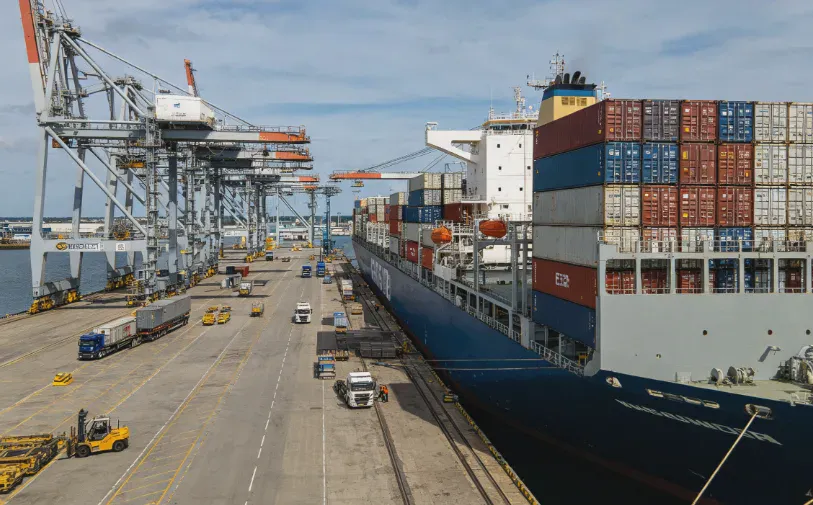
At DTFU International Logistics, we have over a decade of hands-on experience navigating the complex China-Africa trade lanes. We handle hundreds of TEUs heading to Port Sudan every year. Based on our latest 2026 operational data and current Red Sea shipping realities, let’s dive into exactly what you should expect to pay and how you can reduce your bottom line.
Key Factors Influencing Sea Shipping Cost from China to Sudan
Understanding why rates fluctuate is the first step to controlling your logistics budget. The final price you pay on your invoice is rarely just the base ocean freight rate.
Distance, Major Shipping Routes, and Red Sea Volatility
Direct Answer: The maritime distance from eastern China to Port Sudan is approximately 6,000 to 7,000 nautical miles. Vessels typically navigate through the South China Sea, the Indian Ocean, and directly into the Red Sea.
DTFU Expert Insight: In our daily operations, we work closely with carriers like MSC, COSCO, and CMA CGM. Due to the ongoing security complexities in the Red Sea, some carriers have adjusted their routes or added premium surcharges. Direct routes to Port Sudan generally cost more but save you 7 to 10 days of transit time. Indirect routes (with transshipments in hubs like Jeddah or Jebel Ali) might offer lower base rates, but we often warn clients about the increased risk of transshipment delays.
Type of Cargo: FCL vs LCL Shipping Costs
Direct Answer: FCL (Full Container Load) charges a flat rate per container, ideal for bulk shipments over 15 CBM. LCL (Less than Container Load) charges per cubic meter (CBM) and is more cost-effective for smaller loads, though it incurs higher destination port stripping fees.
Here is a quick market estimate for Shipping From China to Sudan (Note: Rates fluctuate based on monthly carrier GRIs - General Rate Increases):
| Cargo Type | Volume/Size | Estimated Cost Range (USD) | Best For |
|---|---|---|---|
| LCL | 1 CBM | $100 - $160 | Small shipments under 15 CBM |
| FCL 20ft | 33 CBM | $2,600 - $3,600 | Dense, heavy goods (e.g., machinery, tiles) |
| FCL 40ft/40HQ | 67-76 CBM | $4,000 - $5,500 | High-volume, lighter goods (e.g., textiles, furniture) |
Note: We highly recommend requesting a spot quote, as these averages can shift rapidly.
Seasonal Fluctuations and Market Demand
Just like airline tickets, Sea Freight rates soar during peak seasons. The period leading up to the Chinese New Year (January/February) and the global holiday shopping season (August-October) often sees rates jump by 20% to 40%.
Crucial Tip for Sudan: You must also account for Ramadan. During the holy month, working hours at Port Sudan and local customs offices are significantly reduced. In our experience, cargo arriving during this time faces a high risk of delays, which can lead to unexpected demurrage charges.
Port Charges, Customs Fees, and Documentation Costs
Your shipping quote must account for local origin and destination fees. In China, you will pay Terminal Handling Charges (THC), export customs clearance, and document fees (like the Bill of Lading fee). Upon arrival in Sudan, you face destination THC, import duties based on the HS Code of your goods, and local agent handling fees.
Detailed Breakdown of Ocean Freight Charges
To avoid "sticker shock" when the final invoice arrives, you must understand the anatomy of a freight quote.
Base Freight Rate Explained
Direct Answer: The base freight rate is the core fee charged by the ocean carrier to move your container from Port A to Port B. It covers the physical transportation across the ocean but excludes all land-based and administrative fees.
Surcharges and Additional Fees (The Hidden Costs)
Ocean carriers frequently add surcharges to compensate for external economic factors. For the China-to-Sudan route, you must watch out for:
- BAF (Bunker Adjustment Factor): Compensates for fluctuating marine fuel prices.
- PSS (Peak Season Surcharge): Added during high-demand months when vessel space is tight.
- WRS (War Risk Surcharge): Highly relevant right now. Due to Red Sea tensions, carriers mandate a WRS for vessels entering the region. This is non-negotiable and strictly enforced by marine insurers.
Insurance and Cargo Security Costs
Direct Answer: Cargo Insurance Services typically cost between 0.1% and 0.3% of the total commercial value of your goods.
Our Advice: Never ship to East Africa without comprehensive marine insurance. We recently assisted a client whose un-insured cargo suffered water damage during a rough Indian Ocean transit; the financial loss was devastating. A minimal upfront investment in insurance protects you from catastrophic financial losses due to container damage, piracy, or vessel accidents.
How to Calculate Your Sea Shipping Cost from China to Sudan
Relying on guesswork can ruin your pricing strategy. Here is how our logistics professionals calculate landed costs.
Step-by-Step Cost Calculation Process
- Determine your Incoterms®: Are you shipping FOB (Free on Board) or EXW (Ex Works)? Under FOB, your supplier pays local China costs; under EXW, you pay for everything from the factory floor to Port Sudan.
- Calculate Volume and Weight: Measure your cargo precisely to decide between FCL and LCL.
- Add Freight and Surcharges: Combine the base rate with BAF, PSS, and WRS.
- Factor in Sudan-Specific Documentation: Ensure you budget for the IM Form (Bank Import Form required by the Central Bank of Sudan) and the SSMO (Sudanese Standards and Metrology Organization) inspection fees.
- Add Insurance: Calculate the premium based on 110% of the CIF value.
Online Freight Rate Calculators and Quoting Tools
While online calculators provide a rough baseline, they rarely account for real-time vessel capacity, WRS updates, or specialized cargo needs. At DTFU International Logistics, we provide customized, transparent, all-in quotes within 24 hours. We eliminate the guesswork by detailing every line item so you know exactly what you are paying.
Tips to Reduce Your Sea Freight Costs from China to Sudan
You don't have to accept the first quote you receive. Smart importers use the following tactics to optimize their spend.
Consolidation and Efficient Packing Strategies
Direct Answer: Consolidating multiple small orders from different Chinese suppliers into a single FCL container can reduce your shipping costs by up to 30% compared to shipping multiple LCL consignments.
We regularly help clients consolidate goods at our Warehouse Services in Shenzhen and Guangzhou. Additionally, optimize your packaging. Using right-sized cartons and minimizing dead space ensures you aren't paying to ship empty air.
Choosing the Right Shipping Partner or Freight Forwarder
Working directly with a carrier is often too complex for small-to-medium importers. Partnering with a specialized freight forwarder like DTFU International Logistics gives you access to our negotiated contract rates. We leverage our bulk buying power to secure cheaper container slots than you could independently.
Negotiating with Carriers and Optimizing Shipping Schedules
Flexibility is your best negotiation tool. If your cargo is not urgent, ask your forwarder for a deferred shipping schedule or an indirect route. Carriers often offer significant discounts to fill empty slots on slower vessels.
Popular Sea Ports and Shipping Routes between China and Sudan
Choosing the right departure port in China can trim hundreds of dollars off your inland trucking costs.
Major Chinese Ports for Sudan-bound Shipments
Direct Answer: The primary export gateways in China are Shanghai, Shenzhen, Ningbo, and Qingdao.
- Shenzhen/Guangzhou: Best for electronics, textiles, and goods manufactured in Southern China.
- Shanghai/Ningbo: Ideal for machinery, plastics, and goods from Eastern/Central China.
- Qingdao: The go-to port for heavy industry, tires, and agricultural products from Northern China.
Main Sudan Ports Receiving Cargo from China
Port Sudan is the absolute epicenter of Sudan's maritime trade. It handles over 90% of the country's international sea freight. Ensuring your documentation is perfectly aligned with Port Sudan's customs authority is critical for a smooth arrival.
Typical Transit Times and Route Options
| Origin Port (China) | Destination Port | Estimated Transit Time | Route Type |
|---|---|---|---|
| Shenzhen (SZX) | Port Sudan (SDPZU) | 24 - 28 Days | Direct / 1 Stop |
| Shanghai (SHA) | Port Sudan (SDPZU) | 28 - 32 Days | 1-2 Transshipments |
| Ningbo (NGB) | Port Sudan (SDPZU) | 28 - 33 Days | 1-2 Transshipments |
| Qingdao (TAO) | Port Sudan (SDPZU) | 30 - 35 Days | 2 Transshipments |
(Note: Transit times are estimates. Congestion at transshipment hubs like Jebel Ali can occasionally add 3-5 days to these schedules.)
Common Challenges and Solutions in China-Sudan Sea Shipping
The route to East Africa is not without its hurdles. Preparation is the key to avoiding costly delays.
Customs Clearance Issues and Best Practices
Direct Answer: Incorrect documentation is the number one cause of cargo holds in Port Sudan. Ensure your Commercial Invoice, Packing List, and Bill of Lading perfectly match.
Sudan has strictly enforced import regulations. You must secure an Inspection Certificate from the SSMO (Sudanese Standards and Metrology Organization) before your cargo arrives, otherwise, it will not clear customs. Misclassifying your HS Code can result in massive fines or cargo confiscation. Always work with a licensed local customs broker who understands the latest tariff updates. Customs Clearance expertise is vital here.
Dealing with Delays and Unexpected Costs
Port congestion in Sudan is a well-known issue. If your customs paperwork is delayed, your container will sit at the port, racking up exorbitant Demurrage and Detention (D&D) charges. DTFU Pro Tip: To mitigate this, we proactively negotiate 14 to 21 "free days" for container use with carriers before the cargo even sails from China, giving our clients a crucial buffer window.
FAQs
1. How much does it cost to ship a 40ft container from China to Sudan?
On average, shipping a 40ft container costs between $4,000 and $5,500, depending on the season, carrier, and origin port in China. Peak seasons or sudden War Risk Surcharge (WRS) hikes will push these rates to the higher end of the spectrum.
2. Is DDP shipping available from China to Sudan?
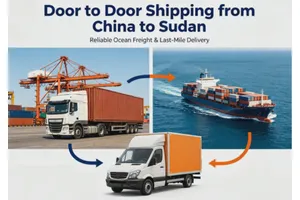
Yes, Door to Door Shipping (DDP) services are available and highly recommended for importers who want a hassle-free experience. DTFU International Logistics handles the ocean freight, Port Sudan customs clearance, duties, and final truck delivery to your warehouse in Khartoum or other cities.
3. How long does sea freight take from China to Sudan?
Port-to-port transit times generally range from 24 to 35 days. However, you should factor in an additional 7 to 14 days for origin loading, SSMO inspections, Port Sudan customs clearance, and destination unloading.
4. What documents are strictly required for shipping to Sudan?
You will need a Commercial Invoice, Packing List, Bill of Lading, Certificate of Origin, the Central Bank's IM Form, and the mandatory SSMO Inspection Certificate.
Ready to optimize your supply chain and get the most competitive, transparent sea shipping cost from China to Sudan? Contact DTFU Logistics today for a free, no-obligation quote and personalized shipping strategy.