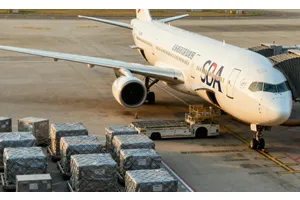
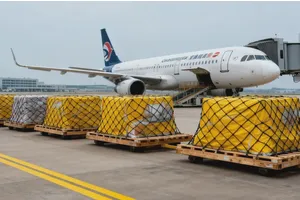
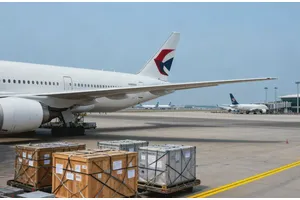
Importing goods into Sudan via air freight in 2026 presents unique challenges. In our 10+ years of managing daily shipments to East Africa, we've seen that the primary pain point for procurement managers isn't just finding a carrier—it's securing a reliable, safe route that won't result in stranded cargo or unexpected, exorbitant fees. The ongoing geopolitical situation has fundamentally altered the logistics landscape, making expert guidance more critical than ever. This guide provides actionable insights into navigating the complexities of air freight from China to Sudan, helping you protect your supply chain and bottom line.
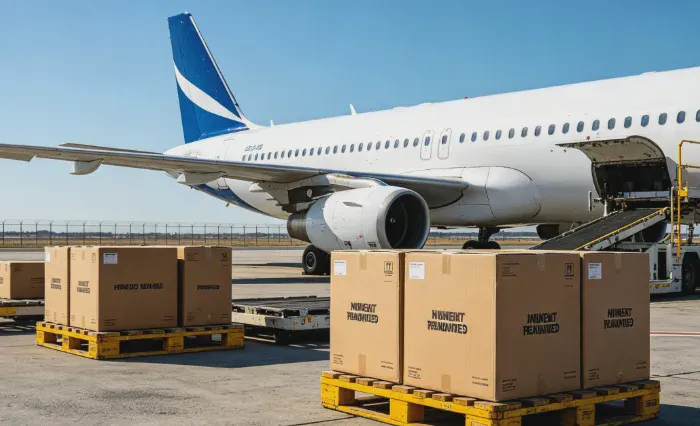
Key Takeaways:
- Current Situation: Air freight to Sudan requires careful routing due to ongoing geopolitical instability, with Port Sudan (PZU) emerging as a crucial alternative to Khartoum (KRT).
- Cost Drivers: Expect war risk surcharges and volatile insurance premiums to impact total landed costs significantly.
- Customs Complexity: Sudan's customs clearance demands rigorous documentation, including pre-shipment inspections and strict adherence to restricted item lists.
- The DTFU Solution: Partnering with experienced forwarders like DTFU International Logistics ensures your cargo navigates these hurdles safely, predictably, and compliantly.
Current Landscape of Air Cargo to Sudan (2026 Updates)
The air freight environment in Sudan has shifted dramatically. Understanding the current operational realities is the first step to a successful shipment.
Operational Capacity at Khartoum (KRT) vs. Port Sudan (PZU)
While Khartoum International Airport (KRT) historically handled the bulk of Sudan's air cargo, its operational capacity remains highly variable due to security concerns. As a result, Port Sudan New International Airport (PZU) has become a vital lifeline for incoming freight. When planning your shipment, you must verify the real-time status of both airports. Relying solely on KRT without a contingency plan for PZU is a high-risk strategy in today's climate. We actively advise our clients to keep documentation flexible so we can seamlessly reroute to Port Sudan mid-transit if KRT experiences sudden airspace closures.
Geopolitical Impacts on Flight Routes and Insurance Surcharges
The instability in the region (similar to the challenges seen when Red Sea Shipping Returns Under Tight Security) has forced airlines to reroute flights, leading to longer transit times and reduced frequency. More importantly, this environment triggers significant "war risk" surcharges and elevated insurance premiums. These are not standard fees; they fluctuate based on the daily security assessment. Importers must account for these dynamic costs when calculating the feasibility of their shipments.
How Much Does Air Freight Cost from China to Sudan?
Cost predictability is a major concern. While base rates might seem straightforward, the final landed cost is heavily influenced by the current geopolitical climate.
Standard Air Freight vs. Express Courier Rates (Per KG)
The cost per kilogram depends heavily on the service level and cargo volume.
| Service Type | Weight Range | Estimated Cost (Per KG) | Best For |
|---|---|---|---|
| Standard Air Freight | 100kg - 500kg | $6.50 - $9.50 | Commercial goods, machinery parts |
| Heavy Air Freight | 500kg+ | $5.50 - $8.00 | Large consolidations, bulk inventory |
| Express Courier (DHL/FedEx) | Under 100kg | $12.00 - $18.00 | Urgent documents, small high-value samples |
Note: These are market estimates. Actual rates fluctuate based on fuel prices, seasonality, and available capacity.
Understanding Hidden Fees: War Risk, Handling, and Storage
The true cost of shipping to Sudan often lies in the surcharges. War risk premiums are mandatory, highly variable, and often dictate that air freight quotes to Sudan are only valid for 24 to 48 hours. Furthermore, if your cargo is delayed at the destination airport due to customs backlogs or security lockdowns, terminal handling charges (THC) and storage fees compound rapidly. We have seen unmanaged shipments accumulate storage fees that exceed the original freight cost within just a few weeks. You must budget for these potential delays and work with a proactive forwarder.
Strategic Ways to Reduce Your Air Shipping Costs
To mitigate these high costs, focus on consolidation and strategic routing. Consolidating smaller shipments from multiple Chinese suppliers into a single larger Master Air Waybill (MAWB) can significantly reduce your per-kilogram rate. Additionally, understanding The Strategic Role of Freight Forwarders in Modern Supply Chains and working with a partner who has preferential contract rates with airlines flying into the region can yield savings well below the market average.
Transit Times and Major Cargo Routes
Speed is the primary reason for choosing air freight, but the current situation in Sudan means transit times are less predictable than on standard global routes.
Top Departure Hubs in China
Most air cargo destined for Africa departs from major Chinese hubs with extensive international connections. Guangzhou (CAN), Shanghai (PVG), and Shenzhen (SZX) are the primary origin points, offering the most frequent flights and the best consolidation opportunities for Sudan-bound freight.
Primary Arrival Airports in Sudan
As noted, your primary destinations will be either Khartoum (KRT) or Port Sudan (PZU). The choice depends entirely on the operational status of KRT at the time of booking and the final destination of your goods within Sudan.
Direct Flights vs. Transshipment via Middle East (DXB/DOH)
Direct freighter flights from China to Sudan are extremely rare. The vast majority of cargo utilizes transshipment hubs in the Middle East, primarily Dubai (DXB) or Doha (DOH).
| Route Type | Average Transit Time | Reliability |
|---|---|---|
| Standard Transshipment (via DXB/DOH) | 5 - 8 Days | Moderate to High |
| Express Courier | 3 - 5 Days | High |
| Deferred/Economy Air | 8 - 12 Days | Moderate |
Transshipping allows for better utilization of airline networks but introduces a secondary handling point where delays can occur. For instance, during recent regional flare-ups, we observed 3-to-5 day backlogs at DXB for Sudan-bound connecting flights. Working with a forwarder who has priority space agreements on these final legs is critical to avoid your cargo sitting on the tarmac.
Navigating Sudan Customs Clearance for Air Imports
Navigating Customs Clearance in Sudan is rigorous and uncompromising. A single missing document can result in weeks of delays and massive storage fees.
Mandatory Import Documentation
To clear customs successfully, you must provide a flawless documentation package. This includes the Commercial Invoice, Packing List, Certificate of Origin, and the Air Waybill. Crucially, most commercial shipments to Sudan legally require a pre-shipment inspection certificate from the Sudanese Standards and Metrology Organization (SSMO) or an authorized international body (like SGS or Intertek). Without an SSMO-approved certificate issued prior to departure in China, your cargo will be indefinitely grounded upon arrival at KRT or PZU.
Restricted Goods, Sanctions, and Prohibited Items
Sudan maintains strict lists of prohibited and restricted items. Furthermore, international sanctions may apply to specific types of goods, particularly dual-use technology or certain chemicals. Attempting to import these items without the proper permits—or at all—will result in confiscation and potential legal action. Always verify your product's HS code against current Sudanese import regulations.
Taxes, Duties, and the Clearance Process at KRT/PZU
Import duties and Value Added Tax (VAT) are assessed based on the CIF (Cost, Insurance, and Freight) value of the goods. The clearance process itself involves physical inspections and document verification by the Sudanese Customs Authority. Utilizing an experienced local customs broker is not just recommended; it is essential for navigating the bureaucracy efficiently.
Step-by-Step Air Shipping Workflow to Sudan
A structured workflow minimizes risk and ensures all parties are aligned throughout the shipping process.
Supplier Coordination and Cargo Consolidation in China
The process begins with your forwarder coordinating with your Chinese suppliers. Goods are transported to a consolidation warehouse in a major hub (like Guangzhou), where they are inspected, weighed, and repacked if necessary to ensure they are flight-ready.
Export Customs and Air Waybill (AWB) Issuance
Your forwarder handles the Chinese export customs declaration. Once cleared, the cargo is handed over to the airline, and the Air Waybill (AWB)—the primary contract of carriage—is issued, providing your tracking information.
Arrival, Unloading, and Last-Mile Delivery in Sudan
Upon arrival in KRT or PZU, the cargo is transferred to a bonded warehouse. Your local broker initiates the clearance process. Once duties are paid and customs releases the goods, they are dispatched for last-mile delivery to your facility or warehouse, often as part of a comprehensive Door to Door Shipping solution.
Why Choose DTFU International Logistics for Sudan Shipments?
Shipping to volatile regions requires more than just booking space on a plane; it requires proactive risk management and deep operational expertise.
Proven Risk Management in Volatile Regions
At DTFU International Logistics, we don't just react to disruptions; we anticipate them. Our teams constantly monitor the security situation and airport operational statuses in Sudan, allowing us to pivot routing strategies instantly to protect your cargo from being stranded.
Transparent Pricing with No Hidden Fees
We understand that unexpected costs destroy profit margins. While we cannot control airline war risk surcharges, we provide completely transparent quotes upfront. You will benefit from our preferential contract rates and clear breakdown of all potential terminal and handling fees, ensuring you have the full financial picture before you ship.
FAQs
How long does air freight take from China to Sudan?
Typically, standard air freight via transshipment hubs (like Dubai or Doha) takes 5 to 8 days. Express courier services can reduce this to 3 to 5 days, depending on current flight availability to KRT or PZU.
What is the current cost per kg for air freight to Sudan?
Standard air freight generally ranges from $6.50 to $9.50 per kg for shipments between 100kg and 500kg. However, these rates are highly volatile due to fluctuating war risk surcharges and limited capacity.
Can I ship electronic devices containing batteries to Sudan?
Yes, but they are classified as Dangerous Goods (DG). They require specialized packing, UN-certified labeling, and an accompanying Material Safety Data Sheet (MSDS). Not all airlines flying into Sudan accept DG cargo, which may limit your routing options.
How do customs delays affect total transit time in Sudan?
Customs delays are the most common cause of extended transit times. Missing documentation or required inspections can add anywhere from a few days to several weeks to your overall timeline, while simultaneously incurring high airport storage fees.
What are the insurance options for high-value cargo to Sudan?
Given the geopolitical risks, standard comprehensive Cargo Insurance Services are absolutely necessary. You must also ensure your policy explicitly covers "war risk" and "strikes, riots, and civil commotions" (SRCC), as standard policies often exclude these events.