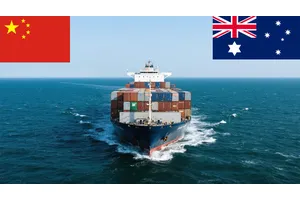
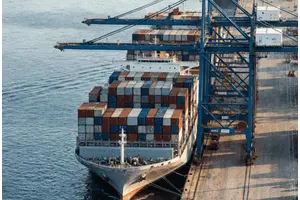
Are you looking for a seamless way to get your products delivered Down Under? Understanding DDP shipping from China to Australia can transform your import experience by simplifying logistics and clarifying costs. In this comprehensive guide, we’ll explore how Delivered Duty Paid (DDP) works, its advantages for importers and e-commerce sellers, what costs are included, and expert tips to ensure smooth delivery every time. Get ready to master DDP shipping and streamline your business with confidence!
What is DDP Shipping from China to Australia?
DDP shipping (Delivered Duty Paid) is a comprehensive international shipping term defined by the Incoterms 2020 rules. Under DDP, the seller (exporter in China) assumes nearly all responsibilities and risks, delivering goods to the buyer (importer in Australia) with all transportation costs, customs clearance, duties, and taxes paid. For businesses importing from China to Australia, DDP offers a truly end-to-end logistics solution.
By using DDP shipping, Australian importers can focus on their core business without worrying about complex customs procedures, unexpected costs, or logistical challenges. The seller coordinates the entire supply chain—from factory pickup in China, freight forwarding, international transportation, to final delivery at the buyer’s designated address in Australia.
How DDP Shipping Works in International Trade
In the context of global trade, DDP is often regarded as the most buyer-friendly Incoterm. Here is how the process typically unfolds for DDP shipping from China to Australia:
- Seller’s Responsibilities: The Chinese exporter arranges pickup from the factory or warehouse, books freight (by sea, air, or express), manages export customs in China, and pays all applicable export duties. The seller also handles international transport to Australia and manages import customs clearance, including payment of duties, Goods and Services Tax (GST), and any other import taxes or fees.
- Buyer’s Role: The Australian buyer’s main responsibility is to receive the goods at the agreed location. There are minimal to zero administrative or financial burdens related to customs, duties, or transportation.
- Documentation: All essential shipping and customs documents are prepared by the seller or their appointed freight forwarder.
Typical DDP Flow:
| Step | Responsibility | Description |
|---|---|---|
| Domestic Pickup in China | Seller | Goods collected from Chinese manufacturer or warehouse |
| Export Customs Clearance | Seller | All documentation, export licenses, and taxes managed |
| International Freight (Sea/Air) | Seller | Goods shipped to Australia via best-suited transport mode |
| Import Customs Clearance in Australia | Seller | All import duties, GST, and customs paperwork handled by the seller or their agent |
| Final Delivery | Seller | Goods delivered to the buyer’s designated site in Australia |
This streamlined approach makes DDP ideal for buyers who wish to minimize risk and administrative work.
Advantages of Using DDP for Shipments to Australia
DDP shipping offers several key advantages for importers and e-commerce sellers in Australia:
- Complete Cost Transparency: All charges—freight, insurance, customs duties, GST, and service fees—are included in the upfront quote. This eliminates surprise expenses and supports accurate cost forecasting.
- Simplified Logistics: The seller (or their appointed freight forwarder, such as DTFU International Logistics Co.,Ltd) handles every step, from pickup in China to final delivery in Australia. This is especially valuable for SMEs and new importers unfamiliar with international trade procedures.
- Hassle-Free Customs Handling: The complexities of both Chinese and Australian customs regulations are managed by professionals, reducing risks of delays and penalties.
- Risk Mitigation: By transferring responsibility to the seller, buyers avoid administrative errors, misclassification, or regulatory breaches that can result in costly issues.
- Time Savings: Since the entire process is managed end-to-end, shipments are generally processed and delivered faster, with minimal intervention needed from the buyer.
When working with an experienced partner like DTFU International Logistics Co.,Ltd, you benefit from professional support, advanced shipment tracking, and tailored solutions for sea freight, air freight, Amazon FBA logistics, and more.
For a detailed guide on the costs and considerations, you may also refer to the article on shipping cost from China to Australia.
Step-by-Step DDP Shipping Process from China to Australia
Understanding the DDP shipping workflow is crucial for efficient international trade. Here’s a professional breakdown of the process:
Preparing Documentation and Customs Requirements
Accurate and comprehensive documentation is the foundation of successful DDP shipping. The seller or their freight forwarder prepares and manages the following documents:
- Commercial Invoice: Details goods, value, and transaction terms.
- Packing List: Describes contents, packaging, and dimensions (e.g., 20FT: 28CBM, 40FT: 56CBM, 40HQ: 68CBM, 45HQ: 78CBM).
- Bill of Lading or Air Waybill: Serves as proof of shipment and receipt.
- Export Declaration: Required by Chinese customs authorities.
- Import Declaration: Submitted to Australian Border Force for customs clearance.
- Certificates (if needed): Such as Certificate of Origin, fumigation certificate, or product-specific compliance documents.
For certain categories (electronics, food, chemicals), Australian biosecurity regulations may require additional permits or inspections.
Freight Forwarding, Pickup, and Transportation Options
DDP shipping from China to Australia can be executed via several transportation modes. The choice depends on cargo type, urgency, and budget.
| Shipping Mode | Typical Transit Time | Cargo Suitability | Cost Level | Key Ports (China) | Key Ports (Australia) |
|---|---|---|---|---|---|
| Sea Freight | 12-25 days | Bulk, large shipments | Lowest | Shanghai, Shenzhen, Ningbo | Sydney, Melbourne, Brisbane |
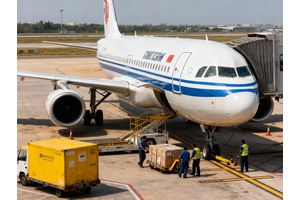
| Air Freight | 3-7 days | Urgent, smaller cargo | Higher | Guangzhou, Shanghai Airport | Sydney, Melbourne |
| Express Courier | 2-5 days | Parcels, samples | Highest | Nationwide | Nationwide |
DTFU International Logistics Co.,Ltd offers all these options, with value-added services like cargo insurance, warehousing, and door-to-door delivery.
For further reading on the breakdown of container insurance costs, see Shipping container insurance cost for shipments from China.
After pickup, goods are consolidated if needed, and securely transported via the chosen mode. Proper packaging, labeling, and insurance coverage are ensured to minimize risks during transit.
Customs Clearance and Duties Paid in Australia
Upon arrival in Australia, the shipment undergoes customs inspection by Australian Border Force and Department of Agriculture, Fisheries and Forestry (for biosecurity). As part of the DDP arrangement, the seller or their agent will:
- Submit all necessary import documentation.
- Pay all Australian import duties, GST (currently 10%), and any applicable fees.
- Coordinate with customs and quarantine officers for any inspections, sampling, or additional requirements.
- Arrange local delivery from the port or airport to the buyer’s address, using reliable domestic carriers.
DTFU International Logistics Co.,Ltd ensures a smooth clearance process by staying updated on Australian import regulations, restricted goods lists, and compliance updates (such as the 2025-2026 updates on biosecurity and electronics standards). We minimize the risk of delays or extra costs for our clients.
Example of Duties and GST Calculation
| Item Value (AUD) | Freight & Insurance (AUD) | Duty Rate (%) | GST (10%) | Total Import Cost (AUD) |
|---|---|---|---|---|
| $10,000 | $1,200 | 5% | $1,120 | $12,870 |
Total Import Cost = Item Value + Freight/Insurance + Duty + GST
Conclusion: Choosing DDP shipping from China to Australia offers Australian importers, SMEs, and e-commerce sellers a seamless, transparent, and risk-free solution for international trade. By partnering with a trusted, professional freight forwarder like DTFU International Logistics Co.,Ltd, businesses can ensure compliance, cost control, and peace of mind throughout the logistics process.
Ivan Chan, Senior Logistics Analyst Over 10 years of experience in international freight forwarding and supply chain management.
Key Benefits of DDP Shipping for Importers and E-commerce Sellers
Hassle-Free Customs and Duty Handling
One of the major advantages of DDP shipping from China to Australia is the seamless management of customs clearance and duty payments. Under the Delivered Duty Paid (DDP) Incoterm, the seller or freight forwarder handles all the complexities related to customs documentation, import duties, and taxes in both China and Australia. This is especially beneficial for importers, e-commerce sellers, and small businesses who may not have in-depth knowledge or resources to deal with strict Australian import regulations.
By choosing a reliable freight forwarder like DTFU International Logistics Co.,Ltd, clients benefit from:
- Expertly managed import/export paperwork.
- Accurate HS code classification to minimize customs delays.
- Full settlement of Goods and Services Tax (GST) and import duties before goods reach the destination.
- Reduced risk of non-compliance fines or cargo holds at Australian ports.
For businesses and individuals new to international trade, this professional, end-to-end handling significantly reduces the risk of shipment delays and unexpected costs due to regulatory issues.
Cost Transparency and Predictable Delivery Times
DDP shipping provides importers and e-commerce sellers with a clear, upfront understanding of all logistics costs. Since the price quoted includes freight, duties, taxes, and all handling charges, there are no hidden fees or surprises upon arrival in Australia. This cost transparency allows businesses to better plan their finances and pricing strategies.
Moreover, because the seller/freight forwarder handles all steps and ensures documentation is in order, delivery times are more predictable. This is crucial for e-commerce sellers, especially those relying on fast turnover and positive customer reviews.
By partnering with DTFU International Logistics Co.,Ltd, you can expect:
- All-inclusive quotations covering every step from pickup in China to door delivery in Australia.
- Reliable transit times thanks to a streamlined, well-managed logistics chain.
- Real-time tracking and proactive updates.
If you are interested in comparing options, you can check out the guide on Sea Shipping From China Australia.
Simplified Logistics for Small Businesses and Individuals
For small businesses and individual importers, navigating international logistics can be daunting. DDP shipping simplifies the entire process, providing a one-stop solution:
- No need to coordinate with multiple parties (customs brokers, carriers, warehouses).
- Professional guidance on labeling, packaging, and documentation requirements.
- Optional value-added services like warehousing, Amazon FBA prep, and cargo insurance.
DTFU International Logistics Co.,Ltd specializes in supporting SMEs and individuals. With tailored DDP solutions, even first-time importers can ship with confidence and ease, focusing on their core business while DTFU manages the logistics.
DDP Shipping Costs from China to Australia: What’s Included?
Factors Influencing DDP Shipping Rates
Several variables affect the final DDP shipping cost from China to Australia. Understanding these factors is key to obtaining the best possible rates:
- Shipment volume and weight: Larger or heavier shipments generally have lower unit costs.
- Type of goods: Some commodities incur higher duties or require special handling.
- Origin and destination: Pickup and delivery addresses, as well as proximity to major ports like Shanghai, Shenzhen, Sydney, or Melbourne, affect pricing.
- Mode of transport: Sea freight, air freight, or express services each have different pricing structures and transit times.
- Customs duties and taxes: Australian import duties and the current GST rate are included.
- Additional services: Such as insurance, warehousing, or door-to-door delivery.
Typical Cost Breakdown: Freight, Duties, Taxes, and Service Fees
A typical DDP shipping quote from China to Australia includes the following components:
| Cost Component | Description |
|---|---|
| Freight Charges | Ocean/air/express transport from China to Australia |
| Origin Charges | Export documentation, Chinese customs clearance, pickup |
| Destination Charges | Import customs clearance, duty & GST payment, local delivery |
| Duties & Taxes | Australian import tariffs, GST (typically 10% of CIF value) |
| Service Fees | Handling, documentation, insurance, and any special service fees |
Example DDP Cost Estimate (Sea Freight, 20FT Container, Shanghai to Sydney, February 2026):
| Item | Estimated Cost (USD) |
|---|---|
| Freight (Shanghai-Sydney) | $1,350 – $1,980 |
| Origin handling | $180 – $320 |
| Duties & GST | $650 – $1,100 |
| Destination fees | $220 – $360 |
| Total DDP Cost | $2,400 – $3,760 |
Note: Costs will vary based on commodity, volume, and real-time market rates. For the most accurate quote, always provide detailed shipment data to your forwarder.
How to Get a Competitive DDP Shipping Quote
To receive the best value and most accurate DDP shipping quote, follow these steps:
-
Prepare detailed shipment information:
- Commodity description and HS code
- Exact dimensions (CBM), weight, and packaging details
- Pickup and delivery addresses
- Preferred mode (sea, air, express)
-
Contact a specialized DDP freight forwarder: DTFU International Logistics Co.,Ltd stands out as a highly professional, cost-effective, and high-quality provider, offering one-stop DDP solutions for global traders.
-
Request a clear, itemized quote: Ensure all costs (freight, duties, taxes, service fees) are included. Ask about potential surcharges (e.g., for dangerous or oversized goods).
-
Compare transit times and value-added services: Factors like cargo insurance, Amazon FBA prep, and door-to-door delivery can further enhance your shipping experience.
For readers considering DDP shipping to other destinations, you may also find DDP shipping from China to Ethiopia helpful for understanding how requirements can vary by country.
By leveraging DTFU’s expertise and transparent pricing, you gain peace of mind and a competitive edge in the Australia import market.
Choosing the Right Freight Forwarder for DDP Shipping to Australia
Selecting the right freight forwarder is crucial for a successful DDP shipping experience from China to Australia. The complex nature of DDP (Delivered Duty Paid) means your logistics partner must handle not only transportation, but also customs clearance, duties, taxes, and last-mile delivery. Here’s what to look for:
1. Experience and Expertise in DDP Shipments
Choose a freight forwarder with proven experience in handling DDP shipping between China and Australia. A company with a solid track record, such as DTFU International Logistics Co.,Ltd, understands the nuances of both Chinese export regulations and Australian import requirements. They can anticipate potential challenges, such as quarantine inspections or restricted goods, and offer effective solutions.
2. Comprehensive Service Offering
The ideal freight forwarder should offer end-to-end logistics services, including:
- Sea Freight, Air Freight, and Road Freight options
- Amazon FBA and e-commerce shipping solutions
- Cargo insurance to protect your goods
- One-stop customs clearance and duty/tax payment
- Door-to-door delivery
- Warehousing, consolidation, and breakbulk freight capabilities
DTFU International Logistics provides all these services, ensuring you have a single point of contact throughout the shipping process.
3. Transparent Pricing & Cost Control
Trustworthy freight forwarders provide detailed, all-inclusive DDP quotes. This includes freight charges, customs duties, GST, service fees, and any other applicable costs—so you don’t face unexpected charges. Ask for a cost breakdown and compare it with your budget.
4. Local Network & Customs Compliance
A reliable partner must have a strong network in both China and Australia, including local offices or agents near major ports like Shanghai, Shenzhen, and Sydney. They should demonstrate up-to-date knowledge of Australian Border Force regulations and track record of smooth customs clearance.
For those seeking alternative options in the Australia region, exploring a Shipping agent from China to Australia can provide additional insights into local expertise and support.
5. Technology & Tracking
Modern logistics requires digital solutions. Look for a forwarder that offers real-time shipment tracking, electronic documentation, and proactive communication to keep you informed every step of the way.
6. Customer Support and Problem Resolution
Responsive and knowledgeable customer service is critical. Whether you’re a first-time importer or an experienced business, your forwarder should provide expert guidance, answer questions promptly, and resolve issues efficiently.
Recommendation: As a highly professional and cost-effective one-stop international logistics service provider, DTFU International Logistics Co.,Ltd stands out for DDP shipping from China to Australia. With over a decade of experience, comprehensive service coverage, and a commitment to compliance and transparency, DTFU can optimize your supply chain and ensure smooth deliveries.
DDP Shipping vs. Other Shipping Terms
Choosing the right Incoterm is essential for international shipments. Below we compare DDP (Delivered Duty Paid) with other common shipping terms like DAP (Delivered at Place), CIF (Cost, Insurance, Freight), and EXW (Ex Works) for shipments from China to Australia.
Differences Between DDP and DAP for China to Australia Shipments
| Feature | DDP (Delivered Duty Paid) | DAP (Delivered at Place) |
|---|---|---|
| Customs Clearance | Handled by seller (export & import) | Export by seller; import by buyer |
| Payment of Duties/Taxes | Seller pays all duties & GST | Buyer pays duties & GST |
| Delivery Responsibility | Seller delivers to buyer’s door | Seller delivers to agreed place; buyer responsible from there |
| Risk Transfer | At place of delivery (after duties) | At place of delivery (before customs) |
| Ideal For | Buyers wanting hassle-free delivery | Buyers familiar with local import processes |
Key Insights:
- DDP is best for buyers who prefer “all-in” solutions and minimal paperwork or local compliance involvement.
- DAP is suitable for buyers comfortable managing customs and local taxes in Australia.
When to Choose DDP Over CIF or EXW: Pros and Cons
| Aspect | DDP | CIF | EXW |
|---|---|---|---|
| Seller’s Responsibility | Maximum—covers all costs and risks to buyer’s door, including duties and taxes | Up to destination port; insurance included | Minimum—only makes goods available at seller’s premises |
| Buyer’s Responsibility | Minimal—receives goods at door, all paperwork and payments handled | Customs clearance, duties/taxes, inland transport | Arranges all export, shipping, and import processes |
| Cost Control | High—predictable, all-inclusive rates | Medium—buyer faces variable costs after arrival | Low for seller, potentially high and unpredictable for buyer |
| Suitable For | SMEs, e-commerce, new importers | Experienced importers with local agents | Large companies, expert buyers with strong local teams |
| Common Issues | Higher upfront quotes, potential for hidden fees if seller not transparent | Unplanned costs at destination, possible delays | Risk of non-compliance, complex for new importers |
Recommendations:
- Choose DDP if you want transparency, simplicity, and minimal involvement in the shipping and import process.
- CIF or EXW may offer lower initial costs but require more logistics management and exposure to risks and compliance issues.
For tailored advice or a competitive quote, feel free to contact DTFU International Logistics—your reliable partner for DDP shipping from China to Australia.
Common Challenges and Solutions in DDP Shipping from China to Australia
Dealing with Restricted and Prohibited Goods
Australia has some of the strictest import regulations in the world. Certain goods are either restricted or prohibited under Australian law to protect the country’s unique environment and agriculture sector. When arranging DDP shipping from China to Australia, importers must pay close attention to these regulations to avoid costly delays, penalties, or even shipment confiscation.
Common Restricted or Prohibited Items:
| Category | Examples | Import Requirement |
|---|---|---|
| Animal & Plant Products | Seeds, raw wood, unprocessed foods, soil samples | Import permits, inspection |
| Pharmaceuticals | Prescription drugs, supplements | Permit, declaration |
| Consumer Electronics | Drones, communication equipment | Compliance certificates |
| Dangerous Goods | Chemicals, batteries, flammable materials | Special handling/permits |
| Copyrighted Goods | Counterfeit items, pirated media | Prohibited |
Solutions:
- Verify Product Classification: Always check your product against the latest Australian Border Force (ABF) and Department of Agriculture lists before shipping.
- Work with Experienced Freight Forwarders: Partnering with a professional provider such as DTFU International Logistics Co.,Ltd helps you stay updated on import eligibility and permits.
- Pre-shipment Consultation: Request a customs compliance check before finalizing your shipment.
- Accurate Documentation: Ensure all commercial invoices, packing lists, and permits are complete and accurate.
Managing Delays and Unexpected Costs
Even with meticulous planning, DDP shipments may face unforeseen challenges, such as:
- Port Congestion: Delays at major ports like Shanghai or Sydney can cause schedule disruptions.
- Customs Holds: Incomplete or incorrect documentation can trigger inspections.
- Fluctuating Duties & Taxes: Changes in Australian duty rates or GST can impact the final delivery cost.
- Weather Events or Strikes: Natural disasters and labor actions can disrupt schedules.
Solutions:
- Buffer Time: Build extra time into your logistics schedule to accommodate unexpected events.
- Real-Time Tracking: Use shipment tracking systems to monitor your cargo.
- Cost Breakdown: Request a transparent cost structure from your forwarder, including potential surcharges.
- Insurance: Always insure high-value goods to protect against loss or damage.
- Professional Partners: Choose an experienced forwarder, such as DTFU International Logistics, that proactively manages communication and contingency planning.
Recent Data Example:
According to recent reports (Q1 2026), average sea freight transit from major Chinese ports (e.g., Ningbo, Shenzhen) to Melbourne is 16-23 days, but can extend up to 28 days during peak congestion.
Ensuring Compliance with Australian Import Regulations
Australian authorities enforce strict standards regarding labeling, safety, and quarantine. Non-compliance can result in fines, shipment destruction, or even criminal penalties.
Key Compliance Areas:
- Biosecurity: All cargo containing wood, plant, or animal materials is subject to inspection by the Department of Agriculture, Fisheries and Forestry (DAFF).
- Product Standards: Electrical goods require RCM (Regulatory Compliance Mark) certification.
- Accurate Declarations: HS codes, values, and country of origin must be correctly declared.
Solutions:
- Stay Updated: Monitor official sources like ABF and DAFF for the latest updates.
- Engage Licensed Customs Brokers: Professional clearance services ensure regulatory compliance.
- Training: Educate staff on changes in Australian import policies.
Tips for Successful DDP Shipping from China to Australia
How to Prepare Your Goods for Smooth Delivery
Proper preparation is crucial for minimizing issues during DDP shipping:
- Quality Packaging: Use sturdy, compliant packaging to withstand long transit. Follow ISPM-15 standards for wooden pallets.
- Labeling: Ensure all cartons are clearly labeled with consignee, origin, and destination.
- Consolidation: Where possible, consolidate shipments to save costs and simplify customs clearance.
- Pre-shipment Inspection: Arrange inspections (e.g., SGS, BV) to verify compliance before dispatch.
Best Practices for Documentation and Tracking
Accurate documentation streamlines customs and reduces delays:
- Essential Documents: Commercial invoice, packing list, bill of lading/airway bill, import permits, and certificates of origin.
- Digital Copies: Keep scanned, legible copies of all documents for backup.
- Tracking: Utilize shipment tracking tools provided by your freight forwarder for real-time updates.
For those shipping to other regions, you may also want to explore processes in DDP shipping from China to Kenya, which shares similarities and unique challenges.
Sample Documentation Checklist Table:
| Document | Purpose | Responsible Party |
|---|---|---|
| Commercial Invoice | Customs valuation | Exporter |
| Packing List | Physical inspection | Exporter |
| Bill of Lading/Airway Bill | Transport contract | Carrier |
| Import Permit | Import approval for restricted items | Importer (with FFW help) |
| Certificates (Origin, Compliance) | Regulatory compliance | Exporter/FFW |
Leveraging Technology for Efficient DDP Shipments
Modern technology dramatically enhances the efficiency and transparency of DDP shipping from China to Australia.
- Online Freight Management: Platforms like those used by DTFU International Logistics offer instant quotations, digital booking, and automated document management.
- Real-Time Tracking: GPS and IoT solutions enable live tracking of shipments at every stage.
- Data Analytics: Analyze shipping data to optimize routes, predict costs, and reduce delays.
- Automated Notifications: Receive status updates and alerts for critical milestones, such as customs clearance or delivery.
Pro Tip: Choose a logistics partner that embraces digital transformation. DTFU International Logistics Co.,Ltd integrates advanced tracking and document management systems, ensuring your shipments are always visible and compliant.
Conclusion: Navigating DDP shipping from China to Australia is complex but manageable with the right knowledge, preparation, and partners. By understanding regulatory requirements, anticipating challenges, and leveraging technology, you can achieve reliable, cost-effective, and compliant deliveries every time.