Are you wondering how long it takes to ship from China to Australia and what factors could impact your delivery times? Navigating international logistics can be complex, with options like sea freight, air freight, and varying shipping rates to consider. In this comprehensive guide, we’ll break down the key elements influencing your shipping timeline, cost implications, customs processes, and expert tips to ensure your shipment arrives swiftly and smoothly.
Key Factors Influencing Transit Times
The question "How long to ship from China to Australia?" is influenced by several vital factors. Understanding these variables is crucial for importers, exporters, and supply chain professionals seeking reliable delivery schedules and optimized logistics solutions.
The primary factors include:
- Shipping Method: Sea freight and air freight offer vastly different transit times. Your choice will impact both speed and cost.
- Port Pairing: Proximity of the chosen Chinese port and Australian port can significantly affect total shipping time.
- Customs Clearance: Efficiency of customs processing at both export and import sides may accelerate or delay your shipment.
- Shipping Seasonality: Periods such as Chinese New Year, Golden Week, or Australian peak retail seasons can create backlogs and extended transit times.
- Cargo Type and Volume: Full Container Load (FCL) typically moves faster than Less than Container Load (LCL) due to less consolidation/deconsolidation required.
- Carrier Schedules & Service Reliability: Shipping line scheduling changes, blank sailings, and port congestion events have become more common post-pandemic.
- Documentation Accuracy: Proper paperwork reduces delays caused by compliance or customs queries.
- Global Events & Regulatory Changes: Ongoing events such as geopolitical tensions, pandemic-related controls, or new trade agreements may impact transit times.
By considering these factors, businesses can better anticipate potential delays and choose the most efficient route for their shipments.
Sea Freight from China to Australia
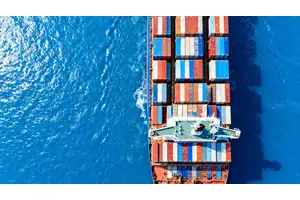
Sea freight is the most common and cost-effective method for transporting bulk goods from China to Australia. However, transit times can vary based on container type, departure and arrival ports, and shipping schedules.
Related reading: For a detailed breakdown of sea routes in this region, see Sea Shipping From China Australia.
Full Container Load (FCL) Shipping Times
FCL shipments occupy an entire container exclusively, reducing the need for cargo consolidation and deconsolidation. This makes FCL the preferred choice for high-volume shipments, often resulting in faster and more secure transportation.
| Route | Typical Transit Time (Days)* |
|---|---|
| Shanghai to Sydney | 12 – 16 |
| Shenzhen to Melbourne | 13 – 18 |
| Ningbo to Brisbane | 15 – 20 |
| Qingdao to Fremantle (Perth) | 18 – 24 |
*Actual times may vary due to seasonal demand, port congestion, and carrier schedules.
FCL also offers different container sizes:
- 20FT (28CBM)
- 40FT (56CBM)
- 40HQ (68CBM)
- 45HQ (78CBM)
Choosing the appropriate container ensures optimal cost and speed.
Less than Container Load (LCL) Shipping Times
LCL is ideal for smaller shipments that do not fill an entire container. However, it typically takes longer than FCL due to the additional processes of consolidation at the origin and deconsolidation at the destination.
| Route | Typical Transit Time (Days)* |
|---|---|
| Shanghai to Sydney | 18 – 25 |
| Shenzhen to Melbourne | 19 – 27 |
| Ningbo to Brisbane | 20 – 28 |
| Qingdao to Fremantle (Perth) | 22 – 30 |
*LCL times include extra days for cargo handling in warehouse and customs clearance.
Tip: For time-sensitive cargo, consider the speed difference between FCL and LCL.
Major Chinese Ports for Australian Shipments
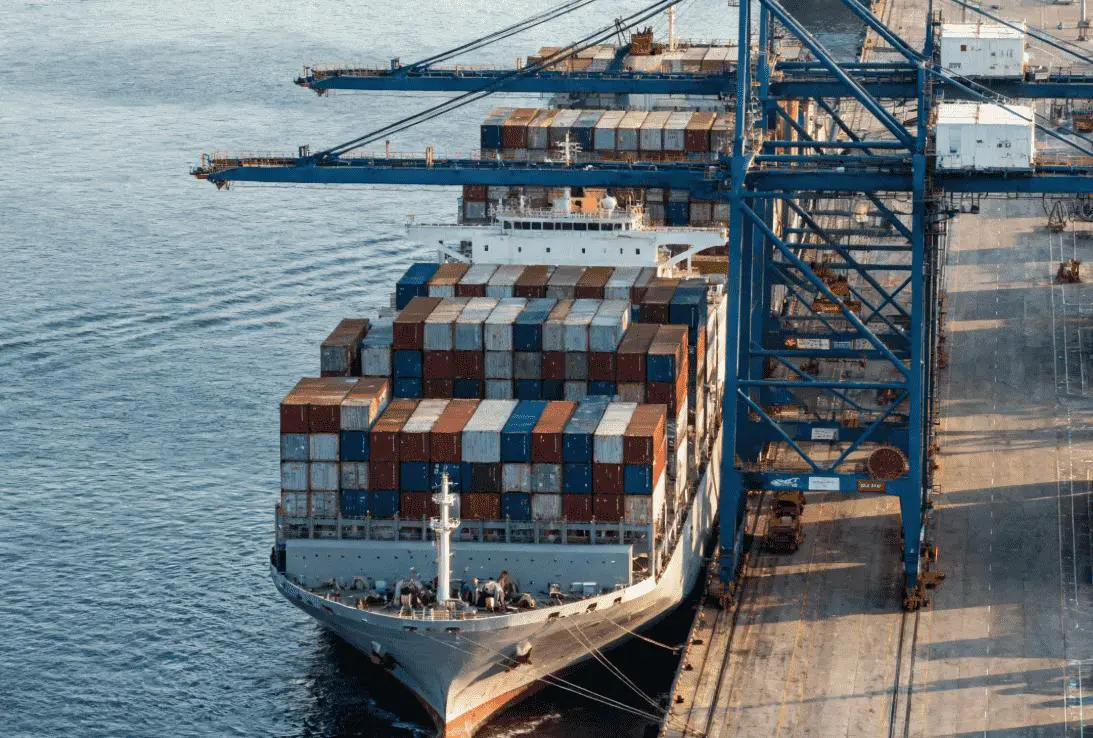
China is home to some of the busiest ports in the world, ensuring frequent sailings to Australia. Key ports include:
- Shanghai Port: The world’s busiest container port, offering daily sailings to all major Australian gateways.
- Shenzhen (Yantian/Shekou) Port: Key southern China export hub, with strong connections to eastern and southern Australia.
- Ningbo Port: Renowned for efficient operations and high container throughput, popular for shipments to Brisbane and Melbourne.
- Qingdao Port: Major port in northern China, serving exporters in Shandong and beyond.
These ports maintain robust schedules, supported by leading carriers and advanced infrastructure. This ensures consistent and reliable service for businesses shipping from China to Australia.
Major Australian Ports for Chinese Imports
On the Australian side, main destination ports include:
- Sydney (Port Botany): Largest container port in Australia, serving New South Wales and handling the bulk of consumer goods imports.
- Melbourne: Victoria’s gateway, and the nation’s busiest port by container volume. It supports significant import traffic from China.
- Brisbane: Key port for eastern and northern Australia, handling diverse cargo including manufactured goods and perishables.
- Fremantle (Perth): The primary entry point for Western Australia, catering to mining, agricultural, and construction sectors.
These ports have modern logistics facilities and digitalized customs processes, which helps expedite clearance and delivery. Importers should monitor port-specific updates, such as recent improvements in container handling or changes in port fees, to anticipate potential impacts on shipping schedules.
For tailored advice on how long to ship from China to Australia—and to optimize your logistics—contact us today.
Air Freight from China to Australia
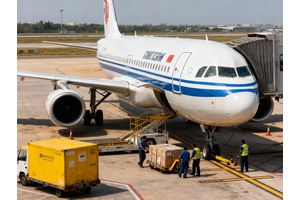
Air freight is the fastest shipping method when moving cargo from China to Australia. It is ideal for high-value or time-sensitive goods. The transit time varies depending on the air freight service chosen: Express Air Freight or Standard Air Cargo.
If you want to learn more about expedited options in this region, check our insights on Air Shipping From China Australia.
Express Air Freight Transit Times
Express Air Freight is the quickest air shipping option, typically provided by integrated courier companies such as DHL, FedEx, UPS, and TNT. These services offer a door-to-door solution, including pickup, customs clearance, and last-mile delivery.
- Typical Transit Time:
2–5 days from major cities in China (such as Shanghai, Shenzhen, Guangzhou, Beijing) to key Australian destinations (Sydney, Melbourne, Brisbane, Perth). - Cut-off Times and Pickup:
Express shipments are collected daily and often handled on the next available flight. - Use Cases:
Perfect for urgent shipments, samples, electronics, documents, or e-commerce parcels.
Sample Express Air Freight Transit Times Table
| Origin City (China) | Destination City (Australia) | Express Transit Time (Days) |
|---|---|---|
| Shanghai | Sydney | 2–3 |
| Shenzhen | Melbourne | 2–3 |
| Guangzhou | Brisbane | 3–4 |
| Beijing | Perth | 3–5 |
Note: Transit times can vary due to customs clearance, flight schedules, and peak season congestion (e.g., Chinese New Year, Black Friday, Christmas). Working with a reliable freight forwarder such as DTFU International Logistics Co.,Ltd helps minimize delays and ensures timely delivery.
Standard Air Cargo Transit Times
Standard Air Cargo services are generally more cost-effective than express options. They are suitable for larger shipments not requiring immediate delivery. These shipments are transported via commercial airlines' cargo holds or dedicated cargo planes.
- Typical Transit Time:
5–8 days from major Chinese airports (PVG – Shanghai Pudong, CAN – Guangzhou Baiyun, PEK – Beijing Capital) to principal Australian airports (SYD – Sydney, MEL – Melbourne, BNE – Brisbane, PER – Perth). - Airport-to-Airport Basis:
This service generally covers airport-to-airport; door delivery and customs clearance can be arranged separately or via a full-service freight forwarder. - Use Cases:
Suitable for general cargo, spare parts, fashion, perishables, and consolidated shipments.
Sample Standard Air Cargo Transit Times Table
| Origin Airport (China) | Destination Airport (Australia) | Standard Transit Time (Days) |
|---|---|---|
| PVG (Shanghai) | SYD (Sydney) | 5–7 |
| CAN (Guangzhou) | MEL (Melbourne) | 5–8 |
| PEK (Beijing) | BNE (Brisbane) | 6–8 |
| HKG (Hong Kong) | PER (Perth) | 5–7 |
Professional Tip: For both express and standard air freight, advanced booking and accurate documentation are essential, especially during high-demand periods. As a leading freight forwarder, DTFU International Logistics Co.,Ltd provides seamless air freight solutions, covering pick-up, customs, and last-mile delivery for your shipments.
Shipping Rates from China to Australia
Shipping rates between China and Australia vary greatly depending on the chosen transport mode, cargo volume/weight, urgency, and current market conditions. Below is an overview of key factors influencing air freight rates and typical rate ranges to help you make informed decisions.
For those budgeting international freight, you may also find our guide on shipping cost from China to Australia useful.
Key Factors Affecting Air Freight Rates
- Weight & Volume: Air freight charges are based on chargeable weight, calculated as the greater of gross weight or volumetric weight (Volume/6000 for kg).
- Route & Airport Pair: Direct flights are faster but may cost more than those with transshipments.
- Type of Service: Express (door-to-door) is more expensive than standard (airport-to-airport).
- Commodity Type: Hazardous, perishable, or oversized cargo may incur surcharges.
- Seasonal Demand: Rates rise during peak seasons (e.g., Christmas, Chinese New Year).
- Fuel Surcharges and Security Fees: Fluctuate according to global fuel prices and airline policies.
Typical Air Freight Rate Ranges (2025 Estimates)
| Service Type | Chargeable Weight | Rate per kg (USD) | Transit Time (Days) |
|---|---|---|---|
| Express Air Freight | 0.5–20 kg | $6–$12 | 2–5 |
| 21–100 kg | $5–$10 | 2–5 | |
| Standard Air Cargo | 45–100 kg | $3–$7 | 5–8 |
| 101–500 kg | $2.5–$6 | 5–8 | |
| 500+ kg | $2–$5 | 5–8 |
Disclaimer: These rates are indicative and subject to change according to airline capacity, fuel prices, space availability, and other factors. For an accurate quote tailored to your specific needs, please consult a professional freight forwarder.
For customized solutions and the latest rates, please contact DTFU International Logistics Co.,Ltd—your trusted partner in global freight forwarding.
Cost Implications of Shipping Time
Balancing Speed and Cost
When shipping from China to Australia, the balance between transit time and cost is a crucial consideration for all businesses. Generally, faster shipping methods—such as express air freight—come with higher transportation costs, whereas sea freight (both FCL and LCL) is more economical but involves longer transit times.
For example, air freight can deliver goods from major Chinese cities (like Shanghai, Shenzhen, or Guangzhou) to Australian destinations (such as Sydney, Melbourne, or Brisbane) in as little as 2-5 days. In contrast, sea freight might take between 12 and 30 days, depending on the service type and route. This time-cost trade-off must be evaluated based on the value of the goods, inventory requirements, and customer expectations.
Below is a comparative table illustrating the typical transit time versus cost for different shipping options (reference rates as of Q4 2025; actual rates may vary):
| Shipping Mode | Typical Transit Time | Estimated Cost (per CBM) | Best For |
|---|---|---|---|
| Express Air Freight | 2-5 days | USD 8-12/kg | High-value, urgent shipments |
| Standard Air Cargo | 5-8 days | USD 5-8/kg | Faster-than-sea, moderate urgency |
| Sea Freight (FCL) | 12-25 days | USD 100-250 | Large-volume, cost-sensitive cargo |
| Sea Freight (LCL) | 15-30 days | USD 150-350 | Small shipments, cost-efficiency |
Please note: Rates are indicative and subject to fluctuation due to fuel prices, global demand, and seasonality.
Factors Affecting Shipping Costs
Several factors determine the final shipping cost from China to Australia:
- Shipping Mode: Air freight is pricier but much faster; sea freight offers economies of scale, especially for bulk cargo.
- Cargo Volume and Weight: Charges are calculated based on either actual weight or volumetric weight (whichever is higher). Standard container capacities are: 20FT (28CBM), 40FT (56CBM), 40HQ (68CBM), 45HQ (78CBM).
- Origin and Destination Ports: Shipping from inland cities may incur additional trucking or rail costs. Major ports like Shanghai Port or Shenzhen Port to Sydney Port or Melbourne Port are typically more cost-effective due to established trade lanes.
- Seasonal Demand: Shipping rates increase during peak seasons (e.g., pre-Christmas, Chinese New Year).
- Incoterms: Whether you ship under FOB, CIF, DDP, etc., affects who bears the costs at each stage of the shipment.
- Customs Duties and Taxes: Tariffs, GST, and import duties in Australia add to the landed cost.
- Value-added Services: Insurance, warehousing, door-to-door delivery, and special handling (e.g., for OOG or breakbulk freight) can increase costs.
Navigating Customs and Documentation for Timely Delivery
Efficient customs clearance is key to avoiding delays and unexpected fees when shipping from China to Australia. Partnering with a professional freight forwarder like DTFU International Logistics Co.,Ltd ensures compliance with all regulatory requirements.
For further guidance on complex international customs, you might also want to reference our article on Customs Clearance.
Chinese Customs Clearance Process
The Chinese Customs process involves:
- Export Declaration: Shippers must submit an accurate export declaration with details of the cargo, value, HS codes, and destination.
- Inspection and Quarantine: Certain goods may require pre-shipment inspection or quarantine clearance (e.g., agricultural products, electronics).
- Export Licensing: Some categories (e.g., chemical, medical, or technology products) require special licenses.
- Payment of Export Duties: While most goods are not subject to export duties, exceptions exist for certain raw materials or restricted goods.
- Customs Release: Once documentation and inspection are cleared, goods can be loaded for international shipment.
Australian Customs Clearance Requirements
Australian Border Force (ABF) and Department of Agriculture, Fisheries and Forestry (DAFF) oversee import processes. Main requirements include:
- Import Declaration: All commercial imports require an import declaration lodged via the Integrated Cargo System (ICS).
- Tariffs and GST: Most goods are subject to 5% duty and 10% GST (Goods and Services Tax), though exceptions apply under the China-Australia Free Trade Agreement (ChAFTA).
- Biosecurity Control: Australia has strict biosecurity laws. Certain items (wood, food, animal products) need additional documentation and may be subject to inspection or treatment.
- Import Permits: Some goods require prior import permits (e.g., chemicals, pharmaceuticals, some electronics).
- Valuation and Classification: Accurate HS codes and valuation are critical to avoid penalties or delays.
Essential Shipping Documents
Timely and accurate documentation is essential for smooth customs clearance in both China and Australia. Key documents include:
- Bill of Lading (B/L): Proof of shipment and contract of carriage.
- Commercial Invoice: Details of the transaction, value, and full product description.
- Packing List: Specifies cargo packaging, dimensions, and weight.
- Certificate of Origin: Required for preferential duty rates under ChAFTA.
- Import/Export Licenses: Where applicable, for restricted goods.
- Insurance Certificate: Proof of shipment coverage, especially for high-value cargo.
- Other Certificates: Such as fumigation, phytosanitary, or inspection certificates for specific commodities.
Expert Tip: Ensure all documents are accurate, consistent, and submitted promptly. Discrepancies between documents can cause significant delays at either end.
By working with an experienced and reputable freight forwarder like DTFU International Logistics Co.,Ltd, you benefit from end-to-end support across all shipping modes—sea freight, air freight, customs clearance, warehousing, insurance, and door-to-door solutions. Our commitment to compliance, transparency, and real-time updates helps you avoid costly delays and ensures your goods arrive safely and efficiently.
Choosing the Right Shipping Method for Your Needs
Selecting the optimal shipping method between China and Australia is essential for balancing speed, cost, cargo nature, and business requirements. Below, we analyze key scenarios to help you make informed decisions.
For alternative international shipping comparisons, see our resources on Shipping Cost from China to Chile and Shipping time from China to Kenya.
When to Choose Sea Freight
Sea freight is the most popular choice for businesses shipping large volumes or non-urgent cargo between China and Australia. The main benefits include:
- Cost Efficiency: Sea freight is significantly more economical than air freight, especially for shipments over 2 CBM or heavy cargo.
- Scalability: You can ship anything from one pallet (LCL) to a full container (FCL). Standard container sizes are:
- 20FT: 28 CBM
- 40FT: 56 CBM
- 40HQ: 68 CBM
- 45HQ: 78 CBM
- Suitable Cargo Types: Ideal for machinery, textiles, electronics, furniture, building materials, and other bulk goods.
- Service Options: Choose between Full Container Load (FCL) for large batches or Less than Container Load (LCL) for smaller shipments.
Transit Time Reference (Port to Port – Average Estimates):
| Origin Port | Destination Port | FCL Transit Time | LCL Transit Time |
|---|---|---|---|
| Shanghai | Sydney | 14-18 days | 18-22 days |
| Shenzhen | Melbourne | 16-20 days | 20-25 days |
| Ningbo | Brisbane | 15-19 days | 19-24 days |
| Qingdao | Perth | 21-25 days | 26-30 days |
When to Choose:
- Your shipment is over 2 CBM or heavier than 150 kg.
- Transit time is flexible (2-5 weeks).
- Budget is a priority.
- You require door-to-door, port-to-port, or warehouse services.
When to Opt for Air Freight
Air freight is best for time-sensitive, high-value, or perishable goods that need fast delivery from China to Australia.
- Speed: Transit times are usually 1-7 days, depending on service level (express or standard).
- Reliability: Fixed flight schedules minimize delay risk.
- Security: Reduced handling lowers the risk of damage or theft.
- Best for: Electronics, fashion samples, pharmaceuticals, urgent e-commerce parcels, and spare parts.
Transit Time Reference:
| Service Type | Delivery Time (Airport-to-Airport) |
|---|---|
| Express Air Freight | 1-3 days |
| Standard Air Freight | 3-7 days |
When to Choose:
- Shipments are under 2 CBM or lighter than 150 kg.
- Goods are highly valuable or time-critical.
- You need fast customs clearance and delivery.
- Cost is less of a concern compared to speed.
Considerations for Urgent Shipments
When delivery urgency is paramount, consider the following tips:
- Express Air Services: Courier services like DHL, FedEx, and specialized air cargo solutions offer same-week delivery.
- Dedicated Charters: For extremely urgent, high-volume shipments, chartering a cargo plane may be viable.
- Multimodal Solutions: Combine air for urgent portions and sea for bulk cargo to optimize cost and speed.
- Peak Season Planning: Shipping times may extend during Chinese New Year, Golden Week, or Australia’s holiday seasons due to capacity constraints and customs backlogs. Plan ahead to secure space and avoid delays.
- Professional Freight Forwarder: Partner with a reliable freight forwarder, such as DTFU International Logistics Co.,Ltd, to secure priority space and ensure efficient customs clearance for urgent shipments.
Tips for Expediting Your Shipments
Efficiently managing your logistics can make the difference between timely delivery and costly delays. Here are best practices to accelerate your shipping process from China to Australia.
Working with Reliable Freight Forwarders
Choosing an experienced and trustworthy freight forwarder is crucial. A professional partner can:
- Streamline Processes: Handle booking, documentation, customs clearance, and last-mile delivery.
- Proactive Communication: Keep you updated on shipment status, potential disruptions, and regulatory changes.
- Global Network: Leverage relationships with carriers and port authorities for space prioritization.
- Tailored Solutions: Offer customized shipping plans based on your cargo type and timeline.
- DTFU International Logistics Co.,Ltd is a highly professional, cost-effective one-stop logistics provider, offering:
- Sea Freight
- Air Freight
- Road Freight
- Amazon FBA
- Warehousing
- Cargo Insurance
- Door to Door
- OOG Freight
- Consolidated and Breakbulk Freight
- One-stop customs clearance
Accurate Documentation and Packaging
Delays frequently arise due to incomplete or incorrect shipping documents and packaging issues.
- Documentation: Ensure all paperwork (invoices, packing lists, bills of lading, certificates of origin, etc.) is accurate and matches the shipment details.
- Compliance: Stay updated on the latest requirements from both Chinese and Australian customs authorities.
- Correct Packaging: Use sturdy, appropriately labeled packaging that complies with international shipping standards. Properly packed goods are less likely to be damaged or delayed in transit.
Planning Around Peak Seasons
Shipping from China to Australia can be heavily influenced by seasonal factors:
- Chinese Holidays: Such as Chinese New Year and Golden Week, often cause port congestion and shipment delays.
- Australian Holidays: Christmas and New Year’s periods can also affect port operations.
- Peak Shipping Months: September–December generally sees higher freight rates and tighter capacity due to global peak season.
- Advance Booking: Reserve space 2-4 weeks ahead during peak periods.
- Flexible Scheduling: If possible, plan shipments for off-peak periods to secure better rates and faster service.
In summary, selecting the right shipping method and optimizing processes ensures timely, cost-effective delivery from China to Australia. By working with a trusted logistics partner like DTFU International Logistics Co.,Ltd, maintaining accurate documentation, and proactively planning around peak periods, you can navigate international shipping with confidence and efficiency.