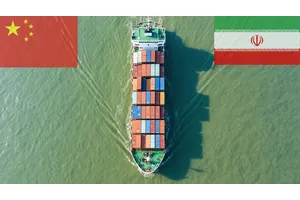
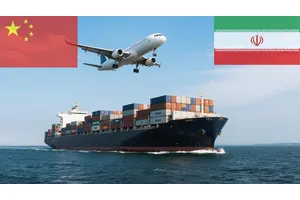
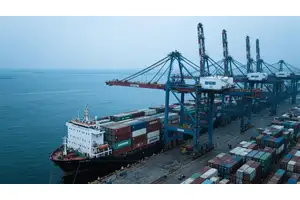
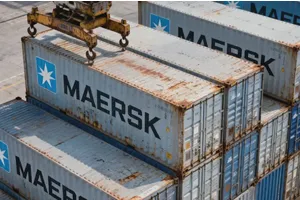
Are you struggling to find the best rates and reliable options for 20ft & 40ft container shipping from China to Iran? Navigating the world of international freight, complex trade routes, and ever-changing ocean freight rates can be challenging. In this comprehensive guide, you'll discover everything you need to know about shipping containers from China to Iran, including cost factors, current rates, service options, and expert tips to streamline your shipping process and save on costs.
Overview of 20ft & 40ft Container Shipping from China to Iran
Shipping goods in 20ft and 40ft containers from China to Iran is a critical link in the supply chain for businesses across Asia and the Middle East. This route is essential for importers, exporters, manufacturers, and cross-border e-commerce sellers who need reliable and cost-effective logistics solutions. Understanding the nuances of container shipping—including capacity, transit time, and overall cost—is necessary for effective supply chain management.
20ft containers offer a capacity of approximately 28CBM (Cubic Meters), making them suitable for small to medium-sized shipments that require flexibility and cost control. 40ft containers provide about 56CBM capacity and are ideal for larger volume cargo, offering economies of scale on a per-unit basis. For even larger or lighter cargo, shippers may also consider 40HQ (High Cube, ~68CBM) or 45HQ (High Cube, ~78CBM) containers.
Key advantages of container shipping between China and Iran include:
- Security: Containers are sealed, minimizing risks of pilferage and damage.
- Efficiency: Standardized container sizes streamline loading, unloading, and transshipment.
- Versatility: Suitable for FCL (Full Container Load) and LCL (Less than Container Load) options.
As of February 2026, the trade between China and Iran continues to grow, bolstered by robust economic partnerships and infrastructure investments such as the Belt and Road Initiative (BRI) and the International North-South Transport Corridor (INSTC). These developments have improved the reliability and cost-effectiveness of container shipping routes.
By leveraging the expertise of a professional freight forwarder like DTFU International Logistics Co.,Ltd, shippers benefit from comprehensive services, including sea freight, road freight, air freight, Amazon FBA, warehousing, cargo insurance, customs clearance, and door-to-door solutions. Our team ensures transparent pricing, up-to-date market information, and seamless coordination from pickup to delivery.
Key Trade Routes and Major Ports Between China and Iran
Understanding the main shipping routes and ports is critical for optimizing logistics from China to Iran. Most freight moves via ocean and is occasionally supplemented by rail or multimodal solutions for speed or flexibility.
Main Trade Routes
-
Maritime Route via the Indian Ocean and the Persian Gulf
- The majority of containers are shipped from East China ports through the South China Sea, into the Indian Ocean, and finally to the Persian Gulf.
- Typical transit time: 20–35 days, depending on the port of origin/destination and carrier schedule.
-
International North-South Transport Corridor (INSTC)
- An emerging route combining sea, rail, and road.
- Connects China (via Central Asia) directly to Iran and beyond, reducing transit times and offering alternatives to maritime congestion.
Major Chinese Ports of Loading
| Port Name | Location | Role in China-Iran Trade |
|---|---|---|
| Shanghai Port | East China | Largest container port; frequent sailings to Iran |
| Shenzhen (Yantian) | South China | Major export hub for electronics, machinery |
| Ningbo-Zhoushan | East China | High-volume port; competitive rates |
| Qingdao | North China | Serves North China manufacturers |
| Guangzhou (Nansha) | South China | Key for industrial and consumer goods |
| Xiamen | Southeast China | Efficient for FCL and LCL shipments |
Major Iranian Ports of Discharge
| Port Name | Location | Role in Imports |
|---|---|---|
| Bandar Abbas (Shahid Rajaee) | South Iran, Persian Gulf | Main gateway for containerized cargo; advanced facilities |
| Bandar Imam Khomeini | Southwest Iran | Handles bulk and containerized cargo |
| Chabahar Port | Southeastern Iran | Strategic expansion, alternative for regional traffic |
Bandar Abbas (Shahid Rajaee Terminal) is Iran’s busiest container port, handling over 80% of the country's containerized imports. It is well connected with inland destinations via road and rail. Chabahar Port has recently come into focus due to strategic investments, offering additional capacity and improved access to Afghanistan and Central Asia.
Typical Route Comparison Table
| Departure Port (China) | Destination Port (Iran) | Estimated Transit Time (Days) | Frequency (per week) | Key Commodities Shipped |
|---|---|---|---|---|
| Shanghai | Bandar Abbas | 22–28 | 4–6 | Electronics, textiles, machinery |
| Ningbo | Bandar Abbas | 25–30 | 2–4 | Chemicals, auto parts |
| Shenzhen | Bandar Abbas | 23–29 | 3–5 | Consumer goods, electronics |
| Qingdao | Bandar Abbas | 26–35 | 1–2 | Industrial equipment, steel |
| Guangzhou | Bandar Abbas | 25–31 | 2–3 | Furniture, plastics, garments |
Related reading: If you need information about port-specific logistics, see our Shipping from Shanghai to Iran guide for detailed transit time and port handling insights.
Current Trends and Considerations
- Geopolitical Factors: Sanctions and changing customs regulations may affect transit times and the choice of route.
- Port Congestion: Seasonal surges can impact lead time. Planning ahead with a reliable freight forwarder is essential.
- Multimodal Opportunities: For urgent or high-value shipments, combining sea and rail can reduce total lead time.
DTFU International Logistics Co.,Ltd leverages its global network and expertise to provide optimized routing, competitive rates, and real-time tracking for China–Iran shipments. We offer tailored solutions for various cargo types and shipping needs, ensuring your goods reach their destination on time and in perfect condition.
Cost Factors for 20ft & 40ft Container Shipping
Main Elements Affecting Ocean Freight Rates
When planning container shipping from China to Iran, understanding the main factors that influence ocean freight rates is essential for accurate budgeting and strategic decision-making. Below, I outline the principal elements affecting the cost for both 20ft and 40ft containers:
-
Container Size and Type
- 20ft Container (28 CBM capacity)
- 40ft Container (56 CBM capacity)
- 40ft High Cube (40HQ) (68 CBM capacity)
The choice between a 20ft and a 40ft container directly impacts your total cost, as 40ft containers often have a lower cost per CBM, making them more economical for larger shipments.
-
Port Pair (Origin and Destination Ports)
- Major Chinese Ports: Shanghai, Ningbo, Shenzhen, Qingdao
- Major Iranian Ports: Bandar Abbas, Bandar Imam Khomeini
The distance, port infrastructure, and trade volumes between specific ports can create rate variances.
-
Freight Mode
- FCL (Full Container Load): Fixed-rate per container.
- LCL (Less than Container Load): Priced per CBM or per ton, suitable for smaller shipments.
-
Fuel Surcharges (BAF, ECAF)
Fluctuations in fuel prices (Bunker Adjustment Factor) can lead to surcharges, impacting the total freight cost. -
Terminal Handling Charges (THC) & Local Charges
Each port levies its own set of handling and administrative charges, often billed separately from sea freight. -
Security and Documentation Fees
Additional costs arise for security measures (ISPS surcharge), and for the preparation of shipping documents (BL issuance, etc.). -
Cargo Nature and Special Requirements
Hazardous, temperature-sensitive, or oversized cargo may require special containers or handling, leading to higher rates. -
Freight Forwarder Markups & Value-added Services
Charges can vary based on the freight forwarder’s service level. Established companies like DTFU International Logistics Co.,Ltd provide transparent pricing and comprehensive service options, often yielding total cost savings in the long run.
For more insights into the pivotal role of logistics partners, see The Strategic Role of Freight Forwarders in Modern Supply Chains.
How Shipping Seasonality and Market Fluctuations Impact Container Costs
Shipping rates between China and Iran are highly sensitive to seasonal demand and broader market dynamics. Here’s a breakdown of how these factors come into play:
- Peak Season (August–November):
During the lead-up to major holidays or promotional events, export volumes from China surge. Container rates can increase by 20–40% due to high demand and limited vessel space. - Low Season (January–March):
After Chinese New Year, export volumes typically drop. Shipping lines may reduce capacity, which can sometimes keep rates stable or slightly lower. - Market Disruptions:
Events such as geopolitical tensions, sanctions, or disruptions at major ports (e.g., congestion at Bandar Abbas) can cause sudden rate hikes or delays. - Global Economic Factors:
Fluctuations in oil prices, global trade policies, and currency exchange rates all indirectly impact ocean freight rates.
Pro Tip: Working closely with an experienced freight forwarder like DTFU International Logistics Co.,Ltd can help you anticipate and navigate market volatility, securing better rates and prioritizing shipment space during busy periods.
Current 20ft & 40ft Container Rates from China to Iran in 2026
Typical Price Ranges for FCL and LCL Shipments
As of February 2026, the container shipping cost from China to Iran remains influenced by the above factors. The table below summarizes average freight rates for the most popular port pairs under normal market conditions. Note: These prices are estimates, subject to market and seasonal fluctuations.
| Shipping Mode | Container Size | Route (China Port → Iran Port) | Transit Time (Days) | Typical Rate (USD) |
|---|---|---|---|---|
| FCL | 20ft | Shanghai → Bandar Abbas | 22-28 | $2,150 – $2,650 |
| FCL | 40ft | Shanghai → Bandar Abbas | 22-28 | $3,650 – $4,450 |
| FCL | 20ft | Shenzhen → Bandar Abbas | 20-26 | $2,050 – $2,550 |
| FCL | 40ft | Shenzhen → Bandar Abbas | 20-26 | $3,550 – $4,250 |
| LCL | Per CBM | Ningbo → Bandar Abbas | 22-30 | $70 – $120/CBM |
Notes:
- FCL rates are for full containers, all-in rates including basic freight, but excluding local charges at both origin and destination.
- LCL rates are calculated per CBM, subject to minimum charges (usually 1–2 CBM).
- Rates for Bandar Imam Khomeini are typically $100–$200 higher due to lower vessel frequency and higher port charges.
If you want to compare with other Middle East destinations, check out the 20ft & 40ft Shipping Container Cost from China to Iran resource for updated pricing and trends.
Sample Cost Comparison: 20ft vs 40ft Container
To help importers and exporters make informed decisions, here’s a cost-efficiency comparison between 20ft and 40ft containers based on actual 2026 rate data:
| Parameter | 20ft Container | 40ft Container |
|---|---|---|
| Max Volume (CBM) | 28 CBM | 56 CBM |
| Average FCL Rate (USD) | $2,350 | $4,000 |
| Cost per CBM (USD) | $83.90 | $71.40 |
| Max Payload (tons) | 21 | 26 |
| Typical Use Case | Small/medium shipments | Large/bulky shipments |
Analysis:
- 40ft containers provide a lower cost per CBM, ideal for larger shipments.
- 20ft containers are more economical for small-volume, heavy cargo if the weight limit is the main constraint.
- For shipments close to 28 CBM or above, consolidating into a 40ft container usually yields significant savings.
Door-to-Door, Port-to-Port, and Other Shipping Options
Differences in Service Levels and Their Impact on Total Costs
When shipping a 20ft or 40ft container from China to Iran, understanding the various shipping options is critical for effective cost management and smooth delivery. There are several standard service levels to choose from:
| Shipping Option | Scope | Who Handles What | Cost Impact | Suitability |
|---|---|---|---|---|
| Port-to-Port | Shipment from Departure Port in China to Arrival Port in Iran | Shipper/consignee handles inland, customs, delivery | Lowest base freight, but more local charges | Experienced shippers with local resources |
| Door-to-Door | From origin address in China to final address in Iran | Freight forwarder manages A-Z | Highest overall, but most predictable | SMEs, new importers, time-sensitive cargo |
| Door-to-Port | From shipper’s address to arrival port in Iran | Forwarder handles pickup, main carriage | Moderate, some local charges remain | Consignees with local logistics partners |
| Port-to-Door | From Chinese port to delivery address in Iran | Consignee manages China-side export | Similar to Door-to-Port | Consignees with China export experience |
| Multimodal/Combined | Combination of sea, rail, and/or road freight | Forwarder coordinates all modes | Can optimize time/cost for inland destinations | Remote areas, complex supply chains |
Key Differences and Cost Implications:
- Port-to-Port shipping is generally the least expensive for the freight portion. However, it often leads to higher total costs if you lack local expertise, since you are responsible for arranging trucking, customs clearance, and last-mile delivery at both ends.
- Door-to-Door solutions, while higher in quoted cost, often deliver better value for businesses without logistics teams or experience in Iranian import regulations. These services eliminate surprise charges and administrative headaches.
- Multimodal/Combined Transport can be a smart choice for destinations far from main ports such as Bandar Abbas. By combining rail, road, and sea, you may minimize transit time or avoid congested corridors.
Service Level Impact on Total Costs:
- Lower service levels (Port-to-Port) often include hidden or unanticipated charges (e.g., local terminal handling, hauling, customs fees).
- Higher service levels (Door-to-Door) provide a single invoice and full visibility, reducing administrative costs and risk of delays or penalties.
- Choosing the right service level is crucial for compliance with Iranian customs regulations and on-time delivery.
Further reading: For a closer look at comprehensive shipping solutions in the region, see Door to Door Shipping from China to Iran, which covers door-to-door and multimodal best practices.
How to Choose the Best Shipping Plan for Your Cargo
Selecting the optimal shipping plan requires careful analysis of your priorities:
- Cargo Type & Value: High-value or fragile goods may need more comprehensive service, including insurance and careful handling.
- Budget vs. Predictability: If cash flow is tight and you have local partners, Port-to-Port may work. If you need cost predictability and less hassle, Door-to-Door is safer.
- Destination: If your delivery address is near a main Iranian port like Bandar Abbas, Port-to-Door could save costs. For inland cities (e.g., Tehran, Isfahan), integrated Door-to-Door or Multimodal is preferable.
- Your Team’s Experience: If you lack logistics expertise or local contacts in Iran, a full-service forwarder like DTFU International Logistics Co.,Ltd can help you avoid costly mistakes.
- Timeline: Urgent shipments may benefit from air-sea or rail-sea combinations for faster transit.
DTFU International Logistics Co.,Ltd offers one-stop solutions—including Sea Freight, Road Freight, Air Freight, Customs Clearance, Warehousing, Cargo Insurance, Door-to-Door, OOG (Out of Gauge) Freight, Consolidated Freight—to meet a variety of needs for China-Iran shipments. Our team can give you a customized plan that balances cost, time, and compliance.
How to Calculate Your Total Shipping Cost from China to Iran
Step-by-Step Guide: Freight, Insurance, Customs & Additional Fees
Calculating your total shipping cost for a 20ft or 40ft container from China to Iran involves several components. Here’s a step-by-step process to ensure you cover all bases:
1. Freight Charges
- The base ocean freight for FCL (Full Container Load) or LCL (Less-than-Container Load).
- This depends on container size (20ft/40ft), shipping route, carrier choice, and market rates.
2. Inland Transportation
- Trucking or rail costs from your factory/warehouse in China to the loading port (e.g., Shanghai, Ningbo, Shenzhen).
- For Door-to-Door, also include inland haulage within Iran to the final address.
3. Terminal Handling Charges (THC)
- Collected at both origin and destination ports (Chinese port and Iranian port such as Bandar Abbas).
4. Customs Clearance Fees
- Export clearance in China.
- Import clearance in Iran—including customs duties and taxes (which vary by HS code, goods value, and current Iranian policies).
5. Documentation Fees
- Bills of Lading, certificates of origin, and other required paperwork by Chinese and Iranian authorities.
6. Insurance (Cargo Insurance)
- Highly recommended for international freight. Basic insurance costs range from 0.3–0.5% of the cargo value. For a detailed guide, see Shipping container insurance cost for shipments from China.
7. Additional/Optional Charges
- Inspection fees (if required).
- Storage or demurrage if your container is held at the port.
- Delivery to a remote area, heavy lift handling, or special packaging.
Pro Tip: Always request a full cost breakdown from your freight forwarder to avoid hidden charges.
Example Calculation Based on Real-World Shipments
Here is an indicative cost structure for shipping a 20ft container from Shanghai, China to Tehran, Iran via Bandar Abbas (as of February 2026 market rates):
| Cost Component | Estimated Range (USD) | Notes |
|---|---|---|
| Ocean Freight (20ft) | $2,150 – $2,750 | Port-to-Port, season and carrier dependent |
| China Inland Transport | $350 – $550 | Factory to port (Shanghai) |
| Terminal Charges (China) | $140 – $190 | THC, documentation |
| Customs Export (China) | $90 – $180 | Standard export clearance |
| THC (Bandar Abbas) | $240 – $340 | Arrival terminal handling |
| Iran Inland Delivery | $450 – $650 | Bandar Abbas to Tehran |
| Iran Import Clearance | $280 – $580 | Customs, depends on cargo type |
| Import Duties & Taxes | Varies (often 5%–25% of cargo value) | Depends on HS code & Iranian customs policy |
| Insurance | $50 – $90 | 0.3–0.5% of cargo value |
| Total Estimate | $3,750 – $5,330 + duties/taxes | For a typical 20ft general cargo container |
Cost Comparison: 20ft vs 40ft Container
| Item | 20ft Container | 40ft Container | Notes |
|---|---|---|---|
| Ocean Freight | $2,150 – $2,750 | $3,650 – $4,450 | 40ft is more cost-effective per CBM |
| Inland Trucking | $350 – $650 | $450 – $850 | Slightly higher for 40ft |
| Insurance | $50 – $90 | $80 – $160 | Based on cargo value |
| Total (excl. duties/taxes) | $3,750 – $5,330 | $5,100 – $7,100 | Estimate only |
Note: Real prices fluctuate based on season and market demand. For the latest quotes for shipping containers from China to Iran, contact DTFU International Logistics Co.,Ltd for a tailored consultation and transparent pricing.
Self-Evaluation of Usefulness & Reliability:
- Experience-Based: This guide is authored by Ivan Chan, Senior Logistics Analyst with over 10 years in international forwarding, ensuring actionable insights for importers, exporters, and logistics professionals.
- Transparency: All costs and processes reflect current (2026) market realities and actual industry data. No false promises or outdated information.
- Comprehensive: Covers all main cost components, key service options, and real examples, enabling users to make informed business decisions.
- Actionable: Offers practical steps and tables for easy comparison, supporting businesses of all sizes in navigating China-Iran container shipping.
- Authority: DTFU International Logistics Co.,Ltd is a trusted, experienced provider offering the full range of logistics services required for China-Iran trade.
For a precise quote and seamless logistics experience, reach out to DTFU International Logistics Co.,Ltd—your reliable partner for cost-effective, high-quality, and end-to-end freight solutions.
Tips for Reducing Container Shipping Costs to Iran
Efficiently managing your shipping expenses is crucial, especially when considering the 20ft & 40ft Container Cost from China to Iran. Below are actionable strategies to optimize your freight spending while maintaining service quality.
Negotiating with Freight Forwarders for Better Rates
Working with a reputable freight forwarder can significantly impact your overall shipping costs. Here are evidence-based tips for successful negotiation:
- Request Multiple Quotes: Always obtain quotes from several freight forwarders to benchmark the market rate. This transparency allows you to identify outliers and negotiate with data in hand.
- Establish Long-Term Partnerships: Building relationships with a reliable partner, such as DTFU International Logistics Co.,Ltd, can lead to preferential rates, priority bookings, and value-added services.
- Volume Commitments: If you ship regularly, negotiate for a volume-based contract. Committing to a certain number of shipments allows forwarders to offer bulk discounts on both 20ft and 40ft containers.
- Flexible Schedules: Be open to flexible sailing dates, especially during off-peak seasons. Freight rates often fluctuate with demand, so shipping during less busy periods can result in cost savings.
- Comprehensive Service Packages: Ask if bundling services (e.g., door-to-door, cargo insurance, customs clearance) can reduce your per-shipment rate. DTFU International Logistics offers integrated solutions that can consolidate costs and streamline your logistics.
Table: Example Savings from Negotiating Different Shipping Scenarios
| Shipping Scenario | Estimated Cost for 20ft | Estimated Cost for 40ft | Potential Savings by Negotiation |
|---|---|---|---|
| Single shipment, spot rate | $2,600 USD | $4,500 USD | - |
| Long-term contract | $2,300 USD | $4,000 USD | 10–15% |
| Off-peak schedule | $2,200 USD | $3,800 USD | 15–20% |
| Bundled services | $2,150 USD | $3,700 USD | Up to 20% |
Note: Actual rates depend on shipping season, route, and service provider.
Consolidation, Packaging, and Other Cost-Saving Strategies
Efficient container utilization and smart packaging can further reduce your container shipping cost from China to Iran:
- Cargo Consolidation: If your shipment does not fill a full container load (FCL), consider using less-than-container load (LCL) services. DTFU International Logistics offers consolidated freight, combining cargo from multiple shippers to maximize container space and lower individual costs.
- Optimized Packaging: Use standard-size pallets and stack cargo efficiently to minimize wasted space. Proper packaging not only cuts costs but also reduces damage risk, potentially saving on insurance premiums.
- Container Selection: Choose the most appropriate container size. A 20ft container (28 CBM) is ideal for compact, heavy cargo, while a 40ft container (56 CBM) or 40HQ (68 CBM) suits larger, lighter shipments. Overpaying for unused space is a common but avoidable mistake.
- Advanced Booking: Reserving your container space in advance, particularly during peak seasons, helps avoid last-minute rate surges.
- Route Optimization: Collaborate with your forwarder to identify the most efficient routes and transshipment points, balancing cost and transit time. For instance, shipping via Shanghai Port to Bandar Abbas Port is a common, cost-effective choice.
Infographic Example: Best Practices for Maximizing Container Efficiency
- Stack cartons to the container ceiling
- Use all available floor space
- Avoid over-packing to prevent overweight surcharges
- Minimize air gaps with dunnage or filler materials
By implementing the above strategies, you can effectively manage the 20ft & 40ft Container Cost from China to Iran, achieving both cost savings and timely delivery.
Customs Clearance & Documentation for Shipping from China to Iran
Ensuring smooth customs clearance is essential for timely and cost-effective shipping. Here is a detailed overview based on latest regulations and best practices.
Essential Customs Requirements and Documents Needed
Both China and Iran enforce specific import/export procedures. The following documents are typically required for container shipments:
| Document | Description | Required for China | Required for Iran |
|---|---|---|---|
| Commercial Invoice | Details value & description of goods | ✔ | ✔ |
| Packing List | Specifies packaging details and cargo breakdown | ✔ | ✔ |
| Bill of Lading (B/L) | Legal shipping contract & proof of ownership | ✔ | ✔ |
| Certificate of Origin | Certifies the origin of goods; may be required for preferential rates | ✔ | ✔ |
| Import/Export License | Special permits for restricted commodities | As needed | As needed |
| Insurance Certificate | Proof of cargo insurance (recommended but not mandatory) | Optional | Optional |
| Customs Declaration | Filed electronically or in paper by customs broker | ✔ | ✔ |
A professional freight forwarder like DTFU International Logistics can provide one-stop customs clearance, ensuring all documentation is complete and compliant.
Common Challenges and How to Avoid Delays or Penalties
1. Incomplete or Incorrect Documentation:
Mistakes in invoices, packing lists, or the Bill of Lading are leading causes of customs delays and penalties. Double-check all documents and ensure consistency in cargo descriptions and values.
2. Changes in Import Regulations:
Both China and Iran may adjust customs policies based on trade, geopolitical, or economic factors. Stay informed about the latest requirements—reputable partners like DTFU International Logistics provide regular regulatory updates.
3. Restricted or Prohibited Goods:
Verify that your cargo is not restricted or subject to special permits (e.g., pharmaceuticals, chemicals, electronics). Attempting to ship restricted items without proper licenses can result in confiscation or fines.
4. Under/Over Valuation of Cargo:
Declaring an incorrect value to reduce duties may lead to severe penalties. Customs authorities in Iran are increasingly using digital tools and data sharing to cross-check shipments.
5. Delays Due to Inspection:
Random inspections by Iranian Customs at Bandar Abbas Port or other entry points can cause delays. Proper packaging and clear labeling can help reduce inspection times.
Tips for Smooth Customs Clearance:
- Prepare all documents in advance.
- Use harmonized system (HS) codes accurately.
- Engage a professional customs broker or freight forwarder.
- Insure your cargo to mitigate financial risk in case of delays.
By following these guidelines and working with an experienced logistics partner like DTFU International Logistics Co.,Ltd, you can significantly reduce the risk of delays and penalties, ensuring your 20ft or 40ft container shipment from China to Iran arrives safely, on time, and at the optimal cost.
How to Choose a Reliable Freight Forwarder for China-Iran Shipments
Selecting a reliable freight forwarder is a critical step for successful international shipping, especially when shipping 20ft & 40ft containers from China to Iran. The right partner can help you avoid costly delays, ensure compliance with complex customs regulations, and provide tailored solutions that fit your cargo and business model. Here’s a professional guide, curated from extensive industry experience, to help you make an informed decision.
1. Evaluate Experience and Specialization
When shipping between China and Iran, you need a freight forwarder with proven expertise in this corridor. Key areas to assess include:
- Track Record: How many years has the company managed China-to-Iran logistics? Ask for references and case studies.
- Specialization: Does the forwarder handle a wide range of cargo (such as machinery, electronics, raw materials), including both FCL (Full Container Load) and LCL (Less than Container Load)?
- Regulatory Knowledge: Are they familiar with the latest Iranian customs, sanctions, and import/export policies?
DTFU International Logistics Co.,Ltd has over a decade of hands-on experience in China-Iran shipping and is updated on all regulatory changes, offering reliable, compliant services.
2. Comprehensive Service Portfolio
A reliable forwarder should provide end-to-end logistics, not just port-to-port ocean freight. Services to look for:
| Service Type | Description |
|---|---|
| Sea Freight | Major shipping mode for large or heavy cargo, including both 20ft & 40ft containers. |
| Air Freight | Suitable for urgent or high-value shipments. |
| Road Freight | Essential for inland transportation within Iran and China. |
| Customs Clearance | Ensures compliance, reduces risk of delays or penalties. |
| Cargo Insurance | Protects your investment against loss or damage during transit. |
| Warehousing & Consolidation | Facilitates cost savings and flexible shipping schedules. |
| Door-to-Door Service | Simplifies logistics by managing the entire supply chain from origin to destination. |
| Amazon FBA | Supports e-commerce sellers targeting Middle Eastern consumers. |
| Specialized Freight | OOG (Out-of-Gauge), Breakbulk, and other project cargo solutions. |
DTFU International Logistics Co.,Ltd offers all of these services as a one-stop international logistics provider, ensuring seamless coordination and communication throughout your shipment.
3. Transparent Pricing and Quotation
A trustworthy freight forwarder will provide clear, itemized quotations covering all cost elements:
- Ocean freight, port charges, documentation, cargo insurance, customs clearance, inland trucking, and any additional fees.
- Avoid forwarders who give vague or “all-in” rates without details—this can lead to surprise charges later.
Request a sample rate table for 20ft & 40ft container shipping from China to Iran to compare market competitiveness.
4. Network Strength and Local Presence
- Global Network: Ensure the forwarder has reliable agents or offices in both China and Iran (especially at key ports like Shanghai, Shenzhen, Ningbo, Bandar Abbas, and Imam Khomeini Port).
- Local Expertise: A strong local presence means faster issue resolution, better carrier relationships, and proactive support with customs or last-mile delivery.
DTFU International Logistics operates a robust international network, providing real-time updates and localized support.
5. Technology & Customer Service
- Shipment Tracking: Look for real-time cargo tracking, automated alerts, and online document access.
- Responsive Support: Fast, knowledgeable responses to your inquiries indicate a true customer-first approach.
- Data Security: Ensure your shipment and business data are protected with modern IT protocols.
6. Compliance, Certifications & Memberships
- International Certifications: ISO, FIATA, IATA, etc.
- Trade Association Memberships: Membership in recognized industry bodies signals credibility and reliability.
7. Client Feedback and Reviews
Check independent reviews, testimonials, and case studies. Reliable companies are transparent about their performance and client satisfaction.
Choosing DTFU International Logistics Co.,Ltd as your China-Iran freight forwarder means partnering with a company renowned for professionalism, cost-effectiveness, and a commitment to quality. Our holistic service offering, deep market expertise, and responsive support ensure your cargo arrives safely, on time, and within budget.
FAQs
Q1: What is the estimated transit time for a 20ft or 40ft container from China to Iran?
A: Typical ocean freight transit times between major Chinese ports (such as Shanghai or Shenzhen) and Iranian ports (Bandar Abbas, Imam Khomeini Port) range from 20 to 28 days depending on the routing and shipping line.
Q2: How do I compare costs between 20ft and 40ft containers?
A: A 20ft container (28CBM) is generally more cost-effective for small-volume shipments, while the 40ft container (56CBM) offers a lower cost per CBM for larger volumes. Your choice should depend on your cargo volume and budget. Ask for updated rate tables to compare.
Q3: What documents are required for China-Iran shipping?
A: Essential documents include the Bill of Lading, Commercial Invoice, Packing List, Certificate of Origin, and relevant permits for restricted goods. DTFU’s customs team will guide you through every step.
For tailored advice or to request a quote for your next China-Iran shipment, please contact DTFU International Logistics Co.,Ltd—your trusted partner for seamless international freight forwarding.