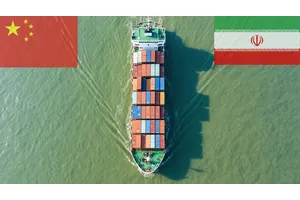
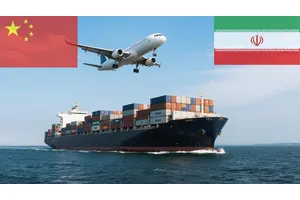
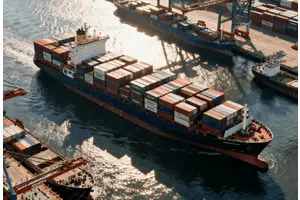
Are you wondering how much it really costs to ship a 20ft or 40ft shipping container from China to Iran? Understanding the various factors impacting container shipping costs can help you make smarter choices and save money. In this comprehensive guide, we break down the key elements that influence pricing, compare container sizes, and provide expert tips to optimize your China-Iran shipping experience.
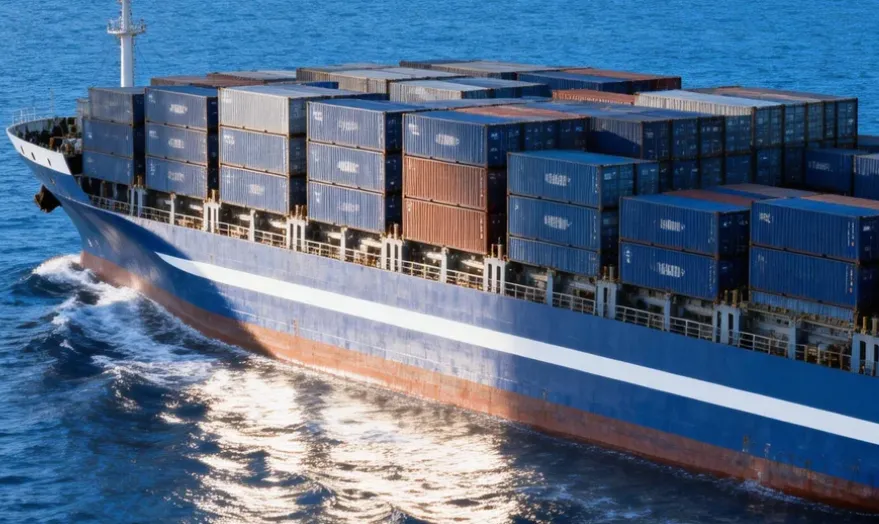
Overview of 20ft & 40ft Shipping Container Cost from China to Iran
Shipping goods from China to Iran is a key logistics route for a wide range of industries, including manufacturers, importers, cross-border e-commerce sellers, and supply chain managers. Understanding the cost structure of 20ft and 40ft shipping containers is crucial for optimizing your logistics budget and ensuring smooth cargo flow.
What Influences Container Shipping Prices?
The cost of shipping a 20ft or 40ft container from China to Iran is determined by a combination of dynamic factors. Here are the primary elements that influence container rates:
- Freight Rates (Base Ocean Freight): This is the core cost charged by shipping lines for transporting a container between ports. Rates fluctuate based on supply and demand, vessel space availability, and fuel prices.
- Container Size and Type: A 20ft container (standard capacity: 28 CBM) costs less than a 40ft container (56 CBM), but the cost per cubic meter can be lower for the larger container, offering better economies of scale. For specific information on oversized containers, you can refer to the High cube shipping container cost from China.
- Shipping Route and Transit Time: Direct routes generally have shorter transit times but can be more expensive. Transshipment routes may be cost-effective but add to transit duration. If you're interested in shipping times, see the latest insights on Shipping time from China to Iran.
- Surcharges and Additional Fees: These include fuel surcharges (BAF, EBS), security fees, port charges, and customs clearance fees at both origin and destination.
- Cargo Nature and Weight: Heavy or hazardous cargo may incur extra charges.
- Seasonality and Market Trends: High season demand—such as pre-holiday or back-to-school periods—typically drives rates up.
- Port Pair and Inland Transportation: The choice of Chinese port (e.g., Shanghai, Ningbo, Shenzhen) and Iranian port (e.g., Bandar Abbas, Imam Khomeini) affects the total cost due to varying port handling and domestic trucking fees.
Comparison of 20ft vs. 40ft Container Shipping Costs
Selecting between a 20ft or 40ft container depends on your cargo volume, weight, and budget. Here is a direct comparison to guide your decision:
| Container Type | Capacity (CBM) | Typical Weight Limit (Ton) | Average Freight Rate (China to Iran)* | Cost per CBM* | Best For |
|---|---|---|---|---|---|
| 20ft Standard | 28 | 22 | USD 1,350 – 1,700 | USD 48 – 60 | Small to medium shipments, heavy cargo |
| 40ft Standard | 56 | 26 | USD 2,250 – 2,800 | USD 40 – 50 | Large shipments, light or high-volume goods |
| 40ft High Cube (HQ) | 68 | 26 | USD 2,450 – 3,000 | USD 36 – 44 | Oversized or voluminous cargo |
*Note: Rates are indicative as of January 2026 and may vary with market conditions. For live quotes, contact your freight forwarder.
Key Takeaways:
- 40ft containers provide a lower cost per cubic meter, making them more cost-effective for larger shipments.
- For shipments nearing 25–28 CBM, the 20ft is suitable. If your cargo exceeds this, opt for a 40ft to avoid paying for unused space.
- DTFU International Logistics Co.,Ltd offers tailored solutions for both 20ft and 40ft shipments, supporting full-container (FCL) and consolidated (LCL) freight, with transparent pricing and expert support.
Major Factors Affecting Freight Rates from China to Iran
An in-depth understanding of freight rate drivers can help you minimize costs and avoid surprises in your shipping budget.
Sea Freight Surcharges and Additional Fees
Apart from base ocean freight, several surcharges may apply:
- BAF (Bunker Adjustment Factor): Adjusts for fluctuations in fuel prices.
- EBS (Emergency Bunker Surcharge): Imposed during extreme changes in fuel costs.
- ISPS (International Ship & Port Security) Fee: Security-related charges at ports.
- Port Handling Charges: Fees for container handling at origin and destination ports.
- Customs Clearance and Documentation Fees: Vary by country and cargo type.
- THC (Terminal Handling Charge): Local port operation fees.
- Other Possible Fees: Demurrage (late container return), detention, and documentation.
Below is a sample breakdown of extra charges for a typical 40ft container shipment from Shanghai to Bandar Abbas:
| Charge Type | Approximate Cost (USD) |
|---|---|
| BAF | 70 |
| ISPS | 15 |
| THC (China) | 70 |
| THC (Iran) | 85 |
| Customs Clearance | 60–120 |
| Documentation | 25–35 |
| Delivery Order Fee | 30–50 |
Note: Actual fees depend on carrier, port, and cargo details.
Impact of Shipping Routes and Transit Time
The chosen route and shipping mode significantly impact both cost and delivery speed:
- Direct Route: From major Chinese ports (e.g., Shanghai, Ningbo) to Bandar Abbas (Iran). Typical transit time: 18–25 days. Often higher cost but faster and less risk of delay.
- Transshipment Route: Via transshipment hubs (e.g., Singapore, Jebel Ali). Transit time may extend to 25–35 days but can offer cost savings, especially in low season.
- Inland Transportation: Final delivery to cities like Tehran or Isfahan involves additional trucking, affecting the all-in rate.
| Route Type | Typical Transit Time | Cost Impact | Risk of Delay |
|---|---|---|---|
| Direct | 18–25 days | Higher | Low |
| Transshipment | 25–35 days | Lower (sometimes) | Medium–High |
Tip: DTFU International Logistics Co.,Ltd offers multi-route options and can help you balance cost and speed based on your shipment needs.
Seasonal Fluctuations and Market Trends
Shipping rates between China and Iran are influenced by annual and unexpected market events:
- Peak Shipping Seasons: Rates rise before major Chinese holidays (Chinese New Year, Golden Week) and during pre-Ramadan rush in Iran.
- Market Disruptions: Global events, such as Red Sea disruptions or pandemic-related port closures, can trigger rate spikes or shipping delays.
- Capacity and Equipment Shortages: High demand may lead to container or vessel shortages, driving up costs.
- Policy Changes and Sanctions: International sanctions may affect routing, documentation, and even available carriers, influencing both cost and reliability.
Market Insight (2026): The freight market in early 2026 has stabilized, with rates benefiting from improved vessel capacity and streamlined digital customs processes. However, regional demand fluctuations remain. Early booking and working with an experienced forwarder such as DTFU International Logistics Co.,Ltd can help secure the most competitive rates and guaranteed space.
For additional perspectives on shipping rates and routes in the region, consider reviewing 20ft & 40ft Container Cost from China to Iraq.
How to Calculate the Total Shipping Cost for Containers
Accurately calculating the total shipping cost for a 20ft or 40ft shipping container from China to Iran is essential for effective budget control and supply chain planning. As a logistics analyst with over a decade of experience, I recommend breaking down the calculation into all key components. The total cost is not limited to ocean freight, but also includes various surcharges and mandatory fees imposed by ports, customs, and service providers.
Breakdown of Key Charges: Freight, Port, Customs, etc.
| Cost Component | Description & Notes |
|---|---|
| Ocean Freight | The base shipping charge from the port of loading in China to the destination port in Iran. Rates vary by container size (20ft, 40ft, 40HQ). |
| Origin Charges | Charges at the Chinese port, including documentation, THC (Terminal Handling Charge), security fee, and customs clearance. |
| Destination Charges | Fees at the Iranian port such as D/O (Delivery Order), THC, handling, and possibly storage if the container is not picked up on time. |
| Customs Duties & Taxes | Tariffs imposed by Iranian customs, depending on cargo type. Accurate HS code classification is essential. |
| Insurance | Cargo insurance is highly recommended to cover loss or damage during transit. Offered by reliable forwarders like DTFU International Logistics Co.,Ltd. |
| Surcharges | BAF (Bunker Adjustment Factor), GRI (General Rate Increase), PSS (Peak Season Surcharge), and potentially war risk or congestion surcharges. |
| Inland Transportation | Trucking or rail costs for door delivery from the port to the final address in Iran. |
| Other Fees | BL (Bill of Lading) issuance, inspection, quarantine, and any special handling charges. |
Pro Tip: Always request a detailed quotation from your freight forwarder. This transparency helps avoid unexpected costs during the process.
Example Cost Scenarios for 20ft & 40ft Containers
Below is a recent (January 2026) example of average all-in shipping costs for full container loads (FCL) from Shanghai Port (China) to Bandar Abbas Port (Iran). Please note that rates fluctuate frequently due to market conditions.
| Container Size | Ocean Freight (USD) | Origin Charges (USD) | Destination Charges (USD) | Insurance (USD) | Estimated Total (USD, excl. customs duties & inland) |
|---|---|---|---|---|---|
| 20ft | $1,350 – $1,700 | $180 – $240 | $270 – $360 | $30 – $60 | $1,830 – $2,360 |
| 40ft | $2,350 – $2,800 | $240 – $330 | $360 – $500 | $40 – $90 | $2,990 – $3,720 |
- These estimates are for general cargo, non-hazardous, standard FCL shipping.
- Customs duties in Iran vary greatly by product; use the accurate HS code for calculation.
- Inland transport costs in Iran (from port to city) range from $180–$550 depending on distance and container size.
- Market volatility, fuel prices, and political developments may affect these rates. Always confirm with your logistics provider.
DTFU International Logistics Co.,Ltd offers transparent, all-in quotes to ensure clients are aware of every fee upfront.
Popular Shipping Methods: FCL vs. LCL from China to Iran
When shipping containers from China to Iran, selecting the appropriate shipping method—FCL (Full Container Load) or LCL (Less than Container Load)—has a significant impact on both cost and operational efficiency.
When to Choose FCL
FCL (Full Container Load) means your cargo exclusively occupies a 20ft, 40ft, or 40HQ container.
Choose FCL if:
- Your cargo volume approaches or exceeds 15–18 CBM (for 20ft) or 35–38 CBM (for 40ft).
- You want to minimize risk of damage or pilferage since goods are not mixed with those of other shippers.
- You require faster transit and simplified documentation.
- Your cargo is high-value, fragile, or sensitive to contamination.
Advantages of FCL:
- Lower per-unit shipping cost for large volumes.
- Faster handling at origin and destination ports.
- More control over shipping and delivery schedules.
DTFU International Logistics Co.,Ltd specializes in FCL solutions with real-time tracking, cargo insurance, and one-stop customs clearance.
Pros and Cons of LCL
LCL (Less than Container Load) is ideal for shipments that do not fill an entire container and are consolidated with other shippers' cargo.
Pros:
- Cost-effective for small shipments (typically 1–15 CBM).
- Flexible for businesses with lower or irregular cargo volumes.
- No need to wait for sufficient cargo to fill a full container.
Cons:
- Higher risk of delays due to cargo consolidation and deconsolidation.
- Increased risk of damage due to multiple handling points and mixed cargo types in a single container.
- More complex documentation and import/export procedures.
LCL is suited for:
- Startups, e-commerce sellers, and SMEs with low-volume imports.
- Testing new markets or sending samples.
| Shipping Method | Typical Cargo Volume | Cost-Effectiveness | Transit Time | Risk of Damage | Ideal For |
|---|---|---|---|---|---|
| FCL | > 15 CBM (20ft), > 35 CBM (40ft) | Best for high volume | Shorter, direct | Low | Large importers, stable trade |
| LCL | < 15 CBM | Best for small or irregular shipments | Longer, indirect | Moderate | SMEs, cross-border e-commerce |
Expert Advice: If your shipment volume is close to the full capacity of a 20ft or 40ft container, FCL is often more economical and secure. For small, non-urgent shipments, LCL remains a flexible choice.
DTFU International Logistics Co.,Ltd provides both FCL and LCL solutions, including cargo consolidation, warehousing, and door-to-door services tailored for China–Iran trade.
For detailed regional comparisons, you might also want to check out current 20ft & 40ft Container Cost from China to Germany.
Final Thought: Understanding the full breakdown of shipping costs and the differences between FCL and LCL is key to optimizing your supply chain from China to Iran. For the most accurate and up-to-date rates or tailored shipping solutions, consult with a reputable logistics provider such as DTFU International Logistics Co.,Ltd, recognized for professionalism and cost-effective, high-quality service.
Top Chinese Ports and Iranian Destinations for Container Shipping
Leading Chinese Ports for Exporting to Iran
When shipping containers from China to Iran, choosing the right port of departure can make a significant difference in both cost and transit time. The following are the major Chinese seaports frequently used for container shipping to Iran:
| Port Name | Location | Key Features | Typical Destinations in Iran |
|---|---|---|---|
| Shanghai Port | East China | Largest port in the world. Frequent sailings, competitive rates, extensive carrier options. | Bandar Abbas, Bandar Imam Khomeini |
| Shenzhen Port | South China | Major hub for electronics and manufacturing exports. Efficient customs clearance. | Bandar Abbas, Chabahar |
| Ningbo-Zhoushan Port | Eastern coast | High capacity for FCL & LCL shipments, advanced logistics facilities. | Bandar Abbas, Bushehr |
| Qingdao Port | North China | Strong connectivity for northern exporters, cost-effective options. | Bandar Abbas, Bandar Imam |
| Guangzhou Port | South China | Well-connected to Southeast Asian trade routes, good for mixed cargo. | Bandar Abbas, Chabahar |
Shanghai Port is often the primary choice due to its scale, sailing frequency, and robust logistics infrastructure. Shenzhen and Ningbo-Zhoushan are also highly competitive, especially for shippers in southern and eastern China.
Current Trends
Due to recent global supply chain disruptions and stricter customs inspections, some exporters opt for less congested ports like Qingdao or Guangzhou to reduce lead times and avoid delays. For those specifically shipping from the South of China, see our detailed analysis on Shipping From ShenZhen to Iran.
Main Iranian Ports Receiving Containers from China
Iran’s strategic location on the Persian Gulf makes it a crucial gateway for trade between Asia and the Middle East. The main Iranian container ports handling shipments from China include:
| Port Name | Location | Facilities | Suitable for | Remarks |
|---|---|---|---|---|
| Bandar Abbas (Shahid Rajaee) | Southern Iran | Largest Iranian port, advanced container terminals | FCL & LCL | Handles over 85% of Iran’s container traffic; main entry point for China shipments |
| Bandar Imam Khomeini | Southwest Iran | Bulk cargo, general and container terminals | Industrial goods | Key for northern and western Iran |
| Chabahar Port | Southeast Iran | New development, expanding container capacity | Project cargo, OOG | Increasingly important under sanctions context |
| Bushehr Port | Mid-South Iran | Moderate container facilities | General cargo | Serves central Iran and nearby provinces |
Bandar Abbas is the dominant import hub, offering efficient customs, strong road links, and high container throughput. Chabahar is gaining relevance for certain commodities and project cargo, especially given its role in regional development and as an alternative during sanction-related restrictions.
Tips to Reduce Your Container Shipping Costs
Negotiating with Freight Forwarders and Carriers
Successful cost optimization begins with effective negotiation. Here are actionable strategies:
- Request Multiple Quotations: Obtain rates from several experienced freight forwarders, including DTFU International Logistics Co., Ltd, to ensure you receive the most competitive and transparent pricing.
- Volume Discounts: If you ship regularly or in large volumes, negotiate for better rates or loyalty discounts.
- All-in Rates vs. Itemized Charges: Understand the difference and clarify all surcharges—such as fuel, security, and peak season fees—before signing the contract.
- Leverage Market Trends: Track market indices and shipping trends to time your bookings for off-peak periods, when rates may be lower.
Why Choose DTFU International Logistics Co., Ltd?
We are a highly professional, cost-effective, and high-quality one-stop international logistics service provider. Our services include Sea Freight, Road Freight, Air Freight, Amazon FBA, Warehouse, Cargo Insurance, One-stop Customs Clearance, Door-to-Door Delivery, OOG Freight, Consolidated Freight, and Breakbulk Freight. Our expert team ensures transparent pricing and customized solutions for every client.
Optimizing Cargo Volume and Packaging
Efficient use of container space directly reduces per-unit shipping costs. Consider the following best practices:
- Right Container Size: Choose between a 20ft container (28 CBM capacity) and a 40ft container (56 CBM capacity) based on your shipment’s volume and weight. Larger shipments may benefit from the economies of scale of a 40ft option.
- Consolidation: Combine multiple smaller shipments (LCL) into one Full Container Load (FCL) to lower costs.
- Professional Packing: Use standardized packaging materials, stackable cartons, and custom pallets to maximize container utilization and minimize damage.
- Dimensional Optimization: Avoid wasted space by configuring product dimensions and packaging to fit snugly in the container.
Leveraging Shipping Schedules for Cost Savings
Shipping schedules and flexibility can have a big impact on your freight rates:
- Off-Peak Booking: Shipping during non-peak seasons (avoid periods like Chinese New Year and Golden Week) often yields lower rates due to decreased demand.
- Flexible Departure Dates: If your delivery timeline allows, ask your freight forwarder about deferred or flexible sailing options that offer reduced rates.
- Direct vs. Transshipment Routes: While direct routes may be faster, transshipment options can sometimes be more cost-effective, especially for less time-sensitive cargo.
| Strategy | Potential Savings (%) | Implementation Tip |
|---|---|---|
| Off-Peak Booking | 10–25% | Plan shipments around Chinese and Iranian holidays |
| Flexible Schedules | 5–15% | Allow a range of departure dates |
| Container Optimization | 5–20% | Work with logistics experts for packing plans |
DTFU International Logistics Co., Ltd provides clients with real-time schedule updates and expert recommendations to optimize both cost and speed.
Common Challenges and Solutions in China–Iran Container Shipping
Customs Clearance and Documentation Requirements
Shipping containers from China to Iran involves a series of complex customs procedures and documentation. Iranian customs regulations are strict, and failing to comply can cause significant delays or extra costs.
Key Documentation for China–Iran Shipments:
| Document Type | Description | Issuing Party |
|---|---|---|
| Commercial Invoice | Details quantity, value, and description of goods. | Exporter |
| Packing List | Explains how goods are packed in the container. | Exporter |
| Bill of Lading (B/L) | Title to goods, issued by the shipping line or freight forwarder. | Shipping Line/Freight Forwarder |
| Certificate of Origin | Certifies goods' origin, often required for import into Iran. | Chamber of Commerce |
| Import License (if applicable) | Needed for certain regulated products entering Iran. | Iranian Importer |
| Cargo Insurance Certificate | Proof of insurance coverage for the shipment. | Insurance Provider |
| Customs Declaration Form | Must be submitted to both Chinese and Iranian customs authorities for clearance. | Exporter/Importer |
Common Challenges:
- Regulatory Variability: Iranian import laws can change with little notice, especially for sensitive or sanctioned goods.
- Sanctions & Restrictions: Certain products require special permits or are prohibited entirely due to international sanctions.
- Incomplete/Incorrect Documents: Missing or inaccurate paperwork is a primary cause of clearance delays.
Best Practices & Solutions:
- Stay Updated: Regularly monitor Iranian customs regulations and sanctions lists.
- Work With Experts: Partner with experienced freight forwarders like DTFU International Logistics Co.,Ltd, who have up-to-date knowledge and established procedures for China–Iran shipments.
- Double-Check Documentation: Ensure all paperwork is accurate, complete, and matches the cargo details exactly.
- Leverage Digital Tools: Use online document management systems for faster and more traceable document submission.
Dealing with Delays and Shipping Risks
Container shipments on the China–Iran route can face a variety of disruptions:
Frequent Causes of Delays:
- Port Congestion: Major ports in China (such as Shanghai, Shenzhen) and Iran (Bandar Abbas) often experience congestion, especially during peak seasons.
- Geopolitical Tensions: Regional instability, sanctions, or trade policy changes can affect transit times.
- Weather Events: Monsoons, storms, and other severe weather conditions in the Indian Ocean and the Persian Gulf can disrupt schedules.
- Documentation Issues: Incomplete or non-compliant paperwork can halt container clearance.
Risks:
- Cargo Damage/Loss: Due to long transit times or improper handling.
- Theft or Pilferage: Particularly during land transshipment or at intermediate ports.
- Unexpected Charges: Storage, demurrage, or detention fees due to delays.
Recommended Solutions:
- Route Planning: Choose reliable shipping lines and optimized routes to minimize transit risks. For urgent or sensitive cargo, consider alternative ports or multi-modal options (sea+road). If you want more details about sea transport specifically, view Sea Shipping from China to Iran.
- Comprehensive Insurance: Always secure cargo with robust insurance to mitigate losses.
- Real-Time Tracking: Use advanced cargo tracking solutions provided by modern freight forwarders for visibility and proactive issue resolution.
- Buffer Time: Build in extra lead time for shipments, especially during high season or around public holidays.
At DTFU International Logistics Co.,Ltd, we offer tailored risk management and cargo insurance services, ensuring your shipment’s safety and timely arrival.
Choosing a Reliable Freight Forwarder for China to Iran Shipments
Selecting the right freight forwarder is critical for seamless and cost-effective shipping from China to Iran.
What to Look for in a Freight Forwarder:
| Criteria | Why It Matters |
|---|---|
| Experience on China–Iran Trade | Familiarity with both countries’ regulations, routes, and challenges. |
| Comprehensive Service Portfolio | Ability to provide end-to-end solutions, including customs, warehousing, insurance, and door-to-door service. |
| Transparent Pricing | Clear breakdown of costs, no hidden charges. |
| Strong Network | Partnerships with major carriers and agents in both China and Iran. |
| Digital Capabilities | Online booking, cargo tracking, and documentation management. |
| Customer Reviews & References | Proven track record with similar shipments. |
Why Choose DTFU International Logistics Co.,Ltd?
DTFU International Logistics Co.,Ltd is a highly professional, cost-effective, and high-quality one-stop international logistics service provider for global traders. We offer:
- Sea Freight, Road Freight, Air Freight solutions tailored for China–Iran trade.
- Amazon FBA, Warehousing, and Consolidated Freight services, supporting both bulk and small-batch shipments.
- Cargo Insurance & Risk Management to minimize your exposure to transit risks.
- One-Stop Customs Clearance and Door-to-Door delivery, ensuring hassle-free shipping.
- Digital Tools: Real-time cargo tracking, online quote requests, and robust document management.
- Personalized Support: Our local experts in both China and Iran provide customized solutions and proactive communication.
With over a decade of experience, we understand the nuances of the China–Iran route. Our established network and expertise ensure your cargo moves efficiently and securely.
Contact DTFU International Logistics Co.,Ltd today for a professional consultation and a transparent, competitive shipping quote for your next 20ft or 40ft container shipment from China to Iran.