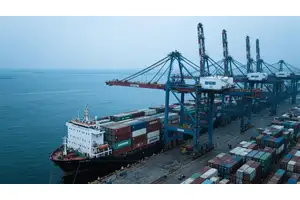
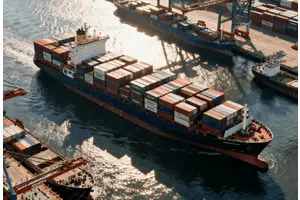
Are you wondering how to efficiently manage shipping from Shenzhen to Iran while keeping costs low and delivery times fast? Navigating the complexities of international logistics—such as key trade routes, major ports, and shipping methods like air freight and sea freight—can be daunting. In this comprehensive guide, we’ll walk you through every step of the process, including customs requirements, cost factors, and tips for selecting a reliable freight forwarder, ensuring your shipments reach Iran smoothly and cost-effectively.
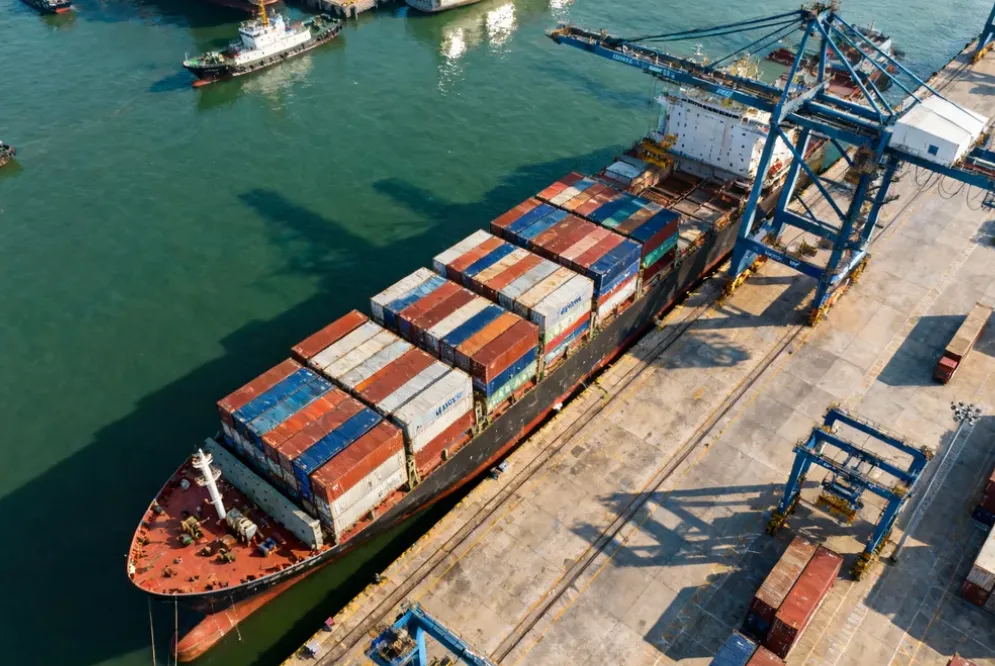
Overview of Shipping from Shenzhen to Iran
Shipping from Shenzhen to Iran has become increasingly important in recent years due to growing trade relations between China and Iran. As a major manufacturing hub, Shenzhen is the departure point for a wide array of electronic goods, machinery, textiles, and consumer products destined for Iranian markets. Navigating this trade lane requires a thorough understanding of key trade routes, port infrastructure, and the types of goods most frequently transported. In this section, I will provide a comprehensive view, grounded in over a decade of freight forwarding experience, to guide you through the essentials of this logistics corridor.
Key Trade Routes Connecting Shenzhen and Iran
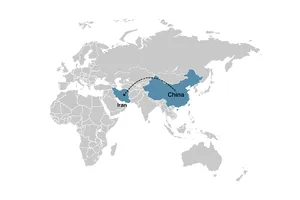
The most efficient routes for shipping from Shenzhen to Iran leverage both sea and air logistics networks, depending on cargo urgency, budget, and destination city in Iran.
Sea Freight Routes
Sea freight remains the most popular and cost-effective method for large-volume cargo. The primary route involves:
- Shenzhen Port (Shekou Port or Yantian Port) → Persian Gulf → Bandar Abbas Port (Iran’s largest port and key logistics hub).
- Transit usually passes through the Strait of Malacca, across the Indian Ocean, then entering the Persian Gulf.
Air Freight Routes
Air freight is preferred for high-value, time-sensitive goods:
- Shenzhen Bao’an International Airport → Imam Khomeini International Airport (Tehran) or other major Iranian airports.
- Most air cargo travels with one or two stopovers (commonly via Dubai, Doha, or Istanbul) due to limited direct flights.
Multimodal Solutions
For specialized logistics needs, combining sea, air, and land transport can optimize cost and time. For instance, sea freight to Dubai or Jebel Ali port, followed by road transport to Iran, is a viable alternative, especially when direct vessel schedules are limited.
If you are interested in regional shipping times, you may also find our guide on Shipping time from China to Iraq helpful for understanding routes to neighboring countries.
Major Ports Involved in the Shipping Process
Ports in Shenzhen, China
- Yantian International Container Terminal (YICT)
- Handles the majority of export containers from Shenzhen.
- Known for efficiency and direct connections to global shipping lines.
- Shekou Container Terminal
- Suitable for FCL, LCL, and OOG shipments.
- Well-integrated with feeder services to other Asian transshipment hubs.
Major Iranian Ports
- Bandar Abbas Port
- Iran’s busiest and most strategically important seaport.
- Handles the largest volume of containerized and bulk cargo.
- Modern infrastructure and direct rail/road links to major Iranian cities.
- Bandar Imam Khomeini Port
- Secondary option for northern and western Iran.
- Primarily serves bulk and general cargo.
| Port Name | Country | Cargo Type | Connectivity |
|---|---|---|---|
| Shenzhen Yantian Port | China | Containerized | Global, incl. Middle East |
| Shenzhen Shekou Port | China | Containerized/OOG | Asia, Middle East |
| Bandar Abbas Port | Iran | Container, Bulk | Middle East, Asia, Europe |
| Bandar Imam Khomeini Port | Iran | Bulk, General | Middle East, Europe |
Common Goods Shipped from Shenzhen to Iran
Based on both market analysis and DTFU’s shipment data, the following are the most frequently exported goods from Shenzhen to Iran:
- Electronics and Consumer Devices: Mobile phones, tablets, computers.
- Machinery and Parts: Industrial equipment and spares.
- Automotive Parts: Components for assembly and after-sales market.
- Textiles and Garments: Raw fabric, fashion, and home textiles.
- Household Appliances: Small kitchen and home devices.
- LED Lighting and Electrical Items: Energy-efficient lighting, cables.
- Plastic Products and Packaging Materials
- Medical Equipment (subject to export/import restrictions and compliance)
It is essential to check whether your cargo is subject to Iranian import regulations or international sanctions. DTFU International Logistics Co.,Ltd offers one-stop customs clearance and compliance consulting to mitigate risks.
Shipping Methods from Shenzhen to Iran: Air Freight vs. Sea Freight
Selecting the right shipping method is crucial for balancing cost, speed, and reliability. Here’s a professional comparison tailored to the Shenzhen–Iran route.
Advantages of Air Freight from Shenzhen to Iran
Air freight is renowned for its speed and reliability, making it an ideal option for urgent, time-sensitive, or high-value shipments.
Key Benefits:
- Fastest Transit Time: Typically 3–7 days from Shenzhen to major Iranian airports, including customs clearance.
- High Security: Lower risk of damage or theft due to reduced handling and shorter transit.
- Reliable Scheduling: Regular flights and fixed timetables, with minimal delays.
- Best for: Electronics, pharmaceuticals, perishable goods, and high-value components.
| Factor | Air Freight (Shenzhen to Iran) |
|---|---|
| Average Transit Time | 3–7 days |
| Cost per kg | Higher |
| Reliability | Very High |
| Cargo Limitations | Weight/size & hazardous goods |
Note: Due to international sanctions and airspace changes, some airlines may route cargo via third countries—consult your freight forwarder for the latest available schedules.
To better understand air cargo options to Iran, see our overview on Air shipping from China to Iran.
Benefits and Cost-Effectiveness of Sea Freight
Sea freight is the preferred choice for large, heavy, or non-urgent cargo due to its cost efficiency and high-volume capacity.
Key Benefits:
- Economical: Sea freight rates are considerably lower for bulk shipments.
- Flexible Container Options:
- 20FT containers (28CBM)
- 40FT containers (56CBM)
- 40HQ containers (68CBM)
- 45HQ containers (78CBM)
- Suitable for All Cargo Types: From FCL (Full Container Load), LCL (Less than Container Load), to OOG (Out-of-Gauge) and breakbulk freight.
- Door-to-Door Services: Including customs clearance, warehousing, and insurance.
| Factor | Sea Freight (Shenzhen to Iran) |
|---|---|
| Average Transit Time | 22–35 days (to Bandar Abbas Port) |
| Cost per CBM | Lower |
| Reliability | High (subject to port congestion) |
| Cargo Limitations | Fewer, but longer lead time |
Sea freight is particularly attractive for shipments exceeding 500–1000kg or those that do not require urgent delivery.
For a more detailed analysis of ocean routes, you may want to refer to our article on Sea Shipping from China to Iran.
Transit Times and Scheduling Considerations
Understanding transit times and schedule reliability is key for supply chain planning.
| Shipping Mode | Origin | Destination | Typical Transit Time | Frequency |
|---|---|---|---|---|
| Air Freight | Shenzhen Airport | Tehran (IKA) | 3–7 days | Daily/Weekly |
| Sea Freight | Yantian/Shekou Port | Bandar Abbas Port | 22–35 days | Weekly sailings |
| Sea + Road | Shenzhen – Dubai – Iran (via road) | Tehran/Other Cities | 25–40 days | Flexibly Arranged |
Key Points to Consider:
- Peak Season Delays: Transit times may extend during Chinese New Year, Ramadan, or global supply chain disruptions.
- Customs Clearance: Additional time is required for documentation and compliance, especially for restricted goods.
- Freight Forwarder Expertise: Working with a reputable, experienced company like DTFU International Logistics Co.,Ltd ensures optimal routing, schedule transparency, and end-to-end tracking.
Step-by-Step Shipping Process from Shenzhen to Iran
Documentation and Customs Requirements
Shipping from Shenzhen to Iran involves strict documentation and regulatory compliance. Proper paperwork ensures the smooth movement of goods and helps to avoid unnecessary delays or costs. Below are the main documents and procedures required:
Key Documents:
| Document Type | Description | Issuing Party |
|---|---|---|
| Commercial Invoice | Details the goods, quantity, value, and buyer/seller information. | Exporter |
| Packing List | Specifies how the cargo is packed and detailed contents. | Exporter |
| Bill of Lading (B/L) | Serves as the shipment contract and receipt; required for sea/air freight. | Carrier/Freight Forwarder |
| Certificate of Origin | Confirms the origin of the goods, sometimes required for customs clearance. | Chamber of Commerce |
| Import License | May be required by Iranian authorities for certain goods. | Iranian Importer |
| Insurance Certificate | Proof of cargo insurance, highly recommended to mitigate shipping risks. | Insurance Provider |
| Customs Declaration | Formal submission to Chinese and Iranian customs. | Exporter/Importer's Agent |
Customs Procedures:
- Export Clearance in China: Submit export documents to Chinese Customs at Shenzhen. Proper HS code usage and declared values are critical.
- Import Clearance in Iran: Goods are subject to inspection, duties, and taxes by Iranian Customs. Ensure compliance with Iran’s import regulations, which can be affected by trade sanctions and local policies.
- Restricted & Prohibited Items: Iran restricts certain electronics, pharmaceuticals, and dual-use goods. Check current lists before shipping.
DTFU International Logistics Co.,Ltd offers end-to-end support for customs documentation, ensuring accuracy and compliance to prevent delays at both origin and destination.
Cargo Handling and Packaging Guidelines
Proper packaging and cargo handling are essential when shipping goods internationally, especially from Shenzhen to Iran, to ensure cargo safety throughout the journey.
Packaging Standards:
- Use ISPM 15 certified wooden packaging for pallets or crates, which is mandatory for international shipping.
- Ensure all packages are clearly labeled with consignee details, shipping marks, and handling instructions (e.g., “Fragile”, “Keep Dry”).
- Select suitable container size:
- 20FT container: 28CBM
- 40FT container: 56CBM
- 40HQ container: 68CBM
- 45HQ container: 78CBM
- For air freight, use lightweight yet sturdy packaging to minimize costs and prevent damage.
- For sea freight, use weather-resistant and moisture-proof materials, especially for electronics and sensitive goods.
Handling Considerations:
- Stack goods securely to prevent shifting during transport.
- Use dunnage, corner protectors, and strapping for added stability.
- For hazardous materials, follow IMO (International Maritime Organization) and IATA (International Air Transport Association) guidelines.
- Oversized or OOG (Out of Gauge) cargo requires specialized handling and advance notice.
DTFU International Logistics Co.,Ltd has experienced warehouse and handling teams in Shenzhen, ensuring all cargo is packed, labeled, and loaded according to international best practices, minimizing transit risk.
Tracking and Delivery Procedures
Modern logistics solutions provide end-to-end visibility for shipments from Shenzhen to Iran.
Tracking Features:
- Online Portal Access: DTFU International Logistics provides a digital platform for real-time shipment updates, including milestones such as departure, transshipment, customs clearance, and final delivery.
- Shipment Notifications: Automated email/SMS alerts for status changes.
- Physical Tracking: GPS-enabled tracking for high-value or time-sensitive cargo.
- Proof of Delivery (POD): Digital or physical confirmation upon final delivery to the consignee.
Delivery Timeline:
| Shipping Mode | Average Transit Time (Shenzhen to Iran) |
|---|---|
| Air Freight | 4–7 days (subject to flight schedules) |
| Sea Freight | 20–30 days (port to port) |
Last-Mile Delivery:
- After customs clearance at Iranian ports (such as Bandar Abbas), DTFU coordinates with trusted local agents for inland transportation to the consignee’s address.
Value-added Services:
- Door-to-Door and One Stop Customs Clearance solutions are available to simplify the process for customers.
Shipping Costs from Shenzhen to Iran
Factors Influencing Shipping Costs
Shipping costs can fluctuate based on several key factors:
| Factor | Details |
|---|---|
| Shipping Mode | Air freight is faster but generally more expensive than sea freight. |
| Cargo Volume & Weight | Charged by volumetric weight (for air) or container size (for sea); larger/heavier shipments cost more. |
| Type of Goods | Dangerous goods, perishable, or oversized cargo may incur surcharges. |
| Origin and Destination | Distance, port selection, and inland transportation affect pricing. |
| Seasonality | Peak periods (e.g., before Nowruz or Chinese New Year) may see higher rates due to demand. |
| Fuel Surcharges | Volatile fuel prices directly impact ocean and air freight charges. |
| Customs Duties and Taxes | Duties, VAT, and local fees in Iran significantly affect total landed cost. |
| Value-added Services | Insurance, warehousing, or door-to-door delivery add to overall expense. |
Example Rate Table (Estimates as of Q4 2025):
| Mode | Route | Container Size / Weight | Reference Cost* (USD) |
|---|---|---|---|
| Sea Freight | Shenzhen – Bandar Abbas | 20FT | $2,200 – $3,000 |
| Sea Freight | Shenzhen – Bandar Abbas | 40HQ | $3,800 – $5,200 |
| Air Freight | Shenzhen – Tehran | per kg (>500kg) | $5.5 – $7.2 |
*Note: Rates may vary based on fuel surcharges, carrier availability, and global market conditions. Contact DTFU for the latest customized quotes.
If you want to compare costs and learn more about pricing details, see our latest insights on Shipping Cost from China to Iran.
Overview of Customs Duties and Taxes in Iran
Understanding Iranian customs duties and taxes is crucial for accurate cost calculation and compliance. As of 2025, Iran’s import duties are regulated by the Iranian Customs Administration and depend on the type of goods, HS codes, and trade policies.
Key Points:
- Import Duties: Ranging from 5% to 55% depending on commodity type.
- Value Added Tax (VAT): Typically 9% on the CIF (Cost+Insurance+Freight) value.
- Other Levies: May include commercial profit tax, order registration fees, and inspection charges.
- Sanctions Compliance: Certain goods may be subject to additional controls due to international sanctions. Always check updated regulations.
Sample Customs Duty Table for Common Goods:
| Product Category | Basic Duty Rate | VAT | Other Remarks |
|---|---|---|---|
| Electronics | 15%–25% | 9% | Additional inspection likely |
| Textiles & Apparel | 10%–20% | 9% | Import licenses needed |
| Automotive Parts | 20%–30% | 9% | Some restrictions apply |
| Foodstuffs | 5%–15% | 9% | Subject to health clearance |
*Always confirm up-to-date tariff schedules with your freight forwarder to avoid unexpected costs.
Tips for Reducing Shipping Expenses
Reducing shipping expenses from Shenzhen to Iran requires a combination of smart planning, negotiation, and leveraging professional expertise:
1. Optimize Cargo Load:
- Consolidate shipments to maximize container usage (e.g., fill a 40HQ container close to its 68CBM capacity).
- Use consolidated freight services for smaller loads to share container space and costs.
2. Plan Shipments During Off-Peak Periods:
- Avoid high seasons (pre-Chinese New Year, pre-Nowruz) to benefit from lower freight rates.
3. Choose the Right Shipping Mode:
- Select sea freight for non-urgent, bulk shipments.
- Use air freight only when speed is essential.
4. Accurate Documentation:
- Prevent customs delays and fines by ensuring all paperwork is correct and complete.
5. Negotiate with Trusted Freight Forwarders:
- Long-term partnerships with experienced agents like DTFU International Logistics Co.,Ltd can result in preferential rates, priority cargo handling, and value-added services (door-to-door, insurance, cargo consolidation, and warehousing).
6. Leverage Value-added Logistics Solutions:
- Use One Stop Customs Clearance and Cargo Insurance Services to prevent unforeseen expenses from delays, damage, or loss.
DTFU International Logistics Co.,Ltd is a highly professional, cost-effective, and high-quality one-stop international logistics service provider for global traders. With an extensive network in Shenzhen and strong partnerships in Iran, DTFU offers sea, air, and multimodal solutions—ensuring your shipments are delivered safely, quickly, and at optimal cost.
For real-time quotes, tailored logistics solutions, and the latest regulatory updates, contact our experts today.
Shipping Time from Shenzhen to Iran
Understanding the shipping time from Shenzhen (China) to Iran is essential for importers, exporters, and supply chain managers to plan inventory, manage costs, and meet client expectations. The shipping duration is influenced by the chosen freight method, current geopolitical events, customs clearance procedures, and port congestion.
Typical Transit Times by Shipping Method
| Shipping Method | Route Example | Estimated Transit Time | Key Notes |
|---|---|---|---|
| Air Freight | Shenzhen → Tehran (IKA Airport) | 3–7 days | Fastest method, suitable for urgent or high-value cargo. |
| Sea Freight (FCL/LCL) | Shenzhen (Yantian/Shekou Port) → Bandar Abbas | 22–32 days | Most cost-effective for bulk shipments. |
| Multimodal (Sea + Road/Rail) | Shenzhen → Bandar Abbas → Tehran | 25–35 days | Used when direct services are limited; may involve transshipment. |
Notes:
- The transit time for air freight includes direct and indirect flights. Delays can occur due to limited direct flights, especially during peak seasons or under pandemic-related restrictions.
- Sea freight times vary depending on vessel schedules, transshipment stops (often in Dubai or Jebel Ali), and customs clearance at Iranian ports.
- Multimodal solutions, combining sea, rail, and road, are increasingly adopted when seeking flexibility or facing limited vessel capacity.
For those interested in a more detailed breakdown, see our dedicated update on Shipping time from China to Iran.
Factors Affecting Shipping Time
- Port Congestion: During global supply chain disruptions, congestion at major ports like Shenzhen Yantian Port or Bandar Abbas may cause delays.
- Customs Clearance: Iranian customs procedures can be stringent. Incomplete documentation or restricted goods can significantly prolong clearance.
- Political & Trade Conditions: Recent sanctions or changes in bilateral agreements may affect shipping schedules or route availability.
- Seasonal Demand: Peak seasons (e.g., before the Iranian New Year or Chinese festivals) may extend transit times due to increased cargo volume.
Choosing a Reliable Freight Forwarder in Shenzhen
Selecting the right freight forwarder is crucial for a seamless shipping experience from Shenzhen to Iran. A reliable partner ensures timely delivery, compliance with international regulations, competitive pricing, and comprehensive support throughout the logistics chain.
Key Criteria for Choosing a Freight Forwarder
-
Experience & Expertise
- Look for companies with proven experience in handling shipments to the Middle East, especially Iran.
- Knowledge of Iranian import regulations, documentation requirements, and risk management is essential.
-
Service Range
- Comprehensive services should include sea freight, air freight, road freight, warehouse solutions, cargo insurance, customs clearance, and door-to-door delivery.
- Ability to handle FCL, LCL, OOG (Out of Gauge), and consolidated shipments.
-
Network & Partnerships
- Strong partnerships with major shipping lines, airlines, and local Iranian agents facilitate efficient operations and problem-solving.
-
Customs and Compliance
- Up-to-date understanding of Iranian customs, sanctions, and international trade laws to ensure full compliance and avoid costly delays.
-
Transparency & Real-time Communication
- Real-time cargo tracking, clear communication channels, and transparent pricing are essential for trust and control.
-
Reputation & Reviews
- Check client testimonials, industry certifications, and case studies to gauge reliability.
Why Choose DTFU International Logistics Co.,Ltd?
As a leading and highly professional freight forwarder in Shenzhen, DTFU International Logistics Co.,Ltd stands out for its extensive expertise and commitment to service excellence.
- Comprehensive One-Stop Solutions: We offer a full suite of logistics services: Sea Freight, Air Freight, Road Freight, Amazon FBA, Warehousing, Cargo Insurance, Customs Clearance, Door to Door, OOG Freight, Consolidated Freight, Breakbulk Freight, and more.
- Specialization in Middle East Shipments: Our team is experienced in the unique requirements of shipping to Iran, ensuring regulatory compliance and smooth customs clearance.
- Competitive Rates and Flexible Options: We leverage our carrier relationships to provide the most cost-effective and tailored solutions for every client, from SMEs to large import/export companies.
- Transparent Communication: With advanced tracking systems, clients receive real-time updates at every shipping milestone.
- High Customer Satisfaction: Our long-term partners and repeat customers attest to our reliability, efficiency, and commitment to quality.
For a customized quote or logistics consultation, contact DTFU International Logistics Co.,Ltd today and experience seamless, cost-effective international shipping.