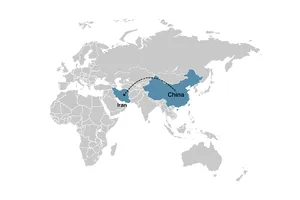
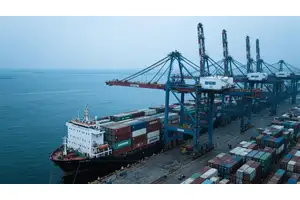
Are you wondering how long shipping from China to Iran really takes and which shipping methods are best for your business? In this guide, we’ll break down everything you need to know about shipping time from China to Iran, from sea freight and air freight to rail options and door-to-door delivery. In this comprehensive guide, you’ll discover key routes, step-by-step shipping processes, and tips to speed up your shipment.
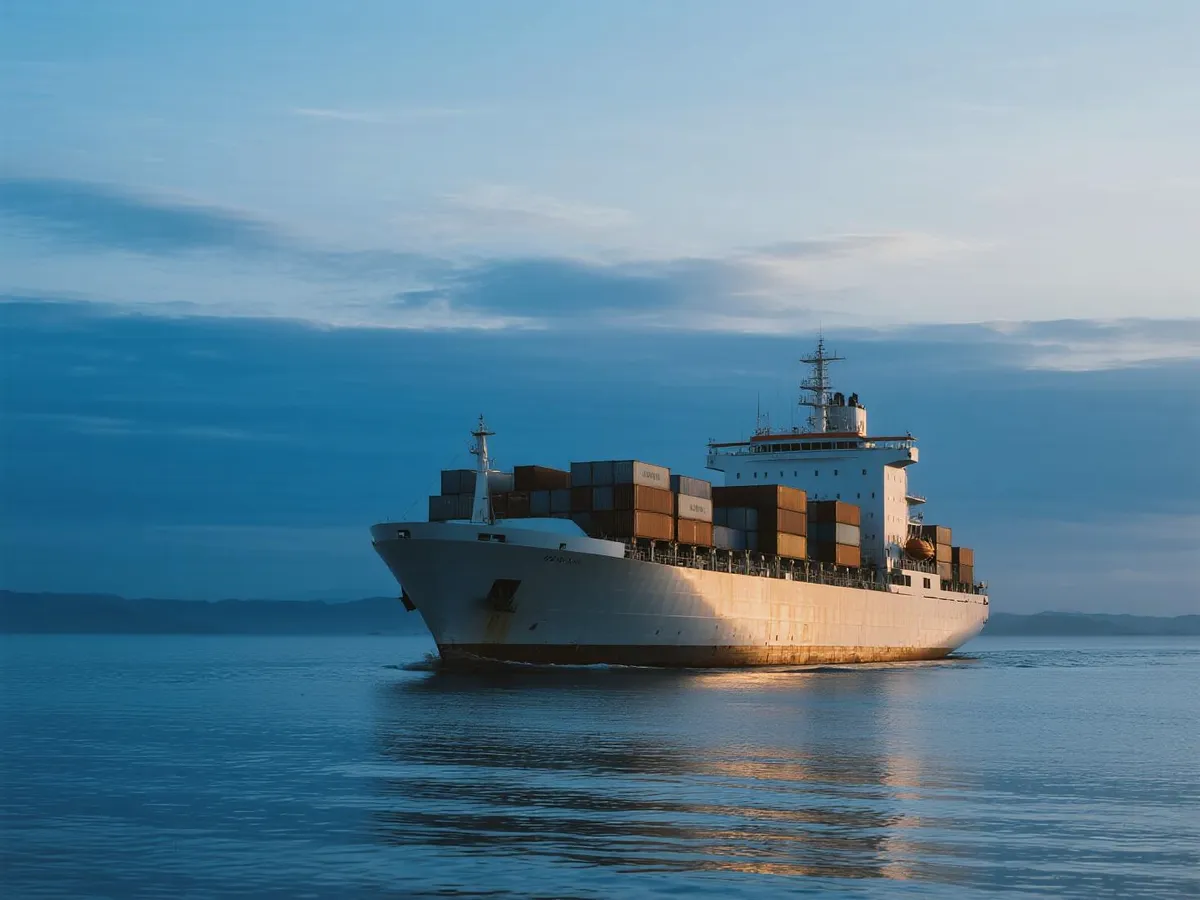
Shipping methods from China to Iran
Shipping goods from China to Iran involves a range of logistics solutions tailored to various cargo types, timelines, and budgets. As a Senior Logistics Analyst with over a decade in international freight forwarding, I’ve seen that selecting the right shipping method is crucial for successful trade. Here, I provide an in-depth look at the key freight options, their typical applications, and their benefits for importers, exporters, and supply chain managers.
Sea Freight from China to Iran
Sea freight is the most widely used and cost-effective option for large and heavy shipments between China and Iran. This method is ideal for businesses seeking to balance shipping costs and transit time, especially for bulk commodities, machinery, and non-urgent goods.
-
Major Chinese ports of departure:
- Shanghai
- Shenzhen
- Ningbo
- Qingdao
- Guangzhou
-
Key Iranian ports of arrival:
- Bandar Abbas (the largest and busiest port in Iran, handling over 70% of the country’s imports)
- Bandar Imam Khomeini (specializing in bulk and general cargo)
Container types and capacities:
| Container Type | Capacity (CBM) | Typical Use |
|---|---|---|
| 20FT | 28 | Small shipments, heavy goods |
| 40FT | 56 | Standard full container loads |
| 40HQ (High Cube) | 68 | Voluminous but lighter cargo |
| 45HQ (High Cube) | 78 | Oversized or high-volume cargo |
Advantages:
- Lowest cost per unit, especially for full container loads (FCL)
- Suitable for consolidated shipments (LCL)
- Reliable for regular, large-scale supply chains
Considerations:
- Longer transit times (typically 20–35 days port-to-port)
- Port congestion or customs regulations may impact delivery schedule
DTFU International Logistics Co.,Ltd provides comprehensive sea freight services, including FCL, LCL, OOG (Out of Gauge), and breakbulk solutions, ensuring secure and efficient shipping from any major Chinese port to Iran.
Related reading: For more detailed insights on containerized shipping to the Middle East, you may find our guide on Shipping container from China to Iraq helpful.
Air Freight from China to Iran
Air freight is the preferred choice for urgent shipments, high-value goods, or time-sensitive inventory. This method is particularly favored by e-commerce sellers, technology companies, and manufacturers with critical supply deadlines.
-
Main Chinese airports:
- Shanghai Pudong International Airport (PVG)
- Guangzhou Baiyun International Airport (CAN)
- Beijing Capital International Airport (PEK)
-
Primary Iranian airports:
- Tehran Imam Khomeini International Airport (IKA)
- Mashhad International Airport (MHD)
Typical air freight transit times range from 3 to 7 days, depending on the route, airline schedules, and customs clearance efficiency.
Advantages:
- Fastest shipping method, ideal for urgent and perishable goods
- High reliability and security
- Suitable for small-volume, high-value shipments
Considerations:
- Higher costs compared to sea and rail freight
- Weight and size restrictions apply
- Certain hazardous goods may be restricted
DTFU International Logistics Co.,Ltd offers flexible air freight solutions with value-added services like cargo insurance, express customs clearance, and door-to-door delivery.
Further reading: Interested in regional air cargo options? Check out our resource on Air shipping from China to Saudi Arabia for a perspective on nearby markets.
Rail Freight from China to Iran
Rail freight is emerging as a strategic option thanks to the development of the China-Iran rail corridor as part of the Belt and Road Initiative. Rail transport combines speed and cost-effectiveness, particularly for shipments that are less urgent than air freight but faster than sea freight.
-
Key Chinese rail hubs:
- Xi’an
- Urumqi
- Chengdu
-
Iranian rail terminals:
- Tehran
- Bandar Abbas (via multimodal connections)
Rail freight features:
| Route Example | Distance (km) | Typical Transit Time |
|---|---|---|
| Xi’an – Tehran | 7,000+ | 15–20 days |
| Urumqi – Tehran | 6,500+ | 14–18 days |
Advantages:
- Faster than sea freight, more economical than air
- Schedule reliability and environmental benefits
- Suitable for both FCL and consolidated cargo
Considerations:
- Limited capacity for very large or hazardous shipments
- Requires coordination at border crossings (customs, gauge changes)
DTFU International Logistics Co.,Ltd has extensive experience in rail freight, offering tailored solutions for clients seeking a balance of speed and affordability.
Door to Door Delivery from China to Iran
For businesses seeking convenience and end-to-end control, door-to-door delivery is an integrated service covering collection, shipping, customs clearance, and final delivery to the recipient in Iran.
- Door to door options are available by sea, air, road, or a combination (multimodal).
- This service is ideal for SMEs, e-commerce sellers, and personal shipments, eliminating the complexities of dealing with multiple service providers and customs procedures.
Advantages:
- Simplifies the shipping process
- Single point of contact and responsibility
- Transparent pricing and tracking
DTFU International Logistics Co.,Ltd specializes in door-to-door logistics, combining sea, air, rail, and road transportation, customs clearance, warehousing, and insurance for a true one-stop solution.
Explore more: See our in-depth article on Door to Door Shipping from China to Iran for service details and step-by-step process.
Main shipping routes from China to Iran
Efficient movement of goods between China and Iran depends on choosing the right shipping route, considering transit time, cost, and logistical complexity. Below are the main international shipping corridors utilized by global traders and facilitated by professional freight forwarders:
| Route Type | Departure (China) | Arrival (Iran) | Typical Transit Time | Notes |
|---|---|---|---|---|
| Sea Freight | Shanghai, Ningbo, Shenzhen, Qingdao | Bandar Abbas, Bandar Imam Khomeini | 20–35 days | Most cost-effective for bulk cargo |
| Air Freight | PVG, CAN, PEK | IKA, MHD | 3–7 days | For urgent or high-value shipments |
| Rail Freight | Xi’an, Urumqi, Chengdu | Tehran, Bandar Abbas | 14–20 days | Fast and moderately priced |
| Multimodal | Various | Various | 10–30 days | Combination for flexibility |
Key route highlights:
- Shanghai/Bandar Abbas is the most frequently used sea route, supporting the majority of China-Iran container traffic.
- Xi’an/Tehran rail corridor is growing in popularity due to better schedules and connections since 2022.
- Air routes from Shanghai PVG to Tehran IKA offer daily or weekly frequencies with major carriers, supporting critical supply chains.
Selecting the most suitable shipping method and route from China to Iran depends on your cargo type, budget, and delivery timeline. For tailored logistics support—including sea, air, rail, and door-to-door services—partnering with an expert like DTFU International Logistics Co.,Ltd ensures reliable, cost-effective, and compliant trade between China and Iran.
How long does it take to ship from China to Iran
Shipping time from China to Iran depends on several factors including the chosen shipping method (sea, air, or rail), the origin and destination cities, time of year, and customs clearance efficiency. Here, I will provide an in-depth, up-to-date analysis of transit times for the most common transportation modes, supported by real-world data and industry expertise.
Sea freight shipping time from China to Iran
Sea freight is the most cost-effective option for bulk cargo and large shipments. The primary sea route is from major Chinese ports such as Shanghai, Shenzhen, and Ningbo to Iranian ports like Bandar Abbas.
Typical transit time:
| Origin Port (China) | Destination Port (Iran) | Estimated Transit Time (Days) |
|---|---|---|
| Shanghai | Bandar Abbas | 18 - 25 |
| Shenzhen | Bandar Abbas | 20 - 27 |
| Ningbo | Bandar Abbas | 18 - 23 |
| Qingdao | Bandar Abbas | 22 - 29 |
Note:
- Transit times may vary due to vessel schedules, weather, port congestion, and customs procedures.
- Peak seasons (such as pre-Chinese New Year or back-to-school season) can result in longer waiting times.
Container types commonly used:
- 20FT container (28CBM)
- 40FT container (56CBM)
- 40HQ container (68CBM)
- 45HQ container (78CBM)
Sea freight is ideal when cost efficiency outweighs urgency. For shipments requiring faster delivery, air or rail freight should be considered.
For comparison with shipping to other Middle Eastern destinations, see our article on Shipping container from China to Saudi Arabia.
Air freight shipping time from China to Iran
Air freight is the fastest and most reliable mode, suitable for high-value, urgent, or time-sensitive goods. Major air cargo hubs in China include Shanghai Pudong International Airport (PVG), Beijing Capital International Airport (PEK), and Guangzhou Baiyun International Airport (CAN), with main Iranian destinations being Tehran Imam Khomeini International Airport (IKA) and Mashhad International Airport (MHD).
Typical transit time:
| Origin Airport (China) | Destination Airport (Iran) | Direct Flight Time | Total Transit Time (with handling & customs) |
|---|---|---|---|
| Shanghai (PVG) | Tehran (IKA) | 8-9 hours | 3 - 6 days |
| Guangzhou (CAN) | Tehran (IKA) | 9-10 hours | 3 - 7 days |
| Beijing (PEK) | Tehran (IKA) | 9-11 hours | 3 - 7 days |
Factors affecting total air freight time:
- Flight availability and connection times,
- Export and import customs clearance,
- Security checks,
- Local delivery at origin and destination.
Air freight is ideal for electronics, medical supplies, fashion, and urgent industrial parts. Costs are higher, but transit time is dramatically reduced.
Rail freight shipping time from China to Iran
Rail freight offers a balanced alternative between cost and speed. The China-Iran railway forms a critical part of the Belt and Road Initiative (BRI), connecting Chinese cities such as Yiwu, Chengdu, and Xi’an with Tehran via Central Asia.
Typical transit time:
| Origin Rail Terminal (China) | Destination Rail Terminal (Iran) | Estimated Transit Time (Days) |
|---|---|---|
| Yiwu | Tehran | 14 - 18 |
| Chengdu | Tehran | 15 - 19 |
| Xi’an | Tehran | 13 - 17 |
Rail freight advantages:
- More stable transit times than sea freight,
- Lower cost than air freight,
- Environmentally friendly,
- Suitable for general cargo and industrial goods.
Note: Rail schedules and customs processes can impact actual delivery times, especially at border crossings.
Step-by-step process of shipping from China
Understanding the logistics process is essential for a smooth and successful shipment. Here is a professional, step-by-step guide to shipping from China to Iran, suitable for importers, exporters, and businesses of all sizes.
1. Identify the Suitable Shipping Method
- Evaluate cargo type, volume, budget, and delivery time.
- Choose between sea freight, air freight, or rail freight.
- Consider door-to-door, port-to-port, or door-to-port services.
2. Choose a Reliable Freight Forwarder
- Partner with an experienced provider such as DTFU International Logistics Co.,Ltd, offering comprehensive services including Sea Freight, Road Freight, Air Freight, Amazon FBA, Warehouse, Cargo insurance, One-stop customs clearance, OOG Freight, Consolidated Freight, and Breakbulk Freight.
3. Prepare Cargo and Documentation
- Ensure proper packaging and labeling.
- Prepare commercial invoice, packing list, bill of lading/airway bill, and any necessary export/import permits.
- For sensitive cargo, arrange for special documentation (e.g., MSDS for chemicals).
4. Book Shipping Space and Arrange Pickup
- Reserve container or cargo space well in advance, especially during peak seasons.
- Arrange cargo pickup from the supplier or factory to the loading port/terminal.
5. Customs Clearance in China
- Submit export declarations and supporting documents.
- Pay any applicable export duties or taxes.
- Work with your freight forwarder for smooth clearance.
6. International Transit
- Cargo departs via the chosen mode (sea, air, or rail).
- Track shipment using online logistics systems provided by your forwarder.
7. Arrival and Customs Clearance in Iran
- Prepare for Iranian import regulations and required documentation.
- Pay import duties, VAT, or other applicable charges.
8. Inland Transportation and Delivery
- Arrange for last-mile delivery if not included in the shipping service.
- Options include truck delivery, rail transfer, or pickup at the destination terminal.
9. Receive and Inspect Goods
- Upon delivery, inspect cargo for damage or discrepancies.
- Report any issues immediately to your logistics provider and insurance company if necessary.
Expert Tips for Smooth Shipping from China to Iran:
- Always check for the latest customs regulations in both countries, as policies can change rapidly.
- Use cargo insurance for high-value shipments.
- For urgent or high-value cargo, consider splitting shipments between air and rail/sea to balance speed and cost.
- Rely on experienced freight forwarders such as DTFU International Logistics Co.,Ltd for a one-stop, hassle-free solution.
By following this structured process and partnering with a reputable logistics provider, you can ensure your goods move efficiently, safely, and in compliance with all international trade regulations.
Key Factors Affecting Shipping Time from China to Iran
When planning shipments from China to Iran, understanding the key factors that impact shipping time helps businesses optimize their supply chains and manage customer expectations. Below are the major elements influencing transit duration:
-
Shipping Method
- Sea Freight: Generally the most economical but slowest. Depending on the port of origin and destination, sea freight from China to Iran (mainly via Bandar Abbas) takes approximately 20-30 days.
- Air Freight: Fastest shipping mode, averaging 3-7 days depending on flight availability and transit airports.
- Rail Freight: Offers a balance between speed and cost, with transit times around 15-20 days.
-
Origin and Destination Ports
- Shipments departing from major Chinese ports like Shanghai, Shenzhen, or Qingdao may have faster schedules and more frequent departures.
- The main Iranian port for sea freight is Bandar Abbas. For air freight, Imam Khomeini International Airport (IKA) is the primary gateway.
-
Customs Clearance
- Both Chinese and Iranian customs processes can affect overall transit time. Documentation accuracy, type of goods, and regulatory changes can introduce delays.
- Working with experienced freight forwarders like DTFU International Logistics Co.,Ltd ensures compliance and smooth clearance.
-
Transshipment and Route Availability
- Not all shipments are direct; some require transshipment in intermediate countries (e.g., UAE’s Jebel Ali Port).
- Route congestion, port strikes, or geopolitical tension along the route (for example, changes in Persian Gulf security) can also extend lead times.
-
Seasonal Fluctuations and Holidays
- Chinese public holidays (like Chinese New Year, Golden Week) and Iranian holidays can impact cargo movement and port operations.
- Demand surges can lead to space shortages and vessel delays.
-
Weather and Force Majeure
- Adverse weather conditions, such as typhoons in the South China Sea or storms in the Indian Ocean, can delay shipping.
- Unpredictable events—pandemics, sanctions, or border closures—may also impact delivery schedules.
-
Cargo Type and Packing
- Special cargos (e.g., hazardous, oversized, or temperature-sensitive goods) may require additional handling and compliance, affecting transit times.
Summary Table: Estimated Shipping Times from Major Chinese Ports to Iran
| Shipping Method | Main Route | Estimated Transit Time | Key Factors Impacting Time |
|---|---|---|---|
| Sea Freight | Shanghai to Bandar Abbas | 20-30 days | Vessel schedule, port congestion, customs |
| Air Freight | Guangzhou to Tehran IKA | 3-7 days | Flight frequency, customs, cargo type |
| Rail Freight | Xi’an to Tehran | 15-20 days | Rail schedule, border checks, customs |
Data based on DTFU International Logistics Co.,Ltd’s recent operational statistics, 2025.
How to Get Faster Shipping from China
Businesses often seek to reduce shipping times to enhance supply chain performance. Here are practical strategies to achieve faster delivery from China to Iran:
-
Choose the Fastest Shipping Mode
- Opt for air freight for urgent and high-value shipments. Though more expensive, it dramatically reduces transit time.
- For moderately urgent goods, rail freight is faster than sea and more cost-effective than air.
-
Select Direct Routes and Major Ports
- Use direct shipping services and avoid unnecessary transshipments.
- Ship from major Chinese hubs (Shanghai, Shenzhen) with frequent vessel or flight departures.
-
Plan Around Peak Seasons
- Avoid shipping during Chinese holidays and peak seasons to minimize delays and ensure booking availability.
-
Optimize Documentation
- Ensure all shipping and customs documents are complete and accurate to avoid clearance delays.
- Use digital document submission where available for faster processing.
-
Work with a Professional Freight Forwarder
- Partner with an experienced logistics provider like DTFU International Logistics Co.,Ltd. We offer real-time tracking, proactive exception management, and priority space allocation to accelerate your shipments.
-
Consolidation and Warehousing Solutions
- Use consolidation services to combine multiple shipments and optimize container utilization, reducing waiting times for full loads.
- Leverage warehousing near departure ports for better cargo management and faster dispatch.
-
Leverage Technology
- Employ tracking systems and automated notifications to monitor shipping status and respond quickly to any issues.
Expert Tip: For time-sensitive or high-value shipments, consider DTFU’s Express Air Freight or Dedicated Door-to-Door solutions. These services offer prioritized handling, customs clearance assistance, and last-mile delivery, ensuring your cargo arrives on time.
How to Get a Customized Shipping Solution
Every business has unique logistics requirements. A tailored shipping solution optimizes cost, transit time, and risk management. Here’s how to secure a customized logistics plan for shipping from China to Iran:
-
Assess Your Cargo Profile
- Analyze your shipment’s nature—volume, weight, value, fragility, and packaging needs.
- Determine if your cargo requires special handling (e.g., OOG (Out of Gauge), hazardous, or perishable goods).
-
Communicate Your Business Needs
- Share your expected delivery time, budget constraints, and delivery incoterms (such as FOB, CIF, DAP) with your logistics provider.
- Highlight any special requirements, such as Amazon FBA prep, cargo insurance, or customs compliance.
-
Request a Detailed Quotation
- Ask for shipping quotes covering multiple routes and modes (sea, air, rail, road) for comparison.
- Ensure the quotation includes all costs: freight, warehousing, customs, last-mile delivery, and insurance.
-
Evaluate Logistics Providers
- Choose experienced and reputable freight forwarders. DTFU International Logistics Co.,Ltd is recognized for expertise in shipping between China and Iran.
- Our team provides full-spectrum services: Sea Freight, Road Freight, Air Freight, Amazon FBA, Warehouse, Cargo Insurance, One Stop Customs Clearance, Door to Door, OOG Freight, Consolidated Freight, and Breakbulk Freight.
-
Leverage Value-added Services
- Utilize cargo insurance for risk mitigation.
- Consider customs pre-clearance, real-time tracking, and warehousing for streamlined operations.
-
Continuous Optimization
- Regularly review your logistics strategy with your provider. Analyze delivery data and feedback to continuously improve efficiency.
How DTFU International Logistics Co.,Ltd Delivers Customized Solutions:
- Our logistics analysts work closely with clients to understand their supply chain needs.
- We design tailored shipping solutions leveraging the latest market data, regulatory updates, and technology.
- Our multi-modal service offering ensures optimal balance between speed, cost, and reliability.
Contact DTFU International Logistics Co.,Ltd today for a free, no-obligation shipping consultation and discover how we can help you streamline your supply chain from China to Iran.