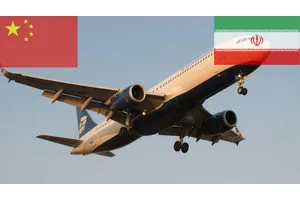
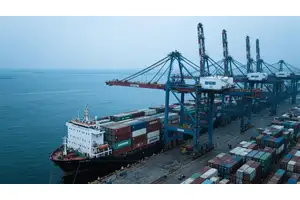
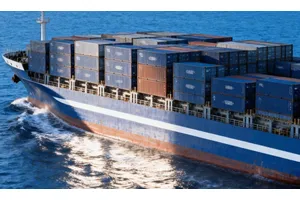
Are you looking to streamline your shipping from Shanghai to Iran but unsure about the best routes, methods, or documentation required? In this comprehensive guide, we’ll uncover the key trade routes, compare major shipping methods like sea freight, air freight, and rail freight, and break down the step-by-step process to ensure your cargo reaches Iran efficiently. Dive in to discover cost estimates, compliance tips, and expert advice for a successful shipping experience.
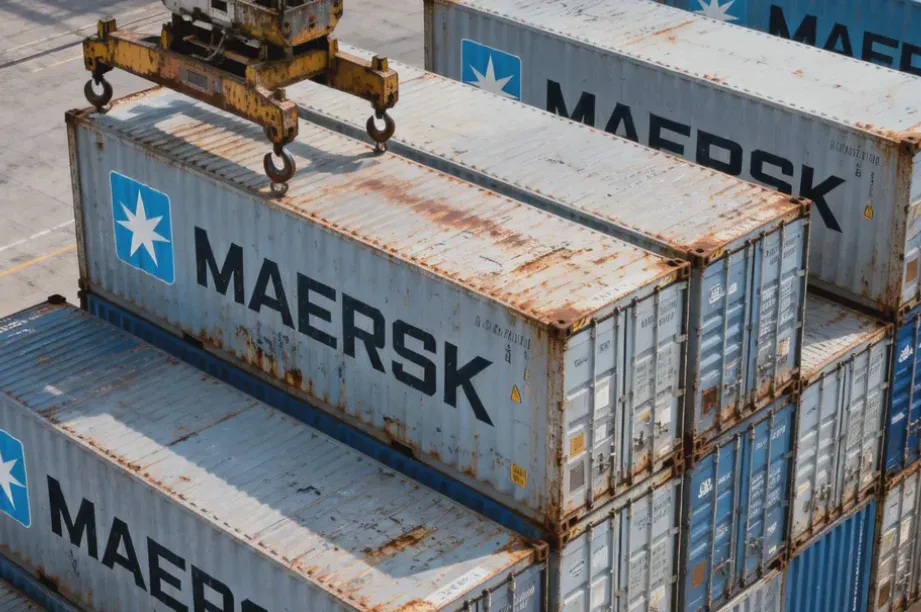
Overview of Shipping from Shanghai to Iran
Shipping from Shanghai to Iran has become increasingly pivotal due to the growing trade relations between China and Iran. As two major economies in Asia, their collaboration has led to increased transportation of a wide range of products—machinery, electronics, textiles, chemicals, and consumer goods—across their borders. Shanghai, as the largest port in China, plays a crucial role in this trade corridor.
Key considerations for businesses planning shipments include understanding the available shipping methods, major trade routes, relevant ports, transit times, costs, and compliance with local regulations. With recent global developments—such as fluctuating fuel prices, evolving international sanctions, and the expansion of the Belt and Road Initiative—the logistics landscape between Shanghai and Iran is constantly evolving. Staying current with these changes is essential for smooth, cost-effective, and compliant shipments.
Key Trade Routes and Major Ports
The main shipping route from Shanghai, China to Iran typically involves multimodal transportation, leveraging both sea and land corridors to maximize efficiency and cost-effectiveness.
Major Ports in Shanghai
- Port of Shanghai: The world’s busiest container port, equipped with advanced cargo handling infrastructure and robust connectivity to domestic and international logistics networks. Almost all Chinese exports heading to Iran originate here.
Major Iranian Ports
- Bandar Abbas (Shahid Rajaee Port): Iran’s primary commercial port on the southern coast, handling over 85% of the country’s containerized imports. It is the main gateway for shipments from China.
- Bandar Imam Khomeini: Another significant deep-sea port, mainly handling bulk commodities and certain containerized cargo.
- Chabahar Port: Strategically located and increasingly relevant for trade bypassing the Strait of Hormuz, especially for cargo destined for eastern and southeastern Iran or transshipment to neighboring countries.
Key Shipping Routes
- Sea Route: The main maritime route runs from the Port of Shanghai, through the South China Sea, Indian Ocean, and enters the Persian Gulf, finally docking at Bandar Abbas or other Iranian ports.
- Overland Belt and Road Initiative (BRI) Corridors: Rail and road links via Central Asia (Kazakhstan, Turkmenistan) have become more viable, especially for time-sensitive or high-value cargo.
- Combined Sea-Rail: Shipments may also transship at intermediate hubs (such as Dubai’s Jebel Ali) before overland transit to Iran.
Table 1: Key Ports and Their Roles
| Port Name | Country | Annual Throughput (TEUs)* | Main Cargo Handled | Typical Role in China-Iran Trade |
|---|---|---|---|---|
| Port of Shanghai | China | 47 million | All (containers, bulk, etc.) | Main export gateway |
| Bandar Abbas (Shahid Rajaee) | Iran | 3.5 million | Containers, bulk, vehicles | Main Iranian import hub |
| Bandar Imam Khomeini | Iran | 800,000 | Bulk, some containers | Bulk shipments, food, raw materials |
| Chabahar | Iran | 100,000 | Containers, multi-purpose | Strategic, development-focused, transshipment option |
*TEUs = Twenty-foot Equivalent Units; figures rounded based on latest public data.
Main Shipping Methods from Shanghai to Iran
Choosing the right transportation method depends on the nature of the goods, urgency, budget, and regulatory factors. Below are the main options for shipping from Shanghai to Iran.
Sea Freight: FCL vs. LCL Options
Sea freight remains the most cost-effective and widely used mode for large-volume shipments.
- FCL (Full Container Load): Ideal for businesses shipping large volumes (over 15-20 CBM). You get exclusive use of a container (20FT, 40FT, 40HQ, or 45HQ). FCL ensures better security, faster transit (less handling), and lower per-unit cost.
- LCL (Less than Container Load): Suited for small to medium shipments (1-15 CBM). Multiple consignments share the same container, allowing cost savings for smaller loads but may involve longer handling times and slightly higher risk of damage.
Table 2: Common Container Types and Capacities
| Container Type | Volume (CBM) | Typical Usage |
|---|---|---|
| 20FT | 28 | Small to medium shipments |
| 40FT | 56 | Medium to large shipments |
| 40HQ | 68 | High-volume, lightweight cargo |
| 45HQ | 78 | Oversized, high-volume cargo |
Pros of Sea Freight:
- Most affordable for bulk and heavy cargo
- Regular sailings, high frequency between Shanghai and Iranian ports
- Can handle a wide variety of goods, including hazardous and oversized items
Cons:
- Longer transit times (typically 20-30 days port-to-port)
- Subject to port congestion, schedule changes, and weather disruptions
Estimated Transit Times (Shanghai to Bandar Abbas):
- FCL: 18-25 days (direct service)
- LCL: 22-30 days (due to additional consolidation/deconsolidation)
For more detailed pricing on different container types, see our guide to 20ft & 40ft Shipping Container Cost from China to Iran.
Air Freight Services and Advantages
Air freight is the fastest method for shipping from Shanghai to Iran, suitable for high-value, urgent, or time-sensitive goods.
- Major Airports: Shanghai Pudong International Airport (PVG) to Tehran Imam Khomeini International Airport (IKA), or other secondary Iranian airports.
- Transit Times: 2-5 days (airport-to-airport), including customs clearance.
- Typical Cargo: Electronics, pharmaceuticals, automotive parts, samples, fashion.
Advantages:
- Speed: Crucial for supply chain continuity and perishable/urgent shipments
- Reliability: Fixed schedules, less affected by seasonal delays
- Security: Lower risk of pilferage/damage
Considerations:
- Higher cost compared to sea or rail
- Weight and size restrictions (charges based on actual or volumetric weight)
- Compliance with aviation safety and packaging regulations
Table 3: Air vs. Sea Freight—Quick Comparison
| Criteria | Air Freight | Sea Freight |
|---|---|---|
| Transit Time | 2-5 days | 18-30 days |
| Cost | 5-10x higher than sea | Most economical |
| Volume | Small to medium shipments | Medium to large shipments |
| Security | High | Moderate |
| Best for | Urgent, high-value items | Bulk, non-urgent cargo |
Rail Freight and Multimodal Transport Solutions
With the increased connectivity brought by the Belt and Road Initiative, rail freight has emerged as a viable alternative between China and Iran, blending the speed of air with the cost-effectiveness of sea.
- Key Rail Route: Shanghai – Xi’an – Urumqi – Kazakhstan – Turkmenistan – Iran (Tehran or Bandar Abbas).
- Transit Time: 15-22 days (door-to-door), faster than sea, much cheaper than air.
- Cargo Types: Electronics, machinery, auto parts, textiles, and other manufactured goods.
Multimodal Transport: Combining sea/rail/road for optimal cost, speed, and coverage. For example, shipping by sea to a hub port (like Bandar Abbas or a UAE port), then overland by truck/rail to the final destination in Iran.
Advantages of Rail and Multimodal:
- Faster than sea, suitable for moderately urgent shipments
- Flexible routes to avoid congested maritime chokepoints
- Eco-friendly with lower carbon footprint than air
Considerations:
- Limited by rail infrastructure and schedules
- Additional handling during transshipment may add risk/cost
- Still subject to cross-border customs procedures
Table 4: Shipping Methods—Summary Comparison
| Mode | Typical Transit Time | Cost Level | Best For | Main Limitations |
|---|---|---|---|---|
| Sea (FCL) | 18-25 days | Lowest | Bulk, high-volume, non-urgent | Slowest |
| Sea (LCL) | 22-30 days | Low | Small cargo, cost-sensitive | Additional handling time |
| Air Freight | 2-5 days | Highest | Urgent, high-value | Expensive, size/weight capped |
| Rail Freight | 15-22 days | Medium | Medium-urgent, cost-conscious | Infrastructure dependent |
| Multimodal | Variable | Variable | Complex routes, customized needs | Coordination complexity |
You may also be interested in regional logistics, such as Shipping From ShenZhen to Iran.
Step-by-Step Shipping Process from Shanghai to Iran
Booking and Documentation Requirements
The shipping process from Shanghai to Iran begins with proper booking and documentation. This stage is critical for a smooth and efficient logistics operation. Here’s a step-by-step overview:
1. Cargo Booking
- Choose your preferred shipping method: Sea Freight (FCL/LCL), Air Freight, or Rail & Multimodal Transport.
- Contact a reliable freight forwarder, such as DTFU International Logistics Co.,Ltd, to secure cargo space and receive a tailored quotation.
- Confirm shipment details: cargo type, volume, weight, and destination (Iranian ports like Bandar Abbas or Imam Khomeini Port).
2. Essential Documentation To comply with both Chinese export and Iranian import regulations, the following documents are typically required:
| Document Name | Purpose | Issued By |
|---|---|---|
| Commercial Invoice | Proof of sale and value declaration | Exporter/Seller |
| Packing List | Details on packaging and cargo contents | Exporter/Seller |
| Bill of Lading (B/L) or AWB | Transport contract and receipt | Shipping Line/Airline |
| Export Customs Declaration | Clearance for export from China | Exporter (via customs broker) |
| Certificate of Origin (if required) | Proof of goods’ origin | Exporter/Chamber of Commerce |
| Import License (if required) | Authorization for certain goods in Iran | Iranian Authorities |
| Insurance Certificate (optional but recommended) | Cargo protection | Insurance Company |
Expert Tip: DTFU International Logistics offers one-stop documentation and customs clearance support to ensure compliance and minimize risk of delays.
Cargo Packing, Labeling, and Handling
Proper cargo packing, labeling, and handling are key to protecting your goods during the long journey from Shanghai to Iran. Here’s what to consider:
1. Packing Standards
- Use strong, export-grade materials for cartons, pallets, and containers.
- For FCL (Full Container Load): Ensure optimal use of container space (20FT: 28CBM, 40FT: 56CBM, 40HQ: 68CBM, 45HQ: 78CBM).
- For LCL (Less-than-Container Load): Cargo must be securely crated or palletized to prevent damage and facilitate consolidation.
2. Labeling Requirements
-
All packages must display clear shipping marks:
- Consignee and consignor details
- Destination port in Iran
- Gross and net weight, measurements
- Handling symbols (fragile, upright, etc.)
-
For hazardous materials, follow IMDG (International Maritime Dangerous Goods) Code labeling.
3. Handling Best Practices
- Employ skilled labor and certified handling equipment, especially for oversized, fragile, or sensitive cargo.
- Use moisture-proofing for electronics or humidity-sensitive goods.
- DTFU International Logistics provides comprehensive packing and warehousing services in Shanghai, ensuring global standards and cargo safety.
Customs Clearance Procedures in China and Iran
1. China Export Customs
- Submit all required export documents (see above).
- Pay applicable export duties (most general cargo is duty-free).
- Inspections may be conducted for certain commodities or random checks.
- Clearance time: 1–2 working days if documents are complete.
2. Iran Import Customs
- Present original shipping documents to Iranian authorities.
- Declare cargo as per Iranian import regulations, complying with sanctions and restricted items list.
- Payment of customs duties, VAT, and other local taxes as applicable.
- Additional inspections for specific goods (e.g., food, chemicals).
- Clearance time: 2–5 working days, depending on cargo type and completeness of paperwork.
Important Note: Due to international sanctions, some items require special permits or may be prohibited. Consulting a professional freight forwarder like DTFU International Logistics Co.,Ltd ensures up-to-date compliance and risk mitigation.
Estimated Transit Times and Costs
Typical Shipping Times by Different Modes
Transit times depend on shipping method, routing, and customs efficiency. See the comparative table below for reference:
| Shipping Mode | Typical Transit Time (Shanghai → Iran) | Notes |
|---|---|---|
| Sea Freight (FCL/LCL) | 18–28 days | Via Bandar Abbas port; includes transshipment |
| Air Freight | 3–7 days | To Tehran Imam Khomeini Int’l Airport, fastest |
| Rail Freight / Multimodal | 15–22 days | Via China–Kazakhstan–Iran rail corridors |
| Express Courier | 3–6 days | Higher cost, for small parcels |
Remarks: Weather conditions, holiday congestion, and customs clearance can affect actual transit times.
For reference on overall shipping times to Iran, check out this overview of Shipping time from China to Iran.
Factors Influencing Freight Rates and Total Cost
The total cost of shipping from Shanghai to Iran is determined by several variables:
- Shipping Mode: Sea is most cost-effective for bulk, air is premium-priced for urgency.
- Cargo Volume & Weight: Larger and heavier shipments attract higher base rates, but benefit from economies of scale.
- Container Type: 20FT, 40FT, 40HQ, or special equipment (OOG, Reefer).
- Seasonality: Peak seasons (pre-Chinese New Year, Ramadan) can increase rates due to demand surges.
- Fuel Surcharges: Fluctuate with global oil prices.
- Port Charges and Local Fees: Both at Shanghai and Iranian ports.
- Customs Duties & Taxes: Based on cargo classification and declared value in Iran.
- Insurance: Optional but recommended for high-value shipments.
- Special Handling/Service: Dangerous goods, temperature control, or door-to-door delivery.
Sample Sea Freight Cost Estimation (January 2026, indicative):
| Container Type | Estimated Rate (Shanghai → Bandar Abbas) | Remarks |
|---|---|---|
| 20FT FCL | USD 1,450~2,050 | All-in, subject to change |
| 40FT FCL | USD 2,650~3,350 | All-in, subject to change |
| LCL | USD 60~90/CBM | Minimum charges may apply |
Please note: These are reference rates. For a precise quotation, contact DTFU International Logistics with shipment details.
For more insights on the overall cost structure, you can read Shipping Cost from China to Iran.
Essential Shipping Documents and Compliance
Required Export and Import Documentation
When shipping from Shanghai to Iran, ensuring that your paperwork is accurate and complete is essential for successful, delay-free transport. Both Chinese and Iranian customs authorities enforce strict documentation requirements to comply with international trade regulations and sanctions.
Below is a summary table of the key documents typically required for this shipping route:
| Document Name | Issued By | Purpose | Notes |
|---|---|---|---|
| Commercial Invoice | Exporter (Seller) | Details transaction value, goods description for customs | Must include HS code, Incoterms, and currency |
| Packing List | Exporter | Itemizes goods, package type, quantity, and weight | Essential for customs inspection |
| Bill of Lading (B/L) | Shipping Line/Freight Forwarder | Serves as a contract of carriage and a receipt of goods | Sea Freight: Negotiable or non-negotiable; Air Freight: Air Waybill (AWB) |
| Certificate of Origin | Chamber of Commerce | Verifies country of origin for customs and import regulations | May be required for preferential tariffs |
| Export License | Chinese Authorities | Authorizes export of restricted goods | Only for controlled items |
| Import License | Iranian Authorities | Authorizes import of specific/restricted goods | Applies to certain categories (e.g. electronics) |
| Insurance Certificate | Insurance Provider | Proof of cargo insurance coverage | Strongly recommended for high-value shipments |
| Customs Declaration | Exporter/Agent | Official declaration for customs clearance | Electronic or paper, as per each country’s system |
| Special Permits | Authorities (if needed) | For hazardous, dual-use, or sensitive goods | Check latest regulations |
Note: For consolidated shipments (LCL) or Amazon FBA, additional documentation may be required. Always verify with your trusted freight forwarder, such as DTFU International Logistics Co.,Ltd, for the latest document checklist.
Navigating Iran’s Import Regulations and Sanctions
The Islamic Republic of Iran maintains unique import regulations. Additionally, it remains subject to international sanctions, which can impact the importation of certain goods, payment methods, and logistics operations. Here are crucial points to consider:
1. Sanction Compliance
- Sanctioned Items: Many dual-use items, advanced technologies, and certain chemicals are either outright banned or require special permits.
- Payment Restrictions: Due to banking sanctions, traditional wire transfers and Letters of Credit may not always be available. Iranian importers and exporters often rely on alternative payment channels such as third-country banks or barter arrangements.
- Carrier Restrictions: Some major shipping lines do not call at Iranian ports due to sanctions. It’s critical to confirm available carriers with your forwarder.
2. Customs and Import Approvals
- NIMA System: Iran's NIMA foreign exchange system is used for importers to register and obtain foreign currency allocations for imports.
- Import License & Pre-Approval: Many goods require pre-approval by Iranian authorities. This process can take additional time and may require submission of product test certificates or conformity assessments.
- Product Standards: All goods must comply with Iranian national standards, and safety or hygiene certificates (e.g., for food, pharmaceuticals) may be required.
3. Recent Regulatory Trends (2026)
- Increased scrutiny on electronic goods, consumer electronics, and automotive parts.
- Emphasis on obtaining Certificate of Conformity for regulated product categories.
- Ongoing updates to the list of prohibited or restricted imports due to evolving sanctions and local policy.
Expert Tip: Work closely with a professional freight forwarder like DTFU International Logistics Co.,Ltd to navigate these compliance complexities. We continuously monitor regulatory changes and guide our clients through secure, lawful, and efficient shipping processes.
Tips for Choosing a Reliable Freight Forwarder
Selecting the right freight forwarder is crucial for successful shipping from Shanghai to Iran. Here are expert-recommended criteria and why DTFU International Logistics Co.,Ltd stands out:
1. Experience and Local Expertise
- Ensure your forwarder has a proven track record in shipping to Iran, understands both Chinese and Iranian customs, and keeps up with current sanctions and regulations.
- DTFU International Logistics Co.,Ltd has over a decade of experience in this corridor, providing tailored solutions for complex shipments.
2. Comprehensive Service Portfolio
-
A one-stop logistics provider simplifies your supply chain. Look for services such as:
- Sea Freight (FCL, LCL, OOG, Breakbulk)
- Air Freight
- Rail & Multimodal Logistics
- Door to Door Delivery
- Amazon FBA Shipments
- Consolidated Freight
- Cargo Insurance
- Warehousing and Customs Clearance
-
DTFU International Logistics Co.,Ltd covers all these services, ensuring seamless coordination.
3. Transparency and Communication
- Reliable forwarders offer transparent pricing, clear documentation guidance, and real-time tracking.
- At DTFU, we prioritize proactive communication, keeping you informed at each step.
4. Compliance and Risk Management
- The right partner will advise you on compliance, minimizing cargo delays or regulatory penalties.
- Our team stays updated on Iran’s import regulations, ensuring your shipment remains compliant.
5. Competitive Pricing
- Balance cost with service quality. Avoid suspiciously low rates that might signal hidden fees or poor service.
- DTFU offers cost-effective solutions with no compromise on professionalism or reliability.
6. Customer Support and Problem Solving
- Evaluate after-sales support and the ability to handle unexpected issues (e.g., customs holds, rerouting).
- Our experienced support team is available for consultation throughout your shipping process.
In summary: Choose a licensed, knowledgeable, and responsive partner like DTFU International Logistics Co.,Ltd for a smooth shipping experience from Shanghai to Iran.
FAQs
Q1: How long does it take to ship from Shanghai to Iran by sea and air?
A: Typical sea freight transit times are 18-28 days, depending on the destination port (e.g., Bandar Abbas). Air freight is much faster, generally 3-7 days, but is more expensive. For urgent shipments, multimodal (sea+air) may be considered.
Q2: How do international sanctions affect my shipment from China to Iran?
A: Sanctions primarily impact dual-use goods, financial transactions, and specific shipping lines. However, legitimate civil trade (consumer goods, general machinery) is permitted. DTFU ensures your cargo complies with all regulations to avoid seizure or delays.
Q3: What is the shipping price for a 40ft container from Shanghai to Iran?
A: A 40ft FCL typically costs between USD 2,650 and USD 3,350. Since it offers double the volume of a 20ft container for less than double the price, it is the most cost-effective choice for bulky furniture, textiles, or general merchandise.
- FCL (Full Container Load): You book an entire container (20ft, 40ft, 40HQ, or 45HQ), recommended for larger shipments.
- LCL (Less than Container Load): Your cargo shares space with other shippers. Suitable for smaller volumes and cost-effective, but may involve additional handling time.
Q5: Do you offer Door-to-Door (DDP) shipping services to Iran?
A: Yes. Our DDP service is one of our most popular solutions. We handle pickup, export clearance in Shanghai, freight, import clearance in Iran (paying duties/taxes), and final delivery to your warehouse in Tehran or other cities.
Q6: What documents are critical for smooth customs clearance at Bandar Abbas?
A: To avoid delays, you must provide a precise Commercial Invoice, Packing List, Bill of Lading, and often a Certificate of Origin. For specific goods, an inspection certificate or standard compliance documents may be required.
Q6: What’s the best way to track my shipment?
A: We offer advanced shipment tracking and regular status updates for peace of mind.
Q8: What is the most cost-effective way to ship small vs. large volumes?
A: For shipments under 100kg, express courier or air freight is best. For 100kg-500kg, LCL sea freight or rail balances cost and speed. For over 15CBM, FCL sea freight offers the lowest per-unit cost.
If you're also interested in shipping to nearby regions, see our article on Shipping container from china to Iraq.
Still have questions? Contact Ivan Chan at DTFU International Logistics Co.,Ltd for personalized advice and a free shipping quote tailored to your needs!