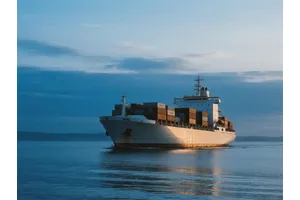
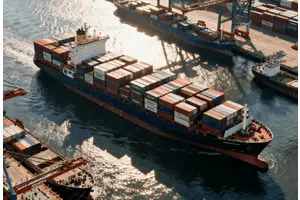
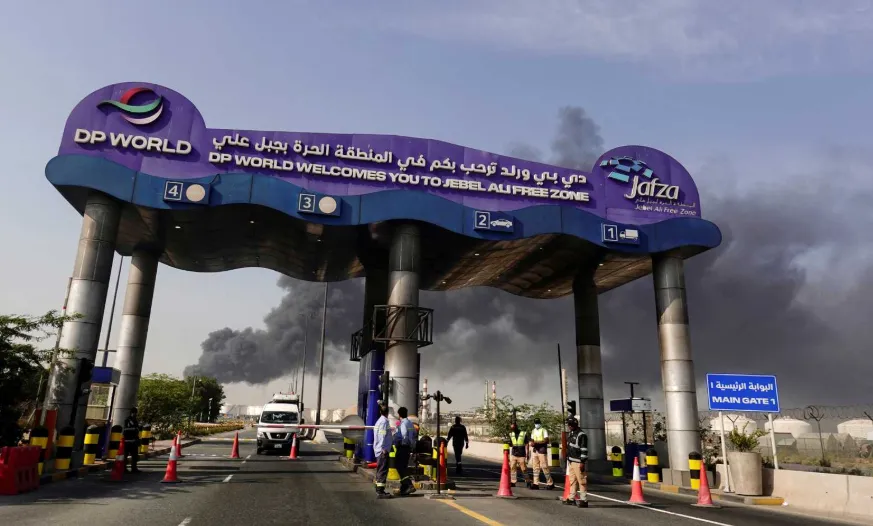
On March 1, 2026, operations at Jebel Ali Port were suspended following a fire reportedly triggered by debris from intercepted missiles or drones amid escalating regional tensions. As the largest container port in the Middle East and a primary transshipment hub linking Asia, Europe, and Africa, any disruption at Jebel Ali immediately reverberates across global supply chains.
For freight forwarders, this is not simply a news event—it is a stress test of operational resilience, risk management capability, and strategic advisory competence.
Why Jebel Ali Matters to Global Logistics
Operated by DP World, Jebel Ali handles millions of TEUs annually and serves as:
- A gateway for GCC imports and re-exports
- A consolidation and redistribution hub for East Africa
- A critical relay point for Asia–Middle East–Europe trade corridors
- A strategic node supporting oil, petrochemical, construction, and consumer goods flows
Its geographic position near the Strait of Hormuz gives it unmatched regional connectivity—but also exposes it to geopolitical volatility.
When a hub of this scale pauses operations, the effects extend far beyond local cargo. Schedule integrity collapses. Equipment cycles are interrupted. Feeder networks destabilize. Insurance premiums spike. Freight rates become volatile.
Immediate Operational Impact on Freight Forwarders
Booking Suspensions and Capacity Shock
Major carriers, including Mediterranean Shipping Company, announced temporary suspension of bookings to certain Middle East destinations. For freight forwarders, this creates:
- Contractual exposure with shippers
- Rebooking pressure across alternative ports
- Spot rate inflation due to constrained capacity
- Increased blank sailings and rolling risk
Forwarders without diversified carrier relationships are particularly vulnerable during such disruptions.
Network Imbalance and Equipment Shortage
A port shutdown disrupts:
- Container repositioning flows
- Feeder vessel connections
- Inland trucking cycles
- Customs clearance scheduling
Empty container shortages can quickly emerge in origin markets, particularly in China and Southeast Asia, if turnaround cycles are interrupted.
This leads to cascading effects: detention charges, storage accumulation, delayed export cut-offs, and increased demurrage exposure.
Insurance and War Risk Premiums
In a conflict-adjacent environment, war risk surcharges and insurance premiums rise rapidly. Freight forwarders must evaluate:
- Whether cargo insurance includes war and strike coverage
- Carrier-imposed emergency surcharges
- Contract clauses related to force majeure
- Liability exposure under multimodal transport terms
Risk transfer mechanisms become just as important as transport planning.
Structural Lessons for the Freight Forwarding Industry
This incident underscores several structural realities about modern logistics.
Geopolitical Risk Is Now Operational Risk
Freight forwarding is no longer merely about freight movement—it is about geopolitical risk navigation.
Strategic chokepoints such as:
- The Strait of Hormuz
- The Red Sea corridor
- The Suez Canal
- Eastern Mediterranean gateways
are increasingly vulnerable to regional escalation. A single interception event can trigger multi-day or multi-week logistical paralysis.
Forwarders must integrate geopolitical intelligence into routing decisions—not react after disruption occurs.
Overreliance on Mega-Hubs Increases Systemic Fragility
Jebel Ali’s dominance highlights a broader issue: global trade is concentrated in a limited number of mega-hubs.
When such a hub stalls, alternative ports often lack:
- Comparable berth productivity
- Adequate yard capacity
- Sufficient feeder connectivity
- Scalable customs throughput
Forwarders must design routing strategies that incorporate secondary hub contingency planning, even if those options appear less cost-efficient under normal circumstances.
Strategic Response Framework for Freight Forwarders
In light of the Jebel Ali disruption, freight forwarders should adopt a structured response model:
Diversified Routing Architecture
Instead of single-port routing dependence, develop multi-port routing matrices:
- UAE alternatives (e.g., Abu Dhabi)
- Saudi Arabian gateways
- Omani ports
- Direct-to-destination services bypassing transshipment hubs
This requires pre-negotiated rate structures and operational familiarity before crises emerge.
Flexible Carrier Portfolio Management
Maintain diversified carrier relationships across alliances. During disruptions:
- Capacity reallocations favor strategic partners
- Space protection depends on volume leverage
- Contract stability reduces spot market exposure
Forwarders must manage carrier relationships as strategic assets, not transactional arrangements.
Advanced Client Advisory Role
Modern freight forwarders must move beyond execution toward strategic advisory:
- Risk mapping by trade lane
- Scenario planning for political escalation
- Inventory positioning recommendations
- Buffer stock strategy consultation
- Contractual clause review support
Clients increasingly expect logistics partners to provide foresight—not just tracking updates.
Real-Time Monitoring and Digital Visibility
Disruption response speed determines competitive advantage. Investments in:
- Real-time vessel tracking
- Predictive ETA modeling
- Automated alert systems
- Integrated TMS dashboards
enable forwarders to proactively notify clients and present alternatives before congestion compounds.
Broader Implications for China–Europe–Middle East Trade
For companies trading between China, Europe, and the Middle East, Jebel Ali plays a pivotal relay role. Disruptions may lead to:
- Increased transit times
- Higher freight rates
- Insurance cost escalation
- Greater reliance on direct sailings
- Temporary modal shifts (e.g., partial air freight substitution for urgent cargo)
Forwarders specializing in Asia–Europe corridors must now integrate Middle East risk analysis into broader Eurasian planning frameworks.
Conclusion
When Jebel Ali burns, the lesson is clear: global supply chains remain structurally exposed to geopolitical shock.
For freight forwarders, the competitive landscape is evolving. The winners will be those who:
- Anticipate geopolitical volatility
- Design diversified routing ecosystems
- Build strong carrier alliances
- Advise clients strategically
- Invest in visibility and risk intelligence
In a world where logistics hubs can be disrupted overnight, resilience is no longer optional—it is the defining capability of modern freight forwarding.
The Jebel Ali incident is not an isolated disruption. It is a signal of the era ahead.