Are you holding a factory quote for lithium batteries and still unsure whether the cargo can be booked at all — or what the dangerous-goods paperwork will add before it moves? This guide covers what decides the outcome in 2026: the classification that sets every other rule, the state-of-charge limits that became mandatory in January, the certificates Chinese customs inspects at the factory, which carriers accept the booking, and what the DG premium adds to your freight bill.
Which UN Number Applies to Your Lithium Batteries — and Why It Sets Every Other Rule
Everything downstream follows from the UN number and the section inside the packing instruction: carrier acceptance, packaging, labels, documents and price. A compliant box carrying the wrong UN number is still a misdeclaration.
| UN number | What it covers | Air packing instruction | Typical China export |
|---|---|---|---|
| UN3480 | Lithium-ion cells or batteries shipped alone | PI 965, cargo aircraft only | Power banks, spare packs, e-bike batteries, storage modules |
| UN3481 | Lithium-ion packed with, or contained in, equipment | PI 966 / PI 967 | Tools with a spare pack, laptops, scooters with the battery fitted |
| UN3090 | Lithium metal shipped alone | PI 968, cargo aircraft only | Coin cells, primary packs for industrial equipment |
| UN3091 | Lithium metal packed with or contained in equipment | PI 969 / PI 970 | Sensors, meters, medical devices |
| UN3551 / UN3552 | Sodium-ion cells or batteries, alone or with equipment | PI 965-equivalent / 966–967 | Sodium-ion storage, a chemistry now moving on this lane |
| UN3556 | Vehicles powered by lithium-ion batteries | PI 952 | E-scooters, e-bikes, electric cars |
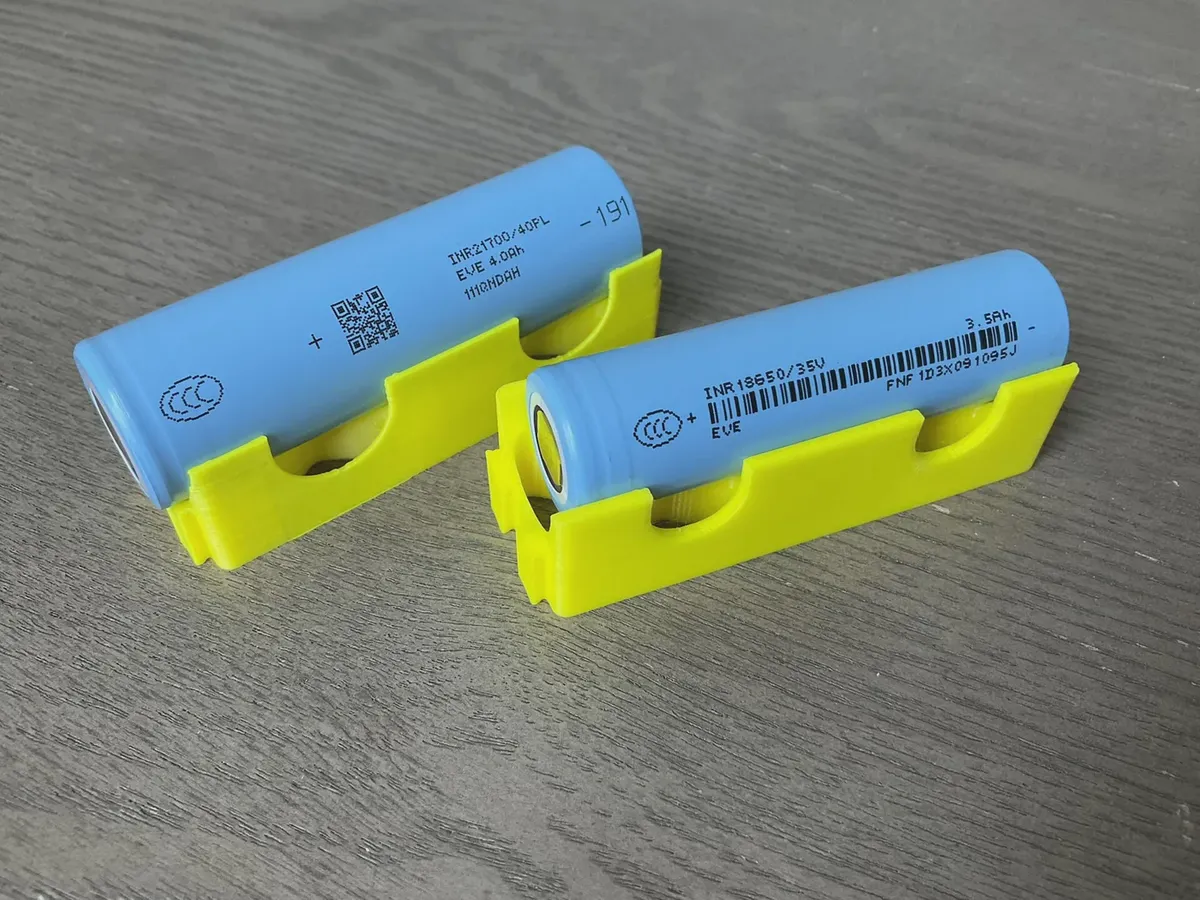
Two thresholds decide whether the cargo is fully regulated. Under special provision 188, a cell rated at 20 Wh or less and a battery rated at 100 Wh or less can move under the lithium battery mark instead of full Class 9 treatment, in a package of 30 kg gross or less that survives a 1.2 m drop test. Above 100 Wh per battery — most e-bike packs, every storage module and every power station worth exporting — the shipment is fully regulated and needs a carrier that has agreed to take it.
The recurring error is classifying the product rather than the battery. A carton holding a 98 Wh pack beside a 120 Wh pack is a fully regulated carton; the smallest item does not set the rule. The 2026 version is sodium-ion cargo moving on lithium paperwork because the factory's test report covers a lithium cell. Sodium-ion has its own entries, and a wrong UN number fails at the carrier review, before anyone opens a box.
What Changed on 1 January 2026: the 30% State of Charge Rule and IMDG 42-24
Two regulatory clocks started on the same date.
| Configuration | UN number and packing instruction | State of charge from 1 January 2026 |
|---|---|---|
| Batteries shipped alone | UN3480, PI 965 | 30% maximum, mandatory |
| Packed with equipment, Section I | UN3481, PI 966 Section I | 30% maximum, mandatory |
| Packed with equipment, Section II above 2.7 Wh | UN3481, PI 966 Section II | 30% maximum, mandatory |
| Packed with equipment, Section II up to 2.7 Wh | UN3481, PI 966 Section II | 30% recommended only |
| Contained in equipment | UN3481, PI 967 | 30%, or 25% indicated capacity, recommended |
| Battery-powered vehicles above 100 Wh | UN3556, PI 952 | 30%, or 25% indicated capacity, mandatory |
The 30% cap on standalone lithium-ion batteries is a decade old. What the 67th edition of the IATA Dangerous Goods Regulations changed — aligned with the ICAO Technical Instructions for 2025–2026 — is that it now reaches batteries packed with equipment, so the spare pack travelling in the same box as the tool is capped as well. Shipping above the cap needs approval under special provision A331 from both the state of origin and the state of the operator, which is a process measured in weeks and rarely granted for commercial volumes.
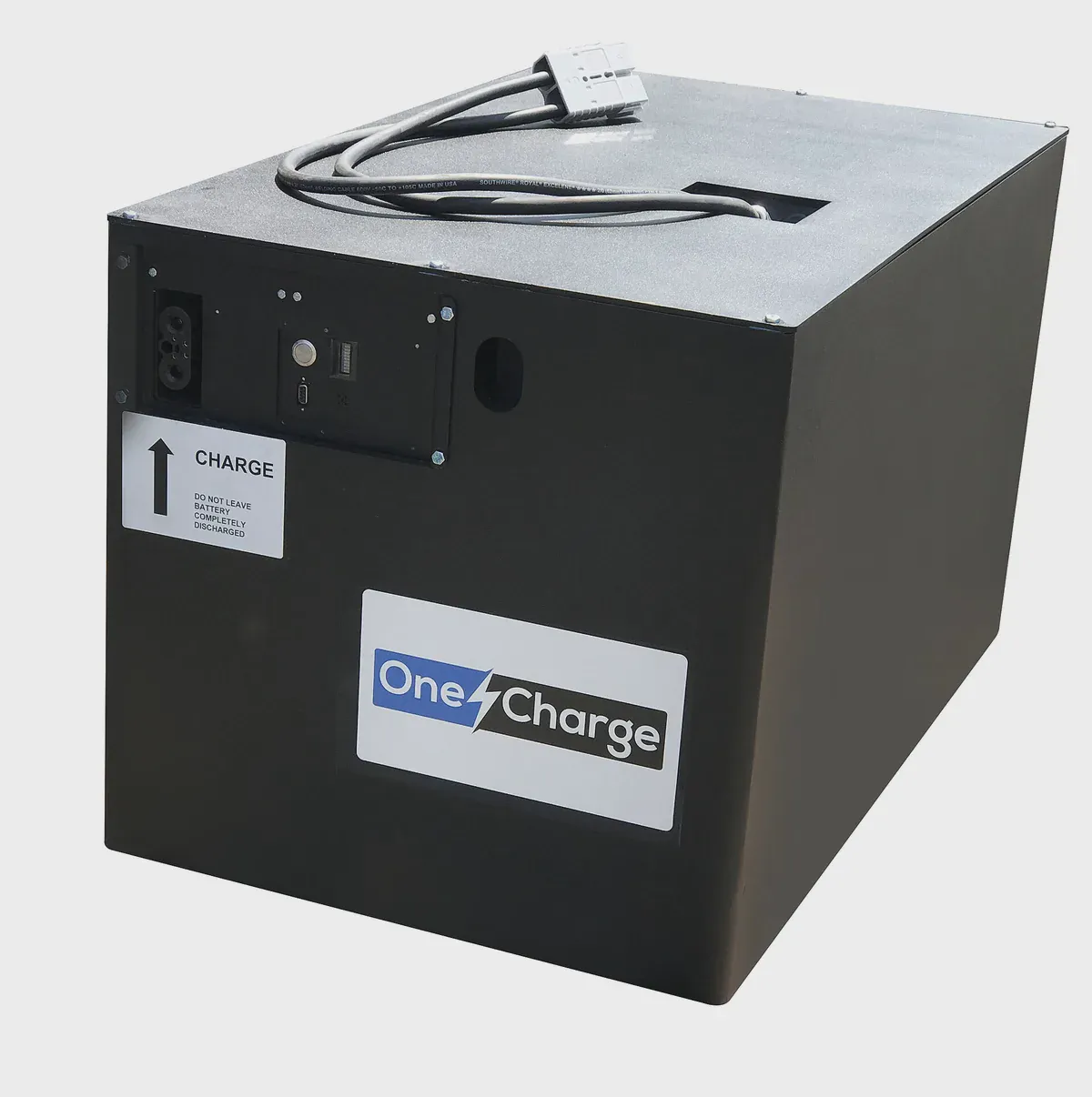
The consequence lands on the production line. Cells leave a factory at a storage charge of 50–60%, healthy for the cells and fatal for an air booking. The declaration certifies the state of charge, carriers spot-check with a multimeter, and the only evidence that survives an audit is a per-serial BMS log. A supplier who answers "we will write 30% on the documents" is telling you the paperwork will not match the cells.
At sea, IMDG Amendment 42-24 became mandatory on 1 January 2026 after a year of voluntary application. Adopted in May 2024 as resolution MSC.556(108), it keeps the same UN numbers and special provisions as the air rules. It imposes no blanket 30% cap the way air does, but carriers increasingly ask for state of charge on used packs and high-energy modules. The second date to diarise is 31 December 2026: lithium battery marks printed with a telephone number stop being accepted, so carton artwork still carrying one has to be replaced this quarter.
UN38.3, the SDS and the DG Packaging Certificate Chinese Customs Actually Inspects
UN38.3 refers to section 38.3 of the UN Manual of Tests and Criteria: eight tests covering altitude simulation, thermal cycling, vibration, shock, external short circuit, impact and crush, overcharge and forced discharge. The report belongs to the cell and battery design, not to your order, and the manufacturer must make a test summary available on request. Change the cell supplier or the BMS protection limits and the report is no longer yours. For air, Chinese labs issue a transport condition identification report alongside it, typically valid until 31 December of the year it was issued — which is why a January shipment starts with a document refresh rather than a booking.
For sea export, China requires the dangerous goods packaging certificate that shippers call the weibao zheng. The name hides two documents. The first is a packaging performance certificate issued to the carton manufacturer, carrying a UN mark such as 4G/Y with the year of manufacture, typically valid for twelve months of production. The second is the use appraisal result sheet, issued by customs after an on-site inspection of the packed goods: battery model, inner packaging, short-circuit protection, label dimensions measured with a rule, gross weight on a scale, cushioning thickness, carton numbers cross-checked against the filing. That inspection is specific. A certificate obtained for another model, another factory's carton or another customs district does not transfer.
Timelines are where first orders die. From zero, expect four to six weeks for UN38.3, one to two weeks for the SDS and identification report, then two to three weeks from application to the on-site inspection — eight to ten weeks before the cargo is bookable. Ask the supplier for its most recent certificate during the quotation stage: a factory holding one for the exact pack you are buying has just removed the largest schedule risk from the project.
Shipping Lithium Batteries from China by Sea: FCL, LCL and the DG Cut-Off
Sea carries most battery tonnage — the sea freight desk books Class 9 weekly — and the constraints are administrative before they are physical.
A full container of Class 9 cargo needs approval from the carrier's dangerous goods desk, usually five to ten working days ahead of the vessel, plus a dangerous goods declaration, a container packing certificate, segregation from incompatible cargo, and a 24-hour emergency number registered with a response organisation such as CHEMTREC or CANUTEC. Lines also cap what they carry: Matson does not accept full containers of UN3480 or UN3090 at all, takes them only alongside other cargo, and limits those consignments to 20,000 lb per 20ft and 30,000 lb per 40ft. Used batteries have their own regime: Maersk's booking policy of 31 March 2026 requires commodity code 002808, Packing Group II packaging, one unit per outer package where a battery exceeds 30 kg, no jerricans or bags, and the state of charge, photographs and intended end use supplied at booking.
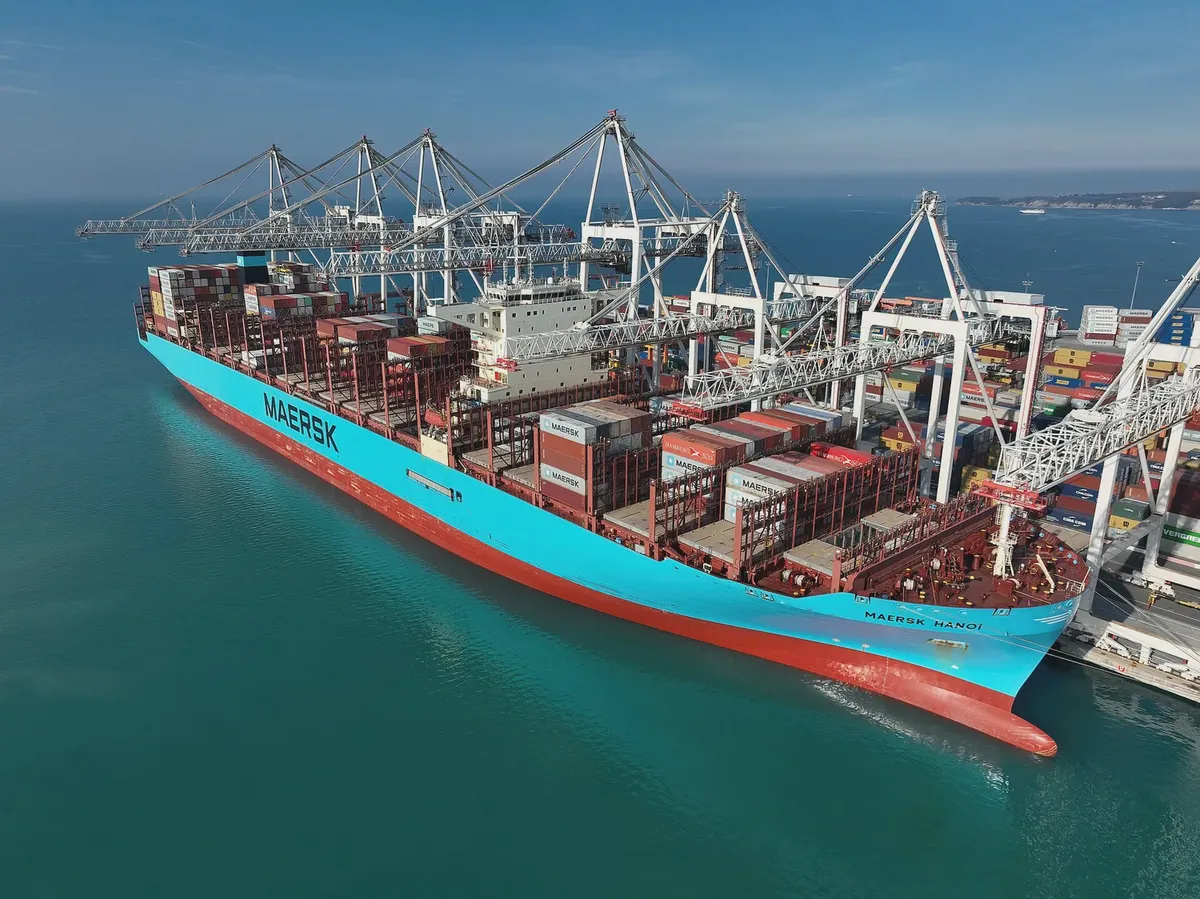
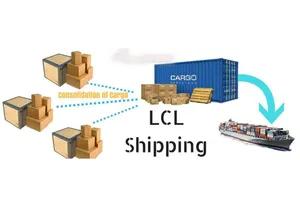
LCL is narrower. Only a DG-licensed CFS can receive the cargo, and not every consolidator will co-load UN3480 — many take it only on fixed weekly DG sailings, in boxes that carry nothing else regulated. Cut-off is 24–48 hours earlier than general cargo, and the real constraint is a per-vessel DG slot allocation: a perfect booking can still be rolled because the ship's dangerous goods allowance is full. One missed slot costs a week, which is the most expensive line on a battery shipment that nobody quotes. Transit on the main lanes, with the DG time added before sailing:
| Lane | Sea FCL | Sea LCL | DG time added before sailing |
|---|---|---|---|
| Northern Europe | 28 – 36 days | 32 – 42 days | 7 – 10 days |
| US West Coast | 16 – 22 days | 20 – 28 days | 5 – 8 days |
| US East Coast | 28 – 36 days | 32 – 42 days | 7 – 10 days |
| Middle East | 18 – 28 days | 22 – 32 days | 5 – 8 days |
| Australia | 16 – 26 days | 20 – 30 days | 7 – 12 days |
| South America and Africa | 28 – 48 days | 32 – 52 days | 7 – 14 days |
Shipping Lithium Batteries from China by Air — and What Express Couriers Take
Standalone lithium-ion batteries are forbidden on passenger aircraft; UN3480 and UN3090 travel only on cargo aircraft, under PI 965 and PI 968. The weight caps decide whether the cargo is air freight at all: Section IA allows 35 kg net per package in UN specification packaging, Section IB allows 10 kg net, and batteries packed with equipment under PI 966 Section II are limited to 5 kg net per package. A 250 kg pallet of storage modules is not air cargo, whatever the schedule says.
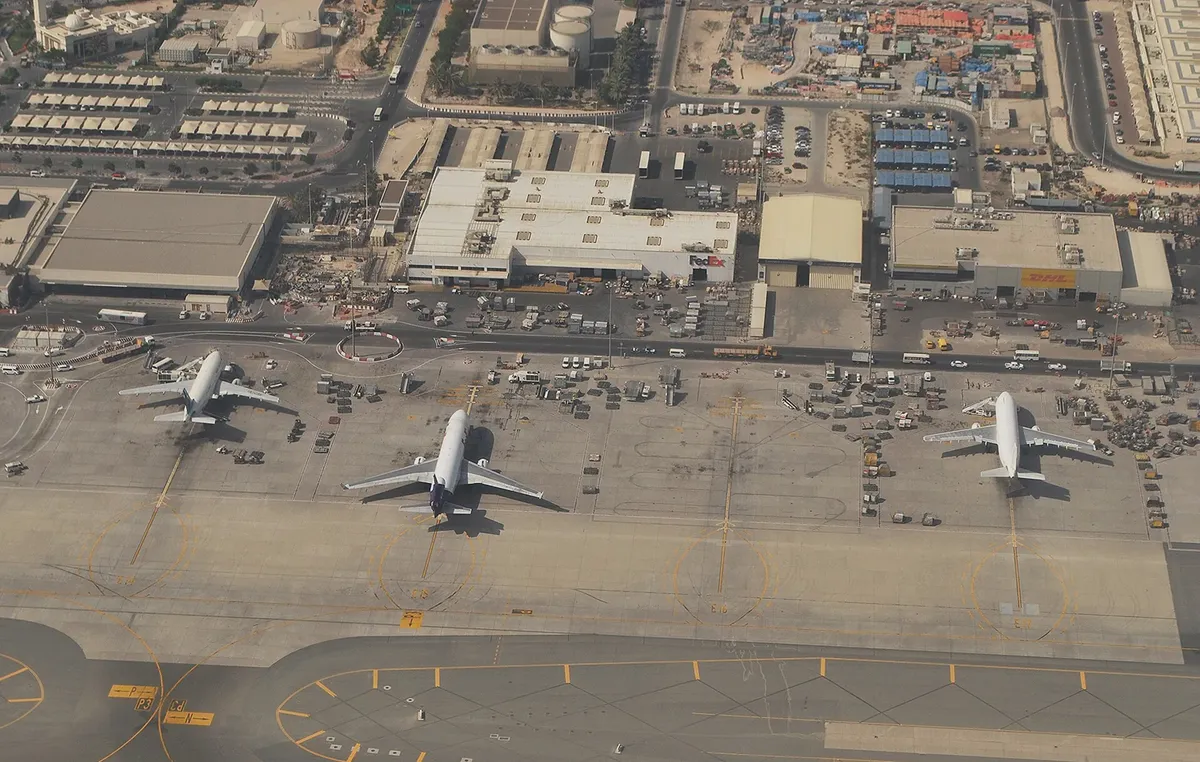
Every air shipment needs a shipper's declaration for dangerous goods signed by IATA-trained personnel, the Class 9 label, the cargo aircraft only label, and a state of charge inside the cap. Air is for samples, prototypes, warranty replacements and the one pallet that keeps a production line running — the air freight and express comparison covers where the two modes cross over.
Express couriers are a different product with a different rule set, and this is where small importers get caught. DHL, FedEx and UPS accept batteries contained in equipment and small batteries packed with equipment under Section II, subject to account approval — DHL runs it through its Account Approval System. Standalone batteries are tighter: PI 965 Section IB is accepted only on approved accounts and often refused outright. The trap is the power bank, which looks like an accessory and classifies as UN3480, standalone, because it is not powering anything during the flight.
Couriers reject on the label before they reject on the battery: a shipment declared as "electronics, no battery" that turns out to contain a power bank puts the account at risk.
Cost of Shipping Lithium Batteries from China: DG Rates by Mode and Region
The DG premium is not one fee; it is four. A documentation and compliance charge per shipment, a dangerous goods surcharge per container, a DG handling rate at the origin warehouse, and the cost of the delay when a slot is missed. Insurance belongs in the same conversation: declare the class up front, because a thermal event on undeclared dangerous goods is exactly the claim an underwriter will decline — the cargo insurance guide explains how that loading works.
These are the bands DTFU Logistics is quoting out of Shenzhen, Ningbo and Shanghai in October 2026, with the DG column showing what Class 9 adds.
| Destination region | LCL all-in per CBM, general cargo | LCL all-in per CBM, UN3480 | 20GP DG, port to port | 40HQ DG, port to port |
|---|---|---|---|---|
| Northern Europe — Rotterdam, Hamburg, Antwerp | $110 – $195 | $145 – $270 | $1,450 – $2,150 | $2,550 – $3,700 |
| United Kingdom — Felixstowe, Southampton | $115 – $205 | $150 – $280 | $1,550 – $2,300 | $2,700 – $3,900 |
| US West Coast — Los Angeles, Long Beach | $175 – $290 | $210 – $370 | $3,550 – $4,650 | $5,650 – $7,000 |
| US East Coast and Gulf — New York, Savannah | $195 – $320 | $235 – $400 | $4,150 – $5,350 | $6,400 – $8,000 |
| Middle East — Jebel Ali, Dammam, Hamad | $125 – $220 | $160 – $290 | $1,250 – $1,650 | $2,250 – $3,000 |
| Australia and New Zealand — Sydney, Melbourne | $130 – $235 | $165 – $300 | $1,600 – $2,300 | $2,800 – $4,000 |
| South America — Santos, Buenos Aires, Callao | $180 – $330 | $220 – $420 | $2,750 – $3,900 | $4,600 – $6,400 |
| Africa — Lagos, Mombasa, Durban, Tema | $185 – $320 | $225 – $400 | $3,750 – $5,150 | $4,750 – $6,850 |
Air runs on a different curve, because only part of the capacity will quote the cargo at all.
| Destination | Air per kg, general cargo, 100–499 kg | Air per kg, UN3480 | Express per kg, Section II |
|---|---|---|---|
| Europe | $5.50 – $9.00 | $8.00 – $13.00 | $9 – $16 |
| United States | $5.50 – $9.00 | $8.00 – $14.00 | $10 – $18 |
| Middle East | $4.50 – $7.50 | $7.00 – $11.00 | $9 – $15 |
| Australia | $6.00 – $9.50 | $8.50 – $13.50 | $10 – $17 |
| Africa | $5.00 – $8.00 | $9.00 – $14.00 | $11 – $19 |
The arithmetic is worth doing once with real numbers. Six CBM of battery packs weighing 1,900 kg to Rotterdam bills on the higher of volume or weight — 6 W/M, not 1.9 — so at $180 per CBM the ocean and origin leg is $1,080, and with delivery, brokerage and insurance the shipment lands near $1,550 door to door, about a third more than the same cartons shipped as general cargo. A 20GP of general cargo on that lane sits near $1,200–$1,800, so a DG container at $1,450–$2,150 is close enough that volume shipments should be priced as containers first and LCL second. The per-CBM LCL guide carries the unregulated comparison and the break-even arithmetic.
One reconciliation the index does not do for you: Drewry's World Container Index put the composite at $4,485 per 40ft on 15 October 2026, with Shanghai–Los Angeles at $7,884. Those are spot port-to-port numbers on named pairs, while DG space is bought on contract allocations weeks ahead — so a DG rate below both the band and the index usually means the dangerous goods surcharge has been left out.
Destination Rules That Decide Whether Your Battery Container Clears
Transport compliance gets cargo on the ship; import compliance gets it out of the terminal, and the two fail independently. The United States is where the tariff question changed this year. Section 301 on non-EV lithium-ion batteries moved from 7.5% to 25% on 1 January 2026 under HTS 8507.60.0020, on top of a 3.4% MFN rate — roughly 28% of value before any other action, assessed on transaction value rather than CIF. The wider stack has been reworked twice in 2026, with the IEEPA layers struck down in February, so re-check the HTS line at entry. Consumer packs also need CPSC and UL documentation, and ISF filed before loading.
Europe moves on a different axis: the duty is small and the product regulation is not. UK and EU schedules put lithium-ion accumulators in the low single digits — 2.00% on the pack subheadings we checked in the UK tariff, with the EU line to be confirmed on TARIC for your code. Regulation (EU) 2023/1542 has required general labelling and marking since 18 August 2026, every battery needs a QR code and the passport categories need a digital battery passport from 18 February 2027, and supply chain due diligence applies from 18 August 2027 above the turnover threshold. Anyone sending storage or e-mobility packs into the European market should be collecting carbon data from the cell supplier now, not next summer.
In the Gulf the duty is a flat 5% on CIF, and the gate that stops cargo is conformity — SASO SABER in Saudi Arabia, ESMA in the UAE, SONCAP in Nigeria. The failure that catches experienced importers is not dangerous goods at all but classification: a pack inside a device is not the same line as a standalone accumulator, so a perfectly declared Class 9 container can sit in a terminal because the entry says 8507.60 when the goods are a module.
A Real Class 9 Shipment: 320 LiFePO4 Batteries from Shenzhen to Santa Cruz
An Argentine solar distributor bought 320 lithium iron phosphate batteries — 40 cartons, 2,880 kg gross, 14.6 CBM, UN3480, packed in UN-approved fibreboard with insulated terminals and Class 9 labels — and needed them in Caleta Olivia, Santa Cruz province, 2,600 km south of Buenos Aires.
| Item | Cost |
|---|---|
| Origin trucking, Bao'an to Yantian | $80 |
| Dangerous goods documentation and compliance | $120 |
| LCL ocean freight, 14.6 CBM at contracted rate | $511 |
| BAF | $65 |
| Terminal handling, origin and destination | $195 |
| Argentina import registration fee | $40 |
| Customs broker, Buenos Aires | $220 |
| Import duty, VAT and statistical fee, about 27% of CIF | $3,100 |
| Inland trucking, Buenos Aires to Caleta Olivia | $950 |
| Cargo insurance on declared dangerous goods | $89 |
| Total, DDP | $5,370 |
The booking took 49 days door to door. The ocean leg was 21 days; the rest was registration, clearance, a secondary inspection at the tax authority that our agent attended on site and closed in 48 hours, and a 2,600 km inland leg that cost more than the sea freight and the origin handling combined. The ocean line is low because the space was taken on a contracted weekly consolidation rather than spot — a spot booking on the same lane prices inside the South America band above. Duty and VAT came to 58% of the total, which is why a freight-only quote misleads; delivered cost was $16.78 per battery, the number the buyer budgets from.
Battery Shipping Mistakes That Get Cargo Rejected — and the Fix
Assuming the factory's certificate covers your order. Use appraisals are tied to the model, the packaging and the customs district. Ask for the certificate before the purchase order.
Shipping at storage charge on an air booking. 50–60% is standard out of the factory and above the cap. Require a per-serial discharge record.
Mixing manufacturers in one container. Several carriers restrict or refuse mixed-manufacturer battery cargo during peak season, and a container stuffed from three factories invites the question.
Booking before the documents exist. The DG desk approves documents, not intentions, and a booking made without the test summary in hand will be amended — at the cost of the slot.
Frequently Asked Questions
How much does it cost to ship lithium batteries from China? Plan on the standard freight band plus 25–40%: roughly $210–$370 per CBM LCL to the US West Coast, $145–$270 to Northern Europe, $3,550–$4,650 for a 20ft DG container to Los Angeles, and $8–$14 per kg by air. The premium is documentation, DG handling and the container surcharge, not the ocean rate.
What happens if I ship lithium batteries without declaring them? The container is offloaded when screening finds it, and the shipper carries the storage, re-export or destruction cost. A misdeclaration is also a false declaration: carriers suspend accounts, and in several jurisdictions it is a prosecutable offence.
Can lithium batteries be mailed internationally from China? Small batteries contained in equipment often can, through courier Section II services. Standalone packs, power banks and anything above the courier limits cannot, and posting them as ordinary parcels is the fastest way to lose both the goods and the account.
What are the shipping regulations for lithium batteries in 2026? IATA DGR 67th edition for air, with the 30% state of charge cap now covering batteries packed with equipment; IMDG Amendment 42-24 for sea, mandatory since 1 January 2026; and China's export chain of UN38.3, SDS, packaging performance certificate and use appraisal.
Which shipping lines accept lithium batteries? Most major lines do, subject to their own approval process and weight caps, but not all take full containers of UN3480. Confirm the carrier before you confirm the production date.
Do batteries inside devices need the Chinese DG packaging certificate? Installed batteries in small devices usually fall under special provision 188 and need the UN38.3 report and the lithium battery mark, not the use appraisal. Standalone packs and batteries packed with equipment do need it.
Can UN3480 share a container with other cargo? Under FCL it can, with segregation from incompatible classes, correct loading and a container packing certificate — but the carrier has to approve the combination, and some will not carry UN3480 in a mixed container at all.
Is LiFePO4 treated differently from NMC? Not in transport law: both are UN3480 or UN3481 depending on packing. What differs is the fire profile, and therefore carrier appetite, insurer loading and terminal acceptance. LiFePO4 is easier to place, which is why storage projects move more smoothly than high-energy consumer packs.
Can I use DDP for battery shipments? Yes, and on markets with complex import registration it is often the better structure, because the forwarder — DTFU included — carries the clearance and tax exposure. What DDP does not remove is origin compliance: the certificate chain stays with the shipper. The DDP and FOB comparison sets out where the boundary sits.
Will a forwarder who handles electronics also handle batteries? Often not. Class 9 needs a DG desk, a licensed CFS and carrier acceptance for the UN number. Ask what they shipped last month before you send the test report.
Getting a Battery Booking That Holds
The order of operations separates a smooth battery shipment from a stranded one: classify the pack, confirm the test report and export certificate exist, agree the state of charge with the factory, then let the forwarder approach carriers with documents in hand. Done in that sequence, most of the delay disappears.
If you are shipping storage modules, e-mobility packs, power banks or battery-powered equipment out of Shenzhen, Ningbo or Shanghai, send the battery specification, the UN38.3 summary and the packing details through our quote page. We will tell you which mode the cargo can actually fly or sail on, what the DG surcharge is on your lane, and whether the supplier's paperwork will survive a Chinese customs inspection. The electric and battery cargo page and the energy storage guide cover the product end of this work.
The same booking desk runs the DTFU warehouse and DG consolidation in Yantian, so the certificate check, the packing inspection and the carrier approval happen once, before the container is called.