Are you looking to master shipping from Shenzhen to Ghana but unsure where to start? Navigating trade routes, understanding customs requirements, and choosing the right shipping method can be challenging. In this comprehensive guide, we’ll explore key aspects of international freight, including ocean and air options, documentation, import regulations, and ways to save on logistics costs. Let’s simplify the process and help your business succeed in the global market.
Introduction to Shipping from Shenzhen to Ghana
Shipping from Shenzhen to Ghana has become a cornerstone for many international trade businesses, e-commerce sellers, and manufacturers seeking to tap into the rapidly growing West African market. With Shenzhen recognized as one of China's most significant export hubs, understanding the logistics, compliance requirements, and cost-saving strategies for this trade route is essential for business success. In the current global logistics landscape, efficient, reliable transportation options and professional freight forwarders play critical roles in enabling seamless business operations between China and Ghana.
Overview of Trade Routes Between China and Ghana
The trade relationship between China and Ghana has strengthened considerably over the past decade. China is now Ghana's largest trading partner, with bilateral trade volumes reaching over USD 7 billion in 2025, according to the Ghana Revenue Authority. Trade mainly consists of electronics, textiles, machinery, construction materials, and consumer goods shipped from China to Ghana, while Ghana exports cocoa, timber, and minerals.
Key trade routes include:
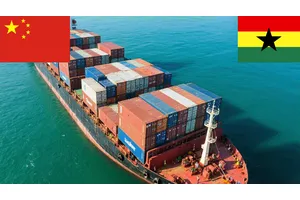
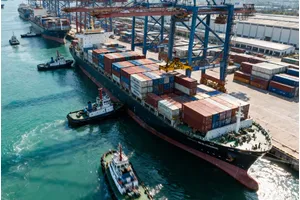
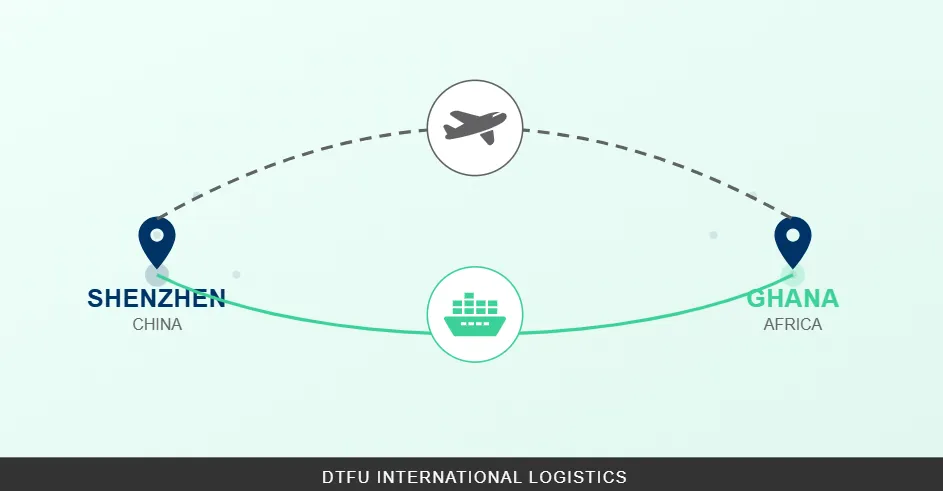
- Ocean Freight: The majority of goods are shipped by sea, departing from Shenzhen’s major ports and arriving at Tema Port and Takoradi Port in Ghana.
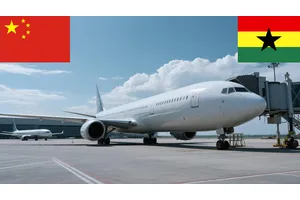
- Air Freight: High-value and time-sensitive shipments often utilize air cargo services between Shenzhen Bao'an International Airport and Kotoka International Airport in Accra.
- Express & Courier: Door-to-door express services bridge the last-mile delivery gap, critical for e-commerce and small parcel shipments.
Major Ports and Airports:
| Origin (China) | Destination (Ghana) | Mode | Typical Transit Time | Major Carriers/Freight Forwarders |
|---|---|---|---|---|
| Shenzhen Port | Tema Port | Sea Freight | 30-40 days | Maersk, MSC, COSCO, DTFU Logistics |
| Shenzhen Port | Takoradi Port | Sea Freight | 35-45 days | CMA CGM, Hapag-Lloyd, DTFU Logistics |
| Shenzhen Airport | Kotoka Airport | Air Freight | 3-7 days | Emirates SkyCargo, Air China, DTFU Logistics |
Importance of Shenzhen as a Global Export Hub
Shenzhen has earned its place as a global export powerhouse due to its:
- Strategic Location: Situated in the Pearl River Delta, Shenzhen has direct access to international waters and efficient connections to other Chinese industrial regions.
- Advanced Infrastructure: Home to Yantian, Shekou, and Chiwan ports—some of the world’s busiest container terminals. The Shenzhen Bao’an International Airport is among China’s top air cargo facilities.
- Industrial Capacity: As the "Silicon Valley of Hardware," Shenzhen leads in electronics manufacturing, consumer goods, and light industrial products, attracting buyers and traders globally.
- Integrated Supply Chains: The presence of robust logistics service providers, such as DTFU International Logistics Co.,Ltd, offers comprehensive support from origin to destination, including consolidation, warehousing, customs clearance, and insurance.
The city's supply chain ecosystem enables competitive pricing, efficient consolidation, and rapid shipment processing—key drivers for importers and exporters to select Shenzhen as their primary sourcing hub.
If you are also interested in other routes from Shenzhen, you can read about Shipping From ShenZhen to Turkey or Shipping From ShenZhen to Iran.
Main Shipping Methods from Shenzhen to Ghana
Choosing the right shipping method is crucial and depends on your cargo type, budget, and delivery urgency. Below are the main options available:
Ocean Freight from Shenzhen to Ghana
Sea Freight remains the most economical option for large, bulky, or heavy shipments. There are two main ocean freight options:
- Full Container Load (FCL): Recommended for shipments utilizing a full 20FT (28CBM), 40FT (56CBM), 40HQ (68CBM), or 45HQ (78CBM) container.
- Less than Container Load (LCL): Ideal for smaller shipments that do not require an entire container; your goods are consolidated with others.
Ocean Freight Advantages:
- Most cost-effective for bulk cargo
- Flexible shipping schedules and routes
- Suitable for a wide variety of goods
Typical Transit Times and Cost Comparison:
| Route | Container Type | Transit Time | Reference Cost (USD)* | Suitability |
|---|---|---|---|---|
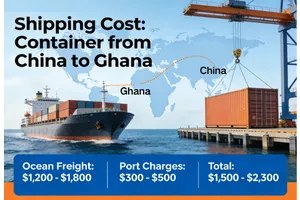
| Shenzhen – Tema | 40HQ | 30–40 days | $3,500–$5,250 | Bulk goods, industrial products |
| Shenzhen – Takoradi | 20FT | 35–45 days | $2,100–$3,500 | Smaller lots, machinery, construction items |
| Shenzhen – Tema (LCL) | Consolidated | 35–45 days | $56–$84/CBM | Small businesses, e-commerce parcels |
*Note: Costs are for reference only; actual rates depend on market fluctuations, fuel surcharges, and seasonal demand.
Related Reading: For container shipping to West Africa, see the article on Cost of shipping 40ft container from China to Chana.
Air Freight from Shenzhen to Ghana
Air Freight is the preferred choice for shipments that are time-sensitive, high-value, or perishable. Shipments depart from Shenzhen Bao’an International Airport to Kotoka International Airport in Accra.
Air Freight Advantages:
- Fastest transit time (3–7 days)
- Lower risk of damage or theft
- Suitable for electronics, medical supplies, fashion, and urgent business samples
Typical Air Freight Cost and Transit Table:
| Route | Weight (kg) | Transit Time | Average Cost (USD/kg)* | Best For |
|---|---|---|---|---|
| Shenzhen – Accra (Direct) | 100–300 | 3–5 days | $5.60–$8.40 | Urgent samples, electronics |
| Shenzhen – Accra (Consol.) | >300 | 5–7 days | $4.20–$7.00 | Bulk air cargo |
*Prices vary based on season, fuel, and carrier availability.
You may also want to learn about Air shipping From China Ghana for more details on air freight services.
Express & Courier Shipping: When to Choose Door-to-Door Delivery
Express & Courier Shipping (e.g., DHL, FedEx, UPS, and specialized freight forwarders like DTFU International Logistics Co.,Ltd) provides a door-to-door solution, handling pickup, international transit, customs clearance, and final delivery.
When to Choose:
- Small parcels (below 100 kg) or urgent samples
- E-commerce fulfillment with direct delivery to customer addresses
- Low tolerance for customs or delivery delays
Key Benefits:
- End-to-end visibility and tracking
- Simplified customs process (handled by express carrier)
- Fastest last-mile delivery (3–7 days)
| Service Provider | Transit Time (Shenzhen-Ghana) | Typical Weight Limits | Custom Clearance | Tracking Capabilities |
|---|---|---|---|---|
| DHL Express | 3–5 days | Up to 70kg/piece | Included | Real-time, global |
| FedEx International | 4–7 days | Up to 68kg/piece | Included | Real-time, global |
| DTFU Logistics Express | 4–7 days | Flexible (customized) | Included | Dedicated customer portal |
For businesses seeking seamless delivery, consider the Door to Door Shipping From China Ghana service for tailored solutions.
DTFU International Logistics Co.,Ltd provides a range of door-to-door solutions tailored for businesses and individuals shipping from Shenzhen to Ghana, ensuring cost-effective pricing, customs expertise, and reliable delivery.
Step-by-Step Shipping Process
Documentation and Customs Requirements
Efficient and compliant shipping from Shenzhen, China to Ghana starts with having the right documentation. Missing or incorrect paperwork is a leading cause of shipment delays or customs holds. Here is an overview of the key documents involved:
| Document Name | Issued By | Purpose | Notes |
|---|---|---|---|
| Bill of Lading (B/L) | Shipping Line or Freight Forwarder | Acts as a receipt and contract of carriage | For air freight, an Air Waybill (AWB) is used |
| Commercial Invoice | Shipper | Details value, description, and quantity of goods | Must match packing list and declaration form |
| Packing List | Shipper | Lists contents, packaging type, and dimensions | Required for customs clearance in both countries |
| Certificate of Origin (COO) | Chamber of Commerce | Proof of manufacturing origin | May be requested for preferential tariffs |
| Import Declaration | Importer/Customs Broker | For customs clearance in Ghana | Typically submitted electronically via GCNet or ICUMS |
| Insurance Certificate | Insurance Provider or Freight Forwarder | Confirms cargo insurance coverage | Strongly recommended for high-value or fragile goods |
| Other Permits/Licenses | Relevant Authorities | For restricted or controlled items | E.g., food, pharmaceuticals, chemicals |
Customs Compliance Tips:
- Always double-check that HS Codes are accurate.
- All documents should be consistent (names, quantities, values).
- Ghana uses the Integrated Customs Management System (ICUMS) for declarations.
- Certain products require Ghana Standards Authority (GSA) approval.
Packaging and Labeling Guidelines for Ghana Imports
Proper packaging and labeling are critical to prevent damage and ensure smooth clearance at Ghanaian ports such as Tema or Takoradi:
Packaging Best Practices:
- Use sturdy, export-grade cartons or containers to withstand long ocean or air transit.
- For sea freight, use containers such as 20FT (28CBM), 40FT (56CBM), 40HQ (68CBM), or 45HQ (78CBM) based on cargo volume.
- Secure cargo with adequate internal cushioning, especially for electronics or fragile items.
- Palletize goods to facilitate easy handling with forklifts at both origin and destination.
Labeling Requirements:
-
All packages must be clearly labeled in English with:
- Shipper and consignee information
- Country of origin (e.g., “Made in China”)
- Gross and net weight
- Marks and numbers matching the packing list and invoice
-
For certain goods (e.g., food, cosmetics), ensure compliance with Ghana FDA and GSA labeling standards.
-
Affix any required warning labels (e.g., hazardous materials) as per IMDG or IATA regulations.
Pro Tip: Proper labeling accelerates customs inspection and reduces the risk of fines or seizure by Ghana Customs.
Tracking and Managing Your Shipment
Real-time tracking and proactive management are essential for supply chain transparency and customer satisfaction. Here is how you can track and manage your ocean or air freight from Shenzhen to Ghana:
-
Shipment Tracking:
- Most modern freight forwarders, including DTFU International Logistics Co.,Ltd, offer online tracking portals.
- Use the provided Bill of Lading Number (B/L) or Air Waybill Number (AWB) to monitor the status of your cargo.
- Major shipping lines (e.g., COSCO, Maersk, CMA CGM) and airlines (e.g., Ethiopian Airlines, Emirates SkyCargo) have online tracking tools.
For a direct way to follow your cargo status, you can use our Cargo Tracking tool.
-
Milestone Notifications:
- Receive automatic updates for key events: cargo pick-up, departure from Shenzhen, arrival at Tema/Takoradi, customs clearance, and final delivery.
-
Documentation Access:
- Digital access to all documents (invoice, B/L, COO) simplifies compliance and dispute resolution.
-
Exception Handling:
- In case of delays, damage, or customs issues, communicate promptly with your freight forwarder for solutions.
- DTFU International Logistics Co.,Ltd provides dedicated account managers and 24/7 customer support for shipment management.
Shipping Costs from Shenzhen to Ghana
Key Factors Affecting Freight Charges
Shipping costs from Shenzhen to Ghana are influenced by several critical factors:
| Cost Factor | Description | Impact on Price |
|---|---|---|
| Shipping Mode | Ocean Freight (FCL/LCL), Air Freight, Express/Courier | Sea freight is usually cheapest; air is fastest but pricier |
| Container Size/Type | 20FT, 40FT, 40HQ, 45HQ, reefer, OOG, breakbulk | Larger/special containers cost more |
| Cargo Volume & Weight | Actual weight or volumetric (whichever is higher) | Higher volume/weight = higher cost |
| Origin and Destination | Shenzhen (Yantian/Shekou/Chiwan), Ghana (Tema/Takoradi) | Port charges and local fees vary |
| Seasonal Demand | Peak seasons (pre-CNY, holiday periods) | Rates rise during peak demand |
| Fuel Surcharges | Adjustments for rising oil prices | Can fluctuate monthly |
| Customs Duties & Taxes | Import levies in Ghana | Adds to the landed cost |
| Insurance | Value and risk profile of your cargo | Optional, but recommended |
| Special Services | Door-to-door, warehousing, consolidation, customs brokerage | Additional service charges may apply |
For reference on routes to other major West African economies, see Cheapest shipping from china to Nigeria.
How to Calculate Total Shipping Costs
To arrive at the true landed cost of shipping from Shenzhen to Ghana, add up the following:
- Freight Charges – Base ocean or air freight rate.
- Origin Charges – Handling, documentation, export clearance at Shenzhen.
- Destination Charges – Unloading, handling, port fees at Tema or Takoradi.
- Customs Duties & Taxes – Based on product type and value (consult Ghana Harmonized Tariff Schedule).
- Insurance Premium – Based on cargo value and coverage type.
- Additional Services – Warehousing, last-mile delivery, consolidation, etc.
Example Calculation (20FT container, LCL, electronics):
| Cost Component | Estimated Range (USD) | Notes |
|---|---|---|
| Ocean Freight (LCL) | $105 - $245/CBM | Based on current market rates |
| Origin Fees | $56 - $105 | Handling, documentation |
| Destination Fees | $140 - $210 | Port, terminal handling |
| Ghana Customs Duty | 5-20% of cargo value | Varies by HS Code |
| VAT | 12.5% of CIF value | Source: Ghana Revenue Authority |
| Insurance | 0.3-0.5% of cargo value | Optional but advisable |
| Total (est.) | $490 - $1,400+ per 20FT eqv. | For reference only |
Note: Rates fluctuate based on season, market demand, and service provider. Always request a detailed quotation from your freight forwarder.
Tips for Saving on Logistics Expenses
- Plan Ahead:
Book shipments early to avoid peak season surcharges and secure competitive rates. - Consolidate Shipments:
Group smaller orders into a single shipment (LCL or groupage) to reduce per-unit costs. - Choose the Right Mode:
For non-urgent goods, ocean freight is far more economical than air. For urgent, high-value shipments, weigh the time savings vs. cost. - Negotiate All-Inclusive Rates:
Request rates that bundle all charges (origin, ocean/air, destination) to avoid hidden fees. - Optimize Packing:
Maximize container or pallet utilization to lower cost per unit or per CBM. - Leverage Reputable Freight Forwarders:
Partner with a highly experienced provider like DTFU International Logistics Co.,Ltd for transparent pricing, cost-saving advice, and one-stop solutions including customs clearance and insurance. - Stay Informed:
Monitor commodity rates, fuel surcharges, and Ghana import regulations for timely adjustments in your shipping strategy.
In summary, understanding the full shipping process, documentation, packaging standards, real-time tracking, and cost structure is critical for seamless logistics from Shenzhen to Ghana. By working with a reliable partner such as DTFU International Logistics Co.,Ltd, you gain access to professional guidance, competitive rates, and peace of mind throughout your international trade journey.
Customs Clearance and Import Regulations in Ghana
Essential Customs Procedures and Required Documents
When shipping from Shenzhen to Ghana, a smooth customs clearance process is vital for timely delivery and cost efficiency. Ghana Customs operates under the Ghana Revenue Authority (GRA) and has implemented modern, digitalized systems such as the Integrated Customs Management System (ICUMS) to streamline procedures.
Key Customs Procedures:
-
Pre-Arrival Assessment
- All importers are required to submit an Import Declaration Form (IDF) before the arrival of goods.
- Register the shipment in the ICUMS portal for pre-clearance.
-
Submission of Import Documents
- Provide the required documents (see table below).
- Documents must match the shipment details to avoid delays.
-
Customs Inspection & Valuation
- Physical inspection may be conducted based on risk assessment.
- Customs assesses the value for duties and taxes using the World Customs Organization (WCO) valuation rules.
-
Duty and Tax Payment
- Duties and taxes must be paid via authorized banks before cargo release.
-
Cargo Release
- Once payments and inspections are completed, customs issues a release order.
Required Documents Table:
| Document | Description | Issued By |
|---|---|---|
| Bill of Lading (B/L) | Contract of carriage; evidence of cargo ownership | Shipping Line/Freight Forwarder |
| Commercial Invoice | Details of goods, value, and transaction | Shipper |
| Packing List | Itemized description of cargo and packaging | Shipper |
| Import Declaration Form (IDF) | Mandatory pre-import declaration | Ghana Customs |
| Certificate of Origin | Proof of cargo origin, sometimes needed for duty relief | Chamber of Commerce |
| Insurance Certificate | Proof of insurance coverage for goods | Insurance Provider |
| Ghana Standards Authority Permit/Certification | For regulated products (e.g., electrical goods, food) | Ghana Standards Authority |
| Other Permits | For restricted, sensitive, or special goods | Relevant Authorities |
Tip: Work with experienced freight forwarders like DTFU International Logistics Co.,Ltd to ensure all documentation is accurate and complete for swift clearance.
Common Duties, Taxes, and Restrictions on Imports
Ghana applies a standardized structure for import duties and taxes, which may vary based on the type of goods.
| Charge Type | Typical Rates/Notes |
|---|---|
| Import Duty | 0% to 20% (depending on HS code) |
| Value Added Tax (VAT) | 15% of CIF value (Cost + Insurance + Freight) |
| National Health Insurance Levy (NHIL) | 2.5% of CIF value |
| GETFund Levy | 2.5% of CIF value |
| ECOWAS Levy | 0.5% of CIF value |
| African Union Levy | 0.2% of CIF value |
| Processing Fee | GHS 5.00 per declaration |
| Special Import Levy | 1% or as determined by the product category |
Restrictions & Prohibited Imports:
- Certain goods require import permits (e.g., pharmaceuticals, food, electronics).
- Prohibited items include ********s, counterfeit goods, arms without permit, and some used goods.
- Certain goods (such as used vehicles over a certain age) may face additional scrutiny or outright bans.
Up-to-date information on duties and restricted items can be found on the official Ghana Revenue Authority website or by consulting your logistics partner.
If you are looking for customs and import regulations for other African countries, see DDP shipping from China to Kenya.
Avoiding Delays: Compliance Best Practices for Ghana Customs
Delays in customs clearance are often due to incomplete documentation, mis-declared goods, or non-compliance with local regulations. Here are practical tips to ensure a smooth process:
- Accurate Documentation:
Double-check all shipment details—HS codes, product descriptions, values, and quantities must be consistent across all documents. - Early Preparation:
Submit the Import Declaration Form and upload all paperwork to ICUMS before cargo arrival. - Product Compliance:
Ensure your goods meet the regulatory standards of the Ghana Standards Authority. For example, electrical goods, food, and pharmaceuticals may require additional certification. - Transparent Valuation:
Declare the real transaction value. Undervaluation can result in penalties, shipment seizure, or prolonged inspections. - Engage Experienced Freight Forwarders:
Companies like DTFU International Logistics Co.,Ltd offer One stop customs clearance services, leveraging their in-depth knowledge of Ghanaian import regulations to mitigate risks. - Monitor Regulatory Changes:
Ghana’s import policies can be affected by ECOWAS and African Union directives. Stay updated to avoid unexpected issues.
Remember: Compliance not only speeds up customs clearance but also reduces the risk of penalties and additional costs.
Choosing the Best Freight Forwarder for Shipping from Shenzhen to Ghana
Selecting the right freight forwarder is crucial for a hassle-free shipping experience between Shenzhen and Ghana. Here’s what to consider:
Key Criteria for Selecting a Freight Forwarder
| Criteria | Why It Matters |
|---|---|
| Experience with China-Ghana Trade | Knowledge of both countries’ logistics frameworks ensures fewer errors and smoother processes |
| Comprehensive Service Range | Ability to handle sea, air, and express shipments, customs clearance, warehousing, and insurance |
| Transparent Pricing | Prevents unexpected costs, supports accurate budgeting |
| Local Network in Ghana | Direct presence or partnerships for efficient destination handling |
| Regulatory Expertise | Up-to-date awareness of Ghanaian import policies and documentation requirements |
| Customer Support | Responsive service during all shipment stages |
| Cargo Tracking & Technology | Real-time updates for better supply chain visibility |
See also: Cheapest shipping agent from China to Kenya for more tips on selecting the right forwarding partner for African shipping lanes.
Why Choose DTFU International Logistics Co.,Ltd
As a highly professional and cost-effective provider, DTFU International Logistics Co.,Ltd stands out in the market for several reasons:
- Extensive Experience: Over a decade of hands-on expertise in shipping from Shenzhen to Ghana for various industries, including e-commerce, manufacturing, and SMEs.
- One-Stop Solutions: Offering Sea Freight, Air Freight, Express & Courier, Road Freight, Amazon FBA, Warehousing, Cargo insurance, Door to Door, OOG, Consolidated, and Breakbulk services.
- Customs Mastery: In-depth understanding of both Chinese export and Ghana customs clearance procedures, reducing risk of shipment delays.
- Local Presence: Strong partnerships with major ports in Shenzhen and key logistics hubs in Ghana such as Tema Port and Takoradi Port.
- Transparent Pricing: No hidden fees. All charges are clearly explained upfront.
- Dedicated Support: End-to-end customer care, with online cargo tracking and professional logistics consultation by a senior team.
Tips for Efficient and Safe Shipping
Ensuring a smooth and secure shipping process from Shenzhen to Ghana requires careful planning and the application of industry best practices. Drawing from over a decade of hands-on experience in international freight forwarding, I have compiled actionable tips to help shippers—whether you are a manufacturer, e-commerce seller, or supply chain professional—achieve optimal results in global trade.
Avoiding Common Shipping Mistakes
Mistakes during the shipping process can result in cost overruns, delays, and even cargo loss. Here are typical pitfalls and how to avoid them:
| Mistake | Description | Prevention Tips |
|---|---|---|
| Incomplete Documentation | Missing or inaccurate shipping, customs, or compliance paperwork. | Double-check all documents; work with a professional freight forwarder like DTFU International Logistics Co.,Ltd. |
| Incorrect Packaging and Labeling | Using inadequate or non-compliant packaging for Ghanaian imports. | Follow Ghana Customs guidelines; use sturdy materials and clear labels. |
| Underestimating Transit Times | Not accounting for customs checks, weather, or port congestion. | Allow buffer time in planning; track global shipping advisories. |
| Choosing the Wrong Shipping Mode | Selecting air, sea, or courier based only on price, not on time/cargo needs. | Assess urgency, cargo type, and budget before booking. |
| Ignoring Insurance | Not purchasing adequate cargo insurance for valuable goods. | Always insure shipments against loss/damage (see below). |
| Overlooking Destination Charges | Failing to budget for local handling, duties, or taxes in Ghana. | Request a full quote, including destination charges. |
Insurance Options for International Shipments
Protecting your cargo with insurance is essential for international shipments, especially over long distances like Shenzhen to Ghana. Here are the main options:
| Insurance Type | Coverage Scope | Recommended For |
|---|---|---|
| Basic Carrier Liability | Limited—usually covers only carrier's fault. | Low-value or low-risk shipments. |
| All-Risk Cargo Insurance | Comprehensive—covers most loss/damage scenarios, except listed exclusions. | Valuable, sensitive, or high-risk cargo. |
| Named Perils Insurance | Covers only specific risks, like fire, collision, theft. | Standard goods with known risks. |
DTFU International Logistics Co.,Ltd offers competitive cargo insurance services that can be tailored to your shipment’s value and risk profile. We recommend "All-Risk" insurance for most customers shipping from Shenzhen to Ghana due to possible risks during long-haul transit and transshipment.
If you are interested in coverage details or need additional insurance for other routes, please refer to our Cargo Insurance Services.
Why Insurance Is Important
- Unpredictable Events: Cargo can be affected by extreme weather, port strikes, or accidents—common along major trade routes between China and West Africa.
- Regulatory Compliance: Some importers in Ghana require proof of insurance for customs clearance.
- Financial Protection: Insurance covers your investment against loss, theft, or damage.
Dealing with Delays and Disruptions in Transit
Delays can occur due to factors like customs inspection, port congestion at Tema Port or Takoradi Port (the main ports in Ghana), adverse weather, or global supply chain disruptions. Here’s how to minimize their impact:
- Plan for Buffer Time: When shipping from Shenzhen, consider possible peak seasons (such as Chinese New Year or Golden Week) and port congestion in Ghana.
- Use Real-Time Tracking: Work with a freight forwarder like DTFU International Logistics Co.,Ltd that offers digital tracking so you’re always informed of your shipment’s status.
- Maintain Clear Communication: Keep in touch with your logistics partner and your consignee in Ghana. Early alerts enable faster solutions.
- Have a Contingency Plan: Prepare for alternative routing or expedited customs clearance if needed. This is especially relevant during times of global disruptions (e.g., COVID-19 aftermath or Suez Canal blockages).
- Stay Updated on Regulations: Be aware of the latest Ghana Import Regulations and customs clearance procedures. New policies can affect transit times and requirements.
Shipping Time Comparison Table (January 2026 Data)*
| Shipping Mode | Typical Transit Time (Shenzhen to Ghana) | Notes |
|---|---|---|
| Sea Freight (FCL/LCL) | 35–43 days | Via Tema Port or Takoradi Port. Time varies by service and customs. |
| Air Freight | 5–8 days | Faster, but higher cost. |
| Express Courier | 3–6 days | For urgent/light parcels only. |
*Source: DTFU International Logistics Co.,Ltd internal data and recent market analytics.
Shipping from Shenzhen to Ghana is complex. Between navigating the busy terminals of Yantian and managing the clearance procedures at Tema, there are dozens of touchpoints where things can go wrong. You don't just need a quote; you need a strategy.
At DTFU International Logistics, we believe in radical transparency. We don't hide costs, and we don't overpromise on transit times. We are a team of logistics veterans who understand that your business depends on these goods arriving safely and on time.
Our Commitment to You:
- We Listen: We tailor our route and mode (Air vs. Sea) to your deadline and budget, not our convenience.
- We Protect: From robust packaging advice to comprehensive insurance, we mitigate your risk.
- We Deliver: With deep expertise in Ghanaian customs regulations, we solve problems before they become delays.
Let’s Build Your Supply Chain Together.
Don't leave your logistics to chance. Reach out to us for a professional, no-obligation consultation. We will review your current shipping setup and show you exactly where you can save time and money.
FAQs
Q: How long does shipping take from Shenzhen to Ghana?
A: It depends on the mode. Sea freight to Tema typically takes 30–40 days, while Takoradi takes slightly longer (35–45 days). Air freight is much faster, delivering cargo to Accra in just 3–7 days, depending on whether you choose direct or consolidated service.
Q: What is the current cost for a 20ft container from Shenzhen to Ghana?
A: As of January 2026, shipping a 20ft container generally costs between $2,100 and $3,500. Rates fluctuate based on fuel surcharges and seasonal demand, so we recommend getting a live quote before booking.
Q: How much does it cost to ship a 40ft container?
A: A 40ft High Cube (40HQ) container, offering significantly more space, typically ranges from $3,500 to $5,250. This is often the most economical choice for bulk shipments as you get double the volume of a 20ft for less than double the price.
Q: What are the air freight rates per kg from Shenzhen to Accra?
A: Air freight rates vary by weight tier. For shipments over 300kg, rates average $4.20–$7.00 per kg. Urgent, smaller shipments (100-300kg) typically range from $5.60–$8.40 per kg.