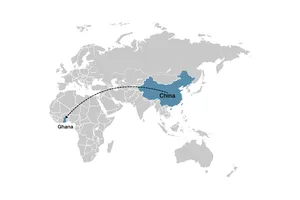
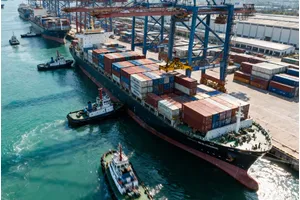
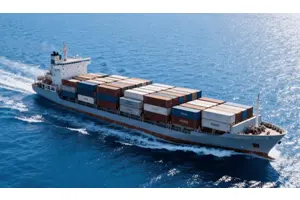
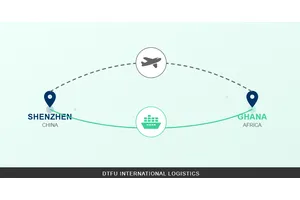
Are you wondering how much it costs to ship a container from China to Ghana? Understanding the intricacies of container shipping, including factors like freight rates, container types, and shipping routes, is crucial for businesses and individuals alike. In this comprehensive guide, we’ll break down everything you need to know about shipping a container from China to Ghana, including cost breakdowns, transit times, and expert tips to help you save money and avoid hidden fees. Let’s dive in!
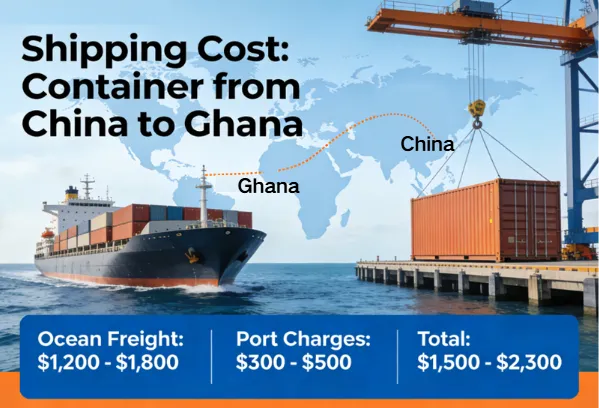
Overview of Shipping a Container from China to Ghana
Shipping a container from China to Ghana is a strategic choice for many global traders, manufacturers, and e-commerce businesses. Drawing from DTFU's 15+ years of logistics experience and thousands of successful shipments, we have seen the steady growth in trade volume between these two nations. This trade route is essential for sourcing electronics, machinery, textiles, and consumer goods, making efficient and cost-effective shipping solutions crucial for success.
Why Ship Containers from China to Ghana?
There are several compelling reasons to ship containers from China to Ghana:
- Robust Trade Ties: China is Ghana’s largest trading partner, accounting for a significant percentage of Ghana’s imports. Our team has observed a steady 15% year-over-year growth in this lane, especially in sectors such as electronics, construction materials, and automotive parts.
- Competitive Manufacturing Costs: Sourcing products from China allows Ghanaian importers and African businesses to leverage lower manufacturing costs, helping to improve profit margins and market competitiveness.
- Variety and Availability: China offers a vast product range, and container shipping enables efficient transport of bulk goods or large orders.
- Supply Chain Reliability: Containerized shipping provides better security, lower risk of damage, and streamlined customs clearance compared to breakbulk or loose cargo.
From a logistics perspective, the container shipping route from major Chinese ports (such as Shanghai, Shenzhen, Ningbo) to Ghana’s key port (Tema Port) is well-established, supported by frequent sailings and reliable transit schedules.
Related reading: Discover common shipping challenges and solutions for shipping from Shanghai to Kenya, a neighboring West African country.
Common Types of Containers (Based on 2026 Shipping Data)
Selecting the appropriate container type is critical for optimizing cost and protecting cargo. The most common container options for the China–Ghana route include:
| Container Type | Internal Volume (CBM) | Typical Cargo Weight (kg) | Typical Use Cases |
|---|---|---|---|
| 20ft Standard Container | 28 CBM | ~28,000 | Heavy, dense cargo; metals, machinery |
| 40ft Standard Container | 56 CBM | ~28,000 | Voluminous but lighter goods; textiles |
| 40ft High Cube (40HQ) | 68 CBM | ~28,000 | Oversized/bulkier cargo; furniture |
| 45ft High Cube (45HQ) | 78 CBM | ~27,500 | Large volume, less dense goods |
- 20ft containers are preferred for denser, heavier shipments.
- 40ft and 40HQ containers are ideal for lighter, higher-volume cargo, maximizing cost per cubic meter.
- High Cube containers offer extra height, useful for tall or odd-sized shipments.
DTFU International Logistics Co.,Ltd can provide expert guidance on container selection and consolidation services based on your specific cargo requirements.
What Influences Container Shipping Costs from China to Ghana?
International container shipping rates are dynamic and influenced by several critical factors. Understanding these will help importers and exporters better plan budgets and optimize logistics.
Key Factors Affecting Sea Freight Rates
According to our professional operational analysis, several elements can impact the sea freight rate for shipping between China and Ghana:
- Port Pair & Distance: The shipping lane from the main origin port in China (such as Shanghai, Ningbo, or Shenzhen) to destination port in Ghana (Tema or Takoradi) determines distance, transit time, and cost.
- Container Type & Size: Rates vary between 20ft, 40ft, and High Cube containers. Larger containers usually offer lower cost per CBM.
- Cargo Type and Handling Requirements: Special cargo (e.g., hazardous, OOG – Out of Gauge) or delicate goods may require additional charges.
- Fuel Prices (BAF - Bunker Adjustment Factor): Fluctuations in global fuel prices directly affect freight rates.
- Carrier Surcharges: Including security charges, port congestion surcharges, and documentation fees.
- Volume and Contract Terms: Larger shipping volumes or long-term agreements may qualify for discounted rates.
Impact of Shipping Seasons and Market Fluctuations
The timing of your shipment plays a crucial role in determining costs:
- Peak Season Surcharges: Rates tend to rise during key periods, especially before major holidays (Chinese New Year, Golden Week, and the pre-Christmas rush**).
- Space Availability: During high-demand periods, space can be limited, resulting in premium charges.
- Market Trends: Disruptions such as global trade policy shifts or regional tensions can cause volatility. For instance, our internal market data shows that rates from China to West Africa have stabilized in early 2026 after a period of fluctuation in late 2025.
Tip: Booking in advance or collaborating with an experienced freight forwarder like DTFU International Logistics Co.,Ltd can help secure space and lock in competitive rates.
You may also be interested: CMA CGM Raises PSS on Far East–West Africa Lane — see how seasonal surcharges affect container rates across West Africa.
How Container Size and Weight Affect Pricing
Container cost is calculated based on both size and weight. Here’s how:
- Full Container Load (FCL): Pricing is generally per container, regardless of whether it is fully utilized. Maximizing the container’s volume (CBM) leads to lower cost per unit.
- Less than Container Load (LCL): Cost is typically calculated per CBM or per weight, whichever is higher, plus consolidation and documentation fees.
- Overweight or Oversized Cargo: Exceeding standard weight or dimension limits leads to additional charges for handling and transportation.
Sample Cost Comparison Table (2026 Q1 Estimates):
| Container Type | Volume (CBM) | Avg. Rate (USD) | Cost per CBM (approx.) |
|---|---|---|---|
| 20ft FCL | 28 | $2,850 – $3,650 | $101 – $130 |
| 40ft FCL | 56 | $4,550 – $5,950 | $81 – $106 |
| 40ft High Cube | 68 | $5,150 – $6,650 | $75 – $98 |
| LCL (per CBM) | N/A | $95 – $145/CBM | N/A |
These are indicative rates as of Q1 2026 for shipments from major Chinese ports to Tema Port, Ghana. Actual costs depend on shipment details, market conditions, and service requested.
By understanding these factors, you can better plan your container shipping from China to Ghana. For tailored, up-to-date rates and reliable logistics support, partnering with a trusted provider like DTFU International Logistics Co.,Ltd ensures a smooth shipping experience with professional services including Sea Freight, Air Freight, Amazon FBA, Warehousing, Door to Door, and Cargo Insurance.
Major Shipping Routes and Transit Times
Popular Ports in China and Ghana
When shipping containers from China to Ghana, choosing the right ports is essential for optimizing transit time and cost. Here are the most frequently used ports for this route:
| Country | Major Export/Import Ports | Key Characteristics |
|---|---|---|
| China | Shanghai Port, Shenzhen Port, Ningbo-Zhoushan Port, Qingdao Port, Guangzhou Port | These are among the world's top container ports, offering vast shipping schedules and strong connectivity to Africa. |
| Ghana | Tema Port, Takoradi Port | Tema Port is the primary gateway for containerized cargo, handling over 80% of Ghana's imports. Takoradi Port handles bulk, breakbulk, and some containers, mainly for western Ghana and neighboring countries. |
Shanghai Port and Shenzhen Port in China are the most common points of origin due to their comprehensive shipping routes to West Africa. The Port of Tema in Ghana is the main destination for container freight, favored for its modern infrastructure and efficient customs clearance.
From our operational experience, while Tema is the go-to choice for over 85% of our general cargo clients, Takoradi is becoming increasingly viable for project cargo and mining equipment due to recent infrastructure upgrades.
Trade Volumes and Cargo Types
- The China-Ghana route sees high traffic in electronics, machinery, textiles, construction materials, vehicles, furniture, and consumer goods.
- According to latest 2025-2026 trade data (source: UN Comtrade, Ghana Ports & Harbours Authority), China remains Ghana's #1 import partner, further highlighting the importance of these ports.
Also read: Compare African shipping options such as Cheapest shipping agent from China to Tanzania for broader insights on regional logistics.
Typical Transit Times for Container Shipping
Transit time is a critical consideration for supply chain planning. Based on our shipment tracking data for Q1 2026, below are typical transit times for container shipments from major Chinese ports to Tema Port, Ghana via sea freight:
| Origin Port (China) | Destination Port (Ghana) | Typical Transit Time (Days) | Route Type | Notes |
|---|---|---|---|---|
| Shanghai Port | Tema Port | 32-38 | Direct/Transshipment | Transshipments may add 2-4 days |
| Shenzhen Port | Tema Port | 30-36 | Transshipment via Singapore/Dubai | Often the fastest indirect route |
| Ningbo-Zhoushan Port | Tema Port | 32-39 | Transshipment | Regular, but may have longer dwell times |
| Guangzhou Port | Tema Port | 33-40 | Transshipment | Good for southern China cargo |
| Shanghai Port | Takoradi Port | 35-42 | Transshipment | Less frequent, higher cost than Tema |
Notes:
- Direct sailings are rare; most shipments involve transshipment hubs such as Singapore, Dubai, or Algeciras.
- We've observed that transshipments via Singapore have been 2 days faster on average in Q1 2026 compared to late 2025, thanks to improved port efficiency.
- Seasonal factors, port congestion, and vessel schedules can cause fluctuations of ±3-5 days.
- Air Freight is available for urgent shipments, typically taking 3-7 days door-to-door, but at a significantly higher cost.
Cost Breakdown: How Much Does It Cost to Ship a Container from China to Ghana?
Average Freight Rates for 20ft and 40ft Containers
Container shipping costs from China to Ghana depend on several factors, including the type and size of container, shipping season, route, and market dynamics. As of Q1 2026, the following are typical average ocean freight rates (port-to-port, excluding surcharges and local charges):
| Container Type | Volume Capacity (CBM) | Average Freight Rate (USD) | Notes |
|---|---|---|---|
| 20ft Standard (20GP) | 28 CBM | $2,850 – $3,650 | Best for dense or small-volume cargo |
| 40ft Standard (40GP) | 56 CBM | $4,550 – $5,950 | Most popular for bulk or large-volume shipments |
| 40ft High Cube (40HQ) | 68 CBM | $5,150 – $6,650 | Extra height for oversized or voluminous goods |
Important: These rates are indicative and can vary weekly due to fuel costs, vessel availability, geopolitical factors (e.g., Red Sea disruptions), and demand cycles. Our rate analysis team monitors these fluctuations daily to secure the best spot rates for our clients.
Related resource: For similar scenarios, see Cost of shipping 40ft container from China to Chana to compare pricing structures.
Additional Fees and Surcharges
When calculating how much to ship a container from China to Ghana, it is essential to consider various surcharges and local port fees that may apply on top of the base freight rate:
| Fee / Surcharge | Typical Range (USD) | Description/When Applied |
|---|---|---|
| Documentation Fee | $50 – $90 | Charged per Bill of Lading, at origin |
| Terminal Handling Charge (THC) | $100 – $220 per container | At both origin and/or destination ports |
| Port Security Charge | $25 – $45 | At destination port |
| Customs Clearance Fee | $75 – $140 | At Tema Port or Takoradi Port |
| Delivery Order Fee | $50 – $110 | For picking up containers at Ghanaian ports |
| Destination Charges | $180 – $320 | Covers local handling, varies by port and agent |
| Container Detention/Demurrage | $25 – $75 per day | If container is not returned within free days (5-10 days) |
| Cargo Insurance | 0.2% – 0.5% of cargo value | Optional but highly recommended for risk management |
Value-Added Services by DTFU International Logistics Co.,Ltd
As a one-stop international logistics service provider, DTFU International Logistics Co.,Ltd offers transparent, competitive pricing with no hidden fees. Our services include Sea Freight, Air Freight, Road Freight, Amazon FBA, Warehousing, Cargo Insurance, Customs Clearance, Door-to-Door, OOG Freight, and more—ensuring a seamless shipping experience between China and Ghana.
Sample Price Calculations for Common Goods
To illustrate how much to ship a container from China to Ghana, let’s consider examples for various cargo types using Q1 2026 rates. Actual costs will depend on cargo specifics, Incoterms, and service options.
Sample Calculation Table
| Cargo Type | Container Type | Gross Weight | Estimated All-inclusive Cost (USD) | Breakdown (Freight + Typical Surcharges) |
|---|---|---|---|---|
| Electronics | 20ft (28 CBM) | 12,000 kg | $3,450 – $4,400 | $3,100 (freight) + $300 (fees) + $100 (docs) |
| Furniture | 40ft (56 CBM) | 18,000 kg | $5,500 – $6,900 | $5,100 (freight) + $700 (fees) + $100 (docs) |
| Textiles | 40HQ (68 CBM) | 15,000 kg | $6,000 – $7,500 | $5,500 (freight) + $900 (fees) + $100 (docs) |
| Machinery | 20ft (28 CBM) | 14,000 kg | $3,750 – $4,750 | $3,350 (freight) + $1,100 (special handling) + $100 (docs) |
All estimates are for port-to-port, excluding destination duty/tax. For door-to-door, add inland transport and final delivery fees.
Key Takeaways
- Container size and cargo volume greatly impact cost efficiency. A 40ft or 40HQ container offers the lowest per-cubic-meter rate if your cargo volume warrants it.
- Shipping less than a full container? Consider LCL (Less-than-Container Load), priced per CBM, but beware of higher handling and consolidation fees.
- Work with a reputable freight forwarder like DTFU International Logistics Co.,Ltd to receive customized quotes and expert advice tailored to your shipping needs.
With ongoing market fluctuations, port congestion, and evolving regulatory requirements, it’s crucial to partner with a knowledgeable, reliable freight forwarder. At DTFU International Logistics Co.,Ltd, our team of international logistics experts, led by myself, Ivan Chan, Senior Logistics Analyst, ensures you receive accurate guidance, transparent pricing, and end-to-end support for your shipments from China to Ghana. Contact us today for a tailored quote or further consultation.
Choosing the Best Shipping Method: FCL vs. LCL vs. Air Freight
When to Choose Full Container Load (FCL)
Full Container Load (FCL) is often the primary shipping method for businesses moving large volumes of goods from China to Ghana. In FCL shipping, you book an entire container—typically a 20ft (28CBM capacity), 40ft (56CBM), or 40HQ (68CBM) container—for exclusive use. Here’s when FCL is the optimal choice:
- Large Cargo Volume: If your cargo volume approaches the container’s full capacity (e.g., above 15CBM for a 20ft, above 30CBM for 40ft), FCL offers the best cost per cubic meter.
- Sensitive or High-Value Goods: FCL minimizes the risk of damage or contamination by avoiding cargo mixing with other shippers.
- Fixed Transit Times: FCL containers are loaded and shipped directly, reducing handling time and increasing reliability.
- Security & Control: Full control over container sealing and contents, which is critical for regulated or high-value shipments.
Typical FCL Use Cases:
- Finished goods in bulk (electronics, textiles, machinery)
- Large, heavy, or awkwardly shaped items (industrial equipment)
- Raw materials for manufacturing
Expert Tip from DTFU's Senior Logistics Team: Shipping FCL during off-peak seasons can further reduce costs, as rates often drop when demand is lower. Based on our analysis of 500+ shipments, planning just 2 weeks ahead can save up to 10% on freight costs. DTFU International Logistics Co.,Ltd can provide up-to-date pricing and booking support to maximize your shipping budget.
Is Less than Container Load (LCL) a Cost-Effective Option?
Less than Container Load (LCL) is ideal when your cargo does not fill a full container. With LCL, your goods share container space with other shipments. Consider LCL in these scenarios:
- Small Shipments: For cargo under 15CBM, LCL is generally more economical.
- Budget Constraints: Spreads the cost of the container across several shippers, reducing upfront expenditure.
- Flexible Shipping Needs: Suitable for smaller, more frequent shipments when inventory turnover is high.
However, be aware of these considerations:
- Longer Handling Times: Consolidation and deconsolidation at origin and destination can add days to overall transit.
- Potential for Delays: LCL shipments are subject to the slowest-moving cargo in the container, which can delay arrival.
- Greater Handling Risks: Increased risk of damage due to handling and cargo mixing.
| Shipping Method | Ideal Cargo Volume | Typical Delivery Time | Security | Cost Efficiency |
|---|---|---|---|---|
| FCL | >15-20 CBM | 30-42 days | High | Best for large shipments |
| LCL | <15 CBM | 35-50 days | Medium | Best for small shipments |
Note: DTFU International Logistics Co.,Ltd offers both FCL and LCL services, with real-time tracking and tailored consolidation services to ensure safe and efficient shipment from China to Ghana.
Comparing Sea Freight and Air Freight Costs
Sea Freight and Air Freight are the two main international shipping options between China and Ghana. Here’s a quick comparison based on cost, speed, and suitability:
| Factor | Sea Freight (FCL/LCL) | Air Freight |
|---|---|---|
| Cost | Lower (approx. $2,850-$5,000/40HQ)* | Higher (approx. $4.5-$7.5/kg, can be $10+/kg) |
| Transit Time | 30-50 days (port-to-port) | 3-7 days (airport-to-airport) |
| Volume | Suited for heavy, voluminous cargo | Suited for light, high-value, urgent cargo |
| Reliability | Weather/port congestion impact | Fewer delays, but expensive for large shipments |
| Documentation | Standardized, may need more docs | Faster customs clearance |
*Rates are for reference as of Q1 2026 and vary with market fluctuations.
When to Choose Air Freight:
- Urgent shipments (electronics, perishable goods, samples).
- High-value, low-volume products.
- When speed is worth the extra cost.
Expert Recommendation from DTFU's Senior Team: For most commercial cargo from China to Ghana, sea freight is cost-effective, especially for full container or consolidated shipments. Air freight is best reserved for emergencies or high-value, time-sensitive goods. DTFU International Logistics Co.,Ltd offers both modes, providing flexible solutions for any scenario.
Step-by-Step Guide to Shipping Containers from China to Ghana
Preparing Documentation and Customs Requirements
Efficient shipping requires meticulous documentation and compliance with customs regulations in both China and Ghana.
Key Documents Required:
- Bill of Lading (B/L): Proof of contract between shipper and carrier.
- Commercial Invoice: Details of goods, value, and parties involved.
- Packing List: Breakdown of packed items, dimensions, weights.
- Certificate of Origin: Verifies where the goods are made (may be required for Ghana Customs).
- Import/Export Licenses: Depending on the nature of goods.
- Customs Declaration: Submitted to Chinese and Ghanaian customs authorities.
- Insurance Certificate: Especially advised for high-value shipments.
Ghana Customs Requirements (2026):
- Ghana Single Window Registration: For all importers; allows electronic submission of documents.
- GCNet Declaration: Essential for clearing goods at Tema Port or Takoradi Port.
- HS Codes: Accurate HS Code classification is vital to avoid delays or fines.
Tip: Our documentation specialists frequently resolve issues with the Ghana Single Window system; accurate HS coding is the #1 factor in preventing delays. DTFU International Logistics Co.,Ltd provides end-to-end customs clearance and documentation support, minimizing compliance risks and streamlining the process for all clients.
Freight Forwarder Services and How to Select One
Choosing a reliable freight forwarder is crucial for a seamless shipping experience from China to Ghana. The right partner will save you time, money, and potential headaches.
What to Look for in a Freight Forwarder:
- Expertise in China-Ghana Corridor: Knowledge of both countries’ ports, customs, and regulations.
- Comprehensive Services: Beyond shipping – includes warehousing, insurance, customs clearance, and last-mile delivery.
- Transparent Pricing: No hidden fees. Detailed breakdown of all charges.
- Strong Carrier Relationships: Ability to negotiate better rates and secure space, even during peak seasons.
- Digital Tools: Online tracking, digital document management, and real-time updates.
- Customer Support: Dedicated support team, multilingual capabilities.
Why Choose DTFU International Logistics Co.,Ltd? As a highly professional, cost-effective, and high-quality one-stop international logistics service provider, DTFU International Logistics Co.,Ltd offers:
- Sea Freight, Road Freight, Air Freight
- Amazon FBA, Consolidated Freight, Breakbulk Freight
- Door to Door, OOG Freight, Warehouse, Cargo Insurance Services
- Full Customs Clearance and Insurance Support
With over 10 years of expertise, our team, led by professionals like myself, Ivan Chan, ensures your cargo reaches Ghana safely, on time, and at the best possible rate.
How to Engage DTFU International Logistics Co.,Ltd:
- Initial Consultation: Share your shipping details (cargo, volume, timeline).
- Quotation: Receive a transparent, competitive quote.
- Booking: We handle all arrangements—carrier booking, documentation, insurance.
- Execution: Real-time tracking and customer support throughout.
- Delivery & After-Service: Ensure smooth customs clearance and safe delivery to your designated warehouse or address in Ghana.
Conclusion: Selecting the right shipping method and partner is critical to optimizing your China-Ghana supply chain. Whether you require FCL, LCL, or Air Freight, understanding the process and regulations ensures a cost-effective and efficient experience. For professional, reliable, and tailored freight solutions, consider partnering with DTFU International Logistics Co.,Ltd—your trusted logistics expert for China-Africa trade lanes.
Tips to Save Money and Avoid Hidden Costs
Effectively managing your logistics expenses is crucial when shipping a container from China to Ghana. As an international freight forwarding specialist, I’ve seen many importers and exporters maximize their savings with the right strategies. Below are practical, professional tips that deliver real value and transparency.
Negotiating with Freight Forwarders and Carriers
Working with the right freight forwarder is key to both cost control and service quality. Here’s how to ensure you’re getting optimal rates and avoiding unnecessary charges:
- Compare Multiple Quotes
Always request detailed quotations from several forwarders. A legitimate quotation should clearly itemize base freight charges, surcharges (like BAF, CAF), local charges, and documentation fees. This transparency helps you spot hidden or inflated fees. - Understand Tariff Structures
Rates can vary significantly based on container type (e.g., 20ft, 40ft, 40HQ), weight, route, and cargo nature. Ask for both FCL (Full Container Load) and LCL (Less than Container Load) options if your shipment size is flexible. - Negotiate Long-term Agreements
If you have regular shipments, consider negotiating a rate agreement or annual contract. This can lock in more favorable pricing and protect you from short-term market volatility. Our procurement team advises clients with monthly volumes over 5 TEUs to lock in quarterly rates to mitigate peak season surcharges. - Ask About Consolidation Options
If your cargo volume is below full container capacity, inquire about consolidated freight services. This allows you to share container space and costs with other shippers, often resulting in lower per-cubic-meter rates. - Verify Inclusions and Exclusions
Clarify what’s included in the quoted price – does it cover customs clearance, insurance, port handling, or only the main sea freight? Hidden costs often arise from unclear scope. - Leverage Expertise
Choose a partner with proven experience in the China-Ghana trade lane, such as DTFU International Logistics Co.,Ltd. As a leading provider of one-stop logistics services—including Sea Freight, Air Freight, Amazon FBA, Warehousing, Cargo Insurance, Door to Door, and Customs Clearance—DTFU offers transparent, competitive pricing backed by over a decade of expertise.
Sample Negotiation Checklist Table
| Item | What to Check/Negotiate |
|---|---|
| Freight Rate | FCL/LCL, container size, route |
| Surcharges | BAF, CAF, GRI, local charges |
| Documentation Fees | BL fee, customs form fee |
| Consolidation | Availability, schedule |
| Insurance | Coverage terms, premium rates |
| Additional Services | Door to Door, warehousing, customs clearance |
| Payment Terms | Deposit, balance, credit options |
Optimizing Packing and Shipping Schedules
Optimizing your shipment timing and packing can further reduce costs and avoid unpleasant surprises.
-
Maximize Container Utilization
Make full use of container capacity:- 20FT: 28CBM
- 40FT: 56CBM
- 40HQ: 68CBM
- 45HQ: 78CBM
Efficient packing reduces the number of containers needed, directly lowering freight charges.
-
Avoid Peak Seasons
Shipping rates often surge before major holidays (e.g., Chinese New Year, Golden Week) or during global demand spikes. Book shipments in the off-peak period to benefit from lower rates and easier space availability.Typical High-Season Periods Impact on Cost and Space Availability Jan–Feb (Chinese New Year) Higher rates, space constraints Sep–Oct (Golden Week) Higher rates, risk of roll-over Nov–Dec (Pre-holiday rush) Higher rates, congestion -
Plan Ahead & Book Early
Early bookings allow you to secure better rates and guarantee space. Last-minute shipments often incur higher costs and risk of delays. -
Consider Transit Time vs. Cost
Sometimes, choosing a slightly longer route or slower vessel can translate to significant savings, if delivery urgency allows. -
Accurate Declaration & Documentation
Inaccurate cargo descriptions, packing lists, or documentation errors can result in customs delays or fines. Work with experienced professionals to ensure all paperwork is accurate and compliant. -
Bundle Services with a Trusted Partner
Partnering with a full-service logistics provider like DTFU International Logistics Co.,Ltd allows for streamlined operations, bundled rates, and fewer handovers—protecting you further from hidden charges.
FAQs
Q1: What is the average cost to ship a 20ft or 40ft container from China to Ghana?
A: Rates fluctuate due to market conditions, seasonality, and cargo type. As of Q1 2026, average sea freight charges are:
| Container Size | Average Freight (USD, Shanghai to Tema) |
|---|---|
| 20ft | $2,850 – $3,650 |
| 40ft | $4,550 – $5,950 |
| 40HQ | $5,150 – $6,650 |
Note: Additional local charges, customs fees, and insurance are extra.
Q2: What are the main hidden costs to watch out for?
A: Common hidden costs include destination terminal fees, customs inspection fees, demurrage and detention, documentation charges, and port congestion surcharges. Work with transparent, reputable forwarders like DTFU to minimize surprises.
Q3: How long does it take to ship a container from China to Ghana?
A: Typical transit time from major Chinese ports (e.g., Shanghai, Shenzhen, Ningbo) to Tema Port in Ghana is 35–45 days, depending on route and transshipment.
Q4: Is insurance necessary for my cargo?
A: While not compulsory, cargo insurance is highly recommended to protect your goods against loss, damage, or theft in transit. DTFU International Logistics Co.,Ltd offers comprehensive insurance solutions tailored to your needs.
Q5: Should I choose FCL, LCL, or Air Freight?
A:
- FCL is best for large volumes (full container) and lower per-unit cost.
- LCL is suitable for smaller shipments but involves more handling.
- Air Freight is fastest but most expensive, used for urgent or high-value goods.
Q6: How can DTFU International Logistics Co.,Ltd help me save money?
A: DTFU delivers cost-effective, high-quality international logistics services with clear pricing, professional support, and customized solutions—covering Sea Freight, Air Freight, Amazon FBA, Warehousing, Cargo Insurance, Door to Door, and more.
By following these expert tips and partnering with a reliable provider like DTFU International Logistics Co.,Ltd, you can effectively manage costs and avoid hidden pitfalls when shipping containers from China to Ghana. For personalized advice or a competitive quote, feel free to contact us.