Are you looking to streamline your shipping from Shanghai to Kenya and wondering about the most efficient methods, costs, and regulations? In this comprehensive guide, we’ll explore the key trade routes, compare sea freight and air freight, break down essential customs requirements, and offer expert tips for reducing costs and transit times. Whether you’re a business owner or logistics manager, this blog covers everything you need to ensure smooth and successful shipments between Shanghai and Kenya.
Overview of Shipping from Shanghai to Kenya
Shipping from Shanghai to Kenya is a strategically important route, connecting one of the world’s busiest manufacturing hubs with East Africa’s primary logistics gateway. This corridor supports a growing volume of bilateral trade, driven by increasing demand for electronics, machinery, clothing, construction materials, and consumer goods in the Kenyan market.
As of February 2026, businesses, cross-border e-commerce sellers, and manufacturers are seeking reliable, cost-efficient shipping solutions between China and Kenya. Understanding the major shipping routes, port infrastructure, and available shipping options is essential for optimizing cost, transit time, and compliance.
Key Trade Routes Between Shanghai and Kenya
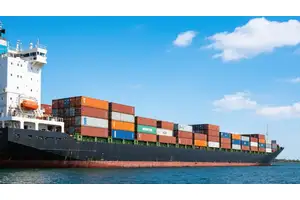
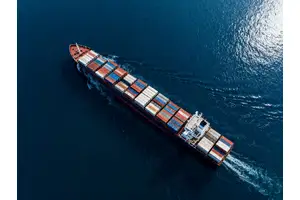
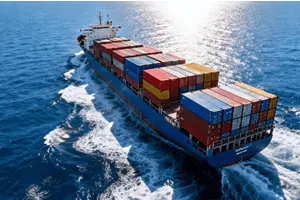
The primary trade route linking Shanghai, China to Kenya involves maritime transport across the Indian Ocean. Most ocean freight departs from the Port of Shanghai, transits through major Southeast Asian transshipment hubs like Singapore or Colombo, and arrives at the Port of Mombasa in Kenya.
For air freight, the route typically involves direct or indirect flights from Shanghai Pudong International Airport (PVG) to Jomo Kenyatta International Airport (NBO) in Nairobi, often with a stopover in the Middle East (e.g., Dubai or Doha).
Key benefits of these routes include:
- Well-established infrastructure, ensuring reliability and safety.
- Regular liner services and flight frequencies.
- Seamless integration with road and rail networks for last-mile delivery in Kenya.
Recent Trends: With the growing influence of the Belt and Road Initiative and increased Chinese investment in Africa, trade volumes on this route have seen robust annual growth. Enhanced digitalization and port automation are also driving efficiency across the supply chain.
Main Ports Involved: Port of Shanghai and Port of Mombasa
Port of Shanghai (China):
- Country: China
- Role: The world’s largest container port and a critical export gateway for Chinese manufacturers.
- Features: Record-breaking handling capacity (over 55.06 million TEU in 2025), extensive feeder network, and efficient customs clearance procedures.
- Advantages: Multiple shipping lines, flexible sailing schedules, and competitive freight rates.
Port of Mombasa (Kenya):
- Country: Kenya
- Role: East Africa’s main seaport, handling over 45 million metric tonnes of cargo annually.
- Features: Modern container terminal (Berth 19), expansion projects, and direct rail linkage to Nairobi and inland destinations.
- Advantages: Serves as the gateway for imports into Kenya, Uganda, Rwanda, South Sudan, and the Democratic Republic of Congo.
- Latest Development: Ongoing digitization and customs reforms have further reduced average cargo dwell times in 2025, enhancing efficiency for importers.
Table: Quick Comparison of Main Ports (2025 Data)
| Port | Country | 2025 Container Throughput | Key Strengths | Connectivity |
|---|---|---|---|---|
| Port of Shanghai | China | 55.06 million TEU | Largest global capacity, automation | Global |
| Port of Mombasa | Kenya | 2.11 million TEU | Regional hub, direct rail/road links | East & Central Africa |
Why Businesses Choose to Ship From Shanghai to Kenya
There are several compelling reasons why businesses—ranging from large manufacturers to SMEs and e-commerce sellers—choose to ship from Shanghai to Kenya:
- Competitive Manufacturing Costs: Chinese suppliers offer a diverse product range with cost-effective pricing.
- Established Shipping Infrastructure: Frequent sailings and flights support flexible inventory management.
- Access to African Markets: Transshipment via Mombasa enables access not only to Kenya but also to landlocked neighbors.
- Supply Chain Reliability: Decades of trade history and robust partnerships ensure dependable delivery.
- Comprehensive Logistics Services: Service providers like DTFU International Logistics Co.,Ltd offer one-stop solutions, including sea and air freight, customs clearance, warehousing, and door-to-door delivery.
- Support for E-commerce Growth: Direct shipping from Chinese factories/warehouses enables Kenyan e-tailers and cross-border sellers to reduce lead times and costs.
Related reading: If you want to understand shipping cost breakdowns in detail, see our 20ft & 40ft Container Shipping Cost from China to Kenya guide.
Popular Shipping Methods from Shanghai to Kenya
Selecting the right shipping method depends on factors like cargo type, volume, urgency, and budget. The main shipping methods on this route are sea freight and air freight.
Sea Freight: FCL vs LCL Comparison
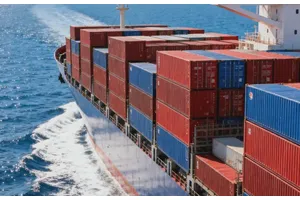
Sea freight is the most popular and cost-effective mode for large, non-urgent shipments from Shanghai to Kenya.
FCL (Full Container Load):
- Definition: Reserve an entire container (20ft, 40ft, or 40HQ).
- Best for: Shipments above 15-20 CBM or requiring cargo privacy and security.
- Advantages: Lower per-unit cost, less risk of damage/contamination, faster transit due to direct handling.
LCL (Less than Container Load):
- Definition: Share container space with other shippers.
- Best for: Shipments below 15 CBM, startups, or small businesses.
- Advantages: Lower upfront cost, flexible for small volumes, regular departure schedules.
- Considerations: Longer handling time at origin/destination, potential for minor delays due to cargo consolidation.
Container Reference Table
| Container Type | Capacity (CBM) | Ideal Shipment Volume | Common Goods |
|---|---|---|---|
| 20FT | 28 | 15-28 | Machinery, electronics, textiles |
| 40FT | 56 | 29-56 | Furniture, construction materials |
| 40HQ | 68 | 57-68 | Bulky or lightweight cargo |
| 45HQ | 78 | 69-78 | Oversized, high-volume shipments |
Pro Tip: For first-time shippers or SMEs, consulting a professional freight forwarder like DTFU International Logistics Co.,Ltd can help determine the most cost-effective loading strategy and avoid hidden surcharges.
If you are also considering shipping to nearby East African markets, check our analysis of DDP shipping from China to Tanzania.
Air Freight: When Speed Matters
Air freight is preferred when shipment time is critical, or for high-value, lightweight, or perishable goods.
Key Features:
- Transit Time: Typically 2–5 days from Shanghai to Nairobi.
- Cargo Types: Pharmaceuticals, electronics, fashion, samples, urgent machinery parts.
- Cost: Significantly higher than sea freight, but justified for time-sensitive or high-value shipments.
When to Use Air Freight:
- Product launches with tight deadlines.
- E-commerce restocking for peak sales (e.g., Black Friday).
- Medical or emergency goods requiring fast delivery.
Recent Data Point: With increased air connectivity in 2025-2026, air cargo capacity between China and Kenya has improved, offering more competitive rates for bulk and express shipments.
Comparing Sea Freight and Air Freight Costs and Timelines
Choosing between sea and air freight depends on your business priorities: cost, speed, and cargo characteristics.
Cost & Transit Time Table (February 2026 Estimates)
| Shipping Mode | Typical Transit Time* | Cost Estimate | Suitable For |
|---|---|---|---|
| Sea FCL | 25–35 days | $1,500–$2,800 / TEU | Large, heavy, non-urgent cargo |
| Sea LCL | 30–40 days | $100–$150 / CBM | Small volume, budget-sensitive cargo |
| Air Freight | 2–5 days | $5.5–$9.5 / kg | Urgent, high-value, perishable goods |
Transit time includes customs and last-mile delivery. Note: Rates are subject to market fluctuation.
Key Insights:
- Sea freight offers the lowest cost, suits high-volume shipments, but takes longer.
- Air freight cuts delivery time drastically, ideal for high-value or urgent goods.
- LCL is a flexible, affordable option for smaller shipments but requires careful consolidation management.
Professional Recommendation: Partnering with a trusted logistics provider like DTFU International Logistics Co.,Ltd ensures you receive tailored advice, transparent pricing, and end-to-end support, including cargo insurance, customs clearance, and door-to-door delivery options.
In summary, shipping from Shanghai to Kenya requires careful planning and strict adherence to regulations like the 2026 vehicle import updates. Success depends on precision—using the right HS code, securing the correct PVoC, and anticipating potential delays.
At DTFU International Logistics, we believe in building long-term partnerships through transparency and consistent execution. If you need a logistics provider who will pay attention to the details of your shipment and provide honest advice, we are ready to assist.
If you need more information on container costs, visit our in-depth resource: Cost of shipping container from china to Kenya
Step-by-Step Guide to the Shipping Process
Booking Cargo and Preparing Documentation
When shipping from Shanghai to Kenya, the first critical step is booking your cargo with a reliable freight forwarder. At DTFU International Logistics Co.,Ltd, we offer one-stop logistics services, including sea freight, air freight, and door-to-door solutions.
Key Steps in Booking and Documentation:
| Step | Description | Tips for Efficiency |
|---|---|---|
| Cargo Details Confirmation | Confirm cargo type, weight, dimensions, and packaging requirements. | Prepare a packing list and commercial invoice in advance. |
| Select Shipping Method | Choose between FCL (Full Container Load), LCL (Less than Container Load), or Air Freight based on urgency and budget. | Consult with your freight forwarder for the best option. |
| Booking with Carrier | Secure space with shipping lines or airlines; advance booking is advised due to high demand. | Early booking can result in better rates and guaranteed space. |
| Documentation Preparation | Essential documents include Bill of Lading (B/L), Commercial Invoice, Packing List, and, if required, Certificate of Origin. | Ensure all documents are accurate to avoid clearance delays. |
| Insurance Arrangements | Consider cargo insurance to mitigate the risk of loss or damage. | DTFU offers integrated insurance services for added peace of mind. |
Accurate and complete documentation is not only a regulatory requirement but also essential for smooth customs clearance and cargo delivery.
Customs Clearance Requirements in China and Kenya
Smooth customs clearance depends on understanding and complying with both Chinese export regulations and Kenyan import requirements.
China Export Customs:
- Export Declaration: All cargo leaving China must be declared through the China Customs system.
- Inspection: Some goods, especially high-value or restricted items, may be subject to inspection.
- Required Documents: Commercial Invoice, Packing List, Export License (if applicable), and Bill of Lading.
Kenya Import Customs:
- Import Declaration Form (IDF): All imports require an IDF, which must be filed before cargo arrival.
- Pre-shipment Verification: Certain products need Pre-Export Verification of Conformity (PVoC) certificates.
- Tariff Classification: Goods must be accurately classified to determine applicable duties and taxes. Note: Kenya aligns with EAC 2025 HS revisions.
- Required Documents: Commercial Invoice, Bill of Lading/Airway Bill, Packing List, PVoC (if needed), Import License (for restricted goods).
Critical Update (2026):
Vehicle Imports: Effective January 1, 2026, Kenya enforces a strict age limit on used vehicle imports. Only vehicles first registered in 2019 or later are permitted entry. Ensure compliance to avoid rejection at the port.
Tips for Smooth Clearance:
- Work with an experienced freight forwarder like DTFU International Logistics Co.,Ltd, which provides complete customs clearance services in both China and Kenya.
- Ensure all documents match the cargo description and are submitted in advance.
- Stay updated on any policy changes, such as Kenya’s new Customs Management System (iCMS), which affects clearance timelines and procedures.
Cargo Handling and Delivery at Destination
After customs clearance, efficient cargo handling ensures timely and safe delivery to the final consignee in Kenya.
Handling Process:
-
Port Cargo Handling: Once cargo arrives at the Port of Mombasa (Kenya's major gateway), it is offloaded, inspected, and moved to temporary storage.
-
Customs Inspection and Release: Local customs may conduct physical inspection or scanning.
-
Last Mile Delivery: Depending on your service agreement, options include:
- Port Pickup: Consignee arranges collection from the port.
- Door-to-Door Delivery: DTFU provides inland trucking to destinations such as Nairobi, Kisumu, or directly to your warehouse.
-
Warehousing: Short-term storage or consolidation services are available if required.
DTFU supports consolidated freight, breakbulk cargo, and oversized shipments, ensuring flexibility for various business needs.
Shipping Costs and How to Reduce Them
Factors Impacting Shipping Rates
Shipping costs from Shanghai to Kenya are influenced by several variables:
| Factor | Explanation |
|---|---|
| Shipping Method | Sea freight (FCL/LCL) is generally cheaper than air freight. |
| Container Size/Type | 20FT, 40FT, 40HQ, and special equipment (see capacity table below). |
| Cargo Volume & Weight | Higher volumes often mean better per-unit rates. |
| Seasonality | Rates fluctuate during peak seasons (e.g., pre-holiday rush). |
| Fuel and Surcharges | Bunker Adjustment Factor (BAF) and other surcharges apply. |
| Port Charges | Terminal handling fees at both origin and destination. |
| Customs Duties & Taxes | Vary based on commodity and classification. |
| Additional Services | Insurance, warehousing, and door delivery add to base rates. |
Container Capacity Reference:
| Container Type | Capacity (CBM) |
|---|---|
| 20FT | 28 |
| 40FT | 56 |
| 40HQ | 68 |
| 45HQ | 78 |
Tips to Save on Freight Charges from Shanghai to Kenya
-
Optimize Container Utilization:
- Maximize cargo volume (CBM) per container to reduce per-unit shipping cost.
- Use LCL for small shipments to share costs with other shippers.
-
Early Booking and Flexible Schedules:
- Book in advance to secure better rates and space.
- Flexible shipping dates allow you to take advantage of rate dips.
-
Consolidation Services:
- Combine multiple shipments or suppliers in one container.
- DTFU offers consolidated freight services for cost efficiency.
-
Choose the Right Shipping Mode:
- Use sea freight for bulk or non-urgent cargo.
- Opt for air freight only for urgent or high-value goods.
-
Negotiate All-inclusive Rates:
- Request door-to-door or all-in quotes to avoid hidden charges.
- DTFU provides transparent pricing with no surprise fees.
-
Stay Updated on Regulations:
- Avoid unnecessary delays and fines by complying with the latest customs requirements in both China and Kenya.
Explore a hands-on case: See the Cheapest shipping agent from China to Kenya for practical saving strategies.
Understanding Additional Fees: Customs, Duties, and Surcharges
It’s essential to budget for not only freight charges but also additional fees associated with shipping from Shanghai to Kenya.
| Fee Type | Description | Responsible Party |
|---|---|---|
| Customs Duties & Taxes | Levied by Kenyan authorities based on HS code and value of goods. | Importer |
| Value-Added Tax (VAT) | Kenya applies VAT on most imported goods. | Importer |
| Port Handling Charges | Charged at both Port of Shanghai and Port of Mombasa for cargo handling. | Exporter/Importer (as per Incoterms) |
| Documentation Fees | Charges for processing shipping, customs, and compliance paperwork. | Exporter/Importer |
| Security & Compliance Fees | Security inspection, scanning, and compliance verification by customs officials. | Exporter/Importer |
| Fuel Surcharges | Additional charges due to fluctuations in fuel prices. | Exporter/Importer |
| Insurance Premiums | Optional but recommended to protect cargo value. | Exporter/Importer |
| Demurrage & Storage | Fees for cargo staying in the port or warehouse beyond free days. | Importer |
Pro Tip: Partnering with a professional freight forwarder like DTFU International Logistics Co.,Ltd helps you navigate these charges efficiently. Our team offers detailed breakdowns and transparent billing, so you can accurately estimate your landed cost.
Transit Times and Shipping Schedules
Typical Ocean Freight Transit Times
Shipping via Sea Freight from Shanghai, China to Mombasa, Kenya is the most common logistics solution for high-volume or heavy cargo. The typical transit time for Full Container Load (FCL) and Less than Container Load (LCL) shipments ranges from 24 to 32 days port-to-port, depending on the chosen shipping line, transshipment ports, and seasonal factors.
Below is an overview of estimated ocean freight transit times from major Chinese ports to Port of Mombasa:
| Origin Port | Destination Port | Estimated Transit Time (Days) | Direct/Transshipment |
|---|---|---|---|
| Shanghai | Mombasa | 24 – 32 | Usually Transshipment |
| Ningbo | Mombasa | 25 – 33 | Usually Transshipment |
| Shenzhen | Mombasa | 28 – 35 | Usually Transshipment |
- Most ocean freight routes from Shanghai to Kenya involve a transshipment at major hubs like Singapore, Port Klang (Malaysia), or Colombo (Sri Lanka), which may affect schedules.
- During peak seasons, such as before Chinese New Year or Christmas, schedule congestion can add several days to transit times.
- FCL shipments generally move faster than LCL, as LCL requires additional consolidation and deconsolidation processes.
For more on regional shipping alternatives and container costs, see 20ft & 40ft Container Shipping Cost from China to Kenya.
Air Freight Transit Times between Shanghai and Kenya
Air freight is the fastest option for cargo moving from Shanghai to Kenya. It is ideal for urgent, high-value, or time-sensitive shipments, including electronics, perishables, and fashion goods.
- Direct air freight from Shanghai Pudong International Airport (PVG) to Jomo Kenyatta International Airport (NBO, Nairobi) typically takes 2 to 5 days, including handling and customs clearance.
- There are limited direct flights; most air shipments are routed via major transit hubs such as Dubai, Addis Ababa, or Istanbul.
| Origin Airport | Destination Airport | Estimated Transit Time | Notes |
|---|---|---|---|
| Shanghai PVG | Nairobi NBO | 2 – 5 days | Via direct or 1-stop transfer |
| Shanghai PVG | Mombasa MBA | 3 – 7 days | Rare, via regional connections |
- Air freight schedules are more predictable, but subject to cargo space availability and customs processing times.
Factors Affecting Delivery Timeframes
Several key factors impact the overall shipping schedule from Shanghai to Kenya:
- Shipping Method: Air freight is significantly faster than sea freight but more expensive.
- Transshipment: Ports and airports often require transshipment, which can add delays, especially if cargo waits for connecting vessels or flights.
- Customs Clearance: Delays can occur if documentation is incomplete or if there are inspection holds at either origin or destination.
- Seasonality: Peak shipping seasons (e.g., pre-holiday periods, back-to-school) increase congestion at ports and airports.
- Weather and Force Majeure: Typhoons in East Asia or monsoon disruptions in the Indian Ocean can impact vessel schedules.
- Capacity and Booking Availability: Limited vessel or flight space during peak demand periods may require advance booking.
- Inland Transportation: Delivery times may be influenced by road conditions, last-mile delivery, and customs at the inland destination.
Expert Tip: Working with a reliable freight forwarder like DTFU International Logistics Co.,Ltd ensures up-to-date schedule tracking, proactive communication on potential delays, and flexible solutions for urgent or time-sensitive shipments.
Key Regulations and Customs Requirements
Key Import/Export Restrictions and Prohibited Goods
When shipping from Shanghai (China) to Kenya, compliance with both countries’ regulations is essential to avoid costly delays and penalties.
China Export Controls:
- Strategic and dual-use items, chemicals, and items subject to export licenses require special permits.
- Counterfeit goods and items infringing on intellectual property rights are strictly prohibited.
Kenyan Import Restrictions:
-
Kenya Revenue Authority (KRA) enforces restrictions on:
- Used tires and vehicles over 8 years old (for commercial import)
- Counterfeit and substandard goods
- Narcotics, hazardous chemicals, firearms, and certain agricultural products
-
Prohibited goods include drugs, pornography, and wildlife products.
-
Certain products (food, cosmetics, electronics) require Pre-Export Verification of Conformity (PVoC) certification before shipment.
If you are interested in importing apparel, you may also like our dedicated guide: How to import clothes from China to Kenya.
Essential Shipping Documents and Compliance Tips
Proper documentation minimizes customs delays and reduces the risk of fines or cargo seizure. For shipments from Shanghai to Kenya, the following documents are typically required:
| Document | Purpose | Compliance Remarks |
|---|---|---|
| Bill of Lading / Air Waybill | Contract of carriage & proof of shipment | Must match cargo details |
| Commercial Invoice | Basis for customs valuation/tax assessment | Accurate value required |
| Packing List | Details cargo contents, weight, and dimensions | Must align with invoice |
| Certificate of Origin (COO) | Proofs country of manufacture, required for duty relief | Issued by authority |
| Import Declaration Form (IDF) | Kenya-specific, required before import | Applied via KRA system |
| PVoC Certificate | Confirms compliance with Kenyan standards (mandatory) | For regulated products |
| Insurance Certificate | Coverage against transit risks | Recommended for all cargo |
Compliance Tips:
- Double-check all documents for consistency (especially cargo description and value).
- Engage in the Pre-Export Verification of Conformity (PVoC) process for regulated goods—failure leads to high penalties in Kenya.
- Ensure HS codes are correct to avoid misclassification.
- Work closely with your freight forwarder to stay updated on documentation or regulatory changes.
Kenyan Customs Procedures for Imported Goods
The Kenyan customs clearance process involves several steps:
-
Import Declaration Form (IDF) Application: All importers must lodge an IDF with the Kenya Revenue Authority (KRA) before shipment.
-
Pre-shipment Inspection (PVoC): Required for most consumer goods; inspection companies like SGS, Bureau Veritas issue compliance certificates at origin.
-
Cargo Arrival and Manifest Submission: Forwarder or carrier submits a manifest to Kenya Ports Authority (KPA) or Kenya Airports Authority (KAA).
-
Customs Clearance:
- Submission of all relevant documents (listed above)
- Physical inspection (random or targeted)
- Payment of import duties, VAT, and applicable levies
-
Release of Goods: Upon clearance, goods are released for onward delivery.
Common challenges: Delays often arise due to incomplete documentation, incorrect HS codes, or lack of PVoC certification.
Pro tip: Experienced freight forwarders like DTFU International Logistics Co.,Ltd provide one-stop customs clearance services, ensuring your shipment meets all requirements and clears efficiently.
Choosing a Reliable Freight Forwarder for Shanghai to Kenya Shipments
Selecting a competent freight forwarder can make the difference between a smooth logistics experience and costly delays or losses. When evaluating partners for shipping from Shanghai to Kenya, consider the following criteria:
What to Look For:
- Expertise in China-Africa Trade: Knowledge of specific trade routes, local regulations, and recent policy updates.
- Comprehensive Service Offering: Ability to handle Sea Freight, Air Freight, Road Freight, Amazon FBA, Warehouse services, Cargo Insurance, Door to Door shipping, OOG Freight, Consolidated and Breakbulk Freight.
- Transparent Pricing: Detailed, itemized quotations that clarify all charges, including customs, surcharges, and insurance.
- Customs Clearance Capability: In-depth understanding of Chinese and Kenyan customs, including up-to-date on PVoC and IDF processes.
- Tracking and Customer Support: Real-time cargo tracking, proactive communication, and 24/7 customer service.
- Proven Track Record: Strong references, verified case studies, and consistent customer reviews.
Practical Reasons to Partner with DTFU
Shipping between China and Kenya involves strict regulatory hurdles. Our value lies in handling these specific operational challenges so you don't have to.
- Rigorous Document Verification: The most common cause of delay in Mombasa is mismatched paperwork (IDF vs. PVoC). Our team manually audits your supplier's documents before shipment to ensure 100% compliance with KRA standards, preventing costly rejections.
- Accurate Landed Cost Calculation: We go beyond just quoting a freight rate. We help you estimate applicable duties, taxes, and port charges upfront, giving you a realistic view of your total import cost before you commit.
- Handling Exceptions: Logistics is rarely perfect. Whether it's a sudden schedule change in Shanghai or congestion in Mombasa, our team manages the situation proactively to minimize demurrage and storage fees.
- Specialized Knowledge: From navigating the latest 2026 vehicle import restrictions to handling sensitive electronics, we apply our route-specific experience to protect your cargo.
DTFU International Logistics Co.,Ltd focuses on execution and transparency. We aim to be the partner you can rely on to get the job done right.