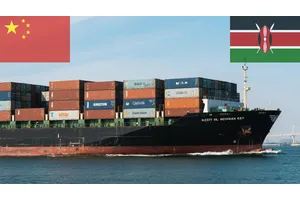
Are you wondering how much it costs to ship a 20ft or 40ft container from China to Kenya? Understanding container shipping cost is crucial for importers and exporters looking to optimize their logistics. In this comprehensive guide, we break down the key differences between container sizes, explore the factors influencing rates, and reveal expert tips to secure the best deals on your China to Kenya container shipping journey. Let’s dive into everything you need to know to make informed, cost-effective shipping decisions.
Overview of Container Shipping from China to Kenya
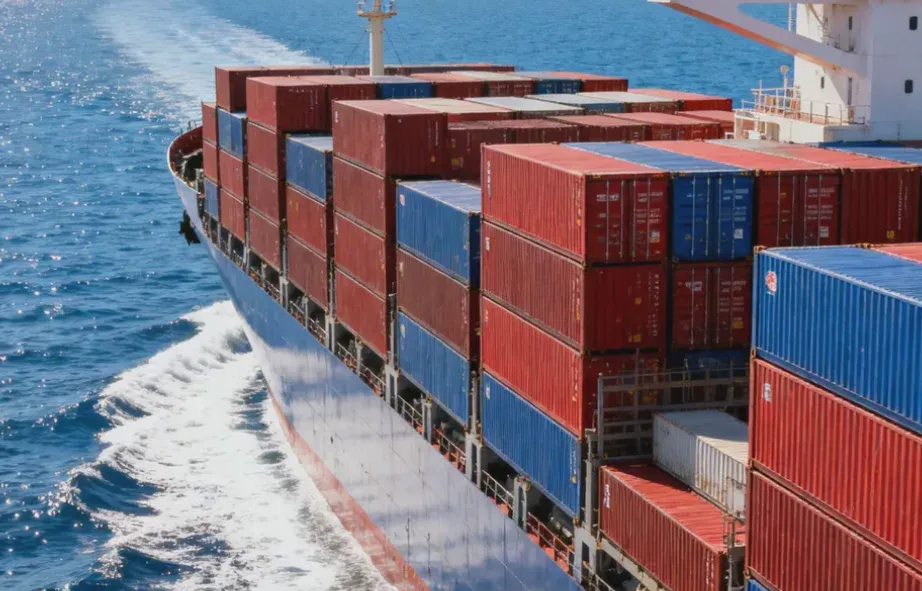
Shipping containers from China to Kenya is a vital link in global trade, supporting industries ranging from manufacturing and retail to e-commerce and construction. With robust bilateral trade relations, China has become one of Kenya’s main trading partners, exporting electronics, machinery, textiles, construction materials, and consumer goods. The majority of cargo is transported via ocean freight, which is cost-effective and suitable for both Full Container Load (FCL) and Less than Container Load (LCL) shipments.
The primary Chinese ports for export include Shanghai, Shenzhen, Guangzhou, Ningbo, and Qingdao. On the Kenyan side, the key entry port is Mombasa, the largest and busiest port in East Africa. This port serves as a gateway, not only for Kenya but also for neighboring countries such as Uganda, Rwanda, and South Sudan.
Typical transit times from major China ports to Mombasa range between 20 to 35 days, depending on the shipping line, route, and whether the service is direct or transshipment. Ocean freight remains the most popular solution due to its cost efficiency for both 20ft and 40ft container options. For more detailed region-specific information, you might find this article on Shipping From ShenZhen To Kenya useful.
20ft vs 40ft Container: Differences, Capacities, and Applications
Choosing the right container size is crucial for optimizing shipping costs and logistics efficiency. Below is a detailed comparison between 20ft and 40ft containers, highlighting their key differences, capacities, and typical use cases.
| Container Type | Internal Dimensions (L x W x H, m) | Volume Capacity (CBM) | Max Gross Weight (Ton) | Typical Use Cases |
|---|---|---|---|---|
| 20ft Container | 5.9 x 2.35 x 2.39 | 28 | 24–28 | Heavy, dense cargo; small shipments |
| 40ft Container | 12.03 x 2.35 x 2.39 | 56 | 24–30 | Voluminous, lighter goods; bulk shipments |
| 40ft High Cube (HQ) | 12.03 x 2.35 x 2.69 | 68 | 24–30 | Tall or oversized cargo; large volume |
| 45ft High Cube (HQ) | 13.55 x 2.35 x 2.69 | 78 | 24–30 | Extra large shipments |
- 20ft containers are ideal for smaller shipments or heavy, dense goods where maximum weight is reached before the available volume is filled.
- 40ft containers are suitable for larger shipments or lightweight, voluminous cargo, maximizing space utilization.
- High Cube containers offer extra height for oversized or particularly bulky items.
When to Choose a 20ft Container
A 20ft container is the preferred choice when:
- Shipping heavy or dense cargo (e.g., machinery, metals, tiles, chemicals) that may reach the weight limit before filling the available volume.
- The total cargo volume is around 28CBM or less.
- The shipment is relatively small or for trial orders.
- The cargo needs to be split for different destinations, or the recipient has space constraints at the destination warehouse.
Example: An importer shipping construction materials such as steel coils or cement from China to Kenya will often opt for a 20ft container, as these products are weight-intensive and the container’s weight limit may be reached before its full volume is occupied.
When to Choose a 40ft Container
A 40ft container is more suitable when:
- Shipping voluminous but lighter goods (e.g., furniture, textiles, electronics, plastic products) that require more space but do not reach the maximum weight.
- The cargo volume is closer to 56CBM (or 68CBM for 40HQ).
- Cost efficiency per cubic meter is a priority, as 40ft containers generally offer a lower cost per CBM compared to 20ft containers.
- Large consolidated shipments or full-scale resupply orders.
Example: A cross-border e-commerce seller exporting assembled furniture sets or bulk consumer goods to Kenya would benefit from using a 40ft container due to the volume and lighter average cargo weight.
For further regional pricing reference, see Cost of shipping 40ft container from China to Chana for comparative West African rates.
Typical Cargo Types for Each Container Size
20ft Container:
- Heavy machinery and spare parts
- Construction materials (tiles, stones, metals)
- Chemicals and liquids (in barrels/drums)
- Industrial equipment
40ft Container:
- Home appliances and electronics
- Furniture and home décor
- Textiles and garments
- Plastic ware and toys
- Mixed retail goods
40ft High Cube (HQ):
- Oversized equipment
- Large volume products (e.g., mattresses, auto parts)
- Lightweight but bulky items (e.g., insulation materials, empty bottles)
Kenya’s importers often choose container sizes based on product type, shipping frequency, budget, and warehouse capability. At DTFU International Logistics Co., Ltd, we offer comprehensive consultation to help clients choose the most suitable container, ensuring both cost-effectiveness and operational efficiency.
Factors Influencing Container Shipping Costs to Kenya
International shipping costs from China to Kenya can fluctuate due to several factors. Understanding these will help importers and exporters plan their logistics budgets effectively and avoid unexpected expenses. Below, I analyze each key aspect impacting the shipping cost for both 20ft and 40ft containers.
Freight Rates: Ocean Shipping Charges Explained
The ocean freight rate is the core component of shipping costs. This rate is determined by:
- Container Size: The cost for a 20ft container (28CBM capacity) is naturally less than that for a 40ft container (56CBM) or 40HQ container (68CBM), reflecting the difference in space and weight allowances.
- Route & Transit Time: The chosen shipping lane between major ports, such as Shanghai Port or Shenzhen Port in China to Mombasa Port in Kenya, affects cost. Direct routes may be faster but sometimes more expensive. For reference on regional shipping times, check out Shipping time from china to Kenya.
- Carrier Selection and Service Level: Reliable carriers with frequent departures tend to charge a premium but offer better schedules, safety records, and fewer delays.
Shipping rates can be quoted as:
- FCL (Full Container Load): Ideal for large shipments, offering a fixed rate per container.
- LCL (Less than Container Load): Goods from multiple shippers are consolidated, and costs are shared, but rates per cubic meter are higher.
Example Table: Typical Ocean Freight Charges (January 2026)
| Container Type | Shanghai → Mombasa | Shenzhen → Mombasa | Ningbo → Mombasa |
|---|---|---|---|
| 20ft | $2,800 - $3,300 | $2,750 - $3,250 | $2,800 - $3,350 |
| 40ft | $4,500 - $5,500 | $4,400 - $5,400 | $4,550 - $5,600 |
Rates are indicative as of January 2026 (Pre-Chinese New Year Peak). Actual costs may vary depending on carrier, contract terms, and shipping volume.
Seasonal Trends and Market Fluctuations
The global container shipping industry is highly sensitive to market trends and seasonal patterns:
- Peak Seasons: Demand surges between July and October (pre-holiday stock-up) and before Chinese New Year. Shipping rates typically increase by 10-30% during these times due to space shortages.
- Off-Peak Periods: Rates may drop outside peak periods, especially in late Q1 and Q2.
- Market Shocks: Events like the COVID-19 pandemic, port strikes, or Suez Canal disruptions can sharply impact costs and transit times.
Tip: Booking your shipment in advance and working with a reputable freight forwarder, such as DTFU International Logistics Co.,Ltd, helps secure space and better rates during volatile periods.
Impact of Fuel Prices and Surcharges
- Bunker Adjustment Factor (BAF): Changes in global oil prices directly affect the BAF, a surcharge levied by carriers to offset fuel cost volatility.
- Surcharges: Other common surcharges include the Currency Adjustment Factor (CAF), Peak Season Surcharge (PSS), and Emergency Risk Surcharge (ERS).
- Environmental Regulations: Newer IMO emission regulations may require ships to use low-sulfur fuel, increasing operational costs.
Ocean freight rates may shift monthly based on these surcharge adjustments.
Customs, Taxes, and Additional Fees in Kenya
Cost transparency requires understanding all destination country charges:
- Import Duties and VAT: The Kenyan Revenue Authority (KRA) applies import duties between 0%–25% based on cargo type, plus 16% VAT.
- Port Handling Charges: Mombasa Port levies Terminal Handling Charges (THC), container clearance, and storage fees.
- Documentation Fees: Charges for Bill of Lading, customs documentation, and sometimes inspection fees.
- Last-Mile Delivery: If you require door-to-door delivery in Kenya, local transport, and possible warehousing add to the total cost.
- Security Fees: Fees related to port security and container scanning.
DTFU International Logistics Co.,Ltd offers one-stop customs clearance and local logistics support, ensuring full compliance and cost-effectiveness. You may also want to reference Cost of shipping container from china to Kenya for a comprehensive breakdown of recent fees and considerations.
January 2026 Container Shipping Rates from China to Kenya
Based on recent market data and industry forecasts, here is a detailed cost breakdown for moving containers from China to Kenya in January 2026. Please note these are average market estimates for standard DRY containers; actual prices may vary by service level, volume, and current surcharges.
Average 20ft Container Shipping Costs
| Origin Port | Destination Port | Base Ocean Freight (USD) | THC & Local Charges (USD) | Total Estimated Cost (USD) |
|---|---|---|---|---|
| Shanghai | Mombasa | $3,050 | $650 | $3,700 |
| Shenzhen | Mombasa | $3,000 | $650 | $3,650 |
| Ningbo | Mombasa | $3,075 | $650 | $3,725 |
Key Points:
- Above rates exclude Kenyan import duties and VAT.
- Additional surcharges (e.g., fuel, peak season) may apply.
- Transit time typically ranges from 30–35 days port-to-port.
Average 40ft Container Shipping Costs
| Origin Port | Destination Port | Base Ocean Freight (USD) | THC & Local Charges (USD) | Total Estimated Cost (USD) |
|---|---|---|---|---|
| Shanghai | Mombasa | $5,000 | $950 | $5,950 |
| Shenzhen | Mombasa | $4,900 | $950 | $5,850 |
| Ningbo | Mombasa | $5,050 | $950 | $6,000 |
Key Points:
- 40ft containers offer double the space of 20ft, so per CBM shipping is more economical for large shipments.
- Fast-tracking, specialized containers (e.g., OOG Freight for oversize cargo) will incur additional costs.
Expert Insights and Recommendations
As a logistics analyst with over a decade of experience, I strongly advise businesses and individuals to:
- Compare Quotes: Gather multiple quotes from different freight forwarders, but prioritize providers with transparent pricing and comprehensive services.
- Partner with Professionals: DTFU International Logistics Co.,Ltd offers end-to-end solutions—sea freight, air freight, customs clearance, door-to-door, cargo insurance, and warehousing—ensuring your goods move efficiently and cost-effectively.
- Stay Informed: Monitor market and policy updates, as changes in customs regulations or surcharges can impact total landed costs.
For specific, up-to-date rates or tailored logistics solutions, contact DTFU International Logistics Co.,Ltd for a free consultation and shipping quote.
How to Get the Best Shipping Rate: Tips for Importers and Exporters
Comparing Quotes from Freight Forwarders
When shipping from China to Kenya, obtaining competitive rates is essential for cost control. Here’s how you can effectively compare quotes:
- Request Multiple Quotes: Always solicit detailed quotations from at least three reputable freight forwarders. This will help you assess the market and uncover hidden charges.
- Evaluate Inclusions and Exclusions: Ensure each quote specifies what’s included (e.g., ocean freight, documentation, customs clearance) and what’s not (e.g., insurance, destination charges).
- Check Transit Times and Service Levels: Faster routes may cost more. Compare estimated transit times and reliability scores.
- Understand Surcharges and Local Charges: Ask for a breakdown of surcharges, such as BAF (Bunker Adjustment Factor), CAF (Currency Adjustment Factor), and terminal handling charges.
- Leverage Technology: Use online platforms or digital freight marketplaces to get instant comparisons.
| Item | DTFU International Logistics | Forwarder A | Forwarder B |
|---|---|---|---|
| 20ft Container Rate | $3,050 (Shanghai–Mombasa)* | $3,150 | $3,200 |
| 40ft Container Rate | $5,000 (Shanghai–Mombasa)* | $5,200 | $5,350 |
| Transit Time | 23–28 days | 25–30 days | 24–32 days |
| Inclusions | Full Door-to-Door, Customs | Port-Port Only | Door-to-Port |
| Customer Support | 24/7, Multilingual | Business Hours Only | Business Hours Only |
*Rates subject to seasonal and market changes. For the latest, please contact DTFU International Logistics directly.
Tip: Choose a forwarder like DTFU International Logistics Co.,Ltd, recognized for transparent pricing, comprehensive services, and responsive support.
Benefits of FCL vs. LCL
Understanding your cargo volume and the pros and cons of each shipping method can help you optimize costs:
-
FCL (Full Container Load)
- You book an entire 20ft or 40ft container.
- Best for shipments close to container capacity (20ft ≈ 28CBM, 40ft ≈ 56CBM).
- Lower risk of damage/theft since only your goods are loaded.
- More cost-effective per cubic meter for large shipments.
-
LCL (Less than Container Load)
- You share container space with other shippers.
- Ideal for small volumes (<15 CBM).
- Flexible and cost-efficient for low-volume shipments, but higher risk of delay due to consolidation.
- More handling, potentially leading to increased risk of damage.
| Criteria | FCL | LCL |
|---|---|---|
| Volume | High (15CBM–56CBM+) | Low (<15CBM) |
| Cost per CBM | Lower (for large volumes) | Higher |
| Transit Time | Shorter | Potential delays due to consolidation |
| Risk | Lower (less handling) | Higher (more handling) |
Expert Advice: If your cargo volume is more than half a container, opt for FCL for better rates and security.
Negotiation Strategies with Shipping Companies
Negotiating with shipping lines or freight forwarders can yield significant savings:
- Leverage Volume: If you ship regularly, negotiate volume-based contracts for lower rates.
- Flexibility: Be open to flexible sailing dates to access the best off-peak rates.
- Bundling Services: Combine services (e.g., customs clearance, insurance) for package discounts.
- Market Awareness: Stay informed about seasonal trends and rate fluctuations; book during rate dips.
- Build Relationships: Long-term partnerships with providers like DTFU International Logistics Co.,Ltd may grant you access to priority services and preferential rates.
- Request All-in Quotes: Always ask for "all-in" pricing to avoid surprise charges.
Step-by-Step Shipping Process from China to Kenya
Booking Your Container: What Documents You Need
Booking a container shipment requires timely document preparation and submission:
- Commercial Invoice: Details the transaction between seller and buyer.
- Packing List: Specifies cargo details (quantity, weight, dimensions).
- Bill of Lading (B/L): Contract of carriage issued by the shipping line.
- Export Customs Declaration: Required by Chinese Customs.
- Import Permits: Certain goods may require Kenyan import permits.
- Insurance Certificate (optional but strongly recommended).
DTFU International Logistics Co.,Ltd simplifies document handling by providing guidance and reviewing all paperwork before submission.
Cargo Packing, Loading, and Container Sealing
Proper packing and loading are crucial to minimize damage and comply with international shipping standards:
- Professional Packing: Use export-grade packing materials. Heavy items at the bottom, lighter ones on top.
- Container Loading: Evenly distribute weight; avoid overloading on one side.
- Container Sealing: After loading, containers are sealed with a unique, tamper-proof seal number, recorded on the B/L for security.
DTFU International Logistics Co.,Ltd offers value-added services such as onsite loading supervision and cargo packaging consulting. For additional details on packaging and compliance, see How to import clothes from China to Kenya, which covers practical tips for safe and compliant cargo handling.
Customs Clearance Procedures in China and Kenya
At Origin (China):
- Customs Declaration: Submit export documents to Chinese Customs.
- Inspection: Possible inspection for restricted or sensitive cargo.
- Release for Loading: Once cleared, cargo is loaded for export.
At Destination (Kenya):
- Manifest Submission: Shipping documents sent in advance to Kenyan Customs.
- Customs Entry Filing: Importer or agent files entry detailing cargo nature and value.
- Duty & Tax Assessment: Pay applicable import duties, VAT, or other levies.
- Physical Inspection: Random or targeted inspection may be conducted.
- Release to Consignee: Cargo is released for local delivery.
Tip: Engage a full-service provider like DTFU International Logistics Co.,Ltd for one-stop customs clearance and compliance assistance.
Tracking and Receiving Your Shipment
Real-time cargo visibility is vital for supply chain control:
- Online Tracking: Use the carrier or freight forwarder’s tracking system to monitor shipment status.
- ETA Notifications: Receive updates on Estimated Time of Arrival (ETA) and potential delays.
- Arrival Advisory: Forwarder notifies you before cargo arrives at Mombasa Port or Nairobi ICD (Inland Container Depot).
- Container Unloading: Arrange for prompt unloading to avoid demurrage.
- Document Handover: Present the original B/L or telex release to claim cargo.
DTFU International Logistics Co.,Ltd provides integrated tracking tools and proactive customer support for seamless shipment management.
FAQs
Q1: What is the typical transit time for container shipping from China to Kenya?
A: Transit time from major ports in China (e.g., Shanghai, Shenzhen, Ningbo) to Mombasa Port, Kenya is usually 23–28 days for direct sailings.
Q2: How much does it cost to ship a 20ft or 40ft container from China to Kenya?
A: As of January 2026, average rates are around $3,050 for a 20ft and $5,000 for a 40ft container (Shanghai–Mombasa), subject to market fluctuations.
Q3: What are the main ports of origin in China for shipments to Kenya?
A: Key ports include Shanghai, Shenzhen, Guangzhou, and Ningbo.
Q4: Does the ocean freight rate include Kenya Customs Duties and Taxes?
A: Generally, no. Most quotes are for freight only. You are responsible for Import Duty (0-25%), VAT (16%), IDF fees (3.5%), and RDL (2%) upon arrival. For a hassle-free experience, ask DTFU for a DDP (Delivered Duty Paid) shipping solution which includes all taxes and delivery to your doorstep.
Q5: What are the hidden costs when shipping containers to Mombasa?
A: Beyond freight and tax, importers must budget for Mombasa Port charges (THC), Delivery Order fees, Interchange fees, and Clearing Agent fees. Delays in documentation (like late COC or IDF) can also lead to expensive demurrage and storage charges.
Q6: How can I reduce my total shipping cost from China to Kenya?
A: To minimize costs:
- Maximize Container Space: Ensure you utilize the full 28CBM (20ft) or 56CBM (40ft).
- Book in Advance: Secure space 2-3 weeks early to avoid peak season surcharges.
- Avoid Delays: Work with a proactive forwarder like DTFU International Logistics to ensure all compliance documents are ready before the vessel arrives, preventing port penalties.