Are you wondering about the cost of shipping a 40ft container from China to Ghana and what factors drive these expenses? In this comprehensive guide, we’ll explore essential aspects such as freight rates, port charges, and the impact of shipping methods on your budget. Whether you’re a first-time importer or seeking better rates, understanding the China-Ghana shipping process is crucial. Read on as we break down everything you need to know to make informed shipping decisions!
Shipping a 40ft Container from China to Ghana
Introduction to China-Ghana Freight Routes
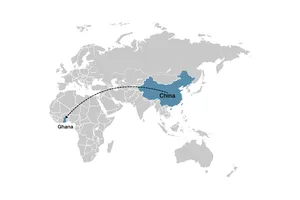
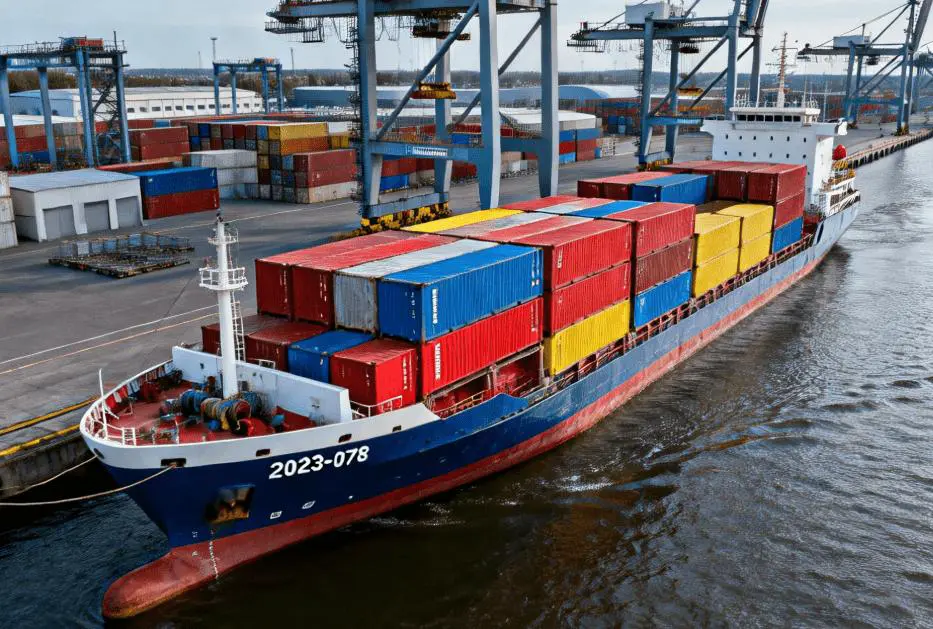
Shipping a 40ft container from China to Ghana is a vital logistics solution for companies engaged in international trade between Asia and West Africa. With China being one of Ghana's largest trading partners, the demand for reliable freight services along this route is consistently high. Most cargo moves by sea freight, leveraging the cost-effectiveness and capacity of container vessels. The main shipping lanes connect major Chinese ports, such as Shanghai, Shenzhen, and Ningbo, with Ghana’s leading port, Tema Port, and the developing Takoradi Port.
The typical shipping route covers the following steps:
- Cargo is loaded at a designated Chinese port.
- Container vessels travel through the South China Sea, pass the Strait of Malacca, transit the Indian Ocean, and round the Cape of Good Hope.
- The vessel enters the Gulf of Guinea and arrives at Ghanaian ports.
The popularity of this trade lane hinges on the increasing export of machinery, electronics, textiles, and consumer goods from China to Ghana. These goods fuel Ghana’s industries, infrastructure, and retail sectors.
Related Reading: For those exploring different shipping solutions, see our guide on Door to Door Shipping From China Ghana.
Why Choose a 40ft Container for International Shipping
Choosing a 40ft container for shipping goods from China to Ghana offers several advantages:
- Capacity: A standard 40ft container can hold approximately 56 CBM (cubic meters), making it suitable for large, bulky, or consolidated shipments. For even more volume, a 40HQ (high cube) offers up to 68 CBM.
- Cost-Efficiency: When shipping full loads (FCL – Full Container Load), the per-unit shipping cost is lower compared to using smaller containers or LCL (Less than Container Load) shipments.
- Security & Protection: Containers offer protection against weather, theft, and damage, ensuring goods arrive in optimal condition.
- Versatility: 40ft containers accommodate a wide range of cargo types, from machinery and electronics to clothing and raw materials.
- Popular Choice for Trade: Most importers and exporters prefer 40ft containers due to their balance between size and cost, especially for long-haul international shipments like China-Ghana.
By partnering with an experienced freight forwarder such as DTFU International Logistics Co.,Ltd, shippers benefit from professional handling, competitive rates, and one-stop logistics solutions tailored to their specific needs.
Key Factors Affecting the Cost of Shipping 40ft Containers
Distance and Popular Shipping Routes Between China and Ghana
The shipping cost for a 40ft container from China to Ghana is heavily influenced by the geographic distance and the specific shipping routes used. The average nautical distance between major Chinese ports and Ghana’s Tema Port is approximately 12,000 nautical miles. Due to this long distance, ocean freight rates are higher than for regional routes.
Popular Shipping Routes:
| Origin Port (China) | Destination Port (Ghana) | Approx. Transit Time | Key Notes |
|---|---|---|---|
| Shanghai | Tema | 35-45 days | Major export route, direct and transshipment options |
| Ningbo | Tema | 35-45 days | High frequency, competitive rates, transshipment |
| Shenzhen | Tema | 33-43 days | Fast-growing route, suitable for electronics |
| Qingdao | Takoradi | 37-50 days | Less frequent, used for industrial goods |
Direct vs. Transshipment:
Some shipments go directly to Ghana, while others are transshipped via intermediary ports (e.g., Singapore, Jebel Ali). Transshipment can reduce costs but may increase total transit time and the risk of delays.
Seasonal Fluctuations and Market Demand Impact
Shipping rates for 40ft containers are subject to market dynamics, including seasonal trends and demand surges:
- Peak Seasons: Rates increase during peak export periods, such as pre-Christmas (September-November) and before major Chinese holidays (e.g., Chinese New Year), due to higher demand and limited vessel space.
- Off-Peak Periods: Shipping costs may decrease during quieter months (February-March, after Chinese New Year), providing opportunities for cost savings.
- Global Events: Recent global disruptions—such as the COVID-19 pandemic, the Red Sea crisis, or port congestions—have led to rate volatility and longer lead times.
- Market Demand: Economic trends in Ghana (e.g., construction booms, government projects, or currency fluctuations) influence import volumes and, consequently, shipping prices.
Rate Example Table (Dec 2025, as per DTFU Logistics market data):
| Month | Avg. 40ft Container Rate (USD) | Notes |
|---|---|---|
| January | $3,500 | Post-peak, reduced demand |
| March | $3,200 | Lower, post-holiday slack season |
| July | $4,100 | Pre-holiday demand increases |
| October | $4,500 | Peak season before Christmas |
Note: Rates are indicative and subject to rapid market changes. Always consult your freight forwarder for real-time quotes.
Recommended for You: Learn more about Shipping time from China to Ghana and how transit time influences cost planning.
Differences in Port Charges and Handling Fees
Apart from ocean freight, the total shipping cost includes various port charges and handling fees, which vary between ports and countries:
- Chinese Ports: Ports like Shanghai, Shenzhen, and Ningbo apply handling, documentation, and security fees. These are usually standardized but may differ slightly by operator.
- Ghanaian Ports: Tema and Takoradi impose import duties, VAT, port security charges, terminal handling charges (THC), and sometimes congestion surcharges. Recent upgrades to port infrastructure in Tema have led to some revised tariffs.
- Customs Clearance: Both origin and destination countries have their own customs procedures, which can incur additional service fees or require engaging a customs broker.
Sample Breakdown of Typical Port & Handling Charges (Dec 2025):
| Charge Type | China (USD) | Ghana (USD) | Comments |
|---|---|---|---|
| Terminal Handling Charge (THC) | $100-150 | $200-250 | Per container, depends on port operator |
| Customs Clearance Fee | $50-100 | $100-200 | May vary based on cargo type/value |
| Import Duty & VAT | N/A | Varies (5%-20% of cargo value) | Based on HS code and Ghanaian laws |
| Documentation Fee | $50-70 | $40-60 | For processing shipping documents |
| Port Security Fee | $10-20 | $20-50 | As per local port authority |
Exact figures depend on cargo, shipment terms, and latest port tariffs.
For tailored advice or a real-time shipping quote, contact Ivan Chan or the DTFU team. We are committed to providing cost-effective, professional, and one-stop logistics solutions for your China-to-Ghana shipments.
Breakdown of 40ft Container Shipping Costs
When shipping a 40ft container from China to Ghana, it is crucial to understand all the cost components involved. This allows importers, exporters, and supply chain professionals to budget accurately and make informed decisions.
Freight Rates: FCL vs. LCL for China to Ghana
Freight rates are determined primarily by the shipping mode: Full Container Load (FCL) or Less than Container Load (LCL).
- FCL (Full Container Load): The entire 40ft container is booked by a single shipper. This is ideal for large shipments, offering cost-efficiency per unit and reduced cargo handling risk.
- LCL (Less than Container Load): Multiple shipments from different shippers are consolidated into one container. Suitable for smaller cargo volumes, but generally comes with higher cost per cubic meter and longer processing time due to consolidation/deconsolidation.
| Mode | Approximate Rate (USD, Dec 2025) | Typical Volume | Best for | Remarks |
|---|---|---|---|---|
| FCL | $4,200 – $5,000 | 68 CBM (40HQ) | Full container | Lower unit cost, less handling, faster overall transit |
| LCL | $50 – $85 per CBM | 1-15 CBM | Small shipments | Higher unit cost, possible delays at consolidation hubs |
Note: Actual rates fluctuate based on carrier, shipping line, and current market demand. For the most accurate quote, consult a reputable freight forwarder like DTFU International Logistics Co.,Ltd.
Additional Charges: Customs, Documentation, and Insurance
Besides the basic freight cost, several additional charges may apply:
- Customs Clearance Fees: Both in China and Ghana, customs brokers charge fees for processing documentation and clearing cargo. Fees vary by the complexity and value of goods.
- Documentation Fees: Includes Bill of Lading, packing list, commercial invoice, and any specific certificates required for certain commodity types.
- Insurance: Highly recommended for international shipping. The cost is typically 0.2%–0.5% of the cargo value, depending on coverage and risk profile.
| Fee Type | Typical Range (USD) | Mandatory | Notes |
|---|---|---|---|
| Customs Clearance | $50 – $150 (per entry) | Yes | Required at both origin and destination |
| Documentation | $30 – $60 | Yes | May differ by shipping line/forwarder |
| Insurance | 0.2% – 0.5% of cargo value | Optional* | Highly recommended for valuable or fragile shipments |
*Some buyers may require insurance as a contractual obligation.
Surcharges: Fuel, Security, and Port Congestion Fees
Shipping lines often apply surcharges to offset operational risks and fluctuating costs:
- Bunker Adjustment Factor (BAF): Reflects changes in fuel prices.
- Security Surcharges: Covers costs associated with cargo screening and port security enhancements.
- Port Congestion Fees: Imposed when ports experience delays due to high traffic or labor issues.
| Surcharge Type | Typical Range | When Applied |
|---|---|---|
| BAF (Fuel Surcharge) | $150 – $350 per container | Volatile; adjusts monthly |
| Security Surcharge | $10 – $25 per shipment | Fixed per shipment |
| Port Congestion Fee | $50 – $150 per container | As required by port conditions |
Summary:
Understanding these costs helps shippers make accurate landed cost calculations. At DTFU International Logistics Co.,Ltd, we provide transparent breakdowns and help you optimize your logistics budget with tailored solutions.
Explore More: For those interested in alternative regional routes and costs, check out Cost of shipping 40ft container from china to Nigeria.
Major Ports and Transit Time for China-Ghana Shipments
Efficient international shipping from China to Ghana depends heavily on the selection of ports and understanding estimated transit times. Below is a comprehensive breakdown of the most relevant ports and timelines.
Top Chinese Ports for Ghana-bound Shipments
China possesses several major export ports with direct or transshipment routes to Ghana:
| Port Name | City | Key Features | Typical Service Frequency |
|---|---|---|---|
| Shanghai Port | Shanghai | Largest in the world; excellent connectivity | Weekly sailings |
| Shenzhen Port | Shenzhen | Tech/manufacturing hub; fast customs clearance | Weekly sailings |
| Ningbo-Zhoushan | Ningbo | Major global shipping hub | Weekly sailings |
| Guangzhou (Nansha) | Guangzhou | Southern China’s trade gateway | Weekly sailings |
| Qingdao Port | Qingdao | Northern China exports; modern infrastructure | Bi-weekly/weekly |
These ports offer FCL and LCL services, with advanced cargo tracking and container handling facilities.
Main Destination Ports in Ghana
Ghana features primary seaports designed to handle containerized cargo efficiently:
| Port Name | City | Specialization |
|---|---|---|
| Tema Port | Tema | Main container gateway |
| Takoradi Port | Takoradi | Bulk and container cargo |
- Tema Port handles the vast majority of container shipments from Asia and is equipped with modern terminals and customs processing.
- Takoradi Port is an alternative for Western Ghana but less commonly used for containerized cargo.
Expected Transit Times and Delay Factors
Transit time for a 40ft container from China to Ghana depends on the specific origin and destination ports, service type, and routing (direct or via major transshipment hubs like Singapore or Port Klang).
| Route Example (FCL) | Estimated Transit Time* | Typical Delay Factors |
|---|---|---|
| Shanghai – Tema | 30–35 days | Weather, port congestion, customs clearance |
| Shenzhen – Tema | 33–37 days | As above |
| Ningbo – Takoradi | 36–40 days | Transshipment delays |
*Actual transit time may vary due to:
- Port Congestion: Both in China and Ghana, peak seasons may increase berthing and unloading times.
- Customs/Regulatory Delays: Incomplete documentation or new policy implementations can cause unexpected holds.
- Global Events: Geopolitical events, health emergencies (e.g., COVID-19), or disruptions in the Red Sea can impact global shipping schedules.
DTFU International Logistics Co.,Ltd continuously monitors shipping lanes and offers proactive solutions to minimize delays and optimize transit times.
Popular Shipping Methods and Their Cost Implications
When shipping a 40ft container from China to Ghana, selecting the right shipping method is crucial. The chosen mode of transport directly impacts not only your logistics costs but also transit time, risk exposure, and supply chain flexibility. Below, I will detail the most widely used shipping methods, compare their costs, and analyze which fits different business needs.
Sea Freight vs. Air Freight: Cost Comparison
Sea Freight remains the dominant method for transporting 40ft containers between China and Ghana. This is due to its cost-effectiveness, especially for bulky or heavy shipments. On the other hand, Air Freight offers unmatched speed but at a significantly higher price.
Cost and Transit Time Comparison Table (As of Dec 2025)
| Mode | Average Cost (40ft FCL) | Transit Time | Best For | Key Pros | Key Cons |
|---|---|---|---|---|---|
| Sea Freight | $4,500 – $6,500 | 30–40 days | Bulk, non-urgent, cost-sensitive cargo | Lower cost, large capacity | Slower, possible port congestion |
| Air Freight | $30,000 – $40,000+ | 5–8 days | High-value, urgent, small or perishable loads | Fastest delivery, high reliability | High cost, limited by weight/size |
Notes:
- Prices above include typical port-to-port charges but exclude customs, surcharges, and last-mile delivery.
- Sea freight rates may fluctuate due to fuel prices, seasonal demand, and global trade dynamics.
- Air freight is rarely used for full 40ft containers due to size and weight restrictions but is included for comparative context.
Professional tip: For most businesses, especially importers, exporters, and manufacturers, sea freight FCL (Full Container Load) offers the best balance of cost and capacity. However, for urgent shipments, samples or high-value cargo, air freight may justify the investment.
Door-to-Door, Port-to-Port, and Other Service Options
Choosing the right delivery service model further affects both cost and convenience.
Comparison of Service Models
| Service Model | Description | Typical Cost Impact | Suitable For |
|---|---|---|---|
| Port-to-Port | Shipper delivers to the origin port; consignee picks up at destination port. | Lowest base cost | Experienced shippers with local logistics support |
| Door-to-Port | Pickup at shipper’s location; delivered to destination port. | Moderate | SMEs needing pickup, with destination arrangements |
| Port-to-Door | Shipper delivers to origin port; delivery to consignee’s address. | Moderate | Consignees lacking local transport at destination |
| Door-to-Door | Full pickup and delivery, customs and local deliveries included. | Highest, all-inclusive | First-time importers/exporters, e-commerce, SMEs |
Key Considerations:
- Door-to-Door simplifies the entire process, reducing the risk of hidden or unforeseen local charges.
- Port-to-Port is the most cost-effective, but requires robust logistics arrangements at both origin and destination.
DTFU International Logistics Co.,Ltd specializes in all shipping models, providing tailored solutions for both large enterprises and SMEs, including one-stop customs clearance and insurance for added peace of mind.
How to Get the Best Shipping Rates from China to Ghana
Securing competitive shipping rates for a 40ft container from China to Ghana requires a blend of industry insight, negotiation skills, and informed decision-making. Below, I share proven strategies drawn from over a decade in international logistics.
Tips for Negotiating with Freight Forwarders
- Request Detailed Quotations: Always ask for itemized quotes, including freight, surcharges, port fees, and documentation. This ensures transparency and helps avoid hidden costs.
- Leverage Volume Discounts: If shipping regularly or in multiple containers, negotiate for volume-based rates.
- Build Long-term Relationships: Consistent partners are often offered preferential rates and priority during peak seasons.
- Ask About Special Offers: Some freight forwarders, like DTFU International Logistics Co.,Ltd, periodically offer promotional rates or bundled service packages.
Importance of Accurate Shipment Details and Advance Booking
- Provide Precise Cargo Information: Shipping rates depend heavily on exact cargo weight, dimensions, nature (hazardous/non-hazardous), and packaging. Inaccuracies can lead to surcharges or shipment delays.
- Book Early: Booking your container space 3–4 weeks in advance is highly recommended, particularly before peak seasons (e.g., pre-Chinese New Year, back-to-school period). Early booking not only secures space but can lock in lower rates.
- Consider Flexibility: Being open to alternative sailing dates or ports can help capitalize on rate fluctuations.
Utilizing Freight Rate Comparison Tools and Online Platforms
- Compare Multiple Quotes: Use reputable online freight marketplaces (e.g., Freightos, Flexport) to benchmark rates across forwarders.
- Check Historical Trends: Many platforms provide rate trend analysis—leverage this to decide the optimal booking time.
- Evaluate Total Logistics Cost: Focus not just on shipping price, but also additional charges (customs, last-mile delivery, insurance).
For customized shipping quotes, professional advice, or in-depth logistics support, feel free to contact DTFU International Logistics Co.,Ltd. We are committed to helping you succeed in global trade.