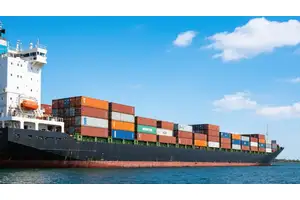
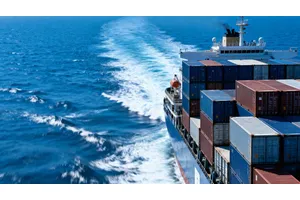
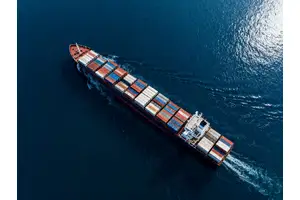
Are you looking for the most efficient way to handle Shipping From Shenzhen To Kenya? Whether you're a business owner or an individual importer, understanding the various shipping methods, trade routes, and cost factors is crucial for seamless international trade. In this comprehensive guide, we’ll explore everything you need to know—from major ports and common goods to customs requirements and freight forwarding tips—to ensure your shipments arrive safely and on time.
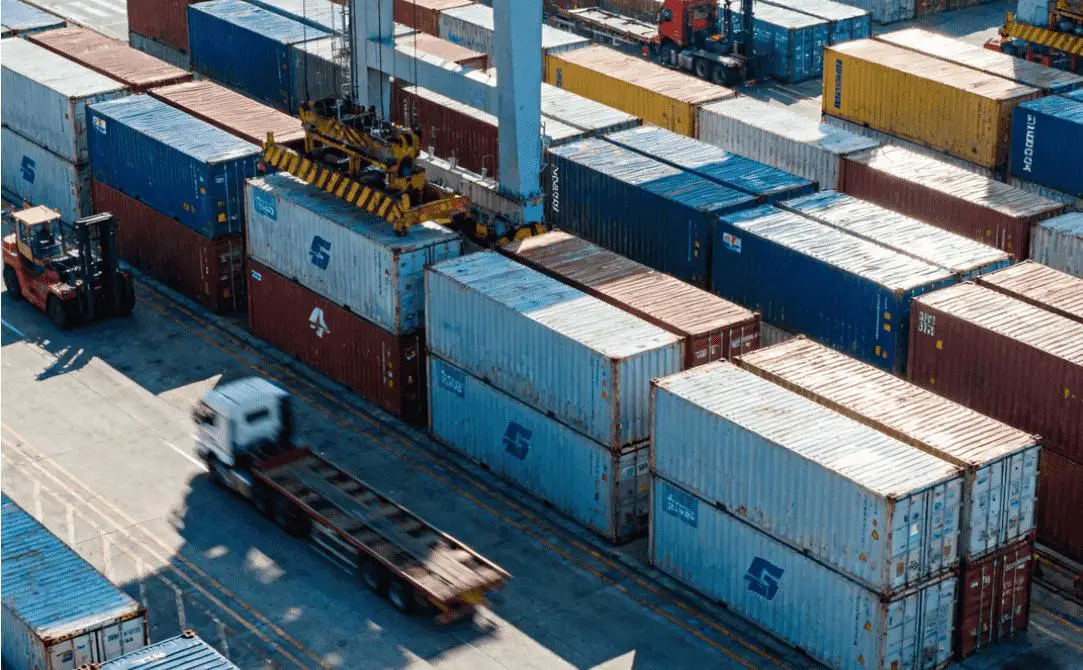
Shipping from Shenzhen (China’s leading manufacturing and export city) to Kenya is a strategic logistics activity that supports the booming trade between East Asia and East Africa. Over the past decade, China-Kenya trade has grown steadily, with Kenya being a vital import hub for Chinese electronics, machinery, textiles, and consumer goods. With its position as a global sourcing center, Shenzhen offers comprehensive shipping solutions for Kenyan importers, manufacturers, and e-commerce businesses.
Key Trade Routes Connecting Shenzhen and Kenya
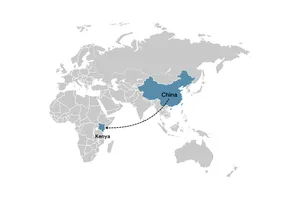
The primary trade route for shipping from Shenzhen to Kenya involves intermodal connections via the South China Sea and the Indian Ocean. Most cargo shipments depart from Shenzhen ports and are destined for Mombasa Port in Kenya. Common ocean routes include transshipment via key international hubs such as Singapore or Colombo before reaching East African ports.
For air freight, direct and indirect flights operate from Shenzhen Bao’an International Airport to Jomo Kenyatta International Airport in Nairobi. These routes cater to high-value, time-sensitive cargo. The Belt and Road Initiative and ongoing infrastructure projects continue to strengthen these connections, reducing transit times and improving cost efficiency.
Major Ports Involved in the Shipping Process
Shenzhen Ports (China):
-
Yantian International Container Terminal: Handles the majority of long-haul container shipments from Shenzhen, known for advanced automation and large vessel handling.
-
Shekou Container Terminal: Another major terminal facilitating FCL (Full Container Load) and LCL (Less than Container Load) shipments.
-
Chiwan Port: Specializes in breakbulk and OOG (Out of Gauge) cargo, suitable for project logistics and oversized items.
Kenya Ports:
-
Port of Mombasa: Kenya’s largest and busiest seaport, serving as the primary entry point for Chinese imports. It features modern container handling and customs facilities.
-
Inland Container Depot, Nairobi (ICDN): Connected to Mombasa by the Standard Gauge Railway, this dry port streamlines clearance and logistics for goods bound for Nairobi and neighboring countries.
Overview Table: Key Port Connections
| Origin Port (Shenzhen) | Destination Port (Kenya) | Typical Cargo Types | Average Ocean Transit Time (Days) |
|---|---|---|---|
| Yantian | Mombasa | Electronics, apparel, toys | 25-30 |
| Shekou | Mombasa | General cargo, machinery | 25-30 |
| Chiwan | Mombasa | OOG, breakbulk, vehicles | 25-35 |
Common Goods Shipped from Shenzhen to Kenya
The majority of goods shipped from Shenzhen to Kenya include:
-
Electronics and Electrical Appliances: Mobile phones, computers, televisions, solar panels
-
Machinery and Spare Parts: Industrial tools, automotive parts, agricultural machinery
-
Textiles and Garments: Fabrics, clothing, shoes, accessories
-
Building Materials: Ceramic tiles, lighting fixtures, sanitary ware
-
Consumer Goods: Furniture, kitchenware, toys, household items
These product categories reflect Shenzhen’s role as a global manufacturing powerhouse and Kenya’s growing consumer market.
Shipping Methods from Shenzhen to Kenya: Air Freight vs. Sea Freight
When shipping from Shenzhen to Kenya, the choice between air freight and sea freight depends on your cargo’s urgency, volume, value, and budget.
Advantages of Air Freight from Shenzhen to Kenya
-
Speed: Air freight is the fastest shipping option, with typical transit times from Shenzhen Bao’an International Airport to Nairobi within 2-5 days (including customs clearance).
-
Reliability: Airlines offer fixed schedules and frequent departures, reducing the risk of delays.
-
Security: Air cargo terminals implement stringent security and handling protocols, minimizing damage and theft risk.
-
Best for High-Value, Perishable, or Time-Sensitive Goods: Electronics, pharmaceuticals, urgent samples, and e-commerce packages benefit most from air shipping.
-
Integrated Door-to-Door Solutions: Leading freight forwarders like DTFU International Logistics Co.,Ltd offer full-service air freight, including customs clearance and last-mile delivery.
Related: If you're considering air cargo options, see for more details on air freight processes and tips.
Benefits and Cost-Effectiveness of Sea Freight
-
Cost Advantage: Sea freight is significantly cheaper per unit weight/volume compared to air, especially for large shipments.
-
High Capacity: Sea containers (20FT = 28CBM, 40FT = 56CBM, 40HQ = 68CBM, 45HQ = 78CBM) accommodate bulk cargo, enabling economies of scale.
-
Flexible Options: Choose between FCL (Full Container Load) for dedicated containers, or LCL (Less than Container Load) for smaller consignments.
-
Wide Range of Cargo: Suited for bulky, heavy, or non-urgent shipments such as machinery, building materials, and textiles.
-
Value-added Services: Providers like DTFU International Logistics Co.,Ltd offer consolidated freight, breakbulk, OOG freight, customs clearance, insurance, and warehousing.
For businesses shipping bulk goods by sea, you may want to check the detailed guide on .
Cost & Transit Time Comparison Table
| Mode | Transit Time (Shenzhen to Mombasa/Nairobi) | Typical Cost (per KG/CBM) | Ideal for |
|---|---|---|---|
| Air Freight | 2-5 days | USD 5-10 per kg | High-value, urgent, low-volume goods |
| Sea Freight (FCL/LCL) | 25-35 days | USD 50-120 per CBM (LCL); USD 2,500-4,000 per 40HQ (FCL) | Bulk, heavy, non-urgent cargo |
Please note: Actual costs fluctuate based on route, season, fuel prices, and global shipping demand. For a tailored quote, consult with DTFU International Logistics Co.,Ltd.
Transit Times and Scheduling Considerations
-
Air Freight: Most efficient for urgent shipments; direct flights and express services available.
-
Sea Freight: Longer lead times; weekly or bi-weekly vessel departures are standard from major Shenzhen terminals.
-
Transshipment: Some sea routes may require transshipment at intermediary ports (e.g., Singapore, Colombo), which can add a few days to total transit time.
-
Peak Seasons: Allow extra time during Chinese New Year, peak shopping periods, or when global supply chains are disrupted.
Summary Table: Scheduling Factors
| Factor | Air Freight | Sea Freight |
|---|---|---|
| Departure Frequency | Daily/Weekly | Weekly/Bi-weekly |
| Seasonal Delays | Moderate | High (holidays, congestion) |
| Customs Clearance Speed | Fast | Moderate |
| Tracking Availability | Real-time | Real-time |
In summary, choosing the best shipping method from Shenzhen to Kenya requires a careful analysis of your cargo type, timeline, and budget. DTFU International Logistics Co.,Ltd—with its extensive experience, high-quality service, and end-to-end logistics solutions—can guide you in optimizing your supply chain for the growing China-Kenya trade. For up-to-date rates, transit times, and personalized advice, contact our team for a free consultation.
Step-by-Step Shipping Process from Shenzhen to Kenya
Shipping from Shenzhen to Kenya requires careful planning and execution at every step. Below, I outline each crucial phase, ensuring you have a comprehensive understanding of the process, as well as best practices for smooth, compliant, and cost-effective shipping.
Documentation and Customs Requirements
Proper documentation is fundamental when shipping internationally. Missing or incorrect paperwork can cause significant delays, fines, or even seizure of cargo. When shipping from Shenzhen (China) to Kenya, the following documents are commonly required:
| Document Name | Purpose | Who Provides | Notes |
|---|---|---|---|
| Bill of Lading (B/L) | Proof of shipment and receipt of goods | Shipping Line/Freight Forwarder | Needed for cargo release at destination |
| Commercial Invoice | Details goods' value, quantity, and nature | Exporter | Must match goods & HS codes |
| Packing List | Itemizes contents and packaging specifics | Exporter | Facilitates customs inspection |
| Export/Import License | Authorization for certain regulated goods | Exporter/Importer | Required for restricted items |
| Certificate of Origin (COO) | Verifies product's country of manufacture | Exporter/Chamber of Commerce | May impact duty rates |
| Kenya Bureau of Standards (KEBS) Certificate | Confirms goods comply with Kenyan standards | Exporter (via inspection) | Mandatory for many products |
| Insurance Certificate | Proof of cargo insurance coverage | Insurer/Freight Forwarder | Strongly recommended for international shipments |
Customs Requirements:
-
In China, the export process is highly regulated; all exports require customs declaration, accurate HS Code classification, and compliance with Chinese export controls.
-
Upon arrival in Kenya, the Kenya Revenue Authority (KRA) enforces customs clearance. All shipments are subject to inspection and valuation under Kenyan law.
-
Importers in Kenya must register under the Integrated Customs Management System (iCMS) and ensure all taxes and duties are paid before goods are released.
Expert Tip: Partnering with an experienced freight forwarder like DTFU International Logistics Co.,Ltd can help you navigate complex customs procedures and minimize clearance delays.
Cargo Handling and Packaging Guidelines
Ensuring your cargo is properly packed and handled is essential for both compliance and cargo safety during the long journey between Shenzhen and Kenya.
Key Guidelines:
-
Select Proper Container Size:
-
20FT Container: Capacity ~28CBM
-
40FT Container: Capacity ~56CBM
-
40HQ Container: Capacity ~68CBM
-
45HQ Container: Capacity ~78CBM Choose based on cargo volume and weight to optimize costs.
-
-
Cargo Packaging:
-
Use strong, export-grade packaging materials to withstand handling, stacking, and long transit times.
-
Label all packages clearly with handling instructions and consignee details in both English and Swahili if possible (for Kenyan operations).
-
-
Dangerous Goods:
-
Special packaging, labeling, and documentation are mandatory for hazardous materials.
-
-
Palletization:
-
Use standard pallets (e.g., 120x100cm or 120x80cm) for easier loading/unloading and to minimize damage risk.
-
-
Compliance with Kenyan Standards:
-
Many goods require pre-shipment inspection and certification by KEBS before export.
-
Best Practice: Engage DTFU International Logistics for professional warehousing, cargo consolidation, and container loading services. Our team ensures every package complies with international and Kenyan regulations.
Tracking and Delivery Procedures
Visibility is a top concern for importers and exporters. Modern logistics providers offer robust tracking and delivery systems for peace of mind.
Standard Tracking Practices:
-
Tracking Number: Once cargo is loaded, a unique tracking number or container number is provided.
-
Online Tracking Platform: Most shipping lines and freight forwarders, including DTFU International Logistics, offer 24/7 online tracking, giving real-time updates at every milestone—loading at Shenzhen port, vessel departure/arrival, customs clearance, and delivery in Kenya.
-
Proactive Communication: Automated notifications and dedicated account managers keep customers informed about estimated arrival times, delays, or any issues.
-
Last Mile Delivery: For door-to-door shipments, delivery is arranged to the consignee’s address in Kenya. Special arrangements (e.g., for oversized cargo) are coordinated in advance.
Expert Tip: Choose a freight forwarder with an integrated tracking system and responsive customer support for maximum transparency and peace of mind.
Shipping Costs from Shenzhen to Kenya
Understanding cost drivers helps businesses and individuals make informed shipping decisions and optimize their logistics budgets.
Factors Influencing Shipping Costs
Several elements contribute to the total shipping cost between Shenzhen and Kenya:
| Factor | Description | Impact on Cost |
|---|---|---|
| Shipping Method | Air freight vs. sea freight (FCL/LCL) | Air is faster but more expensive; sea is cost-effective for large/bulk shipments |
| Cargo Volume & Weight | Volume (CBM) and weight (kg/ton) | Higher volume/weight increases cost |
| Container Type | 20FT, 40FT, 40HQ, 45HQ | Larger containers have higher absolute costs but lower per CBM |
| Seasonality & Market Demand | Peak/off-peak shipping seasons, fuel prices | Peak seasons and high demand raise rates |
| Port Charges & Local Fees | Terminal handling, documentation, security, delivery fees | Varies by port and service provider |
| Customs Clearance & Duties | Import duties, VAT, other taxes in Kenya | Adds to overall cost |
| Additional Services | Insurance, warehousing, consolidation, door-to-door, etc. | Each adds incremental cost but may reduce risk or improve efficiency |
| Cargo Nature | Hazardous, oversized, perishable, or regulated goods | Special handling or permits may be required, increasing costs |
2025 Reference Freight Rates (Sea Freight):
| Container Type | Shenzhen to Mombasa (USD, approximate) |
|---|---|
| 20FT FCL | $2,300 – $2,800 |
| 40FT FCL | $4,200 – $5,200 |
| 40HQ FCL | $4,500 – $5,500 |
| LCL (per CBM) | $80 – $120 |
Note: Rates fluctuate based on global shipping trends, fuel costs, and market conditions. Always request a formal quote from your freight forwarder.
For a detailed breakdown, you can refer to the latest and specific resources.
Overview of Customs Duties and Taxes in Kenya
Import duties and taxes can significantly affect your total landed cost.
Key Kenyan Import Taxes:
-
Import Duty: Typically ranges from 0% to 25%, depending on the product's HS code.
-
Value Added Tax (VAT): Standard rate is 16% (charged on CIF value + Duty).
-
Railway Development Levy (RDL): 2% of the CIF value.
-
Import Declaration Fee (IDF): 3.5% of the CIF value.
-
Excise Duty: Applies to certain products like electronics, alcohol, and tobacco.
Sample Calculation: Suppose you import a machine with a CIF value of $10,000.
-
Import Duty: 10% → $1,000
-
VAT: 16% of ($10,000 + $1,000) = $1,760
-
RDL: 2% → $200
-
IDF: 3.5% → $350
-
Total Taxes: $3,310
-
Grand Total (including taxes): $13,310
Best Practice: Confirm HS code and tax rates with your customs broker or DTFU’s clearance experts before shipment.
Tips for Reducing Shipping Expenses
-
Consolidate Shipments: Combine smaller shipments into one FCL container to benefit from lower per-unit costs.
-
Plan Ahead: Book shipments during off-peak seasons to avoid surcharges and benefit from lower rates.
-
Choose the Right Container Size: Avoid paying for unused space; optimize container utilization.
-
Negotiate with Your Freight Forwarder: Regular shippers can often secure better rates with reliable partners like DTFU International Logistics.
-
Leverage Door-to-Door Solutions: These may offer bundled savings on transport, documentation, and handling.
-
Utilize Cargo Insurance: While it’s an added cost, insurance protects your investment against loss or damage.
-
Stay Informed on Regulatory Changes: Kenyan import regulations can change; staying updated avoids costly compliance errors.
For the latest rates or a personalized consultation, contact DTFU International Logistics today.
Shipping Time from Shenzhen to Kenya
Understanding the typical shipping times from Shenzhen (China) to Kenya is essential for effective supply chain planning. Transit time depends on several factors, including the chosen shipping method (air freight or sea freight), specific ports of departure and arrival, seasonal demand, and customs clearance processes.
Typical Shipping Times by Mode
| Shipping Method | Departure Port (China) | Arrival Port (Kenya) | Estimated Transit Time | Frequency | Suitability |
|---|---|---|---|---|---|
| Air Freight | Shenzhen Bao’an International Airport (SZX) | Jomo Kenyatta International Airport (NBO), Nairobi | 3–7 days | Daily/Several times a week | High-value, urgent cargo |
| Sea Freight (FCL) | Yantian, Shekou, Chiwan (Shenzhen) | Port of Mombasa (KEMBA), Kenya | 22–28 days (direct) | Weekly sailings | Bulk cargo, large shipments |
| Sea Freight (LCL) | Same as above | Same as above | 25–35 days | Weekly consolidations | Small/medium shipments |
Notes:
-
Air freight is the fastest mode, suitable for goods requiring quick delivery, but it is more expensive.
-
Sea freight is cost-effective for larger shipments. FCL (Full Container Load) offers shorter handling times compared to LCL (Less than Container Load), which involves cargo consolidation and deconsolidation.
-
Current geopolitical and economic factors, such as port congestion or customs policy changes in Kenya, can affect transit times. In 2024, increasing digitalization at Kenyan ports has improved clearance efficiency.
-
Peak seasons (e.g., before major holidays in China or Kenya) may lead to longer transit times due to higher shipping demand.
For more insights into transit times on East Africa routes, see and .
Influencing Factors
Several factors can impact the shipping time:
-
Customs clearance in both countries: Proper documentation is crucial to avoid delays.
-
Weather conditions: Monsoon seasons in the Indian Ocean can temporarily disrupt sea traffic.
-
Container availability: During global shortages, booking in advance is advised.
-
Transshipment: Some sea routes may involve transshipment at intermediate ports, which may add 3–7 days.
Practical Tips
-
For urgent cargo, consider air freight from Shenzhen to Nairobi.
-
For cost-sensitive shipments, plan with a minimum 4-week lead time for sea freight.
-
Work with an experienced freight forwarder who can provide real-time tracking and proactive communication about delays.
Choosing a Reliable Freight Forwarder in Shenzhen
Selecting a trustworthy freight forwarder is crucial for successful shipping from Shenzhen to Kenya. A professional forwarding partner not only helps in navigating the complex international shipping landscape but also ensures compliance, cost optimization, and timely delivery.
Key Qualities to Look For
-
Professional Experience
-
Look for a forwarder with extensive experience handling shipments between China and Africa, particularly Kenya.
-
Verify their knowledge of both Shenzhen and Kenyan port operations, customs regulations, and documentation.
-
-
Comprehensive Service Portfolio
-
A reliable provider should offer a full suite of logistics services, such as:
-
Sea Freight (FCL & LCL)
-
Air Freight
-
Road Freight
-
Amazon FBA handling
-
Warehousing and cargo consolidation
-
Cargo insurance services
-
One-stop customs clearance
-
Door-to-Door delivery
-
OOG (Out-of-Gauge) Freight
-
Breakbulk Freight
-
-
This ensures all your needs can be managed through one point of contact.
-
-
Transparent Pricing and No Hidden Fees
-
Request detailed quotations with clear breakdowns.
-
Beware of low-ball offers with potential hidden costs.
-
-
Strong Communication and Customer Service
-
Responsive support and transparent communication are critical, especially when issues arise.
-
Ability to provide real-time shipment tracking and regular status updates.
-
-
Local Expertise and Global Network
-
In-depth understanding of Kenyan customs, taxes, and import requirements.
-
Partnerships with local agents in Kenya for smooth last-mile delivery.
-
-
Reputation and Certifications
-
Check for positive customer reviews, industry certifications, and membership in reputable logistics associations.
-
Why Choose DTFU International Logistics Co.,Ltd
As a senior logistics analyst with over a decade of experience, I recommend considering DTFU International Logistics Co.,Ltd as your trusted freight forwarding partner. Our company is recognized as a highly professional, cost-effective, and high-quality one-stop international logistics service provider for global traders. Here’s why:
-
Extensive Experience: Over 10 years in the industry, handling diverse cargo types for clients shipping from Shenzhen to Kenya.
-
Comprehensive Services: We cover sea freight, air freight, road transport, warehousing, Amazon FBA, insurance, and more.
-
Dedicated Customer Support: Our multilingual team provides personalized support and proactive communication.
-
Competitive Rates: We leverage a wide network to secure cost-effective solutions without compromising service quality.
-
Advanced Tracking: We offer digital tools for end-to-end shipment tracking and document management.
-
Commitment to Compliance: We stay updated with the latest customs and regulatory changes in both China and Kenya, reducing your risk of delays or penalties.
Contact DTFU International Logistics Co.,Ltd today for a tailored shipping solution from Shenzhen to Kenya