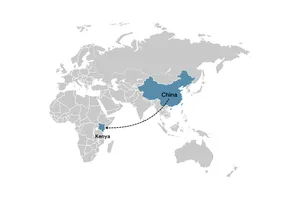
Are you wondering how to import clothes from China to Kenya efficiently and profitably? Navigating the complex world of international apparel trade, supplier selection, and customs regulations can be challenging for both new and experienced importers. In this comprehensive guide, we’ll walk you through each step of the clothing import process, from sourcing reliable manufacturers to clearing customs and calculating total costs, ensuring your business thrives in the Kenyan market.
Step-by-Step Guide to Importing Clothes from China to Kenya
Overview of the Import Process
Importing clothes from China to Kenya can be a profitable business, but it requires careful planning and a thorough understanding of each step in the supply chain. As a logistics analyst with over a decade of experience, I recommend following these core steps to ensure a smooth operation:
-
Market Research & Product Selection
Research the Kenyan market to determine the types of clothing in demand, local preferences, and pricing. Analyze current trends and legal requirements for apparel in Kenya. -
Supplier Identification & Vetting
Find reliable Chinese clothing manufacturers or suppliers. Assess their credibility, production capacity, and compliance with quality standards. -
Negotiation & Sample Approval
Negotiate terms such as price, minimum order quantity (MOQ), and payment methods. Request samples to verify product quality and ensure they meet Kenyan standards. -
Order Placement & Production Monitoring
Place your order and monitor the manufacturing process. Stay in close communication with the supplier to avoid delays. -
Shipping Method Selection
Choose between air freight, sea freight, or express shipping based on budget, urgency, and order size. Work with experienced freight forwarders like DTFU International Logistics Co.,Ltd for seamless shipping management. -
Documentation & Customs Clearance
Prepare all required documents, including invoices, packing lists, and certificates. Ensure compliance with both Chinese export and Kenyan import regulations for textiles and apparel. -
Customs Duties & Payment
Understand applicable import duties and taxes in Kenya. Clear customs and pay necessary fees. -
Final Delivery & Distribution
Arrange for last-mile delivery within Kenya. Inspect goods upon arrival and manage distribution to your customers.
By following this step-by-step guide, importers can minimize risks and maximize efficiency when importing clothes from China to Kenya.
Key Requirements for Importing Apparel
To legally import clothes into Kenya from China, you must comply with several key requirements:
-
Import License
Obtain a valid import license from the Kenya Revenue Authority (KRA). This is a mandatory step for commercial importers. -
Business Registration
Your importing entity must be registered in Kenya, with a valid KRA PIN for tax purposes. -
Product Compliance
Ensure that apparel meets Kenyan Bureau of Standards (KEBS) regulations. This includes labeling requirements, fabric safety, and quality standards (such as KS EAS 179:2014 for textiles). -
Pre-Export Verification of Conformity (PVoC)
Certain products, including garments, require a PVoC certificate to confirm they meet Kenyan standards before shipment. -
Essential Documentation
Prepare the following documents:- Commercial Invoice
- Packing List
- Bill of Lading (B/L) or Air Waybill (AWB)
- Certificate of Origin
- PVoC Certificate
- Any relevant import permits
-
Customs Declaration
Submit an accurate customs declaration via the Kenya Customs Simba System with all supporting documents. -
Import Duties & Taxes
Pay applicable import duty (currently 25% for most apparel), VAT (16%), and applicable levies.
Expert Tip: Compliance is critical. Working with an experienced freight forwarder like DTFU International Logistics Co.,Ltd ensures you navigate Kenyan customs smoothly and avoid costly delays or penalties.
Finding Reliable Clothing Suppliers in China
How to Source Trusted Chinese Clothing Manufacturers
Finding the right supplier is crucial for the success of your apparel import business. Here’s a systematic approach:
-
Use Reputable Platforms
- Alibaba.com, Made-in-China.com, and Global Sources are leading platforms for sourcing verified Chinese manufacturers.
- Attend major trade fairs such as the Canton Fair (Guangzhou) for direct interaction with suppliers.
-
Check Business Credentials
- Verify the supplier’s business license, export license, and company registration details.
- Confirm factory audits and certifications (e.g., ISO, BSCI).
-
Assess Production Capability
- Ensure the factory has experience in producing your specific type of clothing (e.g., knitwear, sportswear, children’s apparel).
- Request information on capacity and previous export clients, especially those serving Africa or Kenya.
-
Request Samples
- Always request product samples before placing any bulk order. Examine quality, stitching, labeling, and packaging.
-
Due Diligence via Third-Party Inspections
- Hire third-party inspection agencies (e.g., SGS, Intertek) to audit the factory and inspect products before shipping.
-
Search for Supplier Reviews
- Check online reviews, testimonials, and industry references. Look for suppliers with a proven track record in international trade.
Pro Tip: DTFU International Logistics Co.,Ltd collaborates with vetted manufacturers across China, helping clients connect with reliable suppliers and simplifying the due diligence process.
Tips for Avoiding Scams and Ensuring Product Quality
Scams and poor quality remain risks when sourcing from overseas. Here are essential steps to protect your business:
-
Verify Supplier Identity
Cross-check business licenses via the official Chinese government business registry (National Enterprise Credit Information Publicity System). -
Use Secure Payment Methods
Prefer Letter of Credit (L/C) or Alibaba Trade Assurance over risky bank transfers. Avoid paying the full amount upfront. -
Conduct Factory Audits
Either visit the factory in-person or employ third-party verification agencies for a detailed audit of operations. -
Sign a Clear Purchase Contract
Include quality specifications, delivery timelines, payment terms, and penalties for non-compliance. -
Arrange Pre-Shipment Inspections
Independent inspection of goods before shipment ensures that the products meet your quality standards and specifications. -
Start with Small Orders
For first-time cooperation, keep initial orders small to test supplier reliability and product quality. -
Use Reputable Freight Forwarders
Professional freight forwarders like DTFU International Logistics Co.,Ltd provide cargo insurance, warehouse consolidation, and on-site inspection support, minimizing the risk of loss or damage.
With DTFU’s door-to-door, cargo insurance, and one-stop customs clearance services, importers gain added peace of mind and protection throughout the shipping process.
If you're considering neighboring markets, it's helpful to understand the shipping time from China to Uganda, which can offer insights into regional logistics efficiency.
By following these best practices, you can confidently source quality apparel from China and ensure a secure, efficient import journey to Kenya. If you need end-to-end logistics support, DTFU International Logistics Co.,Ltd stands ready as your reliable, experienced freight forwarding partner.
Choosing the Best Shipping Method: Air Freight vs. Sea Freight
When importing clothes from China to Kenya, selecting the right shipping method is crucial for cost-effectiveness, speed, and reliability. The primary options are Air Freight, Sea Freight, and Express Shipping. Each method serves different business needs, order sizes, and budget levels.
For more information on regional shipping timelines, you may want to review the shipping time from China to Kenya, which provides up-to-date transit estimates.
Comparing Air, Sea, and Express Shipping for Clothes
Below is a comparison of the major shipping methods for apparel importers:
| Shipping Method | Typical Transit Time | Average Cost* (per kg) | Suitable Cargo Volume | Advantages | Disadvantages |
|---|---|---|---|---|---|
| Air Freight | 4–7 days | $6–$10 | 100–500 kg (medium loads) | Fast, secure, reliable | Higher cost, size limits |
| Sea Freight (FCL) | 25–35 days (to Mombasa) | $0.5–$1.5 | >15 CBM (large shipments) | Cost-effective, scalable | Slow, complex customs |
| Sea Freight (LCL) | 25–40 days | $80–$120 (per CBM) | 1–15 CBM (small/medium) | Shared cost, flexible | Longer transit, handling |
| Express Shipping | 3–5 days | $10–$15 | <100 kg (small, urgent) | Fastest, end-to-end | Expensive, limited size |
*Prices and times are indicative as of Dec 2025. Actual rates fluctuate due to fuel surcharges, port congestion, and seasonal demand.
Air Freight
Air Freight is ideal for time-sensitive clothing shipments or high-value items. Major airports in China (such as Guangzhou Baiyun International Airport and Shanghai Pudong International Airport) offer regular flights to Nairobi Jomo Kenyatta International Airport. Air freight minimizes risk of delays but has restrictions on cargo size and weight.
Sea Freight
Sea Freight is the most popular choice for large-volume clothing shipments, especially for importers looking to optimize costs. The main Chinese ports—Shanghai, Shenzhen, and Guangzhou—connect directly with Mombasa Port and Kilindini Harbour in Kenya. Sea freight is split into:
- FCL (Full Container Load): Best for volume above 15 CBM. For instance, a 20FT container (28 CBM) or 40FT container (56 CBM) is cost-effective for wholesale orders.
- LCL (Less than Container Load): Suitable for smaller importers, as you share a container and pay only for your space.
If you are interested in detailed cost breakdowns, check the cost of shipping container from China to Kenya.
Express Shipping
Express Shipping (e.g., DHL, FedEx, UPS) is chosen for urgent samples or small shipments. While it delivers door-to-door, the cost is significantly higher compared to traditional air or sea freight.
Cost, Delivery Time, and Suitability for Different Order Sizes
Choosing the right shipping mode depends on your order size, urgency, and budget. Below is a quick reference:
| Order Size (Clothing) | Recommended Mode | Estimated Total Transit Time | Typical Cost Implication |
|---|---|---|---|
| <100 kg (samples/small) | Express/Air Freight | 3–7 days | High per kg, but fastest |
| 100–500 kg (medium) | Air Freight/LCL | 7–14 days (air), 25–40 days (sea) | Moderate speed, moderate cost |
| >1,000 kg / 15+ CBM | Sea Freight (FCL) | 25–35 days | Lowest per unit cost, longer lead time |
Additional Considerations
- Seasonality: Shipping times may extend during peak seasons (e.g., before Chinese New Year or Black Friday).
- Port Congestion: Mombasa Port is Kenya’s busiest, handling 90% of sea imports. Occasional congestion can impact delivery times.
- Cargo Insurance: Highly recommended for sea and air freight to cover potential loss or damage.
For importers seeking a balance between speed and cost, DTFU International Logistics Co.,Ltd provides tailored solutions—combining Sea Freight, Air Freight, and Door-to-Door services with transparent pricing and real-time tracking.
Customs Clearance for Clothing Imports in Kenya
Smooth customs clearance is vital for timely delivery and legal compliance. Kenya enforces strict regulations on imported apparel to ensure product standards and collect relevant duties and taxes.
Essential Customs Documents and Procedures
To successfully clear customs in Kenya, you must prepare and submit the following documents:
- Commercial Invoice: Details the transaction between the buyer and seller.
- Packing List: Describes the contents, quantities, and packaging of the shipment.
- Bill of Lading (for Sea Freight) / Air Waybill (for Air Freight): The shipping contract and proof of cargo receipt.
- Certificate of Origin: Confirms the country of manufacture (required for trade agreements or tariff assessments).
- Import Declaration Form (IDF): Filed via the Kenya National Single Window System (KenTrade) before the goods arrive.
- Proforma Invoice: Often required when applying for an IDF.
- Pre-shipment Inspection Certificate: For certain categories, the Kenya Bureau of Standards (KEBS) may require an inspection.
- Tax Identification Number (PIN): Must be provided by the importer.
- Cargo Insurance Certificate: Proves the shipment is insured.
Customs Clearance Steps
- Pre-Arrival: Obtain IDF approval and pre-clear with KenTrade.
- Arrival at Port/Airport: Submit all documents to customs agents.
- KEBS Inspection: Apparel must meet East African Community (EAC) and Kenyan textile standards.
- Duty Assessment & Payment: Customs will calculate and request payment for duties and taxes.
- Release: Goods are released upon full documentation and payment.
For a comprehensive understanding of the process, you may refer to our Customs Clearance service page.
Import Duties, Taxes, and Regulations for Apparel
When importing clothes, you must account for:
| Fee Type | Rate/Details | Authority |
|---|---|---|
| Import Duty | 25% of Customs Value | Kenya Revenue Authority (KRA) |
| Value Added Tax (VAT) | 16% on (Customs Value + Import Duty) | Kenya Revenue Authority (KRA) |
| Railway Development Levy | 1.5% of Customs Value | KRA |
| Import Declaration Fee | 2.25% of Customs Value (min $5) | KRA |
| KEBS Inspection Fee | 0.6% of FOB Value (min $200) | KEBS |
| Excise Duty (if applicable) | Varies (mainly for luxury items) | KRA |
Key Regulatory Notes:
- Second-hand clothing (mitumba) is subject to additional scrutiny and, at times, periodic import bans.
- All imported clothing must comply with Kenya Bureau of Standards (KS 2650:2015) for textiles and labeling.
- Failure to provide accurate or complete documentation can result in delays, fines, or confiscation.
- For cross-border e-commerce sellers, Kenya’s customs may require extra proof of transaction (e.g., online order receipts).
Practical Tips
- Always engage a reputable customs broker or freight forwarder like DTFU International Logistics Co.,Ltd for seamless clearance.
- Keep abreast of KRA and KEBS regulatory updates, as Kenyan customs policies can change with little notice.
- Use real-time tracking and transparent communication with your shipping partner to minimize risk of delay.
Calculating the Total Cost of Importing Clothes
Shipping Charges, Customs Fees, and Hidden Costs
When importing clothes from China to Kenya, it is essential to accurately calculate the total landed cost. This ensures you avoid unpleasant surprises and maintain profitability. As a logistics expert with a decade of experience, I recommend breaking down costs into several key categories:
1. Shipping Charges:
These are the costs for moving your goods from the supplier in China to your location in Kenya. The main shipping methods—Air Freight, Sea Freight, and Express Courier—have different pricing structures depending on weight, volume, and urgency.
| Shipping Method | Estimated Cost (per kg) | Typical Transit Time (China to Kenya) | Suitability |
|---|---|---|---|
| Sea Freight | $0.6 – $2.0 | 25–35 days (to Mombasa Port) | Large, non-urgent shipments |
| Air Freight | $6.0 – $10.0 | 5–7 days (to Nairobi JKIA) | Urgent, smaller cargo |
| Express Courier | $10.0 – $18.0 | 3–5 days (door-to-door) | Samples, small volumes |
Note: Prices vary based on season, fuel surcharges, and volume. For the latest rates and consolidated solutions, consult a professional freight forwarder like DTFU International Logistics Co.,Ltd.
2. Customs Duties and Taxes:
Kenya imposes import duties, Value Added Tax (VAT), and other charges on imported clothing. As of Dec 2025:
- Import Duty: Usually 25% (for most apparel).
- VAT: 16% (applied to CIF value + duty).
- Railway Development Levy (RDL): 2% of CIF value.
- Import Declaration Fee (IDF): 3.5% of CIF value.
Example Calculation (for $10,000 CIF value):
| Fee Type | Calculation | Amount (USD) |
|---|---|---|
| Import Duty | $10,000 x 25% | $2,500 |
| VAT | ($10,000 + $2,500) x 16% | $2,000 |
| RDL | $10,000 x 2% | $200 |
| IDF | $10,000 x 3.5% | $350 |
| Total Duties & Taxes | $5,050 |
3. Hidden and Ancillary Costs:
- Port Charges: Handling, storage, and demurrage at Mombasa Port.
- Documentation Fees: Preparation of import/export licenses, certificates of origin, and bill of lading.
- Insurance: Recommended for high-value shipments.
- Last-mile Delivery: Transport from port or airport to your warehouse/shop.
- Inspection Fees: For quality checks or regulatory compliance.
Tip: Always confirm the latest regulatory changes with your freight agent. For real-time updates, DTFU International Logistics Co.,Ltd provides proactive advice and transparent quotations.
How to Budget Effectively for Your Clothing Import
A well-prepared budget is crucial for successful importing. Here’s how you can manage your costs:
1. Get Detailed Quotations:
Request itemized quotes from your supplier and logistics provider. Confirm if the prices are FOB (Free on Board) or CIF (Cost, Insurance, Freight). This affects your cost responsibility.
2. Factor in All Charges:
Include not only product and shipping costs but also duties, taxes, insurance, and delivery charges.
3. Use a Landed Cost Calculator:
Create an Excel spreadsheet or use a digital tool to input all known costs. Regularly update it with any changes.
Example Budget Template:
| Cost Item | Estimated Amount (USD) |
|---|---|
| Product Cost | $8,000 |
| Shipping (Sea Freight) | $1,000 |
| Customs Duty & Taxes | $3,000 |
| Port Handling | $300 |
| Insurance | $100 |
| Last-Mile Delivery | $200 |
| Total Landed Cost | $12,600 |
4. Plan for Contingencies:
Add a 5–10% buffer for currency fluctuations, unforeseen delays, or extra charges.
5. Optimize with Consolidation:
If ordering less than a container load (LCL), consolidating shipments with others can reduce per-unit shipping costs. DTFU International Logistics Co.,Ltd offers LCL consolidation and groupage services to maximize cost savings.
Tips for Smooth Shipping and Delivery
Packaging and Labeling Requirements for Clothing
Proper packaging and labeling of clothing shipments ensures smooth customs clearance and reduces the risk of damage or loss.
1. Packaging Standards:
- Use strong, moisture-resistant cartons or polybags.
- Avoid overpacking to prevent damage during handling.
- For bulk shipments, stack clothing neatly in cartons. For premium goods, consider individual polybag wrapping.
2. Labeling Requirements:
- Shipping Labels: Clearly indicate consignee, consignor, and destination address.
- Product Labels: For Kenyan customs, every clothing item should have:
- Country of origin (e.g., “Made in China”)
- Material composition
- Care instructions
- Size and quantity
- HS Code Visibility: Include the correct Harmonized System (HS) code for apparel on all documents and packaging slips.
3. Regulatory Compliance:
- Follow guidelines issued by the Kenya Bureau of Standards (KEBS) and international textile labeling regulations.
- Attach required certificates (e.g., Certificate of Conformity) as part of the documentation.
4. Sustainability and Branding:
Eco-friendly packaging not only protects clothing but also enhances brand image for Kenyan consumers.
How to Track Your Shipment and Prevent Delays
Effective tracking and proactive management are key to minimizing disruptions:
1. Use Modern Tracking Tools:
Professional freight forwarders like DTFU International Logistics Co.,Ltd provide digital tracking platforms, allowing real-time visibility from departure in China to arrival in Kenya. You can also independently track your cargo using Cargo Tracking systems for added transparency.
2. Key Tracking Information:
- Bill of Lading/Air Waybill Number: Use these unique identifiers to monitor shipment status.
- ETA Updates: Receive notifications for changes in Estimated Time of Arrival at Mombasa Port or Nairobi JKIA.
3. Preventing Delays:
- Submit all documentation (commercial invoice, packing list, certificates) ahead of time.
- Work with experienced agents who can anticipate and resolve customs issues quickly.
- Avoid peak holiday seasons in China (such as Chinese New Year and Golden Week) to prevent congestion.
4. Partner with Reliable Logistics Providers:
Choosing an established company with a proven track record—such as DTFU International Logistics Co.,Ltd, known for its high-quality and cost-effective international logistics services—significantly reduces the risks of lost or delayed shipments.
5. Insurance:
Always insure your shipment, especially for high-value clothing, to mitigate financial loss in case of unforeseen events.
In summary, understanding the full cost breakdown and following best practices in packaging, labeling, and shipment tracking will ensure a smooth and efficient import process for clothing from China to Kenya. For tailored solutions, expert guidance, and transparent pricing, consider partnering with DTFU International Logistics Co.,Ltd—your trusted one-stop logistics provider.