Are you searching for the best way to handle shipping from Shenzhen to Turkey for your business needs? Navigating the complexities of trade routes, freight options, and customs requirements can be challenging. In this comprehensive guide, we’ll explore the major shipping methods, compare air and sea freight, and break down the step-by-step shipping process. Get ready to discover practical tips on costs, transit times, and how to choose a reliable freight forwarder to ensure your shipments arrive smoothly and efficiently.
Overview of Shipping from Shenzhen to Turkey
Shipping from Shenzhen to Turkey is a significant logistics route connecting East Asia’s dynamic manufacturing hub with the strategic market of Eurasia. As one of China's largest export cities, Shenzhen offers modern infrastructure and efficient logistics services, making it a preferred gateway for businesses looking to enter the Turkish market. Meanwhile, Turkey serves as a vital bridge between Europe, Asia, and the Middle East, providing access to a wide regional network.
With over a decade of experience assisting global traders, our team at DTFU International Logistics Co., Ltd. has observed that demand for reliable shipping solutions between Shenzhen and Turkey continues to grow. This is driven by the expanding bilateral trade, Turkey’s role in the Belt and Road Initiative, and the rising presence of cross-border e-commerce activities.
Key Trade Routes Connecting Shenzhen and Turkey
There are several established trade routes between Shenzhen and Turkey, primarily utilizing both sea and air logistics to meet different business needs:
-
Sea Route:
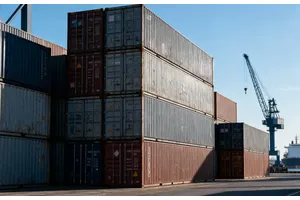
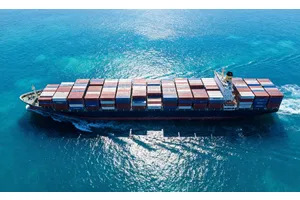
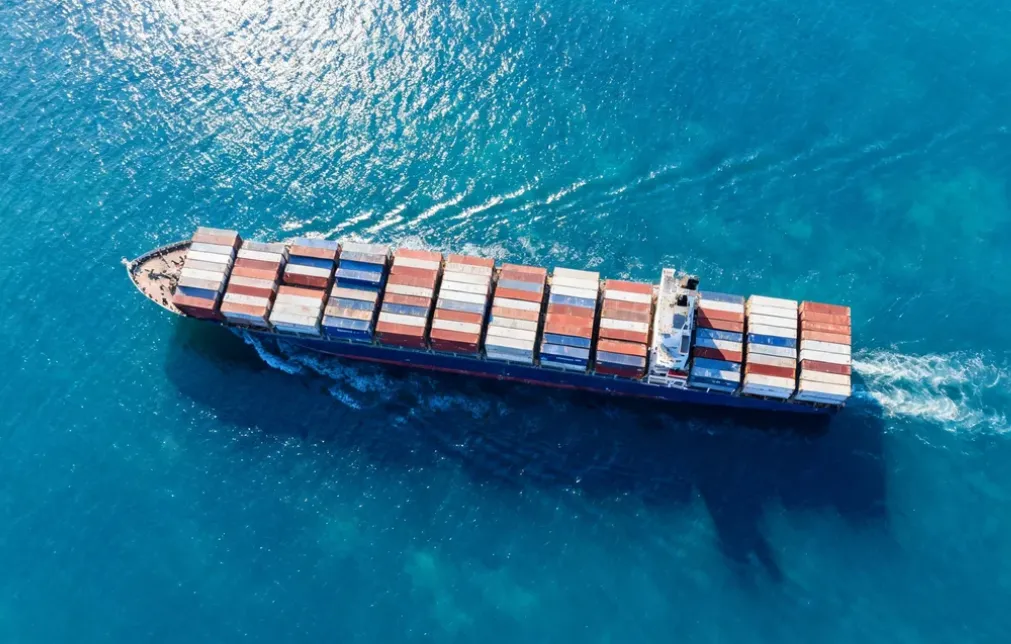
The primary maritime route departs from the Port of Shenzhen and heads to major Turkish ports such as Istanbul (Ambarli Port), Izmir, and Mersin. The route passes through the South China Sea, Indian Ocean, Suez Canal, and into the Mediterranean Sea, capitalizing on the strategic location of Turkish ports for further distribution across Europe and the Middle East. -
Air Route:
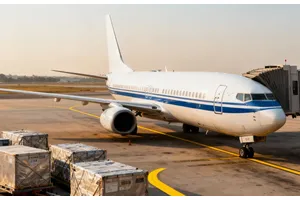
Major air cargo flights connect Shenzhen Bao’an International Airport with Istanbul Airport, benefiting from Istanbul’s status as a key global aviation hub. Some shipments may also land at Ankara Esenboğa Airport depending on cargo destination. -
Multimodal Route:
For time-sensitive or special cargo, multimodal options combine sea, rail, and road, leveraging the growing infrastructure links under China’s Belt and Road framework.
Major Ports Involved in the Shipping Process
Shenzhen is home to several world-class ports. The most relevant for Turkey-bound shipments are:
| Port Name | Location | Key Features |
|---|---|---|
| Yantian Port | Shenzhen, China | Deep-water port, global container lines |
| Shekou Port | Shenzhen, China | RORO, bulk, and container services |
| Chiwan Port | Shenzhen, China | Flexible terminal operations |
In Turkey, these ports are most commonly used for imports from China:
| Port Name | Location | Features & Importance |
|---|---|---|
| Ambarli Port | Istanbul, Turkey | Largest container port in Turkey, EU access |
| Izmir Port | Izmir, Turkey | Key to Aegean region trade |
| Mersin Port | Mersin, Turkey | Major Mediterranean gateway for Asia-Europe |
Note: Istanbul’s Ambarli Port is the primary entry point for goods destined for Turkish and regional European markets due to its advanced logistics network and customs facilities.
Common Goods Shipped from Shenzhen to Turkey
Trade between Shenzhen and Turkey is robust and diversified. Based on customs and logistics data, the most frequently shipped goods include:
- Consumer Electronics: Mobile phones, tablets, smart home devices, and accessories.
- Machinery & Parts: Industrial equipment, electronic components, assembly lines.
- Textiles & Apparel: Fabrics, garments, and fashion accessories for Turkey’s renowned textile industry.
- Home Appliances: Small kitchen appliances, air conditioners, LED lighting.
- Toys & Gifts: Shenzhen is a major global center for toy manufacturing.
- Automotive Parts: Engine components, electronics modules for Turkey’s automotive industry.
Shenzhen’s manufacturing ecosystem enables competitive pricing and innovation, while Turkish importers benefit from streamlined customs procedures and free trade agreements.
For readers interested in shipping times to other Middle Eastern destinations, you can view detailed info about the shipping time from China to Iran.
Shipping Methods from Shenzhen to Turkey: Air Freight vs. Sea Freight
When planning a shipment from Shenzhen to Turkey, selecting the appropriate shipping method is crucial. The two primary options are air freight and sea freight. Each offers specific advantages depending on your cargo type, budget, and timeline.
Advantages of Air Freight from Shenzhen to Turkey
Air freight is the preferred choice for time-sensitive, high-value, or perishable goods. The main advantages include:
-
Speed:
Transit time is typically 2–5 days from Shenzhen Bao’an International Airport to Istanbul Airport. This is ideal for urgent shipments and minimizing inventory holding costs. -
Reliability:
Flights have fixed schedules, and air cargo is less affected by weather or port congestion. -
Security:
Lower risk of theft or damage for high-value cargo due to stringent airport controls. -
Global Connectivity:
Istanbul’s airport connects to Europe, the Middle East, and Africa, facilitating onward distribution. -
Professional Handling:
DTFU International Logistics Co., Ltd provides complete door-to-door air freight solutions, including customs clearance, cargo insurance, and real-time tracking.
Ideal for: Electronics, fashion, medical equipment, critical documents.
Benefits and Cost-Effectiveness of Sea Freight
Sea freight remains the most cost-effective option for large-volume or heavy cargo. Benefits include:
-
Competitive Pricing:
Shipping a full container load (FCL) or less-than-container load (LCL) keeps per-unit costs low, especially for bulk shipments. -
High Capacity:
Container ships can transport a wide range of cargo types, including oversized or hazardous goods. -
Environmental Sustainability:
Sea freight has a lower carbon footprint per ton compared to air transport. -
Flexible Services:
DTFU International Logistics Co., Ltd offers FCL, LCL, OOG (Out of Gauge) Freight, and consolidated freight options to suit various needs.
Typical Sea Freight Container Capacities:
| Container Type | Capacity (CBM) | Suitable For |
|---|---|---|
| 20FT | 28 | Medium-sized shipments, machinery |
| 40FT | 56 | Bulk electronics, textiles |
| 40HQ | 68 | High-volume, lightweight goods |
| 45HQ | 78 | Extra-large, oversized cargo |
Ideal for: Furniture, textiles, auto parts, machinery.
Transit Times and Scheduling Considerations
Transit time is a key factor when choosing between air and sea freight. Below is a comparison based on current data and service schedules:
| Shipping Method | Typical Route | Estimated Transit Time | Reliability |
|---|---|---|---|
| Air Freight | Shenzhen → Istanbul | 2–5 days | Very high |
| Sea Freight (FCL) | Shenzhen → Istanbul/Mersin/Izmir | 25–35 days | High |
| Sea Freight (LCL) | Shenzhen → Istanbul/Mersin/Izmir | 30–40 days | High |
Scheduling Notes:
- Peak Seasons:
Lead times may increase during Chinese New Year, Ramadan, and Black Friday sales due to higher demand. - Customs Clearance:
DTFU International Logistics provides one-stop customs clearance in both China and Turkey, reducing delays. - Digital Tracking:
Advanced tracking and digital updates allow for proactive supply chain management.
Expert Tip:
For urgent shipments or product launches, consider a combination of air and sea freight (e.g., split shipments) to balance cost and delivery timelines.
If you're also considering shipping from Shenzhen to neighboring regions, see our dedicated guide to shipping from Shenzhen to Saudi Arabia.
Step-by-Step Shipping Process from Shenzhen to Turkey
Documentation and Customs Requirements
Shipping from Shenzhen to Turkey requires strict compliance with both Chinese export and Turkish import regulations. Accurate documentation ensures smooth customs clearance and avoids costly delays.
Key Shipping Documents:
| Document Type | Purpose | Issuer (Origin) |
|---|---|---|
| Commercial Invoice | Defines goods, value, and transaction details | Exporter |
| Packing List | Itemizes shipment contents, weight, and dimensions | Exporter |
| Bill of Lading (B/L) | Proof of shipment contract between shipper and carrier | Shipping Line/Airline |
| Certificate of Origin | Certifies goods' country of manufacture | Chamber of Commerce |
| Export/Import Licenses | Regulatory permission for controlled or restricted goods | Chinese/Turkish Gov. |
| Insurance Certificate | Proof of cargo insurance coverage | Insurer/Freight Forwarder |
| Customs Declaration | Detail of goods for customs clearance | Exporter/Importer |
Turkish Customs Key Points:
- HS Codes: Products must be classified under correct Harmonized System codes.
- EORI Number: Turkish importers must provide a registered Economic Operators Registration and Identification number.
- Import Restrictions: Certain items (food, pharmaceuticals, chemicals) require special permits or meet standards.
Tips:
- Always check for the latest Turkish import regulations, as they may change due to geopolitical or trade policy shifts.
- Work with experienced freight forwarders like DTFU International Logistics Co.,Ltd for up-to-date compliance support.
Cargo Handling and Packaging Guidelines
Proper handling and packaging are vital for shipments from Shenzhen to Turkey to minimize damage and ensure compliance with international shipping standards.
Best Practices:
- Sturdy Packaging: Use strong cartons or crates. For container shipping, ensure all packaging withstands stacking and sea transit vibration.
- Palletization: Use international-standard pallets (e.g., heat-treated for ISPM15 compliance) to facilitate handling.
- Labeling: Clearly label all packages with consignee/consignor details, handling instructions, and hazard symbols if applicable.
- Container Selection:
- 20FT Container: 28 CBM capacity – suitable for smaller shipments.
- 40FT Container: 56 CBM capacity – cost-effective for larger goods.
- 40HQ Container: 68 CBM capacity – optimal for voluminous cargo.
- 45HQ Container: 78 CBM capacity – for extra-large consignments.
- Special Cargo: For OOG (Out-of-Gauge), temperature-sensitive, or fragile goods, consult your freight forwarder for tailored solutions.
Tracking and Delivery Procedures
Modern logistics demands transparency and real-time tracking. Whether choosing sea freight, air freight, or door-to-door services, knowing your shipment's status is essential for planning and security.
Tracking Options:
- Online Tracking: Use the shipping line or airline’s website to track by B/L or Air Waybill number.
- Freight Forwarder Portal: DTFU International Logistics Co.,Ltd offers an online platform for real-time shipment updates.
- Automated Notifications: Get email or SMS alerts for key shipment milestones (departure, arrival at transshipment port, customs clearance, delivery).
For shippers requiring enhanced visibility and control, DTFU provides dedicated cargo tracking solutions for real-time monitoring.
Delivery Procedures:
- Arrival at Turkish Port (e.g., Istanbul or Izmir)
- Carrier notifies the consignee.
- Local agent or customs broker (appointed by importer or forwarder) initiates customs clearance.
- Customs Inspection and Clearance
- Submit all documents and pay duties/taxes.
- Goods may be inspected based on Turkish customs risk assessment.
- Last Mile Delivery
- After clearance, cargo is delivered to the receiver’s designated address.
- DTFU provides door-to-door services, including unloading and optional unpacking, for a seamless experience.
Shipping Costs from Shenzhen to Turkey
Factors Influencing Shipping Costs
Several dynamic factors affect the total shipping cost from Shenzhen to Turkey:
| Factor | Description |
|---|---|
| Shipping Method | Air freight is faster but more expensive; sea freight is cost-efficient for bulk goods. |
| Cargo Volume & Weight | Larger or heavier shipments pay more. FCL rates are per container; LCL is per CBM/ton. |
| Container Type | Costs vary by container size (20FT, 40FT, 40HQ, 45HQ) and type (standard, reefer, OOG). |
| Seasonality | Peak shipping seasons (pre-holiday, back-to-school) see higher rates due to increased demand. |
| Port Charges | Terminal handling, documentation, and local charges differ by origin and destination ports. |
| Fuel Surcharges | Fluctuates with global oil prices and shipping line policies. |
| Additional Services | Insurance, warehousing, customs brokerage, and door-to-door delivery add to total costs. |
Sample Sea Freight Rate Table (Indicative, June 2024):
| Route | 20FT Container | 40FT Container | 40HQ Container | Transit Time |
|---|---|---|---|---|
| Shenzhen – Istanbul | $3,200 | $4,800 | $5,000 | 25-30 days |
| Shenzhen – Izmir | $3,400 | $5,000 | $5,200 | 27-32 days |
Rates subject to change. Contact DTFU International Logistics Co.,Ltd for latest quotations.
Overview of Customs Duties and Taxes in Turkey
When importing into Turkey, understanding customs duties and taxes is essential for budgeting and compliance.
Key Tax Components:
- Import Duty: Varies by HS code and product category. Typical range: 0%–20%.
- Value-Added Tax (VAT): Standard rate is 20% (as of June 2024), calculated on CIF value + duty.
- Additional Levies: Some products (e.g., electronics, textiles) may incur special consumption taxes or anti-dumping duties.
- Documentation Fees: Nominal charges for processing customs paperwork.
Calculation Example:
If CIF value (goods + freight + insurance) is $10,000, with a 5% duty:
- Duty: $10,000 x 5% = $500
- Taxable Amount: $10,000 + $500 = $10,500
- VAT: $10,500 x 20% = $2,100
- Total Import Cost: $10,000 + $500 (duty) + $2,100 (VAT) = $12,600
Always verify HS code-specific rates with your customs broker or DTFU International Logistics Co.,Ltd experts.
Tips for Reducing Shipping Expenses
- Optimize Volume & Packaging: Maximize container space by consolidating shipments and using efficient packaging.
- Choose the Right Shipping Mode: For urgent goods, air freight; for non-urgent, sea freight or LCL for smaller loads.
- Plan Ahead: Book early to avoid peak season surcharges and benefit from lower rates.
- Negotiate Rates: Long-term partnerships or higher volume can attract better pricing from carriers and forwarders.
- Work with a Reputable Freight Forwarder: DTFU International Logistics Co.,Ltd offers tailored solutions, competitive rates, and expert advice for cost savings.
- Leverage Consolidation Services: Share container space with other shippers (LCL) to reduce shipping costs on smaller loads.
- Monitor Exchange Rates: Pay in local currency or at favorable times to minimize currency risk.
- Minimize Additional Charges: Understand and avoid unnecessary demurrage, storage, or customs inspection fees by ensuring timely clearance and accurate documentation.
Shipping Time from Shenzhen to Turkey
Shipping time is a crucial factor for businesses and individuals planning to transport goods from Shenzhen in China to Turkey. Transit times can vary significantly depending on the chosen shipping method (air freight or sea freight), specific origin and destination ports/airports, customs clearance processes, and seasonal or geopolitical factors.
Typical Transit Times
Below is a comparison table summarizing the average shipping times for the main freight methods from Shenzhen to key destinations in Turkey:
| Shipping Method | Origin (Shenzhen) | Destination (Turkey) | Estimated Transit Time* | Notes |
|---|---|---|---|---|
| Air Freight | SZX Airport | Istanbul (IST/SAW Airport) | 2-5 days | Fastest option; ideal for urgent or high-value goods |
| Sea Freight (FCL, LCL) | Yantian Port/Nanshan Port | Istanbul (Ambarli, Haydarpaşa, Kumport) | 25-32 days (FCL/LCL) | Most cost-effective for large or heavy shipments |
| Rail-Sea Combined | Shenzhen | Istanbul | 20-25 days | Intermodal; subject to seasonal and route changes |
| Express Courier | Shenzhen | Major Turkish cities | 3-7 days | Suitable for small parcels, includes customs |
* Estimated transit times are based on 2024 schedules and may fluctuate due to seasonal demand, weather, or geopolitical events.
Factors Influencing Shipping Time
- Customs Clearance: Efficient customs documentation and compliance help to avoid delays at both Chinese and Turkish ports.
- Port Congestion: Busy periods, especially before major holidays, can extend waiting times at Yantian Port or Istanbul Port.
- Route Selection: Direct routes offer faster delivery, while transshipment through intermediate ports might increase the overall time.
- Type of Goods: Hazardous or oversized cargo may require special handling, adding to transit times.
Latest Market Trends (2024 Update)
- Recent investments in the Middle Corridor Rail Route between China and Turkey have slightly reduced rail shipping times.
- Turkish customs processes have been streamlined for registered importers, resulting in faster cargo release for compliant shipments.
- Geopolitical developments in the Black Sea region have shifted some sea freight traffic to alternative ports, so always consult your freight forwarder for up-to-date routing.
How to Ensure Fast Delivery
- Work with an experienced freight forwarder in Shenzhen, such as DTFU International Logistics Co.,Ltd, who can provide one-stop customs clearance and real-time tracking.
- Prepare all documents in advance and confirm packaging meets both Chinese and Turkish regulations.
- Consider premium services like air freight for time-sensitive shipments.
Looking for comparable transit times in other markets? Check out the shipping time from China to Djibouti for reference on East-West shipping corridors.
Choosing a Reliable Freight Forwarder in Shenzhen
Selecting a trustworthy freight forwarder is essential for smooth, cost-effective, and hassle-free shipping from Shenzhen to Turkey. The right partner will ensure timely delivery, compliance with regulations, and responsive communication throughout the process.
Key Criteria When Evaluating Freight Forwarders
-
Experience and Industry Expertise
- Look for companies with extensive experience in China–Turkey shipping lanes and a proven track record across various industries.
-
Comprehensive Service Portfolio
- A reliable provider should offer a full range of logistics solutions, including:
- Sea Freight (FCL, LCL, OOG, Breakbulk)
- Air Freight
- Road Freight
- Amazon FBA prep and delivery
- Warehouse and cargo insurance
- One-stop customs clearance
- Door-to-door delivery
- Consolidated Freight
- A reliable provider should offer a full range of logistics solutions, including:
-
Transparent Pricing and Quotation
- Obtain detailed quotes that clearly outline all costs, including freight, customs duties, insurance, and destination charges.
-
Strong Global Network
- The best forwarders have established relationships with major shipping lines, airlines, and agents across both China and Turkey.
-
Customer Service and Communication
- Responsive support and real-time shipment tracking are vital, especially for first-time shippers or urgent consignments.
-
Certifications and Compliance
- Check for industry accreditations (e.g., FIATA, NVOCC, IATA) and compliance with international security and safety standards.
Why Choose DTFU International Logistics Co.,Ltd?
As a leading logistics service provider based in Shenzhen, DTFU International Logistics Co.,Ltd stands out for:
- Over a decade of experience in handling shipments from China to Turkey and beyond.
- Highly professional staff and industry-certified operations.
- One-stop solutions encompassing Sea Freight, Air Freight, Road Freight, Amazon FBA, Warehousing, Cargo Insurance, Customs Clearance, and more.
- Advanced tracking systems for complete supply chain visibility.
- Competitive, transparent rates with no hidden charges.
Final Tips
- Always verify the credentials and client feedback of any freight forwarder before committing.
- Choose a partner who understands both Chinese export procedures and Turkish import regulations.
- Opt for a company like DTFU International Logistics Co.,Ltd for a seamless, end-to-end shipping experience.