Are you wondering what impacts the sea shipping cost from China to Qatar and how you can optimize your freight expenses? In this comprehensive guide, we’ll break down every aspect of sea shipping, covering major ports, key pricing factors, and the latest industry terminology. Discover practical tips, compare FCL and LCL shipping, and learn how to navigate customs and local charges for your China-Qatar trade. Let’s dive in and make your sea freight journey more efficient and cost-effective!
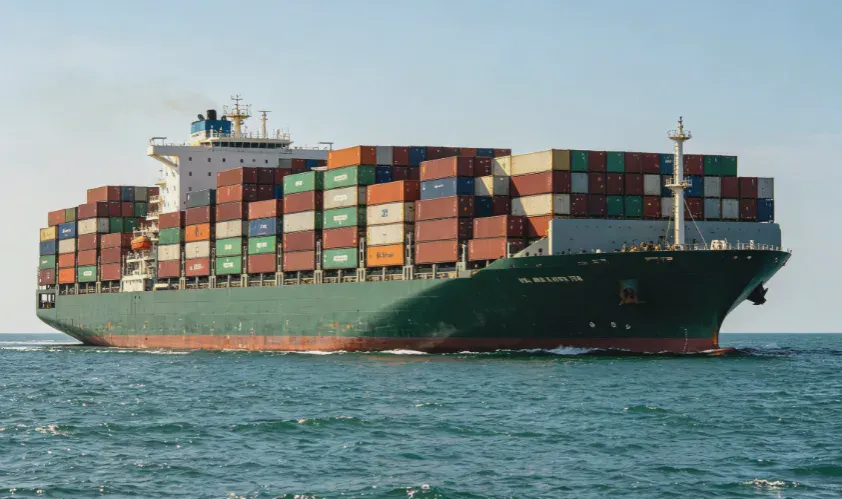
Major Ports in China and Qatar Involved in Sea Shipping
When organizing sea shipping from China to Qatar, understanding the main ports involved is essential for optimizing transit time, costs, and logistics planning.
Major Chinese Ports for Sea Shipping
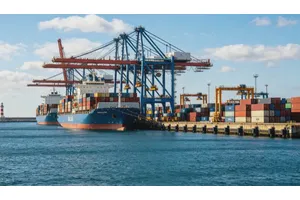
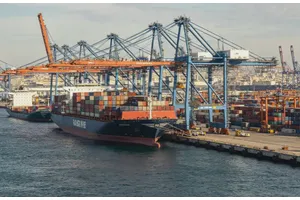
China is home to some of the world's busiest and most advanced seaports. The following ports handle a significant proportion of cargo destined for Qatar:
| Port Name | Location | Key Features | Shipping Frequency to Qatar | Suitable Cargo |
|---|---|---|---|---|
| Shanghai Port | East China | World's busiest container port; advanced facilities | High | General cargo, electronics, machinery |
| Shenzhen Port | South China | Major export hub for electronics and industrial goods | High | Electronics, textiles, machinery |
| Ningbo-Zhoushan Port | East China | Largest port by cargo throughput; efficient for bulk & container | Medium | Bulk, containers, auto parts |
| Qingdao Port | North China | Leading port for machinery, chemicals, and vehicles | Medium | Heavy machinery, auto, chemicals |
| Guangzhou Port | South China | Rapidly growing; key gateway for southern exporters | Medium | Textiles, furniture, consumer goods |
| Xiamen Port | Southeast China | Strategic for small- and medium-sized shipments | Low-Medium | Electronics, shoes, apparel |
These ports have established shipping routes to the Middle East, connecting efficiently with Qatar’s main gateways.
Related reading: If you're interested in sea shipping from China to other Middle Eastern countries, see the guide on Sea shipping from China to Saudi Arabia.
Major Qatari Ports for Sea Shipping
Qatar relies primarily on two major seaports for international freight:
| Port Name | Location | Key Features | Role in China-Qatar Trade |
|---|---|---|---|
| Hamad Port | Near Doha | Largest and most advanced port in Qatar; handles over 90% of Qatar’s trade | Main entry point for containerized and general cargo from China |
| Doha Port | Doha City | Mainly used for smaller vessels, project cargo | Supports smaller shipments and project logistics |
| Mesaieed Port | South of Doha | Specialized in bulk chemicals, petrochemicals | For specific bulk and industrial shipments |
Hamad Port is the principal destination for most sea freight from China to Qatar due to its advanced container handling capabilities, efficient customs clearance, and proximity to industrial and consumer markets.
Key Factors Affecting Sea Shipping Cost from China to Qatar
Understanding the various factors that influence the sea shipping cost from China to Qatar is essential for budgeting and supply chain optimization. Let's break down the most important aspects:
Shipping Route Selection and Distance
The chosen shipping route significantly impacts both transit time and freight costs. Direct routes from major Chinese ports to Hamad Port generally offer the fastest and most cost-effective solutions. However, some shipments may be transshipped via regional hubs such as Jebel Ali Port (UAE), which can slightly increase both transit times and costs.
- Direct Route: Shanghai/Shenzhen/Ningbo → Hamad Port (Qatar)
- Transshipment Route: Shanghai/Shenzhen → Jebel Ali (UAE) → Hamad Port
| Route | Estimated Transit Time | Typical Cost Impact |
|---|---|---|
| Direct | 16–25 days | More competitive |
| Via Jebel Ali | 22–35 days | Slightly higher due to handling |
Distance from the origin port also plays a role—shipments from southern ports like Shenzhen may have marginally shorter transit times compared to northern ports like Qingdao.
Cargo Volume, Weight, and Container Types (FCL vs LCL)
The size and nature of your cargo directly determines how much you'll pay for shipping.
-
FCL (Full Container Load): Cost-effective for large shipments. Rates are based on the type of container:
- 20FT Container: Capacity 28 CBM, suitable for 25–28 CBM cargo
- 40FT Container: Capacity 56 CBM, for 54–56 CBM cargo
- 40HQ Container: Capacity 68 CBM, for higher volume light cargo
- 45HQ Container: Capacity 78 CBM, for oversized or voluminous cargo
-
LCL (Less than Container Load): Suitable for small shipments. You pay only for the space used, but per CBM costs are higher compared to FCL due to handling and consolidation.
| Container Type | Capacity (CBM) | Typical Use Case | Cost Efficiency |
|---|---|---|---|
| 20FT | 28 | Small-medium volume | High (if full) |
| 40FT | 56 | Large volume/heavy cargo | High (if full) |
| 40HQ | 68 | Voluminous/light goods | High |
| 45HQ | 78 | Oversized/large volume | Best for big loads |
| LCL | Flexible | Small shipments | Less cost effective per CBM |
Weight also matters, as some routes and carriers apply weight-based surcharges for heavy cargo.
Seasonal Demand and Market Rates
Sea freight rates are influenced by supply and demand, which fluctuate throughout the year:
- Peak Shipping Seasons: Rates rise during periods like pre-Chinese New Year (Jan–Feb), Ramadan, and back-to-school seasons. Advance booking is crucial to secure space and avoid surcharges.
- Off-peak Periods: Lower demand leads to more competitive rates, especially from May to August and post-October.
Market factors, such as fuel costs, geopolitical events, and global trade trends, also impact costs. For instance, disruptions in the Red Sea or changes in Suez Canal fees can affect transit times and pricing for routes connecting Asia to the Middle East.
For comparison of sea shipping costs to other regions, see the article on Sea Shipping cost from China to Sudan.
2025/2026 Rate & Transit Time Example (Reference Only)
| Origin Port | Destination | 20FT FCL (USD) | 40FT FCL (USD) | LCL (USD/CBM) | Transit Time (Days) |
|---|---|---|---|---|---|
| Shanghai | Hamad Port | $1,800–$2,500 | $2,800–$4,000 | $70–$130 | 20–25 |
| Shenzhen | Hamad Port | $1,700–$2,400 | $2,600–$3,800 | $65–$120 | 16–22 |
| Ningbo | Hamad Port | $1,900–$2,600 | $2,900–$4,100 | $75–$135 | 20–27 |
Note: Rates are highly volatile and fluctuate weekly based on fuel costs, carrier capacity, and global demand. The above figures are for reference only. For accurate, real-time quotes, consult your freight forwarder.
By partnering with a trusted logistics provider like DTFU International Logistics Co.,Ltd, you gain expert guidance on the most cost-effective routes, container selection, and timing strategies to optimize your sea shipping cost from China to Qatar.
Detailed Breakdown of Sea Shipping Costs
When planning sea shipping from China to Qatar, understanding the cost structure is crucial for optimizing your supply chain, budgeting, and avoiding surprises. Below, I provide a comprehensive breakdown of the main cost components, reflecting current international logistics practices.
Freight Rates and Surcharges (BAF, CAF, etc.)
The core of your sea shipping cost from China to Qatar is the base ocean freight rate, which is influenced by global market demand, fuel prices, and shipping line capacity. However, several surcharges and fees also apply:
| Surcharge Name | Description | Current Trends/Notes |
|---|---|---|
| BAF (Bunker Adjustment Factor) | Covers fuel price fluctuations. Updated quarterly or monthly. | Volatile; increasing due to green shipping |
| CAF (Currency Adjustment Factor) | Adjusts for currency exchange rate volatility. | Varies by carrier and trade lane |
| PSS (Peak Season Surcharge) | Imposed during high-demand times, e.g., before holidays or major events in Qatar | Often rises before Ramadan and year-end holiday season |
| ISPS (International Ship & Port Security) | Security-related fee for port and vessel security. | Fixed amount per container |
| War Risk/Insurance Surcharges | Extra charges if route passes through risk zones. | Relevant if transiting through certain areas |
DTFU International Logistics Co.,Ltd routinely negotiates with global carriers to secure competitive rates for our clients, ensuring cost transparency and value.
Port Charges, Terminal Handling, and Local Fees
In addition to the ocean freight, charges accrue at both origin (Chinese ports like Shanghai, Shenzhen, Ningbo) and destination (Doha Port in Qatar):
| Charge Type | Typical Party Responsible | Applies at | Description |
|---|---|---|---|
| THC (Terminal Handling Charge) | Shipper/Consignee | Both | Covers loading/unloading of containers at the ports |
| Port Dues | Shipper/Consignee | Both | General port facility maintenance |
| Document Fees | Shipper/Consignee | Both | Shipping line or agent document processing |
| Delivery Order Fees | Consignee | Qatar | Required for cargo release at Qatar port |
| Storage/Demurrage Fees | Consignee | Qatar | Charges for containers staying beyond free period |
| Customs Inspection Fees | Consignee | Qatar | If selected for inspection |
These fees can vary by port and carrier, so a detailed quote from a trusted forwarder like DTFU is vital for accurate budgeting.
Customs Clearance and Import Duties in Qatar
Importing into Qatar requires compliance with both customs regulations and local standards. Key cost elements include:
- Customs Clearance Fees: Professional service fees for document processing, HS code classification, and liaising with customs.
- Import Duties: Most goods into Qatar are subject to a 5% customs duty, calculated on CIF (Cost + Insurance + Freight) value. Certain items (e.g., tobacco, alcohol) are much higher.
- VAT/GST: As of 2026, Qatar has not yet implemented VAT, though the General Tax Authority (GTA) has updated its Dhareeba tax portal with VAT-related registration fields, indicating technical readiness. Implementation is expected in late 2026 or beyond; businesses should monitor official announcements.
- Inspection/Quarantine Fees: If your goods require inspection (e.g., food, chemicals), additional fees apply.
| Item | Typical Cost/Rate | Notes |
|---|---|---|
| Customs Clearance | $100–$250 per shipment | Varies by agent and documentation complexity |
| Import Duty | 5% of CIF value | Exceptions for certain goods |
| Inspection Fees | $50–$150 | Only if applicable |
DTFU International Logistics offers one-stop customs clearance, ensuring compliance and smooth cargo release in Qatar.
Additional Services: Insurance, Packaging, and Documentation
To safeguard your shipment and ensure international compliance, consider the following ancillary services:
- Cargo Insurance: Protects against loss, damage, or theft. The cost is typically 0.15%–0.3% of the cargo’s insured value.
- Professional Packing: Ensures goods withstand ocean transit, especially critical for fragile, high-value, or temperature-sensitive cargo.
- Documentation Services: Preparation of commercial invoice, packing list, bill of lading, certificate of origin, and any Qatar-specific certificates (e.g., Halal, Conformity Certificate).
Proper documentation is vital for customs clearance and to avoid shipment delays or penalties.
Popular Shipping Methods: FCL vs LCL for China-Qatar Trade
Selecting the right shipping method—Full Container Load (FCL) or Less than Container Load (LCL)—directly impacts cost, efficiency, and flexibility.
When to Choose Full Container Load (FCL) Shipping
FCL means renting the full space of a container (20FT, 40FT, 40HQ, or 45HQ) for your exclusive use. Choose FCL when:
- Your shipment volume is close to container capacity (e.g., 28CBM for 20FT, 56CBM for 40FT, 68CBM for 40HQ).
- You want to minimize cargo handling and reduce risk of damage or contamination.
- Shipping high-value, sensitive, or urgent goods.
FCL Advantages:
- Lower per-unit shipping costs for large volumes.
- Faster transit and fewer delays, as no cargo consolidation is needed.
- Enhanced cargo security and confidentiality.
| Container Type | Internal Volume (CBM) | Typical Use Case |
|---|---|---|
| 20FT | 28 | Heavy or dense cargo |
| 40FT | 56 | Bulky, non-dense cargo |
| 40HQ | 68 | Voluminous goods |
| 45HQ | 78 | Oversized shipments |
Advantages of Less than Container Load (LCL) for Small Shipments
LCL is ideal if your cargo does not fill a full container. Your goods are consolidated with others shipping to the same destination. Use LCL when:
- Shipping small volumes (typically less than 15CBM).
- Budget constraints prevent booking a full container.
- You need more frequent, smaller shipments for inventory flexibility.
LCL Advantages:
- Pay only for the space you use—cost-effective for small and medium shipments.
- Flexible scheduling, as you don’t need to wait until you have enough cargo to fill a container.
- Suitable for startups, SMEs, and e-commerce sellers.
| Method | Volume Range | Cost Efficiency | Transit Time | Handling Risk |
|---|---|---|---|---|
| FCL | 15–78 CBM (full container) | High for large shipments | Faster (direct) | Low |
| LCL | 1–15 CBM (shared) | High for small cargo | Slightly longer | Higher (mixed loads) |
DTFU International Logistics Co.,Ltd provides both FCL and LCL services on the China-Qatar route, offering customized solutions to meet your volume, time, and budget needs. We recommend contacting our experienced team for a tailored quote and consultation.
In summary, understanding the detailed cost breakdown and shipping method options empowers your decision-making and can result in significant logistics savings. If you have further questions or need a quote for your China-Qatar sea freight, reach out to our experts at DTFU International Logistics Co.,Ltd, your trusted partner for efficient, transparent, and reliable freight forwarding.
Step-by-Step Sea Shipping Process from China to Qatar
Accurately understanding each stage of the sea shipping process is critical for importers, exporters, and logistics professionals aiming to control costs and maintain smooth operations. Here is a detailed, step-by-step guide based on proven industry practice and current trends for sea shipping from China to Qatar. All recommendations leverage my 10+ years of logistics experience and the latest global trade updates.
Booking and Documentation Requirements
1. Selecting a Reliable Freight Forwarder Choose a reputable provider, such as DTFU International Logistics Co.,Ltd, offering full transparency on routes, transit times, and cost structures. An experienced freight forwarder will support you throughout the process, including compliance and documentation.
2. Shipping Booking
- Book your shipment in advance, especially during peak seasons (e.g., before the Chinese New Year or Ramadan when demand spikes).
- Provide accurate cargo details: type, quantity, gross/net weight, and dimensions.
3. Essential Shipping Documents Proper documents are vital for customs and shipment release. Typical required documents include:
| Document Name | Description |
|---|---|
| Commercial Invoice | Detailed invoice with value, quantity, and product descriptions |
| Packing List | Itemized packing breakdown |
| Bill of Lading (B/L) | Contract of carriage; issued by the carrier |
| Certificate of Origin | Proves origin for customs/tariffs |
| Import/Export Licenses | Required for certain goods |
| Insurance Certificate | If coverage is arranged |
DTFU International Logistics Co.,Ltd offers end-to-end support for documentation and compliance, reducing your administrative burden and risk of costly delays.
Cargo Pickup, Loading, and Departure
1. Cargo Pickup/Factory Stuffing
- Your freight forwarder arranges cargo pickup from your supplier or factory, either via truck or internal consolidation.
- Review cargo packaging; ensure compliance with containerized shipping standards to prevent damage.
2. Container Loading
- For FCL (Full Container Load): Your cargo is loaded exclusively into a 20FT, 40FT, 40HQ, or 45HQ container.
- For LCL (Less than Container Load): Your goods are consolidated with other shipments in a shared container.
Container Capacity Reference Table
| Container Type | Typical Capacity (CBM) | Suitable For |
|---|---|---|
| 20FT | 28 CBM | Small/medium shipments |
| 40FT | 56 CBM | Medium/large shipments |
| 40HQ | 68 CBM | Higher volume/height cargos |
| 45HQ | 78 CBM | Oversized, bulkier shipments |
3. Customs Export Clearance in China
- Customs brokers facilitate export clearance, ensuring all documents are compliant.
- Some products may need additional inspection (e.g., electronics, foodstuffs).
4. Vessel Departure
- Once cleared, the container is loaded onto the vessel at a major Chinese port (e.g., Shanghai Port, Shenzhen Port, or Ningbo Port) bound for Hamad Port in Qatar.
Transit, Arrival, and Final Delivery in Qatar
1. Sea Transit
- Transit time from China to Qatar typically ranges from 16 to 30 days, depending on the route and transshipment points.
- Tracking is available via Cargo Tracking systems provided by most major carriers and freight forwarders.
2. Arrival & Port Handling in Qatar
- Upon arrival at Hamad Port (the main seaport in Qatar), containers are unloaded, and port/terminal handling charges are applied.
- Local agents coordinate container pickup and customs clearance.
3. Customs Import Clearance in Qatar
- Present all mandatory shipping documentation.
- Duty and VAT (currently 5% standard rate) are collected if applicable.
- Some goods may require special certificates (e.g., sanitary or phytosanitary).
4. Delivery to Final Destination
- After clearance, containers are delivered by truck to the consignee’s address, warehouse, or distribution center.
- For door-to-door service, work with a forwarder like DTFU International Logistics Co.,Ltd, who manages the entire process end-to-end.
Process Timeline Reference Table
| Process Stage | Estimated Timeframe |
|---|---|
| Booking & Documentation | 1-3 days |
| Pickup & Container Loading | 1-2 days |
| Export Customs Clearance (China) | 1-2 days |
| Sea Transit China to Qatar | 16-30 days |
| Port Handling & Import Customs (Qatar) | 2-5 days |
| Final Delivery (Qatar, local) | 1-3 days |
Tips to Optimize and Reduce Your Sea Shipping Costs
Keeping sea shipping costs under control is essential for business competitiveness. Here are practical, proven strategies based on real-world experience and market data.
How to Get Accurate Freight Quotes from China to Qatar
-
Provide Complete and Accurate Information
- Clearly specify cargo description, exact dimensions, weight, and preferred shipping terms (Incoterms).
- Indicate if you require special services (e.g., insurance, door-to-door, OOG Freight).
-
Request All-Inclusive Quotes
- Ensure quotes include all charges: ocean freight, surcharges (BAF, CAF), port fees, handling, documentation, customs clearance, and last-mile delivery.
- Ask for breakdowns to avoid hidden costs.
-
Work with Reputable Freight Forwarders
- Partner with companies like DTFU International Logistics Co.,Ltd who provide transparent, itemized quotations and up-to-date market rates.
Negotiating with Freight Forwarders for Better Rates
-
Leverage Volume or Regular Shipments
- If you ship frequently or in larger volumes, negotiate long-term contracts or volume discounts.
-
Ask about Consolidation Options
- For smaller cargo, using LCL or consolidated freight can be much cheaper.
-
Request Value-Added Services
- Some forwarders offer bundled services (e.g., cargo insurance, warehousing, customs clearance) at lower cost than sourcing individually.
-
Monitor Market Trends
- Be aware of seasonal surcharges or rate changes due to fuel price fluctuations, political events, or supply chain disruptions.
- Utilize updated market data and spot rate indexes.
For shippers interested in West Africa, see a related post about Door to Door Shipping from China to Nigeria.
Consolidating Shipments and Planning Ahead
-
Consolidation for Cost-Efficiency
- Combine multiple smaller shipments into an FCL, or use scheduled LCL consolidations. This reduces per-unit shipping costs and improves efficiency.
-
Advance Planning
- Plan shipments ahead of peak season to avoid rate spikes and space shortages.
- Secure bookings early to lock in lower rates.
-
Flexible Shipping Schedules
- If possible, be flexible on schedule to take advantage of off-peak sailings or last-minute space offers.
-
Inventory Optimization
- Align shipping cycles with inventory needs to avoid unnecessary warehousing costs at destination.
Conclusion: Understanding and optimizing each step of the sea shipping process from China to Qatar is key to minimizing costs and ensuring on-time delivery. By working with a highly experienced freight forwarder like DTFU International Logistics Co.,Ltd, you gain professional insight, compliance assurance, and competitive shipping solutions tailored to your business needs.
Common Challenges and Solutions in China-Qatar Sea Freight
Shipping between China and Qatar by sea is a reliable and cost-effective option for many importers and exporters. However, the route presents unique challenges that may impact delivery times, costs, and overall logistics efficiency. Understanding these potential obstacles and how to address them is crucial for smooth operations.
Customs Delays and Compliance Issues
Customs clearance is a critical stage in sea shipping, and delays can occur at both the origin (China) and the destination (Qatar). Common issues include incomplete documentation, non-compliance with local regulations, and sudden changes in customs policies.
Major Customs Challenges:
| Issue | Description | Solutions |
|---|---|---|
| Incomplete/Incorrect Documents | Missing or incorrect invoices, packing lists, or certificates can halt clearance. | Work with experienced freight forwarders (like DTFU International Logistics Co.,Ltd) who assist with documentation checks and offer templates. |
| Regulatory Changes | Sudden updates to import/export controls, tariffs, or restricted items lists. | Stay updated with the latest regulatory news from Chinese Customs and Qatar Customs; subscribe to official bulletins. |
| Product Compliance | Certain goods require pre-approval or inspection (e.g., electronics, food, chemicals). | Pre-check cargo regulations and secure all necessary certificates before shipment; leverage DTFU's compliance support. |
| HS Code Misclassification | Wrong HS codes can lead to unexpected duties or shipment holds. | Use professional classification services and cross-check codes with your logistics provider. |
| VAT and Duty Payment Issues | Delays in duty/tax payment can result in cargo storage fees or cargo holds. | Prepare funds in advance; use DTFU’s customs brokerage and duty pre-payment options for smoother processing. |
Latest Compliance Updates (2025–2026):
- China continues to enforce stricter export controls for certain high-tech and dual-use items, with enhanced screening procedures at major ports.
- Qatar implemented an integrated GCC Customs Tariff using 12-digit tariff codes (extended from 8-digit) effective January 1, 2025. Importers must use the updated classification in the Al-Nadeeb Customs Clearance System.
- Digital submission of customs documentation is now mandatory at all major ports in both countries.
- Qatar Customs has strengthened product labeling and packaging compliance checks for consumer goods imports.
Expert Tip: Early preparation and working with a reputable freight forwarder such as DTFU International Logistics Co.,Ltd significantly decrease the risk of customs delays. DTFU provides one-stop customs clearance and compliance support, ensuring your documents and processes meet the most current standards.
Addressing Damages, Losses, or Shipping Delays
Cargo damage, loss, and transit delays are rare in professionally managed sea shipments, but they remain significant concerns. Causes range from adverse weather, port congestion, and improper handling to unforeseen events such as strikes or global disruptions (e.g., Suez Canal blockage).
Key Risks and Preventive Measures:
| Risk Type | Typical Causes | Solutions |
|---|---|---|
| Physical Damage | Rough handling at ports, insufficient packaging, stacking errors, or container accidents. | Opt for professional packing, utilize DTFU’s packaging consulting, and purchase cargo insurance. |
| Cargo Loss | Theft, misplacement, or catastrophic incidents (e.g., container falling overboard). | Use tamper-evident seals, GPS tracking, and full-coverage insurance from DTFU’s insurance partners. |
| Shipping Delays | Port congestion, equipment shortages, vessel schedule changes, or customs inspection hold-ups. | Plan shipments ahead, monitor route conditions, and communicate closely with your forwarder. |
| Documentation Errors | Incorrect or missing shipping documents leading to holds or rerouting. | Double-check all paperwork; leverage DTFU’s document verification services. |
Real-time Monitoring Solution
Many leading freight forwarders, including DTFU International Logistics Co.,Ltd, offer digital tracking and shipment visibility. Real-time tracking helps identify and respond to in-transit issues rapidly, reducing the impact of unforeseen events.
Insurance Advice
Investing in comprehensive cargo insurance is essential for shipments between China and Qatar. DTFU provides cargo insurance, covering damages, losses, and theft, ensuring your investment is protected throughout the journey.
Proactive Communication
- Maintain regular communication with your logistics partner.
- Request immediate notifications for any incident or delay.
- Have contingency plans and alternative routes ready for critical shipments.
FAQs
Q1: What documents are required for sea shipping from China to Qatar?
A: Common documents include the bill of lading, commercial invoice, packing list, certificate of origin, and, depending on cargo type, additional compliance certificates (e.g., phytosanitary, MSDS). DTFU International Logistics Co.,Ltd provides document templates and verification services.
Q2: How long does sea shipping take from China to Qatar?
A: Transit time depends on the selected ports. On average, it ranges from 16 to 30 days (port-to-port), with additional time for customs clearance. Southern ports like Shenzhen offer the fastest transit (~16–22 days). DTFU can advise on specific port-to-port schedules and optimal routing.
Q3: How can I reduce the risk of customs delays?
A: Prepare all documents accurately, comply with the latest import/export regulations, and partner with an experienced freight forwarder like DTFU International Logistics, which offers one-stop customs clearance services for both China and Qatar.
Q4: What should I do if my cargo is damaged or lost?
A: Inform your freight forwarder (DTFU) immediately, provide supporting documents, and file an insurance claim. DTFU assists clients in the claims process and offers guidance on cargo insurance coverage.
Q5: Are there options for consolidating smaller shipments?
A: Yes. LCL (Less than Container Load) services are ideal for small shipments. DTFU offers consolidated freight solutions, combining multiple clients’ cargo to lower costs and improve efficiency.
Q6: What are the main surcharges in sea shipping between China and Qatar?
A: Typical surcharges include BAF (Bunker Adjustment Factor), CAF (Currency Adjustment Factor), port handling fees, and local charges. DTFU provides transparent quotes detailing all cost components.
Q7: Does DTFU handle door-to-door shipping to Qatar?
A: Yes. DTFU provides comprehensive door-to-door services, including pickup, sea freight, customs clearance, and final delivery at your desired address in Qatar.
For expert advice or a customized freight quote for your sea shipping from China to Qatar, contact DTFU International Logistics Co.,Ltd—your trusted partner for cost-effective, secure, and reliable international logistics.