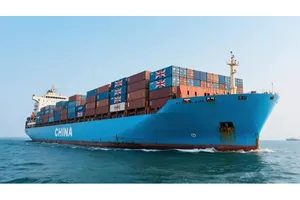
Are you troubled by various issues when shipping goods from China to Saudi Arabia? Such as opaque sea freight costs, uncertain transportation timelines, lack of familiarity with major ports in both regions, unclear regulations on import taxes and duties, and difficulty in choosing a reliable freight forwarder? Don't worry, this article will break down these problems in detail and help you easily handle China-Saudi Arabia freight matters.
How much does it cost to ship from China to Saudi Arabia?
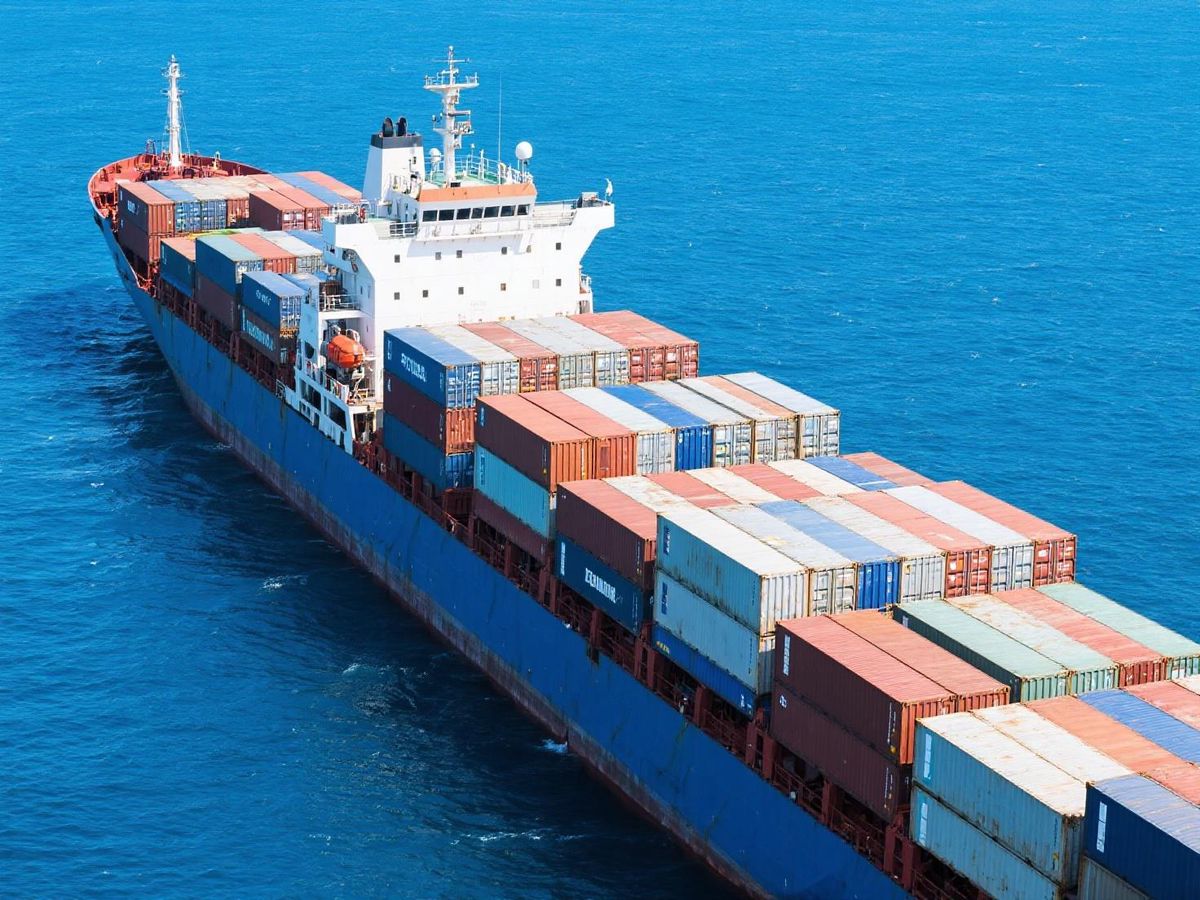
In August 2025, the sea shipping costs from China to Saudi Arabia vary significantly based on shipment type (LCL/FCL), origin/destination ports, container size, and dynamic surcharges. Below is a detailed breakdown of costs and key considerations.
LCL (Less than Container Load) Costs
LCL is ideal for smaller shipments sharing containers. Rates are typically calculated per cubic meter (CBM) or ton, whichever is higher.
| Origin Port in China | Destination Port in Saudi Arabia | Approximate Cost per CBM (USD) |
|---|---|---|
| Shanghai Port | Jeddah Islamic Port | 180–420 |
| Shenzhen Port | King Abdullah Port | 160–380 |
| Ningbo-Zhoushan Port | Jeddah Islamic Port | 170–400 |
| Guangzhou Port | King Abdulaziz Port (Dammam) | 200–450 |
Key Notes:
- Costs may include basic handling fees but often exclude customs clearance fees (approximately $80–120 in Saudi Arabia) and local delivery charges.
- LCL shipments from southern Chinese ports (e.g., Shenzhen) to Red Sea ports (e.g., Jeddah) are generally 10–15% cheaper due to shorter distances.
- Some providers offer "all-in" LCL rates (e.g., ¥800/CBM from Nansha/Shenzhen to Dammam), which include THC and documentation fees.
FCL (Full Container Load) Costs
FCL is recommended for larger shipments requiring dedicated containers. Below are typical rates for 20-foot and 40-foot containers:
| Origin Port in China | Destination Port in Saudi Arabia | 20GP Cost (USD) | 40GP/40HQ Cost (USD) |
|---|---|---|---|
| Tianjin Port | King Abdulaziz Port (Dammam) | 1,428–2,268 | 2,139–3,089 |
| Shanghai Port | Jeddah Islamic Port | 1,050–2,995 | 1,500–4,200 |
| Shenzhen Port | Jeddah Islamic Port | 1,200–1,800 | 1,800–2,300 |
| Hong Kong Port | Yanbu Commercial Port | 1,600–2,400 | 2,400–3,600 |
Key Notes:
- Rates from northern ports (e.g., Tianjin) to Gulf ports (e.g., Dammam) are 15–20% higher due to longer routes.
- Peak season surcharges (PSS) of $550/20GP and $600/40HQ apply to all China-Saudi routes from August 22, 2025.
- Premium carriers like APL offer faster direct routes (e.g., Shanghai to Jeddah in 18 days) at a 10–15% premium.
Additional Charges
Mandatory Fees
Terminal Handling Charges (THC):
- 20GP: $80–100 (Tianjin to Dammam)
- 40GP/40HQ: $100–200 (Shanghai to Jeddah)
Seal Fee:
- $3–5 per container, charged for sealing.
Documentation Fee (ODF):
- $50 per container for Saudi-bound shipments (Maersk standard).
Variable Surcharges
Fuel Surcharge (EBS):
- Adjusted monthly based on global fuel prices. In July 2025, it averaged 20.5% of the base rate.
Port Congestion Surcharge (PCS):
- Imposed during peak seasons or delays (e.g., Jeddah’s 7–10-day berthing wait adds $300/TEU).
Low Sulfur Fuel Surcharge (LSS):
- $50–100/container for vessels complying with IMO 2020 sulfur regulations.
Factors Affecting Costs
Port Congestion:
- Jeddah Islamic Port faces severe delays (7–10 days) due to a 31% cargo surge in 2025.
- Dammam Port experiences Ramadan-related bottlenecks (March 2025), with unloading delays of 7–10 days.
Customs and Duties:
- Saudi Arabia imposes a 5–15% VAT and 0–50% customs duties (e.g., 12% on textiles, 5% on electronics).
- Incomplete documentation triggers inspections, adding $200–500 in fees.
Route Optimization:
- Southern ports (Shenzhen, Guangzhou) to Red Sea ports (Jeddah) save 3–5 days and 10–15% on costs compared to northern routes.
Practical Recommendations
Peak Season Planning:
- Avoid shipping during Ramadan (March 2025) and Saudi National Day (September 23) to minimize delays and surcharges.
Carrier Selection:
- Cost-Effective: COSCO, Hapag-Lloyd (rates 10–20% lower than premium lines).
- Speed: APL, Maersk (direct routes with 18–22-day transit times).
Documentation:
- Ensure SABER certification is pre-approved to avoid 5–10-day customs delays.
For a precise quote tailored to your shipment, consult DTFU Logistics. Our experts provide real-time updates on port conditions, surcharges, and customs compliance to ensure cost efficiency. Contact us today for a personalized solution.
How long does sea shipping take from China to Saudi Arabia?
In August 2025, the duration of sea shipping from China to Saudi Arabia varies depending on factors such as the origin and destination ports, the type of shipment (Less than Container Load - LCL or Full Container Load - FCL), and external variables like weather and port congestion. Below is a detailed breakdown of transit times and key considerations.
LCL (Less than Container Load) Transit Time
LCL shipments, where goods share a container with other cargo, generally take longer due to consolidation and deconsolidation processes at the origin and destination ports.
| Origin Port in China | Destination Port in Saudi Arabia | Approximate Transit Time (Days) |
|---|---|---|
| Shanghai Port | Jeddah Islamic Port | 28 - 35 |
| Shenzhen Port | King Abdullah Port | 25 - 32 |
| Ningbo - Zhoushan Port | Jeddah Islamic Port | 27 - 34 |
| Guangzhou Port | King Abdulaziz Port (Dammam) | 30 - 37 |
Key Notes:
- LCL transit times include 5-7 days for cargo consolidation/deconsolidation at terminals .
- Customs clearance in Saudi Arabia typically takes 3-7 days but may extend to 10+ days if documents are incomplete or inspections are required .
FCL (Full Container Load) Transit Time
FCL shipments, which use dedicated containers, offer more predictable and slightly faster transit times due to reduced handling delays.
| Origin Port in China | Destination Port in Saudi Arabia | Transit Time (Days) |
|---|---|---|
| Shanghai Port | King Abdulaziz Port (Dammam) | 19 - 25 |
| Shenzhen Port | Jeddah Islamic Port | 16 - 22 |
| Ningbo - Zhoushan Port | King Abdullah Port | 17 - 23 |
| Hong Kong Port | Yanbu Commercial Port | 23 - 29 |
Key Notes:
- Direct routes from southern Chinese ports (e.g., Shenzhen) to Red Sea ports (e.g., Jeddah) are faster due to shorter distances .
- Northern ports like Tianjin may require 35-40 days via transshipment routes .
- Shipping lines like APL offer premium services with faster transit times (e.g., Shanghai to Jeddah in 18 days) .
Factors Affecting Transit Time
Route and Distance Southern Chinese ports (e.g., Shenzhen, Guangzhou) are geographically closer to Saudi Arabia’s Red Sea ports, reducing transit times by 3-5 days compared to northern ports like Tianjin .
Weather Conditions The 2025 Indian Ocean monsoon season (May–September) may cause delays of 3-5 days due to rough seas and reduced vessel speeds in the Arabian Sea .
Port Congestion
- Jeddah Islamic Port: In August 2025, the port faces severe congestion due to a 31% increase in cargo volume, with vessels waiting 7-10 days for berthing .
- Dammam Port: Congestion peaks during Ramadan (March 1–April 2025), with unloading delays of 7-10 days and customs clearance slowdowns .
Shipping Line Schedules Premium carriers like APL and Maersk offer faster direct routes, while mid-tier lines like COSCO and Hapag-Lloyd provide cost-effective options with slightly longer transit times .
Customs and Documentation
- Saudi Arabia’s SABER certification process for imports can add 5-10 days if not pre-approved .
- Incomplete documentation may trigger inspections, extending delays by 10-14 days .
Practical Recommendations
- Peak Season Planning: Avoid shipping during Ramadan (March 2025) and Saudi National Day (September 23) to minimize delays .
- Route Optimization: Use southern Chinese ports (Shenzhen, Guangzhou) for Red Sea destinations and northern ports (Tianjin) for Gulf of Arabia routes .
- Carrier Selection: Prioritize carriers with proven reliability in the China-Saudi route, such as APL for speed and COSCO for cost efficiency .
For a precise estimate tailored to your shipment, consult DTFU Logistics. Our experts can provide real-time updates on port conditions, route optimization strategies, and customs compliance to ensure your goods arrive on schedule. Contact us today for a personalized solution.
Main Ports in China and Saudi Arabia
Main Ports in China
China, a global powerhouse in trade, has a vast network of ports that drive its economic growth. These ports are equipped with state - of - the - art facilities and handle an enormous volume of cargo annually. Here are some of the preeminent ports in China:
| Port Name | Location | Annual Cargo Volume (TEUs) | Key Features |
|---|---|---|---|
| Shanghai Port | Shanghai | 43 million | The world's largest container port, boasting advanced facilities and a highly efficient operation system. It serves as a major international trade gateway, connecting China to markets across the globe. |
| Shenzhen Port | Shenzhen | 25 million | A crucial hub for the electronics and textiles industries. With multiple terminals, it can handle a diverse range of cargo, and its strategic location in the Pearl River Delta region enhances its competitiveness. |
| Ningbo - Zhoushan Port | Ningbo | 28 million | A deep - water port that plays a significant role in the transportation of oil and minerals. It has a large - scale cargo - handling capacity and is well - connected to both domestic and international markets. |
| Guangzhou Port | Guangzhou | 23 million | Offers comprehensive logistics services and lies on key trade routes. It is an important port for the southern region of China, facilitating trade with Southeast Asia and other regions. |
| Hong Kong Port | Hong Kong | 18 million | An important international trade hub known for its efficient customs clearance and world - class port services. It has a long - standing reputation for its reliability in handling high - value and time - sensitive cargo. |
Main Ports in Saudi Arabia
Saudi Arabia, strategically located between Europe, Asia, and Africa, has a series of ports that are vital for its trade and economic development. These ports are constantly evolving to meet the growing demands of international trade.
| Port Name | Location | Annual Cargo Volume (TEUs) | Key Features |
|---|---|---|---|
| Jeddah Islamic Port | Jeddah | 5.86 million (in 2023) | With a handling capacity of 130 million tons, it is the second - largest port in Saudi Arabia and one of the busiest sea lanes. It has seen a 12.6% growth in container handling from 2022 to 2023, indicating its expanding role in international trade. |
| King Abdulaziz Port | Dammam | 2.31 million (in 2023) | The second - largest Saudi port on the Arabian Gulf coast and the main port of the Eastern Province. It has experienced a 13.1% growth in container handling in 2023, and is undergoing significant development to increase its container terminal capacity by more than 120%. |
| King Abdullah Port | King Abdullah Economic City | 2.93 million (in 2023) | A full - service commercial port with a strategic location. It is the newest port facility in Saudi Arabia and is privately owned, developed, and operated. It aims to achieve high - level efficiency with state - of - the - art computer systems and experienced staff. |
| Yanbu Commercial Port | Yanbu | - | One of the oldest ports, located on the Red Sea coast. It is the closest Saudi port to Europe and North America in terms of distance, area, dockyards, wharves, and handling capacity, which gives it an edge in trade with these regions. |
| Jubail Commercial Port | Jubail | - | The port has deep waters in its adjacent area, which is carefully selected for its advantages along the Arabian Gulf coast. It has a marine fleet consisting of various types of vessels such as tugboats, navigation boats, and mooring boats, facilitating efficient port operations. |
If you are still uncertain about which port to choose for your trade operations or need assistance in optimizing your shipping strategy, partnering with an experienced freight forwarder like DTFU Logistics can be a game - changer. Their expertise in navigating port operations and optimizing shipping routes can provide you with tailored advice to ensure your goods are transported smoothly and cost - effectively. Reach out to them today for professional support to simplify your international trade journey.
Import Tax and Duty Instructions for Exports from China to Saudi Arabia
Basic Composition of Taxes and Duties
- Customs Duty: Determined by the HS code of the goods, with most commodities subject to a rate of 5%-20%
- Value-Added Tax (VAT): 15%, calculated based on (CIF value of goods + customs duty)
- Excise Tax: Applicable only to specific goods (such as tobacco, alcohol, sugary drinks) with a rate of 50%-100%
Tax and Duty Table for Common Commodities
| Commodity Category | HS Code Range | Customs Duty Rate | VAT Calculation Method | Example (CIF Value: $1000) |
|---|---|---|---|---|
| Electronic products (mobile phones, TVs) | Starting with 85 | 5% | (1000 + 50) × 15% = $157.5 | Total taxes: 50 + 157.5 = $207.5 |
| Mechanical equipment | Starting with 84 | 5%-15% | (CIF value + customs duty) × 15% | - |
| Textiles (shirts, etc.) | 61-63 | 12% | (1000 + 120) × 15% = $168 | Total taxes: 120 + 168 = $288 |
| Toys | Starting with 95 | 10%-20% | (CIF value + customs duty) × 15% | - |
| Furniture | Starting with 94 | 15% | (1000 + 150) × 15% = $172.5 | Total taxes: 150 + 172.5 = $322.5 |
Special Notes
- Duty-Free Threshold: Goods with a CIF value below 1000 Saudi Riyals (approximately $267) are exempt from customs duty but still subject to VAT
- Preferential Tariffs: Some commodities can enjoy lower rates with a certificate of origin
- Calculation Tips: First determine the accurate HS code, then calculate in the order of "customs duty → VAT"
For precise calculation, you can contact a freight forwarder to assist in confirming the HS code and real-time tax rates.
Best Freight forwarder from China to Saudi Arabia
Shipping from China to Saudi Arabia made easy. DTFU Logistics stands out as your top - tier freight forwarder, committed to ensuring your goods reach Saudi Arabia safely, cost - effectively, and with utmost efficiency.
Why choose for DTFU Logistics in China - Saudi Arabia Shipping?
- Streamlined Operations: We take charge of the entire process, from meticulous customs clearance procedures in China to the seamless delivery of your cargo at your specified destination in Saudi Arabia. Our team is well - versed in the complex regulations of both countries, ensuring a hassle - free journey for your goods.
- Economical Solutions: We offer a wide range of optimized shipping rates. For sea freight, whether you require Full Container Load (FCL) for large - scale shipments or Less than Container Load (LCL) for smaller consignments, we have competitive pricing. Additionally, our air freight options are tailored to fit your budget while maintaining high - quality service.
- Dependable Deliveries: Choose from our standard transit options for cost - effective shipping or our expedited services for those time - sensitive shipments. We also provide comprehensive door - to - door shipping services from China to Saudi Arabia, handling every step of the way, from the pick - up at your location in China to the final delivery at the recipient's doorstep in Saudi Arabia.
- Market - Savvy Approach: Our experts closely monitor the current market dynamics, including fluctuations in container shipping costs from China to Saudi Arabia. This enables us to provide you with the most up - to - date and optimal shipping solutions, ensuring you get the best value for your money.
Contact DTFU Logistics today to meet all your China - Saudi Arabia shipping requirements. Let us simplify the logistics process for you and help your business thrive in the Saudi Arabian market.