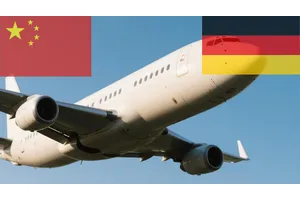
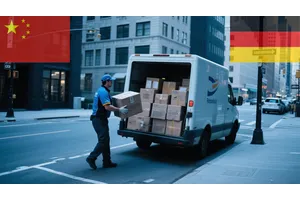
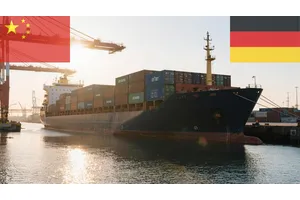
Are you looking for a hassle-free way to handle DDP shipping from China to Germany? Navigating international logistics can be complex, but choosing the right shipping method makes all the difference. In this comprehensive guide, we’ll explain everything you need to know about Delivered Duty Paid (DDP), including its unique benefits, step-by-step processes, cost components, and how it compares to other shipping terms. Discover how DDP shipping can simplify your import operations and enhance your delivery experience in Germany.
What is DDP Shipping from China to Germany?
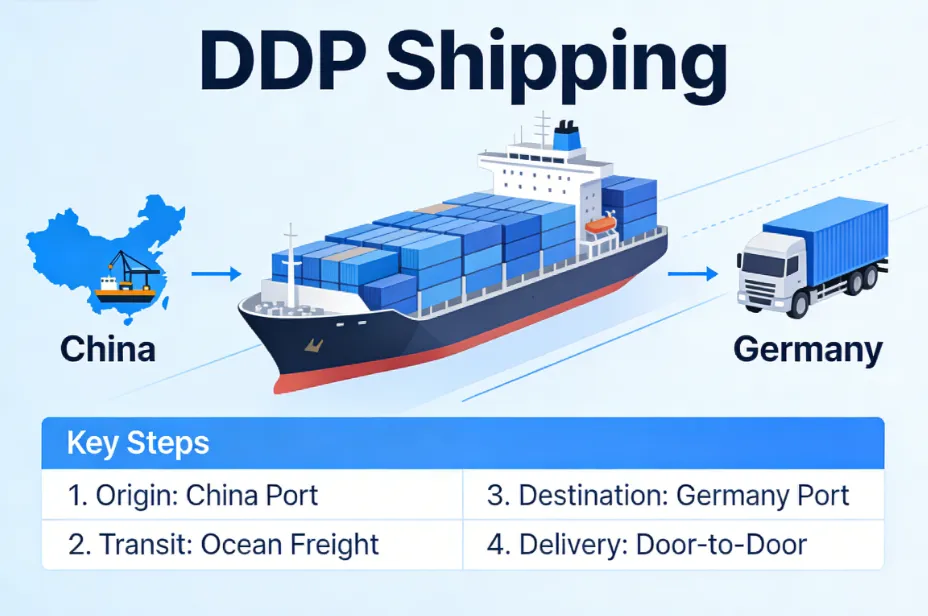
DDP (Delivered Duty Paid) is an international shipping term defined under Incoterms 2020 by the International Chamber of Commerce (ICC). When you use DDP for shipments from China to Germany, the seller is fully responsible for delivering the goods to a named destination in Germany. This includes all freight charges, export and import duties, VAT, customs clearance, and any risk or cost until the goods are received by the buyer.
In simple terms, DDP means:
- The seller (exporter in China) takes care of all logistics, taxes, and customs compliance on behalf of the buyer (importer in Germany).
- Buyer receives the goods at their destination with zero surprises for extra charges.
Key Responsibilities under DDP:
| Step | Responsible Party | Description |
|---|---|---|
| Export Packing & Inland Delivery | Seller | Packaging and local transport to Chinese departure port or airport |
| Export Customs Clearance | Seller | Handling Chinese export documentation and formalities |
| Main Freight (Sea, Air, Rail) | Seller | Arranging the main international shipping to Germany |
| Import Customs Clearance & VAT | Seller | Completing all German/EU import customs, paying duties/VAT |
| Final Delivery to Buyer’s Door | Seller | Covering local delivery to the buyer’s specified address in Germany |
| Insurance (optional, but common) | Seller | Can be arranged by the seller for additional protection |
Key Differences Between DDP and Other Shipping Terms
To choose the best incoterm, it's important to understand how DDP compares with other common terms such as EXW (Ex Works), FOB (Free on Board), and CIF (Cost, Insurance, and Freight).
| Term | Export Customs | Main Freight | Import Customs & VAT | Risk Transfer Point | Buyer Responsibility |
|---|---|---|---|---|---|
| EXW | Buyer | Buyer | Buyer | Seller’s premises (China) | All costs/risks from seller’s door |
| FOB | Seller | Buyer | Buyer | Departure port (China) | All international/arrival costs |
| CIF | Seller | Seller | Buyer | Arrival port (Germany) | Customs, delivery, duties in Germany |
| DDP | Seller | Seller | Seller | Buyer’s location (Germany) | None (except receiving goods) |
Key Takeaways:
- DDP is the most buyer-friendly term, minimizing risk and administrative burden for importers.
- With EXW, FOB, or CIF, buyers must arrange (and pay for) import customs clearance and local delivery in Germany, which can be complex due to EU regulations.
- Based on our experience supporting first-time importers and cross-border sellers, DDP shipping from China to Germany is usually the best choice when you want predictable landed cost and fewer compliance headaches.
Related reading: If you are considering DDP shipping to other European countries, see DDP shipping from China to Spain for a detailed comparison.
Why Choose DDP for Shipping to Germany?
There are several compelling reasons why importers and e-commerce sellers prefer the DDP shipping term, especially when shipping from China to Germany:
- All-Inclusive Costs: With DDP, you receive a quote that includes all fees—no surprise charges on arrival. This simplifies budgeting and accounting.
- Simplified Customs Compliance: Germany and the EU have strict import regulations, documentation, and VAT requirements. DDP providers, like DTFU International Logistics Co.,Ltd, handle these for you.
- Reduced Risk: The seller takes on all risks—including customs delays, fines, or extra charges—until the shipment is delivered.
- Improved Customer Experience: For German buyers, especially e-commerce customers, DDP ensures fast, predictable delivery without customs hassles.
- Time Savings: You avoid time-consuming communication with customs brokers and government agencies in both China and Germany.
- Professional Handling: When you partner with a seasoned freight forwarder like DTFU International Logistics Co.,Ltd, you leverage their expertise in international shipping, customs brokerage, and last-mile delivery.
Step-by-Step Guide to DDP Shipping from China to Germany
Here’s a breakdown of the typical DDP shipping process:
-
Quotation & Booking:
- You provide shipment details (commodity, volume, weight, delivery address in Germany) to your freight forwarder.
- DTFU International Logistics Co.,Ltd offers an all-inclusive DDP quote.
-
Cargo Collection & Export Documentation:
- The freight forwarder arranges pick-up from your supplier’s facility in China.
- Required export documents (Commercial Invoice, Packing List, Export Permit) are prepared.
-
Export Customs Clearance in China:
- DTFU manages all customs procedures and pays any applicable export duties.
-
International Freight Transport:
- Goods are shipped via sea, air, or rail freight, depending on your choice.
- Tracking is provided throughout the journey.
-
Import Customs Clearance in Germany:
- Upon arrival, DTFU handles all import customs declarations, pays import duties and German VAT (Umsatzsteuer) on your behalf.
- Any necessary inspections or documentation are taken care of by the forwarder.
-
Final Mile Delivery:
- After clearance, the goods are delivered directly to your specified address in Germany.
- DTFU can arrange for warehouse storage or direct delivery to end customers, including Amazon FBA centers.
-
Confirmation & Handover:
- You receive the shipment, with all taxes and fees settled.
- DTFU provides all completed documentation for your records.
Typical Transit Times (2026 Q1 operating averages):
| Shipping Mode | Estimated Transit from China to Germany | Best For |
|---|---|---|
| Air Freight (DDP) | 5-9 days | Urgent, high-value, low-volume goods |
| Sea Freight (DDP) | 26-39 days (e.g., Shanghai to Hamburg) | Bulk shipments, cost-sensitive cargo |
| Rail Freight (DDP) | 16-22 days (e.g., Xi’an to Duisburg) | Fast, cost-efficient, mid-sized shipments |
Note: Actual transit times may vary due to customs or port congestion. For detailed shipping times and factors that may affect your schedule, refer to How long does shipping from China to Germany take.
Key Parties Involved in the DDP Process
A successful DDP shipment requires coordination among several parties:
-
Exporter/Seller (China): Responsible for preparing goods, documentation, and initiating the process.
-
Freight Forwarder (DTFU International Logistics Co.,Ltd):
- Coordinates every stage from pick-up, export, shipping, import clearance, to final delivery.
- Acts as the main point of contact, ensuring compliance and transparent communication.
-
Customs Brokers: Handle customs formalities in both China and Germany; often integrated within the services of DTFU.
-
Carrier Lines: Ocean, air, or rail carriers physically transport the goods.
-
German Customs Authorities (Zoll): Oversee import compliance, VAT, and security checks.
-
Consignee/Importer (Germany): Receives the goods with all duties and taxes pre-paid, no additional steps needed.
Bottom Line:
Choosing DDP shipping from China to Germany allows businesses to focus on growth and sales, while complex logistics, customs, and risk management are handled by experienced professionals like DTFU International Logistics Co.,Ltd. This approach provides value, transparency, and peace of mind for any importer—whether you’re a large manufacturer, a cross-border e-commerce seller, or an SME venturing into the German market.
If you want details specific to Freight forwarder from China to Germany, such as forwarder selection and latest logistics trends, check out our in-depth guide.
Main Benefits of DDP Shipping from China to Germany
Simplified Customs Clearance and Tax Handling
One of the foremost advantages of DDP shipping from China to Germany is the seamless management of customs clearance and tax obligations. With Delivered Duty Paid (DDP), the seller or their appointed freight forwarder—such as DTFU International Logistics Co.,Ltd—handles all import duties, Value-Added Tax (VAT), and customs paperwork before the goods enter Germany. This means importers avoid the complexity and risk of navigating the intricacies of German customs regulations and ever-changing EU tax policies.
As a result, buyers benefit from:
- No need to register for EORI (Economic Operator Registration and Identification) in Germany
- Clear, advance knowledge of all payable taxes and duties
- Reduced risk of customs holds or penalties for non-compliance
This is especially valuable for cross-border e-commerce sellers and SMEs unfamiliar with local regulations.
Cost Transparency and Risk Reduction for Importers
With DDP shipping, all costs—including freight, customs duties, taxes, and handling fees—are calculated upfront. This total landed cost model enables importers, supply chain managers, and procurement professionals to budget accurately and eliminate surprises.
Key benefits include:
- Elimination of unexpected charges at destination ports such as Hamburg, Bremerhaven, or Frankfurt
- Minimized risk of delays due to unpaid duties or missing paperwork
- Simplified accounting and cost allocation for imported goods
By utilizing a trusted provider like DTFU International Logistics Co.,Ltd, importers gain the added assurance that all regulatory risks are professionally managed.
Improved Delivery Experience for German Buyers
DDP shipping offers a frictionless experience for buyers in Germany. Goods are delivered straight to their door or warehouse, with all customs and tax issues resolved in advance. This is particularly advantageous for cross-border e-commerce buyers and B2B customers, who expect:
- Fast delivery times without customs delays
- No need for local customs declarations
- No surprise fees upon delivery
For sellers, this improved experience translates to higher customer satisfaction rates, more repeat business, and a competitive edge in the German market.
Key Considerations and Requirements for DDP Shipments
Customs Documentation and Compliance in Germany
For successful DDP shipping from China to Germany, meticulous attention to customs documentation is crucial. Key required documents include:
- Commercial Invoice
- Packing List
- Bill of Lading or Air Waybill
- Certificate of Origin (where applicable)
- Import Licenses for restricted goods
All documents must comply with EU customs standards and be submitted in advance to German customs authorities (Zoll). Non-compliance can lead to delays, fines, or shipment returns.
DTFU International Logistics Co.,Ltd provides end-to-end document management and compliance checks, reducing the risk of errors and ensuring a smooth customs process.
Product Restrictions, Duties, and VAT in the EU
Importing into Germany means complying with European Union regulations concerning restricted or prohibited goods. Commonly restricted categories include:
| Product Category | Restriction/Requirement |
|---|---|
| Electronics | CE Marking/Compliance with EU standards required |
| Food & Beverages | Health, safety, and labeling regulations |
| Chemicals | REACH regulation, import permits |
| Pharmaceuticals | Special import licenses |
| Textiles & Apparel | Specific labeling and safety requirements |
Duties are applied based on the Harmonized System (HS code) classification, while VAT for imports into Germany is typically 19% (as of 2026 Q1). In practice, the payable amount still varies by product, declared value, and the final customs assessment.
Before shipping, consult with an experienced freight forwarder like DTFU International Logistics Co.,Ltd to ensure all duties, taxes, and restrictions are fully understood and managed.
Packaging, Labeling, and Insurance Needs
Proper packaging and labeling are essential for customs clearance and product safety during transit. For DDP shipments, special attention must be paid to:
- Durable packaging to withstand long-haul sea, rail, or air transport
- Clear, compliant labeling (including product descriptions, country of origin, and handling instructions in German or English when necessary)
- Insurance coverage for risks such as loss, damage, or theft
DTFU International Logistics Co.,Ltd offers comprehensive cargo insurance services and guidance on packaging standards for all routes—Sea Freight, Air Freight, and Rail Freight—guaranteeing that shipments meet all requirements and arrive safely.
Further reading: For insights into insurance and packaging best practices, see Shipping container insurance cost for shipments from China.
If you have additional queries or require a tailored DDP shipping solution from China to Germany, contact our team at DTFU International Logistics Co.,Ltd for expert support.
DDP Shipping Methods: Air, Sea, and Rail Freight Compared
Choosing the right DDP (Delivered Duty Paid) shipping method from China to Germany is crucial for importers, e-commerce sellers, and logistic managers aiming to balance cost, speed, and reliability. Below, I will provide a professional and comprehensive comparison of the three major DDP shipping methods: Air Freight, Sea Freight, and Rail Freight.
DDP Air Freight: Pros, Cons, and Best Use Cases
DDP Air Freight is the fastest way to transport goods from China to Germany, commonly used for high-value, time-sensitive, or urgent shipments. In a DDP arrangement, your freight forwarder—like DTFU International Logistics Co.,Ltd—manages all logistics, customs clearance, duties, and taxes, delivering your cargo right to your German address.
Pros:
- Fastest Transit Time: Typically 3–7 days from main airports such as Shanghai (PVG), Guangzhou (CAN), or Beijing (PEK) to Frankfurt (FRA), Munich (MUC), or Leipzig (LEJ).
- Ideal for Small/Medium Shipments: Suitable for cargo under 500 kg or urgent e-commerce replenishments.
- High Security: Lower risk of damage or theft compared to other modes.
Cons:
- Higher Costs: Air freight is more expensive per kilogram than sea or rail.
- Size & Weight Limitations: Airlines have strict limitations on hazardous items or oversized cargo.
- Carbon Footprint: Air transport is less eco-friendly.
Best Use Cases:
- Electronics, fashion, perishable goods, medical devices, or time-critical inventory.
DDP Sea Freight: Container Options, Costs, and Transit Times
DDP Sea Freight offers the most cost-effective solution for large or bulky shipments between China and Germany. It is the preferred method for many manufacturers and trading companies, with all DDP obligations—duties, VAT, and delivery—handled by your freight forwarder.
Main Container Options:
| Container Type | Capacity (CBM) | Typical Use |
|---|---|---|
| 20FT Standard | 28 | Small shipments, heavy and dense cargo |
| 40FT Standard | 56 | Medium-to-large shipments, palletized goods |
| 40HQ High Cube | 68 | Voluminous but lighter cargo, e-commerce goods |
| 45HQ High Cube | 78 | Oversized or consolidated shipments |
Ports Involved:
- Departure: Major Chinese ports such as Shanghai, Shenzhen, Ningbo, Qingdao.
- Arrival: German ports such as Hamburg and Bremerhaven.
Typical Costs & Transit Times (2026 Q1 lane ranges from our operations team):
| China Port | Germany Port | LCL Cost (USD/CBM)* | FCL 20FT (USD)* | FCL 40HQ (USD)* | Transit Time (Days) |
|---|---|---|---|---|---|
| Shanghai | Hamburg | $80–$125 | $1,050–$1,950 | $1,850–$3,250 | 28–35 |
| Shenzhen | Bremerhaven | $85–$130 | $1,080–$2,020 | $1,900–$3,300 | 29–36 |
| Ningbo | Hamburg | $80–$128 | $1,030–$1,900 | $1,880–$3,180 | 27–33 |
Actual prices may vary; always request a fresh quote.
Pros:
- Lowest Shipping Cost per CBM: Economical for large shipments.
- Flexible Load Options: FCL and LCL (Less than Container Load).
- Wide Cargo Acceptance: Suitable for almost all cargo types.
Cons:
- Longer Lead Time: 4–6 weeks total, including customs clearance.
- Port Delays Possible: Especially during peak seasons.
- Higher Risk of Damage: Proper packaging is essential.
Best Use Cases:
- Furniture, machinery, raw materials, mass-produced goods.
For more route-specific information, see Shipping from Shanghai to Germany for port details, timelines, and pricing from this popular export hub.
DDP Rail Freight: Fast, Reliable Land Transport to Germany
DDP Rail Freight is an increasingly popular solution for balancing speed and cost between China and Germany, thanks to the China-Europe Railway Express. This overland route connects cities like Chongqing, Xi’an, or Wuhan with Duisburg, Hamburg, and other major hubs in Germany.
Key Advantages:
- Faster than Sea, Cheaper than Air: Transit times of 16–20 days.
- Environmentally Friendly: Lower CO2 emissions compared to air.
- Reliable Schedules: Especially for regular, consolidated shipments.
Container Options: Primarily 40FT and 40HQ containers.
Example Route and Costs (2026 Q1 lane observations):
| China Rail Hub | Germany Hub | Container Type | Typical DDP Cost (USD) | Transit Time (Days) |
|---|---|---|---|---|
| Xi’an | Duisburg | 40HQ | $5,100–$6,600 | 16–19 |
| Chongqing | Hamburg | 40HQ | $5,200–$6,800 | 17–21 |
Pros:
- Predictable Schedules: Weekly departures.
- Suited for Medium Value Goods: Electronics, automotive parts, fashion.
Cons:
- Weight Restrictions: Rail routes may impose weight limits.
- Not Suitable for All Cargo: Hazardous or temperature-sensitive items may be excluded.
- Route Changes & Geopolitical Risks: Based on our experience, overland schedules can be affected by evolving route controls, customs checks, and broader geopolitical disruptions.
Best Use Cases:
- Automotive components, electronics, time-sensitive but cost-conscious shipments.
Comparison Table: DDP Shipping Modes from China to Germany
| Method | Transit Time | Typical Cost (40HQ) | Recommended Cargo | Major Hubs (CN/DE) | Environmental Impact |
|---|---|---|---|---|---|
| Air Freight | 3–7 days | $13,000–$22,000 | High-value, urgent | Shanghai, Beijing / Frankfurt, MUC | High |
| Sea Freight | 28–36 days | $1,850–$3,300 | Large, non-urgent | Shanghai, Shenzhen / Hamburg, BRE | Medium |
| Rail Freight | 16–21 days | $5,100–$6,800 | Medium value, timely | Xi’an, Chongqing / Duisburg, Hamburg | Low |
Data as of 2026 Q1; always confirm with your freight forwarder for the latest updates due to fluctuating rates and possible disruptions.
Calculating DDP Shipping Costs from China to Germany
Understanding the total cost of DDP shipping from China to Germany is critical for accurate budgeting and pricing decisions. The DDP model ensures that all destination costs (duties, VAT, delivery) are included in your quote.
Main Cost Components: Freight, Duties, Taxes, and Fees
- Freight Charges: The base shipping fee by air, sea, or rail, depending on the chosen method and container type.
- Customs Duties: Calculated based on the HS code, product value, and the German/EU Tariff.
- VAT: Standard German import VAT is typically 19% (as of 2026 Q1), calculated on the customs-assessed value plus duties.
- Handling Fees: Includes terminal handling, security, and documentation.
- Last Mile Delivery: Delivery from the port/terminal to the final address in Germany.
- Insurance: Optional but recommended, especially for high-value shipments.
- Other Fees: Possible extra charges, such as warehousing, demurrage, or customs inspection.
Sample DDP Cost Breakdown (for a 40HQ container via sea, 2026 Q1 illustration based on our pricing team’s model):
| Cost Component | Example Amount (USD) |
|---|---|
| Sea Freight (Shanghai–Hamburg) | $2,300 |
| Customs Duty (2.5%) | $625 (on $25,000 cargo) |
| VAT (19%) | $5,320 |
| Handling & Delivery | $550 |
| Insurance (0.3%) | $75 |
| Total Estimated DDP Cost | $8,870 |
Actual amounts vary by product, value, shipping season, and service provider.
How to Get Accurate DDP Shipping Quotes
- Provide Detailed Cargo Information: HS code, product description, value, packaging details, dimensions, weight.
- Specify Delivery Address: Exact German recipient location for precise last-mile calculation.
- Request for Multiple Modes: Ask for air, sea, and rail rates to compare.
- Clarify Incoterms: Confirm DDP coverage includes all taxes and duties.
- Ask for All-in Quotes: Ensure all fees (including customs and delivery) are listed to avoid surprises.
Tip: Consult a reputable freight forwarder like DTFU International Logistics Co.,Ltd to get transparent and up-to-date DDP quotes tailored to your cargo.
Tips for Saving on DDP Shipping Expenses
- Consolidate Shipments: Group multiple orders to fill a full container (FCL), reducing per-unit cost.
- Plan Ahead: Book shipments early to avoid high season surcharges or air freight premiums.
- Optimize Packaging: Reduce volume and weight with efficient packing to lower freight costs.
- Use Rail for Mid-Value, Time-Sensitive Cargo: Rail offers a balance of speed and cost.
- Leverage Expert Freight Forwarders: Choose experienced companies like DTFU International Logistics Co.,Ltd, offering one-stop logistics, customs, and insurance solutions.
- Monitor Policy Updates: Stay informed about German and EU import regulations, as tariffs and VAT rates may change.
Final Thoughts
Selecting the optimal DDP shipping method and calculating associated costs require expertise and up-to-date market knowledge. Based on our experience running China–Germany DDP shipments across sea, air, and rail, DTFU International Logistics Co.,Ltd focuses on transparent pricing, stable transit times, and fast customer response. For a personalized quote or consultation, contact our team today.
How to Choose a Reliable DDP Freight Forwarder for China-Germany Shipments
Selecting the right DDP freight forwarder is crucial to ensure smooth, cost-effective, and compliant delivery from China to Germany. As someone with over 10 years of industry experience, I recommend considering the following criteria to make an informed choice:
1. Experience & Track Record
- An established freight forwarder should have a proven history in handling DDP shipping from China to Germany.
- Ask for case studies, client references, or shipment statistics that demonstrate their expertise in this specific corridor.
- Look for partners with in-depth knowledge of both Chinese export procedures and German import regulations.
2. Service Scope & Capabilities
-
A reliable provider shouldn’t just list services—they should be able to show how they execute DDP end-to-end with repeatable SOPs and risk controls. Based on our experience, strong China–Germany DDP capability is easy to spot by the “deliverables” they can produce before and during shipment, such as:
- Pre-shipment compliance screening: HS code sense-check, EU requirements review (e.g., CE/REACH/labeling where applicable), and dangerous goods screening (battery type, MSDS/UN38.3 when relevant) to prevent last-minute holds.
- Landed-cost logic you can audit: an all-in DDP quote that clearly states scope, assumptions, and what’s included (freight + destination handling + duty/VAT + last-mile), so you can compare apples-to-apples across forwarders.
- Origin execution that prevents “paperwork delays”: pick-up booking, consolidation plan (LCL/FCL), export filing, and document pre-check (invoice/packing list/marks) before cargo is gated in.
- Germany/EU import clearance coordination: a broker-ready document package and proactive handling of typical questions (valuation, HS classification, product use) to keep the clearance timeline stable.
- Door delivery that matches your receiving rules: appointment delivery, POD collection, and (when needed) Amazon FBA labeling/appointment requirements and palletization guidance.
- Exception handling, not just tracking: milestone updates are useful, but what matters is how the team responds when something changes (rollover, inspection, routing change) and how quickly they provide options with cost/time impact.
3. Compliance & Licensing
- Ensure the forwarder is properly licensed and accredited by relevant authorities in both China and Germany.
- Confirm they are up-to-date with EU customs regulations, VAT handling, and product restrictions.
- Verify their ability to provide all required documentation, including commercial invoice, packing list, and import/export declarations.
4. Transparent Pricing & DDP Expertise
-
Ask for clear, itemized DDP shipping quotes that include:
- Freight costs
- Duties and taxes
- Local handling fees
- Insurance (if needed)
-
Assess their ability to lock in prices and provide guidance on cost-saving strategies (e.g., optimal container sizes: 20FT – 28CBM, 40FT – 56CBM, 40HQ – 68CBM, 45HQ – 78CBM).
-
Transparency in pricing ensures you avoid hidden charges and budget surprises.
5. Communication & Customer Service
- Evaluate their responsiveness and language capabilities—timely updates are critical for cross-border shipments.
- A dedicated account manager or English/German-speaking support staff is highly beneficial.
- Check online reviews, client testimonials, and industry awards for additional credibility.
6. Value-added Services
- Some forwarders offer extra services like cargo consolidation, returns management, and insurance solutions.
- Integrated digital platforms for booking, tracking, and document management are a major plus.
Recommended Provider: DTFU International Logistics Co.,Ltd
Based on our day-to-day operation of China–Germany DDP shipments, DTFU International Logistics Co.,Ltd focuses on the parts that actually protect your timeline and landed cost: document accuracy, compliance risk control, and reliable door delivery. In practical terms, clients choose DTFU because we provide:
- Mode selection with clear trade-offs across sea, air, and rail, based on your cargo profile (value, urgency, size, sensitivity) rather than a one-size-fits-all recommendation
- A pre-shipment document and compliance checklist (invoice/packing list/HS code/labeling) to reduce avoidable customs queries
- DDP execution from pickup to final delivery, including one-stop customs clearance and door-to-door delivery coordination
- Operational controls for common failure points (peak-season rollovers, inspections, rail routing changes), with practical alternatives when plans change
- Support for Amazon FBA, warehouse handling, and cargo insurance when your receiving requirements need it
To get a tailored solution or a quick quote for your China-Germany shipments, visit DTFU International Logistics.
FAQs
Q1: What is the average delivery time for DDP shipping from China to Germany?
- Sea Freight (FCL/LCL): 26–39 days (Port-to-door, including customs clearance)
- Air Freight: 5–9 days (Airport-to-door)
- Rail Freight: 16–22 days (Station-to-door)
| Mode | Typical Transit Time | When to Use |
|---|---|---|
| Air Freight | 5–9 days | Urgent, small, or high-value shipments |
| Sea Freight | 26–39 days | Large volumes, bulky goods, cost-sensitive cargo |
| Rail Freight | 16–22 days | Medium urgency, cost-effective, eco-friendly |
Q2: What documents are required for DDP shipping to Germany?
- Commercial Invoice
- Packing List
- Bill of Lading (Sea) / Air Waybill (Air) / Railway Bill
- Import/Export Declaration
- CE Certificate (for regulated products)
- Insurance Policy (if purchased)
Q3: Who pays for duties and taxes in DDP shipping?
- Under DDP (Delivered Duty Paid) terms, the seller/shipping party in China is responsible for all costs, including freight, customs clearance, duties, and VAT until delivery to the buyer in Germany.
Q4: Are there any product restrictions for DDP shipping between China and Germany?
- Yes. Certain items, such as batteries, chemicals, pharmaceuticals, and restricted electronics, may require special permits or are prohibited.
- It is essential to check both EU and German import regulations before shipping.
Q5: How are DDP shipping costs calculated?
- Costs depend on cargo volume/weight, shipment mode (air, sea, rail), origin/destination, product type, and applicable duties/taxes.
- Get a detailed quote from your forwarder for precise budgeting.
Q6: Can I use DDP for Amazon FBA shipments to Germany?
- Yes. Many cross-border sellers use DDP shipping to deliver directly to Amazon FBA warehouses in Germany, ensuring VAT and customs are managed upfront.
If you have more questions about DDP shipping or need a personalized logistics plan, contact our team (Ivan Chan) or visit DTFU International Logistics for expert support!