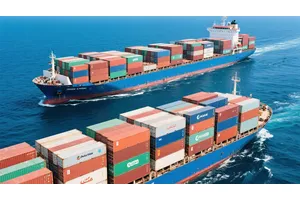
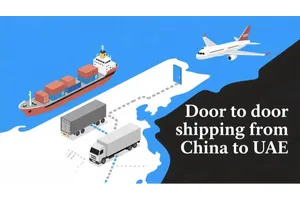
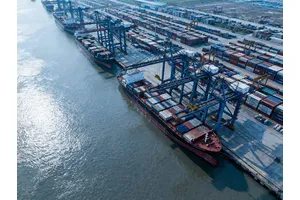
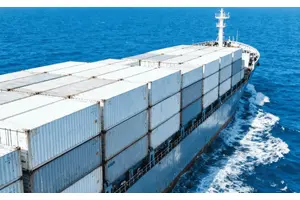
Are you looking to optimize your 20ft & 40ft container shipping from China to the United Arab Emirates but feeling overwhelmed by fluctuating costs, routes, and countless options? In this comprehensive guide, we’ll break down key factors impacting container shipping rates, compare prices for different container sizes, and share practical tips to reduce your shipping expenses. Whether you're new to international logistics or seeking the latest insights for 2026 Q1, this article will help you make smarter shipping decisions for your China-UAE trade.
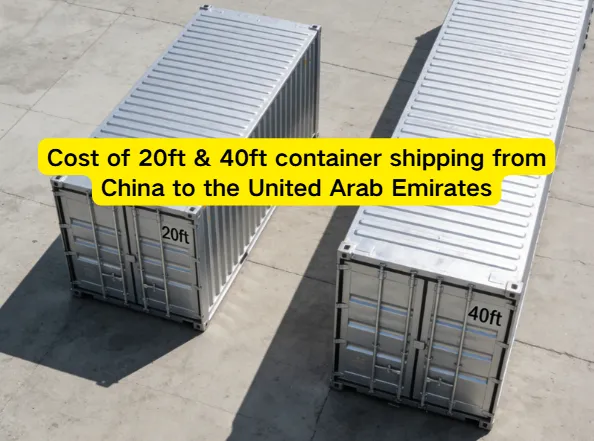
Overview of 20ft & 40ft Container Shipping from China to United Arab Emirates
Shipping goods from China to the United Arab Emirates (UAE) by container is a reliable, efficient, and cost-effective choice for businesses of all sizes. The trade relationship between China and the UAE is robust, with the UAE serving as a major logistics hub for the Middle East. Container shipping is the backbone of this supply chain, enabling the movement of a vast range of goods—from electronics and textiles to machinery and consumer products.
Why Choose 20ft or 40ft Containers for China-UAE Shipments?
Selecting the right container size is crucial for managing shipping costs and ensuring cargo safety. The two most common container sizes are the 20ft (28 CBM capacity) and the 40ft (56 CBM capacity). Here’s why these options are preferred:
- Flexibility: Both sizes accommodate different cargo volumes and weights, catering to small shipments or large loads.
- Cost Efficiency: Shipping a 40ft container often provides better cost-per-cubic-meter value for high-volume shipments.
- Cargo Protection: Containers offer sealed, weatherproof storage, reducing the risk of damage during transit.
- Ease of Handling: Standardized sizes make loading, unloading, and transshipment at major ports efficient.
| Container Size | Interior Volume (CBM) | Typical Use Case |
|---|---|---|
| 20ft | 28 | Small to medium shipments, heavy cargo |
| 40ft | 56 | Large shipments, volume cargo |
| 40ft High Cube | 68 | Oversized or high-volume goods |
DTFU International Logistics Co.,Ltd offers expert consultation to help you select the right container size based on your cargo type and budget.
Popular Shipping Routes and Major Ports between China and the UAE
China is home to some of the world’s largest container ports, while the UAE serves as a key gateway for the Middle East and Africa. The most popular shipping routes typically connect the following ports:
Major Origin Ports in China:
- Shanghai Port (World’s busiest container port)
- Shenzhen Port (Key for electronics and manufacturing exports)
- Ningbo-Zhoushan Port
- Qingdao Port
- Guangzhou Port
- Xiamen Port
Major Destination Ports in UAE:
- Jebel Ali Port (Dubai) – Largest and busiest in the Middle East, regional transshipment hub.
- Khalifa Port (Abu Dhabi) – Advanced infrastructure, growing in container throughput.
- Port Rashid (Dubai)
Typical Transit Times (Sea Freight):
| China Port | UAE Port | Estimated Transit Time (Days) |
|---|---|---|
| Shanghai | Jebel Ali | 18 – 24 |
| Shenzhen | Jebel Ali | 17 – 22 |
| Ningbo | Khalifa | 20 – 26 |
| Guangzhou | Jebel Ali | 18 – 25 |
Direct services are common, but transshipment via Singapore or Colombo may apply depending on the carrier and service chosen.
Related Reading: If you're interested in shipping container costs in the region, see How much to ship a Container from China to Saudi Arabia.
Factors Influencing Container Shipping Costs from China to UAE
Understanding what drives container shipping rates helps importers and exporters make informed decisions and optimize their logistics budget.
Key Elements Affecting 20ft & 40ft Container Freight Rates
- Container Size & Type: Shipping a 40ft container usually costs about 1.5 to 1.8 times more than a 20ft container, not double, offering better value for larger shipments.
- Cargo Weight & Volume: Overweight or out-of-gauge cargo incurs additional charges.
- Shipping Mode: FCL (Full Container Load) is generally cheaper per unit than LCL (Less than Container Load) for bulk shipments.
- Route & Carrier Selection: Direct routes tend to be faster and sometimes less expensive due to reduced handling.
- Service Level: Premium services like express shipping or door-to-door delivery are priced higher.
Seasonal Trends and Peak Shipping Periods
- Chinese New Year (Jan/Feb): Factories close, leading to a pre-holiday shipping surge.
- Back-to-School & Ramadan: Increased demand for consumer goods, potentially raising rates.
- Golden Week (October): Shipping volumes increase, causing tight capacity and higher prices.
- Q4 (Sept–Dec): Peak season for global trade; expect higher rates and longer booking lead times.
Carriers implement Peak Season Surcharges (PSS) during these times, impacting your overall shipping budget. Based on our experience planning bookings for China–UAE importers, 2026 Q1 usually has more scheduling flexibility than late Q3–Q4, which can make both pricing and space allocation more manageable.
How Port Charges, Fuel Surcharges, and Currency Fluctuations Impact Costs
- Port Charges: Each port (both origin and destination) imposes handling, terminal, and documentation fees. These can vary significantly between ports.
- Fuel Surcharges (BAF/FAF): The Bunker Adjustment Factor fluctuates with global oil prices. Rising fuel costs directly increase freight rates.
- Currency Fluctuations: Freight charges may be quoted in USD, CNY, or AED. Exchange rate volatility affects the final cost, especially for long-term contracts.
Example Breakdown of Potential Surcharges:
| Surcharge Type | Typical Cost Range (USD/container) | Notes |
|---|---|---|
| Port Handling Charge | $90 – $220 | Both at origin and destination |
| Documentation Fee | $45 – $95 | Varies by carrier or forwarder |
| Bunker Adjustment Factor | $180 – $350 | Dependent on oil market |
| Currency Adjustment Factor | 1% – 3% of freight | Subject to exchange rate |
| Security Surcharges | $15 – $45 | ISPS, war risk, etc. |
Pro Tip: Working with an experienced freight forwarder like DTFU International Logistics Co.,Ltd ensures you receive transparent quotations and proactive cost management, especially during volatile shipping seasons.
For detailed, tailor-made quotations and the latest shipping solutions, contact DTFU International Logistics Co.,Ltd—your trusted logistics partner for cost-effective and reliable China-UAE container shipments.
Latest 20ft & 40ft Container Shipping Rates from China to UAE
Average Shipping Costs in 2026 Q1: 20ft vs 40ft Containers
In 2026 Q1, the China–UAE ocean freight market is generally more stable than typical peak-season periods, but spot rates still move week to week due to blank sailings, equipment repositioning, bunker changes, and short-term demand spikes. Based on our experience managing FCL shipments on this lane, the “best rate” is often tied to choosing the right sailing window and carrier routing—not just picking the lowest headline number.
Our professional team’s Q1 2026 lane analysis shows the average 20ft container cost from China to United Arab Emirates typically ranges between USD 950 and USD 1,450 for standard port-to-port sea freight. For a 40ft container, the average is between USD 1,750 and USD 2,500. The variation depends on the specific origin port in China (e.g., Shanghai, Shenzhen, Ningbo) and the arrival port in the UAE (Jebel Ali, Abu Dhabi, Sharjah), plus whether the service is direct or transshipped.
Table: Estimated Average Ocean Freight Rates (Jan–Mar 2026)
| Origin Port (China) | Destination Port (UAE) | 20ft Container (USD) | 40ft Container (USD) | Transit Time (Days) |
|---|---|---|---|---|
| Shanghai | Jebel Ali | 1,050 – 1,350 | 1,900 – 2,350 | 20 – 26 |
| Shenzhen | Jebel Ali | 1,000 – 1,300 | 1,850 – 2,300 | 18 – 24 |
| Ningbo | Abu Dhabi | 1,100 – 1,420 | 2,000 – 2,450 | 22 – 28 |
| Qingdao | Sharjah | 1,120 – 1,400 | 2,000 – 2,420 | 23 – 30 |
Rates are for reference only and may fluctuate due to market conditions. For precise, up-to-date rates, contact a reliable freight forwarder like DTFU International Logistics Co.,Ltd.
Capacity Reference:
- 20ft Container: 28 CBM (Cubic Meters)
- 40ft Container: 56 CBM
- 40HQ: 68 CBM
- 45HQ: 78 CBM
Explore Regional Costs: For those interested in surrounding markets, you may refer to Containers Shipping Cost from China to Saudi Arabia.
Real Examples: Door-to-Door and Port-to-Port Rates
When shipping from China to the UAE, shippers can choose between port-to-port (most cost-effective) and door-to-door services (convenience and customs handling included). Based on our experience quoting and executing shipments for importers and project cargo buyers, the all-in difference is usually driven by trucking scope, customs handling complexity, and final-mile access conditions. Here are recent real-world examples (2026 Q1):
| Service Type | Route | 20ft Container (USD) | 40ft Container (USD) | Inclusions |
|---|---|---|---|---|
| Port-to-Port | Shanghai → Jebel Ali | 1,150 | 2,050 | Ocean freight, basic port charges |
| Door-to-Door | Guangzhou → Dubai (city) | 2,150 | 3,650 | Ocean freight, export & import customs, delivery to final site |
| Door-to-Door (FCL) | Ningbo → Abu Dhabi (factory) | 2,350 | 3,850 | Ocean freight, trucking, customs clearance, delivery |
Door-to-door rates include additional trucking, customs clearance, and sometimes insurance.
Comparing FCL and LCL Shipping Prices
FCL (Full Container Load):
- Best for large shipments (utilizing most of the container capacity).
- Lower per-unit cost if you can fill a 20ft (28 CBM) or 40ft (56 CBM) container.
- More control over loading/unloading, less risk of damage or delays.
LCL (Less than Container Load):
- Suitable for smaller volumes (1–15 CBM).
- You pay only for the space your cargo occupies, but surcharges and handling fees apply.
- Can be more expensive per CBM for small shipments.
Table: Freight Cost Comparison (China → UAE, 2026 Q1)
| Shipping Mode | Volume | Estimated Cost (USD) | Per CBM Cost (USD) | Notes |
|---|---|---|---|---|
| FCL 20ft | 28 CBM | 1,180 | ~42 | Whole container, best for full loads |
| FCL 40ft | 56 CBM | 2,080 | ~37 | Economical for high-volume shipments |
| LCL | 5 CBM | 380 | 76 | Consolidated, more handling, higher risk |
| LCL | 10 CBM | 620 | 62 | Price per CBM decreases with volume |
Tip: When shipping more than 15 CBM, always request an FCL quote—you might save significantly!
You Might Also Like: Comparing with 20ft & 40ft Container Cost from China to Iran offers additional regional insights for Middle East shipping.
How to Calculate Your Total Shipping Cost
Breakdown of Freight, Surcharges, Insurance, and Additional Fees
Understanding the full cost structure is essential for accurate budgeting and smooth customs clearance. The total shipping cost from China to United Arab Emirates is more than just the basic ocean freight rate.
Cost Components:
- Ocean Freight: Main cost for moving goods between ports.
- Origin Charges: Export customs, documentation, handling at Chinese port.
- Destination Charges: Import customs clearance, delivery at UAE port, terminal handling.
- Fuel Surcharges/Bunker Adjustment Factor (BAF): Fluctuates based on global oil prices.
- Peak Season Surcharges (PSS): Apply during high-demand months (typically Aug–Oct).
- Currency Adjustment Factor (CAF): Adjusts for USD/RMB/AED fluctuations.
- Insurance: Highly recommended, typically 0.15%–0.3% of cargo value.
- Trucking (Inland Transport): From port to warehouse or final delivery point.
- Other Fees: Security surcharges, customs inspection fees, demurrage if cargo is delayed at port.
Example Cost Breakdown (FCL, 20ft, Shanghai → Jebel Ali)
| Cost Item | USD Estimate |
|---|---|
| Ocean Freight | 1,150 |
| Origin Charges | 150 |
| Destination Charges | 220 |
| Fuel Surcharges | 70 |
| Insurance (Optional) | 30 |
| Trucking (Local UAE) | 150 (Dubai) |
| Total Est. Cost | 1,770 |
Each shipment is unique—rates can vary depending on Incoterms (e.g., FOB, CIF), cargo type, and trade regulations.
Online Freight Calculators and Quotation Tools
To simplify budgeting, many leading freight forwarders, including DTFU International Logistics Co.,Ltd, offer online freight calculators and instant quotation tools. These platforms allow shippers to enter shipment details—such as container type (20ft or 40ft), origin/destination ports, cargo volume, and special requirements—to receive accurate, real-time quotes.
Recommended Steps:
- Visit a reliable freight forwarder’s website, such as DTFU International Logistics Co.,Ltd.
- Navigate to the Online Quote or Freight Calculator section.
- Fill in shipment details: origin, destination, container type/volume, goods nature, and desired service (port-to-port, door-to-door, etc.).
- Review the itemized quote, including all surcharges and applicable fees.
- For customized or complex shipments (oversized/OOG, hazardous, or requiring warehousing), request a manual quote from a logistics expert.
Tip: Always verify whether quotes include all surcharges, insurance, and customs handling to avoid hidden costs.
Why Choose DTFU International Logistics Co.,Ltd as Your Freight Partner?
Choosing a forwarder isn’t only about finding a low ocean freight rate—it’s about keeping the total landed cost and delivery timeline predictable. Based on our experience handling China–UAE shipments, customers usually lose money in three places: unclear quote scope, weak customs/document control, and slow response when exceptions happen.
At DTFU International Logistics Co.,Ltd, we provide end-to-end coverage—Sea Freight, Road Freight, Air Freight, Amazon FBA, Warehouse, Cargo Insurance, One-stop Customs Clearance, Door to Door, OOG Freight, Consolidated Freight, and Breakbulk Freight—as one coordinated workflow. Practically, that means you can expect:
- An itemized quotation that clearly states what’s included/excluded (so you can compare like-for-like and avoid surprises).
- Routing options with trade-offs explained (direct vs transshipment, cost vs transit time), based on our pricing team’s lane analysis and operational feedback.
- Proactive document and clearance checks, plus milestone updates, so issues are handled before they turn into demurrage/detention or missed delivery appointments.
For the most accurate rate for your shipment, contact our logistics experts today for a no-obligation consultation and quote.
Tips to Save on Container Shipping Costs from China to UAE
Shipping costs between China and the United Arab Emirates (UAE) can fluctuate based on market demand, capacity, and a variety of operational factors. As an experienced logistics analyst, I recommend a strategic approach to optimize your budget while maintaining operational efficiency. Here are actionable tips for reducing your shipping expenses:
Negotiating with Freight Forwarders for Better Rates
Collaborating with a reputable freight forwarder is not just about moving goods—it's about securing the best possible value for your business. Here’s how you can negotiate more favorable rates:
- Leverage Volume Commitments: If your business has regular or large shipment volumes, negotiate for volume-based discounts. Many forwarders, including DTFU International Logistics Co.,Ltd, offer scalable pricing for repeat or high-volume clients.
- Ask for Flexible Sailing Schedules: Being flexible with your shipment dates can help secure space on less congested sailings, often at a better rate.
- Request All-Inclusive Quotes: Clarify that you want a breakdown of all costs (freight, surcharges, documentation, destination charges) upfront. This transparency helps avoid hidden charges.
- Benchmark with Multiple Providers: Compare rates across several reputable freight forwarders, but also consider quality of service, shipment security, and transit time—not just price.
DTFU International Logistics Co.,Ltd offers personalized consultation and rate analysis to ensure you receive the most competitive and transparent pricing for your shipments between China and the UAE.
Choosing the Right Shipping Incoterms (FOB, CIF, EXW)
Selecting the appropriate Incoterms can have a direct impact on your overall shipping cost and risk exposure. Here’s a comparison of the most common Incoterms for China-UAE container shipments:
| Incoterm | Buyer Responsibility | Seller Responsibility | Typical Cost Implications | Suitability |
|---|---|---|---|---|
| FOB | Freight, insurance, destination charges from origin port | Inland transport and export customs from seller’s premises to port | Moderate. Buyer controls main freight contract. | Suitable for buyers with freight expertise and established forwarders. |
| CIF | Destination charges beyond port of arrival | Freight, insurance, main shipping up to UAE port | Slightly higher. Seller manages main freight and insurance. | Good for new importers seeking risk mitigation. |
| EXW | All transportation, export formalities, insurance | Prepares goods at premises; buyer collects | Typically highest for buyer. Buyer arranges everything. | Useful when buyer wants full control or seller has limited logistics. |
Choosing the right Incoterm depends on your operational capabilities, network in the origin and destination countries, and appetite for risk management. Our team at DTFU International Logistics Co.,Ltd routinely advises clients on Incoterm selection to maximize cost-efficiency and minimize surprises.
Further Reading: Learn about DDP shipping from China to Saudi Arabia if you are considering delivered duty paid solutions to neighboring regions.
Consolidation and Choosing the Optimal Container Size
Optimizing container utilization is a critical factor in controlling costs between China and the UAE. Here's how:
- Consolidated Shipping (LCL): For shipments not large enough to fill a full container, consider Less-than-Container Load (LCL) consolidation. This allows you to share container space and costs with other shippers. However, be mindful of slightly longer transit times due to consolidation processes.
- Optimal Container Size: Choose the container size that best fits your cargo's volume and weight. Below is a reference of standard container capacities:
| Container Type | Internal Volume (CBM) | Typical Payload Capacity (MT) | Best For |
|---|---|---|---|
| 20ft | 28 CBM | ~28 MT | Dense/heavy cargo, shipments up to 28 CBM |
| 40ft | 56 CBM | ~28 MT | Voluminous shipments up to 56 CBM |
| 40HQ | 68 CBM | ~28 MT | High-volume, light cargo (e.g., textiles, furniture) |
| 45HQ | 78 CBM | ~28 MT | Oversized, lightweight cargo, or large consolidations |
- Avoid Paying for “Empty Air”: Only book a 40ft container if your cargo volume justifies it. Otherwise, use a 20ft or consider LCL.
- Discuss Consolidation Options: Freight forwarders like DTFU International Logistics Co.,Ltd offer expert guidance on consolidation and can arrange shared containers to help you minimize wasted space and cost.
How to Select a Reliable Freight Forwarder for China-UAE Shipping
Choosing the right freight forwarder is critical for a smooth, cost-effective shipping experience between China and the United Arab Emirates. Here are key criteria to consider:
-
Industry Experience and Specialization
Select a forwarder with proven expertise in the China-UAE trade lane. Understanding both Chinese and UAE regulations, port procedures, and documentation reduces the risk of delays and extra charges. -
Comprehensive Service Offering
A truly reliable forwarder should be able to control the full shipment lifecycle from origin to final delivery. Based on our experience, most China–UAE disputes and unexpected costs don’t happen on the ocean leg; they happen at the handover points (pickup, export clearance, destination clearance, delivery appointment, demurrage/detention, and last‑mile access restrictions). That’s why an end-to-end provider is often safer and cheaper overall.When one team can handle Sea Freight (FCL/LCL), Air Freight, Road Freight, Door-to-Door Service, and Customs Clearance, you get clearer accountability, fewer third-party markups, and faster decision-making when disruptions occur. Capabilities like Warehousing and Cargo Insurance reduce risk during staging and peak periods, while Amazon FBA logistics helps sellers meet appointment and labeling requirements without rework. If your cargo is complex, OOG & Breakbulk Freight capability is a strong signal of operational depth—because it requires tighter planning, documentation accuracy, and specialized handling at both origin and destination.
DTFU International Logistics Co.,Ltd provides these services as an integrated workflow, so we can quote transparently, manage each handover proactively, and keep your China–UAE shipment cost and timeline predictable.
-
Transparency and Communication
The best forwarders provide clear, itemized quotes and proactive communication throughout the shipping process. Check for digital tracking tools and responsive customer support. -
Reputation and References
Investigate customer reviews, industry certifications, and third-party endorsements. Ask for case studies or references for similar shipments. -
Cost Competitiveness
While price is important, balance it with reliability, transit time, and risk management. The cheapest option is not always the best in international logistics. -
Risk Management and Compliance
Ensure your forwarder offers cargo insurance, has robust compliance procedures, and can handle unexpected disruptions (e.g., customs holds, port congestion, regulatory changes).
DTFU International Logistics Co.,Ltd has over a decade of experience in managing China-UAE shipments with a focus on reliability, compliance, and customer satisfaction. Our local teams in major Chinese and UAE ports ensure smooth operations and timely deliveries.
FAQs
Q1: How long does it take to ship a 20ft or 40ft container from China to the UAE?
A1: Transit times depend on the selected ports and shipping mode. Typically, sea freight from major Chinese ports (e.g., Shanghai, Shenzhen, Ningbo) to Jebel Ali Port in the UAE takes 18–28 days for FCL shipments. Air freight is much faster (2–5 days), but more costly.
Q2: What is the average cost to ship a 20ft or 40ft container from China to the UAE in 2026 Q1?
A2: Based on our pricing team’s 2026 Q1 statistics (excluding destination charges and some surcharges), average sea freight ranges are:
| Container Size | Estimated Cost (USD, Port-to-Port) |
|---|---|
| 20ft | $1,000 – $1,650 |
| 40ft | $1,650 – $2,700 |
| 40HQ | $1,750 – $2,900 |
Rates can vary due to fuel prices, seasonal demand, and global market conditions. Please contact DTFU International Logistics Co.,Ltd for a tailored quote.
Q3: Should I choose FCL or LCL for shipping from China to the UAE?
A3:
- FCL (Full Container Load): Cost-effective for large shipments (over 15 CBM for 20ft, over 30 CBM for 40ft).
- LCL (Less than Container Load): Ideal for small shipments. You only pay for the space you use, but may face longer handling times.
Q4: Can I ship directly to Amazon FBA warehouses in the UAE?
A4: Yes. DTFU International Logistics Co.,Ltd provides end-to-end FBA logistics, including customs clearance and delivery to Amazon FBA centers in the UAE.
Q5: What documents are required for shipping containers from China to the UAE?
A5: Commonly required documents include Bill of Lading, Commercial Invoice, Packing List, Certificate of Origin, and, if applicable, Import Permits. DTFU International Logistics Co.,Ltd assists with all necessary documentation and compliance.
For further guidance on optimizing your China-UAE shipments, or to request a customized quote, contact DTFU International Logistics Co.,Ltd—your trusted partner for international freight forwarding.