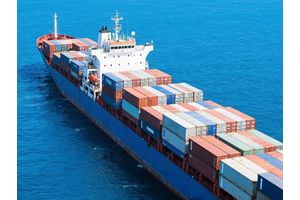
Are you looking to simplify your DDP shipping from China to Saudi Arabia and avoid unexpected customs hassles or hidden costs? Understanding the nuances of Delivered Duty Paid (DDP) can be a game-changer for your import business. In this comprehensive guide, we’ll break down the DDP process, compare air freight and sea freight, explore key documentation and customs requirements, and share expert tips to optimize your shipping strategy between China and Saudi Arabia.
What is DDP Shipping from China to Saudi Arabia?
Definition and Explanation of DDP
DDP (Delivered Duty Paid) is an international shipping term defined under Incoterms 2020 by the International Chamber of Commerce (ICC). Under DDP terms, the seller (exporter in China) takes full responsibility for delivering goods to a designated address in the destination country—in this context, Saudi Arabia. This responsibility includes all costs and risks involved in the transportation, including:
- Export customs clearance in China
- Freight costs (air or sea)
- Import customs clearance in Saudi Arabia
- Payment of all applicable taxes, duties, and VAT
- Final delivery to the buyer’s door
In practical terms, DDP shipping from China to Saudi Arabia means the seller handles every aspect of the logistics and compliance chain, while the buyer only needs to receive the goods.
This service is especially beneficial for businesses new to international shipping or those who want a hassle-free, predictable cost structure.
Related reading: For a full breakdown of rates and options, see our analysis of container shipping rates from China to Saudi Arabia.
How DDP Differs from Other Shipping Terms
Understanding the difference between DDP and other common Incoterms is crucial for importers and exporters. The table below summarizes the key distinctions:
| Term | Who Arranges Main Transport? | Seller Pays Import Duties/Taxes? | Seller Handles Saudi Customs? | Buyer’s Responsibility |
|---|---|---|---|---|
| EXW | Buyer | No | No | All logistics from China |
| FOB | Seller (to port), Buyer (from port) | No | No | Freight, customs, local delivery in KSA |
| CIF | Seller (to KSA port), Buyer (from port) | No | No | Customs, taxes, local delivery |
| DAP | Seller | No | No | Customs clearance, taxes, delivery |
| DDP | Seller | Yes | Yes | Receive goods |
Key Points:
- Under DDP, the seller manages the whole process end-to-end.
- DDP offers importers in Saudi Arabia peace of mind—no hidden costs.
- Other terms require buyers to handle customs, taxes, and inland logistics.
Key Benefits of Choosing DDP for Saudi Arabia Imports
Choosing DDP shipping from China to Saudi Arabia provides several advantages:
- All-Inclusive Service: The seller arranges everything, eliminating the need for the buyer to navigate China and Saudi Arabia's complex customs procedures.
- Predictable Costs: Since all fees are included, buyers can accurately calculate landed costs for budgeting and pricing.
- Compliance Assurance: Professional freight forwarders ensure all documentation and customs requirements are fulfilled, reducing the risk of delays or penalties.
- Reduced Risk and Hassle: With the seller managing transportation, duties, and delivery, buyers avoid the logistical and regulatory challenges of cross-border trade.
- Door-to-Door Convenience: Ideal for businesses without a local team or those lacking experience with international shipping.
- Competitive Advantage: Quick, seamless delivery boosts customer satisfaction for e-commerce sellers and importers.
You may also be interested in the process of door to door shipping from China to Saudi Arabia for further door-to-door service comparisons.
Step-by-Step DDP Shipping Process from China to Saudi Arabia
Overview of the DDP Logistics Flow
The DDP shipping process from China to Saudi Arabia typically follows these steps:
- Quotation & Agreement: The seller provides a detailed DDP quote covering all costs.
- Cargo Preparation: Goods are packaged, labeled, and prepared for export according to Saudi Arabia’s import standards.
- Export Customs Clearance in China: The seller handles export declarations and secures required licenses.
- Freight Arrangement: Goods are shipped by air freight or sea freight to Saudi Arabia.
- Import Customs Clearance in Saudi Arabia: The seller’s agent manages all customs documentation and pays duties/taxes.
- Final Inland Delivery: Goods are delivered to the buyer’s specified address.
Below is a simplified flowchart for reference:
| Step | Operation | Responsible Party |
|---|---|---|
| 1 | DDP Quotation & Contract | Seller |
| 2 | Cargo Pickup & Export Customs | Seller |
| 3 | International Shipping (Air/Sea) | Seller |
| 4 | Import Customs Clearance (KSA) | Seller |
| 5 | Payment of KSA Duties & VAT | Seller |
| 6 | Last-Mile Delivery (to door) | Seller |
| 7 | Goods Receipt | Buyer |
DTFU International Logistics Co.,Ltd specializes in managing this entire workflow, ensuring a smooth, compliant, and on-time delivery.
Documentation and Customs Clearance Requirements
Accurate documentation is critical for successful DDP shipments. Common documents required include:
- Commercial Invoice: Details goods, value, and transaction terms
- Packing List: Specifies cargo contents and packaging
- Bill of Lading (B/L) or Air Waybill (AWB): Proof of shipment
- Certificate of Origin: Certifies manufacturing country
- Import License: Required for certain regulated products in Saudi Arabia
- HS Code Classification: For accurate customs duty calculation
- Insurance Certificate (if applicable)
Customs in Saudi Arabia (overseen by the Zakat, Tax and Customs Authority) is strict regarding prohibited items, documentation accuracy, and correct duty/tax payments. All shipments must comply with SABER and SASO (Saudi Standards, Metrology and Quality Organization) standards for many product categories.
DTFU International Logistics provides in-house customs brokerage, ensuring seamless compliance and minimizing the risk of border delays.
Door-to-Door Delivery: How It Works
Door-to-door DDP service means your goods are collected from the supplier in China and delivered directly to your address in Saudi Arabia—no intermediaries, no transloading, and no hand-offs to third parties.
Key features:
- Pickup at Supplier: DTFU coordinates directly with your Chinese manufacturer.
- Consolidation and Handling: Cargo can be consolidated in our warehouse for cost savings.
- Freight Transport: Choose from air freight (faster, costlier) or sea freight (economical, suitable for larger shipments).
- Customs Clearance: DTFU’s local agents in Saudi Arabia handle all paperwork, tax payments, and compliance checks.
- Final Delivery: Goods are delivered to your warehouse, office, or chosen location—ready for use or onward distribution.
Benefits:
- Full visibility and tracking from origin to destination.
- Elimination of the buyer's logistical and regulatory burden.
- Lower risk of loss, damage, or regulatory issues.
DTFU International Logistics Co.,Ltd offers a one-stop solution, covering every aspect of DDP shipping from China to Saudi Arabia. Our expertise ensures safe, timely, and cost-effective delivery for importers of all sizes.
Main Shipping Methods for DDP Shipments: Air Freight vs. Sea Freight
When shipping under DDP (Delivered Duty Paid) terms from China to Saudi Arabia, the two main logistics channels are Air Freight and Sea Freight. Selecting the optimal route is crucial for controlling costs, mitigating risks, and ensuring timely delivery.
If you are considering air or sea solutions for Saudi Arabia, you may also want to review our dedicated pages on air shipping from China to Saudi Arabia and sea shipping from China to Saudi Arabia.
DDP Air Freight from China to Saudi Arabia: Pros and Cons
Air Freight is preferred for time-sensitive, high-value, or lightweight shipments. Here’s a comprehensive analysis:
Pros:
- Speed: Transit times are typically 3–7 days from major Chinese airports (such as Shanghai Pudong, Guangzhou Baiyun, or Shenzhen Bao'an) to Riyadh (RUH) or Jeddah (JED) in Saudi Arabia. This is ideal for urgent orders or replenishing fast-moving inventory.
- Reliability: Air schedules are regular and less affected by seasonal shipping peaks or port congestion.
- Security: Airport security protocols reduce risks of theft or cargo damage.
Cons:
- Cost: Air freight rates are significantly higher per kilogram than sea freight. For bulky or heavy cargo, air transport can be cost-prohibitive.
- Capacity Limitations: Aircraft have strict cargo size and weight limits. For example, shipments over 300kg or oversized items may need special arrangements.
- Environmental Impact: Air cargo has a higher carbon footprint.
Typical Air DDP Timeline:
| Airport in China | Arrival Airport in KSA | Estimated Transit Time | Typical Cargo Types |
|---|---|---|---|
| Shanghai (PVG) | Riyadh (RUH) | 3-5 days | Electronics, samples, spares |
| Guangzhou (CAN) | Jeddah (JED) | 4-7 days | Apparel, e-commerce parcels |
| Shenzhen (SZX) | Dammam (DMM) | 5-7 days | Medical supplies, machinery |
DDP Sea Freight from China to Saudi Arabia: Pros and Cons
Sea Freight is the most cost-effective option for large volume shipments. With DDP, door-to-door delivery is managed from Chinese factories to clients in Saudi Arabia.
Pros:
- Cost-Effectiveness: Sea freight offers the lowest cost per cubic meter or per ton for large shipments. This is ideal for bulk orders, raw materials, and machinery.
- Capacity: Can handle all container sizes, including 20FT (28CBM), 40FT (56CBM), 40HQ (68CBM), and 45HQ (78CBM).
- Flexibility: Multiple weekly sailings from major ports like Shanghai, Ningbo, Shenzhen, and Qingdao to Jeddah Islamic Port and King Abdullah Port.
Cons:
- Longer Transit Times: Typical transit is 20–30 days door-to-door, depending on the origin and destination.
- Port & Customs Delays: Potential delays due to high port traffic, documentation issues, or customs inspections.
- Seasonal Fluctuations: Peak seasons (e.g., before Ramadan or Chinese New Year) may impact rates and space availability.
Popular Sea Routes and Transit Times:
| Port in China | Destination Port in KSA | Transit Time (Port-Port) | Container Types Supported |
|---|---|---|---|
| Shanghai | Jeddah Islamic Port | 18-23 days | 20FT, 40FT, 40HQ, 45HQ |
| Ningbo | King Abdullah Port | 19-25 days | 20FT, 40FT, 40HQ, 45HQ |
| Shenzhen | Dammam | 22-28 days | 20FT, 40FT, 40HQ, 45HQ |
How to Choose the Best Shipping Method for Your Business
Making the right choice for DDP shipping from China to Saudi Arabia depends on several practical factors:
-
Cargo Volume and Weight:
- Small, urgent shipments (<500kg or <2CBM): Air Freight
- Large volumes (>3CBM or >1000kg): Sea Freight
-
Budget:
- If cost is a priority, opt for Sea Freight.
- For high-value or time-critical products, the extra expense of Air Freight may be justified.
-
Product Nature:
- Perishable, high-value, or time-sensitive goods: Air
- Heavy, non-urgent, or bulky goods: Sea
-
Lead Time Requirements:
- Tight deadlines: Air
- Flexible schedules: Sea
-
Supply Chain Risk Management:
- Consider the reliability of scheduled sailings, customs risk, and sensitivity to disruptions.
Professional Tip from Ivan Chan: As a leading freight forwarder, DTFU International Logistics Co.,Ltd provides tailored DDP solutions—including Air Freight and Sea Freight—to ensure your cargo reaches Saudi Arabia efficiently and compliantly. We assess your cargo profile and business needs to recommend the most cost-effective yet reliable option.
DDP Shipping Costs and Pricing Factors
Shipping under DDP terms involves a comprehensive cost structure, as the forwarder assumes responsibility for all charges up to the consignee’s door in Saudi Arabia.
Breakdown of DDP Charges and Inclusions
A typical DDP shipping quotation from China to Saudi Arabia includes:
| Cost Component | Air Freight | Sea Freight | Description |
|---|---|---|---|
| International Freight | ✔ | ✔ | Cost from origin to KSA entry port |
| Fuel & Security Surcharges | ✔ | ✔ | Variable, based on market rates |
| Export Customs Clearance | ✔ | ✔ | Origin documentation and export duties |
| Import Customs Clearance | ✔ | ✔ | KSA customs documentation and formalities |
| Import VAT/Duties | ✔ | ✔ | All applicable Saudi Arabia import taxes |
| Port & Handling Charges | ✔ | ✔ | Port of entry fees, terminal handling, warehouse fees |
| Delivery to Final Address | ✔ | ✔ | Trucking from port/airport to consignee address (door-to-door) |
| Insurance (Optional) | Optional | Optional | Cargo insurance for loss/damage |
| Other Local Charges | Possible | Possible | Storage, demurrage, if any |
With a DDP agreement, importers avoid hidden fees, as all costs are determined upfront.
Factors Affecting DDP Shipping Rates
1. Cargo Size and Weight: Air freight is charged on actual or volumetric weight (whichever is higher). Sea freight is charged per container or by LCL (less than container load) cubic meter.
2. Shipping Method: Air is always higher per unit weight/volume than sea.
3. Origin and Destination: Rates differ depending on the specific Chinese city/port and the consignee location within Saudi Arabia (e.g., Riyadh, Jeddah, Dammam).
4. Cargo Type: Hazardous goods, oversized items, or cargo requiring special handling may incur surcharges.
5. Seasonal Demand: Rates typically rise before major holidays or during peak shipping seasons (e.g., Chinese New Year, Ramadan).
6. Fuel Prices and Surcharges: Global oil price fluctuations directly impact the cost base of both air and sea freight.
7. Customs Duties and VAT: Saudi Arabia has a standard VAT of 15% (as of January 2026), and import duties vary by commodity code (HS code).
8. Value-Added Services: Insurance, repacking, warehousing, or special delivery requirements.
Tips for Reducing DDP Freight Costs from China to Saudi Arabia
-
Plan Shipments in Advance:
- Avoid last-minute bookings, which often incur premium rates.
- Early planning also helps secure space during peak seasons.
-
Optimize Cargo Packaging:
- Efficient packing reduces volumetric weight for air, and maximizes container utilization for sea shipments.
-
Consolidate Shipments:
- Grouping multiple small orders into a single DDP shipment reduces per-unit freight costs.
- Consider consolidated freight or LCL for moderate volumes.
-
Choose the Right Container Size:
- Utilize full containers (20FT, 40FT, 40HQ, 45HQ) where possible to minimize LCL surcharges.
-
Work with an Experienced Freight Forwarder:
- Partner with a company like DTFU International Logistics Co.,Ltd for transparent, competitive DDP quotes and value-added services such as insurance, one-stop customs clearance, and door-to-door delivery.
- We help you navigate regulatory changes and avoid hidden fees.
-
Stay Updated on Saudi Arabia Import Policies:
- Regularly review changes in customs regulations, import restrictions, and tax rates to avoid delays and unexpected costs.
Ivan’s Insight: The logistics landscape between China and Saudi Arabia is dynamic, with policy updates and shifting market rates. Reliable, up-to-date advice from a professional freight forwarder is vital for keeping costs in check and ensuring smooth DDP shipments.
DTFU International Logistics Co.,Ltd is your one-stop partner for DDP shipping from China to Saudi Arabia, offering comprehensive, professional, and cost-effective logistics solutions. For tailored quotes or more information, contact our expert team.
If you’re interested in learning about DDP logistics to other regions, you can explore topics such as DDP shipping from China to Egypt or DDP shipping from China to Kenya to compare procedures and requirements.
Customs Regulations and Import Taxes in Saudi Arabia for DDP
Saudi Arabia Import Restrictions and Prohibited Items
When shipping under DDP (Delivered Duty Paid) terms from China to Saudi Arabia, understanding the country’s import restrictions is vital for a smooth and compliant delivery. Saudi Arabia maintains strict regulations on goods entering its borders. Importers must avoid shipping items that are prohibited or require special permits, as violating these rules can result in delays, fines, or confiscation.
Common Prohibited and Restricted Items
| Category | Prohibited Items (Not allowed) | Restricted Items (Require special permit) |
|---|---|---|
| Alcohol & Drugs | Alcoholic beverages, ********s, e-cigarettes | Prescription medicines (with approval) |
| Religious Materials | Non-Islamic religious books for commercial use | Personal religious books (limited quantity) |
| Media & Publications | Pornographic material, politically sensitive publications | Films, books, or media subject to prior approval |
| Weapons & Ammunition | Firearms, explosives, knives | Toy guns (with special permissions) |
| Food & Agriculture | Pork and pork products | Foodstuffs (require SFDA approval) |
| Miscellaneous | Used tires, gambling devices, asbestos | Cosmetics, certain chemicals (need permit) |
Note: The Saudi Food and Drug Authority (SFDA) strictly regulates food, cosmetics, and pharmaceutical imports.
Latest Policy Highlights (January 2026)
- Green Saudi Initiative: Increased inspections for hazardous materials and stricter sustainability requirements.
- E-commerce surge: Customs are closely monitoring small parcels and B2C shipments for compliance.
For the most current list of restrictions, always consult the official Saudi Customs portal or your freight forwarder before shipment.
DDP and VAT/Customs Duty Handling in Saudi Arabia
DDP shipping means the seller (usually in China) is responsible for all costs, including import duties and taxes, until the goods reach the buyer’s door in Saudi Arabia. Here’s what this means in practice:
1. Customs Duty & VAT Overview
- Customs Duty: Most goods imported to Saudi Arabia attract a customs duty ranging from 5% to 15%, depending on the HS code. Some essential goods may be exempt or taxed at a lower rate.
- Value Added Tax (VAT): As of January 2026, Saudi Arabia charges a standard 15% VAT on most imported goods, calculated on the CIF value plus customs duty.
- Excise Tax: Certain products (tobacco, energy drinks, soft drinks) are subject to additional excise taxes.
2. How DDP Handles These Costs
Under DDP shipping from China to Saudi Arabia, the freight forwarder or seller will:
- Calculate applicable customs duty and VAT before shipping.
- Include these charges in your shipping quotation (all-included pricing).
- Handle all customs declarations and payments on your behalf.
- Deliver goods to your designated address, cleared through customs.
This provides peace of mind for importers, reduces administrative burdens, and minimizes the risk of unexpected charges upon arrival.
DDP Tax & Duty Example Calculation
Suppose you are importing electronics valued at $7,000 (CIF):
| Item | Example Rate | Calculation | Amount (USD) |
|---|---|---|---|
| CIF Value | — | — | $7,000 |
| Customs Duty | 5% | $7,000 x 5% | $350 |
| Subtotal | — | $7,000 + $350 | $7,350 |
| VAT (15%) | 15% | $7,350 x 15% | $1,102.50 |
| Total Payable | — | $7,350 + $1,102.50 | $8,452.50 |
Note: Actual rates may vary based on HS codes and government updates.
Avoiding Common Customs Issues with DDP Shipments
Even under DDP terms, shipments to Saudi Arabia can encounter customs challenges if not handled professionally. Here are best practices to ensure problem-free deliveries:
-
Accurate Documentation
- Ensure the Commercial Invoice clearly lists product descriptions, HS codes, and true values.
- Provide complete Packing Lists and necessary certificates (e.g., Certificate of Origin, SFDA approvals for foods/cosmetics).
- Missing or inaccurate paperwork is a leading cause of delays.
-
Pre-Shipment Compliance Checks
- Work with a knowledgeable freight forwarder who understands Saudi customs regulations.
- Pre-screen your goods against the latest prohibited/restricted lists.
-
Labeling & Packaging
- Follow Saudi labeling laws (Arabic labeling for food/pharma required).
- Use robust packaging to withstand inspection and transport.
-
Timely Duty/Tax Settlement
- Under DDP, ensure your logistics partner promptly pays duties and taxes to prevent storage charges or release delays.
-
Partner with a Reliable Freight Forwarder
- Choose a company with proven experience in DDP shipping to Saudi Arabia and a local network for customs clearance.
How to Choose a Reliable Freight Forwarder for DDP Shipping
Selecting the right freight forwarder is critical for a seamless DDP shipping experience from China to Saudi Arabia. Consider the following factors:
1. Experience in DDP Shipments
Look for a partner with a solid track record in handling DDP shipments to Saudi Arabia. They should be familiar with local import laws, customs processes, and have real case references.
2. Comprehensive Service Portfolio
A trustworthy forwarder should offer a full range of logistics solutions, such as:
- Sea Freight & Air Freight
- Road Freight within the Middle East
- Amazon FBA delivery support
- Warehousing and cargo consolidation
- Cargo insurance services
- Customs clearance and compliance management
- Door-to-door and OOG Freight (Out-of-Gauge cargo)
- Breakbulk Freight for oversized shipments
3. Transparent Pricing
Obtain detailed, all-inclusive DDP quotes. Ensure the breakdown covers:
- Freight cost
- Duties, VAT, taxes
- Local handling and delivery fees
- Insurance (if needed) Avoid forwarders who present vague or incomplete pricing.
4. Customs Expertise
A reliable forwarder should:
- Stay updated on Saudi customs regulations
- Have established local agents or offices for on-the-spot support
- Proactively communicate on policy changes or potential document issues
5. Excellent Communication & Tracking
Choose a forwarder that provides:
- Multilingual support (English/Arabic/Chinese)
- Real-time cargo tracking and status updates
- 24/7 customer service for urgent queries
6. Certifications & References
Check for memberships with recognized logistics associations (WCA, FIATA, etc.) and ask for client testimonials.
Why Choose DTFU International Logistics Co.,Ltd?
As a highly professional, cost-effective, and high-quality one-stop international logistics service provider, DTFU International Logistics Co.,Ltd specializes in DDP shipping from China to Saudi Arabia. We offer:
- Decade-long expertise in DDP, DDU, and other Incoterms
- Local Saudi Arabia clearance teams for swift customs handling
- Seamless Sea Freight/Air Freight/Road Freight solutions
- Amazon FBA and e-commerce delivery expertise
- Comprehensive insurance, warehousing, and cargo consolidation services
- Transparent, competitive all-in DDP pricing
Contact us for a tailored quote and professional consultation.
FAQs
Q1: What documents are required for DDP shipping to Saudi Arabia? A: Key documents include the Commercial Invoice, Packing List, Bill of Lading/Airway Bill, Certificate of Origin, and any product-specific certificates (such as SFDA approvals for food/cosmetics). Your freight forwarder should confirm document requirements before shipment.
Q2: Who pays the import duties and VAT under DDP? A: The seller or their appointed freight forwarder (like DTFU International Logistics Co.,Ltd) is responsible for all import duties and taxes. These costs are usually included in your all-in DDP price.
Q3: How long does DDP shipping from China to Saudi Arabia usually take? A: Transit times depend on the shipping method:
| Mode | Typical Transit Time |
|---|---|
| Air Freight | 4–7 days (door-to-door) |
| Sea Freight (LCL/FCL) | 18–30 days (door-to-door) |
Delays can occur due to customs inspections or documentation issues.
Q4: What are the main ports in Saudi Arabia for imports from China? A: Major entry ports include Jeddah Islamic Port (largest, main entry for sea freight), King Abdulaziz Port Dammam (Eastern Province), and King Khalid International Airport Riyadh for air freight.
Q5: Can I ship personal effects or samples via DDP from China to Saudi Arabia? A: Yes, but ensure you declare goods accurately and check for any import restrictions on personal items or commercial samples.
Q6: What is the maximum container capacity for sea freight to Saudi Arabia? A: Standard container capacities:
| Container Type | Capacity (CBM) |
|---|---|
| 20FT | 28 CBM |
| 40FT | 56 CBM |
| 40HQ | 68 CBM |
| 45HQ | 78 CBM |
For more information or a free DDP shipping consultation, contact Ivan Chan at DTFU International Logistics Co.,Ltd—your reliable partner for China–Saudi Arabia logistics.