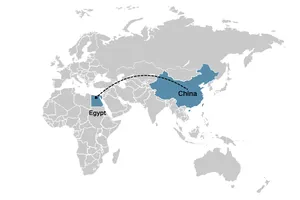
Are you looking for a hassle-free way to transport goods with DDP shipping from China to Egypt? Understanding the ins and outs of Delivered Duty Paid (DDP) can save you time, money, and stress on your next shipment. In this comprehensive guide, we’ll explore the benefits, processes, and best practices of DDP shipping, helping you make informed decisions and streamline your logistics from China to Egypt.
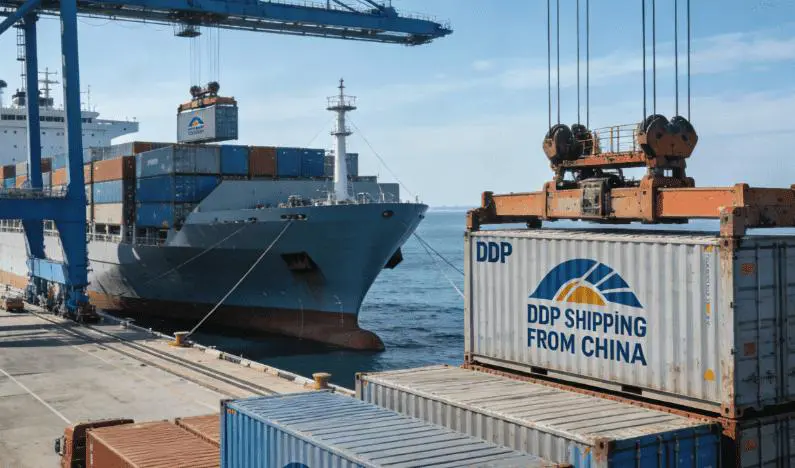
What is DDP Shipping from China to Egypt?
Definition and Key Features of DDP Shipping
DDP (Delivered Duty Paid) shipping is an international trade term (Incoterm) that means the seller is fully responsible for delivering goods to a named place in the buyer's country, in this case, Egypt, with all costs, risks, and duties paid. In a DDP shipping contract, the seller manages the entire shipping process — from export clearance in China, international transport, import customs clearance in Egypt, to payment of all duties and taxes. The buyer only needs to receive the goods at the agreed destination.
Key features of DDP shipping include:
- Comprehensive Responsibility: The seller (or their appointed freight forwarder) handles export and import customs formalities, pays all duties/taxes, and organizes all transport and documentation.
- Door-to-Door Delivery: Goods are delivered directly from the shipper’s premises in China to the consignee’s location in Egypt. For more details on end-to-end delivery options, see Door to Door Shipping from China to Egypt.
- Risk Management: The seller assumes almost all risks and costs until the goods are delivered.
- Simplified Process for Buyers: Buyers in Egypt avoid the complexities of customs clearance and duty payments.
This model is ideal for importers looking for a hassle-free logistics solution, especially when the importer is unfamiliar with the customs regulations in either China or Egypt.
How DDP Differs from Other Shipping Terms
Understanding the differences between DDP and other common Incoterms is crucial for choosing the right shipping model:
| Term | Export Clearance | Shipping | Import Clearance | Duties & Taxes | Delivery to Door |
|---|---|---|---|---|---|
| EXW (Ex Works) | Buyer | Buyer | Buyer | Buyer | Buyer |
| FOB (Free On Board) | Seller | Buyer (from port) | Buyer | Buyer | Buyer |
| CIF (Cost, Insurance, Freight) | Seller | Seller | Buyer | Buyer | Buyer |
| DAP (Delivered at Place) | Seller | Seller | Buyer | Buyer | Seller |
| DDP (Delivered Duty Paid) | Seller | Seller | Seller | Seller | Seller |
DDP differs because:
- The seller pays for and manages ALL logistics (including customs clearance and duties) up to the buyer’s door in Egypt.
- Other terms, such as DAP or FOB, leave some or most responsibilities (especially import customs/duties) to the buyer.
- DDP minimizes the buyer’s logistical risk and administrative burden.
Why Choose DDP Shipping for Egypt-Bound Cargo?
DDP shipping from China to Egypt offers several significant advantages, especially for importers who want predictable costs and a simplified process:
- Hassle-Free Experience: The buyer avoids the need to manage complex Egyptian import regulations, tax calculations, or local customs clearance.
- Cost Predictability: The total landed cost is quoted in advance, covering all logistics, customs fees, and taxes. No surprise charges upon arrival.
- Compliance Assurance: By leveraging a professional freight forwarder like DTFU International Logistics Co.,Ltd, importers benefit from up-to-date knowledge on the latest Egyptian customs regulations, reducing the risk of delays or penalties.
- Efficiency: End-to-end management ensures faster customs clearance and delivery, critical for time-sensitive shipments.
- Risk Reduction: With DDP, the seller (or freight forwarder) assumes nearly all operational risks, from transit damage to customs disputes.
Industry Insight: In recent years, the Egyptian government has tightened import regulations and increased scrutiny at major ports such as Alexandria, Port Said, and Damietta. By choosing DDP, importers can better navigate these challenges.
If you are interested in shipping to other African countries, you might also find our guide on DDP shipping from China to Kenya helpful.
Partnering with a reliable logistics provider, such as DTFU International Logistics Co.,Ltd, ensures a trustworthy, cost-effective, and efficient DDP shipping experience.
Step-by-Step DDP Shipping Process from China to Egypt
Overview of the DDP Shipping Workflow
The typical DDP shipping workflow from China to Egypt consists of the following steps:
- Quotation & Agreement: The shipper contacts a freight forwarder (e.g., DTFU International Logistics Co.,Ltd) to obtain a DDP quote based on cargo details (weight, volume, type, destination).
- Cargo Pickup & Export Preparation: The cargo is collected from the supplier’s warehouse or factory in China.
- Export Customs Clearance (China): The freight forwarder handles all export documentation and formalities with Chinese customs authorities.
- International Transportation: The goods are shipped by selected mode — sea, air, or rail — to Egypt. Major routes include:
- Ports in China: Shanghai, Shenzhen, Ningbo
- Ports in Egypt: Alexandria, Port Said, Damietta
- Import Customs Clearance (Egypt): The freight forwarder manages all Egyptian customs procedures, including submission of all necessary documentation and payment of duties/taxes.
- Last-Mile Delivery: After customs clearance, goods are delivered to the consignee’s address in Egypt.
- Proof of Delivery & Final Handover: After final delivery, documentation is completed, and responsibility is transferred to the buyer.
This end-to-end workflow ensures seamless and compliant international shipping.
Documentation Required for DDP Shipping
Proper documentation is essential for smooth DDP shipping from China to Egypt. The following are standard documents required:
| Document | Purpose | Prepared by |
|---|---|---|
| Commercial Invoice | Details the transaction between buyer and seller | Seller |
| Packing List | Lists all goods in the shipment, with weights and dimensions | Seller |
| Bill of Lading (B/L) | Acts as evidence of transport contract and proof of shipment | Freight Forwarder |
| Export Declaration | Required by Chinese customs for export clearance | Freight Forwarder |
| Import Declaration | Required by Egyptian customs for import clearance | Freight Forwarder |
| Certificate of Origin | Proves the goods’ manufacturing country (often required in Egypt) | Seller/Forwarder |
| Insurance Certificate | Proof of cargo insurance, if requested | Forwarder/Insurer |
| Import Permits | Needed for certain restricted goods in Egypt | Buyer/Forwarder |
| Other Certificates | Such as sanitary, phytosanitary, or quality certificates (if required) | Seller/Forwarder |
Note: For the latest Egyptian customs requirements, it is highly recommended to work with experienced professionals such as DTFU International Logistics Co.,Ltd. We provide up-to-date guidance on documentation to ensure full compliance and minimize delays.
If you require tailored DDP shipping solutions from China to Egypt, or have any questions about documentation and procedures, feel free to reach out to our team at DTFU International Logistics Co.,Ltd — your trusted partner for seamless, cost-effective door-to-door freight forwarding.
DDP Shipping Methods from China to Egypt: Air, Sea, and Rail
Comparing Air Freight vs. Sea Freight vs. Rail for DDP
When considering DDP shipping from China to Egypt, choosing the optimal transportation mode—air freight, sea freight, or rail—is crucial for balancing cost, speed, and reliability. Here’s a detailed comparison to help you make an informed decision:
Note: Direct rail service from China to Egypt is not yet widely available as of Jan 2026. Most rail shipments require transshipment in Europe (e.g., Germany or Poland), then sea freight to Egypt.
For a deeper dive into ocean transport, check out our dedicated post on Sea Shipping from China to Egypt. Similarly, for time-sensitive cargo, you may want to explore Air Shipping from China to Egypt.
Transit Times and Typical Routes for Each Shipping Method
Understanding transit times and major trade routes can help you plan your DDP shipping from China to Egypt efficiently. Here’s an overview:
| Mode | Typical Route | Average Transit Time | Main Departure Points (China) | Main Arrival Points (Egypt) |
|---|---|---|---|---|
| Air | Direct flights or with a single hub stop | 3–7 days | Shanghai, Guangzhou | Cairo International Airport |
| Sea (FCL) | China–Red Sea via Suez Canal (direct) | 20–30 days | Shanghai, Ningbo, Shenzhen | Alexandria, Port Said |
| Sea (LCL) | Consolidated cargo, similar route as FCL | 25–35 days | Same as above | Same as above |
| Rail+Sea | Rail to Europe (e.g., Duisburg), then sea to Egypt | 18–25 days | Xi’an, Chengdu | Alexandria, Port Said |
Example: Shanghai Port to Alexandria Port (Sea Freight)
- FCL (40HQ container): 20–25 days
- LCL (Less than container load): 25–35 days (includes consolidation time)
- Air Freight (Shanghai–Cairo): 3–5 days
Best Practices for Selecting the Right Shipping Option
Choosing the best DDP shipping method depends on your cargo, budget, and timelines. Here are some expert tips:
- Assess Your Cargo: High-value, perishable, or urgent goods are best shipped by air freight. Bulky, non-urgent cargo is more cost-effective by sea freight.
- Compare Total Cost: Calculate not just the transportation cost, but also insurance, handling, customs, and inland delivery.
- Consider Transit Time: If you have strict delivery deadlines, air freight or fast sea services are preferable.
- Evaluate Risk: Sea freight may face port congestion or weather delays; air is susceptible to space and security restrictions.
- Check Service Availability: Not all locations are served by all modes. Confirm that your chosen ports/airports are operational and efficient.
- Partner with a Reliable Freight Forwarder: A professional company like DTFU International Logistics Co.,Ltd can help you choose the most suitable route, manage customs compliance, and optimize costs with transparent DDP solutions.
- Consolidate Shipments: For SMEs or e-commerce businesses, consider LCL (consolidation) or groupage to lower costs when shipping smaller volumes.
Customs Clearance and Duties for DDP Shipping to Egypt
How Customs Clearance Works in DDP Shipments
Under DDP (Delivered Duty Paid) terms, the exporter or their agent handles all import formalities, including customs clearance, payment of duties and taxes, and final delivery to the consignee in Egypt. Here’s how the process typically works:
- Pre-shipment Preparation: Ensure all commercial invoices, packing lists, and other required documents are accurate and complete.
- Arrival at Egyptian Port or Airport: The local DDP agent (often the freight forwarder) submits the import declaration to Egyptian Customs.
- Document Verification: Customs officials check documentation, cargo value, and conformity with Egyptian regulations such as GOEIC (General Organization for Export and Import Control) approvals.
- Inspection & Duty Assessment: Goods may be physically inspected. Customs calculates applicable duties, VAT, and fees.
- Payment of Duties/Taxes: Under DDP, the shipper or their agent pays all required charges on behalf of the buyer.
- Release & Delivery: After clearance, cargo is released and delivered to the final consignee.
For estimated lead times when importing, see our analysis of Shipping time from China to Egypt.
Egypt Import Regulations and Compliance Tips
Egypt has specific import regulations that must be met for smooth DDP shipping. Failure to comply may result in delays or fines. Key points include:
- GOEIC Registration: Certain goods (electronics, food, textiles) require registration with GOEIC.
- Import License: Only registered importers can clear goods—ensure the consignee is eligible.
- Packing and Labeling: Products must have accurate labeling in Arabic, including country of origin and product details.
- Restricted/Prohibited Items: Some items (e.g., used tires, hazardous waste) are banned or restricted.
- Certifications: Depending on the product, you may need certificates of conformity, health, or origin (often Form A for preferential tariffs).
- HS Code Accuracy: Correct Harmonized System (HS) Code classification is critical for correct duty calculation.
Managing Taxes, Duties, and Potential Additional Charges
With DDP shipping, you are responsible for all import-related taxes and fees in Egypt. Understanding the breakdown helps you estimate total landed costs and avoid surprises:
| Charge Type | Typical Rate/Amount | Notes |
|---|---|---|
| Import Duty | 0%–40% (average 5%–15%) | Based on HS Code and CIF value |
| VAT | 14% (Standard Rate) | Applied to CIF value + duty + other fees |
| Stamp Duty, Fees | Variable (approx. $50–$200 per shipment) | Includes customs processing, storage, inspection |
| Additional Charges | May include anti-dumping, safeguarding | On specific goods as per Egypt’s trade policy |
Tips for Smooth DDP Shipments:
- Work with an experienced freight forwarder (such as DTFU International Logistics Co.,Ltd) to pre-calculate duties and taxes.
- Double-check document accuracy to prevent delays.
- Budget for potential inspections or additional compliance fees.
- Use cargo insurance to mitigate risks during transit and customs clearance.
Cost Breakdown: What’s Included in DDP Shipping from China to Egypt
Understanding the Components of DDP Shipping Costs
When using DDP Shipping (Delivered Duty Paid) from China to Egypt, the total shipping cost covers all charges until the goods are delivered to the consignee’s door in Egypt. The main components include:
-
Freight Charges:
- The cost of transporting goods from the origin in China (e.g., Shanghai, Shenzhen, Ningbo) to the destination in Egypt (e.g., Alexandria Port, Port Said).
- Mode of transport: Sea Freight, Air Freight, or Rail Freight.
-
Origin Charges in China:
- Export customs clearance.
- Cargo handling and documentation.
- Inland transportation from the factory/warehouse to the port of departure.
-
Marine/Air/Rail Insurance:
- Optional but highly recommended to protect against loss or damage in transit.
-
Destination Charges in Egypt:
- Import customs clearance and documentation.
- Payment of all import duties and taxes.
- Port handling charges, delivery order fees, and local transportation to the final address.
-
Other Charges:
- Warehousing (if required).
- Cargo inspection fees.
- Special handling charges (for OOG, breakbulk, or consolidated freight).
Below is a table summarizing the typical cost components for DDP shipping from China to Egypt:
| Cost Component | Description | Responsibility (in DDP) |
|---|---|---|
| Freight Charges | Main transportation (sea/air/rail) | Seller |
| Export Customs & Documentation | Export clearance, paperwork, inspection in China | Seller |
| Inland Transportation (China) | From shipper to Chinese port | Seller |
| Insurance | Cargo insurance during transport | Seller |
| Import Customs & Duties (Egypt) | All taxes, VAT, customs clearance in Egypt | Seller |
| Destination Port Charges | Unloading, handling at destination port | Seller |
| Inland Transportation (Egypt) | From Egyptian port to consignee’s address | Seller |
| Special Handling (if required) | OOG, consolidation, warehousing, etc. | Seller |
For detailed container pricing to Egypt, see our updated resource on 20ft & 40ft Container Cost from China to Egypt.
Factors Affecting Pricing: Cargo Type, Weight, Volume, Route
DDP shipping costs from China to Egypt can vary significantly based on several critical factors:
- Cargo Type: General cargo, hazardous goods, refrigerated or perishable items, out-of-gauge (OOG), and breakbulk cargo often have different pricing due to handling requirements and regulations.
- Weight & Volume:
- For sea freight, charges are usually based on CBM (Cubic Meter).
- 20FT container: 28 CBM
- 40FT container: 56 CBM
- 40HQ container: 68 CBM
- 45HQ container: 78 CBM
- For air freight, chargeable weight (actual or volumetric, whichever is higher) is used.
- For sea freight, charges are usually based on CBM (Cubic Meter).
- Route & Port Selection:
- Main China ports: Shanghai, Shenzhen, Ningbo, Qingdao.
- Main Egypt ports: Alexandria, Port Said, Damietta.
- Routes with more frequent sailings/flights are often more cost-effective.
- Seasonality:
- Peak shipping seasons (such as pre-holiday periods) often see price surges.
- Value of Cargo:
- Higher value goods incur higher insurance and, sometimes, higher duties.
Below is a sample cost comparison for FCL (Full Container Load) and LCL (Less than Container Load) shipments from China to Egypt (prices are indicative and subject to real-time changes):
| Shipping Mode | Container Type / Volume | Estimated Transit Time | Estimated DDP Cost (USD) | Notes |
|---|---|---|---|---|
| Sea Freight | 20FT FCL (28 CBM) | 28-35 days | $5,500 – $7,000 | Port-to-door |
| Sea Freight | 40HQ FCL (68 CBM) | 28-35 days | $8,500 – $12,000 | Port-to-door |
| Air Freight | 500kg (2.5 CBM) | 5-8 days | $7,000 – $10,000 | Airport-to-door |
| LCL | 5 CBM | 30-40 days | $1,200 – $1,800 | Shared container, door-to-door |
Note: Prices can fluctuate due to fuel prices, currency exchange rates, and policy changes in China and Egypt.
How to Get Accurate DDP Shipping Quotes
To receive the most precise and competitive DDP shipping quote from China to Egypt:
-
Provide Complete Shipment Details:
- Description of goods, HS code, weight, dimensions, and packaging type.
- Pickup and delivery addresses.
- Preferred shipping mode (sea, air, rail).
-
Clarify Special Requirements:
- Need for insurance, fragile or hazardous cargo, or value-added services (e.g., warehousing, consolidation).
-
Request for Transparent Quotation:
- All-inclusive pricing (no hidden charges).
- Breakdown of fees at each logistics stage.
-
Consult with a Reputable Freight Forwarder:
- DTFU International Logistics Co.,Ltd, as a highly professional, cost-effective, and high-quality one-stop international logistics service provider, offers detailed and transparent DDP shipping solutions. Our services cover sea freight, road freight, air freight, Amazon FBA, warehousing, cargo insurance, door-to-door, OOG freight, consolidated freight, and breakbulk freight.
Advantages and Disadvantages of DDP Shipping to Egypt
Main Benefits for Importers and Exporters
- Simplicity and Convenience:
- The seller (exporter) handles all logistics, customs clearance, and delivery, reducing the buyer’s administrative burden.
- Cost Predictability:
- All fees, duties, and taxes are included in the price, minimizing unexpected expenses.
- Risk Management:
- Sellers assume responsibility for delivery risks until the goods reach the buyer’s premises.
- Market Expansion:
- Lowers entry barriers for buyers in Egypt unfamiliar with local import procedures.
- Competitive Advantage:
- Sellers offering DDP terms are often preferred by buyers seeking hassle-free import solutions.
Possible Drawbacks and Risk Considerations
- Higher Overall Cost:
- Due to the comprehensive nature of the service, DDP shipping may be more expensive than other Incoterms (e.g., FOB, CIF).
- Limited Control for Buyers:
- The buyer has less control over the choice of carrier, route, and local service providers in Egypt.
- Seller’s Local Expertise Needed:
- Sellers must fully understand Egyptian import regulations, taxes, and customs processes to avoid delays or penalties.
- Potential Delays in Customs:
- Misclassification or incomplete documentation can still cause delivery delays or additional charges.
- Exchange Rate and Policy Risks:
- Fluctuating exchange rates or sudden changes in Egyptian customs regulations can impact overall costs.
Ideal Scenarios for Using DDP Shipping
- New Market Entry:
- Exporters entering the Egyptian market for the first time, when the buyer has little or no experience with import procedures.
- E-Commerce and Small Shipments:
- Cross-border e-commerce sellers who want seamless delivery to customers’ doors.
- Complex Customs Environments:
- When the importing country has strict or complicated regulations.
- Valuable Time-Sensitive Goods:
- Products where timely and smooth delivery is critical.
How to Choose a Reliable DDP Freight Forwarder in China
Choosing the right DDP freight forwarder is essential to ensure a smooth, cost-effective, and compliant shipping experience. Consider the following criteria:
-
Experience and Track Record:
- Look for a provider with proven expertise in China–Egypt DDP logistics, customs clearance, and last-mile delivery.
- Check customer reviews, case studies, and references.
-
Comprehensive Service Range:
- Ensure the forwarder offers end-to-end logistics, including sea freight, air freight, road freight, warehousing, cargo insurance, and door-to-door delivery.
- Ability to handle various cargo types (OOG, consolidated, breakbulk, general, perishable).
-
Transparent Pricing and Quotation Process:
- Ask for detailed, transparent quotes with all fees itemized.
- Avoid companies with hidden charges or unclear billing.
-
Customs Clearance Expertise:
- A reliable forwarder should have up-to-date knowledge of Egyptian customs regulations, duties, and compliance requirements.
-
Real-Time Tracking and Communication:
- Look for providers with advanced tracking systems and responsive customer service.
-
Global Network and Local Partners:
- Strong local partnerships in Egypt and a broad network in China ensure efficient handling and issue resolution.
-
Certifications and Compliance:
- Choose freight forwarders with memberships in recognized industry associations (FIATA, WCA, NVOCC).
Whether you choose air, sea, or rail for your DDP shipping from China to Egypt, understanding all steps—from transit options to customs clearance and local regulations—ensures a smooth import experience. At DTFU International Logistics Co.,Ltd, we leverage deep market expertise and comprehensive resources to deliver seamless, cost-effective DDP solutions tailored to your business needs. For the latest guidance and a competitive quote, contact our expert team today.