Are you grappling with numerous challenges when shipping goods from China to Egypt? Concerns such as unclear sea freight costs, unpredictable transit times, unfamiliarity with major ports in both regions, ambiguity around import taxes and duties, and the difficulty of choosing a reliable freight forwarder can be daunting. Fear not, as this article will comprehensively address these issues, enabling you to manage China - Egypt sea shipping with confidence.
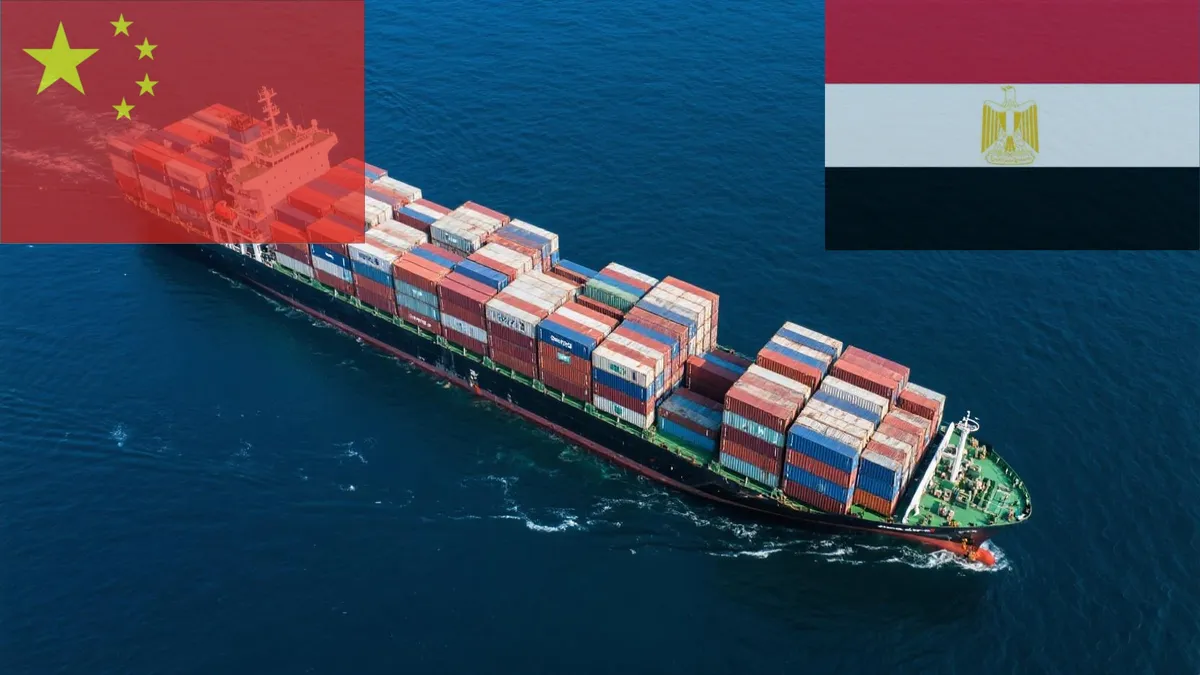
How Much Does Sea Shipping Cost from China to Egypt?
In 2025, sea shipping costs from China to Egypt are subject to fluctuations based on multiple factors, including shipment type (LCL/FCL), origin and destination ports, container size, and dynamic surcharges. Current global market conditions, such as the volatility of international fuel prices and occasional port congestions in the Red Sea, also play a significant role in rate determination. Here is a detailed breakdown of costs and key considerations.
LCL (Less than Container Load) Costs
LCL sea freight is a cost - effective option for smaller shipments that share container space. Rates are generally calculated per cubic meter (CBM) or ton, whichever is greater.
| Origin Port in China | Destination Port in Egypt | Approximate Cost per CBM (USD) |
|---|---|---|
| Shanghai Port | Port Said | 150 - 350 |
| Shenzhen Port | Port Said | 130 - 320 |
| Ningbo - Zhoushan Port | Alexandria Port | 140 - 330 |
| Guangzhou Port | Alexandria Port | 160 - 360 |
Key Points:
- Costs typically cover basic handling fees but exclude customs clearance fees, which are approximately $100 - 150 in Egypt, and local delivery charges.
- LCL rates from southern Chinese ports, like Shenzhen Port, to Egyptian ports are about 8 - 12% lower than those from northern routes due to shorter distances.
- Some providers offer all - inclusive LCL rates, such as $100/CBM from Guangzhou to Port Said, which include THC (Terminal Handling Charge) and documentation fees.
FCL (Full Container Load) Costs for Sea Freight
FCL sea freight is recommended for larger shipments that require an entire container. Below are typical rates for 20 - foot (20GP) and 40 - foot (40GP/40HQ) containers:
| Origin Port in China | Destination Port in Egypt | 20GP Cost (USD) | 40GP/40HQ Cost (USD) |
|---|---|---|---|
| Tianjin Port | Port Said | 1,300 - 2,200 | 2,000 - 3,000 |
| Shanghai Port | Alexandria Port | 1,100 - 1,900 | 1,700 - 2,600 |
| Shenzhen Port | Port Said | 1,000 - 1,700 | 1,500 - 2,300 |
| Guangzhou Port | Alexandria Port | 1,200 - 2,000 | 1,800 - 2,800 |
Key Points:
- Rates from northern ports, such as Tianjin Port, are 12 - 18% higher because of longer routes through the Indian Ocean and the Red Sea.
- Peak season surcharges (PSS) of $250/20GP and $350/40HQ are applicable from April - June and October - December, corresponding to Egypt's high - demand periods for consumer goods and construction materials.
- Premium carriers like Maersk provide faster direct routes, for example, from Shenzhen to Port Said in 20 days, at a 8 - 12% premium over standard lines.
Additional Charges in Sea Freight
Mandatory Fees
Terminal Handling Charges (THC):
- 20GP: $80 - 110 (from Shanghai Port to Port Said)
- 40GP/40HQ: $120 - 160 (from Shenzhen Port to Alexandria Port)
Seal Fee: $5 - 15 per container, used for securing the cargo.
Documentation Fee (ODF): $50 - 70 per container (standard for Egyptian - bound shipments).
Variable Surcharges
- Fuel Surcharge (EBS): Adjusted monthly, averaging around 18% of the base rate in 2025 due to the fluctuating fuel prices in the Red Sea region.
- Port Congestion Surcharge (PCS): Imposed during peak periods. For instance, Port Said may add $150 - 250/TEU during the peak import seasons (common in Q2 and Q4).
- Currency Adjustment Factor (CAF): Due to the fluctuations in the exchange rate between the US dollar and the Egyptian pound, the CAF can vary, typically ranging from 3 - 8% of the base freight.
Factors Affecting Sea Freight Costs
Port Congestion:
- Port Said, Egypt's major container port, often experiences 5 - 8 - day berthing delays during peak import seasons, such as before major festivals, which increases handling costs.
- Alexandria Port may face bottlenecks due to the large volume of general cargo, adding $100 - 200 in detention fees for delayed pickups.
Customs and Duties:
- Egypt levies customs duties ranging from 0 - 40% based on product type. For example, 10% for electrical appliances and 30% for luxury goods.
- A value - added tax (VAT) of 14% is applied to most imports, calculated on the CIF (Cost, Insurance, and Freight) value + customs duty.
- Incomplete documentation can trigger inspections, resulting in additional fees of $150 - 400.
Route Optimization:
- Southern Chinese ports (Shenzhen, Guangzhou) to Egyptian ports save 2 - 4 days and 8 - 12% in costs compared to northern routes, making them more suitable for cost - sensitive shipments.
Practical Recommendations for Sea Freight
Peak Season Planning: Avoid shipping 1 - 2 weeks before Eid al - Fitr and major Egyptian holidays, as Egyptian ports and customs are likely to be congested.
Carrier Selection:
- Cost - Effective: COSCO, Hapag - Lloyd offer rates that are 8 - 12% lower than premium lines.
- Reliability: Maersk, MSC have better on - time performance, which is crucial for critical cargo like medical equipment.
Documentation: Ensure complete paperwork, including a commercial invoice, packing list, and certificate of origin with Arabic translation, to avoid customs delays, which are vital for Egyptian customs clearance.
For a customized quote, consult DTFU Logistics. Our experts monitor real - time port conditions and surcharges to ensure cost - effectiveness for your China - Egypt sea shipping.
How Long Does Sea Shipping Take from China to Egypt?
In 2025, sea shipping transit times from China to Egypt vary depending on origin/destination ports, shipment type (LCL/FCL), and external factors such as weather and port congestion. Here is a detailed breakdown of timelines and key considerations.
LCL (Less than Container Load) Transit Time
LCL shipments (shared containers) generally take longer due to the processes of consolidation at the origin port and de - consolidation at the destination port.
| Origin Port in China | Destination Port in Egypt | Approximate Transit Time (Days) |
|---|---|---|
| Shanghai Port | Port Said | 28 - 36 |
| Shenzhen Port | Port Said | 24 - 32 |
| Ningbo - Zhoushan Port | Alexandria Port | 26 - 34 |
| Guangzhou Port | Alexandria Port | 30 - 38 |
Key Points:
- LCL timelines include 4 - 6 days for cargo consolidation at Chinese ports and 3 - 5 days for de - consolidation in Egypt.
- Customs clearance in Egypt usually takes 2 - 6 days but can be extended to 8 + days if the documents are incomplete, highlighting the importance of accurate paperwork.
FCL (Full Container Load) Transit Time
FCL shipments (dedicated containers) offer more predictable timelines as they involve less handling.
| Origin Port in China | Destination Port in Egypt | Transit Time (Days) |
|---|---|---|
| Shanghai Port | Port Said | 18 - 24 |
| Shenzhen Port | Port Said | 16 - 22 |
| Ningbo - Zhoushan Port | Alexandria Port | 17 - 23 |
| Tianjin Port | Alexandria Port | 26 - 33 |
Key Points:
- Direct routes from southern Chinese ports (e.g., Shenzhen) to Port Said are the fastest, taking advantage of shorter routes to the Red Sea.
- Northern ports (like Tianjin) often need transshipment via Dubai or Aden, which adds 6 - 9 days.
- Premium services, such as MSC's "Egypt Express", can reduce transit times by 2 - 4 days for time - sensitive cargo like high - tech products.
Factors Affecting Sea Shipping Transit Time
Route and Distance: Southern Chinese ports are 1,200 - 1,800 nautical miles closer to Egypt than northern ports, reducing transit times by 2 - 4 days.
Weather Conditions: The Red Sea's weather can cause 1 - 3 - day delays, especially during the summer months when high temperatures may affect vessel operations.
Port Congestion:
- Port Said has an average of 4 - 7 days of berthing delays during peak import seasons (such as Q2 and Q4 2025).
- Alexandria Port may face occasional delays due to the large volume of general cargo, adding 2 - 4 days to unloading.
Shipping Line Schedules: Premium carriers (Maersk, MSC) offer more frequent direct sailings, while budget lines (COSCO) may have bi - weekly schedules, resulting in longer transit times.
Customs and Documentation: Egyptian customs require strict document verification. Errors can add 5 - 10 days to the delivery process. Ensure Arabic translations for all paperwork.
Practical Recommendations for Sea Shipping
- Route Prioritization: Choose southern Chinese ports (Shenzhen, Guangzhou) for faster access to Egypt.
- Booking Lead Time: Reserve FCL space 3 - 5 weeks in advance during peak seasons to ensure on - time sailings.
- Real - Time Tracking: Partner with logistics providers that offer GPS container tracking to monitor potential delays in a timely manner.
For a precise timeline tailored to your shipment, contact DTFU Logistics. Our team provides real - time updates on port conditions and route optimizations to ensure on - schedule delivery.
Main Ports in China and Egypt
Main Ports in China
China's advanced ports play a crucial role in sea shipping to Egypt, offering world - class infrastructure and extensive global connectivity.
| Port Name | Location | Annual Cargo Volume (TEUs - 2024) | Key Features |
|---|---|---|---|
| Shanghai Port | Shanghai | ~49 million | The world's busiest container port, with direct routes to Egypt. Handles a wide range of cargo, including high - tech products for the Egyptian market. |
| Shenzhen Port | Shenzhen | ~30 million | A major hub for electronics and light industrial products, ideal for Egyptian consumer goods imports. Offers regular sailings to Egyptian ports. |
| Ningbo - Zhoushan Port | Ningbo | ~35 million | A deep - water port specializing in bulk cargo, such as construction materials and grains, which are essential for Egypt's infrastructure projects. |
| Guangzhou Port | Guangzhou | ~27 million | Strategically located for shipments to northern Egypt, with strong connections to the Pearl River Delta's manufacturing industries. |
| Tianjin Port | Tianjin | ~21 million | The gateway of northern China, serving industries in the surrounding areas. Provides transshipment routes to Egypt via Gulf hubs. |
Main Ports in Egypt
Egypt's ports, mainly located along the Red Sea and the Mediterranean Sea, are essential for its sea trade and are constantly evolving to meet growing demands.
| Port Name | Location | Annual Cargo Volume (TEUs - 2024) | Key Features |
|---|---|---|---|
| Port Said | Port Said Governorate | ~3 million | Egypt's largest and busiest container port, handling over 60% of the country's containerized imports. Equipped with modern terminals for efficient cargo handling. Undergoing expansion to increase capacity. |
| Alexandria Port | Alexandria Governorate | ~2.5 million | Focuses on handling general cargo, including consumer goods and industrial products. It is a vital port for the northern part of Egypt and serves as a major distribution center. |
| Port of Damietta | Damietta Governorate | ~1.5 million | Specializes in handling agricultural products and building materials. It plays an important role in the trade of the Nile Delta region. |
| Sokhna Port | Suez Governorate | ~1 million (growing) | A rapidly developing port with modern facilities, aiming to attract more transshipment and large - scale industrial projects. It is well - connected to the Suez Canal. |
These ports form the vital link for China - Egypt sea trade, connecting China's manufacturing powerhouses to Egypt's expanding market and infrastructure development needs.
Import Tax and Duty Instructions for Exports from China to Egypt
Understanding import taxes and duties is essential for sea shipping from China to Egypt, as unexpected costs can disrupt business plans and cause delays. Here is a clear breakdown.
Basic Composition of Taxes and Duties
- Customs Duty: Determined by the HS code of goods, ranging from 0% (for some essential goods) to 40% (for luxury and certain restricted items).
- Value - Added Tax (VAT): A 14% VAT is applied to most imports, calculated as (CIF value + customs duty).
- Excise Tax: Applies to specific goods such as tobacco, alcohol, and luxury vehicles at rates varying from 20% to 100%.
Tax and Duty Table for Common Commodities
| Commodity Category | HS Code Range | Customs Duty Rate | VAT Calculation | Example (CIF Value: $1000) |
|---|---|---|---|---|
| Electrical Appliances | Starting with 85 | 10% | (1000 + 100)×14% = $154 | Total: 100 + 154 = $254 |
| Textiles & Clothing | 61 - 63 | 15% | (1000 + 150)×14% = $161 | Total: 150 + 161 = $311 |
| Construction Materials | 68 - 70 | 7% | (1000 + 70)×14% = $149.8 | Total: 70 + 149.8 = $219.8 |
| Medical Supplies | Starting with 90 | 0% | (1000 + 0)×14% = $140 | Total: 0 + 140 = $140 |
| Luxury Goods (e.g., Watches) | Starting with 91 | 30% | (1000 + 300)×14% = $182 | Total: 300 + 182 = $482 |
Special Notes
- Duty Exemptions: Some goods, such as certain medical equipment for public health use and government - approved humanitarian aid, may be eligible for 0% customs duty (but still subject to VAT).
- Certificate of Origin: A valid Chinese certificate of origin can sometimes reduce duty rates for specific goods, like some agricultural products, by 2 - 5%.
- Calculation Order: Calculate customs duty first, and then VAT to ensure accurate tax assessment.
- Documentation: Egyptian customs require Arabic translations of all commercial documents to facilitate the efficient processing of duties.
Why Choose DTFU Logistics for Your China-Egypt Sea Shipping?
DTFU Logistics is a trusted, one-stop logistics expert with deep China-Egypt experience. Here’s why global traders choose us:
End-to-End Shipping Management
- Full service: pickup in China, sea freight, customs, local delivery in Egypt.
- Real-time tracking and alerts during Suez/Red Sea disruptions.
Transparent, Competitive Pricing
- “No hidden fee” quotes: All costs (THC, BAF, War Risk, Duty forecasts) clearly explained.
- Live cost analysis as market/route surcharges change each month.
- Request a free China-Egypt shipping quote.
Comprehensive Compliance with Local Regulations
- Mastery of Egypt’s ACI, Nafeza, and evolving customs policies—minimal risk of port delays.
- Bilingual documentation experts ensure accuracy and speed.
On-the-Ground Expertise
- Dedicated staff in Alexandria/Port Said coordinate fast clearance and monitor port congestion.
- Case Example: In November 2024, a DTFU shipper experienced zero ACI delays on urgent textiles by using our pre-verification service, saving a week of storage fees.
Tailored Solutions
- Bulk, perishables, urgent, or project cargo—DTFU finds the most cost-efficient route and schedule.
Contact DTFU Logistics for a 24-hour quote and see how our timely expertise saves you time and cost, even during the most uncertain shipping seasons.