Are you looking to streamline your shipping from Shenzhen to Egypt but feeling overwhelmed by the complex process and countless choices? In this comprehensive guide, we’ll break down essential trade routes, compare air freight vs. sea freight, outline shipping costs, and walk you through the documentation and customs requirements. Discover how to choose a reliable freight forwarder and make your shipping experience from Shenzhen to Egypt as efficient and cost-effective as possible.
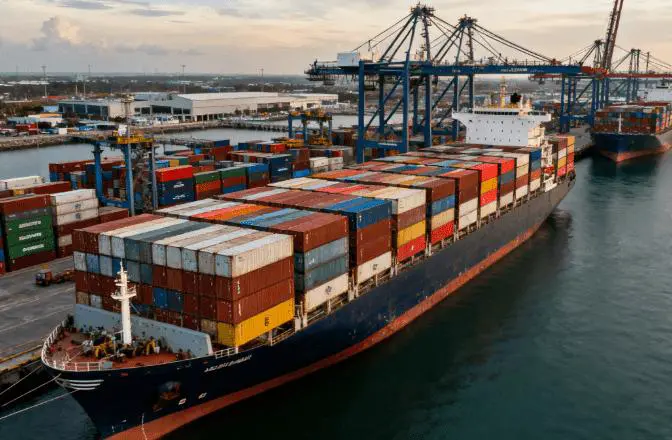
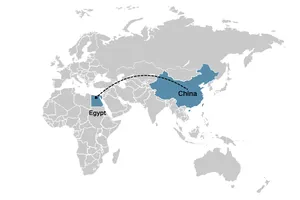
Shipping from Shenzhen, China to Egypt is a strategic logistics route connecting two of the most dynamic markets in Asia and Africa. Shenzhen is recognized as a major manufacturing and export hub in China, while Egypt is a key gateway to the Middle East and North Africa (MENA) region. As global trade continues to expand, the shipping link between these two regions is critical for businesses aiming to access emerging markets, reduce supply chain risks, and streamline cross-border operations.
Key Trade Routes Connecting Shenzhen and Egypt
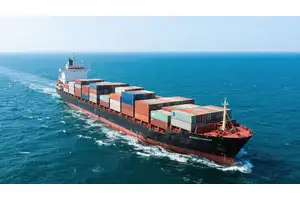
The primary trade routes between Shenzhen and Egypt leverage both maritime and air corridors. For sea freight, the most common route begins at Shenzhen Port (Yantian, Shekou, or Chiwan terminals), navigating through the South China Sea, passing via the Malacca Strait, Indian Ocean, and then through the Suez Canal to reach major Egyptian ports such as Port Said or Alexandria. This route is not only direct but also supported by frequent liner services operated by top international shipping companies.
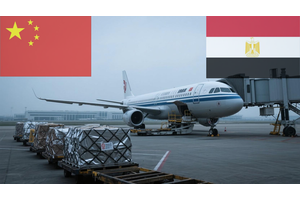
For air freight, the goods typically depart from Shenzhen Bao’an International Airport and are flown directly to Cairo International Airport, the largest and busiest airport in Egypt. In some cases, cargo may transit via major hubs like Dubai or Istanbul, depending on airline schedules and available capacity.
Trade Route Comparison Table
| Route Type | Major Origin | Major Destination | Transit Points | Typical Use Cases |
|---|---|---|---|---|
| Sea Freight | Shenzhen Port | Port Said, Alexandria | Malacca Strait, Suez Canal | Bulk cargo, large shipments |
| Air Freight | Shenzhen Bao’an Int’l Airport | Cairo Int’l Airport | Possible stops: Dubai, Istanbul | Urgent, high-value, perishable goods |
Major Ports Involved in the Shipping Process
In China (Shenzhen):
-
Yantian International Container Terminal: The main deep-water port in Shenzhen, ideal for full container load (FCL) and less than container load (LCL) shipments. Renowned for high efficiency and advanced facilities.
-
Shekou and Chiwan Terminals: Serve as supplementary terminals with strong connections for intra-Asia and global routes.
In Egypt:
-
Port Said: Located at the northern entrance of the Suez Canal, it is a key transshipment hub for the Mediterranean and Africa. Most major shipping lines call at this port, making it highly efficient for containerized cargo.
-
Alexandria Port: The largest and most important seaport in Egypt, handling a wide variety of imports and exports from Asia, Europe, and Africa.
-
Cairo International Airport: The main air cargo gateway for time-sensitive and high-value goods.
Port Comparison Table
| Port Name | Country | Function | Advantages |
|---|---|---|---|
| Yantian | China | Container Export | High efficiency, major shipping lines |
| Shekou | China | Container Export, LCL | Convenient location, modern facilities |
| Port Said | Egypt | Import, Transshipment | Strategic Suez Canal access |
| Alexandria | Egypt | Import/Export | Largest port, extensive cargo services |
| Cairo Int’l Airport | Egypt | Air Cargo | Fast, suitable for urgent goods |
Common Goods Shipped from Shenzhen to Egypt
Given Shenzhen’s status as a global manufacturing powerhouse, a wide range of products is exported to Egypt:
-
Consumer Electronics: Smartphones, tablets, laptops, and accessories.
-
Machinery and Equipment: Industrial machinery, automotive parts, and construction equipment.
-
Textiles and Apparel: Clothing, footwear, and fabric materials.
-
Home Appliances: Refrigerators, washing machines, and small electronics.
-
LED Lighting and Solar Products: High demand due to energy projects in Egypt.
-
Toys and Gifts
-
Medical Equipment and Supplies
Egyptian importers and e-commerce sellers often rely on Shenzhen suppliers for affordable, high-quality goods that meet the needs of the local and regional markets.
Shipping Methods from Shenzhen to Egypt: Air Freight vs. Sea Freight
When shipping from Shenzhen to Egypt, selecting the appropriate shipping method is crucial for balancing cost, speed, and reliability. The two main methods are sea freight and air freight, each with distinct advantages.
Advantages of Air Freight from Shenzhen to Egypt
-
Speed: Air freight is the fastest shipping method, with transit times from Shenzhen Bao’an International Airport to Cairo International Airport typically ranging from 2 to 5 days, depending on direct flights or transshipments.
-
Reliability: Airlines offer fixed schedules and frequent departures, reducing the risk of delays.
-
Security: Air cargo handling processes are stringent, resulting in lower risks of damage or theft.
-
Ideal for High-Value and Urgent Goods: Electronics, medical devices, and perishable items benefit most from air transport.
-
Flexible Volume: Suitable for both small parcels and larger, consolidated shipments.
Benefits and Cost-Effectiveness of Sea Freight
-
Cost Advantage: Sea freight is considerably more economical for large, heavy, or bulky cargo. The cost per CBM (Cubic Meter) or per container is much lower than air freight.
-
High Capacity: Standard containers (20FT: 28CBM, 40FT: 56CBM, 40HQ: 68CBM, 45HQ: 78CBM) accommodate large shipments and consolidation of multiple orders.
-
Versatility: Suited for a wide range of goods, including machinery, vehicles, raw materials, and consumer products.
-
Environmentally Friendly: Sea transport has a lower carbon footprint per ton-kilometer compared to air freight.
-
Availability of Special Services: Options such as LCL (Less than Container Load), FCL (Full Container Load), OOG (Out of Gauge Freight), and Breakbulk Freight for non-standard cargo.
Air Freight vs. Sea Freight Comparison Table
| Criteria | Air Freight | Sea Freight |
|---|---|---|
| Transit Time | 2-5 days | 20-35 days |
| Cost | High (per kg) | Low (per CBM or container) |
| Cargo Type | Urgent, high-value, perishable | Bulk, heavy, non-urgent |
| Capacity | Limited (usually <5 tons/flight) | Large (up to 78CBM/container) |
| Route Flexibility | Medium | High |
| Environmental Impact | Higher | Lower |
| Customs Handling | Fast | Standard |
Transit Times and Scheduling Considerations
-
Sea Freight Transit Times: The shipping duration from Shenzhen to Port Said or Alexandria by sea freight typically takes between 20 to 35 days. This depends on route choice (direct or transshipment), carrier schedules, and factors such as port congestion or weather conditions.
-
Air Freight Transit Times: Standard air freight can take 2 to 5 days door-to-door. Express courier services may offer even faster options, but at a premium rate.
-
Scheduling Factors:
-
Peak Season Delays: Both air and sea routes may face congestion during major holidays (e.g., Chinese New Year, Ramadan).
-
Customs Clearance: Efficient documentation and pre-arrival filing can shorten clearance times, especially for air cargo.
-
Carrier Selection: Choosing reputable carriers or working with an experienced freight forwarder like DTFU International Logistics Co.,Ltd can mitigate risks and offer more flexible scheduling solutions.
-
Sample Transit Time Table
| Shipping Mode | Origin (Shenzhen) | Destination (Egypt) | Estimated Transit Time |
|---|---|---|---|
| Sea Freight | Yantian Port | Alexandria | 25-35 days |
| Sea Freight | Yantian Port | Port Said | 20-30 days |
| Air Freight | Bao’an Airport | Cairo Int’l Airport | 2-5 days |
For reference, if you're considering other African routes, see our guide on .
Step-by-Step Shipping Process from Shenzhen to Egypt
Navigating the shipping process from Shenzhen to Egypt requires a solid understanding of logistics, compliance, and real-time coordination. With over a decade of experience in international freight forwarding, I have summarized the most crucial steps below to help global traders, manufacturers, and e-commerce businesses ensure a smooth transit.
Documentation and Customs Requirements
Proper documentation is crucial for seamless customs clearance and compliance with regulations in both China and Egypt. Missing or inaccurate paperwork can lead to shipment delays, penalties, or even confiscation.
Essential Documents:
| Document Type | Issued By | Purpose / Note |
|---|---|---|
| Commercial Invoice | Exporter/Manufacturer | States value, quantity, and description of goods. Required for customs entry. |
| Packing List | Exporter | Details packing, itemized contents, and weight/volume of shipment. |
| Bill of Lading/Air Waybill | Freight Forwarder/Carrier | Proof of contract of carriage and receipt of goods. |
| Certificate of Origin | Chamber of Commerce | Certifies the origin of goods, often required for customs/duties. |
| Import License (if needed) | Egyptian Importer | Some categories require prior approval by Egyptian authorities. |
| Insurance Certificate | Insurer | Proof of cargo insurance (optional but recommended). |
Customs Clearance Procedures:
-
In Shenzhen, export customs declaration must be filed electronically. HS codes must be accurate.
-
In Egypt, the National Single Window for Foreign Trade Facilitation (“Nafeza”) system is mandatory for pre-registration of shipments (ACID requirements since 2021).
-
Egypt has strict regulations on product standards, labeling (Arabic required), and restricted items (e.g., electronics, medical equipment). Always check latest Egyptian customs updates.
Expert Tip: DTFU International Logistics Co.,Ltd offers one-stop customs clearance and documentation services. Our experienced team ensures all customs formalities are met for hassle-free delivery.
For businesses shipping containers, you may also refer to for practical case insights.
Cargo Handling and Packaging Guidelines
Proper cargo handling and packaging are essential to prevent damage and facilitate smooth loading/unloading at both Shenzhen and Egyptian ports.
Packaging Recommendations:
-
Use durable export-grade pallets, crates, or cartons.
-
For sea freight, ensure packaging is waterproof and can withstand humidity, stacking, and long transit times.
-
For air freight, minimize weight and volume to reduce costs.
-
Label all packages in both English and Arabic, including consignee/consignor info, gross/net weight, and handling instructions.
Container Types and Capacity:
| Container Type | Capacity (CBM) | Typical Use |
|---|---|---|
| 20FT Standard | 28 | Small to medium shipments |
| 40FT Standard | 56 | Bulk cargo or larger shipments |
| 40HQ (High Cube) | 68 | Voluminous, lightweight goods |
| 45HQ (High Cube) | 78 | Extra-long or oversized cargo |
Special Handling:
-
Fragile, perishable, or high-value goods may require additional cushioning, temperature control, or insurance.
-
DTFU provides cargo insurance, door-to-door, consolidated freight, and OOG (Out-of-Gauge) freight services.
Tracking and Delivery Procedures
End-to-end cargo visibility enhances supply chain transparency and allows prompt response to unforeseen events.
Tracking Solutions:
-
DTFU offers real-time tracking via our digital platform, integrating vessel/flight tracking, port updates, and customs status.
-
You can access shipment status, estimated arrival, and POD (Proof of Delivery) online.
-
For sensitive or high-value shipments, optional GPS tracking or enhanced reporting is available.
Delivery Procedures:
-
Arrival at Egyptian Port/Airport: Post-arrival, cargo undergoes customs inspection. Ensure all fees and duties are paid.
-
Release and Local Delivery: After clearance, goods are either picked up or delivered to the final destination via truck, or to an Amazon FBA, warehouse, or distribution center.
-
After-Sales Support: DTFU provides customer support throughout the delivery process and can assist in resolving any post-delivery issues.
Shipping Costs from Shenzhen to Egypt
Understanding the cost structure is vital for budgeting and optimizing your supply chain. Costs can vary significantly based on cargo size, shipping mode, and current market conditions.
For a detailed breakdown, see our resource.
Factors Influencing Shipping Costs
| Cost Factor | Description |
|---|---|
| Shipping Method | Air Freight is faster but more expensive; Sea Freight is cost-effective for bulk. |
| Volume & Weight | Charges are based on volumetric weight (air) or cubic meters/tonnage (sea). |
| Container Type | FCL (Full Container Load) is cheaper per unit if volume is high; LCL (Less than Container Load) suits small shipments. |
| Fuel Surcharges | Fluctuate based on global oil prices. |
| Seasonal Demand | Peak seasons (pre-Ramadan, Black Friday, Chinese New Year) increase rates. |
| Port and Handling Charges | Loading/unloading, terminal fees, and local charges at both origin/destination. |
| Insurance | Optional but recommended, especially for high-value goods. |
| Customs Duties & Taxes | Egyptian tariffs and VAT, based on HS code and product value. |
Estimated Cost Comparison (as of Q4 2025):
| Route | 20FT Container (Sea) | 40FT Container (Sea) | Air Freight (per kg, min 100kg) |
|---|---|---|---|
| Shenzhen to Alexandria | USD 2,200–2,600 | USD 3,700–4,300 | USD 5.5–8.0 |
| Shenzhen to Damietta | USD 2,300–2,700 | USD 3,900–4,500 | USD 5.5–8.0 |
Overview of Customs Duties and Taxes in Egypt
Egypt applies customs duties, Value Added Tax (VAT), and sometimes additional fees depending on the product category.
Key Points:
-
Customs Duty: Typically ranges from 0% to 40%, depending on HS code.
-
VAT: Standard rate is 14%, applied on CIF value plus duty.
-
Additional fees: Some goods subject to excise or inspection fees.
-
Nafeza/ACID System: All imports must be pre-registered, with Advance Cargo Information Declaration (ACID) number included on shipping documents.
-
Restricted/Prohibited Items: Items like used electronics, certain textiles, and medical devices require special permits or are banned.
Expert Tip: DTFU’s customs brokerage team stays up-to-date with Egyptian regulatory changes, ensuring your goods are classified and declared correctly, minimizing duty exposure.
Tips for Reducing Shipping Expenses
1. Optimize Packaging: Use suitable container sizes (20FT, 40FT, 40HQ, 45HQ) to maximize space and avoid paying for unused capacity.
2. Combine Shipments: Consolidate smaller shipments into one FCL or use LCL services to benefit from shared container costs.
3. Plan Ahead: Book shipments in advance, especially before peak seasons, to secure better rates.
4. Choose the Right Freight Forwarder: Partner with a professional and experienced provider like DTFU International Logistics Co.,Ltd for access to preferential contracts, consolidated freight, and expert guidance.
5. Leverage Technology: Use real-time tracking and digital document management to avoid costly delays and errors.
6. Take Advantage of Free Trade Agreements: Check if your goods qualify for reduced duties via Egypt-China bilateral agreements (often requires correct Certificate of Origin).
7. Minimize Extra Services: Opt for essential value-added services (like insurance or warehousing) rather than unnecessary extras.
8. Accurate Documentation: Ensure all paperwork is complete and precise to avoid customs penalties or storage fees due to clearance delays.
By following this step-by-step process and understanding cost drivers, your business can minimize risks and expenses when shipping from Shenzhen to Egypt. At DTFU International Logistics Co.,Ltd, we are committed to providing a one-stop, transparent, and reliable freight forwarding experience that supports your global growth.
Shipping Time from Shenzhen to Egypt
When planning international shipments from Shenzhen (China) to Egypt, understanding transit times is essential for supply chain optimization and meeting your customer expectations. The shipping time can vary substantially depending on the chosen shipping method, the specific ports involved, and the logistics service provider.
For a more detailed breakdown by method, refer to .
Shipping Time Table: Shenzhen to Major Egyptian Ports
| Shipping Method | Major Departure Port (Shenzhen) | Arrival Port (Egypt) | Typical Transit Time | Frequency |
|---|---|---|---|---|
| Sea Freight (FCL) | Yantian, Shekou, Chiwan | Port Said, Alexandria | 19–27 days | Weekly sailings |
| Sea Freight (LCL) | Yantian, Shekou, Chiwan | Port Said, Alexandria | 22–30 days | Weekly sailings |
| Air Freight | Shenzhen Bao’an Intl Airport | Cairo International Airport | 3–7 days | Daily departures |
| Express Courier | Shenzhen (DHL/UPS/FedEx) | Cairo, Alexandria (Door-to-Door) | 2–5 days | Daily pickups |
Key Influencing Factors:
-
Port Congestion: Seasonal congestion at Port Said or Alexandria can add 1–5 days.
-
Customs Clearance: Standard clearance in Egypt typically takes 1–3 days; however, incomplete documentation can cause longer delays.
-
Weather/Geopolitical Events: Suez Canal traffic, Red Sea security, or international events may impact transit schedules.
-
Peak Seasons: Around Ramadan, Black Friday, and Chinese New Year, space and sailing schedules can be affected.
Practical Recommendations:
-
For urgent shipments, opt for air freight or express courier.
-
For large volumes or cost-sensitive cargo, use FCL sea freight; plan for 3–4 weeks transit.
-
Always confirm the latest schedule and transit forecast with your freight forwarder.
Choosing a Reliable Freight Forwarder in Shenzhen
Selecting the right freight forwarding company is a critical decision for every shipper. The proper partner not only ensures smooth cargo movement but also helps you avoid unnecessary delays, hidden charges, or compliance issues.
What to Look for in a Freight Forwarding Company
When evaluating potential partners, consider the following key criteria:
-
Experience with China–Egypt Trade Lane Look for a forwarder with a proven track record shipping from Shenzhen to Egypt. They should understand both Chinese export regulations and Egyptian import requirements.
-
Comprehensive Service Portfolio A full-range provider should offer Sea Freight, Air Freight, Road Freight, Amazon FBA, Warehousing, Cargo Insurance, Customs Clearance, Door-to-Door, OOG Freight, Consolidated Freight, and Breakbulk Freight.
-
Transparent Pricing and Cost Breakdown Ensure the company offers clear quotations, details all fees, and is upfront about possible surcharges (e.g., port charges, fuel surcharges, documentation fees, etc.).
-
Strong Local & Global Network Reliable agents at both origin (Shenzhen) and destination (Egyptian ports) guarantee professional handling, timely status updates, and problem-solving if customs or delivery issues arise.
-
Cargo Tracking & Customer Support Modern freight forwarders should provide real-time shipment tracking, timely notifications, and multi-channel customer support.
-
Licensing & Accreditations Ensure the provider is officially registered, holds relevant certifications (such as NVOCC, FIATA, WCA membership), and insurances.
-
Value-Added Services Such as cargo insurance, customs broker services, packaging, and consultancy on best shipping practices.
DTFU International Logistics Co.,Ltd: Our Services and Advantages
As a leading freight forwarding company based in Shenzhen, DTFU International Logistics Co.,Ltd is your trusted partner for professional, cost-effective, and efficient shipping from Shenzhen to Egypt.
Why Choose DTFU International Logistics?
-
Specialist in China–Egypt Shipping Over ten years’ experience in handling diverse cargo types from Shenzhen to all major Egyptian ports including Port Said, Alexandria, and Cairo.
-
One-Stop Logistics Solution We offer the full spectrum of logistics services:
-
Sea Freight (FCL & LCL)
-
Air Freight
-
Road Freight
-
Amazon FBA Logistics
-
Warehousing
-
Cargo Insurance
-
Customs Clearance (one-stop)
-
OOG Freight (Out of Gauge)
-
Consolidated & Breakbulk Freight
-
Door-to-Door Solutions
-
-
High Efficiency & Cost Transparency Our team delivers rapid quotations, no hidden fees, and tailored solutions to suit your cargo type, schedule, and budget.
-
Advanced Cargo Tracking Enjoy peace of mind with real-time shipment visibility and proactive communications throughout the transport journey.
-
Expert Support From documentation to customs compliance, our experts provide end-to-end guidance, minimizing the risk of delays and penalties.
-
Global Network & Local Expertise Our established partnerships in both China and Egypt ensure smooth last-mile delivery and professional handling at both origin and destination.
-
Customized Solutions We understand every shipment is unique. Whether you need consolidated shipping, project cargo, or urgent air freight, we tailor the service to your needs.
Choosing the right partner for shipping from Shenzhen to Egypt makes a tangible difference in cost, time, and reliability. With DTFU International Logistics Co.,Ltd