Are you wondering how to manage containers shipping cost from China to Saudi Arabia efficiently for your business? With fluctuating rates and complex logistics, understanding the factors behind container shipping, including port fees, customs charges, and freight options, is crucial to optimizing your supply chain. In this comprehensive guide, we’ll break down everything you need to know about shipping costs, routes, documentation, and expert tips to ensure a smooth and cost-effective shipment from China to Saudi Arabia.
Overview of Container Shipping from China to Saudi Arabia
What is Container Shipping?
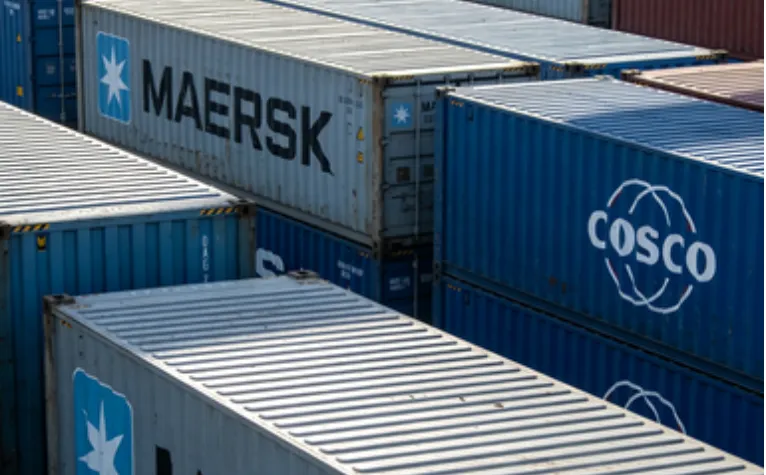
Container shipping is a method of transporting goods using large standardized containers, typically made of steel. These containers are loaded and sealed at the exporter's site and transported by sea, rail, or truck without opening until they reach their destination. This system ensures cargo safety, handling efficiency, and cost-effectiveness. In international trade, the two most common container sizes are the 20ft standard container (20GP, with a capacity of 28CBM) and the 40ft standard container (40GP, 56CBM), as well as the 40ft high-cube (40HQ, 68CBM). These containers enable shippers to transport a wide range of products—including electronics, machinery, textiles, and consumer goods—from manufacturing centers in China to markets like Saudi Arabia securely and efficiently.
Importance of China-Saudi Arabia Trade Routes
The China-Saudi Arabia trade route is one of the most vital corridors in global commerce. As of 2025, China is Saudi Arabia's largest trading partner, with bilateral trade volumes exceeding USD 100 billion annually (source: Saudi Customs, 2025). The main exports from China to Saudi Arabia include electronics, machinery, vehicles, textiles, and household goods, while Saudi Arabia exports mainly crude oil, petrochemicals, and plastics to China.
This trade route is strategically significant due to:
- The Belt and Road Initiative, which strengthens trade cooperation between Asia and the Middle East.
- High demand for Chinese-manufactured goods in Saudi Arabia's growing consumer market.
- The need for reliable and cost-effective logistics solutions, as Saudi Vision 2030 drives infrastructure and economic diversification.
Efficient container shipping supports timely delivery, inventory management, and competitive pricing for both importers and exporters operating on this route.
For more details on specific ocean shipping options to this region, see our analysis of sea shipping from China to Saudi Arabia.
Key Factors Influencing Containers Shipping Cost from China to Saudi Arabia
Accurately estimating the containers shipping cost from China to Saudi Arabia requires understanding several key variables:
Impact of Container Size: 20ft vs 40ft
The size of the container has a direct impact on the overall shipping cost. Specifically, comparing the cost of shipping 20ft container from China to Saudi Arabia against the cost of shipping 40ft container from China to Saudi Arabia helps importers decide the most economical option for their cargo volume. Below is a comparison of the most common container types:
| Container Type | Internal Volume (CBM) | Typical Cargo Weight (tons) | Suitable For | Cost (USD)* (Shanghai to Jeddah) |
|---|---|---|---|---|
| 20ft (20GP) | 28 | 22 | Heavy, dense cargo, lower volume loads | $840–$1,540 |
| 40ft (40GP) | 56 | 27 | Voluminous, lighter cargo, larger loads | $1,260–$2,450 |
| 40ft High Cube (40HQ) | 68 | 27 | High-volume, lightweight cargo | $1,330–$2,660 |
*Rates are indicative and subject to market fluctuations (Source: DTFU International Logistics, January 2026).
Key Point: While a 40HQ container offers over twice the space of a 20GP, its cost is only moderately higher, making it more cost-effective for large-volume shipments.
Market Trend Analysis & Best Time to Ship (2026 Update)
Shipping rates are dynamic. Understanding the current market cycle can help you save significantly on your logistics budget.
1. Market Retrospective (Late 2025) Following the Q4 peak season and regional disruptions (such as the Red Sea crisis), rates remained high due to capacity constraints and surcharges.
2. Current Situation (January 2026) We are currently in the "Pre-Chinese New Year (CNY) Rush". As factories rush to ship orders before the mid-February holidays, demand for containers is high.
- Price Verdict: Rates are elevated. While not at historical peaks, they are higher than the annual average due to tight space availability.
3. Future Forecast (March - April 2026) Historically, the period immediately following Chinese New Year is the Low Season. We project a 10-15% drop in rates starting late February as demand softens.
Strategic Recommendations:
-
If you can wait (Low Urgency):
- Wait for the Drop: Plan your shipment for early March. This is typically the best window to secure the lowest rates of the first half of the year.
-
If you must ship NOW (High Urgency):
-
Since current prices are higher, focus on reducing total costs through efficiency:
- Consolidate Cargo: Use DTFU’s warehousing to combine multiple supplier orders into a single FCL (Full Container Load). FCL is significantly cheaper per unit than LCL.
- Avoid Last-Minute Booking: Book at least 14 days in advance. Last-minute "spot rates" during this rush period carry a heavy premium.
- Optimize Packaging: Reduce volume to fit more into a smaller container or avoid overflowing into a second container.
-
Advice: Even in a high-rate market, DTFU International Logistics Co.,Ltd can often secure competitive contract rates that are lower than the public market average. Contact us for a comparison quote.
Fuel Prices and Surcharges
Marine fuel (bunker) costs are a significant component of ocean freight pricing. When global fuel prices increase, shipping lines often impose Bunker Adjustment Factors (BAF) or Emergency Fuel Surcharges.
- In 2026, ongoing geopolitical tensions have contributed to fluctuating fuel prices, impacting overall shipping rates.
- Additionally, the introduction of stricter environmental regulations (IMO 2020) has led to the use of low-sulfur fuel, sometimes increasing surcharges.
Tip: Check for the latest surcharges when budgeting and ask your freight forwarder for transparent breakdowns.
Port Fees and Customs Charges in China & Saudi Arabia
Both origin and destination ports levy various fees, which are included in or added to your overall shipping quote:
| Fee Type | China (Shanghai Port Example) | Saudi Arabia (Jeddah Islamic Port Example) |
|---|---|---|
| Terminal Handling Charge (THC) | $63–$140/container | $105–$175/container |
| Documentation Fee | $42–$70/shipment | $56–$84/shipment |
| Customs Clearance | $35–$70/document | $70–$140/document |
| Port Security Fee | $11–$21/container | $14–$28/container |
| Inspection/Quarantine (if required) | $56–$105 | $70–$140 |
*Fees are indicative and may vary by port and carrier.
- In China, main export ports such as Shanghai, Ningbo, and Shenzhen are well-equipped and efficient but may experience congestion during peak periods.
- In Saudi Arabia, main receiving ports like Jeddah Islamic Port, King Abdulaziz Port (Dammam), and King Abdullah Port implement strict customs regulations; delays may incur extra storage or demurrage charges.
Pro Tip from Ivan Chan: Understanding these cost drivers allows shippers to optimize their shipping strategy. At DTFU International Logistics Co.,Ltd, we provide up-to-date market analysis and transparent rate breakdowns for our clients, ensuring you make informed logistics decisions and minimize unnecessary expenses.
Detailed Cost Breakdown for Container Shipping
When shipping containers from China to Saudi Arabia, it is essential to understand all cost components to accurately estimate your total logistics budget. As an international freight forwarding expert with over a decade of experience, I have outlined the key cost factors and their current industry standards below. This will help importers, exporters, and supply chain professionals plan and negotiate more effectively.
Freight Charges: FCL vs LCL
Freight charges are the primary cost in container shipping. They depend on whether you choose FCL (Full Container Load) or LCL (Less than Container Load):
| Shipping Mode | Description | Typical Use Case | Cost Structure | Container Capacity |
|---|---|---|---|---|
| FCL | Book the entire container (exclusive use) | Large volume shipments, single consignee | Flat rate per container | 20ft: 28CBM 40ft: 56CBM 40HQ: 68CBM 45HQ: 78CBM |
| LCL | Share container space with other shippers | Small volume, multiple consignees | Charged by CBM (Cubic Meter) | N/A |
- FCL is generally more cost-effective per unit for shipments exceeding 15 CBM, offering better security and faster handling.
- LCL is ideal for smaller shipments, although it can incur higher costs per CBM due to consolidation and deconsolidation processes.
Example Freight Rate Comparison (as of January 2026)
| Route | 20ft FCL (USD) | 40ft FCL (USD) | LCL per CBM (USD) |
|---|---|---|---|
| Shanghai – Jeddah | $1,225 | $2,170 | $67 |
| Shenzhen – Dammam | $1,295 | $2,310 | $74 |
| Ningbo – Riyadh (via Dammam) | $1,330 | $2,415 | $77 |
Note: Rates fluctuate due to fuel, demand, and seasonal surcharges. Contact DTFU International Logistics Co.,Ltd for customized quotes.
If you want to explore rates for neighboring markets, see our guide to container shipping rates from China to Saudi Arabia for additional insights.
Documentation and Handling Fees
Proper documentation is critical for smooth customs clearance and shipment handling. These fees typically include:
- Bill of Lading (B/L) Fee: Official shipping document, usually $35–$56 per set.
- Export/Import Customs Declaration: Varies by port but generally $21–$70.
- Certificate of Origin: Required for customs; $28–$56.
- Handling Charges: Terminal handling, warehouse fees, and container loading, ranging from $105–$315 per container.
- Other Documentation: Commercial invoice, packing list, and specialized certificates (e.g., fumigation).
Working with a reliable freight forwarder like DTFU International Logistics Co.,Ltd ensures all documentation is handled professionally, minimizing clearance delays and compliance risks.
Insurance and Additional Charges
Cargo insurance is highly recommended to protect your investment against loss or damage during transit. Main options include:
- All Risk Insurance: Covers most shipping risks; premium is typically 0.1%–0.3% of cargo value.
- Total Loss Only Insurance: Lower premium, covers only complete loss.
Additional Charges:
- Port Congestion Surcharges: Temporary fees during peak congestion, up to $105 per container.
- Fuel Surcharges (BAF): Adjusted monthly; can add 10-20% to ocean freight.
- Peak Season Surcharges (PSS): Applied during high demand.
- Demurrage/Detention Fees: Charged if containers are not cleared or returned on time.
Popular Shipping Routes and Major Ports
Choosing the right routing and ports is crucial for cost, efficiency, and risk management when shipping from China to Saudi Arabia.
Main Ports in China for Saudi Arabia Shipments
China has several major ports that serve as primary gateways for shipments to Saudi Arabia:
| Port Name | Location | Main Features | Key Trades with Saudi Arabia |
|---|---|---|---|
| Shanghai Port | Eastern China | Largest container port globally, diverse carriers | High-frequency FCL/LCL to Jeddah, Dammam |
| Shenzhen (Yantian/Shekou) | Southern China | Strategic for electronics, machinery | Fast service to Saudi, major LCL hub |
| Ningbo-Zhoushan Port | Eastern China | High efficiency, excellent connectivity | Bulk and industrial goods to Saudi ports |
| Qingdao Port | Northern China | Well-suited for heavy equipment, chemicals | Seasonal high volume to Dammam |
| Guangzhou (Nansha Port) | Southern China | Competitive rates, robust infrastructure | Alternative for South China exporters |
Major Ports in Saudi Arabia Receiving China Shipments
Saudi Arabia’s international shipping relies heavily on these key ports:
| Port Name | Location | Main Features | Trade with China |
|---|---|---|---|
| Jeddah Islamic Port | Red Sea (West) | Largest Saudi port, main gateway for imports | Receives FCL/LCL, electronics, textiles |
| King Abdul Aziz Port (Dammam) | Arabian Gulf (East) | Strategic for Riyadh & Eastern Province | Major for industrial, chemical goods |
| King Abdullah Port | Red Sea (Near Jeddah) | State-of-the-art, growing capacity | Growing China traffic, mainly FCL |
| Jubail Commercial Port | Arabian Gulf | Focus on petrochemicals, industrial imports | Increasing direct China connections |
Typical Transit Times and Shipping Schedules
Transit time depends on origin and destination ports, shipping line, and chosen service (direct or transshipment):
| Route | Typical Transit Time (Days) | Frequency | Notes |
|---|---|---|---|
| Shanghai – Jeddah | 18–24 | Weekly | Direct & transshipment options |
| Shenzhen – Dammam | 22–28 | Weekly/Bi-weekly | Longer due to Gulf routing |
| Ningbo – King Abdullah Port | 19–25 | Weekly | Emerging fast service |
| Guangzhou – Jeddah | 20–26 | Weekly | Slightly slower, cost-effective |
Note: Transit times can be affected by port congestion, customs clearance, and seasonal demand surges (e.g., Ramadan, Chinese New Year). Reliable freight forwarders like DTFU International Logistics Co.,Ltd help optimize routes and schedules to minimize delays.
For a tailored quote or further guidance, feel free to contact our team at DTFU International Logistics Co.,Ltd. We are committed to providing high-quality, cost-effective logistics solutions for your business needs.
How to Get the Best Containers Shipping Rates
Comparing Freight Forwarders and Shipping Companies
Selecting the right freight forwarder or shipping company is crucial for optimizing your container shipping cost from China to Saudi Arabia. Both options offer unique benefits, and making the right choice depends on your shipment’s specific requirements, desired level of service, and budget.
| Criteria | Freight Forwarders (e.g., DTFU International Logistics Co.,Ltd) | Direct Shipping Companies |
|---|---|---|
| Service Scope | Comprehensive: covers Sea Freight, Air Freight, Road Freight, Door-to-Door, Amazon FBA, customs clearance, insurance, warehousing, out-of-gauge & consolidated shipments | Primarily sea/air transport from port to port |
| Flexibility | High: can combine services, negotiate rates, provide tailored solutions | Medium: fixed schedules, less customization |
| Support Level | Dedicated customer service, shipment tracking, proactive updates | Standard support, less personalized |
| Cost Competitiveness | Often more competitive due to volume discounts, consolidation options | May offer better rates for large, regular shipments |
| Expertise | Deep knowledge of compliance, regulations, market trends | Specialized in transportation and vessel operations |
DTFU International Logistics Co.,Ltd stands out as a highly professional, cost-effective, and one-stop logistics provider, offering tailored solutions for global traders. Our expertise in handling Sea Freight, Air Freight, customs clearance, and cargo insurance ensures seamless shipping from China to Saudi Arabia.
Tips for Negotiating Lower Container Shipping Costs
Negotiating better rates requires understanding industry dynamics and leveraging your shipment volume and flexibility. Here are actionable strategies:
- Consolidate Shipments: Combine multiple orders into a single container (FCL) to benefit from lower per-unit costs versus multiple LCL shipments.
- Book in Advance: Early bookings, especially during off-peak seasons, can yield substantial discounts.
- Be Flexible: If your timeline allows, opt for longer transit times or alternative routes that may offer cost savings.
- Use Multiple Quotes: Always request quotes from several providers, including freight forwarders like DTFU, to compare rates and services.
- Negotiate Surcharges: Discuss potential waivers or reductions for fuel surcharges, documentation fees, and port handling charges.
- Leverage Relationships: Build long-term partnerships with trusted providers. Frequent clients often enjoy priority booking and better rates.
- Understand Incoterms: Selecting the right Incoterm (e.g., FOB, CIF, DDP) can shift responsibility and costs and may result in savings depending on your business model.
For readers interested in other regional logistics solutions, see our overview of door-to-door shipping from China to Saudi Arabia for a detailed explanation of end-to-end services.
Using Online Freight Rate Calculators
With technology adoption in logistics, online freight rate calculators provide instant, transparent estimates for container shipping costs from China to Saudi Arabia. Here’s how to use them effectively:
- Input Accurate Details: Enter shipment origin, destination, container type (20ft, 40ft, 40HQ), cargo weight and volume, and preferred service (FCL/LCL).
- Compare Real-Time Data: Many calculators aggregate rates from multiple carriers, helping you spot market trends and select optimal pricing.
- Account for Extras: Remember that quoted rates may exclude customs duties, insurance, or last-mile delivery—always confirm what’s included.
- DTFU’s Advantage: As a tech-driven provider, DTFU International Logistics Co.,Ltd offers online quotation tools and expert consultation to ensure you receive competitive, accurate rates with no hidden fees.
Customs Clearance Procedures and Import Regulations
Required Shipping Documents
Successful customs clearance for container shipments from China to Saudi Arabia requires meticulous document preparation. The following documents are typically mandatory:
| Document Name | Purpose | Issued By |
|---|---|---|
| Bill of Lading (B/L) | Proof of shipment and contract of carriage | Shipping Line / Forwarder |
| Commercial Invoice | Details of goods, value, and buyer/seller information | Exporter |
| Packing List | Itemized list of cargo contents and packaging details | Exporter |
| Certificate of Origin (COO) | Verifies origin of goods, required for customs benefits | Chamber of Commerce |
| Import/Export Licenses | Specific goods may require licenses or permits | Authorities |
| Insurance Certificate | Proof of cargo insurance coverage | Insurer / Broker |
| SASO Certificate | For certain products, compliance with Saudi standards | SASO-approved agency |
DTFU’s experienced team supports document preparation and compliance, reducing the risk of delays or penalties.
Import Duties and Taxes in Saudi Arabia
Import costs go beyond shipping rates. Understanding the duty and tax structure is vital for accurate budgeting:
- Customs Duty: Most goods imported are subject to a basic customs duty, generally ranging from 5% to 15% ad valorem, depending on product classification (HS code).
- Value-Added Tax (VAT): As of 2026, Saudi Arabia imposes a 15% VAT on imported goods.
- Additional Levies: Some items (e.g., tobacco products, luxury goods) may attract higher excise taxes.
- Exemptions: Certain goods, such as raw materials for manufacturing, medical equipment, and specific sectors, may enjoy duty exemptions or reductions.
It’s essential to consult the latest Saudi Customs regulations or work with an expert like DTFU International Logistics Co.,Ltd to ensure up-to-date compliance.
Common Customs Clearance Challenges
Despite careful planning, shippers often face hurdles. The most frequent challenges include:
- Incomplete or Incorrect Documentation: Missing or erroneous paperwork can result in shipment delays, fines, or even cargo seizure.
- Product Compliance Issues: Non-compliance with Saudi standards (e.g., missing SASO certification, labeling errors) can prevent clearance.
- HS Code Disputes: Incorrect tariff classification leads to duty miscalculations or disputes with customs authorities.
- Delays in Duty Payments: Delayed settlement of customs duties and VAT stalls cargo release.
- Restricted or Prohibited Items: Attempting to import controlled items without prior approval results in confiscation.
- Unexpected Inspections: Random or targeted inspections may extend clearance times.
Expert Tip: Utilize a professional customs team. DTFU International Logistics Co.,Ltd provides one-stop customs clearance, leveraging over a decade of experience to streamline import processes, minimize risks, and ensure cost-effective outcomes for businesses shipping containers from China to Saudi Arabia.
Expert Tips for Smooth and Cost-Effective Container Shipping
Shipping containers from China to Saudi Arabia can be complex, especially when optimizing costs and ensuring seamless operations. Leveraging my decade-long experience at DTFU International Logistics Co.,Ltd as a Senior Logistics Analyst, I am pleased to share proven, actionable tips for a smooth and cost-effective shipping experience.
Packing and Loading Best Practices
Proper packing and loading are crucial to minimize damage, make the most of your container’s capacity, and avoid unnecessary surcharges. Here are key recommendations:
-
Utilize Full Container Capacity:
- 20FT Container: 28 CBM
- 40FT Container: 56 CBM
- 40HQ Container: 68 CBM
- 45HQ Container: 78 CBM Optimize carton sizes and palletizing to maximize the use of cubic meters without exceeding weight limits.
-
Distribute Weight Evenly: Prevent cargo shifting during transit by balancing weight throughout the container floor.
-
Use Quality Packing Materials: Invest in durable pallets, shrink wrap, and dunnage bags to secure your cargo, especially for long-haul shipments to Saudi Arabia.
-
Ensure Compliance: Adhere to ISPM 15 requirements for wooden packaging to avoid customs delays at Saudi Arabian ports.
-
Label Clearly: All packages should have clear, moisture-resistant labels in English and Arabic, including consignee and destination port information.
-
Photograph Loading Process: Documenting the loading process protects against disputes regarding damage or shortages, which is crucial for insurance claims.
Interested in broader Gulf shipping solutions? Read about shipping from Shenzhen to Saudi Arabia for tips on routes and ports.
Choosing the Right Incoterms for Your Shipment
Incoterms (International Commercial Terms) define the responsibilities of buyers and sellers in international shipping, directly impacting cost allocation and risk:
- FOB (Free on Board): Commonly used in China-Saudi Arabia trade. The seller covers costs and risks until goods pass the ship’s rail at the port of loading (e.g., Shanghai Port). Buyer assumes responsibility thereafter.
- CIF (Cost, Insurance & Freight): Seller arranges and pays for carriage and insurance up to the Saudi port of arrival (e.g., Jeddah Islamic Port), providing additional security to the buyer.
- DAP (Delivered at Place): Seller delivers the goods ready for unloading at the named place in Saudi Arabia. This is ideal for buyers seeking hassle-free logistics.
- EXW (Ex Works): Buyer assumes all costs and risks from the seller’s premises in China—a cost-saving option for experienced importers.
| Incoterm | Export Customs Clearance | Import Customs Clearance | Freight Responsibility | Insurance Responsibility |
|---|---|---|---|---|
| FOB | Seller | Buyer | Buyer | Buyer |
| CIF | Seller | Buyer | Seller | Seller |
| DAP | Seller | Seller | Seller | Seller |
| EXW | Buyer | Buyer | Buyer | Buyer |
Tip: Always confirm Incoterms in your sales contracts and communicate clearly with your freight forwarder to avoid hidden costs and disputes.
Avoiding Delays and Minimizing Extra Fees
Shipping from China to Saudi Arabia requires attention to potential bottlenecks and extra costs. Follow these expert strategies:
- Submit Accurate Documentation: Incomplete or incorrect documents (e.g., Bill of Lading, Commercial Invoice, Packing List) can lead to customs delays and storage charges at both Chinese and Saudi ports.
- Monitor Shipping Schedules: Plan around high-season surcharges, such as Ramadan, Chinese New Year, and Hajj, when ports and shipping lines are busiest.
- Stay Updated on Regulations: Both China and Saudi Arabia frequently update import/export policies. Currently, Saudi Arabia enforces strict requirements for product conformity (SABER certification), which, if overlooked, can cause expensive delays.
- Book Early: Secure space well in advance, especially for peak seasons. Last-minute bookings can result in premium rates.
- Choose Reliable Freight Forwarders: A professional partner like DTFU International Logistics Co.,Ltd provides full-service support, including customs clearance, insurance, and real-time tracking, reducing your risk of unforeseen expenses or transit interruptions.
Case Study: Saving $4,500 in Demurrage for a Riyadh-based Electronics Retailer
The Challenge: In early 2026, a client importing a 40HQ container of LED lighting fixtures arrived at King Abdullah Port. The shipment was unexpectedly flagged by customs due to a discrepancy in the Certificate of Conformity (CoC) under the newly updated SABER system regulations. The cargo faced an indefinite hold, with potential demurrage fees of $150/day and a high risk of return.
The DTFU Solution: Our local operations team in Jeddah immediately intervened. Instead of waiting for a standard re-submission cycle (typically 7-10 days), we utilized our direct channel with the certification body to rectify the HS code classification within 48 hours. Simultaneously, we negotiated an emergency "free time" extension with the shipping line to cover the delay.
The Outcome: The cargo was successfully cleared in just 3 days. The client avoided an estimated $4,500 in storage and demurrage fees and ensured their goods reached the Riyadh distribution center on time for a major promotional event.
FAQs
Q1: How long does container shipping from China to Saudi Arabia typically take? A: Transit times vary depending on origin and destination ports, routing, and shipping mode. For example:
| Origin Port (China) | Destination Port (Saudi Arabia) | Typical Transit Time (Days) |
|---|---|---|
| Shanghai | Jeddah Islamic Port | 18-23 |
| Shenzhen (Yantian) | Dammam (King Abdul Aziz Port) | 21-27 |
| Ningbo | King Abdullah Port | 17-22 |
Q2: What are the main costs involved in shipping containers from China to Saudi Arabia? A: The major costs include ocean freight (FCL/LCL charges), local handling fees, documentation, customs clearance, insurance, and any surcharges (fuel, peak season). Port fees and import duties in Saudi Arabia should also be considered.
Q3: Which container size should I choose for my cargo? A:
- 20FT Container: Best for shipments up to 28 CBM.
- 40FT Container: Suited for up to 56 CBM.
- 40HQ Container: Economical for larger volumes, up to 68 CBM. Consider your cargo volume, value, and handling requirements. Our experts at DTFU International Logistics can provide a tailored quote based on your needs.
Q4: Can I track my shipment door-to-door? A: Yes, with DTFU International Logistics Co.,Ltd, you receive end-to-end tracking and regular updates throughout the shipping process.
Q5: What value-added services can help reduce risk and cost? A: Value-added services such as consolidated freight, cargo insurance, door-to-door delivery, and professional warehousing can minimize losses and optimize operational efficiency. DTFU provides all these services, specializing in one-stop international logistics solutions.
If you need a transparent quote or end-to-end logistics support, contact DTFU International Logistics Co.,Ltd—your reliable partner for shipping containers from China to Saudi Arabia. We are committed to delivering secure, cost-effective, and high-quality freight forwarding solutions for global traders.