Are you wondering how to navigate the complexities of shipping from Shanghai to Saudi Arabia efficiently and cost-effectively? Whether you’re curious about major trade routes, shipping methods, customs regulations, or freight costs, this guide has you covered. In this comprehensive guide, we’ll break down everything you need to know about shipping from Shanghai to Saudi Arabia, helping you make informed decisions and streamline your logistics process.
Overview of Shipping from Shanghai to Saudi Arabia
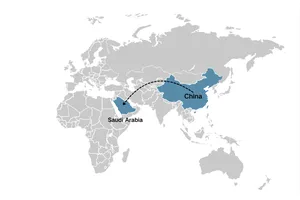
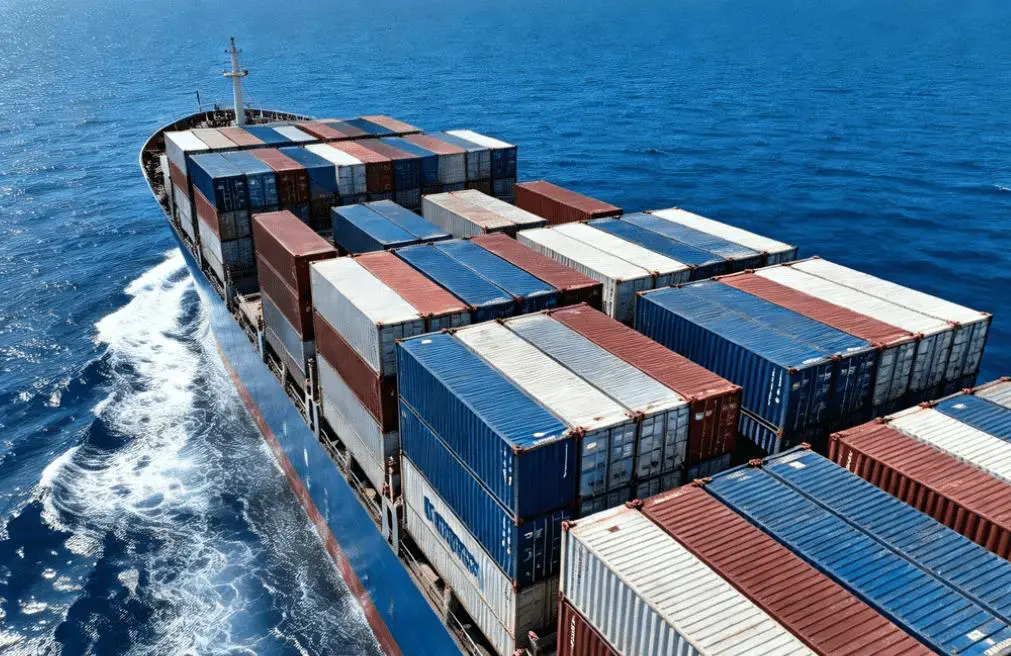
Shipping from Shanghai to Saudi Arabia is a critical logistics route, connecting one of China's largest export hubs with the Middle East's key economic powerhouse. This route serves a diverse range of industries, including electronics, machinery, textiles, automotive components, and consumer goods. Given the volume and value of goods traded, understanding the logistics landscape is crucial for importers, exporters, and supply chain managers.
Key Trade Routes and Major Ports
The primary shipping route between Shanghai and Saudi Arabia typically traverses the South China Sea, passes through the Strait of Malacca, then across the Indian Ocean to the Red Sea, finally reaching Saudi ports. The main shipping options include direct services as well as transshipment via key regional hubs such as Singapore or Jebel Ali (UAE).
Major Ports in Shanghai:
- Shanghai Port (CNSHA): The world's busiest container port, handling over 47 million TEU annually. Equipped with state-of-the-art facilities, it serves as the main gateway for exports to the Middle East.
- Waigaoqiao Port: A key terminal within the Shanghai port complex, specializing in containerized cargo.
Major Ports in Saudi Arabia:
- Jeddah Islamic Port (SAJED): The busiest port in Saudi Arabia, handling over 65% of the country’s imports. Strategically located on the Red Sea coast.
- King Abdul Aziz Port, Dammam (SADMM): Located on the Arabian Gulf, vital for shipments to eastern Saudi Arabia.
- King Abdullah Port: A newer facility with advanced infrastructure, increasingly used for international freight.
These ports are well-equipped for handling both Full Container Load (FCL) and Less-than-Container Load (LCL) shipments, as well as bulk cargo. Thanks to ongoing investment in port infrastructure, cargo handling efficiency and turnaround times have improved significantly in recent years.
For readers interested in related trade lanes in the Middle East region, see our article on Shipping From ShenZhen to Iran.
Main Shipping Methods: Sea Freight, Air Freight, and Express
When shipping from Shanghai to Saudi Arabia, shippers can choose from three main transportation modes: sea freight, air freight, and express courier services. The optimal choice depends on factors such as cargo volume, value, urgency, and budget.
Comparing Sea Freight and Air Freight Options
| Aspect | Sea Freight | Air Freight |
|---|---|---|
| Typical Transit Time | 18–30 days (port to port) | 3–7 days (airport to airport) |
| Cost per KG | Lower | Higher |
| Cargo Types | Bulky, heavy, large volume | High-value, time-sensitive |
| Container Options | FCL/LCL, OOG, Breakbulk | Bulk, palletized, perishable |
| Environmental Impact | Lower CO2 emissions (per ton) | Higher emissions |
| Reliability | Weather/port delays possible | High reliability, less affected by weather |
Sea freight is the most economical option for large shipments. For example, a 20FT container (with a capacity of 28CBM), 40FT container (56CBM), or 40HQ container (68CBM) can move substantial volumes at competitive rates.
Air freight is preferred for high-value goods, perishable products, or urgent shipments where speed justifies the higher cost. Major airports involved on this route include Shanghai Pudong International Airport (PVG) and King Khalid International Airport, Riyadh (RUH).
Pros and Cons of Each Shipping Mode
| Mode | Pros | Cons |
|---|---|---|
| Sea Freight | Cost-effective for large/bulky cargo <br> Flexible container options (FCL/LCL) <br> Suitable for hazardous & special cargo | Slower transit time <br> Subject to port congestion/delays <br> More complex documentation |
| Air Freight | Fastest transit time <br> High reliability <br> Minimal risk of damage/theft | Much higher cost <br> Strict weight/size limits <br> Limited for dangerous goods |
| Express | Door-to-door convenience <br> Fast customs clearance <br> Suitable for small parcels | Most expensive per KG <br> Limited by parcel size/weight <br> Not suitable for bulk cargo |
When to Choose Express Shipping
Express courier services (such as DHL, FedEx, UPS) are best suited for:
- Small parcels (typically under 100kg)
- Documents and samples
- E-commerce orders
- High-value, time-critical shipments
Express shipping offers the fastest possible delivery, often within 3–5 business days from Shanghai to major Saudi cities like Riyadh, Jeddah, or Dammam. Customs formalities are handled by the carrier, reducing paperwork for the shipper. However, the cost is significantly higher than sea or air freight, so this mode is recommended only when speed outweighs cost considerations.
For a deeper dive into regional logistics, you may also want to explore shipping options between China and other Middle Eastern countries, such as Shipping From ShenZhen to Turkey.
For detailed quotations and tailored logistics solutions, contact our team for the latest market insights and professional advice.
Step-by-Step Shipping Process from Shanghai to Saudi Arabia
Shipping goods from Shanghai to Saudi Arabia involves several well-structured steps to ensure timely, compliant, and cost-effective delivery. As a logistics expert with over a decade of experience, I will guide you through the key stages of the process, ensuring you understand all requirements and best practices.
Booking and Preparing Your Shipment
-
Select a Freight Forwarder:
Choose a reliable and experienced partner such as DTFU International Logistics Co.,Ltd, which offers comprehensive services including Sea Freight, Air Freight, Warehouse, Cargo Insurance, and Door-to-Door Delivery. Working with an expert ensures smooth communication between suppliers, shipping lines, and customs authorities. -
Choose Shipping Method & Service:
Decide between Full Container Load (FCL) or Less Than Container Load (LCL) for sea freight, or opt for Air Freight or Express services based on your cargo’s urgency, volume, and value. -
Book the Shipment:
Once the shipping method is confirmed, your freight forwarder will book space with the shipping line or airline and schedule the pickup. It's essential to confirm cargo readiness with your supplier to avoid demurrage or storage costs. -
Cargo Preparation:
- Packaging: Use robust packaging materials to withstand long transit and handling. Follow any special requirements for dangerous goods, temperature-sensitive cargo, or oversized items.
- Labelling: All packages should be clearly labeled with the consignee’s details, destination, and handling instructions.
- Inspection: For certain product categories (like electronics or textiles), China Customs may require pre-shipment inspection or certification.
Required Shipping Documents and Customs Paperwork
Proper documentation is critical for international shipments, ensuring smooth customs clearance. Here are the main documents required:
| Document Name | Description | Required For |
|---|---|---|
| Bill of Lading (B/L) | Key document issued by the carrier as proof of shipment and title to goods | Sea Freight |
| Air Waybill (AWB) | Issued by airline as shipment receipt and contract of carriage | Air Freight |
| Commercial Invoice | Detailed invoice listing product, value, and terms of sale | All Shipments |
| Packing List | Itemized list of cargo, weight, dimensions, and packaging details | All Shipments |
| Certificate of Origin | Confirms goods’ country of manufacture; may affect duty rates | All Shipments |
| Insurance Certificate | Proof of cargo insurance (recommended for high-value shipments) | Optional |
| Export/Import Licenses | Required for restricted items by Chinese/Saudi law | Special Items |
| SASO Certificate | Saudi Arabia Standard Organization certificate for conformity | Most Exports to KSA |
Note: Missing or incorrect paperwork can cause delays, additional costs, or confiscation at customs. DTFU International Logistics provides expert assistance in document preparation.
Customs Clearance Procedures in Shanghai and Saudi Arabia
Customs Clearance in Shanghai, China
- Export Declaration: Your forwarder files a customs declaration electronically. Accurate HS codes, values, and product descriptions are vital.
- Inspection & Approval: Customs may inspect your cargo. Once approved, your shipment is loaded onto the vessel or plane.
Customs Clearance in Saudi Arabia
- Import Declaration: Upon arrival at a Saudi port (e.g., Jeddah Islamic Port, King Abdullah Port, or Dammam Port), the importer or their agent submits an import declaration via the FASAH platform.
- Document Review: Saudi Customs reviews all submitted documents, including the SASO Certificate for compliance with local standards.
- Duty & Tax Payment: The importer pays applicable duties, Value Added Tax (VAT), and any other fees.
- Inspection: Select shipments may undergo physical inspection.
- Release: Once cleared, cargo is released for pickup or onward delivery.
Tip: DTFU International Logistics provides one-stop customs clearance services, significantly reducing the risk of delays and compliance issues.
Transit Times and Estimated Delivery Schedules
Understanding transit times and delivery schedules is crucial for planning your supply chain and meeting customer expectations. Below is an overview based on the latest shipping data (Dec 2025):
Typical Shipping Times for Sea Freight
Sea Freight is the most popular and cost-effective option for large volumes. Transit times depend on the port pair and service level (direct or transshipment).
| Shanghai Port Departure | Saudi Arabia Arrival Port | Estimated Transit Time | Frequency |
|---|---|---|---|
| Shanghai | Jeddah Islamic Port | 22–28 days | Weekly |
| Shanghai | Dammam Port | 25–32 days | Weekly |
| Shanghai | King Abdullah Port | 22–28 days | Weekly |
LCL shipments may take an additional 5–7 days due to consolidation/deconsolidation processes.
For more information on shipping durations and comparisons to other destinations, check out our analysis of Shipping time from china to Saudi Arabia.
Air Freight Transit Times and Reliability
Air Freight is ideal for urgent, high-value, or perishable shipments. It offers much faster transit compared to sea freight.
| Shanghai Airport (PVG) | Saudi Arabia Airport Arrival | Estimated Transit Time (Direct) | Frequency |
|---|---|---|---|
| Shanghai (PVG) | Riyadh (RUH) | 2–4 days | Daily |
| Shanghai (PVG) | Jeddah (JED) | 2–4 days | Daily |
| Shanghai (PVG) | Dammam (DMM) | 3–5 days | Several/Week |
Air freight is highly reliable. However, actual delivery times may vary due to factors like customs clearance or flight availability.
Factors Affecting Delivery Speed
Several variables can influence the total delivery time for shipments from Shanghai to Saudi Arabia:
- Shipping Mode: Air is faster but more expensive; sea is slower but cost-effective.
- Port/Airport Congestion: Peak seasons (e.g., Ramadan, Chinese New Year) may cause longer wait times.
- Customs Clearance: Incomplete paperwork or random inspections can delay clearance at both origin and destination.
- Transshipment: Indirect routes with transshipment in Singapore, Dubai, or other hubs can extend shipping times.
- Weather Conditions: Typhoons, sandstorms, or other adverse weather events can impact schedules.
- Regulatory Changes: New Saudi customs or import regulations (such as recent updates to SASO requirements or VAT policy changes) may affect clearance times.
Final Thoughts
Efficiently shipping from Shanghai to Saudi Arabia requires careful preparation, accurate documentation, and choosing the right logistics partner. By following these steps and understanding the transit dynamics, you can optimize your supply chain, minimize risks, and achieve timely deliveries.
For tailored solutions and expert support, consider partnering with DTFU International Logistics Co.,Ltd—your trusted, one-stop freight forwarding provider for global trade. We offer sea, air, express, and value-added logistics services to ensure your shipments arrive safely, swiftly, and cost-effectively.
How Much Does It Cost to Ship from Shanghai to Saudi Arabia?
When considering shipping from Shanghai to Saudi Arabia, understanding the cost structures and factors that influence freight rates is crucial for effective budgeting and decision-making. Below, I break down the main cost aspects based on the most common shipping methods and offer practical guidance for reducing your logistics expenses.
Cost Breakdown by Shipping Method
The total shipping cost varies significantly depending on the chosen transportation mode: Sea Freight, Air Freight, or Express Services. Each method serves different business needs and budget levels.
| Shipping Method | Typical Transit Time | Cost Range (per 20ft container or 100kg air cargo) | Suitable For |
|---|---|---|---|
| Sea Freight (FCL/LCL) | 20–30 days | USD 1,400–2,400 (20ft FCL) <br>USD 70–140/cbm (LCL) | Large, non-urgent shipments |
| Air Freight | 3–7 days | USD 6.5–9.5/kg | Urgent, high-value cargo |
| Express | 2–5 days | USD 10–18/kg | Small, time-sensitive parcels |
Rates as of Dec 2025; actual prices depend on cargo type, volume, season, and current market conditions.
Additional Fees to Consider
- Port charges at Shanghai Port or Jeddah Islamic Port, including terminal handling, documentation, and security fees.
- Customs clearance and import duties in Saudi Arabia.
- Insurance (recommended for high-value shipments).
- Inland transportation (trucking from supplier to port, or from Saudi port to the consignee).
- Warehouse and storage fees (if applicable).
Key Factors Impacting Freight Rates
Several variables can affect the overall shipping cost between China and Saudi Arabia:
-
Cargo Volume and Weight
Larger or heavier shipments generally benefit from lower per-unit costs, especially in FCL (Full Container Load) sea freight. -
Seasonality
Peak shipping seasons (e.g., before Ramadan, Chinese New Year) can drive up rates due to high demand. -
Type of Goods
Dangerous goods, oversized cargo, or items requiring specific handling incur extra fees. -
Route and Port Selection
Major ports such as Shanghai Port and Jeddah Islamic Port offer more frequent sailings and often lower costs due to higher competition. -
Fuel Surcharges & Currency Fluctuations
Bunker Adjustment Factors (BAF) and exchange rate variations may impact final charges. -
Incoterms
The agreed Incoterm (e.g., FOB, CIF, DAP) determines how costs and risks are divided between the shipper and consignee.
As you compare costs with other routes, you may be interested in our coverage of Container shipping rates from china to Saudi Arabia for the latest market trends.
Tips to Reduce Shipping Expenses
- Consolidate Shipments: Combine smaller shipments with others (LCL or groupage) to take advantage of volume discounts.
- Plan Ahead: Avoid peak seasons and book early to secure better rates.
- Choose the Right Container Type: Use standard 20ft/40ft or High Cube containers appropriately based on cargo size (20ft: 28CBM, 40ft: 56CBM, 40HQ: 68CBM, 45HQ: 78CBM).
- Work with a Trusted Freight Forwarder: Professional partners like DTFU International Logistics Co.,Ltd provide transparent pricing, optimize routes, and help avoid hidden costs.
- Consider Door-to-Door Services: Integrated solutions can lower overall costs by streamlining customs clearance and local delivery.
- Negotiate Long-term Contracts: If you have regular shipments, fixed-rate or contract pricing can offer significant savings.
Customs Regulations, Duties, and Import Restrictions
Navigating customs regulations is one of the most critical aspects of shipping from Shanghai to Saudi Arabia. Compliance ensures timely clearance and avoids costly penalties.
Saudi Arabia Import Requirements and Prohibited Items
Saudi Customs enforces strict documentation and product compliance rules:
- Mandatory Documents:
- Commercial Invoice
- Packing List
- Bill of Lading/Air Waybill
- Certificate of Origin (attested by the China Council for the Promotion of International Trade (CCPIT))
- Conformity Certificate (SASO/Sabic, where applicable)
- Product-Specific Regulations:
- Electrical and electronic goods must comply with SASO standards.
- Food, cosmetics, and pharmaceuticals require prior registration and additional health certificates.
- Prohibited/Restricted Items:
- Alcohol, pork products, ********s, gambling devices, and certain religious materials are strictly banned.
- Some products (e.g., telecommunications equipment, chemicals) require advance import permits.
- Always check the latest updates on the Saudi Customs Authority website or consult a professional freight forwarder for real-time guidance.
Understanding Duties, Taxes, and VAT
- Customs Duties: Most goods face a standard import duty of 5–15%, depending on the HS code. Preferential rates may apply for certain product categories under trade agreements.
- Value Added Tax (VAT): Saudi Arabia has a 15% VAT on imports, calculated based on CIF (Cost + Insurance + Freight) value plus import duty.
- Other Charges: Excise tax may apply to tobacco, energy drinks, and similar items.
| Item Type | Import Duty Rate | VAT Rate | Notes |
|---|---|---|---|
| General Merchandise | 5–15% | 15% | Based on product’s HS code |
| Tobacco, Energy Drinks | Up to 100% | 15% | Subject to excise tax as well |
| Certain Food Items | 0–5% | 15% | Some basic foods are duty free |
- Pro Tip: Advance classification and duty estimation can prevent unexpected costs. A reliable logistics partner such as DTFU International Logistics Co.,Ltd can assist in documentation and compliance, minimizing the risk of delays or fines.
How to Choose a Reliable Freight Forwarder for Shanghai–Saudi Arabia Shipments
Selecting the right freight forwarder is key to smooth, cost-effective, and compliant shipments from Shanghai to Saudi Arabia.
Key Criteria for Selection:
-
Experience and Track Record:
Choose a forwarder with proven experience in the China–Saudi Arabia trade lane, knowledgeable about both origin and destination regulations. -
Comprehensive Service Portfolio:
Look for providers offering a full suite of solutions, including Sea Freight, Air Freight, Amazon FBA, Warehouse, Cargo Insurance, Customs Clearance, Door-to-Door, and specialized services like OOG Freight, Consolidated Freight, and Breakbulk Freight. -
Transparent Pricing & Communication:
Reliable forwarders provide clear quotations, detailed breakdowns, and proactive updates. -
Strong Local Presence:
Agents or offices in both Shanghai and major Saudi Arabian cities (e.g., Jeddah, Dammam, Riyadh) are essential for efficient coordination. -
Value-Added Services:
Offerings such as cargo insurance, real-time tracking, and supply chain consultancy add significant value. -
Customer References and Reviews:
Check testimonials, case studies, and third-party ratings.
Why Choose DTFU International Logistics Co.,Ltd?
As a highly professional, cost-effective, and high-quality logistics partner, DTFU International Logistics Co.,Ltd delivers one-stop solutions for all your Shanghai–Saudi Arabia shipping needs. With over a decade of expertise, our team ensures:
- Comprehensive Services: Covering FCL/LCL sea freight, air freight, warehousing, cargo insurance, customs clearance, and more.
- Deep Market Knowledge: Up-to-date with the latest regulatory changes, including Saudi Arabia’s Vision 2030 and logistics reforms.
- Dedicated Support: Personalized assistance from booking to final delivery.
- Competitive Rates: Leveraging strong carrier partnerships to secure the best possible rates and transit times.
For expert advice or a tailored shipping quote, contact the DTFU International Logistics team today. We are committed to supporting your global trade with professionalism and reliability.