As a Senior Logistics Expert at DTFU International Logistics with over a decade of hands-on experience, I frequently see importers struggle with the unique bottleneck of moving cargo into a landlocked country. If you are dealing with delays at transshipment ports or unexpected inland costs, you are not alone. Mastering sea shipping from China to Paraguay requires more than just booking a container; it demands strategic routing through neighboring countries and strict customs compliance. In this comprehensive 2026 guide, I will walk you through everything you need to know about FCL, LCL, special cargo, major ports, realistic transit times, and how to secure preferential contract rates.
Overview of Sea Shipping from China to Paraguay
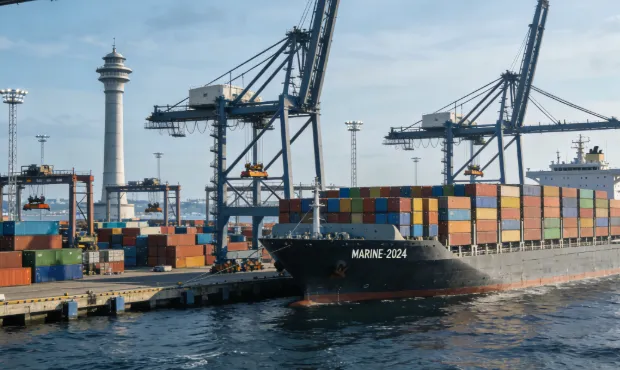
Shipping goods by sea from China to Paraguay is a highly specialized logistics operation. Because Paraguay is landlocked, it relies entirely on a multimodal approach. In our daily operations, we route most sea shipments through major gateway ports in Brazil (like Santos Port) or Argentina (Buenos Aires Port), before transferring the cargo via the Paraná-Paraguay river barge system or cross-border trucking.
Entering 2026, the demand for robust sea freight solutions between China and Paraguay has surged, particularly for high-tech electronics, automotive parts, and industrial machinery. However, navigating local nuances—such as seasonal draft restrictions on the Paraguay River and transshipment delays—requires an experienced partner. If you are interested in neighboring trade routes, you may also want to see Sea Shipping cost from China to Brazil and Sea Shipping from China to Peru for comparison.
For seamless execution, partnering with a forwarder like DTFU International Logistics Co.,Ltd ensures you benefit from our established inland networks and below-market average shipping rates.
Shipping Methods: FCL, LCL, and Special Cargo Options
When shipping from China to Paraguay, you can choose from several sea freight methods, each tailored to different cargo sizes, budgets, and urgency. The main shipping methods include Full Container Load (FCL), Less than Container Load (LCL), and specialized solutions for oversized or unusual cargo.
Full Container Load (FCL) vs. Less than Container Load (LCL)
| Criteria | Full Container Load (FCL) | Less than Container Load (LCL) |
|---|---|---|
| Container Types | 20FT (28CBM), 40FT (56CBM), 40HQ (68CBM), 45HQ (78CBM) | Shared containers with multiple shippers |
| Typical Users | Large-volume shippers | Small/medium shipments |
| Cost Structure | Fixed per container (cost-effective for larger cargo) | Pay per CBM or weight |
| Security | Cargo is isolated; less risk of damage or loss | Mixed with other cargo; slightly higher risk |
| Transit Time | Usually faster; direct shipment | May be slower due to consolidation |
| Flexibility | Best for single consignee, large batches | Flexible for smaller, multiple consignments |
| Customs | Simple, one set of documents per container | Consolidated custom clearance |
- FCL is recommended if your shipment can fill at least half a 20FT or 40FT container, or if your cargo is sensitive, high-value, or requires special handling.
- LCL is ideal for businesses with lower shipping volumes, e.g., SMEs or e-commerce sellers, who want to minimize costs by sharing space and splitting expenses.
Example: Container Capacity Reference
| Container Type | Internal Capacity (CBM) | Typical Weight Limit (KG) | Ideal for |
|---|---|---|---|
| 20FT | 28 | 22,000 | Heavy, dense goods; standard cargo |
| 40FT | 56 | 26,000 | Large, bulky shipments |
| 40HQ | 68 | 26,000 | Voluminous but lighter goods |
| 45HQ | 78 | 29,000 | Oversized, lightweight goods |
Shipping Oversized, Bulk, or Special Cargo
Not all shipments fit standard containers. DTFU International Logistics Co.,Ltd provides tailored solutions for:
- Oversized Cargo: Machinery, industrial equipment, construction materials.
- Breakbulk Shipments: Items too large for containers, shipped individually.
- OOG (Out-of-Gauge) Freight: Cargo exceeding standard container dimensions (handled with flat rack or open-top containers).
- Bulk Cargo: Commodities like grain, minerals, or liquids.
- Hazardous and Restricted Goods: Requires compliance with international safety standards and specialized documentation.
We assist with route planning, securing special equipment, and ensuring regulatory compliance for all unique cargo needs.
Choosing the Right Shipping Option for Your Needs
Selecting the best shipping method for your trade between China and Paraguay depends on:
- Cargo Volume & Type: Large or regular shipments often benefit from FCL, while smaller, irregular shipments are best suited for LCL.
- Budget: FCL is more economical per unit for larger loads. For occasional or less-than-container loads, LCL splits the costs.
- Urgency: FCL often offers faster processing and fewer delays. If time is critical, consider air freight as an alternative. For further reading, check out Air Freight vs Express: Which Is Faster and More Cost-Effective from China to USA.
- Security: High-value or delicate cargo benefits from dedicated containers (FCL) to avoid damage during consolidation.
- Special Requirements: If you ship hazardous goods or machinery, select the appropriate freight solution—OOG, breakbulk, or bulk.
A professional partner like DTFU International Logistics Co.,Ltd will analyze your shipment details, provide transparent quotes, and recommend the most suitable logistics plan—including multimodal options to ensure smooth delivery to landlocked Paraguay.
Key Takeaway: The best shipping option balances cost, speed, cargo safety, and compliance. Consult with your freight forwarder to tailor the ideal solution for your trade.
For expert guidance on shipping from China to Paraguay, including FCL, LCL, OOG, breakbulk, and door-to-door solutions, contact our team at DTFU Logistics. We offer professional, cost-effective, and comprehensive freight services for global traders.
Step-by-Step Sea Shipping Process from China to Paraguay
Shipping goods by sea from China to Paraguay involves several key steps. Understanding each phase helps ensure a smooth, cost-effective, and compliant logistics operation. Below, I provide a detailed, professional breakdown based on the latest global freight practices and with a focus on efficiency and regulatory compliance.
Preparing Your Cargo: Documentation and Packing Requirements
Proper cargo preparation is essential for successful sea shipping, minimizing risk, and ensuring compliance with both Chinese and Paraguayan regulations.
Key Documentation:
- Bill of Lading (B/L): The primary document for sea shipments, serving as a contract and title of goods.
- Commercial Invoice: Should detail quantity, description, and value. Accuracy is vital for customs clearance.
- Packing List: Lists detailed contents, weights, and packaging types for verification.
- Certificate of Origin: Sometimes required to determine applicable tariffs and for trade agreements.
- Export/Import Licenses: Depending on commodity type, additional permits may be necessary.
- Insurance Certificate: Highly recommended to cover potential loss or damage in transit.
Packing Requirements:
- Use strong, seaworthy packaging. ISPM-15 regulations require wood packaging to be heat-treated or fumigated.
- Ensure labeling matches documents precisely. Each package should have clear marks indicating destination, consignee, and weight.
- For FCL (Full Container Load), cargo should be palletized and secured to prevent shifting. For LCL (Less than Container Load), expect consolidation with other shipments—proper internal packing protects against cross-contamination or accidental damage.
Expert Tip from Ivan Chan: Early coordination with your freight forwarder (like DTFU International Logistics Co.,Ltd) ensures documentation meets both origin and destination requirements, minimizing customs issues.
Customs Clearance Procedures in China and Paraguay
Navigating customs is a critical part of the shipping process. Both China and Paraguay have distinct regulations to follow.
In China:
- Export Declaration: Submit the commercial invoice, packing list, and contract to Chinese customs, along with the export license if required.
- Inspection: High-risk or random cargo may be physically inspected.
- Release: After clearance, the shipment is loaded onto the vessel.
In Paraguay:
- Import Declaration: Submit documents including the Bill of Lading, commercial invoice, and certificate of origin to Paraguayan Customs (Aduanas Paraguayas).
- Duties & Taxes: Duties are typically calculated based on the CIF value (Cost, Insurance, Freight). Some items may qualify for reduced tariffs under bilateral agreements.
- Inspection: SENAVE or DINACOMEX may inspect specific categories (agriculture, chemicals, electronics).
- Release: After payment of duties and approval, cargo is released for final delivery.
| Step | China (Origin) | Paraguay (Destination) |
|---|---|---|
| Declaration | Export License, Invoice | Import License, Invoice |
| Inspection | Random/High-Risk | Targeted (per commodity) |
| Clearance | Port Customs | Aduanas Paraguayas |
| Duties | VAT Refund for exporters | CIF-based import taxes |
Best Practice: Work with an experienced provider like DTFU International Logistics Co.,Ltd, who offers one-stop customs clearance to streamline both sides of the process.
Import Regulations and Compliance Tips
Paraguay has specific import regulations that must be met for a successful shipment:
- Restricted Goods: Certain goods (e.g., pharmaceuticals, electronics, food, and agricultural products) require specific permits and certifications.
- Product Standards: Compliance with technical and sanitary standards is mandatory for several categories.
- Labelling: All imported goods must be labeled in Spanish with product details, country of origin, and importer information.
- Taxation: Standard import duties range from 0-35%, with VAT at 10%. Some products may attract additional taxes.
- Prohibited Items: Some items (e.g., hazardous waste, certain chemicals, counterfeit goods) are strictly forbidden.
Compliance Tips:
- Consult the Paraguayan Customs Authority (Dirección Nacional de Aduanas) for up-to-date regulations.
- Engage a logistics partner with proven Paraguay customs expertise.
- Prepare all documents upfront to avoid costly delays.
Major Ports and Transit Routes Used for China-Paraguay Sea Freight
Because Paraguay is a landlocked country, sea shipments are routed through regional ports, often involving multimodal transport. Choosing the right ports and transit routes is crucial for cost, speed, and reliability.
Primary Chinese Ports for Exporting to Paraguay
Most exports depart from major Chinese ports with robust connections to South America:
| Port Name | Location | Advantages | Typical Use Case |
|---|---|---|---|
| Shanghai | East China | Largest port, extensive global network, fast sailings | High-volume, all cargo types |
| Shenzhen | South China | Proximity to manufacturing, consolidated LCL options | Electronics, machinery |
| Ningbo-Zhoushan | East China | High efficiency, lower congestion | FCL & bulk goods |
| Qingdao | North China | Grain, chemicals, industrial exports | Special/bulk cargo |
| Guangzhou | South China | Good for textiles, consumer goods | SMEs, cross-border e-commerce |
DTFU International Logistics Co.,Ltd can help recommend the best port based on your cargo type, location, and shipping schedule.
Common Transshipment Ports and Final Destinations in Paraguay
Since Paraguay has no seaports, shipments typically arrive at major South American ports, then move inland by river or road.
Most Common Transit Route:
-
Sea Leg: Shipment departs China, arrives at a South American gateway port (usually in Brazil, Argentina, or Uruguay).
-
Transshipment Port: Main options include:
- Port of Santos (Brazil): Largest in South America, frequent and reliable sailings.
- Port of Buenos Aires (Argentina): Key hub for Southern Cone.
- Port of Montevideo (Uruguay): Offers efficient customs, less congestion.
-
Inland Transport:
- River Barge: Via the Paraná–Paraguay Waterway to Asunción (Paraguay's capital and main logistics hub).
- Road Freight: Via cross-border trucking from the above ports to Paraguay.
| China Port | Transshipment Port | Inland Mode | Paraguay Destination |
|---|---|---|---|
| Shanghai | Santos (Brazil) | River/Road | Asunción, Ciudad del Este |
| Ningbo | Buenos Aires (Argentina) | River/Road | Asunción |
| Shenzhen | Montevideo (Uruguay) | Road | Encarnación, Asunción |
Estimated Shipping Time: 35–50 days, depending on route, vessel schedule, and inland transit.
Professional Insight: As of 2026, the Paraná–Paraguay Waterway infrastructure upgrades have significantly stabilized draft levels during the dry season, reducing barge bottlenecks and improving overall transit reliability (source: Latin American Logistics Outlook 2026).
In summary, shipping from China to Paraguay by sea is a multi-step process involving careful preparation, compliance with both Chinese and Paraguayan regulations, and the strategic use of ports and multimodal corridors. Partnering with a leading freight forwarder like DTFU International Logistics Co.,Ltd, which offers end-to-end services including sea, road, customs clearance, warehousing, and insurance, ensures your cargo arrives safely, on time, and at optimal cost.
For tailored advice or a no-obligation quote, contact Ivan Chan, Senior Logistics Analyst, at DTFU International Logistics Co.,Ltd—your trusted logistics partner for global trade.
How Long Does Sea Shipping Take from China to Paraguay?
Estimated Transit Times and Factors Affecting Shipping Duration
When shipping goods by sea from China to Paraguay, transit times are a key consideration for both businesses and individuals. Unlike direct routes between major global trade partners, the China-Paraguay route typically involves transshipment at one or more intermediate ports, as Paraguay is a landlocked country. Cargo usually arrives at ports in neighboring countries—most commonly Buenos Aires in Argentina or Montevideo in Uruguay—and is then transported overland to Paraguay.
Typical Transit Time Table
| Origin Port | Main Transshipment Port(s) | Final Delivery (to Paraguay) | Estimated Sea Transit Time | Overland Transit Time | Total Estimated Time* |
|---|---|---|---|---|---|
| Shanghai | Buenos Aires, Montevideo | Asunción or other cities | 35-45 days | 3-7 days | 38-52 days |
| Shenzhen | Buenos Aires, Montevideo | Asunción or other cities | 34-44 days | 3-7 days | 37-51 days |
| Ningbo | Buenos Aires, Montevideo | Asunción or other cities | 36-46 days | 3-7 days | 39-53 days |
| Qingdao | Buenos Aires, Montevideo | Asunción or other cities | 38-48 days | 3-7 days | 41-55 days |
*Total Estimated Time includes sea transit and average inland transportation to Paraguay.
Key Factors Affecting Shipping Duration
- Route and Transshipment Dynamics: As of 2026, global shipping alliance restructurings mean you must carefully choose your carrier. The transfer at third-country hubs like Santos or Buenos Aires can add 5–12 days depending on connection synergy.
- Port Congestion: In our experience, while Chinese ports operate efficiently, peak season bottlenecks at South American transshipment terminals can delay inland dispatch.
- Customs Clearance: Efficient documentation and compliance speed up clearance. However, any discrepancy with Brazil's Siscomex or Paraguay's DNA systems will cause immediate delays.
- Carrier Schedules: Not all shipping lines operate weekly; frequency can impact lead times.
- Cargo Type: Special or oversized cargo may require additional handling time, affecting overall delivery.
- Weather and Seasonal Impacts: The Paraguay River's draft heavily dictates barge schedules. While recent dredging helps, dry seasons can still limit barge loads, while heavy rainfall (November–March) disrupts trucking via routes like the Serra do Mar highway.
Seasonal Impacts, Delays, and How to Plan Shipping Schedules
Shipping schedules are directly impacted by seasonal fluctuations, both in China and South America.
Seasonal Impacts
- Chinese National Holidays: Shipments around Chinese New Year (usually between January and February) and Golden Week (early October) often experience port congestion and longer lead times. Plan at least 2-3 weeks ahead during these windows.
- South American Rainy Season: From November to March, heavy rains may impact inland transport from Buenos Aires or Montevideo to Paraguay. This can delay delivery to the final destination.
- Global Peak Shipping Season: August to October is peak season for global imports linked to holiday sales. Bookings during this period often need even more lead time.
Tips for Planning Shipping Schedules
- Book Early: Secure space with your freight forwarder 3–5 weeks before your desired ship date during peak seasons.
- Buffer Time: Always include extra days in your timeline to account for possible delays in transshipment and inland delivery.
- Real-Time Tracking: Use digital tracking solutions provided by reputable freight forwarders like DTFU International Logistics Co.,Ltd to monitor your shipment’s progress and receive timely updates.
- Flexible Delivery Options: Consider both FCL (Full Container Load) and LCL (Less than Container Load) based on urgency and shipment size.
Sea Freight Costs from China to Paraguay: Breakdown and Optimization
Main Cost Components: Freight, Surcharges, and Local Charges
Understanding the full cost structure is essential for budgeting and optimizing your international shipping expenses. Below are the main components involved when shipping by sea from China to Paraguay:
1. Freight Charges
- This is the basic ocean freight cost from the origin port (e.g., Shanghai) to the transshipment port (e.g., Buenos Aires, Montevideo), and includes the onward shipment to the nearest port to Paraguay.
2. Surcharges
- BAF (Bunker Adjustment Factor): Adjusts for fuel price fluctuations.
- CAF (Currency Adjustment Factor): Mitigates currency risk.
- Peak Season Surcharge (PSS): Applies during high demand periods.
- War Risk Surcharge: Occasionally levied during political instability.
3. Local Charges
- Origin charges: Terminal handling, documentation, customs clearance, and export fees in China.
- Destination/Transit charges: If transshipping through Brazil, remember to account for potential Armazenagem (storage fees) and the mandatory AFRMM (Merchant Marine Renewal Tax) which can add ~8% to the sea freight portion. You will also need to engage a local Despachante Aduaneiro (customs broker) or an integrated partner to handle the transit declarations smoothly without incurring fines. Import customs clearance, terminal handling, and overland transport complete the delivery into Paraguay.
4. Inland Transportation
- The cost to truck or rail cargo from the destination port (in Argentina or Uruguay) to the final delivery point in Paraguay.
- Charges may also include border crossing fees and local taxes.
5. Optional Services
- Cargo insurance
- Warehousing/storage
- Customs brokerage
- Door-to-door service
Sample Cost Breakdown Table (for Reference)
| Cost Component | FCL (40’HQ Container) | LCL (per CBM) |
|---|---|---|
| Ocean Freight | $4,500–$6,000 | $130–$180 |
| Origin Charges (China) | $300–$500 | $30–$60 |
| Destination Charges (Argentina/Uruguay) | $400–$900 | $40–$90 |
| Inland Delivery to Paraguay | $2,200–$3,500 | $80–$120 |
| Insurance (Optional) | $80–$150 | $3–$6 |
| Total Estimated Cost | $7,480–$11,050 | $283–$456 (per CBM) |
*Prices vary according to season, carrier, container type, shipment volume, and service provider. For a precise, up-to-date quote, consult a reputable freight forwarder such as DTFU International Logistics Co.,Ltd. For those shipping to other South American destinations, you may wish to compare with the Sea Shipping from China to Peru article for regional pricing insights.
Tips to Reduce Your International Shipping Expenses
-
Optimize Shipment Size and Mode
- Consolidate shipments to maximize container space, especially for LCL cargo.
- Choose the right container type (20FT, 40FT, 40HQ, 45HQ) based on actual cargo volume (see industry knowledge on container capacity).
-
Leverage Reputable Freight Forwarders
- Work with experienced providers like DTFU International Logistics Co.,Ltd who offer one-stop international logistics solutions, including sea freight, inland trucking, warehousing, and customs clearance. This integrated approach often leads to cost savings and simplified processes.
-
Plan Shipments Around Off-Peak Seasons
- Shipping during non-peak seasons allows you to leverage below-market average rates, avoiding steep peak season surcharges (PSS).
-
Book Early and Secure Preferential Contract Rates
- We always advise clients to forecast their Q3/Q4 volume by Q2. Early booking not only secures vessel space but unlocks preferential contract rates for consistent volume.
-
Avoid Demurrage and Detention Fees
- Arrange for prompt cargo pick-up and return of containers to avoid costly port storage and container demurrage charges.
-
Ensure Accurate Documentation
- Complete and correct paperwork minimizes customs delays, reducing the risk of extra charges.
-
Explore Cargo Insurance Options
- Protect your goods from loss or damage with tailored insurance solutions, often offered at competitive rates by providers like DTFU International Logistics Co.,Ltd.
-
Track and Monitor Shipments Digitally
- Use advanced tracking and shipment management tools to optimize supply chain visibility and reduce costly delays.
Customs Clearance and Import Regulations for Paraguay
A successful Sea Shipping from China to Paraguay operation requires a strong understanding of customs clearance procedures and compliance with Paraguayan import regulations. In my decade of freight forwarding experience, I have seen how incomplete documentation or misunderstanding of regulations can cost businesses extra time and money. Below is an expert breakdown to help you avoid common pitfalls and ensure a smooth shipping experience.
Essential Import Documents and Compliance Requirements
To clear customs in Paraguay, you must prepare a complete set of documents. Missing or inaccurate paperwork is the most frequent reason for shipment delays or fines.
Key Import Documents:
| Document Name | Description & Notes | Required for All Shipments? |
|---|---|---|
| Bill of Lading (B/L) | Issued by the carrier; serves as the shipping contract and receipt. | Yes |
| Commercial Invoice | Details goods’ value, description, and transaction terms. | Yes |
| Packing List | Detailed contents, weights, dimensions, and packaging information. | Yes |
| Certificate of Origin | Certifies product origin; may be required for tariff assessment. | Often |
| Import License | For restricted goods (electronics, chemicals, etc.) | Sometimes |
| Insurance Certificate | Proof of cargo insurance coverage. | Recommended |
| Tax Identification Number (RUC) | Required for all importers in Paraguay. | Yes |
Compliance Requirements:
- All documents must clearly state the HS Codes of goods.
- Values should match across all documents.
- Paraguay is a member of Mercosur, and certain goods enjoy preferential tariffs within the bloc.
- For certain categories, such as food, pharmaceuticals, and electronics, additional permits, sanitary certificates, or technical standards may apply.
Recent 2026 Policy Note: Since the start of 2026, Paraguay’s National Directorate of Customs (DNA) has fully integrated its digital documentation checks with transshipment hubs like Brazil's Siscomex. This means any discrepancy between your China export documents and Paraguay import declarations is instantly flagged, often leading to immediate cargo holds. Ensuring transparency, correct HS codes, and full compliance is now non-negotiable.
Avoiding Common Customs Delays and Fines
Delays at Paraguayan customs can be avoided by following these best practices:
- Double-Check Documentation: Discrepancies between the Bill of Lading, Invoice, and Packing List are a common red flag.
- Clear Product Descriptions: Avoid vague terms such as "parts" or "accessories"; customs inspections are more likely for unclear descriptions.
- Timely Payment of Duties/Taxes: Ensure all import duties and value-added tax (VAT) are paid promptly to prevent cargo holds.
- Know Restricted Goods: Some items (e.g., pharmaceuticals, chemicals, used electronics) need pre-approval or additional certificates.
- Work with Expert Freight Forwarders: A knowledgeable partner will help you avoid costly mistakes.
Top Reasons for Delays/Fines:
| Cause of Delay/Fine | How to Avoid |
|---|---|
| Incomplete or Inaccurate Documentation | Triple-check all forms and data entries. |
| Misclassification of HS Code | Consult an expert or customs broker for correct coding. |
| Failure to Obtain Required Licenses | Check import requirements for your product category early. |
| Under-Declared Value | Use true commercial value, supported by sales contracts. |
| Late Document Submission | Prepare and submit all documents before cargo arrival. |
Choosing a Reliable Freight Forwarder for Shipping from China to Paraguay
Selecting the right freight forwarder is crucial for a seamless Sea Shipping from China to Paraguay experience. Here’s what to consider:
Key Evaluation Criteria:
| Criteria | Why It Matters |
|---|---|
| Experience with Paraguay Shipments | Ensures understanding of local import processes. |
| End-to-End Service Range | Simplifies coordination (sea freight, customs clearance, insurance, warehousing). |
| Transparent Pricing | No hidden fees; clear breakdown of costs. |
| Network and Partnerships | Strong relationships with carriers and local agents speed up transit and clearance. |
| Customer Support | Responsive, English- and Chinese-speaking teams help avoid miscommunications. |
Why Choose DTFU International Logistics Co.,Ltd?
As a highly professional, cost-effective, and reliable one-stop logistics service provider, DTFU International Logistics Co.,Ltd offers:
- Sea Freight, Air Freight, Road Freight, Amazon FBA, Warehouse, Cargo Insurance, One-Stop Customs Clearance, OOG Freight, Consolidated Freight, Breakbulk Freight, and Door-to-Door Services
- Proven track record with China-South America routes, including deep expertise in Paraguayan customs regulations
- Local agent network for faster customs clearance and last-mile delivery
- Personalized shipment tracking and proactive communication at every stage
With DTFU, you can minimize risk, save on costs, and rest assured your cargo will reach its destination smoothly and on schedule.
FAQs
Q1: How long does customs clearance take in Paraguay?
A: Typically, customs clearance at main Paraguayan ports takes 2–4 business days if documentation is complete and accurate. Delays can occur if further inspections or permits are needed.
Q2: Can I ship personal effects or used goods to Paraguay?
A: Yes, but Paraguayan customs has strict rules on used goods. Additional inspections, permits, or import taxes may apply. Consult your freight forwarder for up-to-date guidance.
Q3: Are there any restrictions on goods shipped from China to Paraguay?
A: Yes. Certain goods such as electronics, chemicals, pharmaceuticals, and food require special permits or are subject to import quotas. Always check with your logistics provider before shipping.
Q4: How can I track my sea shipment?
A: Reputable forwarders, such as DTFU International Logistics Co.,Ltd, provide real-time online tracking and regular status updates throughout the sea freight process.
Q5: What are the most common reasons for shipments being held at customs?
A: The most common causes are incomplete or incorrect documents, under-declared values, and lack of required import licenses.