Are you wondering what determines the Sea Shipping cost from China to Yemen and how you can optimize your expenses? As a senior freight forwarding team based in Shenzhen, China, with over 10 years of experience managing Middle East logistics, we know that understanding the complexities of Sea Freight, including key ports, shipping routes, container types, and hidden fees, can be daunting—especially given the recent volatility in the Red Sea.
In this comprehensive guide, we draw from our daily, real-life business experience to break down all the major factors influencing shipping costs. We’ll provide practical tips to secure the best rates, offer exclusive insights into navigating the Customs Clearance process, and help you avoid common pitfalls when shipping from China to Yemen. Whether you are an importer in Aden or a global B2B buyer, our goal is to offer transparent, unbiased, and actionable advice to protect your bottom line.
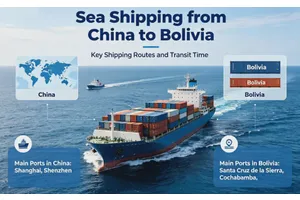
Key Ports in China and Yemen for International Sea Shipping
When shipping by sea from China to Yemen, understanding the main export and import ports is essential for efficient logistics planning and accurate cost calculation.
Major Chinese Ports for Yemen-bound Cargo
China boasts some of the world's busiest and most advanced seaports, crucial for global trade. The following ports are commonly used for shipments destined for Yemen:
| Port Name | Location | Key Features |
|---|---|---|
| Shanghai Port | East China | Largest container port globally, excellent connectivity |
| Shenzhen Port | South China | Hub for electronics, fast customs clearance |
| Ningbo-Zhoushan | East China | High efficiency, handles a wide range of cargo |
| Qingdao Port | North China | Strategic for manufacturing exports, competitive rates |
| Guangzhou Port | South China | Major for machinery, auto parts, textiles |
| Xiamen Port | Southeast China | Flexible for LCL, cost-effective for smaller shipments |
These ports offer extensive shipping schedules to the Middle East and are supported by modern infrastructure, ensuring smooth loading and efficient customs processes.
Main Yemeni Ports for Sea Freight Imports
Yemen relies on several key seaports for international cargo reception:
| Port Name | Location | Key Features |
|---|---|---|
| Aden Port | South Yemen | Largest, deepest port, main gateway for imports |
| Hodeidah Port | West Yemen | Major for general cargo, close to capital Sana'a |
| Mukalla Port | East Yemen | Important for oil, bulk, and project cargo |
Aden Port is the primary import hub, offering the quickest and most regular schedules for full container load (FCL) and less-than-container load (LCL) shipments from China. However, Hodeidah and Mukalla may be preferred for certain cargo types or regional destinations within Yemen.
Trade & Logistics Note: A Real-life Perspective
Due to the current geopolitical context and ongoing security challenges around the Bab-el-Mandeb Strait, transit times and port accessibility can fluctuate drastically. For example, in our recent experience managing a 40HQ container of solar panels to Aden, sudden rerouting requirements extended the transit by 5 days. However, because we maintained transparent communication and pre-arranged a contingency plan, the client avoided costly port storage fees.
It's crucial to work with an experienced freight forwarder like DTFU International Logistics Co.,Ltd to ensure up-to-date routing and honest risk management for your shipments. We never sugarcoat the risks; instead, we provide actionable mitigation strategies.
If you are interested in regional shipping routes and cost comparisons, you might also want to explore Sea Shipping cost from China to Sudan or Sea Shipping cost from China to Libya for insights into neighboring markets.
Main Factors Influencing Sea Shipping Cost from China to Yemen
Understanding the various factors that affect the sea shipping cost from China to Yemen helps businesses budget accurately and make informed logistics decisions.
Distance and Shipping Routes: How They Impact Costs
The geographical distance between the port of origin in China and the destination port in Yemen is a primary cost driver. Typically, sea freight routes from major Chinese ports to Aden or Hodeidah transit through the South China Sea, the Indian Ocean, and the Gulf of Aden.
- Longer distances mean higher fuel consumption, increased transit times, and higher base ocean freight rates.
- Direct routes are faster and may be less costly, but sometimes, due to security or service constraints, cargo might be transshipped at intermediary ports (e.g., Singapore, Jebel Ali in UAE), which can affect both cost and time.
Example of Typical Shipping Distances
| Route | Approximate Distance (Nautical Miles) | Average Transit Time (Days) |
|---|---|---|
| Shanghai → Aden | ~5,100 | 18–25 |
| Shenzhen → Aden | ~4,900 | 17–24 |
| Ningbo → Hodeidah (via transshipment) | ~5,400 | 20–28 |
Note: Transit times are subject to change due to political and security developments in the region.
Container Types: FCL vs LCL Shipping Cost Comparison
The choice between FCL (Full Container Load) and LCL (Less-than-Container Load) significantly influences shipping costs:
| Container Type | Typical Uses | Cost Structure | Advantages |
|---|---|---|---|
| FCL | Large shipments, single consignee | Flat rate per container (20FT, 40FT, 40HQ, 45HQ) | Lower cost per CBM, secure, less handling |
| LCL | Small/medium shipments, shared with other consignors | Charged by CBM/weight, minimum charges apply | Flexible for small loads, no need to fill a container |
Common Container Capacities
| Container Type | Capacity (CBM) |
|---|---|
| 20FT | 28 |
| 40FT | 56 |
| 40HQ | 68 |
| 45HQ | 78 |
FCL is generally more cost-effective per unit for cargo loads above 15-18 CBM. LCL is suitable for smaller shipments but may incur consolidation, handling, and deconsolidation fees.
Expert Insight: We always advise clients to calculate the total landed cost. In our experience, upgrading a 14 CBM shipment to a 20FT FCL is sometimes actually cheaper and much safer than paying the high destination deconsolidation charges typically associated with LCL shipments arriving in Yemeni ports.
Example Cost Comparison (Reference Only)
| Route | FCL (20FT, USD) | LCL (per CBM, USD) |
|---|---|---|
| Shanghai→Aden | $3,500–$4,200 | $180–$250 |
| Shenzhen→Hodeidah | $3,400–$4,100 | $175–$240 |
Note: Rates fluctuate based on market demand and seasonality. Contact DTFU International Logistics Co.,Ltd for current quotes tailored to your cargo.
If you're exploring other sea freight options in the region, our analysis of Sea Shipping cost from China to Sudan provides further insights into cost structures and container choices for nearby routes.
Cargo Volume, Weight, and Nature: Their Effect on Pricing
-
Volume vs. Weight: For sea freight, pricing for LCL is typically based on the greater of the actual weight (in metric tons) or the volume (in cubic meters, CBM), using the formula 1 CBM = 1,000 kg. FCL is usually charged per container, regardless of weight (within container limits).
-
Nature of Goods: Oversized, hazardous, temperature-sensitive, or high-value cargo may attract surcharges or require special handling, affecting shipping costs.
- OOG (Out-of-Gauge), Breakbulk, and Consolidated Freight options are available for special cargo via DTFU International Logistics Co.,Ltd.
-
Packaging: Inefficient packaging increases volume, raising LCL costs. Proper packing minimizes shipping charges.
Seasonal Fluctuations and Market Demand in Sea Freight Rates
Sea freight rates between China and Yemen are highly influenced by seasonal trends and global market conditions.
- Peak Seasons: Rates typically rise during major Chinese export seasons—pre-Chinese New Year (January–February) and Golden Week (October)—due to high demand.
- Off-peak Periods: Lower demand periods may see reduced rates and greater carrier flexibility.
- Global Events: Disruptions such as the COVID-19 pandemic, the Red Sea security situation, or Suez Canal incidents can spike rates or delay shipments.
- Market Capacity: Shipping line capacity reductions, blank sailings, or equipment shortages may also impact costs.
Sea Freight Rate Trends (2026 Snapshot)
| Period | Rate Trend | Remarks |
|---|---|---|
| Q1 | High (pre-CNY rush) | Strong demand, limited space |
| Q2 | Moderate | Increased carrier competition |
| Q3 | Rises towards peak season | Potential container/equipment shortages |
| Q4 | Mixed (post-Golden Week drop, then stabilize) | New contracts, market adjusts |
For the latest market intelligence and to secure the most competitive rates for your shipment from China to Yemen, partnering with an experienced freight forwarder like DTFU International Logistics Co.,Ltd ensures transparent cost analysis and maximized value.
Conclusion
Navigating sea shipping from China to Yemen requires a thorough understanding of ports, container options, cost drivers, and market dynamics. At DTFU International Logistics Co.,Ltd, our team leverages deep industry experience and real-time market data to help global traders, e-commerce sellers, and manufacturers optimize their international logistics operations. For tailored quotes, expert advice, or to book your next shipment, contact us today.
Breakdown of Sea Freight Charges and Hidden Fees
Shipping goods by sea from China to Yemen involves multiple layers of charges. Understanding each cost component is essential for accurate budgeting and cost optimization. At DTFU Logistics, we believe in 100% transparency—no hidden fees. Below, our team breaks down the main types of fees, explains how they are calculated, and highlights potential hidden costs (like unexpected War Risk Surcharges) based on our decade of experience in Middle Eastern logistics.
Basic Ocean Freight Charges Explained
Basic ocean freight charges are the main costs quoted by carriers for transporting cargo from a port in China (such as Shanghai, Ningbo, or Shenzhen) to a port in Yemen (typically Aden or Hodeidah). This fee is normally determined by several factors:
- Container type: FCL (Full Container Load) vs. LCL (Less than Container Load)
- Container size: Standard 20FT (28CBM), 40FT (56CBM), 40HQ (68CBM), and 45HQ (78CBM)
- Weight and volume of the cargo
- Shipping route and distance
- Carrier selection and service frequency
Typical ocean freight rates fluctuate due to global market demand, vessel space availability, and fuel costs. As of early 2026, average indicative rates (for reference purposes) for general cargo are:
| Container Type | Shanghai – Aden (USD) | Ningbo – Hodeidah (USD) |
|---|---|---|
| 20FT FCL | $3,200–$3,800 | $3,100–$3,700 |
| 40FT FCL | $4,800–$5,500 | $4,700–$5,400 |
| 40HQ | $5,000–$5,700 | $4,900–$5,600 |
| LCL (per CBM) | $120–$160 | $115–$150 |
Note: Rates are indicative and subject to change due to market volatility. Bulk cargo, OOG (Out-of-Gauge), and hazardous goods may incur different pricing.
If you handle shipments to neighboring regions, you may also find our content on Sea Shipping cost from China to Sudan provides a useful reference for comparative freight charges.
Port Charges, Customs Fees, and Surcharges
Beyond the base freight, several additional fees are charged at both the origin and destination ports, as well as during the customs process.
1. Port Charges:
- Terminal Handling Charges (THC): Fees for loading/unloading containers at the port.
- Port Security Charges: Costs for security measures at the terminal.
- Container Imbalance Surcharges: Applied when there is a shortage/surplus of containers.
2. Customs Fees:
- Customs Clearance Fees: Charged for preparing and submitting customs documentation.
- Inspection Fees: If cargo is selected for examination.
- Duties & Taxes: Based on the type and value of goods; these vary according to Yemen Customs Authority regulations.
3. Surcharges:
- Bunker Adjustment Factor (BAF): To cover fuel price fluctuations.
- Currency Adjustment Factor (CAF): For currency exchange rate changes.
- Peak Season Surcharges (PSS): Applied during high-demand periods.
| Fee Type | Typical Amount (USD) | Charged At | Notes |
|---|---|---|---|
| THC | $120–$200 per FCL | China & Yemen | Varies by port and container size |
| Customs Clearance | $80–$150 | Both ports | Depends on documentation complexity |
| Yemen Import Duties | Varies (e.g. 5–20%) | Yemen | According to HS Code |
| BAF/CAF/PSS | 5–15% of base freight | Both ports | Market-dependent |
Additional Costs: Insurance, Packaging, and Documentation
Besides the above, importers/exporters must factor in several additional costs to avoid unexpected expenses:
- Cargo Insurance: Strongly recommended for sea shipments due to risks such as damage, loss, or piracy, especially when shipping to regions like Yemen. Typical rates: 0.15–0.5% of the cargo’s invoice value.
- Packaging Costs: Proper packaging is vital to ensure goods withstand long ocean journeys. Costs depend on materials and special requirements.
- Documentation Fees: Includes bill of lading issuance, certificates of origin, legalization, and other trade documents. Normally $40–$120 per shipment, varying by document type.
If you are also considering shipping to Libya or Sudan, check out Sea Shipping cost from China to Libya for fee structures and best practices, as many cost components are similar across these regional destinations.
How to Get the Cheapest Sea Shipping Rates from China to Yemen
Sea freight rates can vary significantly depending on market conditions, negotiation skills, and the selection of a reliable freight partner. Here’s how you can secure the most competitive rates while ensuring service quality.
Tips for Negotiating with Freight Forwarders
- Plan and Book Early: Rates rise closer to vessel departure dates, especially in peak seasons.
- Consolidate Shipments: Larger, consolidated shipments (FCL) typically secure better per-unit rates than multiple small LCL shipments.
- Establish Long-Term Partnerships: Trusted relationships with reputable forwarders can yield preferential pricing and priority space.
- Be Transparent: Clearly communicate your shipment details—dimensions, weight, commodity type, and any special requirements. This transparency helps forwarders offer accurate and competitive quotes.
- Request All-in Quotes: Insist on quotes that include all surcharges, port fees, and documentation charges to avoid hidden fees later.
The Role of Freight Forwarding Companies in Cost Optimization
A professional freight forwarding company like DTFU International Logistics Co.,Ltd plays a crucial role in optimizing shipping costs and mitigating risks. Our expertise includes:
- Carrier & Route Selection: We analyze market rates daily to recommend the most cost-effective routes and carriers for shipments from China to Yemen.
- Cargo Consolidation: Combining multiple LCL shipments or optimizing container space to minimize wasted capacity.
- Customs & Compliance Expertise: Ensuring documentation is accurate and complete, which reduces clearance delays and extra charges.
- End-to-End Visibility: Leveraging digital tracking and reporting systems, we provide timely updates and proactive cost management.
- One-Stop Solutions: DTFU offers door-to-door, insurance, warehousing, OOG freight, and breakbulk options, streamlining every aspect of your supply chain.
Related reading: See how Door to Door Shipping from China to Sudan is managed for a neighboring country, illustrating the benefits of a one-stop service approach.
Comparing Multiple Quotes: What to Look For
When obtaining and evaluating quotes from different freight forwarders, consider the following aspects:
| Criteria | Importance | What to Check |
|---|---|---|
| Scope of Services | High | Does the quote cover port-to-port, or door-to-door? |
| Inclusion of Surcharges | High | Are all fees detailed? (THC, BAF, etc.) |
| Transit Time | Medium to High | Is the shipment time realistic and optimal? |
| Reputation & Reliability | High | Check reviews, certifications, references. |
| Cargo Insurance Options | Medium | Is insurance included or optional? |
| Customer Support | High | Is assistance available during customs or delays? |
| Flexibility | Medium | Can the provider handle urgent, OOG, or special cargo? |
Warning: The lowest price is not always the best value. Prioritize forwarders (such as DTFU International Logistics Co.,Ltd) with proven track records for reliability, transparency, and comprehensive service to avoid costly disruptions.
How Long Does It Take to Ship from China to Yemen by Sea?
Average Sea Freight Transit Times from China to Yemen
When shipping goods by sea from China to Yemen, understanding the typical transit times is crucial for planning your supply chain. Several factors, including the chosen route, port pairs, vessel type, and frequency of shipping lines, will impact delivery speed.
Below is a table illustrating the average sea freight transit times (door-to-port) for common routes between major Chinese ports and Yemeni ports:
| Origin Port (China) | Destination Port (Yemen) | Estimated Transit Time (Days) |
|---|---|---|
| Shanghai | Aden | 23 - 28 |
| Shenzhen | Aden | 20 - 26 |
| Ningbo | Aden | 23 - 29 |
| Qingdao | Aden | 25 - 31 |
| Guangzhou | Aden | 21 - 27 |
| Shanghai | Hodeidah | 27 - 35* |
*Note: Due to the ongoing situation in Yemen, direct services to some ports (like Hodeidah) may be limited, leading to transshipment at regional hubs such as Jeddah (Saudi Arabia) or Salalah (Oman).
These averages are based on 2025-2026 shipping schedules and may fluctuate due to market conditions, port congestion, or geopolitical risks. For the latest and most accurate schedule, consult a reputable freight forwarder such as DTFU International Logistics Co.,Ltd.
If you are interested in transit time benchmarks for similar Middle East or North African routes, you may compare with our detailed post on Sea Shipping cost from China to Sudan.
How Faster or Slower Delivery Options Affect Cost
Transit time has a direct impact on sea shipping cost from China to Yemen. Here’s how:
- Faster Transit (Premium Services): Typically, expedited or express shipping services utilize faster vessels, prioritized port handling, and minimal transshipment. As a result, these cost more due to fuel surcharges, shipping line premiums, and priority handling fees. Businesses with urgent cargo or time-sensitive deliveries often choose this at a premium rate.
- Standard Transit: Most shipments use regular, scheduled sailings. This option balances cost and time, making it the most common choice for general cargo. Transit times are as shown above.
- Slower Transit (Economy/Transshipment): Choosing a route with multiple transshipments or using less direct services can lower costs. While this may save money, the transit time can be significantly longer, and there is a higher risk of delays or cargo misplacement.
The choice between speed and cost should be aligned with your business needs, inventory planning, and customer expectations.
Cost Comparison Table: Impact of Transit Time (Shanghai to Aden, Example, 40HQ Container)
| Service Type | Transit Time (Days) | Typical Freight Rate (USD) | Notes |
|---|---|---|---|
| Premium Express | 20-22 | $4,200 - $4,800 | Limited schedule, priority load |
| Standard | 23-28 | $3,600 - $4,200 | Most common, reliable |
| Economy/Indirect | 29-35 | $3,100 - $3,600 | May involve transshipment |
Note: Rates are indicative, based on 2026 market data. Actual rates vary by season, cargo type, and market fluctuations.
Yemen Customs Clearance: Import Duties, Taxes, and Required Documents
Efficient customs clearance is key to avoiding costly delays and unexpected charges when shipping to Yemen. The following sections address required documentation and how duties and taxes influence your total sea shipping cost from China to Yemen.
Required Documents for Sea Shipping to Yemen
To navigate Customs Clearance smoothly in Yemen, shippers must prepare and submit several essential documents. Missing a single stamp can lead to weeks of demurrage. According to standards set by the International Federation of Freight Forwarders Associations (FIATA) and local Yemeni authorities, your exclusive documentation checklist includes:
- Bill of Lading (B/L): Provided by the shipping line or freight forwarder, this is the most critical transport document acting as a receipt of freight and a contract of carriage.
- Commercial Invoice: Must detail the goods, value, origin, and buyer/seller information aligned with the correct Incoterms 2020 (e.g., FOB, CIF, or EXW).
- Packing List: Specifies the cargo’s contents, packaging type, and quantity.
- Certificate of Origin: Usually required to confirm the country where the goods were manufactured.
- Import Permit: For restricted items or those subject to quotas.
- Insurance Certificate: Essential for the Red Sea route to prove the cargo is covered under Cargo Insurance during transit.
- Other Permits: Depending on the commodity, additional certificates may be required (e.g., health, phytosanitary for foodstuffs, or conformity certificates for regulated goods).
Accurate and complete documents, especially declaring the correct HS Codes, are vital to avoid clearance delays, penalties, or cargo holds at Yemeni ports.
Duties, Taxes, and Their Impact on Total Shipping Cost
Importing goods into Yemen involves several types of charges levied by local customs authorities. These fees can significantly impact your total landed cost:
- Import Duties: Calculated as a percentage of the CIF (Cost, Insurance, and Freight) value. Rates typically range from 5% to 25%, depending on the product category.
- Value-Added Tax (VAT): As of 2026, VAT in Yemen is generally 5%.
- Customs Fees & Surcharges: Additional charges may be applied for customs processing, warehousing, or inspection.
- Other Regulatory Fees: Some shipments may incur security, scanning, or environmental fees.
Example Calculation Table: Import Duty and Tax (Sample Goods, Electronics, CIF $20,000)
| Charge Type | Rate | Calculation | Amount (USD) |
|---|---|---|---|
| Import Duty | 10% | $20,000 x 10% | $2,000 |
| VAT | 5% | $20,000 x 5% | $1,000 |
| Customs Fees & Surcharges | ~1% | $20,000 x 1% | $200 |
| Total Duties & Taxes | — | — | $3,200 |
Important: Rates vary by product, so always check the latest Yemeni customs tariff or consult with a knowledgeable freight forwarder.
How Duties & Taxes Affect Shipping Costs
- These charges are paid on top of international freight and local port charges.
- Failure to budget for these costs can lead to cash flow issues or cargo release delays.
- Professional freight forwarders, like DTFU International Logistics Co.,Ltd, can offer accurate landed cost calculations and assist with customs clearance, reducing the risk of unexpected expenses.
Expert Tip: As an experienced logistics analyst, I recommend partnering with a reputable freight forwarder, such as DTFU International Logistics Co.,Ltd, for your sea shipping from China to Yemen. Our team provides end-to-end support, from rate negotiation to documentation, customs clearance, and last-mile delivery, ensuring your shipments arrive on time and on budget.
Common Challenges and How to Avoid Costly Mistakes
Shipping goods by sea from China to Yemen presents unique challenges due to the geopolitical, operational, and regulatory environments involved. As an experienced logistics analyst, I will outline the most common risks and provide actionable strategies to mitigate them. This guidance is based on the latest maritime data, real-world shipping cases, and the proven expertise of DTFU International Logistics Co., Ltd.
Risks in Sea Shipping and How to Mitigate Them
-
Geopolitical and Security Risks Yemen is situated in a region affected by ongoing geopolitical instability and security threats, particularly around the Red Sea and Bab-el-Mandeb Strait. According to advisories from the World Shipping Council (WSC), piracy, armed conflict, and sudden port closures can disrupt shipping schedules and drastically increase costs through War Risk Surcharges.
Mitigation Strategies
- Choose shipping lines with proven track records for navigating high-risk zones.
- Utilize comprehensive Cargo Insurance to protect against loss, theft, or damage. Without coverage, a single incident in the Red Sea could erase months of your profit margins.
- Partner with logistics providers like DTFU International Logistics Co., Ltd. We continuously monitor route safety and adjust shipping plans accordingly to keep your cargo secure.
-
Port Congestion and Infrastructure Limitations Major Yemeni ports, such as Aden and Al Hudaydah, often face congestion due to limited capacity, damaged infrastructure, or customs delays.
Mitigation Strategies
- Book shipments in advance and avoid peak seasons when possible.
- Use experienced freight forwarders who have local agents to expedite customs clearance and handle real-time problem-solving.
- Opt for door-to-door or consolidated freight solutions for streamlined handling.
-
Regulatory and Documentation Errors Incomplete or incorrect shipping documents can result in cargo being held at Yemen customs, leading to demurrage or extra charges.
Mitigation Strategies
- Ensure all shipping documents (commercial invoice, packing list, bill of lading, certificate of origin, etc.) are accurately prepared and comply with Yemeni import regulations.
- Regularly consult with your freight partner about the latest regulatory updates.
-
Hidden Costs and Unanticipated Fees In addition to basic ocean freight, there may be unexpected charges such as war risk surcharges, port handling fees, and customs duties.
Mitigation Strategies
- Request a transparent quote from your freight forwarder that includes itemized charges.
- Work with logistics experts who can forecast all possible expenses for your route and cargo type.
-
Cargo Damage or Loss Sea shipping exposes goods to risks such as rough handling, humidity, and long transit times.
Mitigation Strategies
- Invest in professional packaging tailored to your cargo’s nature.
- Use cargo insurance and request condition reports at each shipping milestone.
- Select reputable carriers with low claims ratios.
Table: Common Sea Shipping Risks and Mitigation Strategies
| Risk Type | Typical Scenario | Recommended Mitigation |
|---|---|---|
| Geopolitical/Security | Piracy, regional conflict, route disruption | Use insured, route-aware forwarders; monitor updates |
| Port Congestion | Delays at Aden or Al Hudaydah | Advance booking, local agent, consolidated shipments |
| Regulatory/Documentation | Missing or incorrect paperwork | Double-check docs, consult experienced forwarders |
| Hidden Costs | War risk, surcharges, storage fees | Transparent quotes, expert cost breakdowns |
| Cargo Damage/Loss | Physical/Environmental damage | Professional packing, cargo insurance |
Choosing Reliable Shipping Partners for Yemen-Bound Cargo
Selecting a trustworthy freight forwarder is essential when shipping from China to Yemen. The right partner not only reduces risks and costs but also provides peace of mind, especially in challenging regions.
Key criteria for choosing a reliable freight forwarding partner:
-
Extensive Experience with Chinese-Yemeni Trade Routes The forwarder should have a proven track record in handling shipments to and from China and Yemen, understanding the local market, key ports, and customs procedures.
-
Comprehensive Service Scope Look for companies providing one-stop services:
- Sea Freight (FCL/LCL)
- Air Freight
- Road Freight
- Amazon FBA
- Warehousing
- Cargo Insurance
- Customs Clearance
- Door-to-Door
- OOG Freight
- Consolidated Freight
- Breakbulk Freight
-
Transparent Pricing and Clear Communication Reliable forwarders offer detailed quotations separating each cost component, avoiding hidden fees. They should provide timely updates on cargo status, regulatory changes, and route adjustments.
-
Certifications and Global Network Prefer companies with international certifications (FMC, FIATA, NVOCC), membership in global logistics alliances, and a strong network of agents in both China and Yemen.
Why Choose DTFU International Logistics Co., Ltd? As a highly professional, cost-effective, and high-quality one-stop international logistics service provider, DTFU International Logistics Co., Ltd brings over a decade of experience in handling complex supply chains between China and Yemen. We offer tailored solutions for all shipment sizes, expert customs support, and real-time shipment tracking, ensuring your goods arrive safely and on time.
For further details on shipping to nearby countries and to compare best practices, our in-depth resources on Sea Shipping cost from China to Sudan and Sea Shipping cost from China to Libya can be helpful for understanding regional logistics nuances.
FAQs
Q1: What is the average sea shipping cost from China to Yemen?
A: Sea shipping costs fluctuate based on container size, route, seasonality, and market demand. As of early 2026, a 20GP container from a major Chinese port to Aden typically ranges from $3,200 to $4,000 USD, excluding surcharges and local fees. For smaller volumes, LCL (Less than Container Load) rates are calculated per cubic meter (CBM), with prices starting around $120/CBM.
Q2: How long does sea shipping from China to Yemen take?
A: Average transit time from major Chinese ports (e.g., Shanghai, Shenzhen) to Aden is 25–35 days, depending on route, transshipment, and port congestion.
Q3: Which are the main ports used for shipping to Yemen?
A: The principal Chinese ports are Shanghai, Shenzhen, Ningbo, and Qingdao. Yemen’s main receiving ports are Aden and Al Hudaydah.
Q4: What documents are required for customs clearance in Yemen? A: Major documents include commercial invoice, packing list, bill of lading, certificate of origin, and any applicable import permits or licenses.
Q5: How can I reduce overall shipping costs to Yemen?
A: Consolidate shipments, book during off-peak seasons, ensure all documentation is accurate, and work with experienced freight forwarders like DTFU International Logistics Co., Ltd to negotiate optimal rates.
Q6: Can DTFU International Logistics handle door-to-door shipments to Yemen?
A: Yes, we provide reliable door-to-door and customized logistics solutions to ensure seamless delivery from your warehouse in China to the consignee in Yemen.