Are you wondering what determines the Sea Shipping cost from China to Romania and how you can optimize your supply chain expenses? After handling hundreds of containers on the China–Romania lane over the past decade, our team at DTFU Logistics has seen firsthand how small decisions — container type, Incoterms choice, or booking timing — can swing your total landed cost by thousands of dollars. In this comprehensive guide, we’ll break down every factor influencing costs, highlight major ports, explain customs procedures, and share actionable, battle-tested tips to minimize your shipping expenses from China to Romania.
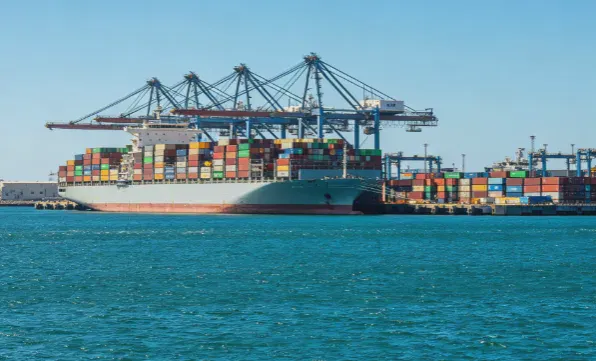
Key Trade Routes between China and Romania
China and Romania are important trade partners, with bilateral trade growing steadily over the last decade. The majority of goods shipped from China to Romania travel via sea freight, thanks to cost-efficiency and the ability to handle large volumes.
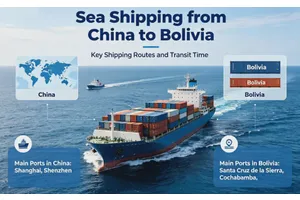
The primary sea shipping route connects major export hubs in China—such as Shanghai, Ningbo, and Shenzhen—to the main Romanian port, Constanta. This route transits through the Suez Canal, one of the world's busiest maritime corridors, before entering the Black Sea and arriving at Port of Constanta.
Direct routes are rare; most shipments involve transshipment at major Mediterranean ports such as Piraeus (Greece) or Istanbul (Turkey), before reaching Romania. Transit times typically range from 28 to 38 days depending on schedules, weather, and port congestion.
| Route Example | Major Chinese Origin Ports | Transit Port(s) | Romanian Arrival Port | Estimated Transit Time |
|---|---|---|---|---|
| China → Suez → Mediterranean → Black Sea | Shanghai, Ningbo, Shenzhen | Piraeus, Istanbul | Constanta | 28 - 38 days |
| China → Singapore → Suez → Black Sea | Guangzhou, Qingdao | Singapore, Istanbul | Constanta | 28 - 40 days |
Note: The exact route and transit time may vary based on chosen shipping line, vessel schedules, and customs procedures. DTFU International Logistics Co.,Ltd continuously monitors route efficiency and provides optimized solutions for your shipments.
Real-World Example: In early 2026, a Romanian furniture importer we serve was quoted 34-day transit from Ningbo to Constanta via Piraeus. By monitoring carrier schedules closely, we identified an alternative sailing via Istanbul that shaved 6 days off the journey at nearly the same rate — a small routing tweak that let them restock their Bucharest showroom two weeks ahead of a compe***** running the standard lane. This is the kind of lane-specific knowledge that only comes from managing a route repeatedly.
Related reading: For businesses trading with other Eastern European countries, see Shipping from China to Hungary.
Factors Affecting Sea Shipping Cost from China to Romania
Understanding the Sea Shipping cost from China to Romania requires analyzing several key factors. Whether you are an importer, e-commerce seller, or logistics manager, these elements directly impact your freight budget and supply chain performance.
Distance and Shipping Routes
The shipping distance from major Chinese ports to Constanta Port in Romania is approximately 11,000 to 12,000 nautical miles. The actual route may change according to geopolitical situations, such as Suez Canal disruptions or Mediterranean port congestion.
- Longer distances and transshipments can increase costs due to higher fuel consumption, longer vessel usage, and additional handling.
- Efficient routing and direct services, when available, often mean lower costs and reduced risk of delays.
Container Type: FCL vs LCL Costs
Container selection is a core cost driver:
- FCL (Full Container Load): You pay for exclusive use of a container (20FT, 40FT, 40HQ, or 45HQ). Suitable for large shipments. Pricing is flat per container, regardless of whether it’s fully loaded.
- LCL (Less than Container Load): Ideal for smaller shipments. You pay only for the space your cargo occupies, but LCL involves cargo consolidation and deconsolidation, adding to handling costs and transit time.
| Container Type | Capacity (CBM) | Typical Users | Cost Structure |
|---|---|---|---|
| 20FT | 28 | Medium shipments | Flat rate per container |
| 40FT | 56 | Large shipments | Higher flat rate per container |
| 40HQ | 68 | Bulky cargo | Slightly more than 40FT |
| 45HQ | 78 | Oversized cargo | Highest; for special requirements |
| LCL | by CBM | Small shipments | Charged per CBM, min. charges apply |
- FCL is more cost-effective per unit when your cargo volume is close to container capacity.
- LCL is preferable for volumes below 15 CBM, but per-unit shipping costs are higher due to additional handling.
Seasonality and Market Fluctuations
Sea freight rates are dynamic and sensitive to global and regional trends:
- Peak seasons (e.g., pre-Christmas, Chinese New Year) see increased demand and higher rates.
- Off-peak periods or market downturns may offer discounts or promotional rates.
- Recent trends (2025-2026): The prolonged Red Sea crisis and ongoing Suez Canal route adjustments have structurally reshaped Asia-Europe shipping costs and transit times. While carriers have adapted with alternative routing via the Cape of Good Hope, rates remain elevated compared to pre-crisis levels. It’s crucial to monitor these developments through reliable sources and logistics partners.
Pro Tip: Partnering with a freight forwarder like DTFU International Logistics Co.,Ltd helps you access real-time market intelligence and secure competitive rates year-round.
Additional Fees: Port Charges, Customs, and Surcharges
The Sea Shipping cost from China to Romania is not limited to basic freight charges. You should also consider:
- Port charges: Terminal handling, security, and documentation fees at both Chinese and Romanian ports.
- Customs clearance: Fees for import/export declarations, inspection, and agency services.
- Surcharges: Currency adjustment factors, fuel surcharges (BAF), low sulfur surcharges (LSS), and possible congestion surcharges during busy periods.
- Other costs: Cargo insurance (recommended, especially for valuable or fragile items), warehousing, and inland transportation if opting for door-to-door service.
DTFU International Logistics Co.,Ltd provides transparent quotations, breaking down all potential charges so you can anticipate and control your logistics budget.
| Fee Type | Typical Range (USD) | Notes |
|---|---|---|
| Port Handling (China) | $80 - $180 per container | Varies by port and carrier |
| Port Handling (Romania) | $95 - $200 per container | Higher at peak; includes terminal & documentation |
| Customs Clearance | $50 - $150 | Depends on cargo type & value |
| Surcharges (BAF/LSS) | $20 - $150 | Fuel, currency, emergency charges, updated monthly |
| Insurance (optional) | 0.1%-0.3% of cargo value | Strongly recommended for high-value shipments |
How Incoterms 2020 Impact Your Total Cost
One of the most overlooked cost drivers in China–Romania shipping is the choice of Incoterms 2020 — the international commercial terms that define who pays for freight, insurance, and customs clearance at each stage of the journey. In our experience, importers who misunderstand their Incoterms can face surprise bills at Constanta that wipe out whatever they saved on the ocean freight itself.
Here's how the most common Incoterms play out on the China–Romania lane:
| Incoterm | Who Arranges Ocean Freight? | Who Handles Export Clearance? | Who Handles Romania Import Clearance? | Best For |
|---|---|---|---|---|
| EXW (Ex Works) | Buyer | Buyer | Buyer | Experienced importers with their own China logistics team |
| FOB (Free on Board) | Buyer | Seller | Buyer | Buyers who want carrier choice but let the supplier handle China-side logistics |
| CIF (Cost, Insurance & Freight) | Seller | Seller | Buyer | Buyers who prefer the supplier to arrange main carriage; most common for first-time importers |
| DDP (Delivered Duty Paid) | Seller | Seller | Seller | Hassle-free for the buyer — the seller (or their forwarder) handles everything door-to-door, including Romanian VAT and customs |
Our honest assessment after handling hundreds of Romania-bound shipments:
- DDP is the smoothest option for most importers, especially if you're new to EU customs procedures. Your forwarder handles everything from Chinese factory pickup to your door in Romania — one point of contact, one invoice, zero customs surprises. At DTFU Logistics, our DDP service to Romania includes customs brokerage, duty payment, and last-mile delivery, so you know your total landed cost upfront.
- FOB gives experienced importers more carrier control, which can mean better rates if you have an established relationship with a forwarder and a customs broker in Romania. However, you take on coordination risk — if your forwarder and your supplier aren't aligned, containers can sit at the port racking up demurrage charges.
- CIF is a middle ground, but be aware: the seller's insurance under CIF typically only covers minimum liability. We routinely advise clients on CIF terms to purchase supplementary cargo insurance — the incremental cost is negligible compared to the exposure.
⚠️ Important: Under any Incoterm where the buyer handles Romania import clearance (FOB, CIF, EXW), you must have an EU EORI number (Economic Operators Registration and Identification number) and a Romanian VAT registration unless your forwarder acts as the Importer of Record. We've seen shipments delayed for weeks at Constanta simply because the buyer didn't realize they needed these registrations.
Key takeaway: Factor Incoterms into your total landed cost calculation from day one. A low FOB ocean freight quote can look attractive on paper, but once you add Romanian customs brokerage, import duty, VAT, and last-mile trucking to Bucharest or beyond, the all-in cost may exceed a DDP quote that bundles everything transparently.
In summary, the Sea Shipping cost from China to Romania depends on route, container type, seasonality, Incoterms choice, and a range of additional fees. To optimize your logistics and minimize risks, work with a trusted freight forwarder—DTFU International Logistics Co.,Ltd—who offers professional, cost-effective, and end-to-end logistics services for global traders.
For tailored rate quotes or expert consultation, contact Ivan Chan, Senior Logistics Analyst at DTFU International Logistics Co.,Ltd.
Average Sea Freight Rates from China to Romania
Shipping by sea from China to Romania offers a cost-effective solution for various cargo types, especially for large-volume shipments. However, sea freight rates fluctuate due to changing market conditions, fuel prices, and global demand. This section provides up-to-date insights and comparisons to help importers and exporters make informed decisions.
Current Market Rates for 20ft and 40ft Containers
The average sea shipping cost from major Chinese ports (such as Shanghai, Ningbo, and Shenzhen) to Romania’s main port (Constanta) varies depending on container size, service levels, and market trends.
Below is a reference for current indicative rates (Q2 2026). Please note: final rates depend on cargo details, exact origin/destination, carrier selection, and surcharges.
| Container Type | Volume (CBM) | Average Rate (USD) | Notes |
|---|---|---|---|
| 20FT Standard | 28 | $2,500 – $3,400 | Suitable for smaller/full shipments |
| 40FT Standard | 56 | $4,200 – $5,000 | Most popular for general cargo |
| 40FT High Cube (HQ) | 68 | $4,400 – $5,400 | Ideal for larger-volume shipments |
| 45FT High Cube | 78 | $5,800 – $6,800 | Limited availability, for bulkier goods |
Note: These rates exclude local charges, documentation, customs, and insurance. For exact pricing, always consult a reputable freight forwarder like DTFU International Logistics Co.,Ltd.
📊 A Note on Rate Volatility: The rates shown above are indicative market ranges as of June 2026. Sea freight pricing on the China–Europe lane has experienced significant fluctuations since the Red Sea crisis began — spot rates can swing 20–30% within a single quarter depending on carrier capacity adjustments, fuel prices, and geopolitical developments. The figures in this guide should be used for budget planning, not as a binding quotation. Always request a live rate from your forwarder within 7 days of your intended shipment date.
Cost Comparison: Major Chinese Ports to Romanian Ports
Rates can differ based on the departure port due to factors like port congestion, carrier schedules, and inland transport costs. Here’s a breakdown of typical costs from key Chinese export hubs to Constanta Port in Romania:
| Origin Port | 20FT Container (USD) | 40FT Container (USD) | Transit Time (Days) |
|---|---|---|---|
| Shanghai | $2,700 – $3,500 | $4,400 – $5,200 | 30 – 38 |
| Ningbo | $2,600 – $3,400 | $4,300 – $5,100 | 28 – 36 |
| Shenzhen | $2,800 – $3,600 | $4,500 – $5,300 | 32 – 40 |
Key points:
- Ningbo often offers slightly lower rates due to competitive carrier presence.
- Shenzhen may be preferable for cargo from South China.
- Rates may surge during peak seasons (April–July, September–October).
LCL Shipping Rate Examples
For shipments not large enough to fill a full container, LCL (Less than Container Load) is a practical option. Pricing for LCL is based on chargeable volume (CBM) or weight, whichever is higher.
| Lane (Port to Port) | LCL Rate (USD/CBM) | Typical Minimum Charge | Notes |
|---|---|---|---|
| Shanghai – Constanta | $85 – $120 | $260 – $320 | Includes main sea freight only |
| Ningbo – Constanta | $90 – $125 | $270 – $330 | Excludes origin/destination charges |
| Shenzhen – Constanta | $95 – $130 | $280 – $340 | 5–8 weeks transit; ideal for small lots |
Note: Additional fees may apply at both origin and destination, such as documentation, handling, customs clearance, and delivery. Working with a reliable logistics partner can simplify these procedures and minimize hidden costs.
Major Chinese Ports Shipping to Romania
Shanghai, Ningbo, Shenzhen: Main Export Hubs
- Shanghai Port: As the world’s busiest container port, Shanghai offers extensive shipping schedules, high container availability, and competitive rates. Most shipping lines operate direct or transshipment services from Shanghai to Europe, including Romania.
- Ningbo Port: Known for efficient operations and strong connections to South-East European routes, Ningbo is a leading choice for exporters aiming at reliability and cost-effectiveness.
- Shenzhen Port: With multiple terminals (Yantian, Shekou), Shenzhen serves as the main gateway for exports from Southern China. It is highly favored for electronics, machinery, and consumer goods shipments to Romania.
Transit Times and Typical Services
Transit time depends on service type (direct, transshipment), route, and seasonal factors. Below is a general guide:
| Origin Port | Destination Port | Service Type | Transit Time (Days) | Departure Frequency |
|---|---|---|---|---|
| Shanghai | Constanta | Transshipment | 30–38 | Weekly/Bi-weekly |
| Ningbo | Constanta | Transshipment | 28–36 | Weekly/Bi-weekly |
| Shenzhen | Constanta | Transshipment | 32–40 | Weekly/Bi-weekly |
Notes:
- Most sailings to Constanta involve transshipment at major Mediterranean hubs (e.g., Piraeus, Istanbul).
- Transit times can be affected by port congestion, weather, and carrier schedule changes.
- Customers are advised to book space early during peak seasons to avoid delays.
Expert Tip: Choose a freight forwarder with proven experience in handling shipments between China and Romania. At DTFU International Logistics Co.,Ltd, we offer tailored sea freight, customs clearance, cargo insurance, and door-to-door solutions. Our team ensures smooth coordination from factory pickup to final delivery in Romania.
Romanian Arrival Ports and Customs Clearance
Constanta Port: Main Entry Point
The primary entry port for sea shipments from China to Romania is Constanta Port (Portul Constanța). As Romania’s largest and most advanced seaport, Constanta Port serves as a key logistics hub for Central and Eastern Europe. Its strategic location on the Black Sea allows efficient connections to major trade corridors, including the Danube River and European road/rail networks.
Key Features of Constanta Port:
- Capacity: Over 100 million tons annual throughput, with state-of-the-art container terminals.
- Connectivity: Direct shipping lines from major Chinese ports such as Shanghai, Ningbo, and Shenzhen.
- Transit Time: Average sea transit from China to Constanta is about 28–38 days, depending on route and transshipment.
- Intermodal Links: Immediate access to railways and highways, facilitating swift distribution to Bucharest and other European markets.
Traffic Trends: According to the latest data (2025–2026), Constanta Port has experienced significant growth in containerized trade from Asia, making it increasingly competitive versus other Black Sea ports. This trend enhances service frequency and potentially stabilizes shipping rates.
Customs Procedures and Documentation Required
Importing goods into Romania requires strict adherence to EU customs regulations. Efficient customs clearance at Constanta Port is crucial to avoid unnecessary delays and extra costs. Below is an overview of required procedures and typical documentation:
| Document Type | Description & Notes |
|---|---|
| Bill of Lading (B/L) | Issued by the carrier for evidence of shipment; must be original or surrendered copy. |
| Commercial Invoice | Details the value, description, and quantity of goods. Must match the shipment and sales contract. |
| Packing List | Itemizes the contents of each package/container. |
| Certificate of Origin | Confirms the origin of goods; may be required for preferential tariffs or trade agreements. |
| Import Customs Declaration (SAD) | Standard document for all goods entering the EU, processed through Romania’s customs system. |
| Proof of Payment | Bank receipts or payment confirmations for customs valuation. |
| Other Certificates/Permits | Compliance documents (e.g., CE certification, sanitary/quarantine certificates) as required. |
Customs Process Highlights:
- All shipments are subject to risk assessment and may be selected for inspection.
- Electronic customs clearance is available via the Romanian Customs Authority online portal.
- Non-compliance or missing documents can result in storage fees, fines, or confiscation.
- Correct HS Codes (Harmonized System Codes) are critical — misclassification is one of the most common causes of customs delays and penalty duties at Constanta. According to the EU Customs Union regulations, the importer of record is ultimately responsible for accurate HS Code classification, even if a supplier suggests a code. We always recommend having your forwarder's customs broker verify HS Codes before shipment.
Exclusive Documentation Checklist (DTFU Logistics Internal Best Practice):
Based on our experience clearing hundreds of containers at Constanta, here's the pre-shipment checklist we use internally to catch issues before they become port delays:
- ☐ Bill of Lading — Verify consignee name matches EORI registration exactly (initials vs. full name discrepancies are a common rejection trigger).
- ☐ Commercial Invoice — Must state HS Codes, country of origin, Incoterms, and currency in EUR or USD. Romanian customs routinely reject invoices missing Incoterms.
- ☐ Packing List — Ensure gross/net weight per package matches B/L. Weight mismatches are a red flag for inspection.
- ☐ Certificate of Origin — Required for preferential duty rates under EU trade agreements. Check if your goods qualify — the savings can be significant.
- ☐ EORI Number — Confirm your EU EORI is active and linked to your Romanian VAT number. This takes 2–3 business days to validate if newly registered.
- ☐ Product-Specific Certificates — CE marking documentation, phytosanitary certificates, or fumigation certificates as applicable to your commodity.
Tip: Partnering with an experienced freight forwarder such as DTFU International Logistics Co.,Ltd can streamline the customs clearance process, ensuring all documents are accurately prepared and submitted. Our customs brokerage team at Constanta maintains up-to-date knowledge of Romanian Customs Authority requirements and EU Customs Union regulations.
Import Duties and Taxes Overview
Since Romania is an EU member, customs duties and VAT are imposed according to European Union regulations.
Main Cost Components:
| Fee Type | Description | Typical Rates |
|---|---|---|
| Import Duty | Based on HS code and customs value of goods. | 0%–20% (varies by product) |
| Value-Added Tax (VAT) | Charged on CIF value + duty. Standard VAT in Romania. | 19% (as of 2026) |
| Excise Duties | Applied to specific goods (alcohol, tobacco, energy). | Varies |
| Other Fees | Inspection, storage, document handling, or port charges. | As per service provider |
Calculation Example (for general goods):
- CIF Value: $20,000
- Import Duty (5%): $1,000
- VAT (19% on $21,000): $3,990
- Total Landed Cost: $24,990 (excluding any port/handling fees)
Note: Customs brokers or freight forwarders, like DTFU International Logistics Co.,Ltd, can assist in accurate tax calculation and duty classification to prevent errors.
How to Reduce Your Sea Shipping Costs
Tips for Negotiating Freight Rates
Negotiating better sea shipping rates requires market knowledge and strategic planning. Here are proven approaches:
- Book Early: Secure your space in advance, especially during peak seasons or before Chinese holidays, to lock in lower rates.
- Request All-in Quotes: Ask for breakdowns covering ocean freight, surcharges, and local charges to avoid hidden costs.
- Leverage Volume: If shipping regularly, negotiate long-term contracts or volume discounts.
- Compare Multiple Carriers/Forwarders: Solicit offers from several logistics providers to benchmark market rates.
- Be Flexible: Slight flexibility in shipping dates or arrival windows can lead to more competitive pricing.
Professional Forwarder Insight: At DTFU International Logistics Co.,Ltd, our experienced team leverages deep carrier relationships and real-time rate analytics to ensure clients always access the most cost-effective and transparent solutions.
Consolidation, Packaging, and Volume Discounts
Optimizing shipment structure and packing is key to reducing costs for Sea Shipping from China to Romania:
- Consolidation Services: Combine smaller shipments (LCL) from multiple suppliers into a single container (FCL) to achieve better per-unit rates and reduce handling fees.
- Efficient Packaging: Utilize container capacity efficiently (e.g., 20FT: 28CBM, 40FT: 56CBM, 40HQ: 68CBM, 45HQ: 78CBM) to minimize wasted space.
- Volume Discounts: The higher the volume, the lower the per-cubic meter shipping cost. FCL shipments generally provide better value than multiple LCL shipments.
| Container Type | Capacity (CBM) | Typical Application | Cost Efficiency Level |
|---|---|---|---|
| 20FT | 28 | Small to medium shipments, heavy cargo | Moderate |
| 40FT | 56 | Larger shipments, general cargo | High |
| 40HQ | 68 | Bulky/lightweight goods, e-commerce, retail | Very High |
| 45HQ | 78 | Oversized or high-volume, seasonal/promotional goods | Very High |
Tip: Consult with your freight forwarder to determine the optimal container type and consolidation strategy. DTFU International Logistics Co.,Ltd offers tailored consolidation and warehousing solutions for maximum cost savings.
Choosing Reliable Freight Forwarders
Selecting the right freight partner is critical for both cost-effectiveness and operational reliability. Consider these factors:
- Expertise & Reputation: Choose a forwarder with extensive experience in China–Romania trade lanes and a strong network of carrier partnerships.
- Service Portfolio: Look for providers offering Sea Freight, Road Freight, Air Freight, Amazon FBA, Warehousing, Cargo Insurance, One-stop Customs Clearance, Door-to-Door, OOG Freight, Consolidated Freight, and Breakbulk Freight.
- Transparency: Ensure clear communication, full cost breakdowns, and online shipment tracking.
- Customer Support: Reliable forwarders provide responsive, multilingual support and up-to-date regulatory guidance.
About DTFU International Logistics Co.,Ltd:
Founded in 2014 and headquartered in Shenzhen, China, DTFU Logistics is a FIATA (International Federation of Freight Forwarders Associations) and IATA (International Air Transport Association) dual-certified freight forwarding company serving global traders across 120+ countries. Our credentials mean we operate under internationally recognized standards for freight forwarding practice and financial responsibility.
What sets us apart on the China–Romania lane specifically:
- Direct carrier contracts with major shipping lines serving the Far East–Black Sea route, giving us priority space allocation and competitive pricing even during peak seasons.
- In-house customs brokerage at Constanta Port — no third-party brokers, no communication gaps, no finger-pointing if something needs urgent resolution.
- Dedicated account managers who know your cargo profile and can anticipate issues before they become problems. When a Romanian client's container was selected for a physical inspection at Constanta in March 2026, our account manager had the required documentation submitted to customs within two hours — the container was released the same day.
- 24/7 online cargo tracking so you always know where your shipment is, from factory pickup in China to final delivery in Romania.
Ready to optimize your shipping from China to Romania? Contact us for a tailored quote and discover how we help businesses save time and money while ensuring compliance and cargo safety.
Common Challenges and Solutions in Sea Shipping
Delays, Damage, and Insurance Options
Sea shipping from China to Romania is a complex supply chain process, and companies must be prepared to manage common challenges such as shipment delays, cargo damage, and risk mitigation through insurance.
Delays
Delays can occur for various reasons, including:
- Port congestion at major Chinese ports (e.g., Shanghai, Ningbo, Shenzhen) or at the destination port (Constanta in Romania).
- Customs inspections or clearance issues, particularly if documentation is incomplete or regulations have recently changed.
- Weather disruptions on shipping routes such as the Suez Canal or the Black Sea.
- Vessel schedule changes due to blank sailings or transshipment bottlenecks.
Solutions:
- Work with an experienced freight forwarder, such as DTFU International Logistics Co.,Ltd, with real-time tracking and proactive rerouting capabilities.
- Ensure all shipping and customs documents are complete and accurate before departure.
- Choose reliable carriers and routes with proven, consistent transit times.
- Consider cargo insurance and build in buffer time for critical shipments.
What a delay actually costs — a real example: One of our Romanian clients importing consumer electronics missed a planned promotion because their container was held at Constanta for an extra 8 days due to an HS Code dispute. Beyond the ~$400 in port storage fees, the real damage was lost sales during their peak promotional window. We now proactively review HS classifications with every new client's first shipment — a 30-minute review that prevents weeks of delay.
Cargo Damage
Cargo damage is a significant concern, particularly on long-distance sea routes. Causes may include:
- Handling errors during loading/unloading at ports.
- Improper packaging, especially for fragile or high-value goods.
- Container movement during rough seas.
Solutions:
- Invest in professional packing and secure stowage inside containers.
- Use appropriate container types (e.g., FCL for larger, sensitive shipments).
- Request photos of cargo loading and sealing as evidence.
- Select a freight forwarder like DTFU International Logistics Co.,Ltd, which offers cargo insurance services and advice on best packing practices.
Insurance Options
Cargo insurance is highly recommended for sea shipments to protect against loss or damage. Main types include:
| Insurance Type | Coverage | Suitable For |
|---|---|---|
| Basic Carrier Liability | Limited (based on weight) | General cargo |
| All-risk Insurance | Comprehensive (loss, damage, theft, etc.) | High-value, sensitive cargo |
| Named Peril | Specific risks (fire, sinking, etc.) | Certain commodity shipments |
At DTFU International Logistics Co.,Ltd, we provide tailored cargo insurance solutions, helping clients choose the right coverage for shipments from China to Romania.
Navigating Regulations and Compliance
Successfully shipping goods from China to Romania means complying with a range of national and international regulations.
Key Regulatory Challenges
- Customs clearance and import duties at Constanta Port.
- Documentation requirements (e.g., Bill of Lading, Commercial Invoice, Packing List).
- Compliance with EU standards (product safety, labeling, CE marking for specific products).
- Restricted or prohibited items (batteries, chemicals, foodstuffs may require special permits).
Best Practices for Compliance
- Stay updated on the latest customs policies in China and Romania. Changes in EU trade policy or sanctions may impact certain shipments.
- Prepare all required documents accurately; even minor discrepancies can delay clearance and add costs.
- Consult with your freight forwarder for product-specific compliance checks.
- For sensitive goods, verify the need for additional certificates (e.g., phytosanitary, certificates of origin).
DTFU International Logistics Co.,Ltd offers one-stop customs clearance and compliance advisory, ensuring your cargo meets all regulatory requirements and minimizes the risk of costly delays or fines.
FAQs
Q1: What is the average sea shipping cost from China to Romania for a 20ft/40ft container?
A: Costs vary by season, route, and market rates. As of 2026, rates range from $2,500–$3,800 for a 20ft container and $4,000–$6,500 for a 40ft container from major ports like Shanghai or Ningbo to Constanta. For the latest rates, contact DTFU International Logistics Co.,Ltd.
Q2: How long does sea shipping from China to Romania take?
A: Typical transit time is 25–35 days, depending on the selected route and port congestion.
Q3: What documents are required for customs clearance in Romania?
A: Essential documents include Bill of Lading, Commercial Invoice, Packing List, Certificates of Origin, and possibly additional certificates for regulated goods.
Q4: Can I ship small volume cargo?
A: Yes, Less-than-Container Load (LCL) service is available for smaller shipments. DTFU International Logistics Co.,Ltd provides consolidation and flexible solutions for LCL cargo.
Q5: How do I ensure my cargo’s safety during shipping?
A: Use professional packing, choose the right container type, and purchase adequate cargo insurance. Partnering with a reliable freight forwarder such as DTFU International Logistics ensures comprehensive risk management.
Q6: What are the main ports in China for shipping to Romania?
A: The main export hubs are Shanghai, Ningbo, and Shenzhen. These ports offer regular transshipment services via Mediterranean hubs such as Piraeus and Istanbul to Constanta Port in Romania.
Q7: How can DTFU International Logistics Co.,Ltd help with shipping from China to Romania?
A: We provide end-to-end logistics solutions, including sea freight, customs clearance, warehousing, cargo insurance, and door-to-door services. Our experienced team ensures cost-effective and reliable shipping tailored to your business needs.