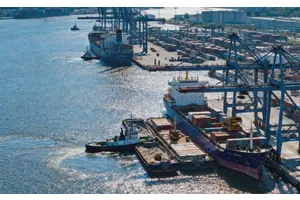
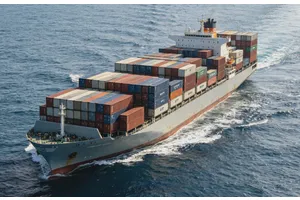
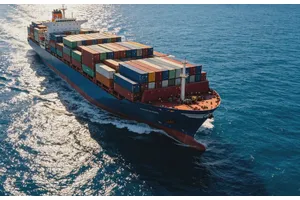
Are you struggling to estimate the sea shipping cost from China to Hungary for your business or personal needs? Understanding the complexities of international sea freight, including key factors such as container types, shipping routes, and surcharges, can be overwhelming. In this comprehensive guide, we break down everything you need to know about calculating and optimizing your sea shipping expenses between China and Hungary, ensuring you make informed and cost-effective decisions.
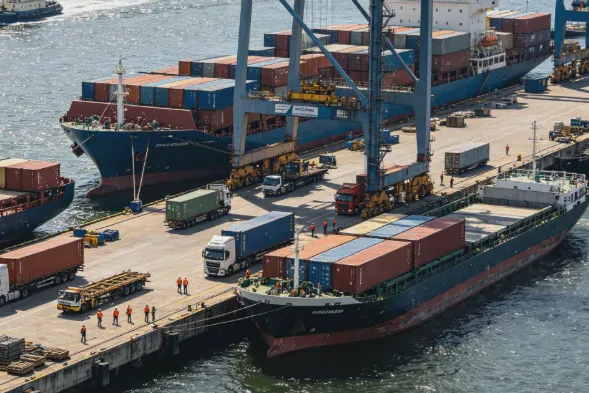
Key Ports in China and Hungary for Sea Shipping
When considering the sea shipping cost from China to Hungary, understanding the major ports involved is essential for planning efficient and cost-effective logistics. For those also interested in similar routes within the region, you may find our guide on the Sea shipping from China to Germany insightful.
Key Origin Ports in China
China is home to several of the world’s busiest ports, serving as primary gateways for exports to Europe. The most relevant ports for shipments to Hungary include:
| Port Name | Location | Annual Throughput (TEUs) | Advantages for Hungary-bound shipments |
|---|---|---|---|
| Shanghai Port | East China | 47 million+ | Largest port, frequent sailings, broad carrier choice |
| Shenzhen Port | South China | 28 million+ | Proximity to manufacturing hubs, competitive rates |
| Ningbo-Zhoushan Port | East China | 33 million+ | Consistent schedules, efficient operations |
| Qingdao Port | North China | 24 million+ | Strategic for northern exporters |
| Guangzhou Port | South China | 24 million+ | Access to Pearl River Delta factories |
| Xiamen Port | Southeast China | 12 million+ | Competitive rates, specialized in FCL/LCL |
These ports offer regular services to European gateways, and the choice of origin port can impact both transit time and shipping cost.
Key Destination Ports for Hungary
As a landlocked country, Hungary does not have a seaport. Sea shipments are routed through the nearest major European ports and then transported via rail or truck to Hungary. Commonly used European gateway ports include:
| Port Name | Country | Distance to Budapest (by land) | Typical Role |
|---|---|---|---|
| Port of Koper | Slovenia | ~460 km | Fastest route, popular for Hungary-bound cargo |
| Port of Hamburg | Germany | ~1,000 km | High frequency, excellent rail connectivity |
| Port of Trieste | Italy | ~570 km | Fast-growing, multimodal connections |
| Port of Rijeka | Croatia | ~500 km | Expanding, competitive for container traffic |
| Port of Rotterdam | Netherlands | ~1,400 km | Europe’s largest, versatile for large volumes |
Port of Koper and Port of Trieste are increasingly preferred due to their proximity and efficient road/rail links to Hungary.
DTFU International Logistics Co.,Ltd provides expert route optimization for shipments from Chinese ports to Hungary, leveraging strong partnerships with European terminals and inland carriers.
Main Factors Influencing Sea Shipping Cost from China to Hungary
Shipping Route and Transit Time
The shipping route taken from China to Hungary significantly impacts both cost and delivery time. Due to ongoing Red Sea/Suez Canal security concerns, most sea freight from China to Europe in 2026 is routed via the Cape of Good Hope, reaching Mediterranean or Northern European ports, followed by inland transport to Hungary.
- Route via Koper/Trieste (Cape routing): Total transit approx. 32–40 days from Shanghai; still preferred for shorter inland leg to Hungary.
- Route via Hamburg/Rotterdam (Cape routing): Sea leg approx. 38–45 days, but offers high-frequency schedules for large-volume shipments.
Transit time variability depends on:
- Departure/arrival port selection
- Frequency of shipping lines/cutoffs
- Inland rail/truck schedules
- Potential bottlenecks (e.g., Cape of Good Hope weather delays, port congestion in Asia or Europe)
Example Transit Times (2026):
| Origin Port (China) | Destination Port (Europe) | Sea Transit (Days) | Inland to Budapest (Days) | Total Est. Transit (Days) |
|---|---|---|---|---|
| Shanghai | Koper | 28–33 | 4–7 | 32–40 |
| Shenzhen | Trieste | 27–32 | 5–8 | 32–40 |
| Ningbo | Hamburg | 33–38 | 6–10 | 39–48 |
Choosing a route with fewer transshipments often reduces risk of delay and damage, but may impact rates. For a better understanding of shipping challenges and cost structures for landlocked or nearby countries, you may want to refer to our article on Sea shipping cost from China to Libya.
Container Type: FCL vs LCL Pricing
Sea shipping cost from China to Hungary changes dramatically based on whether shipping is FCL (Full Container Load) or LCL (Less than Container Load):
-
FCL (Full Container Load): You pay for the exclusive use of an entire container (e.g., 20GP: 28CBM, 40GP: 56CBM, 40HQ: 68CBM).
- Best for large or high-value shipments
- Lower per-unit cost for volume cargo
- Reduced risk of cargo mixing, damage, or delay
-
LCL (Less than Container Load): Multiple shippers share container space.
- Ideal for small/medium volumes
- Priced per CBM or per metric ton (whichever is greater)
- Higher risk of handling delays due to consolidation/deconsolidation
FCL vs LCL Price Range Reference:
| Container Type | Typical All-in Freight (Shanghai to Budapest via Koper, USD) |
|---|---|
| 20’GP (28CBM) | $2,000–$3,200 |
| 40’GP (56CBM) | $3,500–$5,500 |
| 40’HQ (68CBM) | $3,800–$6,000 |
| LCL (per CBM) | $100–$180 (min. 1–2 CBM) |
Rates subject to change based on market fluctuations, fuel surcharges, and carrier policies. Contact DTFU International Logistics Co.,Ltd for real-time quotations tailored to your shipment.
Cargo Volume, Weight, and Dimensions
Sea shipping cost calculations depend on both volume (CBM: Cubic Meters) and weight (kg/ton):
-
For LCL, charges are typically based on “W/M” (weight or measure), whichever is greater.
- 1 CBM is considered equal to 1,000 kg (in most cases).
- If your cargo is light but bulky, you pay for space; if heavy but compact, you pay for weight.
-
For FCL, you pay a flat rate per container, but must not exceed container weight limits:
- 20’GP: Up to 28 CBM, max gross weight approx. 22,000–28,000 kg
- 40’GP: Up to 56 CBM, max gross weight approx. 26,000–28,000 kg
- 40’HQ: Up to 68 CBM, similar max gross weight
Oversized, irregularly shaped, or hazardous cargo may incur additional surcharges or require special equipment (e.g., OOG Freight, handled expertly by DTFU International Logistics Co.,Ltd).
Tip: Accurate cargo details (dimensions, weight, type) ensure you get the best rates and avoid delays during booking and customs.
Seasonality and Market Fluctuations
The sea shipping cost from China to Hungary is highly dependent on global demand and supply cycles:
- Peak seasons (August–October, pre-Christmas; January–February, pre-Chinese New Year): Higher rates, container shortages, extended lead times
- Off-peak seasons: Potential for discounts, easier booking
- Current Market Trends (2026): The Red Sea/Suez Canal disruption has become the new normal, with most carriers maintaining rerouted schedules via the Cape of Good Hope. While rate volatility has stabilized compared to 2024, shippers continue to face elevated freight costs and extended transit times on Asia–Europe lanes. Capacity discipline from carriers and steady e-commerce demand keep rates above pre-crisis levels.
Example: 2026 Market Fluctuation Snapshot
| Month | Avg. 40’HQ Rate (USD, Shanghai-Koper-Budapest) | Notable Events |
|---|---|---|
| January | $4,600 | Pre-Chinese New Year Rush, Red Sea rerouting |
| March | $3,800 | Post-holiday demand softening |
| June | $4,000 | Peak season buildup, stable Cape routing |
| September | $5,000 | Pre-Christmas shipping peak |
Staying updated with DTFU International Logistics Co.,Ltd ensures you capture market opportunities and avoid unexpected price hikes.
Surcharges, Fees, and Additional Costs
Beyond base ocean freight, several surcharges and fees affect your total shipping cost from China to Hungary:
- Fuel Surcharge (BAF/ERS): Adjusted according to global fuel prices
- Peak Season Surcharge (PSS): Applied during high-demand months
- Port Congestion Surcharge: If delays or bottlenecks affect major ports
- Documentation Fees: Bill of lading, export/import paperwork
- Port Handling Charges: Terminal handling at both origin and destination
- Customs Clearance Fees: Especially for Hungary-bound cargo at European entry ports
- Insurance: Strongly recommended, especially for high-value or sensitive goods
- Inland Transport Fees: Rail/truck from EU port to final destination in Hungary
Common Fee Reference Table
| Fee Type | Typical Range (USD) | Notes |
|---|---|---|
| BAF/ERS | $100–$400/container | Adjusts monthly/quarterly |
| Port Handling | $150–$250/container | Paid at both origin & destination |
| Documentation | $50–$100/shipment | Covers bill of lading, certificates, etc. |
| Customs Clearance | $100–$250/entry | Varies based on cargo and import regime |
| Door Delivery (Budapest) | $150–$500/truckload | Depending on distance and service level |
| Insurance | 0.1–0.3% of cargo value | Optional, but highly recommended |
Working with a reliable freight forwarder like DTFU International Logistics Co.,Ltd ensures transparency in all cost components, helping you avoid hidden charges and optimize your logistics budget.
Detailed Breakdown of Sea Freight Charges
When shipping goods from China to Hungary by sea, understanding the main components of sea shipping costs is crucial. Each charge reflects different stages and services within the international logistics chain. Below is a comprehensive breakdown:
Basic Ocean Freight Rates
Basic ocean freight rates are the core component of your shipping cost. These rates are typically quoted per container or per cubic meter (CBM) for Less than Container Load (LCL) shipments. The cost depends on the shipping route, carrier, and current market supply and demand.
Typical Ocean Freight Rate Table (2026 Q2 Estimates)
| Container Type | Shanghai to Budapest (via Koper/Rijeka/Hamburg) | Shenzhen to Budapest (via Koper/Hamburg) |
|---|---|---|
| 20FT (28 CBM) | $2,100 – $2,500 USD | $2,250 – $2,700 USD |
| 40FT (56 CBM) | $3,600 – $4,000 USD | $3,800 – $4,300 USD |
| 40HQ (68 CBM) | $4,000 – $4,500 USD | $4,200 – $4,800 USD |
| LCL (Per CBM) | $85 – $115 USD | $95 – $125 USD |
Rates above are estimates and fluctuate based on seasonality, carrier capacity, and global events. Door-to-door rates may include inland trucking from the entry port to final destination in Hungary. For comparison with other Eastern Europe destinations, see our page on Shipping from China to Austria.
Port Handling, Terminal, and Documentation Fees
Besides basic freight, shippers must account for port handling, terminal, and documentation fees at both the origin and destination ports. These may include:
- Terminal Handling Charges (THC): For container loading/unloading.
- Port Security Fees
- Bill of Lading (B/L) issuance
- Manifest and customs documentation fees
Typical Charges:
| Fee Type | China (per container) | Hungary (per container, via Koper/Hamburg) |
|---|---|---|
| Terminal Handling Charges | $150 – $250 | $180 – $250 |
| Documentation (B/L, Manifest) | $50 – $100 | $60 – $120 |
| Port Security/ISPS | $10 – $25 | $15 – $30 |
Customs Clearance and Import Duties in Hungary
When your goods arrive in Hungary (often via the ports of Koper in Slovenia, Rijeka in Croatia, or Hamburg in Germany followed by inland transport), customs clearance is mandatory. Factors influencing the cost include:
- Commodity type
- Declared value
- Applicable EU import duties and VAT (Generally, Hungary applies a 27% VAT, the highest in the EU)
Customs Clearance Service Fees:
- Basic clearance: €80 – €150 per shipment
- Additional services (e.g., inspections): Extra charges apply
Import Duties & VAT:
- Duties: Vary by commodity (average 0-12%)
- VAT: 27% (Hungarian standard VAT rate)
Pro tip: Work with a professional freight forwarder like DTFU International Logistics Co.,Ltd for smooth customs operations and compliance.
Insurance, Packaging, and Value-Added Services
Shipping goods internationally exposes them to several risks. Cargo insurance is highly recommended and typically costs 0.15%-0.5% of the cargo value. For more information on risk mitigation and insurance, see our detailed overview of Cargo Insurance Services.
Typical Insurance Premium Calculation:
- Cargo value: $50,000
- Insurance rate: 0.2%
- Premium: $100
Additional costs may include:
- Professional packaging (to meet ISPM 15 standards)
- Palletizing
- Warehousing
- Door-to-door delivery
- Value-added logistics services (labeling, consolidation, etc.)
At DTFU International Logistics Co.,Ltd, we offer a full suite of value-added services to ensure the safety and efficiency of your shipment.
Comparing Sea Shipping with Other Modes: Cost & Efficiency
When exporting from China to Hungary, it’s important to compare sea freight with other available modes like air freight and rail freight. Each mode has distinct advantages regarding cost, speed, and reliability.
Sea Freight vs Air Freight vs Rail Freight
| Mode | Transit Time (China to Hungary) | Cost (per 40HQ container) | Suitability |
|---|---|---|---|
| Sea Freight | 32–45 days | $4,000 – $4,800 USD | Large, heavy, non-urgent cargo |
| Rail Freight | 16–22 days | $5,500 – $7,000 USD | Faster than sea, higher than sea cost |
| Air Freight | 3–7 days | $14,000+ USD | High-value, urgent, small volume cargo |
Key Takeaways:
- Sea freight offers the best value for large and heavy shipments, though with a longer transit time.
- Rail freight is a popular middle-ground, especially suitable for time-sensitive goods that are still cost-sensitive.
- Air freight is ideal for urgent or high-value shipments, but the cost is significantly higher.
When to Choose Sea Shipping for Your Cargo
Consider sea shipping if:
- Your shipment is large, bulky, or heavy (e.g., machinery, furniture, electronics in bulk).
- Transit time is not critical (i.e., you can afford 4-6 weeks lead time).
- Cost efficiency is your priority.
- You need to move goods in full container loads (FCL) or can consolidate smaller shipments (LCL).
Sea shipping is also preferable for project cargo, oversized (OOG) shipments, and goods requiring specialized logistics (like breakbulk). In these cases, partnering with a reputable forwarder such as DTFU International Logistics Co.,Ltd ensures end-to-end service and compliance.
How to Calculate Your Sea Shipping Cost from China to Hungary
When planning sea shipping from China to Hungary, it’s essential to understand how costs are calculated. Accurate cost estimations allow businesses to budget efficiently and make informed logistics decisions. Below, I’ll guide you through the most practical steps and tips from an industry perspective.
For those shipping to nearby countries, you might also want to read about Sea Shipping cost from China to Romania.
Online Freight Rate Calculators and Quotation Tools
Modern logistics relies heavily on digital solutions. Online freight rate calculators and quotation tools help shippers estimate sea shipping costs quickly and transparently. These tools factor in the latest market rates, seasonal surcharges, and route-specific fees.
Popular Freight Rate Tools:
- DTFU International Logistics Quotation Tool (Contact us for access to tailored China–Hungary rates)
- Freightos.com
- iContainers
- Flexport Instant Quote
How to Use These Tools:
- Enter origin and destination ports (e.g., Shanghai Port, Budapest Railport)
- Specify container type (FCL/LCL) and size (20FT, 40FT, 40HQ, 45HQ)
- Input cargo details: volume (CBM), weight (kg/ton), and commodity type
- Select additional services (insurance, door-to-door, customs clearance, etc.)
Tip: Online calculators provide an initial cost estimate. For the most accurate and current rates, request a formal quotation from a reliable forwarder such as DTFU International Logistics Co.,Ltd.
Information Needed for Accurate Shipping Quotes
To receive a precise shipping cost estimate for your ocean freight from China to Hungary, prepare the following details:
| Required Information | Description & Examples |
|---|---|
| Origin Port/Location | E.g., Shenzhen Port, Ningbo Port, Shanghai Port |
| Destination Port | E.g., Budapest Railport, Hungary Main Inland Terminals |
| Cargo Type | General cargo, electronics, machinery, textiles, etc. |
| Volume (CBM) | E.g., 12 CBM, 28 CBM (20FT), 56 CBM (40FT), 68 CBM (40HQ) |
| Gross Weight | E.g., 5,000 kg, 8,000 kg |
| Container Type & Quantity | FCL (Full Container Load) vs LCL (Less than Container Load) |
| Shipping Terms (Incoterms) | FOB, EXW, CIF, DAP, etc. |
| Ready Date | When is cargo available for pick-up? |
| Value of Goods | For insurance calculation |
| Special Handling | OOG, DG (dangerous goods), oversized, perishable |
| Required Services | Customs clearance, insurance, warehousing, trucking, etc. |
Professional Tip: Providing comprehensive and accurate information prevents hidden charges and unexpected delays during shipping.
Cost-saving Tips When Shipping by Sea
Sea shipping is typically the most cost-effective mode for bulky freight, but there are several strategies to further optimize your logistics spend between China and Hungary:
-
Choose the Right Container Size
- Maximize container usage. A 20FT container suits up to 28CBM, while a 40HQ offers up to 68CBM.
- For small shipments, consider LCL to pay only for the space you use.
-
Plan Shipments During Off-peak Seasons
- Avoid peak shipping periods (pre-holiday, Chinese New Year) when rates surge due to demand.
- Book early to lock in better rates.
-
Consolidate Shipments
- Combine smaller orders into a single container to benefit from FCL rates.
- Use consolidated freight services—DTFU International Logistics provides professional consolidation solutions for SMEs and cross-border sellers.
-
Negotiate With Your Freight Forwarder
- Long-term partnerships often bring better rates and flexible payment terms.
- DTFU International Logistics is known for offering cost-effective, tailored solutions for global traders.
-
Optimize Routing
- Select optimal China origin ports based on your supplier’s location and transit time.
- Explore multimodal options (e.g., combining sea and rail) for urgent shipments.
-
Minimize Extra Charges
- Ensure all documentation is accurate to avoid customs delays or penalties.
- Use cargo insurance to protect against unforeseen events—DTFU offers comprehensive insurance solutions.
Choosing a Reliable Freight Forwarder for China–Hungary Shipping
Selecting a trustworthy and experienced freight forwarder is crucial for a smooth, efficient, and cost-effective shipping process between China and Hungary.
Key Criteria for Choosing Your Freight Partner:
| Criteria | Why It Matters | What to Look For |
|---|---|---|
| Experience & Track Record | Ensures familiarity with China–Hungary trade routes, customs | 10+ years in international freight forwarding |
| Service Portfolio | One-stop solutions simplify logistics management | Sea, air, road, customs, insurance, door-to-door, etc. |
| Global Network | Facilitates end-to-end handling and problem-solving | Strong presence in both China and Hungary |
| Transparent Pricing | No hidden fees, clear cost breakdown | Itemized quotations, open communication |
| Customer Support | Quick response to queries and cargo status updates | Multilingual support, dedicated account manager |
| Compliance & Documentation | Ensures smooth customs clearance, minimizes risks | Up-to-date with EU/Chinese regulations |
| Value-added Services | Adds efficiency and security to your supply chain | Warehousing, FBA, cargo insurance, OOG handling |
Why Choose DTFU International Logistics Co.,Ltd?
- A Highly Professional, Cost-effective, and High-quality One-Stop International Logistics Service Provider for Global Traders
- Comprehensive services: Sea Freight, Road Freight, Air Freight, Amazon FBA, Warehouse, Cargo Insurance, Customs Clearance, Door to Door, OOG Freight, Consolidated Freight, Breakbulk Freight
- Deep expertise in China-Hungary shipping routes, ensuring timely delivery and competitive pricing
- Transparent quotations and real-time cargo updates
- Strong partnerships with major carriers and logistics platforms
Understanding and accurately calculating sea shipping cost from China to Hungary is key for importers, exporters, and supply chain professionals. Use professional tools, provide detailed information, and partner with an experienced forwarder like DTFU International Logistics Co.,Ltd to ensure safe, timely, and affordable shipping every time. For a tailored quote or further consultation, don’t hesitate to contact us.
Common Challenges and Solutions in Sea Shipping to Hungary
Shipping goods by sea from China to Hungary can be highly cost-effective, especially for large-volume shipments. However, businesses often encounter several common challenges that can affect delivery times, costs, and overall efficiency. By understanding these issues and how to address them, you can better plan your logistics and avoid unnecessary delays or expenses.
Dealing with Delays, Customs Issues, and Documentation
1. Delays Due to Congestion or Weather
-
Major Chinese ports like Shanghai, Shenzhen, and Ningbo experience periodic congestion, especially during peak seasons (such as pre-Christmas, Chinese New Year, and major sales events).
-
Weather disruptions (like typhoons or heavy fog) can also cause vessel delays.
-
Solution:
- Book shipments well in advance, especially before peak periods.
- Utilize real-time tracking systems offered by reliable freight forwarders such as DTFU International Logistics Co.,Ltd for proactive updates.
- Consider alternative routes or ports if available.
2. Customs Clearance Issues
-
Hungary, as an EU member, has strict import regulations, including product standards, safety requirements, and documentation rules.
-
Incomplete or inaccurate customs paperwork is a common cause of clearance delays.
-
Solution:
- Work with an experienced forwarder like DTFU International Logistics Co.,Ltd, which provides one-stop customs clearance services. For more details, you might explore our article on Customs Clearance.
- Prepare all required documents in advance: bill of lading, commercial invoice, packing list, certificate of origin, and any special permits.
- Stay updated on EU and Hungarian import policies, which can change due to new trade agreements or regulations.
3. Incorrect or Incomplete Shipping Documentation
-
Errors in documentation (e.g., mismatched HS codes, missing product descriptions) can lead to fines or cargo holds.
-
Solution:
- Double-check all documents prior to shipping.
- Use digital documentation platforms for accuracy.
- Leverage the expertise of your logistics provider for document preparation.
4. Damage or Loss of Cargo
-
Sea freight involves multiple handling points (loading, unloading, transshipment), increasing the risk of damage or loss.
-
Solution:
- Invest in comprehensive cargo insurance.
- Ensure cargo is professionally packed and labeled.
- Choose a forwarder with a solid track record for safe cargo handling.
5. Unexpected Surcharges and Fees
-
Additional costs like demurrage, port congestion surcharges, and currency fluctuations can impact your final shipping cost.
-
Solution:
- Request detailed, upfront quotations covering all possible fees.
- Ask your logistics provider to explain any extra charges.
- Keep close communication with your forwarder during transit.
Tips for Smooth and Cost-effective Sea Freight
-
Plan Ahead: Start booking 2-3 weeks before your intended shipping date to secure space and favorable rates.
-
Optimize Container Usage:
- For large shipments, use FCL (Full Container Load) to maximize cost efficiency.
- For small shipments, LCL (Less than Container Load) can be more economical, but consolidate where possible to avoid high per-cubic-meter charges.
-
Accurate Cargo Information: Provide precise cargo details—dimensions, weight, quantity—to prevent billing discrepancies and facilitate efficient loading.
-
Stay Informed on Market Rates: Sea freight rates fluctuate due to seasonal demand and global events. Regularly check market updates or consult with your forwarder for the latest rates.
-
Leverage Technology: Use online freight calculators, shipment tracking tools, and digital document management for transparency and convenience.
-
Choose a Reliable Freight Forwarder:
- Partner with an experienced provider like DTFU International Logistics Co.,Ltd. We offer comprehensive services including Sea Freight, Road Freight, Air Freight, Door to Door, OOG (Out of Gauge) Freight, Consolidated Freight, and Breakbulk Freight.
- Our team provides dedicated account management, real-time updates, and responsive customer support for shipments from China to Hungary.
FAQs
Q1: How long does sea freight from China to Hungary take?
A1: Transit times typically range from 30 to 40 days, depending on the route, port congestion, and whether the service is direct or involves transshipment. For example, shipping from Shanghai to Budapest (via Koper or Rijeka) usually takes about 35 days.
Q2: What is the difference between FCL and LCL shipping?
A2:
- FCL (Full Container Load): You book an entire container (20FT, 40FT, or 40HQ), ideal for large volumes.
- LCL (Less than Container Load): Your cargo shares container space with other shipments, suitable for smaller loads but may involve longer handling times.
| Container Type | Capacity (CBM) | Typical Use Case |
|---|---|---|
| 20FT | 28 | Small/medium-sized cargo |
| 40FT | 56 | Bulk shipments |
| 40HQ | 68 | High-volume, light cargo |
| 45HQ | 78 | Oversized/large cargo |
Q3: What documents are required for customs clearance in Hungary?
A3: Key documents include the Bill of Lading, Packing List, Commercial Invoice, Certificate of Origin, and any relevant import permits or certificates.
Q4: How can I reduce sea shipping costs from China to Hungary?
A4:
- Consolidate shipments when possible.
- Book early during off-peak seasons.
- Work with a reliable forwarder like DTFU International Logistics Co.,Ltd to get competitive rates and avoid hidden fees.
- Ensure accurate and complete documentation.
Q5: What value-added services does DTFU International Logistics Co.,Ltd provide?
A5: Our company offers a full range of services, including cargo insurance, warehousing, customs clearance, Amazon FBA logistics, packaging, and door-to-door delivery for shipping from China to Hungary.
By anticipating these challenges and following these best practices, you can streamline your sea shipping process from China to Hungary, manage costs effectively, and ensure reliable delivery of your goods. For tailored advice and comprehensive freight solutions, contact DTFU International Logistics Co.,Ltd, your trusted logistics partner.