Importing goods from China to Israel by sea remains one of the most cost-effective options for Israeli businesses, but the landscape in 2026 has shifted. Rising fuel costs, ongoing Red Sea route adjustments, and tighter Israeli customs scrutiny mean importers need more than just a cheap quote—they need a clear understanding of how the process actually works.
This guide is built from direct experience coordinating FCL and LCL shipments between Chinese ports (Shanghai, Shenzhen, Ningbo) and Israeli destinations (Haifa, Ashdod). Whether you are a seasoned importer buying machinery from Guangdong or an e-commerce startup sourcing electronics from Shenzhen, the information below reflects current market conditions as of mid-2026.
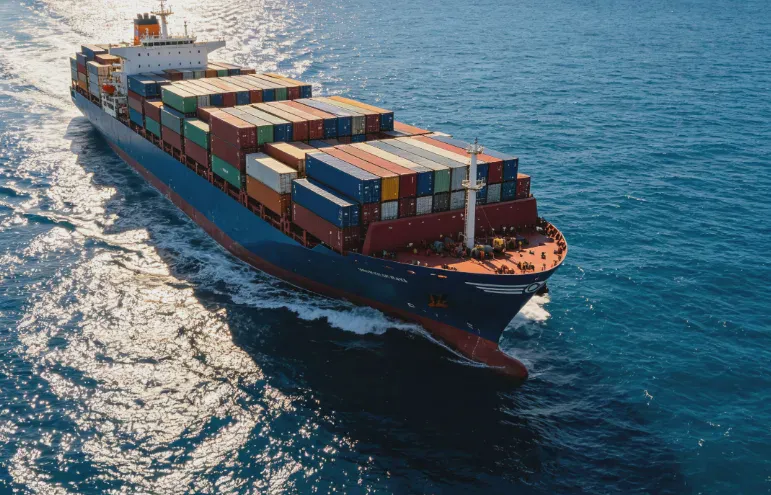
Understanding Sea Freight from China to Israel
Sea freight between China and Israel covers the movement of goods in standard containers (FCL) or shared consolidation boxes (LCL). The route typically involves sailing from a major Chinese port through the Suez Canal to reach the Mediterranean ports of Haifa or Ashdod.
Key point for 2026: Since late 2023, many carriers adjusted schedules around the Red Sea and Suez Canal due to regional instability. While most mainline services have returned to Suez routing as of Q2 2026, some lines still add 3–7 days via alternative routing or impose additional risk surcharges. Always confirm the exact routing with your forwarder at booking—do not assume a direct Suez transit.
The core process remains unchanged: your supplier delivers goods to a Chinese port warehouse, the cargo undergoes export customs clearance, loads onto a vessel, sails to Israel, clears Israeli customs, and then moves by truck to your door or warehouse.
For bulk shipments over 2–3 cubic meters, sea freight is almost always cheaper than air freight. The trade-off is time. Port-to-port transit ranges from 18 to 30 days, but total door-to-door time including customs and inland delivery often stretches to 30–45 days.
Key Ports for Sea Freight between China and Israel
Port selection affects both cost and transit time. Your supplier’s proximity to the origin port and your final delivery address in Israel should drive the decision.
Main Chinese Ports:
| Port Name | Location | Best For |
|---|---|---|
| Shanghai | Yangtze River Delta | Highest frequency to Israel; best for suppliers in Jiangsu, Zhejiang, or Anhui |
| Shenzhen | Pearl River Delta | Electronics and textiles; ideal for Guangdong suppliers |
| Ningbo | Zhejiang | Alternative to Shanghai with competitive LCL consolidation rates |
| Qingdao | Shandong | Northern China exports; machinery and chemical goods |
| Xiamen | Fujian | Specialized in furniture and stone products; growing LCL service |
Key Israeli Ports:
| Port Name | Location | What to Know |
|---|---|---|
| Port of Ashdod | Southern Israel | Israel’s largest container terminal; handles the majority of FCL imports from China |
| Port of Haifa | Northern Israel | Major gateway for northern Israel; recently expanded Bay Terminal increases capacity |
| Port of Eilat | Red Sea | Minimal container traffic from China; primarily used for bulk cargo and special projects |
Practical note: Most China–Israel container traffic flows into Ashdod or Haifa. If your warehouse is in Tel Aviv or the central district, Ashdod is usually closer and cheaper for trucking. If you are based in Haifa or the north, Haifa Port saves a day of inland transport.
Advantages of Sea Freight from China to Israel
Before choosing a shipping method, weigh whether sea freight fits your business model.
Cost-Effectiveness
Sea freight remains significantly cheaper per kilogram than air freight for shipments over 100 kg. As of 2026, a typical FCL 20-foot container from Shanghai to Ashdod costs roughly the same as shipping 800–1,000 kg by air—a fraction of the capacity.
Capacity for Large or Heavy Cargo
Ocean containers handle pallets, machinery, and bulk raw materials that would be prohibitively expensive by air. A 40-foot high-cube container fits approximately 76 cubic meters of cargo.
Flexible Load Options
- FCL (Full Container Load): You pay for the entire container. Best for shipments over 15–20 CBM where you control the loading and sealing.
- LCL (Less than Container Load): You share container space and pay per cubic meter. Suitable for smaller shipments, but add 3–7 days for consolidation and deconsolidation at both ends.
Lower Carbon Footprint
If your company tracks supply chain emissions, sea freight produces roughly 10–40 grams of CO₂ per ton-kilometer, compared to 400–500 grams for air freight.
Hazardous and Special Cargo
Sea freight accommodates hazardous materials (with proper MSDS and IMO classification), refrigerated goods (reefer containers), and out-of-gauge cargo that air carriers reject.
Sea Freight Cost from China to Israel
Pricing in 2026 is more volatile than pre-2020 levels. Importers should budget carefully and understand what drives quotes.
What Affects Your Rate
- Container type and size: FCL 20ft, 40ft, or 40ft HC. Special equipment (reefer, open-top, flat-rack) costs 30–100% more.
- Origin and destination ports: Moving cargo from an interior Chinese city to a coastal port adds inland trucking costs. In Israel, delivery to Jerusalem or Beer Sheva costs more than Tel Aviv.
- Fuel surcharges (BAF): fluctuate monthly with oil prices.
- Currency: Most ocean freight is billed in USD, but Israeli terminal and trucking charges may be in ILS. Exchange rate shifts affect your final invoice.
- Seasonality: Pre-Rosh Hashanah (August–September) and pre-Passover (February–March) periods see demand spikes and tighter space.
- Red Sea risk surcharges: Some carriers still apply War Risk Surcharge (WRS) or Emergency Risk Surcharge (ERS) depending on routing.
Estimated Costs (Mid-2026, for Budget Planning Only)
| Origin Port | Destination Port | FCL 20ft (USD) | FCL 40ft (USD) | LCL (USD/CBM) | Port-to-Port Transit |
|---|---|---|---|---|---|
| Shanghai | Ashdod | $1,800–$2,600 | $3,100–$4,400 | $90–$140 | 22–28 days |
| Shenzhen | Haifa | $1,900–$2,700 | $3,200–$4,500 | $95–$150 | 20–26 days |
| Ningbo | Ashdod | $1,800–$2,600 | $3,100–$4,400 | $90–$140 | 23–29 days |
| Qingdao | Haifa | $2,000–$2,900 | $3,400–$4,800 | $100–$160 | 25–32 days |
Important: These are base ocean freight ranges only. Your final invoice will include origin charges (trucking, customs, documentation), destination charges ( Israeli port handling, customs clearance, VAT), and delivery. Always request an all-in DAP or DDP quote to avoid surprises.
Hidden Costs to Watch For
- Demurrage and detention: If you do not return an empty container within the free period (typically 7–14 days), daily charges apply. In Israel, detention fees can reach $80–$150 per day for a 40ft container.
- Customs inspection fees: If Israeli customs select your container for physical inspection (scan or open), you pay additional handling and storage.
- Storage at port: Ashdod and Haifa offer limited free storage days; beyond that, daily charges accumulate quickly.
- Documentation amendments: Errors on the Bill of Lading or commercial invoice can cost $50–$150 per correction with the shipping line.
Shipping Time for Sea Freight from China to Israel
Transit time is not just sailing days. It includes booking lead time, customs clearance at both ends, and inland trucking.
Estimated Transit Times
| Origin Port | Destination Port | Port-to-Port | Door-to-Door (FCL) | Door-to-Door (LCL) |
|---|---|---|---|---|
| Shanghai | Ashdod | 22–28 days | 30–38 days | 35–45 days |
| Shenzhen | Haifa | 20–26 days | 28–36 days | 33–43 days |
| Ningbo | Ashdod | 23–29 days | 31–39 days | 36–46 days |
| Qingdao | Haifa | 25–32 days | 33–42 days | 38–48 days |
What Adds Delays
- Transshipment: If your cargo moves through a hub like Singapore, Jebel Ali, or Port Said, add 3–7 days.
- Israeli customs holds: Missing or inconsistent documentation is the most common cause. Israeli customs are thorough; discrepancies between the B/L, invoice, and packing list trigger inspections.
- Port congestion: Ashdod can experience congestion during peak pre-holiday seasons.
- Supplier delays: Late delivery to the Chinese port means missing the intended vessel and sliding to the next sailing—often a week later on this route.
Shipping Process Step by Step
Understanding the full flow helps you manage expectations and catch problems early.
1. Inquiry and Quotation
Send your forwarder or supplier:
- Cargo description (HS code if known)
- Weight and dimensions
- Origin city and destination address
- Incoterms preference (FOB, CIF, DAP, DDP)
Ask specifically whether the quote includes:
- Origin handling and customs
- Ocean freight
- Israeli port handling
- Customs clearance
- Delivery to your door
- VAT and duties (if DDP)
2. Booking and Cargo Preparation
Once you accept a quote, the forwarder books space with the carrier. Your supplier must have cargo ready and properly packed before the "cut-off" date—the deadline for delivering goods to the port warehouse.
Packing tip for Israeli importers: Ensure cartons are labeled in English with origin, destination, piece count, and weight. Israeli customs and warehouse staff handle thousands of containers; clear labeling reduces mishandling and inspection risk.
3. Export Customs Clearance in China
Required documents typically include:
- Commercial invoice
- Packing list
- Export declaration (handled by the Chinese forwarder or supplier)
- Bill of Lading instructions
If your supplier handles export clearance, confirm they provide you with copies of all documents before the vessel sails.
4. Ocean Transit
You receive a Bill of Lading (B/L) or Sea Waybill. Track the vessel using the carrier’s online tool or the booking number. Mainline carriers on this route include MSC, Maersk, CMA CGM, and ZIM.
5. Import Customs Clearance in Israel
Upon arrival at Haifa or Ashdod, your forwarder or customs broker submits:
- Original Bill of Lading (or telex release confirmation)
- Commercial invoice
- Packing list
- Import declaration
- Certificates if required (e.g., Standards Institute of Israel approval for certain electronics or toys)
Critical for 2026: Israeli customs have tightened enforcement on undervaluation and HS code classification. Ensure your invoice reflects true transaction value. Misclassification can lead to fines, seizure, or delayed release.
6. Delivery
After customs releases the cargo and you (or your forwarder) pay port handling, VAT, and any duties, the container moves by truck to your warehouse or is destuffed at a local warehouse for LCL deliveries.
Choosing a Freight Forwarder for China–Israel Shipping
Not all forwarders handle this lane well. Here is what experienced importers verify before signing:
| Criteria | Why It Matters | Red Flags |
|---|---|---|
| Direct experience on China–Israel lane | Customs rules, document formats, and carrier relationships differ by trade lane. | Vague answers about Israeli port procedures or unfamiliarity with Israeli VAT rules. |
| Transparent all-in quotes | Prevents surprise charges at destination. | Quotes that only show ocean freight and omit origin/destination handling. |
| Customs brokerage capability | Israeli customs requirements are specific. A forwarder without in-house brokerage or a strong local partner will delay your cargo. | They tell you to "find your own customs broker in Israel." |
| Communication timing | China is 5–6 hours ahead of Israel. Your forwarder needs staff available during Israeli business hours to resolve issues. | Only reachable late at night Israel time. |
| Tracking and updates | You need proactive alerts for delays, customs holds, or vessel schedule changes. | No tracking portal; relies on you asking for updates. |
| References or reviews | Ask for references from other Israeli importers in your industry. | Reluctance to provide client references. |
A word on pricing: The cheapest quote often costs more in the long run. Forwarders who undercut on base freight sometimes recover margin with inflated destination charges, storage fees, or documentation handling. Request a breakdown and compare total landed cost.
2026 Market Realities: What Importers Should Know
- Suez stability: While most carriers have normalized Suez routing, geopolitical risk remains. Build 5–7 days of buffer into your inventory planning.
- Currency exposure: The ILS/USD exchange rate affects not just freight but also duties and VAT. Consider hedging or pricing adjustments if you import regularly.
- Green regulations: The EU’s Carbon Border Adjustment Mechanism (CBAM) and similar global trends do not directly affect Israel-bound sea freight yet, but carriers are investing in lower-emission vessels. Expect gradual fuel surcharge adjustments as the fleet upgrades.
- E-commerce growth: Israeli demand for consolidated LCL shipments from Chinese e-commerce platforms continues to rise. If you import smaller batches frequently, negotiate a monthly LCL volume rate rather than booking spot rates each time.
FAQs
What are the main ports for sea freight between China and Israel?
The primary Chinese departure ports are Shanghai, Shenzhen, Ningbo, Qingdao, and Guangzhou. In Israel, the main arrival ports are Ashdod and Haifa, with Ashdod handling the majority of container volume.
How long does sea freight from China to Israel take in 2026?
Port-to-port transit is generally 20–32 days depending on origin and routing. Door-to-door including customs and delivery typically takes 28–45 days. LCL shipments add roughly 5–10 days for consolidation and deconsolidation.
What documents are needed for Israeli customs clearance?
Standard documents include the Bill of Lading, commercial invoice, packing list, and import declaration. Certain products require additional certificates (Standards Institute approval, health certificates, etc.). Israeli customs are strict about consistency across documents—ensure all values, weights, and descriptions match exactly.
How are duties and VAT calculated in Israel?
Import duties depend on the HS code classification. VAT (currently 17% as of 2026) applies to the CIF value plus duty and any applicable excise. A licensed customs broker can provide exact calculations before shipment.
This guide reflects market conditions and operational practices as of May 2026. Freight rates, transit times, and regulations change regularly. For shipment-specific advice, consult a licensed freight forwarder or customs broker familiar with the China–Israel trade lane.