Are you wondering what affects the Sea Shipping cost from China to New Zealand and how you can secure the most competitive rates? Understanding the complexities of ocean freight, from cargo type and volume to customs fees and port charges, is crucial for smart shipping decisions. In this comprehensive guide, we’ll break down every aspect of sea freight shipping so you can optimize costs and ensure smooth delivery from China to New Zealand.
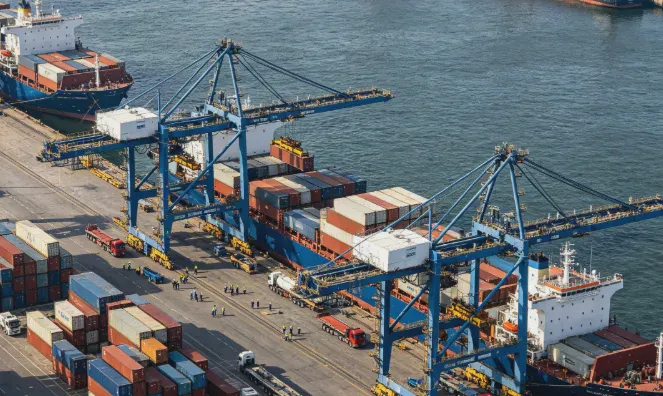
What Factors Determine the Sea Shipping Cost from China to New Zealand?
When planning international shipments, understanding the elements that impact the Sea Shipping cost from China to New Zealand is crucial for budget control and supply chain efficiency. Below are the key determinants:
Cargo Type, Volume (CBM), and Weight
The nature of your cargo significantly affects shipping costs. Bulky, oversized, or hazardous goods may require special handling or equipment, leading to higher charges. Additionally, ocean freight is commonly calculated based on:
- Volume (Cubic Meter - CBM): Most sea freight rates for general cargo depend on the cargo's volume. For example, if your cargo is lightweight but occupies a large space, you pay according to CBM.
- Weight (Metric Tons or Kilograms): If your cargo is heavy and occupies less space, charges may be based on weight.
Full Container Load (FCL) options are ideal for large volumes, while Less than Container Load (LCL) is suitable for smaller shipments. If you're interested in comparing rates for other destinations in Oceania, see our guide on Shipping from China to Australia.
| Container Type | Capacity (CBM) | Best For |
|---|---|---|
| 20FT | 28 | Medium-size shipments, dense cargo |
| 40FT | 56 | Bulkier, larger shipments |
| 40HQ | 68 | Voluminous, lightweight, or mixed cargo |
| 45HQ | 78 | Maximum volume, light or oversized goods |
Port-to-Port Distance and Transit Time
The distance between the port of origin in China and the destination port in New Zealand has a direct impact on freight costs. Longer routes require more fuel and operational expenses. Moreover, transit time affects inventory planning and supply chain efficiency. For example:
- Average transit time from Shanghai to Auckland is 18-23 days.
- Shipping from Shenzhen to Lyttelton may take up to 26 days.
Peak Seasonality and Shipping Demand Trends
Peak seasons (such as pre-Christmas, Chinese New Year, or major sales events) often lead to increased shipping demand, resulting in higher ocean freight rates and possible space shortages. Planning shipments during off-peak times can help reduce costs and avoid delays.
Origin Port Charges and Destination Customs Fees
Both origin and destination ports levy handling charges, documentation fees, and other surcharges. Additionally, New Zealand Customs Service imposes import taxes and processing fees, which are separate from the freight charges. These can include:
- Terminal Handling Charges (THC)
- Documentation and administration fees
- Duty and GST (Goods and Services Tax) in New Zealand
At DTFU International Logistics Co.,Ltd, we provide transparent cost breakdowns, including all expected port charges and customs fees, to help clients budget accurately. If you are also considering air logistics, you may find our dedicated article on Air Shipping from China to New Zealand useful.
FCL vs. LCL Sea Freight: Which is Most Cost-Effective for New Zealand?
Choosing between FCL and LCL directly affects your Sea Shipping cost from China to New Zealand. Let’s compare these two primary ocean freight options:
FCL Shipping: Rates for 20FT & 40FT Containers
FCL means you rent an entire shipping container exclusively for your cargo. This method is most cost-effective when:
- Your shipment volume approaches or exceeds 15 CBM (cubic meters)
- You want to minimize handling and reduce risk of damage or contamination
- You require faster transit and simplified customs clearance
Advantages of FCL:
- Fixed shipping cost for the entire container, regardless of how full it is
- Lower risk of cargo mix-up or damage, since the container is sealed from origin to destination
- Faster processing at both origin and destination ports
Typical FCL rates (Q2 2026):
| Route | 20FT Container (USD) | 40FT Container (USD) | 40HQ Container (USD) | Transit Time (Days) |
|---|---|---|---|---|
| Shanghai to Auckland | $1,400–$1,800 | $2,800–$3,200 | $3,000–$3,400 | 18–23 |
| Shenzhen to Wellington | $1,500–$1,900 | $2,900–$3,300 | $3,100–$3,500 | 23–28 |
| Ningbo to Lyttelton | $1,600–$2,000 | $3,000–$3,400 | $3,200–$3,600 | 25–30 |
Note: Market rates fluctuate. Contact DTFU International Logistics Co.,Ltd for the latest spot rates and space availability.
LCL Shipping: Cost per CBM for Smaller Cargo
LCL refers to shipments that do not fill a full container. Your cargo is consolidated with goods from other shippers, and you pay only for the space you use. LCL is ideal for:
- Shipments less than 12-15 CBM
- Small businesses or startups with limited inventory
- E-commerce sellers testing new markets
Advantages of LCL:
- Pay for actual cargo volume/weight
- No need to wait until you have enough goods for a full container
- Flexible for small or irregular shipment intervals
LCL cost breakdown (estimate, Q2 2026):
| Route | LCL Rate (USD/CBM) | Minimum Charge (USD) | Typical Transit Time (Days) |
|---|---|---|---|
| Shanghai to Auckland | $65–$85 | $350–$450 | 20–25 |
| Shenzhen to Wellington | $70–$90 | $380–$480 | 23–28 |
| Ningbo to Lyttelton | $75–$95 | $400–$500 | 25–30 |
Cost-saving tip: LCL may appear cheaper, but total costs (including consolidation, documentation, and handling fees) can add up. For shipments approaching 12–15 CBM, always compare LCL vs. FCL with your freight forwarder. As a reference, readers exploring shipments to other Pacific nations may review Sea Shipping cost from China to Australia.
At DTFU International Logistics Co.,Ltd, we offer expert guidance to help you select the best shipping mode based on your cargo volume, time sensitivity, and budget. Our comprehensive sea freight services, including FCL, LCL, door-to-door, and customs clearance, are designed for importers, exporters, and e-commerce sellers seeking reliability and cost efficiency.
For personalized quotations or more information on Sea Shipping cost from China to New Zealand, contact our team today. We’re committed to delivering high-quality, cost-effective logistics solutions tailored to your business needs.
Step-by-Step Breakdown of Sea Freight Charges and Hidden Costs
Shipping goods by sea from China to New Zealand involves various costs, each affecting your total expense. Understanding each charge allows you to plan your logistics budget more precisely. Here’s a detailed look at every key cost component:
Base Ocean Freight Rates (2026 Estimates)
Ocean Freight Rate is the core cost for transporting cargo across the ocean between ports. Rates are primarily determined by:
- Container type and size: Common types include 20FT (28CBM), 40FT (56CBM), 40HQ (68CBM), and 45HQ (78CBM) containers.
- Weight and volume: For LCL (Less than Container Load), charges are based on the greater of actual weight or volumetric weight.
- Service type: FCL (Full Container Load) rates are more cost-effective for large shipments, while LCL is suitable for smaller consignments.
- Market demand and seasonality: Peak shipping seasons (e.g., pre-Christmas, Chinese New Year) tend to have higher rates due to increased demand.
Sample Ocean Freight Rate Table (2026 Q2 Estimates):
| Route | Container Type | Average Rate (USD) | Transit Time (Days) |
|---|---|---|---|
| Shanghai – Auckland | 20FT | $1,400 – $1,800 | 18 – 23 |
| Shanghai – Auckland | 40HQ | $3,000 – $3,400 | 18 – 23 |
| Shenzhen – Tauranga | 20FT | $1,500 – $1,900 | 19 – 25 |
| Ningbo – Lyttelton | 40FT | $3,000 – $3,400 | 22 – 28 |
Note: Rates fluctuate with global market trends, fuel costs, and carrier surcharges. For tailored quotes, reach out directly to DTFU International Logistics Co.,Ltd.
Origin Charges at Major Chinese Ports (Shanghai, Shenzhen)
Origin charges are the costs incurred at the port of departure in China. These include:
- Terminal Handling Charges (THC): Covers container loading, stacking, and terminal use.
- Export Customs Clearance Fee: Preparation and submission of export documentation.
- Documentation Fee: Issuance of Bill of Lading and shipping instructions.
- Inland Haulage: If cargo is transported from an inland factory to the port.
Breakdown Example – Shanghai Port:
Fee Type 20FT (USD) 40FT/40HQ (USD) THC $70 $110 Customs Clearance $50 – $80 $50 – $80 Documentation $35 – $45 $35 – $45 Inland Haulage (avg.) $80 – $150 $150 – $250
Charges may vary by port (e.g., Ningbo, Shenzhen, Qingdao), service provider, and shipment specifics.
Destination Handling Charges at New Zealand Ports
Upon arrival at the New Zealand port (e.g., Auckland, Tauranga, Lyttelton), the following costs are applicable:
- Terminal Handling Charge (THC): Unloading and terminal services.
- Import Customs Clearance: Processing and compliance checks.
- Delivery Order Fee: Release of goods for pickup or inland delivery.
- Quarantine and Inspection Fees: Goods subject to MPI (Ministry for Primary Industries) inspections may incur additional costs.
Example – Auckland Port Fees:
| Fee Type | 20FT (USD) | 40FT/40HQ (USD) |
|---|---|---|
| THC | $110 | $180 |
| Customs Clearance | $65 – $100 | $65 – $100 |
| Delivery Order | $40 – $60 | $40 – $60 |
| Quarantine/Inspection | $50 – $200 (varies by cargo) |
Always confirm with your freight forwarder for updated charges, as regulatory requirements and port tariffs can change.
Additional Costs: Cargo Insurance, BAF, and Surcharges
- Cargo Insurance: Highly recommended to protect against loss/damage. Premiums typically range from 0.3%–0.5% of cargo value.
- Documentation Fees: Additional documents (Certificates of Origin, fumigation certificates) may incur extra charges.
- Surcharges: Potential extras like Peak Season Surcharge (PSS), Currency Adjustment Factor (CAF), Bunker Adjustment Factor (BAF), and security charges may apply, especially during volatile market periods.
Tip: Always request a detailed quotation outlining all potential charges to avoid unexpected surprises.
How to Secure the Cheapest Sea Shipping Rates to New Zealand
Optimizing your shipping strategy is crucial to minimizing costs and ensuring smooth delivery. Here are actionable steps to secure the best rates:
Expert Tips for Negotiating with China Freight Forwarders
- Consolidate Shipments: Shipping larger, less frequent loads often attracts better rates than multiple small shipments.
- Establish Long-term Partnerships: Building a relationship with a reputable freight forwarder like DTFU International Logistics Co.,Ltd can secure volume discounts and priority space, especially during peak times.
- Request All-Inclusive Quotes: Ensure quotations include all charges (origin, destination, surcharges) for accurate cost comparison.
- Stay Informed: Ask about current market trends, upcoming rate changes, and available promotional offers.
- Negotiate Based on Volume: Leverage your annual shipping volume or projected growth to obtain favorable contract rates.
Maximizing Cost Savings through LCL Consolidation
- LCL Consolidation: If your cargo does not fill a container, consider LCL. Multiple shipments from different shippers are combined, reducing individual costs.
- FCL for Bulk Cargo: If you regularly ship large volumes, booking a full container (FCL) is generally more cost-efficient per unit.
- Hub Warehousing: Use consolidation warehouses in major Chinese ports (e.g., Shanghai, Shenzhen) to gather cargo from multiple suppliers, then load into a single container.
- Schedule Coordination: Align shipment schedules with suppliers to minimize storage and demurrage fees.
At DTFU International Logistics Co.,Ltd, we offer expert consolidation services, ensuring your goods are efficiently packed and shipped for optimal savings.
Leveraging Freight Rate Calculators for Accurate Quotes
- Freight Rate Calculators: These tools allow you to enter shipment details (origin, destination, cargo type, dimensions/weight) and receive instant rate estimates.
- Quotation Platforms: Online platforms provide custom quotes and allow for easy comparison between service options.
- Real-Time Market Data: Leverage platforms that use current market data to ensure pricing accuracy.
For those seeking a comparison between ocean and other transport modes, consider reading Air Shipping from China to New Zealand for a breakdown of air freight advantages and pricing.
How to Use Effectively:
- Prepare accurate shipment details (cargo dimensions, weight, value, commodity).
- Enter data into the calculator or submit to the quotation form.
- Compare results between FCL and LCL options.
- Review service inclusions/exclusions for a true cost comparison.
- Contact DTFU International Logistics Co.,Ltd for personalized advice and to discuss cost-saving strategies.
In summary, understanding each element of sea shipping costs from China to New Zealand empowers you to make informed decisions. By leveraging negotiation tactics, shipment consolidation, and digital tools, you can significantly reduce your shipping expenses. For customized solutions and reliable service, rely on a trusted partner like DTFU International Logistics Co.,Ltd—your one-stop provider for Sea Freight, Road Freight, Air Freight, Amazon FBA, Warehouse, Cargo Insurance, and Customs Clearance services.
If you have specific shipment requirements or need a detailed quote, contact us at DTFU International Logistics Co.,Ltd—we are committed to providing highly professional, cost-effective, and high-quality logistics solutions tailored to your business needs.
Navigating New Zealand Customs Clearance and Import Duties
Essential Shipping Documentation for NZ Customs
Ensuring that your cargo passes New Zealand Customs smoothly is essential to keep costs and delays minimal. When shipping from China to New Zealand by sea, you will typically need the following documentation:
- Bill of Lading: The most critical document, serving as proof of shipment and a title of goods.
- Commercial Invoice: Details the value, quantity, and nature of the goods.
- Packing List: Describes how goods are packed and assists in verification during inspections.
- Import Declaration: Required by New Zealand Customs, submitted electronically.
- Certificate of Origin: Sometimes required to benefit from reduced tariffs under free trade agreements.
- Insurance Certificate (if applicable): Proves the shipment is covered in transit.
In addition, for specific goods such as food, chemicals, or electronics, you may need additional permits or compliance documents. Regulations can change, so it is critical to verify current requirements with the New Zealand Customs Service or a professional freight forwarder like DTFU International Logistics Co.,Ltd.
Calculating GST and Import Duties for Chinese Goods
Import taxes and duties form a significant part of the overall Sea Shipping cost from China to New Zealand. These charges depend on the type and value of goods:
- Goods and Services Tax (GST): A flat 15% GST is levied on the CIF (Cost, Insurance, and Freight) value plus any applicable duties and other charges.
- Customs Duty: Most goods from China now have 0% duty due to the New Zealand–China Free Trade Agreement (NZCFTA). However, a limited range of products (e.g., some textiles, footwear, and vehicles) may still attract duties.
- Biosecurity Fees: Some products may require inspection by MPI (Ministry for Primary Industries), incurring additional fees.
Example Calculation Table:
| CIF Value (USD) | Duty Rate | GST (15%) | Total Tax Payable (NZD) |
|---|---|---|---|
| $10,000 | 0% | $1,500 | $1,500 |
| $10,000 (Textiles) | 5% | $1,575 | $2,075 |
Note: Exchange rates may affect the final NZD amount. Please consult the latest NZ Customs schedule or your logistics provider for precise calculations.
Pro Tips to Avoid Demurrage and Port Delays
Delays at New Zealand ports can result in storage (demurrage) fees and additional costs. To minimize these risks:
- Submit documents in advance: Electronic lodgement of import declarations before vessel arrival speeds up clearance.
- Ensure accuracy: Discrepancies in the Bill of Lading, invoices, or product descriptions commonly trigger inspections.
- Work with experienced freight forwarders: Firms like DTFU International Logistics Co.,Ltd offer one-stop customs clearance services, reducing errors and leveraging established relationships with customs and port authorities.
- Stay updated on regulations: The New Zealand government sometimes updates quarantine or safety requirements, especially for food, wood, or agricultural products.
For more information about customs clearance, you may find our resource on Customs Clearance valuable.
By adopting these best practices, importers can avoid unnecessary expenses and ensure a smooth logistics experience.
Best Origin and Destination Ports for China to New Zealand Shipping
Top Departure Ports in China (Shanghai, Ningbo, Shenzhen)
The choice of the departure port in China can influence both your freight cost and transit time. The most commonly used ports for sea shipping from China to New Zealand are:
| Port Name | City & Province | Key Features |
|---|---|---|
| Shanghai | Shanghai | World’s busiest container port, frequent direct sailings to NZ. |
| Shenzhen (Yantian/Shekou) | Guangdong | Modern terminals; strong connections to South China manufacturers. |
| Ningbo-Zhoushan | Zhejiang | High capacity, competitive rates, fast customs clearance. |
| Qingdao | Shandong | Ideal for northern/central China exporters. |
| Xiamen | Fujian | Efficient for electronics, foodstuffs, and light industry goods. |
| Guangzhou (Nansha) | Guangdong | Major hub for South and Central China, with excellent logistics links. |
These ports offer both FCL (Full Container Load) and LCL (Less than Container Load) shipping options.
Major Arrival Ports in New Zealand
The principal entry points for sea freight in New Zealand include:
| Port Name | City/Region | Key Advantages |
|---|---|---|
| Auckland | North Island | Largest port, central location, extensive warehousing. |
| Tauranga | North Island | Fastest-growing NZ port, excellent for FCL/LCL. |
| Lyttelton (Christchurch) | South Island | Main gateway to South Island, efficient customs process. |
| Napier | Hawke’s Bay | Suitable for agricultural and bulk cargo. |
| Wellington | North Island | Good for cargo bound for lower North Island. |
Auckland and Tauranga handle the majority of containerized imports, offering regular sailings from major Chinese ports.
Estimated Sea Freight Transit Times by Route
Transit times for sea shipping from China to New Zealand depend on the chosen ports and directness of the sailing. Below is a sample comparison:
| Origin Port | Destination Port | Typical Transit Time (Days) | Transit Route |
|---|---|---|---|
| Shanghai | Auckland | 16–22 | Direct or via Australia |
| Shenzhen | Tauranga | 17–24 | Direct or via Brisbane |
| Ningbo | Lyttelton | 18–26 | Transshipment at Auckland |
| Qingdao | Auckland | 19–27 | Often transshipment via Shanghai |
| Xiamen | Wellington | 18–25 | Via Auckland or Tauranga |
Note: Actual transit times may be affected by carrier schedules, weather events, and port congestion. During peak seasons (e.g., pre-Christmas), allow for possible delays.
If you're interested in exploring other ocean shipping routes in the region, you might compare with Sea Shipping from China to Australia.
For the simplest and most cost-effective routing, partnering with a professional freight forwarder such as DTFU International Logistics Co.,Ltd ensures your shipments are booked on the most optimal routes, whether you require door-to-door, consolidated freight, or customs clearance services.
FAQs
Q1: What is the cheapest way to ship goods from China to New Zealand?
A: Generally, sea freight—especially LCL for small shipments and FCL for full loads—is the most cost-effective method. Costs vary by volume, weight, port of origin, and destination. Partnering with logistics experts like DTFU International Logistics Co.,Ltd helps you access the best rates and service options.
Q2: How do I calculate the total sea shipping cost from China to New Zealand?
A: Total cost includes ocean freight, origin/destination port charges, customs clearance, import duties/GST, insurance, and any other surcharges. For an accurate quote, provide shipment details (dimensions, weight, product type) to your freight forwarder.
Q3: Are there restrictions on what I can import into New Zealand by sea?
A: Yes. New Zealand has strict biosecurity and import regulations. Certain items (food, wood products, chemicals, electronics) require extra documentation or may be restricted. Always check with New Zealand Customs or the MPI before shipping.
Q4: How can I avoid hidden fees or delays at New Zealand ports?
A: Submit all documents accurately and on time. Use a reliable freight partner (like DTFU International Logistics Co.,Ltd) for end-to-end customs clearance and port handling.
Q5: Which Chinese port should I choose for shipping to New Zealand?
A: Select a port closest to your supplier for lower domestic transport costs. Popular options—Shanghai, Shenzhen, Ningbo, Guangzhou—offer frequent sailings to major New Zealand destinations.
Q6: Does DTFU International Logistics Co.,Ltd offer insurance and warehousing for shipments?
A: Yes. We provide cargo insurance, warehousing, and a range of value-added services, including road freight, air freight, Amazon FBA, and door-to-door delivery.