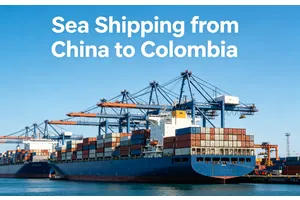
importing from China to Colombia presents massive profit opportunities, but unpredictable sea freight rates, unexpected DIAN customs taxes, and port delays at Buenaventura can quickly erase your margins. If you are struggling to accurately calculate the true sea shipping cost from China to Colombia, you are not alone.
At DTFU International Logistics, we manage over 300 TEUs monthly moving from Asian manufacturing hubs directly into South America. Through years of navigating the complexities of Colombian ports (from SPRB to TCBUEN) and managing the challenging inland trucking routes over the Andes, we've learned exactly where importers lose money. In this guide, we break down current 2026 FCL and LCL container rates, expose hidden local port fees, and show you exactly how to navigate Colombian customs without getting stuck in the dreaded "Canal Rojo" (Red Channel). If you are shipping to other parts of South America, see our guide on Shipping from China to Brazil.
Key Takeaways
- Current Estimates: A 40ft container (HQ) to Buenaventura currently ranges from $3,500 to $4,800, depending on seasonal demand and carrier capacity.
- Taxes Matter: DIAN strictly enforces a standard 19% IVA (VAT) plus import tariffs (usually 0-15%) based on your exact HS Code.
- The "Bodegaje" Trap: Shipping lines may give you 14-21 days of container free time, but Colombian ports only give you 3-5 days of free storage (Bodegaje). Clear customs early.
- Compliance is Key: You must have an active RUT, a digital signature (Firma Digital), and be registered on VUCE before your cargo arrives.
Calculating the Total Sea Shipping Cost from China to Colombia
To determine your final landed cost in your Bogotá or Medellín warehouse, you must look beyond the basic ocean freight quote. A complete calculation includes the origin charges in China, the main sea freight, destination port fees in Colombia, and mandatory DIAN taxes.
Current FCL Rates to Buenaventura & Cartagena
FCL (Full Container Load) is the most cost-effective method for large volume shipments. Rates fluctuate based on the time of year, particularly before the Chinese New Year or peak holiday seasons.
| Container Type | Route (China to Colombia) | Estimated Cost (USD) | Best For |
|---|---|---|---|
| 20ft Container | Shenzhen/Ningbo to Buenaventura | $2,200 - $3,000 | Heavy, dense cargo (machinery, tiles) |
| 40ft HQ Container | Shenzhen/Ningbo to Buenaventura | $3,500 - $4,800 | High-volume goods (electronics, furniture) |
| 40ft HQ Container | Shanghai to Cartagena | $3,800 - $5,200 | Goods destined for the Atlantic coast |
Note: These are baseline 2026 market estimates. For exact contract rates, contact our team with your cargo details.
LCL Shipping: When is it Cost-Effective?
If your shipment is under 15 cubic meters (CBM), LCL (Less than Container Load) is the practical choice. Instead of paying for an entire container, you only pay for the space you use.
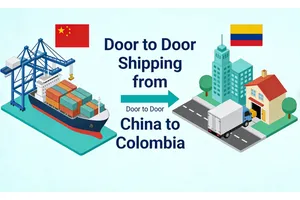
LCL rates from major Chinese ports to Buenaventura typically range from $80 to $130 per CBM. However, be aware that LCL shipments incur higher destination handling charges (DHC) at the CFS (Container Freight Station) in Colombia. Expert Tip: Deconsolidation in Colombian ports can add 3-5 extra days to your timeline. Factor this into your inventory planning. If you need faster options, consider Door to Door Shipping from China to Colombia.
DIAN Taxes & Duties: Calculating 19% IVA and Import Tariffs
The Colombian customs authority (DIAN) applies taxes strictly based on the CIF (Cost, Insurance, and Freight) value of your goods.
- Import Tariff (Arancel): Depending on your product's HS code, this ranges from 0% (for some technology and raw materials) up to 15% (for textiles and consumer goods).
- IVA (Value Added Tax): A standard 19% IVA is applied to the sum of the CIF value plus the import tariff.
Accurate HS code classification is critical. Misclassifying your goods can lead to severe fines or confiscation by DIAN.
Hidden Port Fees at Colombian Ports: The "Bodegaje" Trap
Many first-time importers are shocked by local charges upon arrival. The biggest trap is confusing carrier "Free Time" with port "Free Time."
- Bodegaje (Storage Fees): While your shipping line (like COSCO or ONE) might grant you 21 days of container free time, the port terminals in Buenaventura (like SPRB or TCBUEN) typically only offer 3 to 5 days of free storage. After that, daily bodegaje fees compound rapidly, often costing hundreds of dollars per week.
- THC (Terminal Handling Charges): Charged by the port for moving the container from the vessel to the yard.
- Document Fees: Costs for processing the Bill of Lading and local release orders.
From Our Operations Desk: At DTFU, we strongly advise initiating "Pre-inspección" (pre-customs clearance) while the vessel is still at sea. By having your Agente de Aduanas submit the paperwork early, we can often pull the container out of the port within the 3-day free window, saving you massive storage penalties.
How Many Days Does It Take to Ship from China to Colombia by Sea?
Time is money. Understanding transit times helps you manage inventory and avoid stockouts in your Colombian warehouses.
Port-to-Port Transit Times
Direct vessels from major Chinese hubs (like Shenzhen, Ningbo, or Shanghai) to Buenaventura are the fastest option. Transshipment routes, which may stop in Mexico (Manzanillo) or Panama (Balboa) before reaching Colombia, can add 7 to 14 days to your total transit time.
| Origin Port (China) | Destination Port (Colombia) | Estimated Transit Time |
|---|---|---|
| Shenzhen / Guangzhou | Buenaventura | 25 - 30 Days |
| Ningbo / Shanghai | Buenaventura | 28 - 33 Days |
| Shenzhen / Shanghai | Cartagena | 32 - 40 Days |
Inland Delivery Times: The "La Línea" Challenge
Getting the container to the port is only half the journey. Inland trucking from Buenaventura to Bogotá requires crossing the Andes mountains, specifically the notorious "Alto de La Línea" mountain pass.
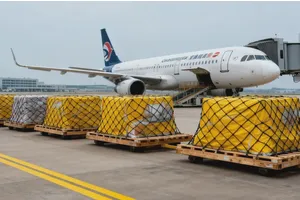
Depending on road conditions and truck availability, this inland leg usually takes 2 to 4 days. However, during the rainy seasons (April-May and October-November), landslides and heavy truck traffic can turn a 12-hour drive into a 3-day ordeal. Always buffer your inventory for this inland leg. If delays are unacceptable, you may want to compare Air Freight vs Express: Which Is Faster and More Cost-Effective from China to determine alternative strategies.
Navigating Colombian Customs Without Delays
Colombian customs are notoriously strict. A single missing document can leave your cargo stranded at the port.
Essential Documents: BL, Commercial Invoice, and VUCE Registration
To clear customs, your local Agente de Aduanas (customs broker) will need:
- Bill of Lading (BL): The official transport contract.
- Commercial Invoice & Packing List: Must perfectly match the physical cargo.
- VUCE (Ventanilla Única de Comercio Exterior): You must be registered on this platform to process import declarations. You will also need a registered Firma Digital (Digital Signature) through a certified Colombian entity like Certicámara.
RUT and Import Licenses
Before importing anything, your Colombian company must have an active RUT (Registro Único Tributario) with the specific authorization (Casilla 54) to act as an importer. Certain goods, like textiles, shoes, and electronics, require specific import licenses or prior approvals from government ministries (like INVIMA for food/health or SIC for electronics).
How to Avoid "Canal Rojo" Customs Inspections
DIAN uses a risk management system. If your shipment is flagged for the Canal Rojo (Red Channel), it means a mandatory physical inspection of the cargo. This delays your shipment by 3-7 days and incurs extra port handling fees.
To minimize this risk:
- Hire a Level 1 Broker: Use an Agente de Aduanas Nivel 1. These top-tier brokers have higher compliance ratings with DIAN, which mathematically lowers your risk of red channel inspections.
- Ensure 100% Accuracy: Discrepancies between your Packing List and the actual cargo are the #1 trigger for inspections.
- Never Under-declare: DIAN has sophisticated pricing databases. Under-declaring the commercial value of your goods will trigger immediate audits and severe penalties. For a comprehensive look at the roles of a forwarder and customs broker, read The Strategic Role of Freight Forwarders in Modern Supply Chains.
Strategic Routing: Choosing the Right Colombian Port
Colombia is unique in South America because it has major ports on both the Pacific and Atlantic oceans.
Buenaventura (SPRB & TCBUEN): The Pacific Gateway
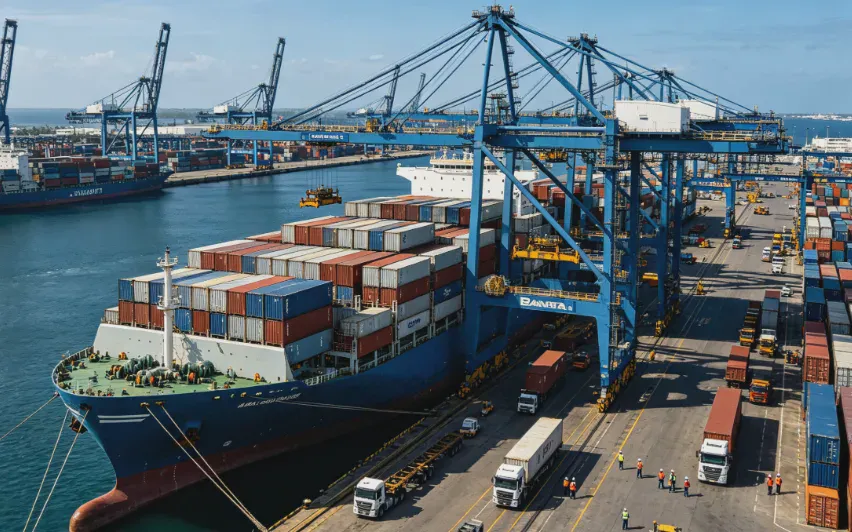
Located on the Pacific coast, Buenaventura handles over 60% of all Colombian imports from Asia. It is the fastest and most direct route from China. It has multiple terminals—primarily SPRB and TCBUEN. TCBUEN is highly automated and often favored by Maersk and MSC, while SPRB is the traditional hub. Buenaventura is ideal for electronics, machinery, and goods destined for Bogotá, Cali, and Medellín.
Cartagena & Barranquilla: The Atlantic Route
Cartagena and Barranquilla are situated on the Caribbean coast. While transit times from China are longer (as vessels must pass through the Panama Canal), these ports are excellent if your final distribution center is in the northern coastal regions (the Costa Caribe) of Colombia, bypassing the mountainous inland trucking routes entirely.
Why Importers Choose DTFU International Logistics
Managing the complexities of international freight, DIAN regulations, and inland Colombian trucking requires a specialized partner.
Guaranteed Space and Competitive Contract Rates
Because we manage high volumes of Latin American freight, DTFU International Logistics secures priority vessel space and tier-one contract rates from top carriers like COSCO, Maersk, and ONE, even during peak seasons. We pass these savings directly to you.
End-to-End Handling from Chinese Factories to Bogotá Warehouses
We don't just move boxes; we design supply chain solutions. Whether you need standard Door-to-Door delivery (DAP/DDU) or require assistance coordinating with your local Colombian Agente de Aduanas Nivel 1 for final clearance, our bilingual team monitors your shipment 24/7 until it safely crosses the Andes and reaches your warehouse.
FAQs
What is the average sea shipping cost from China to Colombia for a 40ft container?
In 2026, a 40ft HQ container from main Chinese ports to Buenaventura typically costs between $3,500 and $4,800. Rates to Cartagena are slightly higher due to the Panama Canal transit.
What is the average sea shipping cost from China to Colombia for a 20ft container?
A 20ft container generally ranges from $2,200 to $3,000 to Buenaventura. It is ideal for dense, heavy cargo rather than high-volume goods.
How long is the sea transit time from Shenzhen to Buenaventura?
A direct route from Shenzhen to Buenaventura takes approximately 25 to 30 days port-to-port. However, always add 2-4 days for the inland trucking leg over the "La Línea" pass to Bogotá.
Does Colombia support DDP shipping from China?
True DDP (Delivered Duty Paid) in Colombia is highly complex because DIAN requires the formal importer of record to have a local RUT and pay the IVA/duties directly. We strongly recommend using Door-to-Door (DAP) terms, where we handle all logistics to your door, but you remain the official importer for tax compliance. To better understand these shipping terms, review DDP vs FOB: Which Option Saves Time and Reduces Hassle.
What is the cheapest month to import goods to Colombia?
Historically, freight rates drop slightly after the Chinese New Year rush (March to May) and before the Q3 holiday peak season starts in August.
Do I need an import license to bring goods into Colombia?
Yes, you must have an active RUT registered for importing (Casilla 54). Additionally, specific products (like textiles, footwear, and some electronics) require prior import licenses processed through the VUCE platform, requiring a registered Firma Digital.