Importing a vehicle from overseas can be a lucrative business move or a passionate personal project, but the immediate question for most buyers is: how much to ship a car from China to USA?
Drawing on over a decade of hands-on experience at DTFU International Logistics, where we handle hundreds of transpacific vehicle shipments annually, we know that the "sticker price" of freight is rarely the final cost. Whether you are importing a fleet of electric vehicles (EVs) or a single classic car, navigating international auto transport requires a clear understanding of the exact costs, stringent US Customs regulations, and port logistics. In this comprehensive guide, we will break down the exact expenses, compare shipping methods, and share real-world insights to help you avoid hidden fees and transit delays when shipping from China to USA.
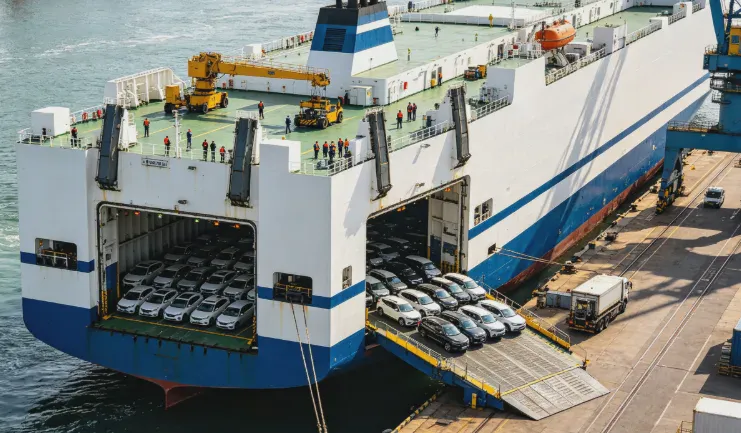
Key Takeaways:
- The average cost to ship a car from China to the USA ranges from $1,500 to $4,500, depending on the shipping method and vehicle size.
- RoRo (Roll-on/Roll-off) is generally the most cost-effective method for operational vehicles, while Container Shipping offers better protection for high-value or luxury cars.
- Hidden fees, such as customs duties (typically 2.5% for standard autos), Destination Handling Charges (DHC), and EPA/DOT compliance modifications, can significantly impact your final budget.
- Partnering with an experienced freight forwarder like DTFU International Logistics ensures transparent pricing and smooth customs clearance.
How Much Does It Cost to Ship a Car from China to USA?
When budgeting for your vehicle import, it is crucial to understand that the baseline freight rate is only one part of the total equation.
Average Car Shipping Costs from China to US
On average, you can expect to pay between $1,500 and $4,500 for the standard ocean transport of a single vehicle from a major Chinese port (like Shanghai or Shenzhen) to a US West Coast port (like Los Angeles or Long Beach). East Coast destinations (like New York or Newark) will typically cost $500 to $1,000 more due to the longer transit time via the Panama Canal.
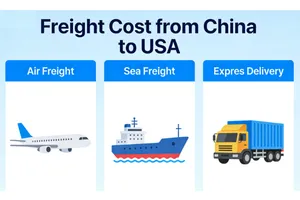
| Shipping Method | Estimated Cost Range (USD) | Best Suited For |
|---|---|---|
| RoRo (Roll-on/Roll-off) | $1,500 - $2,500 | Standard, drivable vehicles; budget-conscious shippers. |
| Shared Container (LCL) | $1,800 - $3,000 | Single vehicles needing enclosed protection. |
| Dedicated 20ft Container (FCL) | $3,000 - $4,500+ | Luxury, classic, or fragile vehicles; fastest ocean transit. |
| Air Freight | $8,000 - $20,000+ | Extremely high-value cars, urgent deliveries (e.g., auto shows). |
(Note: These are baseline freight estimates and do not include US customs duties, taxes, or inland transport.)
Factors Influencing the Cost of Shipping a Car Internationally
The final price tag on your shipment will fluctuate based on several dynamic variables. Beyond the basic freight rate, you must account for the specific dimensions of your vehicle, the current global shipping demand, bunker fuel surcharges (BAF), and the specific Incoterms negotiated with your Chinese supplier. At DTFU International Logistics, we always advise our clients to request a comprehensive quote that includes origin fees, ocean freight, and destination charges to avoid unpleasant surprises upon arrival.
Main Shipping Methods for Cars from China to USA
Choosing the right shipping method balances your budget with your need for speed and vehicle protection.
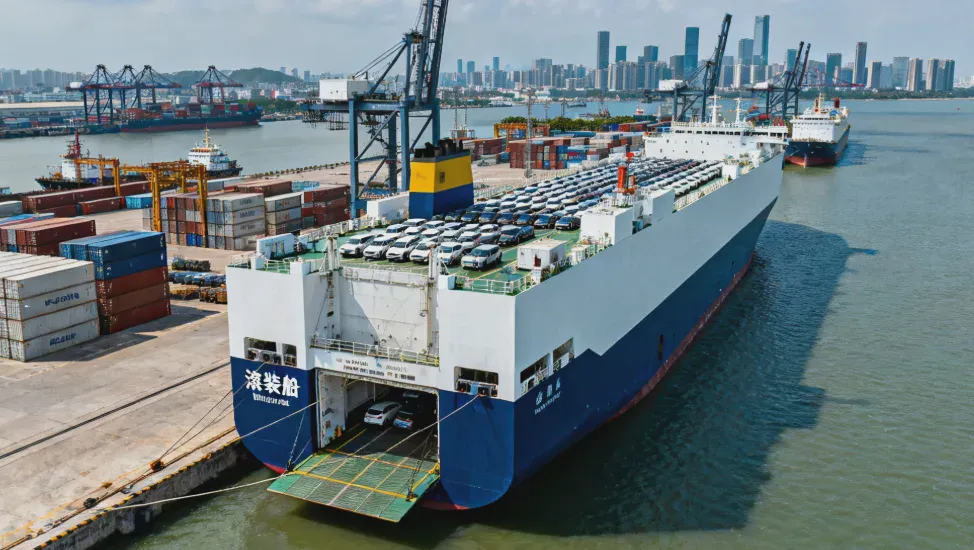
Roll-on/Roll-off (RoRo) vs. Container Shipping: Pros, Cons, and Cost Differences
RoRo Shipping involves driving your vehicle directly onto a specialized vessel and securing it to the deck.
- Pros: It is the most affordable and straightforward method.
- Cons: Your car is exposed to the elements during loading/unloading, and you cannot ship personal items inside the vehicle. The car must be fully operational.
Container Shipping involves securing your vehicle inside a 20ft or 40ft steel shipping container.
- Pros: Maximum security and protection from weather and sea water. You can often pack spare parts or personal belongings in the container.
- Cons: More expensive than RoRo. Shared containers can experience delays while waiting for the container to be fully loaded with other vehicles.
Air Freight for Cars: When Is It Worth the Cost?
While ocean freight is the industry standard, air freight is an option for highly specific scenarios. If you are importing a multi-million-dollar hypercar, a prototype for a trade show, or require delivery within a week, air freight is the only solution. However, at costs often exceeding $15,000, it is financially unviable for standard vehicle imports.
Key Factors That Affect Car Shipping Prices from China to USA
To secure the best possible rate, you must understand how carriers calculate their pricing.
Vehicle Size, Weight, and Type
Ocean carriers charge based on volume and weight. A compact sedan will cost significantly less to ship than a heavy-duty pickup truck or a large SUV. Furthermore, electric vehicles (EVs) require specialized expertise. In our operations, we must classify EVs under the UN3171 hazardous materials classification due to their large lithium-ion batteries. This classification often incurs special handling fees and requires specific stowage positioning on the vessel, which can increase the base freight rate by 10% to 15%.
Origin and Destination Ports: Popular Routes and Port Fees
The route you choose dictates the price. Shipping from Shanghai (specifically the Waigaoqiao or Yangshan terminals) to Los Angeles is one of the most heavily trafficked and competitive routes, often yielding the best rates. For RoRo shipments, Guangzhou's Nansha port has also emerged as a major hub for auto exports, offering excellent facilities. Conversely, shipping from a smaller Chinese inland port to a specialized US East Coast terminal will incur higher costs and longer transit times.
More importantly, port-specific fees like Destination Handling Charges (DHC) and wharfage vary widely between US ports. For instance, the Ports of Los Angeles and Long Beach frequently experience chassis shortages, which can lead to unexpected demurrage (storage) fees if your container cannot be moved promptly. We frequently see inexperienced importers attracted by "too good to be true" base freight rates, only to be hit with exorbitant DHC fees or port storage penalties upon arrival. Always insist on a transparent quote that details both origin and destination charges, including a plan for inland auto transport (open vs. enclosed carrier) once the vehicle clears customs.
Seasonal Price Fluctuations and Demand Trends
Ocean freight rates are highly volatile. Shipping during the peak season (August to October) leading up to the holiday rush will result in premium pricing and tighter space availability. Planning your shipment during the post-Chinese New Year slump (March to May) can often secure you the most favorable rates.
Detailed Breakdown of Car Shipping Charges and Fees
A transparent quote should itemize the following expenses to give you a true landed cost.
Ocean Freight Charges, Customs Duties, and Taxes
- Ocean Freight: The base rate charged by the shipping line.
- US Customs Duties: According to US Customs and Border Protection (CBP), the standard import duty for passenger cars is 2.5% of the vehicle's commercial value. For pickup trucks, it is a steep 25% (commonly known in the industry as the "Chicken Tax").
- Merchandise Processing Fee (MPF) & Harbor Maintenance Fee (HMF): Mandatory US customs fees. MPF is calculated at 0.3464% of the cargo value (subject to minimum/maximum limits), while HMF is 0.125% for ocean freight arrivals.
Documentation, Insurance, and Handling Fees
- Marine Insurance: Highly recommended. Typically costs 1.5% to 2% of the vehicle's declared value.
- Bill of Lading (B/L) Fee: Administrative fee for issuing the official transport document.
- Customs Brokerage Fee: The fee paid to a licensed US Customs Broker to file your Entry Summary (CBP Form 7501).
- EPA/DOT Compliance: If the vehicle is not originally manufactured to US standards, you may face massive fees to modify the engine and safety systems through a Registered Importer (RI). (Note: Vehicles over 25 years old are exempt from DOT and EPA standards).
How to Get an Accurate Car Shipping Quote from China to USA
Do not rely on instant online calculators for a final budget; you need a customized quote from a professional forwarder.
Information Needed to Receive a Precise Estimate
When contacting a freight forwarder like DTFU International Logistics, provide the following details:
- Vehicle Details: Make, model, year, dimensions (L x W x H), and weight.
- Vehicle Value: For insurance and customs duty calculation.
- Origin and Destination: Exact pickup address in China and final delivery zip code in the USA.
- Operational Status: Is the car drivable?
- Preferred Shipping Method: RoRo, FCL, or LCL.
Comparing International Car Shipping Companies and Rates
When reviewing quotes, ensure you are comparing apples to apples. A quote that looks incredibly cheap might only cover the ocean freight and exclude origin port fees, export customs clearance in China, and US destination charges. Always ask if the quote is "Door-to-Door" or "Port-to-Port."
Essential Steps and Tips for Shipping a Car from China to USA
Preparation is the key to avoiding costly delays at the border.
Preparing Your Car for International Transport
- Clean the Vehicle (Steam Cleaning): The US Department of Agriculture (USDA) strictly inspects imported cars for foreign soil and pests. In our experience, failing this inspection is a costly mistake. A dirty car will be quarantined and mandated for agricultural cleaning, which can easily add $300 to $500 to your bill and delay clearance by several days. We highly recommend a thorough undercarriage steam cleaning prior to shipping.
- Fuel Level: Ensure the gas tank is no more than 1/4 full to comply with maritime safety regulations.
- Remove Personal Items: Unless shipping via a dedicated FCL container, remove all personal belongings from the vehicle to prevent theft and customs issues.
- Document Condition: Take high-quality, timestamped photos of the vehicle's interior and exterior before handing it over to the carrier.
Required Documentation and Customs Clearance Process
You will need a robust paperwork trail to clear US Customs and Border Protection (CBP). Based on our local customs clearance operations, we warn clients to be prepared for random CBP X-ray exams (VACIS) or intensive exams, which can add $150 to $300 to your cost and delay release by a few days. To minimize these red flags, ensure your paperwork is flawless. Essential documents include:
- Original Bill of Lading (OBL)
- Commercial Invoice / Bill of Sale
- Packing List
- EPA Form 3520-1 (Emissions compliance)
- DOT Form HS-7 (Safety compliance)
- Foreign Registration/Title translated into English
Choosing the Best Way to Ship Your Car from China to the USA
Figuring out exactly how much to ship a car from China to USA requires navigating a complex web of freight rates, port fees, and strict customs regulations. While RoRo shipping offers the best value for standard vehicles, dedicated container shipping provides the necessary security for high-value investments. The most critical decision you will make is choosing the right logistics partner.
At DTFU International Logistics, we specialize in simplifying complex transpacific shipments. Our team of experts will help you select the most cost-effective route, manage all export and import documentation, and ensure your vehicle arrives safely and in full compliance with US regulations. Contact us today for a transparent, no-obligation quote.
FAQs
Is it cheaper to ship a car via RoRo or in a container?
RoRo (Roll-on/Roll-off) is almost always the most cost-effective method, typically ranging from $1,500 to $2,500. However, if you are shipping a luxury, classic, or fragile vehicle, we highly recommend a dedicated 20ft container (FCL). While container shipping costs more (usually $3,000 to $4,500+), it provides essential protection from saltwater and weather elements during the transpacific voyage.
How much does it cost to ship an electric vehicle (EV) compared to a gas car?
Shipping an EV typically incurs a 10% to 15% surcharge on top of the standard ocean freight rate. Because of their large lithium-ion batteries, EVs are classified as UN3171 hazardous materials. This requires carriers to follow specialized handling protocols and specific stowage positioning on the vessel to mitigate fire risks, which drives up the cost.
Are there hidden fees when shipping a car from China to the USA?
Yes. In our experience, the biggest "hidden" fees that catch importers off guard are Destination Handling Charges (DHC) at US ports, storage fees (demurrage/detention) if customs clearance is delayed, and mandatory USDA agricultural cleaning fees (often $300-$500) if the car arrives dirty. Always ask your freight forwarder for a comprehensive "Door-to-Door" quote to understand your true landed shipping cost from China to USA.
Can I pack personal belongings inside my car when shipping it overseas?
This depends entirely on the shipping method. If you choose RoRo, the answer is strictly no; the car must be completely empty for security and safety reasons. If you ship via a dedicated FCL container, you are generally allowed to pack spare parts or personal belongings in the trunk or backseat, but every single item must be meticulously declared on your packing list for US Customs.
Can I import any car from China to the USA?
No. The vehicle must comply with US Environmental Protection Agency (EPA) and National Highway Traffic Safety Administration (NHTSA) / Department of Transportation (DOT) standards. If it does not, it must be imported through a Registered Importer (RI) for modifications, which can be prohibitively expensive and is strictly enforced by CBP. The primary exception is the "25-Year Rule"—vehicles that are at least 25 years old are generally exempt from these DOT and EPA standards.
How long does it take to ship a car from China to the US?
Port-to-port transit times typically range from 15 to 25 days to the US West Coast, and 25 to 35 days to the US East Coast. However, you should factor in an additional 1-2 weeks for customs clearance and inland transport.