Customer Background
The customer is a logistics buyer for a Chicago-based retail chain that imports plastic storage and organization products for distribution across its Midwest store network. The product line spans nestable storage boxes and organizers across a range of sizes and a mixed SKU base, sourced on a repeat basis from the region's packaging supply chain.
The chain had previously purchased equivalent product through domestic distributors and a Chinese trading middleman, with freight and duty absorbed inside the distributor's unit price. This container was part of a direct-import program the buyer was moving toward, where landed-cost per unit — freight, duty, and inland legs itemized separately — could be compared against the distributor price. They engaged DTFU Logistics for the routing and tariff work on the strength of existing shipments through the same supply chain.
Cargo Information
| Item | Detail |
|---|---|
| Commodity | Plastic storage boxes (nestable, mixed SKUs) |
| Mode | Ocean freight FCL |
| Origin | Yantian, China |
| Destination | Chicago, IL, United States (IPI via Long Beach) |
| Incoterm | FOB Yantian |
| Container | 1×40HQ |
| Gross weight | 8,600 kg |
| Volume | 56 CBM |
| Pallets | 18 |
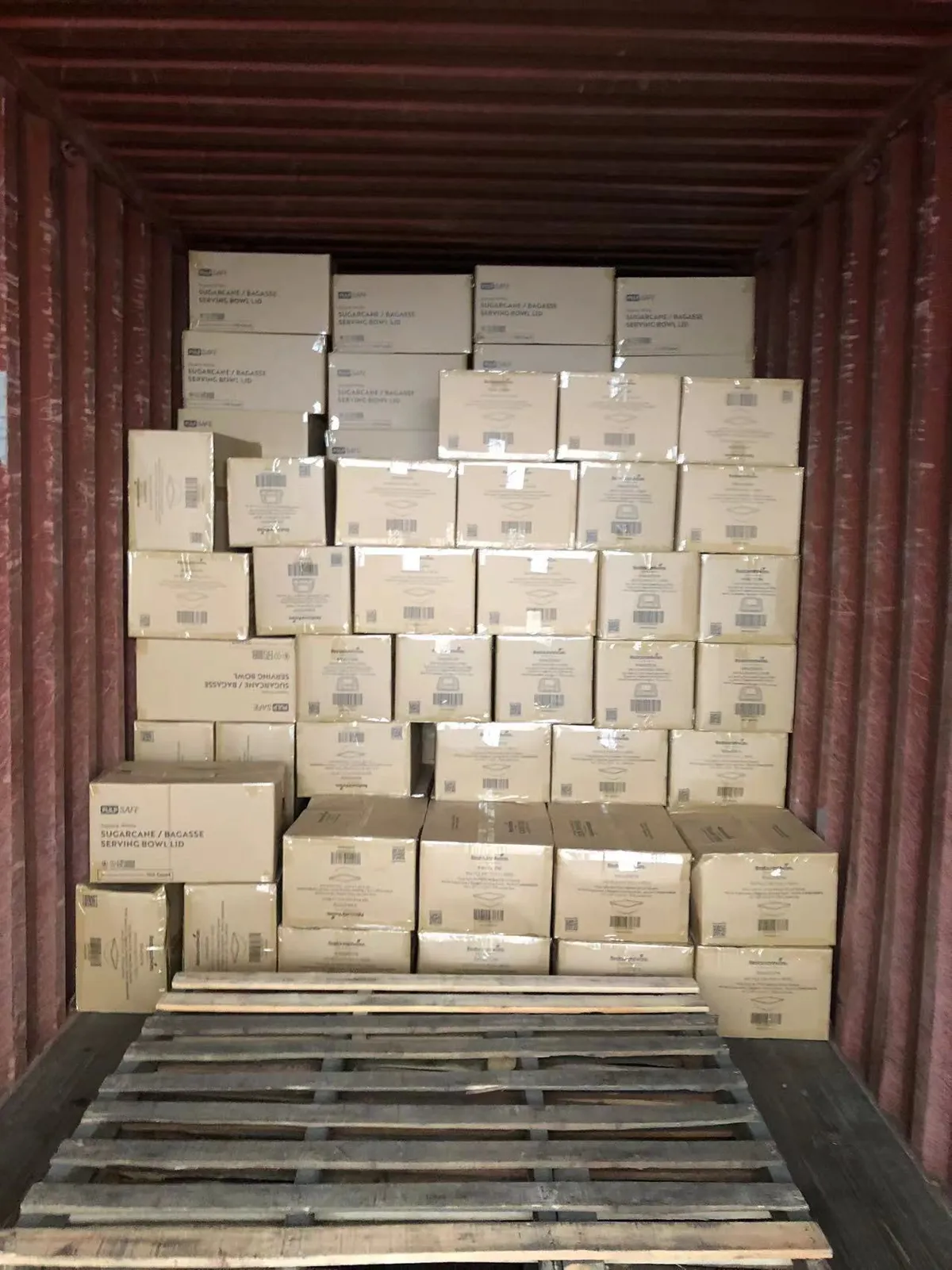
The cargo was a mix of nestable plastic storage boxes across several sizes. The boxes nest inside one another when unassembled, but mixed carton dimensions leave interior voids that are the primary source of wasted volume. Combined, the shipment sat at 56 CBM against a 40HQ usable volume of about 67 CBM — a near-full-cube load for a plastic container mix, with the constraint being cube rather than weight (8,600 kg is well below the ~26 t payload limit).
Why This Shipping Method
A 40HQ full-container move was selected over LCL consolidation. At 56 CBM, the cargo was above the range where LCL remains cost-effective, and the mixed-SKU carton mix would have been handled, re-sorted, and reloaded at both the origin consolidation warehouse and the destination depot — two additional touch points that add mis-sort and damage risk for a repeat buyer measuring the program against distributor reliability.
For the inland leg to Chicago, the container moved under the standard IPI (Interior Point Intermodal) model: ocean to Long Beach, then rail to the Chicago ramp, then drayage to the warehouse. This routing was chosen over an all-water East Coast service because it offered a materially shorter door-to-door window at a comparable all-in cost for a Midwest destination.
A further driver was tariff exposure. Plastic storage boxes sit in a grey zone between HTS 3924 (household articles of plastics) and HTS 3926 (other articles of plastics), which can carry different MFN and Section 301 treatment on goods of Chinese origin. The classification was reviewed during the costing stage so the per-unit comparison the buyer wanted would reflect the true duty-inclusive number, not the freight quote alone.
Shipping Process
Step 1 — Factory loading (Yantian area)
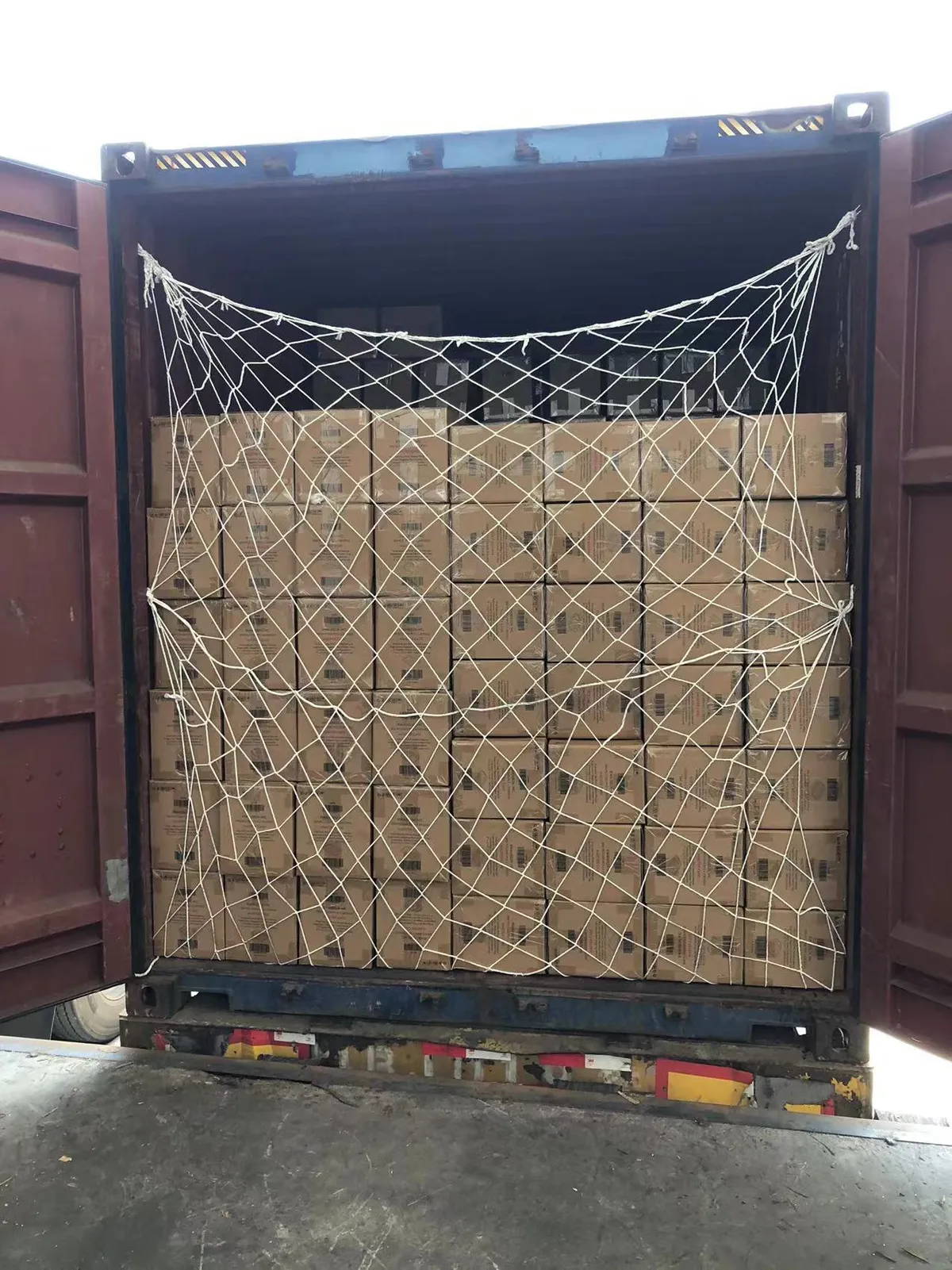
An empty 40HQ was dropped at the shipper's factory in the Yantian catchment. Loading followed a pre-agreed nestable plan: box SKUs were segregated by dimension class, nested cartons stacked vertically with the smaller SKUs set into the larger ones, and heavier and fully-assembled units allocated to the lower pallet tiers. Dunnage was placed between pallet columns to close lateral voids. Loading took approximately six hours under the shipper's export team. The container was sealed with a high-security bolt seal; container and seal numbers were recorded.
Step 2 — Export customs clearance (Yantian)
The commercial invoice, packing list, and export declaration were filed through the China Customs single window. The declared unit values were cross-checked against the packing list so the invoice and customs data stayed consistent — a detail that matters downstream for the U.S. ISF and entry filing. The HTS line used at origin was matched to the line intended for the U.S. entry. The declaration cleared the same day.
Step 3 — Ocean freight (Yantian → Long Beach)
The container loaded onto a scheduled transpacific service at Yantian. The ocean crossing to the Port of Long Beach, California took 12 days.
Step 4 — Rail inland haulage (Long Beach → Chicago)
After discharge and U.S. customs clearance, the container transferred to a rail ramp for the inland leg. The rail transit from Southern California to the Chicago ramp took five days on the double-stack network, covering roughly 3,200 km.
Step 5 — Drayage and unloading (Chicago)
The container was drayed from the Chicago rail ramp to the customer's warehouse. Unloading took approximately two hours; all 18 pallets were received intact and the seal number matched the bill of lading.
Challenges Encountered
1. HS classification grey zone and its Section 301 consequence
Plastic storage boxes sit between HTS 3924 (household articles of plastics) and HTS 3926 (other articles of plastics). The two lines can carry different MFN rates and, on goods of Chinese origin, different Section 301 treatment. If the line chosen at origin did not match what was declared on the U.S. entry, the buyer faced a rate revision at clearance — and with it a landed-cost figure that no longer matched the per-unit model approved before shipment.
2. Nestable cube optimization
The mixed SKUs did not share uniform dimensions, and empty interior space inside nested cartons was the main source of wasted volume. Loaded without a sequenced plan, the mix would have left voids across pallet columns and dropped well below the 56 CBM near-full-cube target, increasing the per-unit freight cost the buyer was comparing against the distributor price.
3. Rail IPI inland transit coordination
The Chicago leg depended on the Long Beach rail ramp's cut-off schedule. The container had to clear U.S. customs and transfer in time to make the rail cut, or it risked sitting at the ramp — adding dwell days that would erode the door-to-door advantage the IPI routing was chosen to deliver. The ramp fee and drayage also had to be budgeted as separate line items so the inland cost stayed visible.
How We Solved Them
For the HS classification risk:
The tariff line was confirmed before booking, and the same HTS was used consistently on the export declaration, the commercial invoice, the ISF, and the U.S. entry. The Section 301 rate attached to the selected line was factored into the landed-cost model given to the buyer, so the per-unit comparison against the distributor price reflected the duty-inclusive figure rather than a freight-only estimate.
For the cube optimization:
The nestable loading plan was finalized before the container drop: SKUs segregated by dimension class, nested cartons stacked vertically with smaller units set into larger ones, heavier and fully-assembled units at the bottom of each pallet column. Cartons were loaded on 18 pallets with stretch wrap and dunnage closing the gaps between columns. The sequenced plan held the load at 56 CBM — near-full cube — against a straight carton-by-carton alternative that would have left measurable void.
For the rail IPI coordination:
The IPI leg was booked with the Long Beach rail ramp's cut-off confirmed in advance. Discharge and customs clearance were sequenced to hit that cut, and the rail departure was confirmed before the container left the port. The rail ramp fee was itemized separately from the ocean freight so the inland cost was transparent. Drayage from the Chicago ramp to the warehouse was arranged in advance of the ramp arrival, so the container moved the same week it landed.
Final Timeline
| Milestone | Timing |
|---|---|
| Empty container drop and factory loading (Yantian) | Day 1 |
| Export customs clearance (Yantian) | Day 2 |
| Vessel departure Yantian | Day 3 |
| Arrival Long Beach | Day 15 |
| Vessel discharge and U.S. customs clearance | Day 17 |
| Rail departure Long Beach | Day 18 |
| Arrival Chicago rail ramp | Day 23 |
| Drayage and warehouse unloading | Day 25 |
Total door-to-door transit time: 25 days
Final Cost
| Item | Cost (USD) |
|---|---|
| Ocean freight (1×40HQ, Yantian → Long Beach) | $2,850 |
| Origin THC, port fees, documentation | $400 |
| ISF filing | $45 |
| U.S. customs clearance (bond not included) | $160 |
| Rail IPI (Long Beach → Chicago) | $1,180 |
| Drayage (Chicago ramp → warehouse) | $380 |
| Total door-to-door | $5,015 |
Note: figures reflect the spot rates for this shipment (July 2026) and vary with season, fuel surcharge, and carrier capacity. Section 301 duty on the plastic line is collected separately at entry and was quoted to the customer as part of the landed-cost model.
Customer Review
"The HS line was confirmed before booking, so the Section 301 rate at entry matched the landed-cost figure we approved. The nestable plan held the load to a full cube, and the rail leg delivered to the Chicago ramp on the scheduled day. All 18 pallets were received intact and the seal matched the bill of lading."
— The customer's logistics buyer, Chicago
Lessons Learned
- Nestable loading is where the freight saving lives for plastic storage goods. Mixed-SKU plastic boxes cube out before they weigh out; a sequenced stacking plan is what holds the load at 56 CBM of usable cube instead of shipping void. For a cargo constrained by volume, load density is directly equivalent to a freight discount.
- The HTS 3924/3926 grey zone carries a real tariff consequence. The classification difference between household articles and other articles of plastics can change the Section 301 rate, so the line has to be settled before booking, not at entry — and confirmed against the U.S. entry.
- One consistent HTS across the export declaration, commercial invoice, ISF, and U.S. entry removes rate-revision exposure. The tariff treatment was factored into the landed-cost model before the buyer approved the order, so the duty-inclusive figure matched what was paid at clearance.
- IPI rail remains the standard Midwest routing. For a Chicago destination, ocean to Long Beach plus a five-day rail leg beat an all-water East Coast service on door-to-door time at comparable all-in cost. Confirming the ramp cut-off and arranging drayage in advance is what holds that schedule.