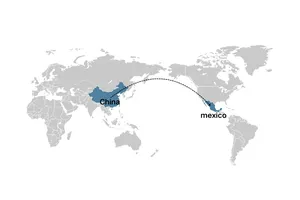
Are you wondering how long it takes for shipments to travel from China to Mexico, and what impacts the shipping time from China to Mexico? Understanding the transit times, various freight options, and key customs procedures is crucial for efficient logistics. In this comprehensive guide, we’ll explore how factors such as sea and air freight, major ports, and documentation can influence your delivery timeline, helping you make the best shipping decisions for your business needs.
Key Factors Influencing Transit Times
When evaluating shipping time from China to Mexico, several critical factors must be considered. Understanding these variables will help importers, exporters, and supply chain managers make informed logistical decisions and avoid unexpected delays.
- Shipping Mode: The choice between sea freight and air freight significantly affects transit times. Sea freight is slower but cost-effective, while air freight is faster but more expensive.
- Port Congestion: Both Chinese ports and Mexican ports may experience congestion, especially during peak trade seasons (e.g., Chinese New Year, Christmas). This can lead to extended waiting times for vessel berthing and cargo handling.
- Customs Clearance Procedures: Delays often occur due to incomplete documentation or discrepancies during customs clearance in either China or Mexico.
- Weather Conditions: Typhoons near East China or hurricanes along the Mexican Gulf Coast can disrupt normal shipping schedules.
- Transshipment & Routing: Direct sailings are faster than those requiring transshipment at intermediate ports, which is common for certain shipping lines.
- Carrier Schedules and Service Levels: Premium shipping lines or direct services may offer shorter transit times compared to economy or routed services.
- Cargo Type and Volume: Full Container Load (FCL) usually moves faster, as the container is dedicated to a single consignee, whereas Less than Container Load (LCL) shipments may face delays during consolidation and deconsolidation.
A proactive approach—such as working with a professional freight forwarder like DTFU International Logistics Co.,Ltd—can minimize these risks.
Sea Freight from China to Mexico
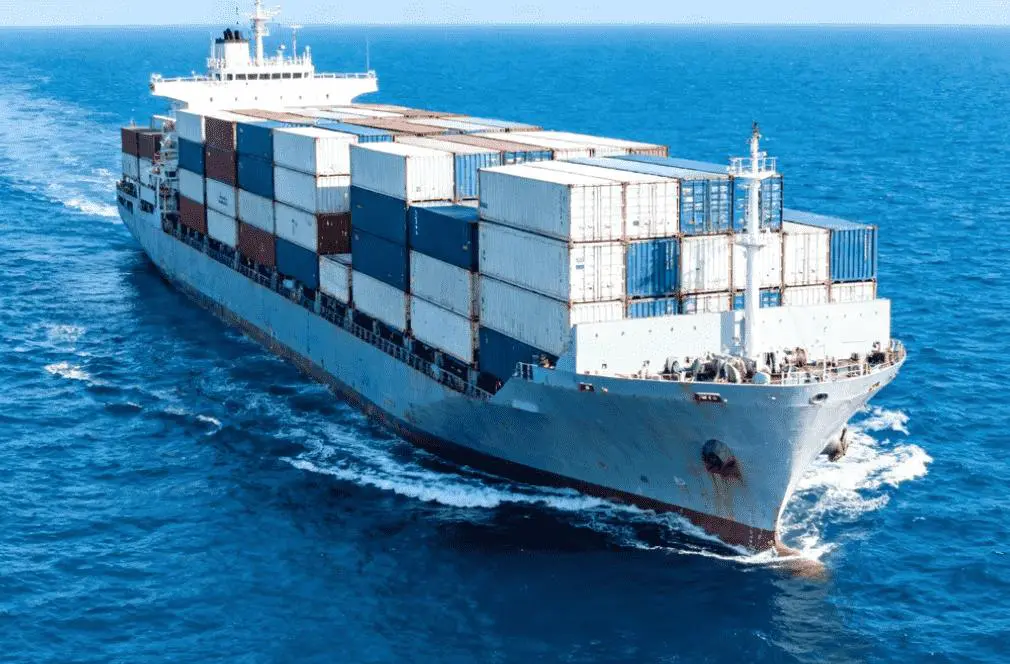
Sea freight is the most widely used shipping method for large and heavy cargo, offering a balance between cost and capacity. Understanding the differences between FCL and LCL options, as well as the main port pairs, is crucial for efficient logistics planning.
Related reading: For shipments to South America, see our overview of Sea shipping From China to Chile.
Full Container Load (FCL) Shipping Times
Full Container Load (FCL) means your goods occupy an entire container, which can be a 20FT (28CBM), 40FT (56CBM), 40HQ (68CBM), or 45HQ (78CBM) container. FCL shipments generally enjoy faster handling and transit, as containers are not opened for consolidation or deconsolidation along the way.
Typical FCL Transit Times (Port-to-Port):
| Origin Port (China) | Destination Port (Mexico) | Estimated Transit Time |
|---|---|---|
| Shanghai | Manzanillo | 23-30 days |
| Shenzhen | Manzanillo | 22-28 days |
| Ningbo | Lázaro Cárdenas | 25-32 days |
| Qingdao | Veracruz | 30-38 days |
| Xiamen | Altamira | 28-35 days |
Note: These are typical sailing times and do not include customs clearance or inland delivery, which may add several days.
FCL is ideal for larger shipments, especially if you need security, faster handling, and minimal risk of cargo damage.
Less than Container Load (LCL) Shipping Times
Less than Container Load (LCL) is suitable for smaller shipments that do not fill a full container. LCL cargo is consolidated with other shipments, introducing additional steps that can affect total shipping time.
Typical LCL Transit Times (Port-to-Port):
| Origin Port (China) | Destination Port (Mexico) | Estimated Transit Time |
|---|---|---|
| Shanghai | Manzanillo | 30-38 days |
| Shenzhen | Lázaro Cárdenas | 30-40 days |
| Ningbo | Veracruz | 35-45 days |
LCL transit times are generally 5-10 days longer than FCL, due to:
- Consolidation at origin: Waiting for enough cargo to fill a container.
- Deconsolidation at destination: Unloading and sorting at the arrival port.
- Potential delays during multiple handling points.
LCL is best for businesses with smaller volumes or startup importers/exporters needing flexibility.
Major Chinese Ports for Mexico Shipments
China has several key export ports with regular services to Mexico. The choice of port impacts both cost and shipping time.
- Shanghai: As the largest container port in the world, Shanghai offers the most frequent and direct services to Mexico. It is ideal for exporters in Eastern and Central China.
- Shenzhen (Yantian/Shekou/Chiwan): Located in Southern China, Shenzhen's ports are highly efficient and provide extensive connections to Mexico. Preferred for high-tech, apparel, and e-commerce cargo.
- Ningbo: Known for its advanced infrastructure, Ningbo is a major hub for manufacturing and offers competitive rates for shipments to Mexico.
- Qingdao: Serving Northern China, Qingdao is popular for machinery and chemical exports.
- Xiamen, Guangzhou (Nansha): Both handle significant volumes and offer competitive transit times for shipments to Mexico.
Tip: Selecting the nearest major port reduces domestic trucking time and cost.
Major Mexico Ports for Chinese Imports
Mexico's strategic ports handle the majority of inbound containerized cargo from China. Understanding their specialties helps optimize your supply chain.
- Manzanillo: The busiest container port in Mexico, Manzanillo serves as the primary gateway for imports from China, especially for the Pacific Coast and inland destinations (Mexico City, Guadalajara).
- Lázaro Cárdenas: Known for deep-water capacity and advanced container terminals, Lázaro Cárdenas caters to bulk and containerized cargo, serving Central and Northern Mexico.
- Veracruz: Located on the Gulf of Mexico, Veracruz is key for cargo destined for the eastern and southern states.
- Altamira: Another Gulf port, Altamira is important for industrial imports, particularly chemicals and machinery.
Port Comparison Table:
| Mexico Port | Location | China Port Connections | Cargo Type | Notable for |
|---|---|---|---|---|
| Manzanillo | Pacific Coast | Shanghai, Shenzhen, Ningbo | Containerized, Bulk | Fastest Pacific entry, extensive rail links |
| Lázaro Cárdenas | Pacific Coast | Shenzhen, Qingdao, Xiamen | Containerized, Bulk | Deep-water, advanced terminals |
| Veracruz | Gulf of Mexico | Shanghai, Ningbo | Containerized, Ro-Ro | Access to eastern/southern Mexico |
| Altamira | Gulf of Mexico | Ningbo, Qingdao | Industrial, Chemicals | Industrial hub, modern facilities |
If your business also ships to nearby Latin American markets, you may want to explore our resource on Door to Door shipping From China to Chile.
Air Freight from China to Mexico
Express Air Freight Transit Times
Express air freight is the fastest shipping option from China to Mexico. This service is ideal for urgent or high-value shipments, such as electronics, fashion, or essential components for manufacturing. Top international courier companies like DHL, FedEx, UPS, and TNT provide express services connecting major Chinese cities (such as Shanghai, Shenzhen, Guangzhou, and Beijing) to key destinations in Mexico (notably Mexico City, Monterrey, and Guadalajara).
On average, express air freight transit times are as follows:
| Origin (China) | Destination (Mexico) | Typical Express Transit Time* |
|---|---|---|
| Shanghai (PVG) | Mexico City (MEX) | 2 – 4 days |
| Shenzhen (SZX) | Monterrey (MTY) | 2 – 4 days |
| Guangzhou (CAN) | Guadalajara (GDL) | 2 – 4 days |
| Beijing (PEK) | Mexico City (MEX) | 2 – 4 days |
*Transit times include pick-up, customs clearance, and last-mile delivery, but may be impacted by factors such as customs inspection, flight schedules, and peak shipping seasons.
Express air freight is recommended when speed is the highest priority and the shipment’s value justifies the premium cost. For urgent e-commerce orders, medical supplies, or time-sensitive samples, express air is often the best solution.
Explore further: See our detailed guide on Air Shipping From China Mexico for additional air freight options and best practices.
Standard Air Cargo Transit Times
For larger, less time-sensitive shipments, standard air freight is a more cost-effective alternative to express but still significantly faster than sea freight. Standard air cargo is handled by commercial airlines or dedicated cargo carriers and often involves airport-to-airport shipping, requiring coordination for pick-up and final delivery.
Typical standard air cargo transit times from China to Mexico are:
| Origin (China Airport) | Destination (Mexico Airport) | Standard Air Transit Time* |
|---|---|---|
| Shanghai (PVG) | Mexico City (MEX) | 4 – 7 days |
| Shenzhen (SZX) | Monterrey (MTY) | 4 – 7 days |
| Guangzhou (CAN) | Guadalajara (GDL) | 4 – 7 days |
| Hong Kong (HKG) | Mexico City (MEX) | 4 – 7 days |
*Transit times are airport-to-airport and may extend depending on cargo availability, airline schedules, cargo consolidation, and customs processing.
Standard air freight is suitable for moderately urgent shipments such as electronics, apparel, and machinery parts, especially when balancing speed and cost is crucial. It is commonly chosen by businesses with regular shipping needs but less critical time constraints.
At DTFU International Logistics Co.,Ltd, our air freight services cover both express and standard solutions, tailored for global traders, e-commerce sellers, and manufacturers. Our long-term partnerships with leading airlines and customs brokers help us achieve consistent, reliable transit times with transparent tracking.
Cost Implications of Shipping Time
Balancing Speed and Cost
There is a direct relationship between shipping speed and freight cost. Faster shipping, like express air, commands a premium price due to limited cargo space, higher fuel surcharges, and value-added services (door-to-door, priority customs clearance, etc.). In contrast, sea freight offers slower but far more economical options for high-volume shipments.
Choosing the right balance between speed and cost depends on several factors:
- Product Value & Urgency: High-value, perishable, or time-sensitive goods justify higher air freight costs for rapid delivery.
- Order Size: Small, lightweight parcels are more cost-efficient by air, while bulk cargo favors sea or consolidated freight.
- Inventory Strategy: Just-in-time models often require faster shipping; holding inventory allows for slower, cheaper modes.
- Market Demands: Seasonal peaks or promotional sales may require expedited shipments to maintain supply.
The table below provides a general comparison of transit times and cost implications:
| Shipping Mode | Average Transit Time (China–Mexico) | Relative Cost (per kg) | Best Use Case |
|---|---|---|---|
| Express Air Freight | 2 – 4 days | $$$$ | Urgent, high-value, critical |
| Standard Air Freight | 4 – 7 days | $$$ | Moderately urgent, sensitive |
| Sea Freight (FCL/LCL) | 20 – 35 days | $ | Large volumes, low urgency |
*Cost is for illustration—actual rates depend on route, cargo type, and seasonality.
Related resource: For a detailed breakdown of Shipping Cost from China to Mexico, see our in-depth cost analysis.
Factors Affecting Shipping Costs
Several variables influence the overall cost of shipping from China to Mexico:
- Shipping Mode: Air (express/standard) is more expensive than sea or rail.
- Weight & Volume: Air freight is charged by actual or volumetric weight (whichever is greater). For sea freight, full container loads (FCL) are more economical for bulk shipments, while less than container load (LCL) is suitable for smaller cargo.
- Origin & Destination: Proximity to major ports or airports in both countries can reduce inland transport costs.
- Peak Seasons: Rates rise during Chinese New Year, Golden Week, and pre-holiday surges.
- Customs Duties & Taxes: Both China and Mexico have specific tariffs and regulations affecting overall landed costs.
- Value-added Services: Insurance, warehousing, customs brokerage, and door-to-door delivery add to the total logistics spend.
- Cargo Type: Hazardous, oversized, or temperature-sensitive cargo may incur special handling fees.
For businesses seeking to optimize their shipping strategies, partnering with a reputable freight forwarder like DTFU International Logistics Co.,Ltd provides access to competitive rates, flexible routing, and professional guidance on cost-saving measures.
Navigating Customs and Documentation for Timely Delivery
Navigating customs is a critical step in international shipping. Delays during customs clearance can significantly impact the overall shipping time from China to Mexico. Understanding the requirements in both countries and preparing the right documents is essential for a smooth logistics process.
You might also want to read: Shipping time from China to USA for further insights on North American shipping timeframes.
Chinese Customs Clearance Process
China Customs has strict procedures to ensure all exports comply with local regulations and international standards. The main steps include:
- Export Declaration: Shippers must submit an accurate export declaration through the China Customs online platform. This includes information about the shipper, consignee, goods description, HS codes, and shipment value.
- Inspection: Goods may be inspected by customs officers for compliance, safety, and legality. Random or targeted inspections can cause delays if documentation is incomplete or discrepancies are found.
- Duties and Taxes: While most exports from China are not subject to export duties, some sensitive items may require special permits or face restrictions.
- Release of Goods: Once cleared, goods are released to carriers for international shipment.
Key Tips:
- Ensure all documents are consistent and accurate.
- Partner with experienced freight forwarders like DTFU International Logistics Co.,Ltd for expert guidance.
- Use online tracking to monitor customs status and preempt issues.
Mexico Customs Clearance Requirements
Mexico Customs (Aduanas México) has its own set of regulations for imports. Key steps are as follows:
- Import Declaration: All goods entering Mexico must be declared using a Pedimento de Importación, which is submitted electronically by a licensed customs broker.
- Payment of Duties & VAT: Importers must pay applicable duties, Value Added Tax (VAT), and other fees. The tariffs depend on HS codes, origin, and the trade agreements in place.
- Inspection & Quarantine: Certain products may require sanitary inspection, especially food, agricultural items, and chemicals.
- Release Process: After documentation and payments are verified, shipments are cleared for delivery to the consignee.
Common Causes of Delays in Mexico:
- Missing or incorrect documents
- Incomplete tax payments
- Unclear product classification
Essential Shipping Documents
Having all the necessary documents prepared is crucial for reducing the shipping time from China to Mexico. Essential documents include:
| Document Name | Purpose | Required By |
|---|---|---|
| Commercial Invoice | Details value, description, and terms of sale | Both China & Mexico |
| Packing List | Lists goods and packaging details | Both China & Mexico |
| Bill of Lading (B/L) / Air Waybill (AWB) | Proof of carriage and ownership | Carrier & Customs |
| Certificate of Origin | Certifies the country of manufacture | May be required in Mexico |
| Import/Export Licenses | For controlled or restricted goods | Both China & Mexico |
| Insurance Policy | Provides cargo insurance details | Recommended |
Expert Tip: Work closely with your logistics provider to ensure all documents are complete before dispatch. At DTFU International Logistics Co.,Ltd, our experienced team provides one-stop documentation and customs clearance services, minimizing risks of delay.
Choosing the Right Shipping Method for Your Needs
Selecting the correct shipping method is key to balancing speed, reliability, and cost when arranging shipping from China to Mexico. Below is a comparison to guide your decision:
| Shipping Method | Typical Transit Time | Cost Level | Suitable For | Main Advantage |
|---|---|---|---|---|
| Sea Freight | 20–35 days | Low | Bulk, non-urgent shipments | Cost-effective for volume |
| Air Freight | 3–7 days | High | Time-sensitive, smaller loads | Fastest transit |
For other international comparisons: Learn more about Shipping time from China to Tanzania to see how African routes differ in duration and logistics.
When to Choose Sea Freight
Sea freight is the best choice for:
- Large-volume cargo (full containers or consolidated shipments)
- Non-perishable goods
- Cost-sensitive shipments where longer transit time is acceptable
- Projects with flexible delivery deadlines
Advantages:
- Lower cost per unit
- Multiple container options (20FT, 40FT, 40HQ, 45HQ; capacities: 28CBM, 56CBM, 68CBM, 78CBM respectively)
- Suitable for heavy or oversized cargo
Sea freight is widely used for electronics, machinery, automotive parts, and building materials shipped from major Chinese ports like Shanghai, Shenzhen, and Ningbo to Mexico’s main ports such as Manzanillo and Veracruz.
When to Opt for Air Freight
Air freight is ideal for:
- Urgent or time-critical shipments (e.g., e-commerce, spare parts)
- High-value or fragile goods requiring swift delivery
- Lower-volume consignments (where air can be more cost-effective per unit time)
Advantages:
- Rapid transit time, often 3–7 days door-to-door
- Reduced risk of damage/theft
- Frequent flight schedules from main Chinese airports (e.g., Shanghai Pudong (PVG), Guangzhou Baiyun (CAN)) to Mexico City (MEX)
Note: Air freight costs are significantly higher, and weight/volume restrictions apply.
Considerations for Urgent Shipments
When speed is critical, consider these factors:
- Express Air Freight (e.g., DHL, FedEx, UPS) offers door-to-door in as little as 3–5 days, but at a premium.
- Direct flights vs. transshipment routes: Direct routes are faster but may have limited capacity.
- Customs Pre-clearance: Pre-arrange documentation to expedite clearance both in China and Mexico.
- Integrated logistics providers: Companies like DTFU International Logistics Co.,Ltd offer end-to-end solutions, ensuring seamless handoffs and proactive issue resolution.
Tips for Expediting Your Shipments
Reducing the shipping time from China to Mexico is possible with strategic planning and the right partners. Here’s how:
Working with Reliable Freight Forwarders
Choosing a professional and reputable freight forwarder is crucial. A reliable partner will:
- Provide expert advice on optimal routes and shipping modes
- Manage customs clearance and prevent documentation errors
- Offer end-to-end visibility and proactive communication
DTFU International Logistics Co.,Ltd stands out as a highly professional, cost-effective, and high-quality logistics provider. Our services include Sea Freight, Road Freight, Air Freight, Amazon FBA, Warehouse, Cargo Insurance, One-Stop Customs Clearance, Door to Door, OOG Freight, Consolidated Freight, Breakbulk Freight, and more. We leverage over a decade of experience to ensure your cargo reaches Mexico efficiently and safely.
Accurate Documentation and Packaging
- Ensure Complete and Correct Documents: Double-check all paperwork before shipping. Missing or inconsistent documents are the top cause of customs delays.
- Professional Packaging: Use proper packaging materials to protect goods and comply with international standards. Accurate labeling prevents handling errors and customs issues.
Planning Around Peak Seasons
Shipping times from China to Mexico can fluctuate due to peak shipping seasons:
| Peak Season | Typical Impact | Recommended Action |
|---|---|---|
| Chinese New Year | Delays up to 2 weeks | Ship earlier, book space in advance |
| Golden Week | Port congestion | Avoid shipment during holidays |
| Christmas Season | Higher demand, delays | Reserve cargo space early |
Pro Tip: Stay informed about major holidays and global events that could impact logistics. Book shipments well ahead during these periods to secure capacity and avoid delays.
By understanding the customs process, choosing the right shipping method, and partnering with a trusted logistics provider like DTFU International Logistics Co.,Ltd, you can significantly streamline your shipping time from China to Mexico. For tailored solutions and professional support, contact our expert team today.