Are you looking to optimize your shipping from Shanghai to Spain but not sure where to start? Navigating trade routes, freight options, and customs requirements can be complex—especially when schedules and rates shift from quarter to quarter. Based on what our operations team has been handling on this lane in 2026 Q1, this guide breaks down the key points of logistics, compares sea, air, and rail freight, and explains the cost drivers and compliance details that most often impact real shipments. Whether you’re a first-time importer or a seasoned exporter, you’ll find practical, field-tested insights to keep your shipments from Shanghai to Spain efficient and cost-effective.
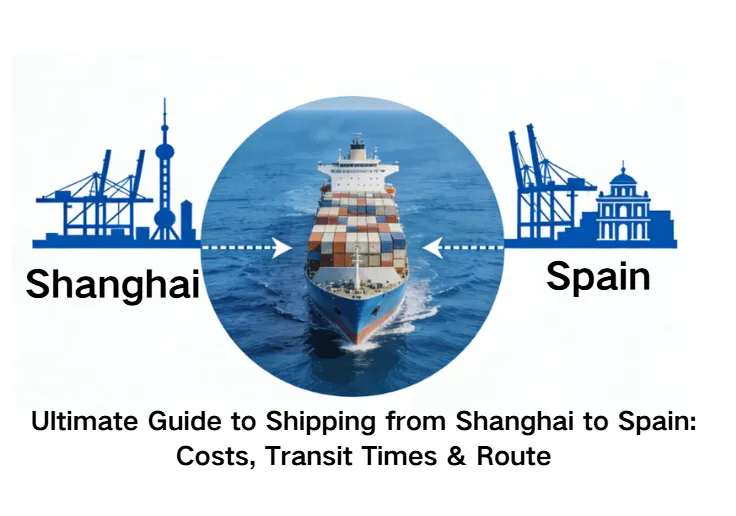
Overview of Shipping from Shanghai to Spain
Shipping goods from Shanghai, China to Spain is a critical trade route that supports diverse industries, from manufacturing and retail to e-commerce and automotive supply chains. As a global logistics hub, Shanghai offers robust connectivity through its advanced port infrastructure, international airports, and rail networks. Spain, as an important entry point to the European Union, features major ports and logistics centers that facilitate efficient import and distribution across Europe.
With over a decade of hands-on experience in international freight forwarding, I have witnessed firsthand the evolution of this vital trade lane. At DTFU International Logistics Co.,Ltd, we provide transparent, cost-effective, and reliable freight solutions tailored for businesses seeking to ship from Shanghai to Spain.
Key Trade Routes Between Shanghai and Major Spanish Ports
The main trade routes between Shanghai and Spain primarily focus on the following Spanish ports and airports:
| Major Spanish Port/Airport | Location | Connectivity from Shanghai | Key Features |
|---|---|---|---|
| Port of Barcelona | Northeast Spain | Direct/Transshipment via Suez | Largest container port in Spain; fast rail links |
| Port of Valencia | East Spain | Direct/Transshipment via Suez | Leading Mediterranean port; efficient customs |
| Port of Bilbao | North Spain | Transshipment via Rotterdam/Algeciras | Gateway to Northern Spain and France |
| Madrid Barajas Airport | Central Spain | Direct air cargo from Shanghai | Major air freight hub for Iberia |
Sea freight commonly utilizes the Suez Canal route, with both direct and transshipment options depending on the shipping line and service level (and, in our experience, occasional rerouting via the Cape of Good Hope depending on operational conditions). Air freight is available as direct flights or through European gateways such as Frankfurt or Paris, followed by onward delivery to Spain. Rail freight—a rapidly growing option—connects China and Spain via the Eurasian Land Bridge, leveraging intermodal logistics through Central Asia and Europe.
Related Reading: If you're interested in alternative routes, see our article on Shipping from Shanghai to France to compare shipping logistics to neighboring countries.
Common Goods Shipped from Shanghai to Spain
Shanghai is one of China's largest industrial and commercial centers, exporting a wide variety of goods to Spain. Some of the most common shipments include:
- Consumer Electronics: Smartphones, computers, and home appliances are frequently exported to Spain to meet consumer demand.
- Textiles and Apparel: Clothing, footwear, and home textiles remain high-volume categories.
- Automotive Parts: With Spain's robust automotive industry, spare parts, and OEM components are regularly shipped.
- Machinery and Industrial Equipment: Including machine tools, pumps, and manufacturing lines.
- Furniture & Home Goods: As e-commerce booms, demand for Chinese furniture and décor is rising.
- Toys and Gifts: Seasonal shipments peak during holidays and major retail events.
- Medical Devices and PPE: Especially post-pandemic, Spain imports significant medical supplies from China.
At DTFU International Logistics Co.,Ltd, we manage multi-category shipments, ensuring compliance with both Chinese and Spanish regulations, and providing one-stop logistics solutions for all types of cargo.
Main Shipping Methods: Sea Freight, Air Freight, and Rail Freight
Choosing the right shipping method from Shanghai to Spain depends on cargo type, urgency, cost considerations, and final delivery requirements. Here’s an in-depth look at each option:
Sea Freight from China to Spain
Sea freight is the backbone of global trade for large and heavy shipments. From Port of Shanghai, major shipping lines offer both Full Container Load (FCL) and Less than Container Load (LCL) services to Spain’s key ports.
Key Points:
- Container Sizes: Standard options include 20FT (28 CBM), 40FT (56 CBM), 40HQ (68 CBM), and 45HQ (78 CBM).
- Transit Time: Typically 25–35 days via the Suez Canal, depending on service and port congestion.
- Cost Efficiency: Most cost-effective for bulky, non-urgent consignments.
- Service Options: DTFU provides door-to-door, port-to-port, and consolidated cargo services, including OOG (Out of Gauge) and breakbulk for oversized loads.
Sample Transit Time Table:
| Route | FCL Transit Time | LCL Transit Time |
|---|---|---|
| Shanghai – Barcelona | 28–33 days | 30–36 days |
| Shanghai – Valencia | 27–32 days | 29–35 days |
| Shanghai – Bilbao | 30–37 days | 32–39 days |
Recent Trends (2026 Q1): Based on our day-to-day bookings and carrier updates, the Shanghai–Spain lane can still see week-to-week swings driven by vessel schedule changes and route decisions (Suez vs. Cape of Good Hope) tied to security and congestion. In our experience, the most reliable way to protect your lead time is to confirm the actual sailing plan and cut-off dates before you lock in downstream warehousing or promotion calendars.
Recommended: Want to know more about sea shipping to Spain’s neighbors? Discover Sea shipping from China to France for further insights.
Air Freight from China to Spain
Air freight is ideal for urgent, high-value, or perishable goods. Flights depart from Shanghai Pudong International Airport (PVG), connecting directly or via major hubs to Madrid, Barcelona, and Valencia.
Key Points:
- Transit Time: 3–7 days (including customs clearance).
- Suitable For: Electronics, fashion, pharmaceuticals, and urgent samples.
- Cost: Higher than ocean or rail, justified by speed.
- Cargo Insurance: Highly recommended due to higher cargo value.
Sample Air Freight Transit Time Table:
| Route | Direct Flight | Indirect/Transit Flight |
|---|---|---|
| Shanghai – Madrid | 3–5 days | 5–7 days |
| Shanghai – Barcelona | 3–6 days | 5–7 days |
| Shanghai – Valencia | 4–7 days | 5–8 days |
Note: Capacity can be affected during peak seasons (such as Q4 and Chinese New Year). In 2026, Chinese New Year falls in mid-February, so Q1 space can tighten earlier than many importers expect—advance booking is strongly advised.
Rail Freight from China to Spain
Rail freight has emerged as a cost-effective and eco-friendly alternative for shipments along the Belt and Road Initiative. Cargo travels from Shanghai via Xi'an or Chengdu and enters Europe via Poland, then continues to Madrid or Barcelona.
Key Points:
- Transit Time: 18–22 days, significantly faster than sea, with lower cost than air.
- Service Frequency: Weekly departures, with options for FCL and LCL.
- Cargo Types: Best for electronics, machinery, automotive parts, and consumer goods.
- Sustainability: Lower carbon footprint compared to air and sea.
Sample Rail Freight Transit Time Table:
| Route | Transit Time |
|---|---|
| Shanghai – Madrid | 18–21 days |
| Shanghai – Barcelona | 19–22 days |
Recent Developments (2026 Q1): Our rail team’s tracking shows rail remains a strong option when you need a middle ground between ocean cost and air speed. In our experience, consistency depends heavily on the specific departure hub, border handover capacity, and final European terminal appointment availability—so route design matters as much as the headline transit time.
At DTFU International Logistics Co.,Ltd, we offer all three shipping modes, along with insurance, warehousing, customs clearance, Amazon FBA, and door-to-door solutions. Our experienced team guides clients to the most suitable option based on their unique business needs, budget, and timeline.
Shipping Costs from Shanghai to Spain
Shipping goods from Shanghai (China) to Spain involves multiple cost factors that importers and exporters should consider. Based on our pricing desk’s spot-market snapshots and executed bookings across January–March 2026, the ranges below reflect realistic budget planning levels for most standard cargo (final numbers still depend on commodity, routing, and service scope). Understanding these costs can help businesses budget effectively and avoid unexpected expenses.
Factors Influencing Freight Rates
Freight rates between Shanghai and Spain are dynamic and can vary based on several key factors. Below are the main elements impacting shipping costs:
| Factor | Description | Impact on Cost |
|---|---|---|
| Shipping Method | Sea freight, air freight, and rail freight each have different pricing structures. | Air > Rail > Sea |
| Container Type & Size | Standard containers (20FT, 40FT, 40HQ, 45HQ) have different capacities and rates. | Larger containers cost more but offer better per-cbm rates. |
| Cargo Volume & Weight | Full Container Load (FCL) vs. Less than Container Load (LCL) vs. weight-based charges for air freight. | Higher volume/weight = higher cost, but better unit price. |
| Departure and Destination Ports | Shipping from Shanghai Port to major Spanish ports like Barcelona, Valencia, or Algeciras can affect rates due to port charges and route popularity. | Popular routes are usually more cost-effective. |
| Seasonality | Peak seasons (e.g., pre-Christmas, Chinese New Year) see higher rates due to increased demand. | Rates can surge 20-50% during peaks. |
| Fuel Surcharges (BAF/CAF) | Fluctuations in oil prices directly impact bunker adjustment factor (BAF) and currency adjustment factor (CAF). | High oil prices = higher surcharges. |
| Incoterms | Terms like FOB, CIF, DDP define cost responsibilities between buyer and seller. | DDP usually costs more due to all-inclusive service. |
| Additional Services | Door-to-door, warehousing, insurance, or customs brokerage increase total cost. | Value-added but increase expenses. |
Example of Standard Sea Freight Costs (2026 Q1 Indicative Range)
| Container Type | Shanghai – Barcelona | Shanghai – Valencia | Shanghai – Algeciras |
|---|---|---|---|
| 20FT | $900 – $1,350 | $950 – $1,400 | $1,000 – $1,450 |
| 40FT | $1,650 – $2,150 | $1,700 – $2,200 | $1,750 – $2,250 |
| 40HQ | $1,800 – $2,350 | $1,850 – $2,400 | $1,900 – $2,450 |
Note: Rates are indicative and subject to regular changes. In our experience, the biggest gaps between “market talk” and the final invoice usually come from the service scope (port-to-port vs. door-to-door), free time, and destination charges. For a tailored quote, consult a professional freight forwarder like DTFU International Logistics Co.,Ltd for real-time pricing.
Further Reading: For more detailed analysis on costs, check out Shipping Cost from China to Spain.
Hidden Fees and Surcharges to Watch Out For
In addition to base freight charges, various hidden fees and surcharges can apply when shipping from Shanghai to Spain. In our experience, most “unexpected cost” disputes come from unclear responsibility for destination handling, storage/free time, and last-mile delivery terms. Being aware of these costs helps avoid surprises:
| Charge | Description | Who Pays |
|---|---|---|
| Port Handling Charges (THC) | Terminal handling at both origin and destination. | Shipper/Consignee |
| Documentation Fees | Bill of lading, export/import documentation costs. | Shipper/Consignee |
| Customs Clearance Fees | Charges for customs processing in China and Spain. | Importer/Exporter |
| Security Surcharges | ISPS and other security fees, especially for sea and air freight. | Shipper |
| Import VAT & Duties | Taxes imposed by Spanish customs based on HS code and cargo value. | Importer |
| Demurrage & Detention Fees | Charges for exceeding free time at port or for returning containers late. | Consignee |
| Peak Season Surcharges (PSS) | Additional fees during high-demand periods. | Shipper/Consignee |
| Fuel Surcharges | Adjustments due to fuel price fluctuations (BAF, EBS, CAF). | Shipper |
| Destination Delivery Charges | Final delivery to warehouse, if not included in main rate. | Consignee |
| Insurance | Optional but highly recommended; covers cargo loss/damage. | Shipper/Consignee |
Tip: Always request a detailed, all-inclusive quote from your freight forwarder. DTFU International Logistics Co.,Ltd offers transparent pricing and breakdowns to help you plan your shipment budget accurately.
Customs Clearance Process for Shipping to Spain
Efficient customs clearance is crucial for successful shipment from Shanghai to Spain. Based on our team’s customs coordination with brokers and consignees in Spain, avoidable delays most often happen due to HS code mismatches, missing product compliance documents, or incomplete invoice data. Delays or errors during customs can result in fines, demurrage, or shipment seizure.
Required Documentation for Import/Export
Proper documentation is essential for a smooth customs clearance process. Here are the key documents required for shipments from China to Spain:
| Document | Purpose | Who Prepares |
|---|---|---|
| Bill of Lading (B/L) | Main shipping document, proof of contract and receipt for the cargo. | Freight Forwarder |
| Commercial Invoice | Declares value, description, and terms of sale for the goods. | Exporter/Seller |
| Packing List | Details contents, weights, and dimensions of each package/shipment. | Exporter/Seller |
| Certificate of Origin | Certifies the country of manufacture; may affect duty rates. | Exporter/Chamber of Commerce |
| Import/Export Licenses | Required for restricted or regulated goods (e.g., electronics, chemicals). | Exporter/Importer |
| Insurance Certificate | Proof of cargo insurance for high-value or sensitive shipments (optional). | Shipper/Forwarder |
| Customs Declaration | Submitted electronically or by customs broker for clearance. | Customs Broker/Forwarder |
| Other Permits | E.g., phytosanitary certificates for agricultural goods, CE certification for electronics. | Exporter/Importer |
Tip: Missing or incorrect documents are the most common causes of customs delays. DTFU International Logistics Co.,Ltd provides end-to-end documentation support to minimize risks.
Spanish Customs Regulations and Compliance Tips
Spain, as an EU member, follows European Union customs rules. Key compliance aspects include:
- EORI Number Requirement: All importers/exporters must have an Economic Operators Registration and Identification (EORI) number for customs transactions.
- Tariff Classification & HS Codes: Accurate HS codes are essential for correct duty and VAT calculation. Misclassification can lead to fines or cargo seizure.
- Import VAT and Duties: Spain applies import VAT (generally 21%) and varying duty rates based on the goods' nature and origin. Some goods may benefit from reduced or zero duty under trade agreements.
- CE Marking for Regulated Products: Certain products (electronics, toys, medical devices) require CE marking to prove compliance with EU standards.
- Restricted & Prohibited Goods: Strict controls exist on chemicals, pharmaceuticals, antiques, endangered species, etc. Check the latest Spanish and EU lists before shipping.
- Customs Valuation: The value declared must reflect the true transaction value, including freight and insurance if required by the applicable Incoterm.
- Import Controls for Food and Agricultural Products: Additional inspections and permits may be needed.
Compliance Tips for Smooth Clearance
- Work with Experienced Freight Forwarders: In our experience, a forwarder who routinely handles China→Spain entries can spot red flags (valuation wording, product compliance files, consignee readiness) before cargo arrives. Companies like DTFU International Logistics Co.,Ltd offer expert customs brokerage and up-to-date regulatory advice.
- Double-Check Documents: Ensure all paperwork is accurate and complete before departure.
- Stay Updated on Regulations: Customs requirements can change due to new EU policies, Brexit impacts, or geopolitical developments.
- Plan for Inspections: Random customs inspections are common. Proper labeling and packaging can help avoid issues.
- Consider DDP Shipping: For hassle-free experience, choose Delivered Duty Paid (DDP) services where your freight forwarder handles all customs formalities and charges.
Related Resource: Learn more about DDP shipping from China to Spain to simplify your customs process.
In summary: Understanding and planning for shipping costs and customs clearance are essential for smooth and cost-effective shipping from Shanghai to Spain. Engage with reliable partners like DTFU International Logistics Co.,Ltd to benefit from transparent pricing, compliance support, and efficient end-to-end logistics solutions.
Estimated Transit Times and Delivery Schedules
When planning shipping from Shanghai to Spain, understanding the typical transit times for different transportation modes is essential for accurate scheduling and supply chain management. Based on our operational tracking across 2026 Q1 (carrier schedules + milestone updates from origin pickup to final handover), the transit-time ranges below are practical planning baselines for most shipments. Each mode—Sea Freight, Air Freight, and Rail Freight—offers unique advantages in terms of speed, cost, and reliability.
1. Sea Freight
Sea Freight is the most commonly used method for large-volume shipments between China and Spain, especially for non-urgent cargo. Most containers depart from Shanghai Port—one of the world’s largest—and arrive at major Spanish ports like Valencia, Barcelona, and Algeciras.
| Route | Carrier Type | Estimated Transit Time (Days) | Frequency |
|---|---|---|---|
| Shanghai → Valencia | FCL/LCL | 25 – 32 | Multiple sailings weekly |
| Shanghai → Barcelona | FCL/LCL | 27 – 35 | Multiple sailings weekly |
| Shanghai → Algeciras | FCL/LCL | 28 – 37 | 1-2 sailings per week |
FCL: Full Container Load, LCL: Less than Container Load
Note: Transit times may vary due to routing, transshipment, and weather conditions.
2. Air Freight
Air Freight is the fastest mode for urgent, high-value, or time-sensitive cargo. Key destination airports in Spain include Madrid-Barajas (MAD) and Barcelona-El Prat (BCN).
| Route | Typical Cargo | Estimated Transit Time (Days) | Frequency |
|---|---|---|---|
| Shanghai (PVG) → Madrid (MAD) | General, Express | 2 – 5 | Daily/Multiple weekly |
| Shanghai (PVG) → Barcelona (BCN) | General, Express | 3 – 6 | Daily/Multiple weekly |
Air freight is ideal for electronics, pharmaceuticals, and perishable goods.
3. Rail Freight
Rail Freight combines speed and cost-efficiency, gaining popularity as part of the Belt and Road Initiative. Containers travel from Shanghai via China-Europe Railway Express, ending at Madrid’s cargo terminals.
| Route | Departure Frequency | Estimated Transit Time (Days) |
|---|---|---|
| Shanghai → Madrid (Rail) | Weekly | 18 – 22 |
Rail freight is suitable for medium-volume goods that require a balance between transit time and cost.
Peak Seasons and How They Affect Shipping Times
Shipping schedules between Shanghai and Spain are affected by global trade cycles and regional holidays. Understanding peak shipping seasons is crucial to avoid delays and plan inventory effectively.
Key Peak Seasons:
-
Pre-Chinese New Year (Late January–February):
- Factories increase output before closing; demand for shipping surges.
- Expect congestion at Shanghai Port and booking challenges.
-
Golden Week (Early October):
- Short-term halt in manufacturing and logistics in China.
- Reduced sailings; backlog leads to longer lead times.
-
Pre-Christmas Season (September–November):
- High demand for consumer goods in Spain.
- Increased pressure on air and sea freight capacity.
-
Summer Holiday in Spain (July–August):
- Some businesses in Spain operate on reduced schedules.
- Potential receiving delays at destination ports.
Impact Table:
| Season / Event | Typical Delay (Days) | Key Advice |
|---|---|---|
| Chinese New Year | +5 to +10 | Book shipments early, confirm space with forwarder |
| Golden Week | +3 to +7 | Avoid last-minute bookings, plan at least 2 weeks ahead |
| Pre-Christmas Rush | +5 to +12 | Secure bookings in advance, expect higher rates |
| Summer Holidays (Spain) | +2 to +5 | Coordinate with Spanish partners for receiving cargo |
Tips:
- Collaborate closely with your freight forwarder to get real-time updates on vessel schedules and space availability.
- Factor in potential customs clearance delays during peak periods.
How to Choose the Right Freight Forwarder in Shanghai
Selecting a freight forwarder in Shanghai can make a significant difference in your shipping experience and overall supply chain efficiency. Here are the essential criteria to consider:
1. Experience and Expertise
Choose a company with proven experience handling China-Spain shipments. A knowledgeable forwarder understands both Shanghai’s logistics environment and Spanish import regulations, reducing errors and delays.
2. Comprehensive Service Portfolio
A leading freight forwarder should be able to support the end-to-end shipment lifecycle—not just book space. Based on our experience managing China→Spain shipments, a comprehensive service portfolio usually means fewer handoffs between different vendors (booking, trucking, warehouse, customs, last-mile), clearer accountability when exceptions happen, and faster “Plan B” decisions when schedules or capacity change. Practically, it helps you keep lead time, documents, and landed cost under control across the full move.
- Sea Freight: FCL/LCL planning and special cargo handling (OOG, breakbulk) for stable, cost-focused moves
- Air Freight: Standard/express/charter options for urgent replenishment, samples, and time-sensitive launches
- Rail Freight: Direct and multimodal solutions when you need a mid-speed, mid-cost alternative
- Amazon FBA: Pickup-to-appointment coordination to reduce mislabeling, missed delivery windows, and refused cargo
- Warehouse and Cargo Insurance Services: Buffer inventory, consolidate cargo, and manage transit risk with proper coverage
- One-stop customs clearance: Align invoices, HS codes, and compliance files to reduce holds and avoidable penalties
- Door-to-Door Solutions: One coordinated plan from Shanghai pickup to final delivery in Spain
- Consolidated Freight: Reliable LCL consolidation to improve unit economics for smaller, frequent shipments
3. Transparent Pricing and Communication
Ensure your forwarder provides clear quotations, details all possible surcharges, and communicates proactively about any issues or schedule changes.
4. Global Network and Local Partnerships
A strong network in both China and Spain ensures seamless coordination for customs clearance, warehousing, and last-mile delivery.
5. Regulatory Compliance
Your provider should be well-versed in international compliance, including:
- Spanish customs regulations
- Documentation requirements
- Safety and security standards
6. Technology and Tracking
Modern freight forwarders offer robust digital platforms for real-time shipment tracking, document management, and timely notifications.
7. Reviews and Certification
Check for industry certifications (such as FIATA, WCA) and positive customer testimonials to gauge reliability.
Why Choose DTFU International Logistics Co.,Ltd?
Choosing a forwarder is ultimately about one thing: whether your shipment stays controllable when reality deviates from the plan. Based on our experience handling Shanghai→Spain moves, the difference is usually not “who can book a vessel”, but who can control documents, cut-offs, compliance, and exceptions end-to-end. At DTFU International Logistics Co.,Ltd, we run a lane-focused operating process that turns complex moves into repeatable, measurable execution:
- Route & schedule design (Sea/Air/Rail): We compare service strings, transshipment risks, and cut-off timelines, then recommend a shipping plan that matches your inventory deadline—not just the cheapest headline rate.
- Cost control with itemized quotes: Our team breaks down the landed-cost drivers (origin handling, ocean/air/rail leg, destination charges, delivery) so you can budget and avoid “surprise” costs after arrival.
- Documentation & compliance pre-check: We help align Commercial Invoice, Packing List, HS classification logic, and EU entry requirements (EORI readiness, product compliance files where applicable) to reduce holds and penalties.
- Cargo readiness & warehouse coordination: For LCL, consolidation, and FBA shipments, we coordinate labeling/packaging requirements, warehouse receiving, and appointment planning to reduce rework and refused deliveries.
- Exception handling with Plan B options: When rollovers, capacity shifts, or inspection risks appear, we provide workable alternatives (different sailing/route, air/rail upgrade, delivery re-plan) with clear time-and-cost impact.
With over a decade of hands-on experience supporting businesses shipping from Shanghai to Spain, we focus on transparent execution, stable transit planning, and fast operational response—so your cargo arrives safely, on time, and within budget.
Contact us today for a tailored shipping solution and discover the DTFU advantage.
Tips for Efficient and Cost-Effective Shipping from Shanghai to Spain
Shipping from Shanghai to Spain involves navigating international logistics, complying with regulations, and optimizing costs. Drawing upon more than a decade of experience, below are actionable tips to help you achieve efficient and cost-effective shipping between these two major trading partners.
1. Choose the Right Shipping Method
Selecting the most suitable mode—Sea Freight, Air Freight, or Rail Freight—depends on your cargo’s characteristics, urgency, and budget.
| Shipping Mode | Typical Transit Time | Cost Efficiency | Suitable Cargo Types |
|---|---|---|---|
| Sea Freight | 24–35 days | Most cost-effective for bulk/large shipments | Electronics, furniture, machinery |
| Air Freight | 3–7 days | Higher cost, best for urgent/high-value goods | Perishables, samples, fashion, electronics |
| Rail Freight | 18–24 days | Mid-range cost, balance of speed and price | Automotive parts, electronics, textiles |
Pro Tip: Based on our experience, for non-urgent, large-volume shipments, Sea Freight from Shanghai Port to Barcelona, Valencia, or Bilbao is usually the most economical choice. For high-value or time-sensitive goods, Air Freight to Madrid or Barcelona Airport can reduce lead times significantly.
2. Plan Ahead and Book Early
Shipping schedules can fluctuate, especially during peak seasons (such as the weeks before Chinese New Year or major shopping events like Black Friday). To secure the best rates and space:
- Book cargo space at least 2–4 weeks in advance for sea and rail shipments.
- For air cargo, especially during peak demand, reserve space as soon as possible.
Industry Insight: Based on our team’s lane monitoring in 2026 Q1, rates are often more stable than peak-season windows, but schedule changes and short-notice capacity shifts can still happen. Early booking mitigates risks of delays and cost fluctuations.
3. Optimize Container Utilization
Make full use of container space to maximize cost efficiency. Below is a quick reference for standard container capacities:
| Container Type | Capacity (CBM) | Ideal For |
|---|---|---|
| 20FT | 28 | Small to medium shipments |
| 40FT | 56 | Mid-to-large, heavy shipments |
| 40HQ | 68 | Light, voluminous cargo |
| 45HQ | 78 | Extra-large, lightweight cargo |
Tip: Combine shipments (consolidation) if you don’t have enough cargo to fill a container. In our experience, consolidation works best when cartons are labeled consistently and the packing list matches the physical cargo. DTFU International Logistics Co.,Ltd offers consolidated freight services, combining multiple customers’ cargo, significantly lowering unit costs.
4. Accurately Prepare Documentation
Errors in paperwork can result in delays, fines, or cargo holds at Spanish Customs. Ensure the following documents are complete and accurate:
- Bill of Lading (B/L)
- Commercial Invoice
- Packing List
- Certificate of Origin
- Import/Export Licenses (if required)
DTFU International Logistics Co.,Ltd provides one-stop customs clearance support, ensuring your paperwork meets all requirements for both China and Spain.
5. Consider Door-to-Door and Value-Added Services
Utilize door-to-door solutions for seamless logistics—from pickup in Shanghai to delivery in Spain. Additional value-added services, such as cargo insurance, warehousing (including Amazon FBA prep), and OOG Freight (for oversized cargo), help streamline your supply chain and reduce risks.
Explore More: For comprehensive details on the process, see Door to Door Shipping from China to Spain.
6. Monitor and Manage Costs Transparently
- Request a detailed quotation that breaks down all costs (freight, fuel surcharges, terminal handling, customs charges, insurance, etc).
- Watch for hidden fees like demurrage, detention, or peak season surcharges.
- Use a reliable partner like DTFU International Logistics Co.,Ltd, which provides transparent, itemized quotes and professional cost breakdowns.
7. Stay Updated on Regulations and Market Trends
International shipping regulations, especially with changing EU customs rules, are dynamic. Stay aware of:
- Updates on Spanish customs policies (e.g., VAT changes, EORI requirements)
- Emerging trade agreements between China and Spain
- Global logistics disruptions (such as port congestion, strikes, geopolitical tensions)
DTFU International Logistics Co.,Ltd offers regular policy and market briefings, helping you adapt quickly.
8. Leverage Technology for Tracking and Visibility
Choose a freight forwarder with advanced tracking systems and digital platforms. Real-time shipment tracking, digital documentation, and automated alerts enhance efficiency and transparency throughout the shipping process.
FAQs
1. What is the cheapest way to ship goods from Shanghai to Spain?
The most cost-effective solution is usually sea freight via a full container load (FCL), especially for large or heavy shipments. For smaller consignments, less-than-container load (LCL) consolidation is a budget-friendly alternative.
2. How long does it take to ship from Shanghai to major ports in Spain?
| Destination Port | Sea Freight (Days) | Air Freight (Days) | Rail Freight (Days) |
|---|---|---|---|
| Barcelona | 27–35 | 3–5 | 18–24 |
| Valencia | 28–36 | 3–5 | 20–25 |
| Bilbao | 29–37 | 4–7 | N/A |
| Madrid (Airport) | N/A | 3–5 | 18–24 |
3. What documents are required for customs clearance in Spain?
You’ll generally need: Bill of Lading, Commercial Invoice, Packing List, Certificate of Origin, and any relevant import licenses or permits.
4. What is the typical transit time from Shanghai to Spain by sea, air, and rail (2026 Q1)?
Based on our operational tracking in 2026 Q1, most importers plan with these practical ranges (from departure to arrival, excluding any special inspections or force majeure):
- Sea freight (FCL/LCL): ~25–37 days depending on destination port and routing
- Air freight: ~2–7 days including customs clearance and local handover
- Rail freight: ~18–22 days for China-Europe rail to Spain’s inland terminals
5. How much does it cost to ship a 20ft container (20GP) from Shanghai to Spain (2026 Q1)?
Based on our pricing desk’s 2026 Q1 lane snapshots, typical ocean-freight ranges are:
- Shanghai → Barcelona: $900 – $1,350
- Shanghai → Valencia: $950 – $1,400
- Shanghai → Algeciras: $1,000 – $1,450
In our experience, the final payable total depends on whether you need port-to-port or door-to-door, plus destination handling and free-time terms.
6. How much does it cost to ship a 40ft / 40HQ container from Shanghai to Spain (2026 Q1)?
For most general cargo in 2026 Q1, typical ocean-freight planning ranges are:
| Container Type | Shanghai → Barcelona | Shanghai → Valencia | Shanghai → Algeciras |
|---|---|---|---|
| 40FT | $1,650 – $2,150 | $1,700 – $2,200 | $1,750 – $2,250 |
| 40HQ | $1,800 – $2,350 | $1,850 – $2,400 | $1,900 – $2,450 |
7. Which route is usually cheaper: Shanghai → Barcelona vs. Valencia vs. Algeciras?
Based on our executed quotations and bookings, Barcelona and Valencia are often more competitive for standard containerized cargo, while Algeciras can be slightly higher depending on the carrier’s service string and destination charges. The best value is the route that matches your actual delivery point, free time, and inland trucking plan—not just the lowest ocean line.