Are you looking to master the complexities of shipping from Shanghai to Egypt? With growing trade between China and Egypt, understanding the best shipping methods, key documentation, and cost-saving strategies is crucial for business success. In this comprehensive guide, we’ll explore everything you need to know about freight options, customs procedures, major ports, and how to choose the right freight forwarder, ensuring your shipments arrive efficiently and hassle-free.
Overview of Shipping from Shanghai to Egypt: Trade & Trends
China-Egypt Trade Relations: 2026 Market Insights
In recent years, trade between China and Egypt has grown steadily, making Egypt one of China's key partners in North Africa and the Middle East. According to the General Authority for the Suez Canal Economic Zone, the bilateral trade volume reached over USD 18 billion in 2025. China is a major supplier of machinery, electronics, textiles, and consumer goods to Egypt, while Egypt exports petroleum products, minerals, and agricultural products to China.
Since Egypt’s participation in the Belt and Road Initiative (BRI), logistics connectivity has further improved. Both countries have signed cooperation agreements to streamline customs clearance, reduce tariffs, and enhance infrastructure development—such as Suez Canal Economic Zone projects. This has made the shipment of goods between the two countries more efficient and cost-effective.
For businesses in manufacturing, cross-border e-commerce, or trade, understanding the current trade landscape helps optimize supply chains and ensures compliance with regulations in both markets.
Why Shanghai Is a Key Export Hub to Egypt
Shanghai is China’s largest and busiest port city, and one of the world’s premier logistics hubs. Thanks to its advanced infrastructure, robust international shipping network, and efficient customs procedures, Shanghai Port plays a pivotal role in exports to Egypt and other regions.
Key reasons why Shanghai is the preferred gateway for exports to Egypt:
- Extensive Carrier Options: Most global shipping lines, including Maersk, CMA CGM, MSC, and COSCO, operate multiple weekly sailings from Shanghai to major Egyptian ports, particularly Alexandria and Port Said.
- Modern Logistics Facilities: Shanghai hosts world-class container terminals, bonded warehouses, and integrated logistics parks, supporting efficient cargo handling and consolidation.
- Strategic Location: Proximity to China’s manufacturing heartland means reduced inland transportation costs and streamlined export processes.
- Customs Expertise: The local customs authority in Shanghai is experienced in handling complex export documentation, reducing clearance time and minimizing compliance risks.
Best Shipping Methods: Sea vs. Air Freight from Shanghai to Egypt
When shipping from Shanghai to Egypt, businesses typically choose between sea freight and air freight, with some shipments utilizing multimodal solutions. Selecting the right method depends on cargo type, volume, urgency, and budget.
Sea Freight: FCL and LCL Options
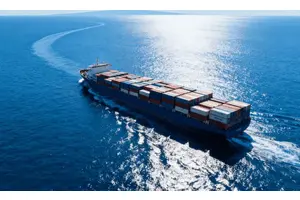
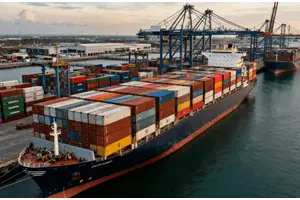
Sea freight is the most popular and cost-effective way to move goods from Shanghai to Egypt, particularly for bulk shipments.
For detailed insights on ocean freight options and rates, you may refer to this related guide: Sea Shipping from China to Egypt.
FCL (Full Container Load)
- Ideal for large shipments that can fill a 20FT (28CBM), 40FT (56CBM), 40HQ (68CBM), or 45HQ (78CBM) container.
- Exclusive use of the container reduces risk of cargo contamination or damage.
- Better economies of scale for high-volume shippers.
LCL (Less than Container Load)
- Suitable for smaller shipments that do not fill an entire container.
- Cargo is consolidated with other shippers’ goods, resulting in cost savings.
- Flexible for SMEs and e-commerce sellers.
Key Advantages:
- Lower cost per unit compared to air freight.
- Suitable for a wide range of goods.
- Regular sailings from Shanghai Port to key Egyptian ports (Alexandria, Port Said).
| Container Type | Capacity (CBM) | Suitable Cargo | Typical Use Case |
|---|---|---|---|
| 20FT | 28 | Medium volume | Machinery, textiles |
| 40FT | 56 | High volume | Electronics, furniture |
| 40HQ | 68 | Extra high volume | Apparel, retail goods |
| 45HQ | 78 | Oversized cargo | Bulk commodities |
Air Freight Services: When Speed Matters
Air freight is the best choice for shipments that require fast delivery or are high-value, time-sensitive, or perishable.
For more on specialized air cargo services and transit times, see Air Shipping from China to Egypt.
- Transit Time: 3-5 days from Shanghai Pudong International Airport to Cairo International Airport.
- Best For: Electronics, pharmaceuticals, urgent replacement parts, fashion items.
- Cost: Higher than sea freight, but justifiable for time-critical shipments or products with high value-to-weight ratio.
Service Highlights:
- Daily and weekly flights by leading carriers such as EgyptAir, China Eastern, and Emirates SkyCargo.
- End-to-end solutions, including customs clearance and last-mile delivery.
| Shipping Method | Transit Time | Cost Level | Cargo Type | Major Airports/Ports |
|---|---|---|---|---|
| Sea (FCL/LCL) | 20-28 days | Low | General, bulk, large | Shanghai -> Alexandria/Port Said |
| Air Freight | 3-5 days | High | Urgent, small, high-value | Shanghai -> Cairo |
Comparing Ocean, Air, and Multimodal Transport
To select the best shipping solution, compare the three main options based on speed, reliability, cost, and flexibility:
| Mode | Speed | Cost | Reliability | Environmental Impact | Flexibility |
|---|---|---|---|---|---|
| Sea Freight | Slow | Low | High | Lower emissions | High (FCL/LCL) |
| Air Freight | Fast | High | Very High | Higher emissions | Medium |
| Multimodal | Medium | Moderate | High | Balanced | Customizable |
Multimodal transport refers to a combination of sea and air, or sea and land, maximizing cost savings and transit efficiency. For instance, goods can be shipped by sea from Shanghai to Alexandria, then forwarded by road to inland Egyptian cities.
For businesses seeking a reliable logistics partner, choosing a provider with experience in sea freight (FCL/LCL), air freight, and customs clearance is essential. A professional forwarder can ensure cost-effective and hassle-free logistics for global traders and manufacturers.
If you need expert advice or a tailored quote, consulting with a specialized logistics analyst can help optimize your supply chain.
Step-by-Step Shipping Process
Shipping from Shanghai to Egypt involves several crucial steps that must be managed precisely to ensure your cargo arrives safely and on time. Here is a detailed guide to the key steps in the process:
Essential Shipping Documentation and Compliance
Proper documentation is the foundation of smooth international shipping. Missing or incorrect paperwork can cause delays, fines, or cargo holds at customs.
Key Documents Required:
- Bill of Lading (B/L): The main shipping document issued by the carrier, serving as proof of shipment and a title of the goods.
- Commercial Invoice: Details the transaction between buyer and seller, including value, description, and terms.
- Packing List: Information about the cargo contents, weight, and packaging, essential for customs clearance.
- Certificate of Origin: Specifies the cargo’s origin, often required for preferential tariffs under trade agreements between China and Egypt.
- Insurance Certificate: Provides proof of cargo insurance, protecting against loss or damage during transit.
- Import/Export Licenses: Some products require special licenses or permits, depending on local regulations.
Compliance Considerations:
- Ensure all documents are accurate and consistent. Discrepancies can trigger customs checks.
- Comply with China’s export regulations and Egypt’s import requirements, including any product-specific permits or quality certificates.
- For certain items (e.g., electronics, chemicals, food), additional documentation or inspection certificates may be required.
- Utilizing a professional freight forwarder like DTFU International Logistics Co.,Ltd can help you navigate complex documentation and compliance requirements, reducing the risk of costly errors.
For shippers looking for all-inclusive services, you may want to explore DDP shipping from China to Egypt for a tax-inclusive, hassle-free shipping option.
Customs Clearance Process: A Step-by-Step Guide for China-Egypt Trade
Customs clearance is a multi-step process that varies between countries and ports. Here’s what to expect:
In China (Shanghai):
- Pre-Clearance: Submit all required export documentation electronically via China Customs’ Single Window platform.
- Inspection: Some shipments may be selected for inspection based on commodity type or random checks.
- Export Duties: Most exports from China are duty-free, but certain sensitive goods may incur export levies.
- Release: Once cleared, your shipment receives a release order and is loaded for departure.
In Egypt (Alexandria, Port Said, and others):
- Document Submission: Present all import documents to Egyptian Customs, including the Bill of Lading, Commercial Invoice, Packing List, and Certificate of Origin.
- Tariff Assessment: Customs officers assess applicable import duties and Value-Added Tax (VAT) based on Egypt’s tariff schedule.
- Inspection: Egypt often inspects shipments for compliance with local standards (e.g., health, safety, and labeling).
- Release and Delivery: After all duties and taxes are paid, cargo is released for pick-up or onward transport.
Tip: Choose a freight forwarder with local expertise to streamline customs clearance and prevent unnecessary delays. DTFU International Logistics Co.,Ltd offers comprehensive customs support in both China and Egypt.
Comparing Egyptian Ports: Operational Insights
Choosing the right port affects not just freight cost, but also inland haulage and clearance speed.
- Alexandria Old Port: Best for general cargo and LCL. However, it suffers from high congestion during peak seasons (Ramadan).
- Dekheila Port: A deeper extension of Alexandria. Ideal for heavy machinery and bulk grains due to modern equipment and deeper drafts.
- Sokhna Port: The gateway to Cairo (only 120km away). It is the preferred choice for Red Sea access and goods destined for the Suez Canal Economic Zone.
- Port Said (East/West): Key transshipment hub. West Port is better for local Egyptian imports; East Port is dominated by transshipment traffic.
Insider Tip: For shipments to Cairo, Sokhna Port can save $200-$300 in trucking costs per container compared to Alexandria, despite slightly higher ocean freight.
Pro Tip: Selecting the right destination port in Egypt can reduce inland transport costs and delivery times. Consult with a logistics expert for port selection strategies tailored to your business.
Shipping Costs and Transit Times
Understanding the cost structure and expected transit times is essential to budget planning and supply chain optimization.
Factors Influencing Freight Rates
Several variables affect the total cost when shipping from Shanghai to Egypt:
- Shipping Method: Sea freight (FCL/LCL), air freight, or multimodal solutions.
- Container Size & Type: Standard 20FT (28CBM), 40FT (56CBM), 40HQ (68CBM), 45HQ (78CBM), or special equipment (OOG, reefer, etc.).
- Cargo Weight & Volume: Heavier or bulkier shipments incur higher charges.
- Fuel Surcharges: Fluctuate with global oil prices.
- Port Charges: Includes handling, terminal, and security fees at origin and destination ports.
- Seasonal Demand: Rates rise during peak shipping seasons (e.g., pre-Chinese New Year, Ramadan).
- Additional Services: Door-to-door delivery, customs clearance, insurance, and warehousing.
Freight Market Pulse (Jan 2026)
1. Price Trend Analysis: The "Pre-Holiday" Surge
As of January 2026, we are witnessing a seasonal peak driven by the pre-Chinese New Year (CNY) rush.
- Q4 2025 Review: Rates were stable ($1,200 avg for 20').
- Current (Jan 2026): Rates spiked ~20% due to space scarcity.
- Forecast (March 2026): Expect a 15-25% drop in rates as demand cools post-holiday.
| Shipping Method | Unit | Current Cost (Jan 2026) | Trend (vs Q4 2025) |
|---|---|---|---|
| Sea Freight (FCL) | 20' Container | $1,050 – $1,750 | 🔺 UP 15% |
| Sea Freight (FCL) | 40' Container | $1,750 – $2,800 | 🔺 UP 18% |
| Air Freight | Per Kg | $3.50 – $5.00 | ➖ Stable |
2. Professional Verdict: Is Now the Best Time to Ship?
- Verdict: � Strategic Planning is Key.
- The Situation: January sees high demand and rate fluctuations. Navigating this requires real-time market data and carrier relationships.
- Recommendation: Contact us for a customized solution. We will evaluate your specific deadline against current market rates to provide the most suitable shipping strategy. We can help you secure space during this peak period or plan a cost-effective shipment schedule that fits your budget.
For detailed historical data, see Shipping Cost from China to Egypt.
Route & Transit Time Analysis (Suez vs. Cape)
In 2026, the choice of route dictates your transit time. Most carriers now default to the Cape of Good Hope to avoid Red Sea risks, adding ~10 days to the journey.
| Route | Standard Transit (Cape Route) | Express Transit (Suez Route) |
|---|---|---|
| Shanghai — Alexandria | 35 – 45 days | 20 – 25 days (Premium Service) |
| Shanghai — Sokhna | 38 – 48 days | 22 – 28 days |
| Air Freight (Direct) | N/A | 3 – 5 days |
Note: "Express" Suez services often carry a War Risk Surcharge of $500+ per TEU.
- LCL shipments may take 2–7 days longer due to consolidation/deconsolidation processes.
- Air freight is ideal for urgent or high-value cargo, offering the fastest transit times.
Hidden Charges and How to Avoid Unexpected Fees
Unexpected fees can quickly inflate your shipping budget. Typical hidden costs include:
- Demurrage & Detention: Charges for exceeding free time allowed at ports or with containers.
- Documentation Fees: Charges for processing shipping or customs paperwork.
- Port Handling Fees: Additional costs for cargo handling or inspection at destination.
- Customs Inspection Fees: For selected or high-risk shipments.
- Storage Fees: For delayed cargo clearance or pick-up.
How to Avoid:
- Work with a transparent freight forwarder who provides all-in, upfront quotes.
- Confirm free time for containers at both origin and destination ports.
- Prepare all documentation in advance to avoid clearance delays.
- Consider insurance to protect against unexpected losses or delays.
Conclusion: Shipping from Shanghai to Egypt involves meticulous planning—from documentation and customs clearance to port selection and cost control. Partnering with an experienced logistics provider ensures your supply chain is efficient, compliant, and cost-effective. For tailored solutions including sea freight, air freight, warehouse services, customs clearance, and more, contact a reliable team today.
How to Choose the Right Freight Forwarder
Evaluating Freight Forwarders for Shanghai-Egypt Trade
Selecting the right freight forwarder is crucial for a smooth shipping process from Shanghai to Egypt. Given the complexity of international shipments, especially between high-traffic ports like Shanghai Port and leading Egyptian ports such as Alexandria and Port Said, your logistics partner should demonstrate proven expertise, market insight, and reliability.
Key factors to consider when evaluating freight forwarders include:
- Industry Experience: Look for companies with an established track record in serving the China-Egypt trade lane. Experience ensures understanding of local regulations, customs requirements, and potential bottlenecks.
- Service Portfolio: The forwarder should offer a full range of services—Sea Freight (FCL/LCL), Air Freight, Amazon FBA, Warehousing, Customs Clearance, Cargo Insurance, Door-to-Door, OOG Freight, Consolidated and Breakbulk Freight—to provide solutions tailored to your business.
- Global Network and Local Presence: Strong partnerships in both origin and destination countries facilitate smoother cargo handling and customs clearance.
- Licensing & Accreditation: Ensure the forwarder holds necessary certifications, such as NVOCC, FIATA membership, and local compliance credentials.
- Technology Adoption: A tech-savvy forwarder offers real-time tracking, digital documentation, and proactive notifications—essential for visibility and risk management.
- Customer Reviews & References: Third-party reviews, client testimonials, and case studies offer valuable insight into service quality and reliability.
DTFU International Logistics Co.,Ltd stands out as a highly professional, cost-effective, and high-quality one-stop international logistics service provider. With over a decade of experience in the Shanghai-Egypt trade route, DTFU leverages deep local expertise and a broad network, ensuring efficient and secure delivery for your shipments.
The Value of Experience and Local Expertise
The success of your shipments from Shanghai to Egypt often hinges on your forwarder’s operational experience and local knowledge. Here’s why they matter:
- Navigating Regulatory Changes: Egyptian customs regulations can change rapidly. An experienced forwarder stays updated, ensuring your cargo remains compliant.
- Port Operations Know-how: Familiarity with procedures at Shanghai Port, Alexandria Port, and Port Said enables efficient cargo movement and minimizes delays.
- Risk Mitigation: Seasoned forwarders anticipate common issues—like weather disruptions, port congestion, or documentation errors—and act swiftly to resolve them.
- Network Leverage: Local relationships with shipping lines, terminal operators, and customs brokers are invaluable for priority cargo handling and cost optimization.
DTFU International Logistics Co.,Ltd has an in-depth understanding of both the Chinese and Egyptian logistics landscapes. Our local teams provide on-ground support, and our operational experience ensures your shipments are delivered on time and within budget.
Tips for Efficient and Hassle-Free Shipping
Best Practices for Packing and Labeling Cargo
Proper packing and labeling are essential for safe and compliant shipping from Shanghai to Egypt:
-
Use Export-Grade Materials: Ensure packages are sturdy enough to withstand long transit times and multiple handlings.
-
Choose the Right Container: Select container sizes based on cargo volume. For reference:
Container Type Capacity (CBM) 20FT 28 40FT 56 40HQ 68 45HQ 78 -
Waterproof and Shockproof Packaging: Especially crucial for electronics or perishable goods.
-
Clear Labeling: Labels must clearly display destination, consignee details, and handling instructions in both English and Chinese (where applicable).
-
Compliance with Egyptian Regulations: Certain goods may require specific labeling or documentation. Verify if special marks (e.g., “Made in China”) are mandatory.
Our team at DTFU International Logistics Co.,Ltd can guide you on industry-standard packing and labeling to minimize damage and avoid customs issues.
Common Challenges and How to Overcome Them
Shipping between China and Egypt presents several common challenges:
| Challenge | How to Overcome |
|---|---|
| Customs Delays | Ensure all documents are accurate and complete; partner with an experienced forwarder. |
| Port Congestion (especially Alexandria) | Plan ahead and book space early; choose flexible routing options when possible. |
| Hidden Charges (e.g., demurrage, storage) | Clarify all fees upfront with your forwarder; monitor deadlines for container pickups and returns. |
| Regulatory Changes | Work with a forwarder who proactively tracks and communicates policy updates. |
| Cargo Damage or Loss | Invest in robust packaging and comprehensive cargo insurance. |
| Language Barriers | Leverage a forwarder with bilingual staff and proven experience in both markets. |
By working with a top-tier forwarder, you benefit from proactive risk management and transparent communication at every stage.
Real-World Case Study: Success in Shipping Machinery to Alexandria
To illustrate the importance of professional logistics management, here is a recent success story:
The Challenge: A Shanghai-based machinery manufacturer needed to ship oversize industrial equipment to a client in Alexandria. The shipment required strict adherence to the new ACI (Advanced Cargo Information) system, and the delivery timeline was tight due to a factory opening deadline.
The Solution: The logistics team coordinated closely with the Egyptian consignee to generate the ACID number 72 hours before loading. They selected a direct service from Shanghai Port to Alexandria Port using OOG (Out of Gauge) Flat Rack containers. A pre-shipment document review ensured no discrepancies between the Commercial Invoice and the electronic data filed on the Nafeza platform.
The Result: The cargo arrived in Alexandria on schedule. Thanks to the pre-clearance preparation and accurate ACI filing, customs release was granted within 48 hours of arrival, avoiding storage fees and ensuring the client met their installation deadline.
Leveraging Technology for Tracking and Shipment Updates
Modern logistics relies heavily on technology to enhance transparency and efficiency. When shipping from Shanghai to Egypt, consider a forwarder that offers:
- Real-time Tracking: Access up-to-date information on your shipment’s location and status via web portals or mobile apps.
- Automated Notifications: Receive alerts for key events (departure, arrival, customs clearance, delivery).
- Digital Documentation: Electronic copies of bills of lading, invoices, and customs forms for easy retrieval and compliance audits.
- Integration with ERP Systems: For manufacturers and larger shippers, seamless data integration supports order and inventory management.
- Analytics and Reporting: Access shipment history, transit time analysis, and cost breakdowns for continuous improvement.
DTFU International Logistics Co.,Ltd invests in advanced logistics technology, empowering our customers with visibility, control, and confidence throughout their supply chain journey.
In summary, whether you are a trader, manufacturer, e-commerce seller, or supply chain professional, choosing the right freight forwarder and following best shipping practices will ensure your cargo travels from Shanghai to Egypt smoothly and cost-effectively. With DTFU International Logistics Co.,Ltd as your trusted partner, you gain access to industry-leading expertise, comprehensive services, and cutting-edge logistics technology. For personalized advice or a tailored shipping solution, contact our experts today.
Customs Duties, Taxes, and Regulatory Considerations
Shipping from Shanghai to Egypt requires a thorough understanding of customs duties, taxes, and regulatory requirements to ensure smooth and cost-effective delivery. Below is a comprehensive overview, reflecting the latest policies and practical advice for international traders, manufacturers, and logistics professionals.
Understanding Import Duties and VAT in Egypt
When importing goods into Egypt, two key charges apply: Import Duties and Value Added Tax (VAT). The exact rates depend on the nature and HS code of your products.
Key Components
| Charge Type | Description | Typical Rates (2026) |
|---|---|---|
| Import Customs Duty | Levied on CIF value (Cost + Insurance + Freight), based on HS code classification. | 0%-60% (average 5%-20%) |
| VAT | Standard 14% on most goods, calculated on the sum of CIF value + duty. | 14% |
| Additional Fees | May include inspection, storage, or statistical tax. | 1%-2% |
Practical Example: If you’re shipping consumer electronics from Shanghai to Alexandria Port, the likely duty is 10%-20% of the CIF value, plus 14% VAT.
How to Calculate Estimated Landed Cost
-
Determine HS Code: Correct classification is crucial. Errors may cause fines or delays.
-
Calculate CIF Value:
- Cost of Goods + Insurance + Freight.
-
Apply Duty Rate:
- Based on product type and latest Egyptian customs tariff.
-
Add VAT:
- Calculated on (CIF + Duty).
-
Consider Extra Fees:
- Inspection, statistical, or port handling charges.
Tip: For precise cost estimation, consult with a professional freight forwarder, who can provide updated tariffs and support.
The Nafeza ACI System: A Technical Guide for Exporters
The Advanced Cargo Information (ACI) system is the single most critical compliance hurdle for shipping to Egypt in 2026. Unlike standard customs filings, ACI requires action before the cargo leaves Shanghai.
The "Golden 48-Hour" Rule
You must obtain the ACID Number (Advanced Cargo Information Declaration) at least 48 hours before loading onto the vessel.
Step-by-Step Compliance Checklist:
- CargoX Registration: The Chinese exporter must register on the CargoX blockchain platform to upload documents.
- Importer Registration: The Egyptian importer registers on the Nafeza portal.
- ACID Generation: The importer inputs shipment data; Nafeza issues a 19-digit ACID number.
- Document Validation: The exporter must include the ACID number on all key documents (Commercial Invoice, Packing List, Bill of Lading).
- GS1 Barcoding: Ensure all products have valid GS1-standard barcodes, as Nafeza validates product data against global databases.
Critical Warning: If the ACID number is missing or mismatches the Bill of Lading, the cargo will be automatically rejected at the Egyptian port and returned to origin at the shipper's expense.
Restricted and Prohibited Items
Egypt strictly regulates the import of certain goods to protect public health, security, and domestic industries. Failure to comply can result in heavy penalties or seizure.
Commonly Prohibited Items
- Narcotics and drugs
- Weapons, ammunition, explosives
- Pornographic material
- Counterfeit goods and currency
- Asbestos-containing products
Commonly Restricted Items (Require Permits)
- Food and agricultural products (subject to inspection/quarantine)
- Pharmaceuticals and medical supplies (require MOH clearance)
- Telecommunications and wireless devices (require NTRA license)
- Used vehicles or machinery (subject to age/condition restrictions)
- Chemicals and hazardous materials (require MOE approval)
Advice: Always verify your product’s status before shipping. Experts provide compliance guidance to ensure your cargo meets Egyptian regulations.
Navigating Recent Regulatory Changes
Key Developments (2023-2024)
- ACI System Mandatory: All shipments to main Egyptian ports, including Alexandria, Port Said, and Damietta, must be registered in the Nafeza ACI platform before departure from Shanghai. Consignees and shippers need to coordinate for timely document upload.
- Increased Scrutiny of Dual-Use Items: Items with potential military or surveillance use require extra documentation and pre-approval.
- Updated Inspection Procedures: Egyptian authorities are employing new scanning technologies and random inspections to enhance border security.
How to Stay Compliant
-
Work with an experienced logistics partner with up-to-date regulatory knowledge.
-
Prepare all shipping and commercial documents in advance, including:
- Commercial invoice
- Bill of lading/airway bill
- Packing list
- Certificate of origin (where required)
- ACI registration documents
-
Monitor regulatory updates via official Egyptian Customs and Nafeza platforms.
Pro Tip: DTFU International Logistics Co.,Ltd offers one-stop customs clearance and regulatory advisory services, minimizing your compliance risks and saving your team valuable time.
FAQs
1. What are the main Egyptian ports for shipments from Shanghai? The primary ports for China-Egypt trade are Alexandria, Port Said, and Damietta. These ports handle most sea freight and are well connected to Egypt’s major business centers.
2. How long does customs clearance take in Egypt? With all documents properly submitted, customs clearance typically takes 2-4 working days. Delays may occur due to document errors, missing ACI registration, or random inspections.
3. What documents are required for shipping from Shanghai to Egypt? Essential documents include:
- Commercial Invoice
- Bill of Lading/Airway Bill
- Packing List
- Certificate of Origin (if applicable)
- ACI Registration Documents
4. How much does it cost to ship a container from Shanghai to Egypt? As of January 2026, shipping a 20ft container (FCL) typically ranges from $1,050 to $1,750, while a 40ft container costs between $1,750 and $2,800. Rates fluctuate based on fuel surcharges, seasonal demand, and carrier choice.
5. How can I estimate customs duties or taxes for my shipment? Identify your product’s HS code and consult the latest Egyptian tariff schedule. For a reliable estimate, use a trusted freight forwarder.
6. What is the impact of the ACI system on my shipments? The ACI system reduces clearance times but requires pre-shipment document uploads. Non-compliance can result in shipment delays or refusals. Ensure your logistics partner is well-versed in ACI compliance.