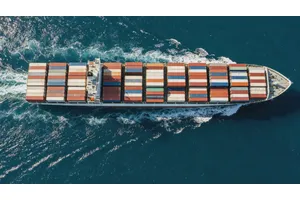
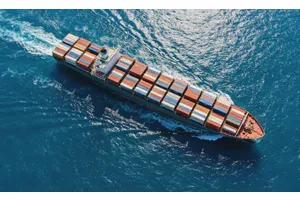
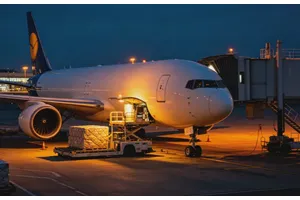
As a landlocked country in Central Europe, shipping from China to Austria presents a unique logistical challenge: every single container, pallet, or parcel must pass through a foreign seaport gateway—such as Koper in Slovenia or Hamburg in Germany—before it ever reaches Vienna, Linz, or Salzburg. For B2B importers and e-commerce sellers, this geographic reality often results in a painful surprise known as the "landlocked premium." Unexpected inland transport fees, complex cross-border customs clearance, and hidden destination charges can quickly eat away at your profit margins if you are not prepared.
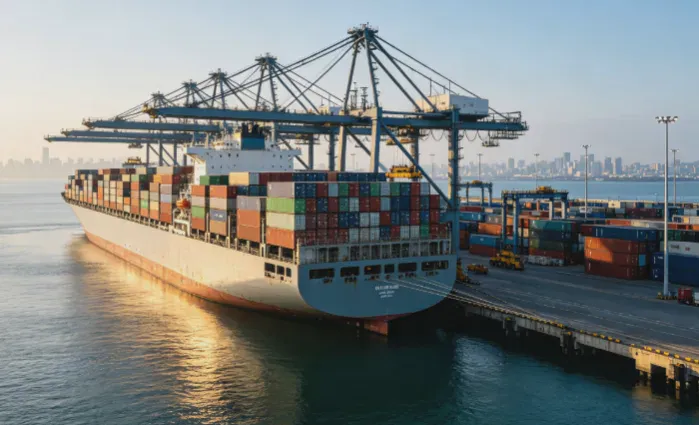
Understanding the true shipping cost from China to Austria is the most critical step in protecting your bottom line. In this comprehensive 2026 guide, we will break down the exact costs you can expect to pay across all transport modes. We will explore current sea freight, air freight, and rail rates, explain how the highly popular door-to-door service works, and show you exactly how to calculate the 20% Austrian import VAT. Backed by the expertise of DTFU Logistics, this guide provides the actionable strategies you need to keep your logistics budget firmly under control.
What Determines the Shipping Cost from China to Austria?
When calculating the total expenses for importing goods into Austria, looking at a simple base freight rate is never enough. Because Austria does not have its own ocean ports, the final invoice is heavily influenced by a combination of international transit and regional European logistics.
The "Landlocked Premium"
The total cost of shipping to Austria is essentially split into two main legs: 1. International Transit: The sea freight or air freight cost to transport your goods from a major Chinese port (like Shenzhen, Shanghai, or Ningbo) to a European gateway. 2. Inland European Transit: The trucking or rail cost to move the cargo from the gateway port (e.g., Hamburg, Rotterdam, Trieste, or Koper) across European borders into Austria.
Many inexperienced buyers only account for the first leg, leaving them shocked when they receive the invoice for the inland European transit, which can sometimes rival the ocean freight cost itself.
Key Pricing Factors
Several dynamic factors will dictate your final shipping cost from China to Austria: * Cargo Volume and Weight: Carriers charge based on either the actual weight or the volumetric weight of your cargo. * Transport Mode: The choice between ocean freight, air freight, or the China-Europe Railway Express drastically shifts the price-to-speed ratio. * Seasonal Fluctuations: Rates spike significantly during peak seasons, such as the weeks leading up to the Chinese Golden Week (October) and the pre-Christmas rush (August to November). * Incoterms 2020: The trade terms agreed upon with your Chinese supplier (such as FOB, EXW, or CIF) dictate which portion of the shipping fees you are responsible for paying.
Volumetric Weight Calculation
For air freight and international courier services, understanding volumetric weight (also known as dimensional weight) is crucial. Airlines will charge you based on whichever is greater: the actual gross weight of the cargo or its volumetric weight.
To calculate volumetric weight for standard air freight, the formula is generally: Length (cm) × Width (cm) × Height (cm) / 6000 = Volumetric Weight (kg)
If you are shipping a box of lightweight but bulky pillows, you will likely pay for the space it takes up (volumetric weight) rather than its actual physical weight.
Sea Freight Cost from China to Austria (FCL/LCL)
For the vast majority of importers bringing in bulk commodities, machinery, textiles, or furniture, sea freight remains the most economical and widely used transport method. You can choose between booking a full container or just a portion of one.
FCL (Full Container Load) Rates
FCL is ideal when you have enough cargo to fill an entire 20-foot or 40-foot container. It offers better security, faster transit times, and a lower cost per unit compared to sharing a container. Because Austria is landlocked, these containers typically arrive at ports like Koper (Slovenia) or Hamburg (Germany) before being transported by rail or truck to Austrian terminals.
Here are the estimated 2026 FCL sea shipping cost from China to Austria (including basic inland transit to Vienna):
| Container Type | Estimated Cost (USD) | Best Suited For |
|---|---|---|
| 20ft Container | $2,800 – $3,600 | Heavy, dense goods (machinery, building materials) |
| 40ft Container | $4,200 – $5,400 | Voluminous goods, mixed retail products |
| 40ft HQ (High Cube) | $4,500 – $5,800 | Light, bulky goods (apparel, furniture, toys) |
Note: These are average market rates for 2026 and are subject to change based on carrier capacity, fuel surcharges (BAF), and currency fluctuations.
LCL (Less than Container Load) Rates
If your shipment is between 1 and 15 cubic meters (CBM), LCL is the most cost-effective choice. Your cargo is consolidated with other shipments inside a shared container.
- Average LCL Rate: $90 – $160 per CBM.
While LCL saves you money on smaller shipments, be aware that it takes slightly longer than FCL. The consolidation process in China and the deconsolidation process at the European destination port usually add an extra 5 to 7 days to the overall transit time.
Our Industry Insights "When booking LCL shipments to Austria, pay close attention to Destination Terminal Handling Charges (DTHC). Many forwarders offer rock-bottom ocean freight rates but inflate the deconsolidation fees once the cargo arrives in Europe. At DTFU Logistics, we provide transparent, all-inclusive LCL quotes so you know exactly what you will pay before the ship leaves the dock."
Air Freight Rates from China to Austria per kg
When time is money, air freight is the undisputed champion. If you are importing high-value electronics, seasonal fashion, medical devices, or urgent manufacturing components, air transport ensures your goods arrive in days rather than weeks.
Most air cargo destined for Austria lands at Vienna International Airport (VIE), though Linz Airport (LNZ) is also utilized for regional industrial deliveries.
Current Market Rates
The air freight rates from China to Austria per kg fluctuate based on fuel prices, available belly space in passenger flights, and dedicated freighter capacity.
| Air Freight Category | Estimated Cost (USD/kg) | Transit Time | Ideal Scenario |
|---|---|---|---|
| Standard Air Freight | $4.50 – $7.50 / kg | 5 – 8 Days | Shipments over 100 kg, regular commercial cargo |
| Express Courier (DHL/UPS) | $8.00 – $13.00 / kg | 3 – 5 Days | Small parcels, urgent samples, documents |
Air Freight vs. Sea Freight
While air freight is significantly more expensive than ocean freight, it drastically reduces your inventory holding costs. The transit time from China to Austria via sea is typically 35 to 45 days. By utilizing air freight, you cut that time down to under a week. For high-margin products with short life cycles, the higher shipping cost is easily justified by the rapid speed to market.
DDP Shipping Cost from China to Austria: The All-In Solution
For small to medium-sized enterprises (SMEs), navigating European customs, securing an EORI number, and managing import VAT can be a logistical nightmare. This is where DDP comes in.
What is DDP?
DDP (Delivered Duty Paid) is an Incoterm where the freight forwarder assumes total responsibility for the shipment. From picking up the goods at the factory in China to delivering them to your warehouse in Austria, the forwarder handles everything. This includes export clearance, international freight, European import clearance, and the payment of all applicable customs duties and taxes.
How Door to Door Shipping Cost China to Austria Works
When you request door to door shipping from China to Austria under DDP terms, you receive a single, all-inclusive price. There are no surprise invoices from European customs brokers and no hidden port storage fees.
- DDP Air Freight: Typically ranges from $6.50 to $9.50 per kg (all-in, including duties and VAT).
- DDP Sea Freight: Typically ranges from $2.00 to $3.50 per kg, or is quoted as a flat rate per CBM depending on the commodity.
The Peace of Mind Factor
The greatest advantage of DDP is predictability. You know exactly what your landed cost per unit is before you even place the manufacturing order in China. Furthermore, you avoid dealing with Terminal Handling Charges (THC) and unexpected demurrage fees that often trap inexperienced importers who ship under CIF terms.
Amazon FBA Shipping Rates China to Austria
Austria has a thriving e-commerce market, and many Amazon sellers source their products directly from Chinese manufacturers. Shipping to an Amazon Fulfillment Center requires strict adherence to Amazon's packaging, labeling, and delivery protocols.
Specialized FBA Routing
Because Amazon's logistics network in Europe is highly integrated, goods destined for the Austrian market may actually be directed to fulfillment centers in neighboring Germany or directly to Austrian facilities. For a broader perspective on EU logistics, you can also review our guide on shipping from China to Europe. A specialized Amazon FBA Forwarding service ensures that your cargo is routed to the correct destination seamlessly.
FBA Prep and Shipping Costs
Amazon FBA shipping rates China to Austria usually include essential prep services. Your freight forwarder can handle palletizing to Amazon's exact specifications, applying FNSKU labels, and scheduling delivery appointments via Amazon's Carrier Central (CARP).
- FBA Sea Freight (DDP): Around $2.50 – $4.00 per kg. Transit time is 35-45 days.
- FBA Air Freight (DDP): Around $7.00 – $10.00 per kg. Transit time is 8-12 days (including processing).
- China-Europe Railway: A popular middle ground for FBA sellers, costing around $3.00 - $5.00 per kg with a transit time of 20-25 days.
Real-Life Scenario "A Vienna-based Amazon seller was struggling with stockouts of their top-selling home fitness gear due to slow ocean freight. By transitioning 30% of their inventory to our China-Europe Railway Express service, they reduced transit times by two weeks compared to ocean freight, at a fraction of the cost of air freight. This hybrid approach stabilized their inventory levels and significantly boosted their Amazon ranking."
Import Duty and VAT Austria from China: Calculating Your Tax
When importing goods into the European Union, taxes are unavoidable. Austria enforces strict customs regulations, and understanding how to calculate your duties and taxes is vital for determining the true shipping cost from China to Austria.
The 20% Rule (Einfuhrumsatzsteuer)
Austria applies a standard import Value Added Tax (VAT) rate of 20% on most commercial goods. Some essential items, like books or certain food products, may qualify for a reduced rate of 10% or 13%, but the vast majority of imports from China will incur the 20% rate.
Crucially, VAT is not just calculated on the value of your goods. It is calculated on the total CIF (Cost, Insurance, and Freight) value plus the customs duty.
The Formula: VAT = (Value of Goods + Shipping Cost + Insurance + Customs Duty) × 20%
Common Customs Duties
Customs duties are determined by the HS Codes assigned to your products. Here are a few examples of typical duty rates for Chinese imports into Austria: * Consumer Electronics (Smartphones, Laptops): 0% * LED Lighting: 4.7% * Furniture: 0% – 5.6% * Textiles and Apparel: 8% – 12%
Compliance: CE Marking and Form E
Austrian customs officials are highly vigilant regarding product safety. If you are importing electronics, toys, machinery, or medical devices, your products must carry a valid CE marking. Failure to provide proper compliance documentation will result in your goods being seized, heavily fined, or destroyed at the border. Additionally, while the generalized system of preferences has changed, providing proper origin documentation can sometimes assist in customs clearance.
Incoterms 2020 DDP vs CIF: Which is the Cheapest Shipping from China to Austria?
Choosing the right Incoterm will define your risk, your responsibility, and ultimately, your final cost. The debate between CIF and DDP is particularly fierce among importers.
The CIF Trap
CIF (Cost, Insurance, and Freight) means your Chinese supplier pays to get the goods to the destination port (e.g., Hamburg or Koper). On paper, CIF quotes look incredibly cheap.
However, CIF is notorious for hiding massive destination charges. Once the goods arrive in Europe, the supplier's agent will hand the cargo over to a local European agent. You will then be hit with inflated Terminal Handling Charges (THC), documentation fees, and expensive inland transit costs to Austria. What looked like the cheapest shipping from China to Austria often becomes the most expensive.
The DDP Advantage
As discussed earlier, DDP provides a single, all-in price. While the upfront quote is higher than CIF, it eliminates the risk of hidden destination fees. For SMEs lacking a dedicated logistics team, DDP is undeniably the safest and most predictable option.
Why FOB and EXW Make Sense
If you partner with a reputable freight forwarder like DTFU Logistics, buying under FOB (Free on Board) or EXW (Ex Works) gives you maximum control. We take over the shipment directly from your factory in China, allowing us to negotiate the best ocean rates, consolidate your goods efficiently, and manage the inland European delivery to Austria without third-party markups.
Insider Tips to Reduce Your Total Logistics Cost
Reducing your shipping cost from China to Austria requires strategic planning. Here are three insider tips from our senior freight forwarding team:
Route Optimization: The Koper Advantage
Because Austria is landlocked, the port of entry matters immensely. Traditionally, many shipments route through the Port of Hamburg (Germany) or Rotterdam (Netherlands). While this makes sense for shipping from China to Germany, routing cargo through the Port of Koper in Slovenia is often a superior strategy for Austrian importers. Koper is geographically much closer to Austria (especially Vienna and Graz). By utilizing Koper, you can significantly reduce the inland trucking or rail costs and cut down the final delivery time by several days.
Packaging Efficiency
Since air freight and express couriers charge based on volumetric weight, optimizing your packaging is a direct way to save money. Work with your Chinese supplier to eliminate excess empty space in cartons. Compress garments, use custom-fitted boxes, and avoid unnecessary bulky materials. A 15% reduction in package size can translate to hundreds of dollars in savings on an air freight shipment.
Securing Space During Peak Seasons
When peak season hits, shipping rates skyrocket and cargo gets rolled (left behind at the port). The best way to mitigate this is through proactive planning. At DTFU Logistics, our FIATA and IATA certified team leverages direct contracts with major ocean and air carriers. This allows us to secure space and offer competitive, stable rates to our clients, even when market capacity is extremely tight.
FAQ
How long is the transit time from China to Austria? Transit times vary drastically by mode. Sea freight typically takes 35 to 45 days door-to-door. Air freight takes 5 to 8 days. The China-Europe Railway Express is an excellent middle ground, taking approximately 18 to 25 days.
What is the cheapest shipping from China to Austria for small parcels? For small parcels under 20 kg, the express shipping cost China to Austria (DHL/FedEx/UPS) is the most viable option. While the per-kg rate is high, it avoids the heavy minimum flat fees associated with standard air or sea freight clearance.
Do I need an EORI number to import into Austria? Yes. If you are importing goods into Austria for commercial purposes under your own company name (using EXW, FOB, or CIF terms), you must have an Economic Operators Registration and Identification (EORI) number. If you use a DDP service, the freight forwarder's agent handles the import under their own or a specialized EORI, simplifying the process for you.
Is rail freight a viable alternative to air and sea? Absolutely. The China-Europe Railway Express is highly reliable. It is about 50% faster than sea freight and costs about 50% less than air freight, making it a highly attractive option for mid-value goods like electronics, auto parts, and fashion.
Conclusion
Importing goods into a landlocked country requires precision, foresight, and a deep understanding of total landed costs. Simply hunting for the lowest base freight rate will almost certainly lead to expensive surprises at the European border. By mastering volumetric weight, choosing the right Incoterms, and partnering with a logistics provider who understands the nuances of the "landlocked premium," you can optimize your shipping cost from China to Austria and protect your profit margins.
Do not let hidden fees, complex customs regulations, or inefficient routing eat into your business success. Contact DTFU Logistics today. With our FIATA and IATA certifications and over a decade of experience, we provide transparent, customized, and highly competitive freight solutions tailored to your exact needs. Reach out for a free, no-obligation quote for your next shipment to Austria.