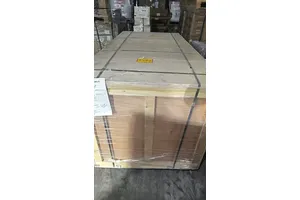
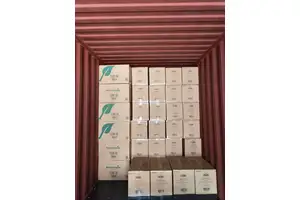
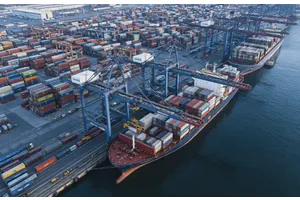
Two importers, same 20ft container, same port, same month. One paid $3,600 for the ocean leg and thought that was the price. The other's all-in cost landed at $9,200 by the time the container reached Baghdad. The difference was not a scam — it was the difference between a freight rate and a landed cost, and on the Iraq lane that gap is bigger than on almost any other route in the Middle East.
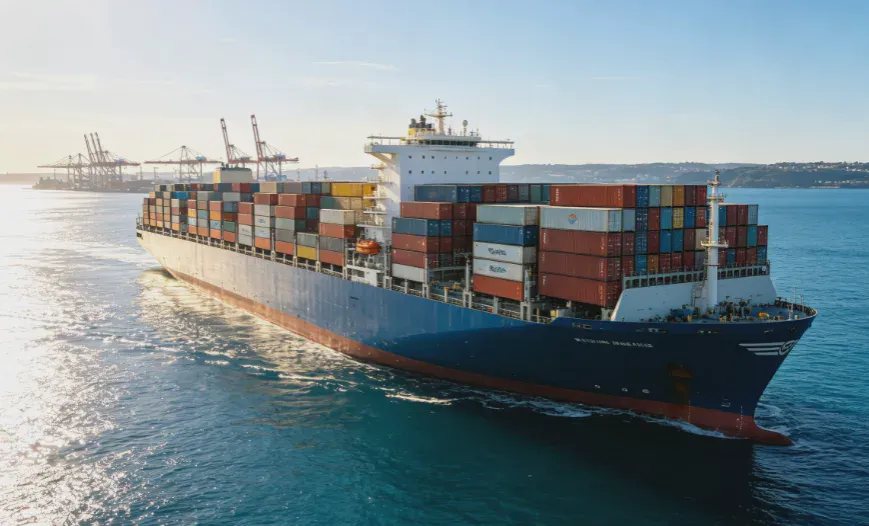
This guide answers how much to ship a container from China to Iraq the way a budget should actually be built: the headline 2026 rates for 20ft, 40ft and 40HQ, every fee that gets added between your supplier's door and your Baghdad warehouse, the duty math at Umm Qasr, when rates spike, and which of the "cheaper" workarounds actually save money. The figures below are consistent with the rest of our China–Iraq guides and reflect the rate ranges we book at DTFU Logistics on this lane.
How Much Does It Cost to Ship a Container from China to Iraq in 2026?
Start with the number everyone searches for, then we'll add reality to it. Port-to-port sea freight from major Chinese ports to Umm Qasr, 2026:
| Container Type | Usable Capacity | Typical Rate (USD, 2026) |
|---|---|---|
| 20ft (20GP) | ~28 CBM | $3,400 – $3,900 |
| 40ft (40GP) | ~56 CBM | $5,600 – $6,800 |
| 40ft High Cube (40HQ) | ~68 CBM | $5,800 – $7,000 |
| 45ft High Cube (45HQ) | ~78 CBM | $6,600 – $7,600 |
| LCL (per CBM) | 1–15 CBM shipments | $85 – $190 per CBM |
Two things to understand before you quote anyone these numbers. First, they are port-to-port: Umm Qasr terminal charges, Iraqi customs, duty, and the truck to Baghdad are all still ahead. Second, they move with the season — the same 20ft that books at $3,400 in February can quote $3,900 in the Q4 peak. The full cost picture is the fee stack in the next sections; these ranges are the anchor.
It is also worth understanding why the China–Iraq lane sits where it does. Unlike the China–Dubai lane — where dozens of direct mainline services compete and a 20ft can book near $1,100 — Iraq has no weekly direct mainline from China. Cargo rides a mother vessel to Jebel Ali or Singapore and transfers to a feeder for the final 3–7 days into Umm Qasr. That double handling, plus the regional risk premium that carriers build into Gulf-bound space, is the structural reason Iraq container rates run roughly 2–3× the UAE lane at the same time of year. Nothing about the negotiation changes that: the price of the lane is the price of the lane, and the only real lever is when you book and how much you let the forwarder optimize the connection.
20ft vs 40ft vs 40HQ vs 45HQ: Which Container Size Is Cheapest for Iraq Cargo
Container choice is the first cost decision, and the math consistently surprises first-timers.
| Container | CBM | Payload (approx.) | Cost vs 20ft | Best For |
|---|---|---|---|---|
| 20ft | 28 | ~28 t | Baseline | Dense, heavy cargo: tiles, machinery, steel |
| 40ft | 56 | ~26 t | +20–50% | General mixed cargo |
| 40HQ | 68 | ~26 t | Slightly above 40ft | Voluminous light cargo: furniture, textiles, toys |
| 45HQ | 78 | ~25 t | Above 40HQ | Maximum volume, specialized |
The key number: a 40ft costs only 20–50% more than a 20ft while nearly doubling your space. For cargo denser than about 30 CBM per container, the 40ft/40HQ almost always wins on cost per cubic meter. The 20ft remains the right tool for heavy cargo — tiles, sanitary ware, steel products — where the weight limit binds before the volume does. And the 40HQ premium over the 40GP is small (typically $200–$400) but buys 12 extra CBM of height, which is why it is the default for furniture, plastic goods and apparel on the Iraq lane. For a full discussion of high-cube economics, see our high cube container cost guide.
Doing the per-unit math changes the decision for most importers. Take a shipment of 34 CBM of homeware. As a 20ft it simply does not fit — you would book a 40GP at $6,200, or split across two LCL consolidations at roughly $130/CBM each ($4,420 total) plus double origin and destination handling. The 40GP is not just cheaper per CBM ($109 vs $130) — it is cheaper in absolute terms once you add the second set of broker fees, CoC and trucking that two LCL lots incur. The rule of thumb we use on the Iraq lane: above 18 CBM, price the 40ft before defaulting to LCL; the container almost always wins, and the 40HQ is worth its small premium whenever your goods are light for their volume.
The Complete Fee List: Every Charge on a China–Iraq Container
Between the factory gate in China and the warehouse in Iraq, a container accumulates charges in three clusters. This is the checklist we use when auditing any quote:
Origin (China) side:
| Fee | Typical Range (2026) |
|---|---|
| Factory pickup / trucking to port | $150 – $400 |
| Export customs declaration | $80 – $200 |
| Terminal handling (THC) at origin | $150 – $300 |
| Booking / documentation (B/L) fees | $50 – $120 |
| Container inspection / washing | $30 – $80 |
Destination (Iraq) side:
| Fee | Typical Range (2026) |
|---|---|
| Umm Qasr THC (terminal handling) | $250 – $450 |
| Destination documentation / telex release | $80 – $150 |
| Customs broker fee (licensed agent, Umm Qasr) | $150 – $350 |
| Certificate of Conformity (CoC), if required | $300 – $1,500 |
| Demurrage beyond free time (7–14 days free) | $80 – $150 / day |
| Inland trucking: Umm Qasr → Baghdad | $1,200 – $2,000 |
| Inland trucking: Umm Qasr → Erbil | $1,800 – $2,800 |
Add customs duty (next section) on top, and you can see why the "$3,600 ocean rate" story ends at $9,000+. The two line items that ambush first-time importers most often are the CoC — required for a wide range of consumer and electrical goods before Iraqi customs will release them — and demurrage, because free time at Umm Qasr (typically 7–14 days) evaporates fast when the buyer's documents or payments lag, and the meter keeps running through holidays and Ramadan.
The pattern worth noticing is which of these fees appear in a first quote. Origin-side charges are usually listed because they're small and negotiable; destination-side charges are often hidden inside vague "local charges at destination" language; and the CoC frequently doesn't appear at all until the goods are already on the water. A useful habit: whenever you receive a China–Iraq quote, ask for the destination breakdown in writing — THC, documentation, broker, CoC — before you compare it to anything else. A quote that cannot itemize its own destination costs is a quote that hasn't been priced yet. The customs clearance structure on the Iraq side is the part most quotes leave vague, and the part that decides whether your budget holds.
Iraq Import Duty: What Customs Charges on Your Container at Umm Qasr
Iraq does not have VAT or GST. It taxes imports with a customs duty applied to the CIF value (goods + insurance + freight), under a Harmonized System tariff that since 2019 has run from 0% to 30% depending on the HS code.
The practical shape of the tariff for China-origin goods:
| Category | Typical Duty |
|---|---|
| Raw materials, essential inputs | 0–5% |
| Machinery and equipment | 5% (many items) |
| Most consumer goods | 5–15% |
| Finished goods, luxury/import-competing items | Up to 30% |
| Food, medicine, books, clothing, reconstruction-related goods | Exempt (0%) |
Two notes that save money. First, projects registered with Iraq's National Investment Commission and goods entering free zones can be exempt from duty — worth knowing if you're shipping for a construction project. Second, Iraq is not a GCC member, so the 5% GCC common external tariff does not apply here; the Iraqi tariff is its own system, and assuming GCC rules is a classic planning error.
A worked example: a 20ft container with CIF value of $25,000, holding consumer goods at a 10% rate:
- Duty: $25,000 × 10% = $2,500
- Plus Umm Qasr fees, broker, CoC and trucking: roughly $2,000–$3,500
- Taxes + destination costs on top of the $3,400–$3,900 ocean rate: ~$4,500–$6,000
That is the real arithmetic of the lane — which is exactly why every serious importer ends up comparing the full landed cost rather than the freight rate.
Umm Qasr by Sea vs Aqaba by Land: Which Route Lands Cheaper in Baghdad
Iraq-bound containers have a second door: discharge at Aqaba in Jordan and truck across the border to Baghdad. It is rarely the default, but it wins in specific months and for specific destinations.
| Cost / Factor | Sea to Umm Qasr | Sea to Aqaba + Road to Baghdad |
|---|---|---|
| Ocean freight (20ft) | $3,400 – $3,900 | $3,200 – $4,500 |
| Transit time to port | 20 – 38 days | 22 – 32 days |
| Trucking to Baghdad | $1,200 – $2,000 | $2,500 – $4,500 (incl. border formalities) |
| Border crossing | None | Trebil/Al-Karama (Jordan–Iraq) |
| Clearance location | Umm Qasr, near Basra | Aqaba (Jordan) + Iraqi border post |
| Best when | Umm Qasr is moving normally | Umm Qasr congested; cargo for western Iraq/Anbar |
The Aqaba route adds real cost per container and two sets of border formalities, but when Umm Qasr is backed up — which happens predictably after holidays and during import surges — the land route can beat the waiting time. It is a lever, not a lifestyle: quote both when your container is heading to western Iraq, or when the port calendar looks bad.
A Worked Example: Total Landed Cost of a 20ft Container from China to Baghdad
Putting it all together. A 20ft container of consumer goods (furniture and homeware), CIF value $25,000, shipped from Shenzhen in a normal season, delivered to a warehouse in Baghdad:
| Line Item | Amount (USD) |
|---|---|
| Ocean freight, 20ft, port-to-port | $3,600 |
| Origin THC + booking + documentation | $380 |
| Export customs clearance | $120 |
| Cargo insurance (0.4% of value) | $100 |
| Umm Qasr THC + destination documentation | $480 |
| Customs broker fee | $250 |
| CoC (consumer goods) | $450 |
| Import duty (10% of CIF) | $2,500 |
| Inland trucking to Baghdad | $1,500 |
| Total landed cost | $9,380 |
Every line of that table is negotiable in one direction or another — the duty is fixed by the HS code, but the fees cluster around the choice of forwarder and the timing. Note also the settlement reality: on this lane a meaningful share of payments moves in USD (via bank channels, letters of credit through the Central Bank of Iraq's dollar facility, or cash for smaller deals), and the payment method influences how quickly the customs agent and trucker get moving after discharge. Budget the money flow as carefully as the cargo flow.
One more line belongs in the mental model: what the same container costs in the Q4 peak. Book that identical 20ft in late October and the ocean leg moves from $3,600 to roughly $4,200, the PSS adds $200–$600, and if Ramadan lands before clearance, the trucking market tightens too — a realistic peak-season total of $10,000–$11,000 against the $9,380 off-season figure. That $1,000+ swing is the single most predictable cost difference on the lane, and it is entirely controllable by choosing the sailing month. (And whatever the month, insure the cargo — the insurance cost guide shows how cheap the coverage is relative to the container value.)
When Container Rates Spike: Q4, Ramadan and Chinese New Year on the Iraq Lane
Freight rates to Iraq swing more than most lanes because demand is concentrated. The three windows that move prices:
| Window | Effect | Booking Advice |
|---|---|---|
| Q4 peak (Sept – Dec) | Space tightens, PSS of $200–$600/container typical | Book 3–4 weeks ahead; fix rates early |
| Before Chinese New Year (Jan – Feb) | Factories and forwarders shut for a week; pre-CNY rush | Ship early or accept the post-holiday slot |
| Ramadan (approx. Feb – Mar 2026) | Iraqi clearance and trucking slow; demurrage risk rises | Aim for arrival after Ramadan ends |
| Off-season (Q1, post-holiday) | Best availability, lowest rates of the year | The cheap window for planned shipments |
The compounding trap: Q4 is when everyone needs space, and a container that slips from December to January pays the CNY rush premium on top. On this lane, the cheapest shipment is the one booked in Q1 for Q1.
Booking Your Own Container vs Using a Freight Forwarder: Where the Money Goes
Can you book a container to Iraq yourself? Technically yes — carriers and online platforms will sell you the ocean leg. What you cannot buy off the shelf is the Iraq end: a licensed agent at Umm Qasr who files the declaration, handles the CoC, negotiates with customs and organizes the truck to Baghdad. Without that agent, your "savings" on the ocean leg converts into demurrage and storage while you search for someone at the port.
| Factor | Booking Direct | Freight Forwarder |
|---|---|---|
| Ocean rate | Face rate, no markup | Contract rates, often better during peaks |
| Umm Qasr agent | You arrange (hard remotely) | Included |
| CoC handling | You manage | Handled before sailing |
| Demurrage exposure | Full | Managed with arrival planning |
| Documentation errors | On you | Stress-tested before loading |
| One invoice, one contact | No | Yes |
The honest summary: for a single shipment, direct booking can shave $200–$500 off the ocean leg, and then cost you more than that in coordination, CoC fees paid at retail, and demurrage on the first mistake. For anyone shipping to Iraq more than once, a forwarder with a real Umm Qasr network — like DTFU Logistics, which runs weekly consolidation and FCL programs on this lane from its South China hubs — is where the money actually stays in your pocket.
A real-world contrast makes the point concretely. An importer we know booked a 20ft directly on a freight platform, confident he had "beaten the market" at $3,300. The container arrived at Umm Qasr with two errors: the commercial invoice value didn't match the packing list quantities, and the goods (LED lighting) had no CoC. The documentary hold cost six days of storage, the CoC was rushed at a premium, and the agent he finally found at the port charged emergency rates for the truck to Baghdad. His all-in landed cost: just over $10,800 — more than a full-service forwarder quote with zero stress. The lesson isn't that platforms are bad; it's that on this lane the last mile decides the bill.
Cheaper Ways to Move Containers to Iraq: LCL, Dubai Transshipment and Groupage
If you don't have a full container, three cheaper structures exist — and one of them is mostly a myth.
LCL (groupage). Below roughly 15 CBM, LCL at $85–$190 per CBM beats FCL per unit. The trade-offs: LCL takes 5–10 days longer (consolidation in China plus deconsolidation at Umm Qasr), and per-CBM costs rise for very small consignments. The break-even point where a 20ft becomes cheaper is around 15–18 CBM depending on the month — that is the number to calculate before booking.
Dubai transshipment / re-export. Some traders route goods to Jebel Ali and then into Iraq as separate transactions, sometimes via free-zone entities in Dubai. This genuinely works for commercial structures that want UAE invoicing or consolidation across multiple China suppliers — Jebel Ali is also the standard technical transshipment hub for Umm Qasr anyway, so the cargo is passing through regardless. What it is not is a magic discount: the extra handling in Dubai adds cost, and the Iraq leg still faces the same duty. Use it for commercial reasons, not for savings.
Part-container sharing. A forwarder's consolidation program lets several importers share one 20ft or 40ft. This is the standard way small Iraq traders buy — and the price discipline is the same as LCL with better packing density.
The through-line: on the Iraq lane, "cheap" is a function of filling your container and timing your booking, not of exotic routing. The cheapest legitimate move available to most importers is consolidation to a full container in a warehouse program during the Q1 window, then booking the ocean leg early.
FAQs
How much does it cost to ship a 20ft container from China to Iraq?
Port-to-port, $3,400–$3,900 in 2026. With Umm Qasr fees, duty, CoC and inland trucking to Baghdad, budget $8,500–$10,500 all-in for a typical consumer-goods container.
How much does a 40ft or 40HQ container cost from China to Iraq?
A 40ft runs $5,600–$6,800 and a 40HQ $5,800–$7,000 port-to-port — roughly 20–50% above a 20ft for nearly double the space, which makes 40ft/40HQ the cheaper choice above ~30 CBM.
What is the cheapest way to ship a container to Iraq?
Full-container (FCL) booking in the Q1 off-season, with cargo consolidated to fill the box. Below 15–18 CBM, LCL is cheaper per shipment. And if you're weighing FOB against a duty-paid structure, our DDP vs FOB guide walks through the trade-off in numbers.
What is the import duty on containers into Iraq?
0–30% by HS code, with most consumer goods at 5–15% and food, medicine, books, clothing and reconstruction-related items exempt. Duty applies to the CIF value. Iraq is not a GCC member — the 5% GCC tariff does not apply.
How long does container shipping from China to Iraq take?
20–38 days port-to-port via Jebel Ali or Singapore transshipment; add 5–10 days for Umm Qasr clearance and inland trucking to Baghdad. See our shipping time from China to Iraq guide for the stage-by-stage breakdown.
When is the cheapest time to ship a container to Iraq?
Q1 (January–March, outside Ramadan) offers the lowest rates and best space. Q4 peak and the pre-CNY rush are the most expensive windows.