Customer Background
The customer is a consumer goods importer based in Jeddah, Saudi Arabia, supplying personal care and household products to retail and wholesale channels across the kingdom. Their import volumes vary by order, and they regularly consolidate smaller purchases from Chinese suppliers into LCL (less than container load) shipments.
This order covered a batch of soap products — bar soaps and liquid soaps in assorted variants — sourced from a supplier in the Shenzhen area. The order volume was below the threshold for a full container, which made LCL sea freight the natural mode. For a customer who values both cost and predictability, the LCL chain needed to be managed carefully to keep the per-unit cost down and the transit reliable.
Cargo Information
| Item | Detail |
|---|---|
| Commodity | Soap (bar soap and liquid soap, assorted variants) |
| Mode | Sea freight, LCL (less than container load) |
| Origin | Shenzhen, China |
| Destination | Jeddah, Saudi Arabia |
| Incoterm | FOB Shenzhen |
| Gross weight | Approx. 6,400 kg |
| Volume | Approx. 14 CBM |
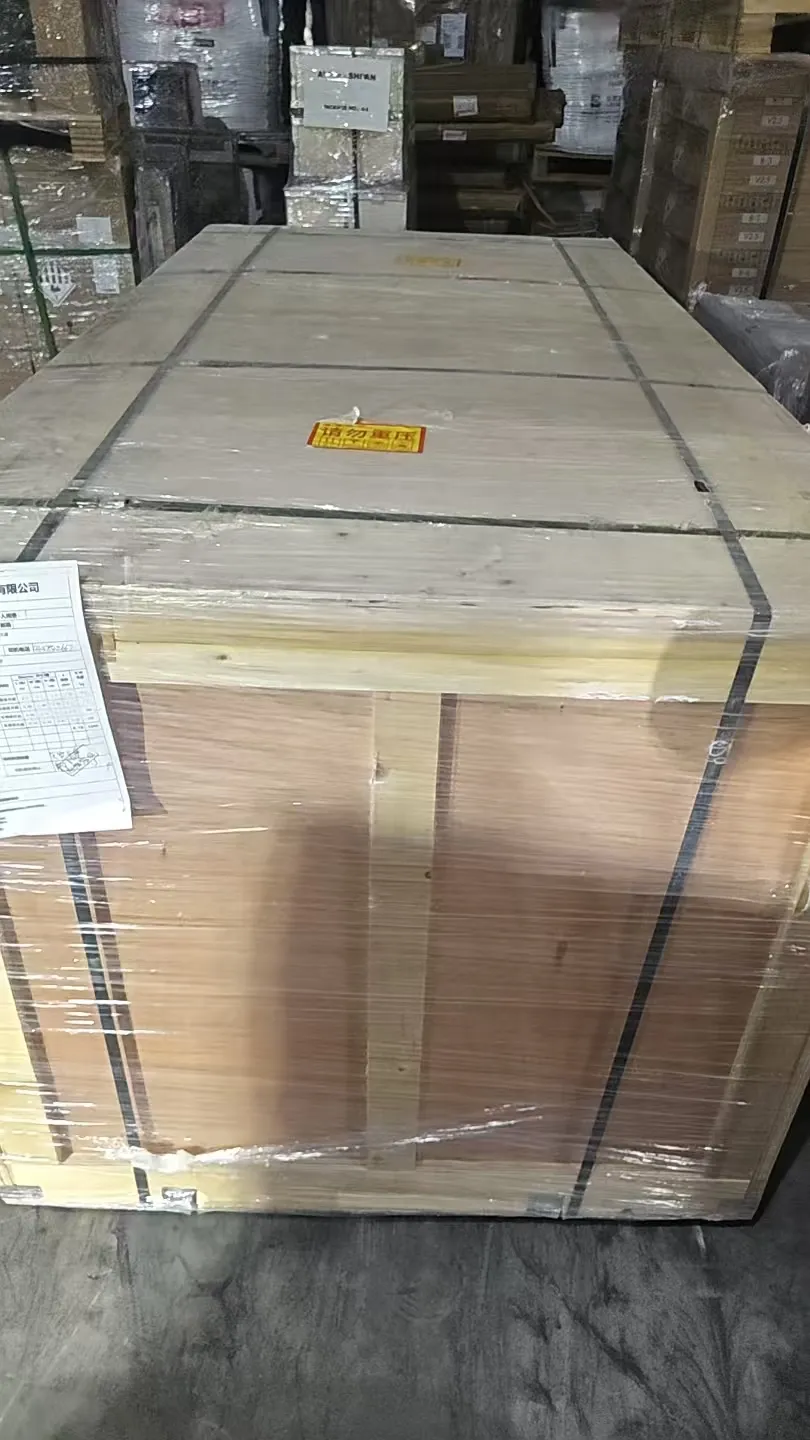
The cargo consisted of soap in export cartons. Bar soap is dense for its size; the liquid soap is heavier per carton. The shipment occupied roughly 14 CBM of LCL space, below the point where a full 20GP container would have been economical.
Why This Shipping Method
LCL sea freight was the appropriate choice for the order volume. At ~14 CBM, the cargo would have occupied less than half of a 20GP container (usable capacity ~25–26 CBM), and the customer would have paid for roughly 12 CBM of empty space. LCL allows the customer to pay only for the space their cargo occupies, with the balance of the container shared with other consignments.
The trade-off was the added handling of an LCL chain: the cargo is consolidated at origin with other consignments, deconsolidated at destination, and shipped under a house bill of lading rather than a direct container bill. This adds handling steps and a possible transshipment, which must be factored into both the cost and the transit-time expectation.
Shipping Process
Step 1 — Delivery and consolidation in Shenzhen
The soap was delivered to a consolidation warehouse in Shenzhen, where it was received against the packing list, inspected, and staged for LCL loading. The cartons were consolidated with other Jeddah-bound cargo into a single container.
Step 2 — Export customs declaration
The export declaration was filed in Shenzhen. Soap products are not restricted for export from China. The commercial invoice, packing list, and declaration were submitted and cleared within one working day.
Step 3 — Ocean freight (LCL)
The consolidated container was loaded onto the vessel at Shenzhen and shipped to Jeddah Islamic Port. The LCL consignment was issued a house bill of lading covering the cargo within the shared container. The transit time was approximately 18 days, with a transshipment point on the routing.
Step 4 — Deconsolidation and destination clearance
Upon arrival at Jeddah, the LCL container was deconsolidated at the destination warehouse and the soap was separated from the co-loaded cargo. The import declaration was filed with Saudi customs, and the goods were cleared.
Step 5 — Delivery to customer
The soap was delivered to the customer's warehouse in Jeddah after clearance. The house bill of lading documentation was transferred cleanly at destination, so the cargo was released without delay.
Challenges Encountered
1. Fragrance and contamination sensitivity
Soap has a strong fragrance and is sensitive to contamination from co-loaded cargo. In an LCL container, the soap shares space with other consignments, and a poorly compatible co-load — a strong-smelling chemical or a leaking product — could compromise the cargo's smell and quality, which for a consumer product is a direct commercial loss.
2. LCL handling and transit reliability
LCL cargo moves through more handling steps than FCL: consolidation at origin, deconsolidation at destination, and a possible transshipment on the routing. Each step adds a point where the shipment can be delayed or mishandled, and the transit time is inherently less predictable than a direct FCL move.
3. Weight-vs-volume mismatch in the LCL quote
Soap is relatively dense, and the LCL quote is usually based on volume. Getting the volumetric calculation right, and ensuring the weight was not a factor that could surprise the customer on the final invoice, required care in how the cargo was declared.
How We Solved Them
For fragrance and contamination sensitivity:
The soap was placed in the LCL container with compatible co-loads — the cargo was scheduled into a container that did not include strong-smelling chemicals or liquids. The cartons were wrapped at the pallet level to reduce exposure, and the consolidation plan segregated the soap from incompatible consignments. The cargo arrived with its fragrance intact.
For LCL handling and transit reliability:
The LCL booking was made on a service with a single, well-established transshipment point rather than a less predictable multi-hop routing. The house bill of lading was issued with a clean, consistent consignee and notify-party detail, so the transfer of documents at destination was routine. The customer was given a realistic transit-time expectation that included the transshipment.
For the weight-vs-volume quote:
The cargo was measured accurately at the consolidation warehouse — the volume came to 14 CBM and the gross weight to 6,400 kg. The LCL rate was applied on the volume basis, which is the standard for this trade, and the customer was informed of the volume-based charge upfront so there was no surprise on the invoice.
Final Timeline
| Milestone | Date |
|---|---|
| Cargo delivered to Shenzhen consolidation warehouse | May 5 |
| Inspection and consolidation | May 5 |
| Export customs declaration | May 6 |
| Vessel departure from Shenzhen | May 8 |
| Transshipment point | May 14–15 |
| Arrival Jeddah Islamic Port | May 26 |
| Deconsolidation at Jeddah | May 27 |
| Saudi customs clearance completed | May 28 |
| Delivery to customer warehouse, Jeddah | May 29 |
Total door-to-door transit time: 24 days
Final Cost
The total cost for this shipment was approximately $780, broken down as follows:
- Inland delivery and consolidation handling (Shenzhen): ~$75
- LCL ocean freight (14 CBM at ~$38/CBM): ~$530
- Export customs clearance: ~$55
- Destination deconsolidation and handling (Jeddah): ~$80
- Destination customs clearance and broker fees: ~$90
- Delivery to warehouse in Jeddah: ~$50
The customer paid the LCL freight and origin charges to DTFU Logistics; destination-side charges were settled through their local broker.
LCL rates on the Shenzhen–Jeddah lane fluctuate with season and vessel utilization. The figures above reflect the rate at the time of booking (May 2026).
Customer Review
"The order was small enough that LCL was the only sensible option, and the cost per unit came out right. The soap arrived with no contamination and the fragrance was fine. The transit took about three and a half weeks door to door, which was within the window we were told to expect."
— The customer's procurement manager, Jeddah
Lessons Learned
-
LCL makes sense below the FCL threshold, but the quote is a volume game. At ~14 CBM, LCL is cheaper than paying for half an empty 20GP. Measuring the cargo accurately at consolidation and declaring the volume basis upfront keeps the invoice honest and the customer's per-unit cost predictable.
-
Co-load compatibility is a real decision in an LCL container. Soap shares space with other consignments, and fragrance and contamination are genuine risks. Scheduling the cargo into a container with compatible co-loads — no chemicals, no leaking liquids — protects a consumer product's value.
-
The LCL transit expectation must include the transshipment. LCL cargo moves through more handling steps than FCL, and the routing usually has a transshipment. Setting the customer's expectation around a realistic transit time, with the transshipment included, prevents a perceived delay when the cargo follows the standard schedule.
-
Clean documentation is what releases LCL cargo at destination. The house bill of lading detail — consignee, notify party, marks and numbers — must be consistent from origin to destination, or the cargo sits at the deconsolidation point waiting for a document correction.