Are you wondering how much it costs to ship a pallet from China to Canada and what factors impact the final price? Understanding palletized shipping, freight methods, and customs charges is crucial for budget planning and smooth delivery. In this comprehensive guide, we’ll break down key cost components, compare air freight and sea freight, and share expert tips to help you save on your next pallet shipment from China to Canada. Let’s explore everything you need to know!
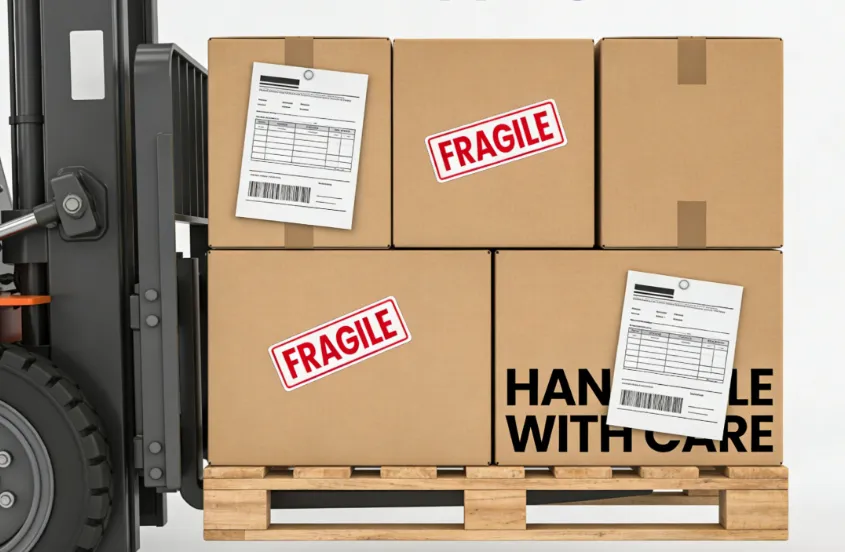
Short Answer: How Much Does It Cost?
For a standard pallet (about 120 × 100 × 120 cm, 250–400 kg), the cost to ship from China to Canada typically falls into these ranges:
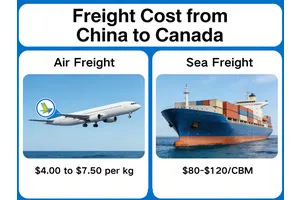
- Sea Freight (LCL): ~$220–$600 per pallet port-to-port; typical door-to-door to major cities lands around ~$700–$1,400 depending on destination handling and last-mile.
- Air Freight: ~$900–$2,200 per pallet airport-to-airport; door-to-door often totals ~$1,300–$3,000 with local delivery and clearance.
- Other Costs: Destination handling, customs duty + GST/HST, and local delivery ($100–$500+) affect the final landed cost.
| Option | Typical Cost Range (USD) | Typical Transit Time |
|---|---|---|
| Sea Freight (LCL) | $220–$600 (P2P) | 25–40 days |
| Sea Freight (Door-to-Door) | $700–$1,400 | 28–45 days |
| Air Freight (A2A) | $900–$2,200 | 3–7 days |
| Air Freight (Door-to-Door) | $1,300–$3,000 | 4–10 days |
Use the detailed sections below to refine estimates based on your pallet’s size/weight, route, and service level.
Understanding the Cost to Ship a Pallet from China to Canada
A pallet is a flat, stable platform used to support goods in a secure and efficient manner during transportation. Typically made from wood, plastic, or sometimes metal, pallets help in consolidating cargo for easier handling, storage, and movement.
Why use palletized shipping?
- Efficiency: Palletized cargo can be moved using forklifts or pallet jacks, speeding up loading and unloading processes at ports and warehouses.
- Protection: Pallets help protect goods from damage by elevating them off the ground and providing a stable base.
- Cost Savings: By consolidating multiple boxes onto a pallet, shippers can reduce the risk of lost or misplaced packages, minimize handling fees, and optimize space usage in containers.
- Compliance: Many international shipping standards, including those related to customs and quarantine, require palletization for ease of inspection and handling.
Typical Dimensions and Weights for Palletized Cargo
Understanding the standard dimensions and weight limitations is crucial for accurate freight cost calculation.
| Pallet Type | Dimensions (L × W × H, cm) | Typical Weight (kg) | Standard Use Case |
|---|---|---|---|
| Standard (ISO) Pallet | 120 × 100 × up to 150 | Up to 1000 | Most global shipments |
| Euro Pallet | 120 × 80 × up to 150 | Up to 1200 | Common in Europe & Canada |
| North American Pallet | 121 × 101.6 × up to 150 | Up to 1000 | Widely used in NA and Asia |
- Average Pallet Weight: 20–30 kg (empty), total gross weight typically ranges from 500–1200 kg depending on goods and destination.
- Height Limitations: For international shipping, a maximum height of 150–180 cm is recommended to ensure safe stacking and container compatibility.
Tip: Always confirm with your freight forwarder about the maximum allowable dimensions and weight for pallets, especially when shipping from China to Canada, as regulations and transport equipment may vary. If you're considering containerized options, you may want to see the latest Shipping Cost from China to Canada for reference.
Key Factors Influencing Freight Costs from China to Canada
Shipping Method: Air Freight vs. Sea Freight vs. Rail Freight
The shipping method is the primary factor affecting both cost and transit time when shipping a pallet from China to Canada.
| Shipping Mode | Estimated Cost (per pallet, USD) | Transit Time | Advantages | Disadvantages |
|---|---|---|---|---|
| Sea Freight | $220–$600 (LCL) | 25–40 days | Cost-effective, suitable for large/bulky | Slow transit, port handling required |
| Air Freight | $900–$2200 | 3–7 days | Fast delivery, ideal for urgent or high-value goods | High cost, weight/size limits |
| Rail Freight | $550–$1100 | 15–25 days | Balanced speed/cost for central Canada | Limited routes, may require trucking |
Sea Freight is the most popular choice for bulk shipments due to its low cost. Air Freight is recommended for time-sensitive or high-value items. Rail Freight is emerging as a viable alternative, especially for shipments to central Canada, leveraging the China-Europe rail network with intermodal links to North America.
For sea shipments, you can find more details in the guide on Sea Shipping Cost from China to Canada.
Distance, Routes, and Major Ports of Entry
The specific route your pallet takes will impact the cost and delivery timeline. Key factors include the distance between the origin and destination, as well as the choice of major ports.
Major Chinese Ports (Origin):
- Shanghai Port
- Shenzhen (Yantian/Shekou) Port
- Ningbo Port
- Qingdao Port
- Xiamen Port
Major Canadian Ports (Destination):
- Port of Vancouver (primary West Coast gateway)
- Port of Prince Rupert (increasingly popular for Asia-Canada trade)
- Port of Montreal (East Coast, for shipments transiting via Panama Canal or rail)
- Toronto & Calgary (rail/air freight hubs)
| Origin Port | Canadian Port of Entry | Typical Route | Estimated Sea Transit Time |
|---|---|---|---|
| Shanghai | Vancouver | Direct Pacific route | 15–20 days |
| Shenzhen | Prince Rupert | Pacific, sometimes transshipment | 14–18 days |
| Ningbo | Montreal | Via Panama Canal or intermodal/rail | 28–35 days |
Note: Door-to-door delivery will include additional inland trucking or rail transport within Canada.
Pallet Size, Weight, and Volume Impact on Pricing
Freight charges are based either on actual weight or volumetric weight (also known as chargeable weight), depending on which is greater.
- For Sea Freight (LCL): Rates are often quoted per CBM (Cubic Meter). A standard 20ft container holds about 28 CBM, a 40ft about 56 CBM, and a 40HQ about 68 CBM.
- For Air Freight: The chargeable weight is calculated as:
Volumetric Weight (kg) = Length (cm) × Width (cm) × Height (cm) / 6000
Example Calculation:
- 1 pallet, 120 × 100 × 120 cm = 1.44 CBM / 288 kg actual weight.
For air: 120 × 100 × 120 / 6000 = 240 kg. If actual weight is 288kg, chargeable is 288kg.
Impact:
- Larger or heavier pallets cost more to ship.
- Efficient packing and minimizing unused space can reduce total freight charges.
If you are comparing routes or costs for shipping pallets to other North American destinations, see this reference on How much does it Cost to Ship a Pallet from China to USA.
Seasonal Fluctuations and Market Demand
Freight rates between China and Canada are subject to seasonal fluctuations and market trends.
- Peak Season: August to October (pre-holiday stock buildup), and January to February (before Chinese New Year). Expect higher rates and possible delays.
- Off-Peak: Early spring and summer typically see lower rates.
- Market Factors: Global events (e.g., pandemic disruptions, port congestion, fuel price spikes) can cause price volatility.
- Policy Changes: CBSA CARM requirements for importers of record and carrier environmental/green surcharges continue to evolve, affecting both costs and clearance timelines.
| Period | Typical Rate Change | Market Note |
|---|---|---|
| Pre-Holiday Peak | +20-40% | Book early to secure space |
| Post-Chinese New Year | Drops by 10-20% | Lower demand, faster processing |
| Global Disruptions | Variable | Monitor news for port strikes, weather etc. |
Tip: Working with an experienced freight forwarder like DTFU International Logistics Co.,Ltd can help you anticipate and navigate seasonal market changes to secure the best rates and schedules.
Conclusion:
Calculating the cost to ship a pallet from China to Canada involves understanding pallet specs, selecting the optimal shipping method, considering key ports and routes, evaluating your cargo’s size and weight, and being aware of seasonal and market factors. For tailored solutions, competitive rates, and reliable service, consider partnering with DTFU International Logistics Co.,Ltd, your trusted, one-stop international logistics service provider.
Detailed Breakdown of Shipping Fees and Charges
Shipping a pallet from China to Canada involves multiple cost components. Understanding each fee and charge is crucial for importers, exporters, and logistics managers to accurately estimate the total landed cost and avoid unexpected expenses. Below is a comprehensive breakdown, based on the latest industry data and best practices.
Freight Rates: FCL, LCL, and Air Freight Charges
The most significant portion of your shipping cost comes from freight charges. The cost varies depending on the shipping mode and the nature of your palletized cargo.
- FCL (Full Container Load): You pay for the exclusive use of a container (e.g., 20FT, 40FT, 40HQ, 45HQ). This is ideal for large volumes or high-value goods.
- LCL (Less than Container Load): Your pallet shares space with other shipments. You pay based on the volume (CBM) or weight, whichever is greater.
- Air Freight: Fastest but generally more expensive. Charges are based on chargeable weight (gross or volumetric, whichever is higher).
Typical Freight Rate Comparison (2026 Estimates)
| Mode | Example Route | Transit Time (Days) | Cost Range (USD) per Pallet* | Key Features |
|---|---|---|---|---|
| Sea FCL | Shanghai – Vancouver | 18–30 | $300 – $650 | Cost-effective for large volumes, suitable for heavy goods |
| Sea LCL | Shenzhen – Toronto | 25–35 | $280 – $650 | Flexible for smaller shipments, may experience delays at consolidation hubs |
| Air Freight | Guangzhou – Toronto | 3–8 | $900 – $2,000 | Fastest, reliable schedule, best for urgent/high-value cargo |
*Rates can fluctuate based on the season, carrier, and market conditions. For tailored quotes, consult a professional forwarder like DTFU International Logistics Co.,Ltd.
For those also importing to other Canadian cities, you may benefit from reviewing the latest data on Shipping from Shanghai to Canada.
Surcharges: Fuel, Security, Peak Season, and Others
In addition to base freight rates, several surcharges can apply:
- Fuel Surcharge (BAF/FAF): Linked to global oil prices, can add 10–25% to the base rate.
- Security Surcharge: Covers screening procedures; typically $10–$30 per shipment.
- Peak Season Surcharge (PSS): Imposed during high-demand periods (e.g., pre-holiday, April–September), $50–$300 per TEU or higher for LCL/air.
- War Risk Surcharge: May apply on certain routes affected by geopolitical instability.
- Congestion Surcharge: Charged when ports (like Port of Vancouver or Port of Montreal) experience delays.
Pro Tip: Always request a detailed quote from your freight forwarder to identify all applicable surcharges. DTFU International Logistics Co.,Ltd provides clear, itemized quotations to help you avoid surprises.
Customs Duties, Taxes, and Import Fees in Canada
When your pallet arrives in Canada, you must comply with customs regulations and pay applicable duties and taxes:
- Customs Duties: Vary by product HS code; average rates range from 0% to 20%. Use the Canada Border Services Agency (CBSA) tariff tool for reference.
- GST/HST: Goods and Services Tax (5%) or Harmonized Sales Tax (13–15%, depending on province).
- Import Fees: Includes customs clearance fee, disbursement fee, and potential storage if clearance is delayed.
Example: Cost Calculation for a $5,000 Pallet (Textiles, HS Code 6204, Duty Rate 18%)
| Item | Calculation | Amount (USD/CAD) |
|---|---|---|
| Customs Duty | $5,000 x 18% | $900 |
| GST (Ontario, 13%) | ($5,000 + $900) x 13% | $767 |
| Customs Clearance Fee | Flat rate | $60–$120 |
*Exchange rates fluctuate, and other provincial taxes may apply.
Documentation, Handling, and Local Delivery Costs
Proper documentation ensures your pallet clears customs without delay:
- Bill of Lading (B/L) or Air Waybill (AWB): Essential transport document.
- Commercial Invoice: Details value, origin, and product specs.
- Packing List: Itemizes contents per pallet.
- Certificate of Origin: Sometimes required for duty preferences.
Handling Charges may include:
- Terminal Handling Charges (THC): $80–$150 per container or $15–$40 per pallet for LCL.
- Warehouse Fees: Charged for storage at origin or destination.
- Palletization/Debanding Fees: If repalletization is required upon arrival.
Local Delivery Costs vary by distance from the port/airport to your consignee address:
- Drayage (Trucking) Fees: $100–$500+ depending on province and distance.
- Last-Mile Delivery: Can be arranged for door-to-door service.
Comparing Shipping Methods: Which Is Best for Your Pallet?
Selecting the optimal shipping method depends on your budget, timeline, cargo characteristics, and specific requirements.
Sea Freight vs. Air Freight: Cost, Speed, and Reliability
Here’s a quick comparison to help with decision-making:
| Criteria | Sea Freight | Air Freight |
|---|---|---|
| Cost | Lowest, especially for large/heavy pallets (from $300/pallet) | Highest (from $900/pallet) |
| Transit Time | 18–35 days (port-port/service dependent) | 3–8 days |
| Reliability | Potential delays due to congestion/bad weather | More predictable, less weather impact |
| Best For | Non-urgent, bulky, or heavy shipments | Urgent, high-value, or light goods |
| Environmental Impact | Lower emissions per kg | Higher emissions per kg |
- Rail Freight (via China-Europe land bridge, then onward to Canada) is possible but less common and often more expensive or slower than direct sea or air routes.
Door-to-Door, Port-to-Port, and Other Service Options
Your choice of service level affects convenience and total cost:
- Port-to-Port: You handle origin/destination trucking and customs. Lowest cost, but highest complexity for the shipper.
- Door-to-Door: DTFU International Logistics Co.,Ltd manages everything—from pickup in China to delivery at your Canadian address, including customs clearance and final-mile transport.
- Port-to-Door / Door-to-Port: Hybrid options tailored to your needs.
Service Comparison Table
| Service Type | Responsibility (Origin) | International Shipping | Responsibility (Destination) | Who Handles Customs? | Typical Cost Impact |
|---|---|---|---|---|---|
| Port-to-Port | Shipper | Carrier/Forwarder | Consignee | Consignee/Agent | Lowest base cost |
| Door-to-Door | DTFU | DTFU | DTFU | DTFU | Higher, but time-saving |
| Door-to-Port | DTFU | DTFU | Consignee | Consignee/Agent | Medium |
| Port-to-Door | Shipper | DTFU | DTFU | DTFU | Medium |
Recommendation: For most importers, especially SMEs and those new to international shipping, Door-to-Door service with a reliable freight forwarder like DTFU International Logistics Co.,Ltd offers the best balance of convenience, risk reduction, and transparency.
Final Expert Note
Shipping a pallet from China to Canada involves multiple variable costs and service options. Choosing the right partner is essential for cost-efficiency and a smooth supply chain. As a leading, highly professional provider, DTFU International Logistics Co.,Ltd delivers one-stop solutions: Sea Freight, Air Freight, Road Freight, Amazon FBA, Cargo Insurance, Customs Clearance, Door-to-Door, OOG Freight, Consolidated Freight, Breakbulk Freight and more.
For personalized advice and the most competitive rates, contact us for a tailored quote and let our decade-long expertise streamline your global trade.
How to Get the Best Freight Rates for Pallet Shipping
Tips for Saving on Pallet Shipping Costs
Reducing the cost to ship a pallet from China to Canada requires a strategic approach. Here are several practical tips based on industry best practices and real-world freight forwarding experience:
-
Plan Shipments in Advance
Shipping rates fluctuate based on demand, especially during peak seasons such as the pre-holiday period. Early booking allows you to secure lower rates and ensure available space. -
Optimize Pallet Packing
Make full use of your pallet’s volume and weight capacity. For example, a standard 40HQ container can hold up to 68CBM. Efficient packing can reduce the number of pallets and lower your total shipping cost. -
Choose the Right Shipping Mode
- Sea Freight is generally the most cost-effective for heavy and bulky cargo.
- Air Freight offers speed but at a higher price.
- Rail Freight (where available) provides a balance between speed and cost, though it may not be suitable for all routes.
| Shipping Mode | Average Transit Time | Cost per Pallet (Estimated) | Suitability |
|---|---|---|---|
| Sea Freight | 20-35 days | $220 - $600 | Bulky, cost-sensitive cargo |
| Air Freight | 3-8 days | $900 - $2,200 | Urgent, high-value goods |
| Rail Freight | 17-25 days | $550 - $1,100 | Certain inland regions |
Note: Prices vary with market fluctuations, port charges, and specific service levels. Please contact DTFU International Logistics Co.,Ltd for real-time quotes.
- Consolidate Shipments
If your volume is not enough for a full container load (FCL), consider Less than Container Load (LCL) or groupage services. Grouping multiple pallets with a reliable freight forwarder such as DTFU International Logistics Co.,Ltd can lead to significant savings. - Negotiate with Freight Forwarders
Long-term partnerships and regular volumes can help you secure better rates. DTFU International Logistics offers tailored rate plans for frequent shippers. - Avoid Unnecessary Surcharges
Familiarize yourself with common surcharges (like fuel, peak season, and security surcharges) and discuss these in detail before confirming your booking. - Utilize Door-to-Door Services
A one-stop solution provider can bundle services such as customs clearance, insurance, and final delivery, often reducing your overall cost and administrative burden. - Review INCOTERMS Carefully
The choice of INCOTERMS (e.g., EXW, FOB, CIF, DAP) affects which party pays for which part of the logistics chain. Understanding and choosing the right terms avoids unexpected expenses. - Monitor Market Trends
Keep updated with global freight trends. For example, recent COVID-19 disruptions led to major rate spikes. Following reputable market sources or partnering with experienced logistics providers gives you better negotiating power.
Choosing the Right Freight Forwarder in China
Selecting a trustworthy freight forwarder is crucial to ensure smooth, cost-effective pallet shipping from China to Canada. Consider these criteria:
-
Industry Experience and Reputation
Look for a provider with a proven track record in international pallet shipping. DTFU International Logistics Co.,Ltd, for instance, has over a decade of experience handling complex shipments to major Canadian ports such as Vancouver, Toronto, and Montreal. -
Comprehensive Service Offering
The ideal partner offers a full spectrum of services:- Sea Freight, Air Freight, and Rail Freight
- Amazon FBA solutions for e-commerce
- Warehousing, Cargo insurance, and Customs clearance
- Door-to-Door and OOG (Out Of Gauge) Freight
- Consolidated and Breakbulk Freight for varied cargo types
-
Transparency and Customer Support
Reliable forwarders provide clear, itemized quotations and proactive communication. They should guide you through documentation, local delivery, and customs procedures. -
Global Network and Local Expertise
Ensure your forwarder has robust partnerships with shipping lines, airlines, and local agents at both origin and destination. -
Digital Tools and Tracking
Modern logistics partners, such as DTFU International Logistics, offer shipment tracking, digital documentation, and online customer support platforms. -
Compliance and Certifications
Check for international logistics certifications (e.g., FIATA, NVOCC) and ensure compliance with Canadian customs and import regulations.
Common Challenges and How to Avoid Extra Costs
Hidden Fees and How to Identify Them
Unanticipated charges can significantly inflate the overall cost to ship a pallet from China to Canada. Here’s how to spot and avoid them:
| Typical Hidden Fee | Description | How to Avoid |
|---|---|---|
| Terminal Handling Charges | Fees for port handling at origin/destination | Confirm inclusion in your initial quotation. |
| Delivery Order Fees | Local agent’s document release fees | Clarify with your forwarder before booking. |
| Demurrage & Detention | Fees for late container pickup/return | Arrange timely pickup and customs clearance. |
| Customs Exam/Inspection | Random or required checks by customs authorities | Ensure full documentation; use compliant packaging. |
| Documentation Amendments | Fees to correct shipping documents | Double-check all paperwork before submission. |
| Currency Adjustment Factor (CAF), Bunker Adjustment Factor (BAF) | Fluctuating charges for currency/fuel changes | Ask if these are fixed or variable in your contract. |
Best Practice:
Always request a fully itemized quote and clarify which surcharges are included. DTFU International Logistics provides transparent, all-in pricing to minimize unexpected fees.
Customs Clearance Issues and Solutions
Customs clearance is a critical step that can cause delays or extra costs if not managed properly. Here are common challenges and how to address them:
-
Incomplete or Incorrect Documentation
Missing or inaccurate invoices, packing lists, or certificates can trigger inspections or fines.Solution:
Work with your forwarder to prepare all documents up front. DTFU’s documentation specialists ensure full compliance with both Chinese export and Canadian import requirements. -
Misclassification of Goods
Incorrect HS codes can result in overpayment of duties or shipment holds.Solution:
Consult with customs experts and use up-to-date product classifications. -
Unpaid Duties and Taxes
Failure to prepay or declare duties can hold up your shipment at the port.Solution:
Understand the applicable Canadian duties and GST/HST, and budget accordingly. DTFU can advise on all import fees up front. -
Restricted or Prohibited Goods
Some items require permits or are not permitted.Solution:
Verify import regulations for your products with Canadian authorities or your freight forwarder before shipping. -
Random Customs Inspections
These can cause delays and additional costs.Solution:
Ensure your documentation and packaging are in order. Experienced forwarders like DTFU can help expedite inspection processes and minimize risk.
Key Takeaway:
Partnering with an expert forwarder like DTFU International Logistics greatly reduces customs-related risks and costs, ensuring your palletized cargo arrives safely and on time in Canada.
Step-by-Step Guide: Shipping a Pallet from China to Canada
Preparing Your Pallet for International Shipping
Proper preparation is critical to ensure your pallet arrives safely and complies with both Chinese export and Canadian import regulations. Here are the essential steps:
-
Choose the Right Pallet Type
- Use high-quality, export-grade pallets (typically wooden or plastic).
- Ensure wooden pallets are ISPM 15 certified (heat-treated and stamped), a requirement for entry into Canada.
-
Pack Your Goods Securely
- Distribute the weight evenly to prevent shifting during transit.
- Wrap items with stretch film or shrink wrap for stability.
- Use corner protectors and strapping for added security.
- Label each pallet clearly with shipping marks, handling instructions, and consignee information.
-
Measure and Weigh the Pallet
- Accurately measure the pallet’s length, width, height, and total weight.
- Standard pallet size: 120cm x 100cm or 48” x 40”.
- Maximum weight per pallet may vary by carrier, but usually should not exceed 1000kg.
-
Prepare Documentation
- Essential documents include: Commercial Invoice, Packing List, Bill of Lading/Airway Bill, Certificate of Origin (if required), and Import permits (if needed for restricted goods).
- For special cargo (e.g., batteries, chemicals), provide MSDS and any required compliance certificates.
-
Insure Your Cargo
- Consider obtaining cargo insurance to protect against loss, damage, or theft in transit.
- DTFU International Logistics Co.,Ltd offers comprehensive cargo insurance services as part of our one-stop international logistics solutions.
Booking, Tracking, and Receiving Your Shipment
Once your pallet is ready, follow these steps for a smooth shipping process:
1. Booking Your Shipment
- Select Your Shipping Method: Decide between Sea Freight, Air Freight, Rail Freight, or Consolidated Freight based on your budget, timeline, and cargo type.
- Request a Quote: Provide pallet dimensions, weight, cargo details, and destination to your freight forwarder for an accurate quote.
- Choose a Reliable Freight Forwarder: DTFU International Logistics Co.,Ltd is a trusted partner, providing highly professional, cost-effective, and tailored freight forwarding services from China to Canada.
- Confirm Booking: Finalize your booking and receive confirmation, including shipment schedules and estimated transit time.
2. Tracking Your Shipment
-
Obtain Tracking Numbers: After booking, you’ll receive tracking numbers for your shipment (e.g., container or air waybill numbers).
-
Real-time Updates: Most reputable forwarders, including DTFU, offer online tracking portals or regular shipment updates via email.
-
Key Milestones to Track:
- Pick-up from origin warehouse
- Export customs clearance in China
- Departure from origin port/airport
- Arrival at Canadian port/airport
- Import customs clearance in Canada
- Delivery to consignee’s address
3. Receiving Your Shipment
- Customs Clearance: Upon arrival in Canada, your shipment must clear customs. Ensure all documents are complete and accurate to avoid delays or extra charges.
- Duty & Tax Payment: Be prepared to pay any applicable customs duties, GST/HST, and import fees before goods are released.
- Final Delivery: Once cleared, the pallet will be delivered to the agreed address (door-to-door) or you can arrange pick-up from the local warehouse.
- Inspect Your Goods: Immediately inspect the pallet upon receipt. In case of damage or discrepancies, notify your forwarder and insurance provider immediately.
Shipping Time & Cost Reference Table (2026)
| Shipping Method | Estimated Transit Time (China Main Ports to Toronto, Canada) | Cost Range (per Standard Pallet)* |
|---|---|---|
| Sea Freight (LCL/FCL) | 25-40 days | $240 – $650+ |
| Air Freight | 3-7 days | $900 – $2400+ |
| Express Courier | 2-5 days | $1200 – $2800+ |
| Rail Freight | 20-30 days (via Vancouver/Toronto) | $550 – $1100+ |
*Actual costs vary based on origin/destination, seasonality, fuel surcharges, and cargo specifics. For the latest rates, contact DTFU International Logistics Co.,Ltd for a free, no-obligation quote.
Quote Checklist: What We Need to Price Your Pallet
Share the following to receive an accurate, all-in quote:
- Origin in China: City and postal code; pickup requirements (forklift, liftgate, stairs, appointment).
- Destination in Canada: City and postal code; delivery conditions (dock/forklift, residential, liftgate, appointment).
- Pallet details: Count, L × W × H per pallet, gross weight, stackable or non‑stackable.
- Commodity & HS code: Description, declared value, special handling (e.g., batteries, liquids, DG).
- Incoterms with supplier: EXW/FOB/CIF/DAP/DDP.
- Timing & mode: Cargo ready date; preferred Sea/Air/Rail; service level (Door-to-Door or Port-to-Port).
- Add‑ons: Cargo insurance, appointment delivery, return of empty pallets, inside delivery if needed.
Rules of Thumb for Mode Selection
- If chargeable weight is > 200–250 kg per pallet and timeline allows 2–6 weeks, Sea LCL is usually the most economical.
- Choose Air for urgent or high‑value goods when delivery is needed within 3–7 days port-to-port.
- Use the air volumetric weight formula in this guide to compare against actual weight and avoid surprises.
FAQs
1. What is the cheapest way to ship a pallet from China to Canada?
The most cost-effective method is typically Sea Freight (LCL), especially for large or heavy pallets. However, it has the longest transit time.
2. How do I calculate customs duties and taxes for Canada?
Duties and taxes depend on your cargo’s HS code, value, and origin. Use the Canadian Border Services Agency (CBSA) tools or consult your freight forwarder for an estimate.
3. Can I ship hazardous materials on a pallet?
Yes, but you must comply with IATA (for air), IMDG (for sea) regulations, and provide all necessary documentation (e.g., MSDS). DTFU International Logistics Co.,Ltd can assist with specialized cargo.
4. What documents are required for pallet shipping?
At minimum: Commercial Invoice, Packing List, Bill of Lading (or Airway Bill), Certificate of Origin, and any required permits or certificates.
5. How can I ensure my pallet is accepted by Canadian customs?
Use ISPM 15 certified pallets, prepare accurate documentation, and ensure cargo is not on the restricted/prohibited list. Partnering with experts like DTFU International Logistics Co.,Ltd ensures smooth clearance.
6. How do I avoid hidden fees?
Clarify all charges upfront, review your contract, and choose a transparent forwarder. DTFU International Logistics Co.,Ltd prides itself on clear, all-in pricing.
For tailored advice or a specific quote for shipping pallets from China to Canada, contact DTFU International Logistics Co.,Ltd – your trusted partner in global freight forwarding.