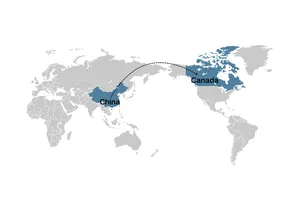
Are you looking for the most efficient way to manage shipping from Shanghai to Canada? Navigating international logistics can be challenging, with options like sea freight, air freight, and various customs requirements to consider. In this comprehensive guide, we’ll explore the top shipping methods, cost-saving strategies, timelines, and everything you need to know to ensure your shipment from Shanghai to Canada arrives smoothly and on budget.
Overview of Shipping from Shanghai to Canada
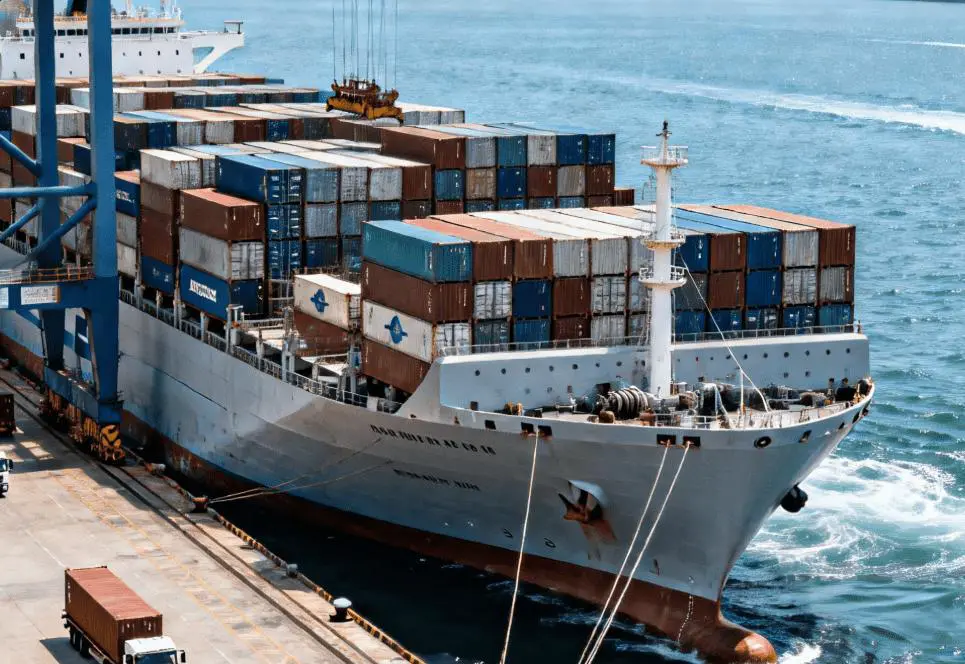
Shipping from Shanghai to Canada is a crucial trade route for many businesses, including importers, exporters, cross-border e-commerce sellers, and manufacturers. As a global trade hub, Shanghai offers comprehensive logistics infrastructure and a vast selection of shipping options, serving as the main gateway for goods exported from China to North America. Understanding the process and choosing the right logistics partner ensures timely delivery, regulatory compliance, and cost efficiency.
As someone with over a decade of experience in international freight forwarding, I observe that businesses shipping from Shanghai to Canada benefit significantly from the city’s world-class port, competitive shipping rates, and frequent vessel and flight schedules. In this guide, I will provide an in-depth analysis of why Shanghai is the preferred shipping origin, key Canadian ports, main transportation modes, and how to select the most suitable shipping method for your needs.
Related reading: For a detailed breakdown of transit times and influencing factors, see Shipping time from China to Canada.
Why Choose Shanghai as Your Shipping Origin
Shanghai is not only China's largest city but also the world's busiest container port, handling about 51.51 million TEUs in 2024. The city’s strategic location, advanced logistics infrastructure, and integrated customs services make it a top choice for businesses targeting the Canadian market.
Key Advantages:
- High-frequency sailings and flights: Daily vessel departures and multiple weekly direct flights to major Canadian cities minimize wait times.
- Extensive carrier options: Access to a wide range of shipping lines and airlines allows for flexible rate and schedule choices.
- Integrated logistics services: Advanced warehousing, consolidation, and value-added services support various shipping needs, including Amazon FBA, door-to-door, and breakbulk shipments.
- Efficient customs clearance: Streamlined export documentation and strong experience with Canada Border Services Agency (CBSA) requirements reduce delays.
Top Canadian Ports and Destinations for Imports from China
When shipping from Shanghai, choosing the right destination port in Canada can impact your transit time, cost, and last-mile delivery efficiency. Here are the main ports and their trade relevance:
| Port Name | Location | Volume Rank (Canada) | Main Regions Served | Typical Trade Commodities | Notes |
|---|---|---|---|---|---|
| Port of Vancouver | British Columbia | #1 | Western Canada, Prairies | Consumer goods, electronics, machinery | Largest and most diversified port; main gateway for trans-Pacific trade; excellent rail connectivity. |
| Port of Montreal | Quebec | #2 | Quebec, Ontario, Atlantic | Apparel, textiles, automotive parts | Key entry for eastern provinces; strong intermodal links; preferred for cross-Canada LCL shipments. |
| Port of Prince Rupert | British Columbia | #3 | Western/Northern Canada | Grain, forest products, mining equipment | Fast-growing; known for fast transit times; ideal for time-sensitive cargo. |
| Port of Halifax | Nova Scotia | #4 | Atlantic Canada | Food, seafood, industrial machinery | Serves maritime provinces; good for diversified importers targeting Atlantic market. |
| Toronto (Airport/CY) | Ontario | N/A (air/rail) | Central Canada | High-value, time-sensitive goods | Major air freight and container yard (CY) hub; ideal for urgent or high-value shipments. |
Vancouver and Montreal remain the primary ports for containerized ocean freight, whereas Toronto and Vancouver airports serve as the main gateways for air cargo from Shanghai.
Main Shipping Methods: Sea Freight vs Air Freight
When shipping from Shanghai to Canada, the two primary modes are sea freight and air freight. Choice depends on your cargo’s size, value, urgency, and budget. Below is a detailed comparison to help you select the optimal method.
For those interested in alternative shipping services, you might also want to explore DDP shipping from China to Canada, which can simplify import procedures and cost management.
Advantages and Disadvantages of Ocean Freight
Ocean Freight is the most widely used mode for bulk and containerized shipments due to its cost-effectiveness and capacity. The main container types and their capacities are:
| Container Type | Capacity (CBM) | Typical Uses |
|---|---|---|
| 20FT | 28 | Small shipments, heavy goods |
| 40FT | 56 | Standard large shipments |
| 40HQ | 68 | Voluminous/lightweight cargo |
| 45HQ | 78 | Extra-large, space-intensive loads |
Advantages:
- Cost-effective for large volumes (e.g., full container load/FCL, less-than-container load/LCL).
- Wide range of cargo types: Suitable for general, oversized, and special cargo.
- Environment-friendly: Lower carbon footprint per ton compared to air.
- Flexible options: DTFU International Logistics Co.,Ltd offers FCL, LCL, OOG, breakbulk, consolidation, and door-to-door services.
Disadvantages:
- Longer transit times: Typically 16-30 days depending on port pairs and schedule.
- Sensitive to port congestion and weather delays.
- Complex documentation and compliance: Requires detailed paperwork, especially for hazardous or regulated goods.
Typical Ocean Transit Times (Shanghai to Canada):
| Destination Port | Transit Time (Days) |
|---|---|
| Vancouver | 16-20 |
| Prince Rupert | 14-18 |
| Montreal | 25-30 |
| Halifax | 28-32 |
When to Choose Air Freight for Shanghai to Canada Shipments
Air Freight is the fastest shipping method and is preferred for urgent, high-value, or time-sensitive cargo. With direct flights from Shanghai Pudong International Airport (PVG) to major Canadian airports, transit times are drastically reduced.
If your interest is in air cargo specifically, our guide on Air Shipping From China Canada provides more detailed insights into speed, process, and best practices.
Best Scenarios for Air Freight:
- Urgent delivery requirements: E.g., machinery parts, electronics, samples, medical supplies.
- High-value or perishable goods: When speed and security outweigh cost.
- Small shipment sizes: Especially below 500 kg or 2-3 CBM.
- Amazon FBA restocking: Fast replenishment to meet marketplace demands.
Advantages:
- Shortest transit time: 2-5 days total, including customs clearance.
- Minimal risk of damage or loss: Less handling and secure airport environments.
- Simplified customs process: Fewer documentation requirements compared to ocean freight.
Disadvantages:
- Higher costs: Air freight rates are several times higher than sea freight.
- Weight and size restrictions: Airlines impose limits on oversized or heavy cargo.
- Not suitable for all cargo types: Dangerous goods or prohibited items may require special handling.
Typical Air Freight Transit Times (Shanghai to Canada):
| Destination Airport | Transit Time (Days) |
|---|---|
| Vancouver International Airport (YVR) | 2-3 |
| Toronto Pearson International Airport (YYZ) | 3-4 |
| Montreal Pierre Elliott Trudeau International (YUL) | 4-5 |
Cost Comparison Table (Dec 2025):
| Shipping Mode | Reference Weight/Volume | Estimated Cost (USD) | Transit Time (Days) |
|---|---|---|---|
| Sea Freight (FCL 20FT) | 28 CBM / 20,000 kg | 2,000 – 3,500 | 16–25 |
| Sea Freight (LCL) | 1 CBM / 500 kg | 150 – 250 | 18–30 |
| Air Freight | 100 kg / 1 CBM | 800 – 1,500 | 2–5 |
Note: Actual rates fluctuate based on season, fuel surcharges, and market demand. For an accurate quote, contact DTFU International Logistics Co.,Ltd.
Choosing between sea freight and air freight depends on your specific needs, timeline, and budget. As a highly professional and cost-effective international logistics service provider, DTFU International Logistics Co.,Ltd offers tailored solutions for both ocean and air cargo, including Amazon FBA, warehousing, cargo insurance, customs clearance, and end-to-end door delivery. For a detailed consultation and up-to-date shipping rates from Shanghai to Canada, feel free to reach out to us.
Step-by-Step Guide to the Shipping Process
Shipping from Shanghai to Canada involves several critical stages. Adhering to each step ensures your goods arrive safely, on time, and in compliance with international regulations. Below, I outline the essential steps, integrating my expertise and the latest best practices in global freight forwarding.
Booking and Documentation Requirements
Proper booking and documentation are the foundation of successful international shipping. Here’s how to navigate this process:
1. Select Your Freight Forwarder:
Choosing a reliable partner like DTFU International Logistics Co.,Ltd guarantees professional handling of all logistics, from pickup in Shanghai to delivery in Canada.
2. Make a Booking:
You or your freight forwarder should book cargo space with the shipping line (for sea freight) or airline (for air freight). Early booking is advised during peak seasons.
3. Prepare Essential Documents:
To comply with customs and ensure smooth transit, you must prepare:
- Commercial Invoice
- Packing List
- Bill of Lading (B/L) or Air Waybill (AWB)
- Export/Import Licenses (if required)
- Certificate of Origin
- Insurance Policy (if cargo insurance is purchased)
- Customs Declaration Forms (specific to China and Canada)
Tip: DTFU International Logistics offers documentation support, minimizing errors that could result in delays or fines.
Cargo Packing, Labeling, and Loading Procedures
Proper cargo handling prevents loss, damage, and customs issues. Key points include:
1. Packing:
- Use sturdy, moisture-resistant materials.
- For containerized shipments, ensure cargo fits within standard container dimensions:
- 20FT: 28 CBM
- 40FT: 56 CBM
- 40HQ: 68 CBM
- 45HQ: 78 CBM
- Protect goods with internal cushioning for fragile or high-value items.
2. Labeling:
- Clearly show consignee and consignor information.
- Display handling instructions (e.g., “Fragile”, “This Side Up”).
- Include destination port (e.g., Vancouver, Toronto, Montreal).
3. Loading:
- Ensure even weight distribution inside the container or pallet.
- For LCL (Less than Container Load), separate and label each shipment.
- Seal containers with high-security seals.
- Take photos of loaded cargo for records and insurance claims, if needed.
Customs Clearance and Compliance for China-Canada Shipments
Efficient customs clearance is critical for timely delivery and legal compliance.
1. Export Clearance in China:
- File an export declaration with Chinese customs.
- Present all required documents (see above).
- Pay export duties if applicable (most regular exports from China are duty-free, but check HS codes).
2. Import Clearance in Canada:
- Canadian customs require advance electronic submission (ACI) of cargo data.
- Provide required documents to the Canada Border Services Agency (CBSA).
- Comply with Canada Customs Invoice (CCI) requirements for shipments over CAD 2,500.
- Pay applicable import duties, GST, and taxes.
- For certain goods (e.g., food, cosmetics, electronics), obtain specific permits or certifications.
3. Compliance Considerations:
- Meet all packaging regulations (e.g., ISPM-15 for wood packaging).
- Ensure product labeling complies with Canadian standards (bilingual for consumer goods).
- Keep records of all transactions for at least six years per Canadian law.
Expert Insight: DTFU International Logistics provides One Stop Customs Clearance and compliance assistance, ensuring shipments meet both Chinese and Canadian regulatory requirements.
Key Shipping Costs and How to Save Money
Understanding the cost structure is crucial for budgeting and optimizing your supply chain.
For those comparing options or seeking more detail on expenses, check out our resource on Shipping Cost from China to Canada.
Breakdown of Freight Rates, Surcharges, and Additional Fees
Here’s a typical breakdown for shipping from Shanghai to Canada:
| Fee Type | Description | Typical Range (USD) |
|---|---|---|
| Ocean Freight | Basic shipping charge (per container or CBM for LCL) | 20FT: $1,800–$2,300<br>40HQ: $3,000–$3,800 |
| Air Freight | Charged per kilogram (kg) | $4–$8/kg (varies by weight & route) |
| Fuel Surcharge (BAF/CAF) | Adjustment for fluctuating oil prices | $150–$400/container |
| Port Charges | Loading/unloading, terminal handing fees | $150–$350/TEU |
| Documentation Fee | Preparation of shipping documents | $50–$100/shipment |
| Customs Brokerage | Customs declaration and clearance in Canada | $100–$250/shipment |
| Insurance | Optional but strongly recommended | 0.1–0.5% of cargo value |
| Delivery/Trucking | Inland transportation to final destination | Varies (distance-based) |
| Duties & Taxes | Import duties, GST, and other taxes | Variable (depends on product/HS code) |
Note: Rates are indicative and vary based on market conditions, seasonality, and cargo specifics. For a personalized quote, contact DTFU International Logistics.
Tips for Reducing Shipping Costs from Shanghai to Canada
Optimizing logistics can yield substantial cost savings. Here are proven strategies:
1. Plan Ahead:
Book shipments early, especially during peak seasons (e.g., before Christmas or Chinese New Year) to secure better rates.
2. Consolidate Cargo:
Combine multiple shipments (FCL instead of multiple LCL) to take advantage of lower per-unit rates.
3. Optimize Packaging:
Use space efficiently within containers to avoid paying for unused volume. DTFU International Logistics provides consultation on optimal packing solutions.
4. Choose the Right Shipping Mode:
- For high-volume, non-urgent goods, use ocean freight.
- For high-value, time-sensitive cargo, consider air freight.
- Evaluate hybrid solutions or consolidated freight options.
5. Negotiate and Compare Quotes:
Work with experienced freight forwarders who have access to favorable rates. DTFU International Logistics regularly negotiates with major carriers for the best deals.
6. Minimize Surcharges:
Ensure cargo is not overweight or oversized, which can incur additional fees.
7. Use Warehousing Solutions:
Strategic warehousing in Shanghai or Canadian ports can help consolidate shipments and reduce last-mile delivery costs.
8. Take Advantage of Insurance Packages:
A comprehensive insurance plan may appear as an added cost but prevents significant unexpected losses.
9. Stay Informed on Policies:
Monitor updates regarding tariffs, taxes, and trade agreements (such as the Canada–China Foreign Investment Promotion and Protection Agreement (FIPA)) to anticipate changes in landed costs.
By following this step-by-step guide and cost-saving strategies, importers and exporters can significantly improve their shipping efficiency from Shanghai to Canada. For tailored logistics solutions, expert compliance support, and competitive pricing, consider partnering with DTFU International Logistics Co.,Ltd—your one-stop provider for sea freight, air freight, customs clearance, warehousing, cargo insurance, and more.
Transit Times and Tracking Shipments
Typical Shipping Times for Sea and Air Freight Routes
When shipping from Shanghai to Canada, understanding typical transit times is essential for planning your supply chain and meeting customer expectations. The shipping method—sea freight or air freight—has a significant impact on both speed and cost. Below is a detailed comparison of typical shipping times for both sea and air freight options, based on the most frequently used routes and updated Dec 2025 market data.
Sea Freight Transit Times
Sea freight is the most cost-effective choice for large-volume shipments but involves longer transit times due to the distance and port procedures.
| Route | Main Canadian Port | Estimated Transit Time (Port to Port) |
|---|---|---|
| Shanghai → Vancouver (West Coast) | Port of Vancouver | 15–22 days |
| Shanghai → Prince Rupert | Port of Prince Rupert | 18–25 days |
| Shanghai → Montreal (via Panama Canal) | Port of Montreal | 30–37 days |
| Shanghai → Toronto (via Vancouver + rail) | Port of Vancouver + Rail | 25–32 days |
Note: Transit time may vary depending on shipping line schedules, weather, port congestion, and customs processing.
Air Freight Transit Times
Air freight is selected when speed is crucial, for high-value or time-sensitive cargo.
| Route | Main Canadian Airport | Estimated Transit Time (Airport to Airport) |
|---|---|---|
| Shanghai → Toronto | Toronto Pearson (YYZ) | 2–5 days |
| Shanghai → Vancouver | Vancouver (YVR) | 2–4 days |
| Shanghai → Montreal | Montreal-Trudeau (YUL) | 3–5 days |
Air freight times include flight time and typical terminal handling but do not account for last-mile delivery or customs clearance delays.
Key Takeaways
- Sea Freight is optimal for bulk shipments where cost savings outweigh delivery time.
- Air Freight is ideal for urgent, high-value, or perishable goods.
For both methods, working with an experienced freight forwarder like DTFU International Logistics Co.,Ltd ensures you get the most accurate scheduling, with real-time updates on route disruptions or seasonal slowdowns (e.g., Chinese New Year, Canadian port labor actions).
If you’re also interested in how long ocean shipping typically takes, see our article: How long does a ship take from China to Canada.
How to Track Your Shipment from Shanghai to Canada
Shipment tracking is a critical aspect of modern logistics, providing transparency, security, and peace of mind for shippers.
Tracking Methods for Sea Freight
-
Bill of Lading Number:
Enter your Bill of Lading (B/L) Number on the ocean carrier’s tracking portal for up-to-date information on vessel location, estimated arrival, and port handling. -
Container Number:
Use the container number to track your shipment across multiple platforms (carrier’s website, third-party tracking tools like MarineTraffic). -
Freight Forwarder Platform:
At DTFU International Logistics Co.,Ltd, we offer an integrated shipment tracking portal, allowing clients to monitor:- Vessel departure and arrival times
- Transshipment status
- Customs clearance progress
- Final delivery updates
Tracking Methods for Air Freight
-
Air Waybill (AWB) Number:
Enter your AWB Number on the airline’s tracking system or global air cargo tracking platforms (e.g., CargoTrack, TrackTrace). -
DTFU Online Customer Dashboard:
Our clients receive real-time air shipment updates, including:- Flight status
- Customs release
- Scheduled delivery time
Advanced Tracking Features from DTFU
As supply chain transparency becomes more important, DTFU International Logistics Co.,Ltd provides advanced tracking solutions:
- Automated Notifications: Receive alerts for milestone events (departure, arrival, customs clearance, out for delivery).
- Integrated Documentation: Access shipping documents, invoices, and customs forms in one secure place.
- 24/7 Customer Support: Our team assists with tracking queries, proactive issue resolution, and ETA updates.
Benefits of Professional Shipment Tracking
- Peace of Mind: Know where your cargo is at every stage.
- Proactive Planning: Respond quickly to delays or exceptions.
- Customer Service: Provide accurate delivery estimates to your customers.
Choosing a Reliable Freight Forwarder for Shanghai to Canada Shipping
Selecting a trusted freight forwarder is crucial for hassle-free shipping from Shanghai to Canada. Here’s what to consider and why DTFU International Logistics Co.,Ltd stands out as your ideal partner.
Key Criteria for Selecting a Freight Forwarder
| Criteria | Why It Matters | DTFU’s Strengths |
|---|---|---|
| Experience & Reputation | Minimizes risk; ensures expertise in overcoming route-specific challenges | Over 10 years in China–Canada logistics; strong client reviews |
| Service Range | Flexibility for different shipment types and logistics needs | End-to-end: Sea, Air, Road, Amazon FBA, Warehousing, Insurance |
| Customs Compliance | Avoids costly delays, penalties, or cargo holds | In-depth knowledge of Chinese and Canadian regulations |
| Transparent Pricing | Essential for accurate cost management and budgeting | No hidden fees; clear breakdowns and cost-saving advice |
| Real-time Tracking | Provides shipment visibility and supply chain control | Proprietary online tracking platform, 24/7 support |
| Problem Resolution | Rapid response to disruptions ensures business continuity | Local experts in both China and Canada, proactive communication |
Why Choose DTFU International Logistics Co.,Ltd
- One-Stop Service: From sea freight, air freight, road freight, to Amazon FBA, warehousing, and cargo insurance—all under one roof.
- Door to Door Solutions: Whether FCL, LCL, or consolidated shipments, we handle everything from origin pickup to final delivery.
- Compliance and Documentation: Experts in customs clearance for both Chinese export and Canadian import procedures, ensuring smooth movement.
- Cost-Effectiveness: We leverage long-term carrier relationships to secure competitive rates, passing savings directly to you.
- Professional Support: Our bilingual team (English/Chinese) offers comprehensive consultation and ongoing support.
- Value-added Services: Including OOG (Out-of-Gauge) Freight, Breakbulk Freight, and cargo insurance for special project shipments.
Client Testimonials
“Working with DTFU International Logistics Co.,Ltd gave us real peace of mind. Their tracking system and proactive problem-solving make them stand out among freight providers.”
— Supply Chain Manager, Canadian Electronics Importer
Final Thoughts
Choosing a reliable freight forwarder is more than just comparing rates; it’s about finding a partner who ensures your shipments from Shanghai to Canada arrive safely, on time, and within budget. At DTFU International Logistics Co.,Ltd, our experience, technology, and commitment to service excellence empower your business to thrive in international trade.
For a customized shipping solution or a free consultation, contact our expert team today.