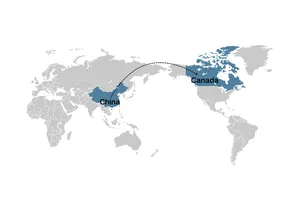
Are you wondering how long a ship takes from China to Canada and what factors can influence your delivery timeline? Understanding the complexities of shipping routes, transit times, and customs procedures is essential for smooth international trade. In this comprehensive guide, we’ll break down the key factors affecting transit times, explore both sea and air freight options, and provide tips to help you optimize your shipping from China to Canada.
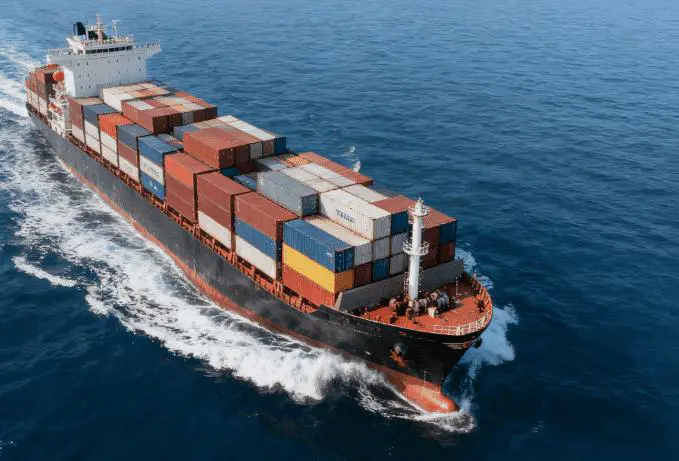
Key Factors Influencing Transit Times
When planning international shipments from China to Canada, several key factors directly impact transit times. Understanding these variables is vital for accurate delivery estimates and efficient supply chain management.
- Shipping Method: The most significant factor is the choice between sea freight and air freight. Sea freight is cost-effective but slower, while air freight offers speed at a higher cost.
- Origin and Destination Ports: Proximity to major Chinese ports (such as Shanghai, Shenzhen, or Ningbo) and Canadian ports (Vancouver, Montreal, or Toronto) can reduce inland transportation time and influence total transit duration.
- Cargo Type & Volume: Whether you are shipping Full Container Load (FCL) or Less than Container Load (LCL) impacts handling procedures and consolidation time.
- Customs Clearance: Delays can occur due to incomplete documentation, inspection, or regulatory changes at either the origin or destination.
- Carrier Schedules & Routing: Direct sailings are faster than transshipment routes, where cargo is transferred between vessels at intermediate ports.
- Seasonal Fluctuations: Peak shipping seasons (such as pre-Christmas or Chinese New Year) often lead to congestion and longer lead times.
- Weather Conditions & Force Majeure: Typhoons, port strikes, or unforeseen events can disrupt normal shipping schedules.
- Freight Forwarder Expertise: Working with an experienced logistics partner like DTFU International Logistics Co.,Ltd ensures better planning, proactive risk management, and up-to-date information.
Sea Freight from China to Canada
Sea freight is the most popular mode for bulk shipments due to its cost efficiency, especially for non-urgent goods. It generally offers two main options: Full Container Load (FCL) and Less than Container Load (LCL).
Full Container Load (FCL) Shipping Times
FCL involves renting an entire container for your cargo. This method is suitable for large shipments and provides faster transit due to minimal handling and no consolidation requirements.
| Route (Major Ports) | Estimated Transit Time |
|---|---|
| Shanghai to Vancouver | 14–18 days |
| Ningbo to Vancouver | 15–20 days |
| Shenzhen to Vancouver | 16–21 days |
| Shanghai to Montreal | 22–28 days (via Panama Canal) |
| Qingdao to Toronto | 25–30 days (via Vancouver, then rail) |
Note: These times reflect ocean transit only and do not include origin/destination haulage, documentation, or customs clearance.
FCL Container Capacities:
- 20FT: 28CBM
- 40FT: 56CBM
- 40HQ: 68CBM
- 45HQ: 78CBM
FCL is preferred for high-volume or high-value shipments, reducing the risk of cargo damage and shortening handling periods at ports.
Less than Container Load (LCL) Shipping Times
LCL is ideal for smaller shipments that do not fill a full container. Shipments from multiple customers are consolidated into one container, leading to additional handling and slightly longer transit times.
| Route (Major Ports) | Estimated Transit Time |
|---|---|
| Shanghai to Vancouver | 20–28 days |
| Ningbo to Vancouver | 22–30 days |
| Shenzhen to Vancouver | 23–32 days |
| Shanghai to Montreal | 30–38 days (including de-consolidation) |
LCL shipments spend extra time at consolidation and de-consolidation warehouses, which can add 3–7 days to the journey compared to FCL. Proper documentation and accurate labeling are essential to avoid delays.
Major Chinese Ports for Canada Shipments
The following Chinese ports are key gateways for exports to Canada:
- Shanghai Port: The world's busiest container port, offering frequent, direct sailings to Canada. It handles a diverse range of goods, making it suitable for both FCL and LCL shipments.
- Shenzhen Port: Known for its proximity to major manufacturing centers, Shenzhen (including Yantian, Shekou, Chiwan) provides efficient connections to North America.
- Ningbo-Zhoushan Port: Popular with electronics, machinery, and consumer goods exporters. It offers robust infrastructure and competitive shipping schedules.
- Qingdao Port: Serves Northern China, specializing in chemicals, textiles, and automotive shipments.
- Guangzhou (Nansha) Port: A strong alternative for South China manufacturers, with growing direct routes to Canadian ports.
Each port has unique advantages in terms of location, frequency of sailings, and industry focus. Choosing the right departure port can significantly affect both cost and transit time.
Related Reading: For shippers interested in regional comparisons or exploring other trade lanes, see the guide on Shipping Cost from China to USA to understand differences in North American routes.
Major Canada Ports for Chinese Imports
Key Canadian ports handling imports from China include:
- Port of Vancouver (British Columbia): Canada's largest ocean port, handling over 60% of containerized cargo from Asia. Offers the fastest access to Western Canada and intermodal connections (rail/truck) to central and eastern Canada.
- Port of Montreal (Quebec): Major entry point for the eastern provinces. Most shipments arrive via trans-Atlantic or via rail after landing at west coast ports.
- Port of Prince Rupert (British Columbia): Noted for its high efficiency and shorter sailing times from North Asia compared to Vancouver. Increasingly popular for time-sensitive goods.
- Port of Toronto (Ontario): Primarily an inland port served via rail from Vancouver or Montreal for distribution in central/eastern Canada.
Port Selection Tips:
- For West Coast delivery, Vancouver or Prince Rupert offer the quickest sea transit.
- For East/Central Canada, consider a combination of sea (to Vancouver) and rail to Toronto or Montreal for efficient onward delivery.
DTFU International Logistics Co.,Ltd is experienced in leveraging these port networks and can advise on the best routes based on your cargo, timelines, and budget.
Expert Tip: Always factor in customs processes, local delivery schedules, and potential port congestion when estimating total shipping time. For the most accurate assessment and reliable service, partnering with an experienced freight forwarder like DTFU International Logistics Co.,Ltd ensures your shipments move smoothly from China to Canada.
Air Freight from China to Canada
When time is critical, air freight is the fastest way to move goods from China to Canada. There are two common options: Express Air Freight and Standard Air Cargo. Choosing the right service depends on your shipment’s urgency, budget, and the nature of your goods.
Express Air Freight Transit Times
Express Air Freight is ideal for urgent shipments, small parcels, or high-value goods. These services are typically provided by international couriers such as DHL, FedEx, and UPS. DTFU International Logistics Co.,Ltd also partners with leading air carriers to offer competitive express solutions.
- Transit Time: 2–4 days (door-to-door) from major Chinese cities (like Shanghai, Shenzhen, or Guangzhou) to major Canadian cities (such as Toronto, Vancouver, or Montreal).
- Service Scope: Includes customs clearance, last-mile delivery, and real-time tracking.
- Use Cases: E-commerce parcels, electronics, medical supplies, samples, or documents.
| Origin (China) | Destination (Canada) | Typical Express Transit Time | Notes |
|---|---|---|---|
| Shenzhen | Toronto | 2–3 days | Door-to-door, includes clearance |
| Guangzhou | Vancouver | 2–3 days | Door-to-door, includes clearance |
| Shanghai | Montreal | 3–4 days | Door-to-door, includes clearance |
Note: Transit times may vary due to customs procedures, flight schedules, or weather disruptions. Peak seasons such as Chinese New Year or Christmas may lead to delays.
Read more: If you're also considering air shipments to neighboring markets, see Air Shipping From China Canada for a dedicated overview on costs, transit times, and practical tips.
Standard Air Cargo Transit Times
Standard Air Cargo is suitable for larger shipments that are less time-sensitive but still require faster transit than sea freight. This service is provided by major airlines and logistics providers, including DTFU International Logistics.
- Transit Time: 5–7 days (airport-to-airport) from primary Chinese airports (PVG – Shanghai Pudong, CAN – Guangzhou Baiyun, SZX – Shenzhen Bao’an) to major Canadian airports (YYZ – Toronto Pearson, YVR – Vancouver International, YUL – Montreal Pierre Elliott Trudeau).
- Service Scope: Airport-to-airport, with options for door-to-door if arranged.
- Use Cases: Electronics, garments, machinery parts, automotive components.
| Origin Airport (China) | Destination Airport (Canada) | Standard Transit Time | Frequency |
|---|---|---|---|
| PVG (Shanghai) | YYZ (Toronto) | 5–6 days | Daily/Several times a week |
| CAN (Guangzhou) | YVR (Vancouver) | 5–7 days | Several times a week |
| SZX (Shenzhen) | YUL (Montreal) | 6–7 days | Several times a week |
Important Tip: Standard air cargo may require extra time for consolidation, customs clearance, and final delivery. Always factor in both the flight schedule and ground handling times.
Freight Forwarder’s Value: Working with an experienced freight forwarder like DTFU International Logistics Co.,Ltd ensures your cargo is booked on optimal flights, that paperwork is handled correctly, and that your goods clear customs efficiently.
Shipping Rates from China to Canada
Shipping costs from China to Canada depend on several factors, including transport mode, cargo volume and weight, service level, seasonality, and fuel surcharges. Here’s an overview to help you estimate your logistics budget.
Air Freight Rate Table (Estimated)
| Service Type | Rate per kg (USD) | Min. Chargeable Weight | Transit Time | Notes |
|---|---|---|---|---|
| Express Air (Door-to-Door) | $6–$10 | 0.5 kg | 2–4 days | Fastest, all-inclusive, ideal for small parcels |
| Standard Air Cargo | $3–$6 | 45 kg | 5–7 days | More economical for bulkier or heavier cargo |
Please Note:
- Rates fluctuate depending on the season (peak shipping periods are usually more expensive).
- Actual prices may vary based on fuel surcharges, cargo type (general, dangerous, perishable), and airline capacity.
- For up-to-date, customized quotations, it’s best to contact a professional freight forwarder.
Sea Freight Rate Table (FCL & LCL) (For Reference)
| Container Type | Estimated Rate (USD) | Transit Time | Notes |
|---|---|---|---|
| 20FT FCL | $1,800–$2,700 | 18–30 days | Port-to-port, all-in rates |
| 40FT FCL | $2,800–$4,200 | 18–30 days | |
| LCL (per CBM) | $120–$180 | 22–35 days | Based on volume, minimums apply |
Disclaimer: These are average market rates as of Q2 2024. Rates can vary significantly due to geopolitical events, fuel prices, port congestion, and currency fluctuations.
Tip: To compare costs with other popular destinations, you can read Shipping Cost from China to Chile for South American pricing insights.
Key Considerations Impacting Rates
- Seasonality: Rates increase during peak seasons (e.g., Chinese New Year, Golden Week, Christmas shipping rush).
- Weight vs. Volume: Air freight charges by the greater of gross weight or volumetric weight. Sea freight LCL charges are usually per CBM.
- Service Level: Express service costs more but saves transit time.
- Additional Services: Customs clearance, insurance, warehousing, and last-mile delivery may incur extra fees.
Choosing the right air freight option and understanding current shipping rates are key to efficient China-Canada logistics. With DTFU International Logistics’ expertise, your goods arrive swiftly, safely, and cost-effectively—no matter your business size or cargo type.
Cost Implications of Shipping Time
Shipping time directly affects the total logistics cost when transporting goods from China to Canada. Faster shipping methods, such as air freight, come with higher rates, while slower options like sea freight are generally more economical but take longer. As a shipper, understanding the relationship between transit time and cost is crucial for budget planning and supply chain optimization.
Balancing Speed and Cost
When selecting a shipping method, it's essential to weigh speed against cost based on your business priorities:
| Shipping Method | Typical Transit Time (China to Canada) | Estimated Cost (per kg or per CBM) | Best For |
|---|---|---|---|
| Sea Freight (FCL) | 18-35 days | $50-150/CBM | Large, non-urgent shipments |
| Sea Freight (LCL) | 22-40 days | $80-200/CBM | Small to medium, flexible shipments |
| Air Freight (Standard) | 3-7 days | $4-8/kg | Medium urgency, higher-value goods |
| Air Freight (Express) | 1-3 days | $6-12/kg | Urgent, time-sensitive shipments |
- Sea freight is cost-effective for bulky, non-urgent cargo.
- Air freight is best for high-value or time-sensitive goods but at higher rates.
- During peak seasons, both cost and transit times may increase due to limited space and higher demand.
At DTFU International Logistics Co.,Ltd, we help clients determine the optimal mode of transport based on cargo size, value, urgency, and budget, ensuring both cost-efficiency and timely delivery.
You may also like: For a deeper dive into containerized shipping costs in the region, check Sea Shipping From China Canada for reference rates and transit insights.
Factors Affecting Shipping Costs
Several key elements can influence your final shipping costs from China to Canada:
- Shipping Method & Service Level: As shown above, FCL, LCL, standard air, and express air each have distinct pricing structures.
- Cargo Volume and Weight: Larger and heavier shipments attract higher costs but may benefit from economies of scale with FCL bookings.
- Origin and Destination Ports: Shipping rates vary between major Chinese ports (such as Shanghai, Shenzhen, Ningbo) and Canadian ports (Vancouver, Montreal, Toronto), influenced by local handling charges and connectivity.
- Fuel Surcharges: Fluctuations in global fuel prices directly impact both sea and air freight rates.
- Customs Duties and Taxes: Both origin and destination country policies may add to the landed cost.
- Additional Services: Value-added services like cargo insurance, door-to-door delivery, or warehousing provided by DTFU International Logistics can affect the total cost.
- Peak Season Surcharges: Expect higher rates during seasons such as the Christmas rush or Chinese New Year.
Pro tip: Early planning and booking help avoid peak season surcharges and secure better rates.
Navigating Customs and Documentation for Timely Delivery
Efficient customs clearance is vital for minimizing transit delays and ensuring regulatory compliance when shipping from China to Canada. Below, I detail the essential processes, requirements, and documents you should prepare for a smooth logistics experience.
Chinese Customs Clearance Process
The Chinese customs clearance process involves several steps:
- Export Declaration: The shipper or appointed freight forwarder files an export declaration with Chinese customs.
- Inspection: Chinese customs may inspect the cargo, especially for controlled or restricted items.
- Documentation Checks: Critical documents (commercial invoice, packing list, export license if applicable) are reviewed for accuracy.
- Customs Release: Once all checks are satisfactory, customs issues a release allowing the cargo to be loaded for export.
Common Reasons for Delay:
- Incomplete or inaccurate documentation
- Misclassification of goods (incorrect HS code)
- Unpaid export taxes or duties
DTFU International Logistics Co.,Ltd provides full support to ensure your shipments meet all Chinese export compliance requirements, reducing the risk of customs delays.
Canada Customs Clearance Requirements
Upon arrival in Canada, shipments undergo Canada Border Services Agency (CBSA) clearance. The process includes:
- Submission of Documents: The importer or freight forwarder submits key documents electronically to CBSA.
- Duties and Taxes Assessment: CBSA assesses applicable duties, GST, and import taxes based on the declared value and HS code.
- Inspection (if selected): Shipments may be physically inspected for compliance, safety, or prohibited items.
- Release for Delivery: After all formalities and fees are settled, the cargo is released for final delivery.
Important Tips:
- Ensure your Canadian importer number is valid and active.
- For certain goods (e.g., food, electronics), additional permits or compliance certificates may be required.
Essential Shipping Documents
Providing accurate shipping documents is a cornerstone of efficient customs clearance. Typical documents required for shipments from China to Canada include:
| Document | Purpose |
|---|---|
| Commercial Invoice | Details of goods, value, buyer/seller information |
| Packing List | Specifies contents, dimensions, and weight |
| Bill of Lading (Sea) / Airway Bill (Air) | Contract of carriage and receipt of goods |
| Export/Import License | Required for certain regulated or restricted items |
| Certificate of Origin | Confirms production origin, used for preferential tariffs |
| Insurance Certificate | Proof of cargo insurance coverage (optional but recommended) |
| Product-Specific Certificates | For regulated commodities (e.g., food safety, electronics) |
Missing or inaccurate documentation can lead to significant delays or even the return of goods. At DTFU International Logistics Co.,Ltd, our experienced team provides end-to-end guidance on all required paperwork, ensuring your cargo moves seamlessly through both Chinese and Canadian customs.
Choosing the Right Shipping Method for Your Needs
Selecting the most suitable shipping method when transporting goods from China to Canada is critical for balancing transit time, cost, and reliability. Your choice depends on a range of factors including shipment volume, delivery deadlines, product type, and overall logistics strategy.
When to Choose Sea Freight
Sea Freight is the most widely used method for shipping large, heavy, or non-urgent consignments from China to Canada. Here are key considerations for choosing this method:
- Cost-Effectiveness: For bulk shipments, Full Container Load (FCL) and Less than Container Load (LCL) options offer the most competitive per-unit freight rates, making sea shipping ideal for cost-conscious businesses.
- Large Volume Capability: If your shipment volume approaches or exceeds a full container (e.g., 20FT: 28CBM, 40FT: 56CBM, 40HQ: 68CBM, 45HQ: 78CBM), sea freight is optimal.
- Wide Port Coverage: Major Chinese ports such as Shanghai, Shenzhen, Ningbo, Qingdao, and Guangzhou, and Canadian ports like Vancouver, Prince Rupert, Montreal, and Toronto support frequent sailings and handle high cargo volumes.
- Eco-Friendliness: Sea freight has a lower carbon footprint per ton compared to air freight, aligning with sustainability goals.
- Suitable Cargo Types: Best for non-perishable goods, raw materials, machinery, and products that do not require rapid delivery.
Recommended for: Importers, exporters, and manufacturers shipping large, heavy, or non-urgent cargo needing cost efficiency.
When to Opt for Air Freight
Air Freight is the preferred choice for businesses with time-sensitive shipments or high-value, lightweight goods. Consider air freight if:
- Speed is Critical: Air transit times from major Chinese airports (e.g., Shanghai Pudong, Beijing Capital, Guangzhou Baiyun) to Canadian airports (e.g., Toronto Pearson, Vancouver International) range from 1 to 5 days, significantly faster than sea freight (which can take 20–40 days).
- Small, High-Value, or Perishable Goods: Electronics, fashion, medical supplies, and urgent samples benefit from air transport’s security and speed.
- Supply Chain Agility: Air freight helps maintain lean inventories and meet urgent market demands.
- Reliable Schedules: Air cargo offers more predictable ETAs, with less disruption from weather or port congestion.
| Shipping Method | Typical Transit Time (China → Canada) | Recommended Cargo | Cost | Volume/Weight Suitability |
|---|---|---|---|---|
| Sea (FCL/LCL) | 20–40 days | Bulk, non-perishable, heavy machinery | Low | Medium/Large, heavy shipments |
| Air Freight | 1–5 days | Perishables, electronics, urgent goods | High | Low/Medium weight, high-value |
Recommended for: Cross-border e-commerce sellers, supply chain managers, and businesses needing quick replenishment or special handling.
Considerations for Urgent Shipments
For urgent deliveries from China to Canada, the following strategies can help:
- Express Air Freight: Use express services (FedEx, DHL, UPS) for fastest door-to-door delivery, often within 1–3 days.
- Multimodal Solutions: Combine air and sea or sea and rail for optimized cost/speed balance.
- Dedicated Charters: For very high-priority shipments, consider booking dedicated air charters.
- Pre-booking & Priority Loading: Reserve air or sea transport space during peak seasons to avoid delays.
Expert Tip: At DTFU International Logistics Co.,Ltd, we provide tailored solutions for urgent and time-sensitive shipments, including express air freight, scheduled cargo flights, and dedicated tracking services to ensure your goods arrive on time.
Tips for Expediting Your Shipments
Ensuring fast and reliable delivery from China to Canada involves adopting best practices throughout the shipping process.
Working with Reliable Freight Forwarders
Selecting a trustworthy and experienced freight forwarder is crucial for seamless logistics:
- Professional Service: Choose freight forwarders with proven track records, comprehensive global networks, and expertise in both Chinese and Canadian customs.
- DTFU International Logistics Co.,Ltd stands out as a highly professional, cost-effective, and high-quality one-stop international logistics service provider. Our services include Sea Freight, Road Freight, Air Freight, Amazon FBA, Warehouse, Cargo Insurance, One-stop Customs Clearance, Insurance, Door to Door, OOG Freight, Consolidated Freight, and Breakbulk Freight.
- Technology Integration: Use forwarders offering modern tracking systems for real-time visibility.
- Customs Expertise: Reliable partners proactively manage documentation and compliance, reducing delays at borders.
Accurate Documentation and Packaging
Proper documentation and packaging are vital for smooth customs clearance and damage prevention:
- Complete Documentation: Ensure all required shipping documents (Bill of Lading, Commercial Invoice, Packing List, Certificate of Origin) are accurate and complete.
- Correct HS Codes: Assign correct Harmonized System (HS) codes to avoid customs issues.
- Secure Packaging: Use durable and appropriate packaging to safeguard your products during long transits, especially for LCL and air shipments.
- Labeling: Clearly label all cargo with destination, handling instructions, and consignee information.
Planning Around Peak Seasons
Shipping times and costs can fluctuate significantly during peak periods due to increased demand:
- Peak Seasons to Note:
- Chinese New Year (January–February): Many factories and logistics providers close or operate at reduced capacity.
- Golden Week (October): Port congestion and backlogs are common.
- Holiday Seasons (September–December): Higher e-commerce and retail volumes impact capacity and rates.
| Peak Period | Impact on Shipping | Recommended Action |
|---|---|---|
| Chinese New Year | Delays, higher rates | Book 2–4 weeks in advance |
| Golden Week | Port congestion | Avoid shipping around holiday |
| US/Canada Holidays | Delivery slowdowns | Communicate with partners early |
- Pre-Booking: Reserve space and confirm schedules early, especially for urgent or high-value shipments.
- Flexible Planning: Build in lead times and consider alternative routing.
By following these tips and leveraging the expertise of a reputable logistics partner like DTFU International Logistics Co.,Ltd, you can navigate the complexities of shipping from China to Canada with greater speed, reliability, and cost control.
Explore more: If you are also considering door-to-door solutions for your shipments, check out Door to Door Shipping From China Canada for service details and transit options.